












Over 130 years in a prime location in Ginza. Touching Japanese good old people at a long-established store that supports Japanese writing culture
Founded in Kyoto, it also has a store in the center of Ginza, "Hyoido". It is a long-established store representing Japan, boasting a history of more than 350 years since it started selling incense and Bunbo Shiho. Above all, the mainstay product "Wagami", along with the incense, has gained popularity with its high quality as well as a large number of products. Let's examine the attractiveness of Japanese paper, which Japan boasts, through Hatoi-do. 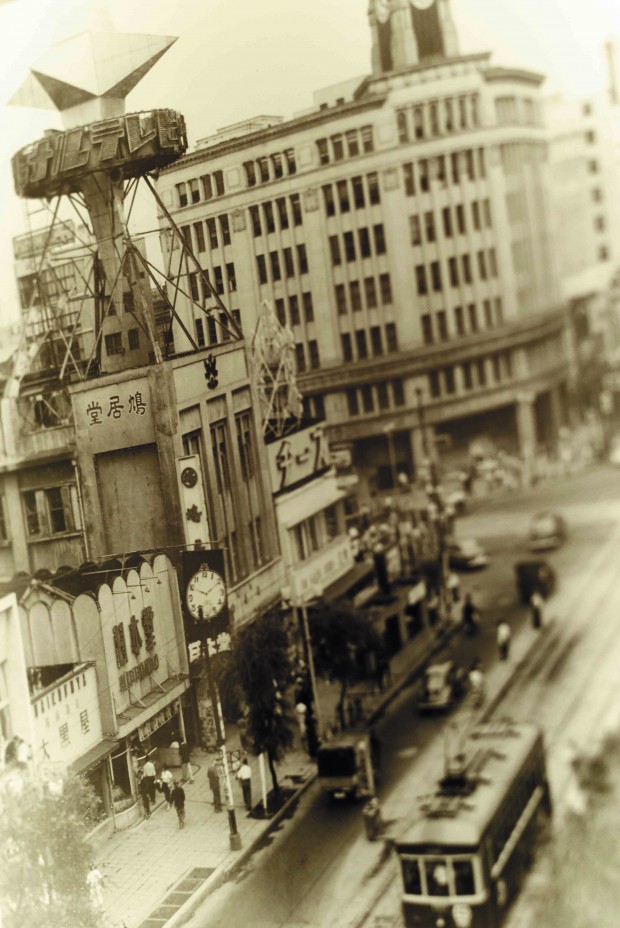
The history of Hatoi-do, it was with the history of washi
HADOIDO handles a variety of washi paper and washi products such as paperwork, half paper, colorful paper, letter paper and postcards, and Chiyogami. The store opened in Ginza in 1880 with the capitalization of Tokyo, but its birth is even older, and it started in Kyoto as a drug industry (Yakushigyou) that sells and mixes ingredients for medicines in Kanbun 3 (1663). Yes. At the beginning of the 1700's, we focused on the fact that the scent of fragrant wood, such as white rattan, which is the raw material for medicine, gives it a good scent, and manufacture a bonito incense (takimonopencil). We will start importing brushes, ink, paper, and paper from China, which is the origin of raw materials. In this way, Hatoido has transformed from a pharmaceutical industry into a specialty store of gift and Bunbo Shiho.
At the end of the Edo period, the company also began producing brushes and ink. It seems that there were requests from literary painter Ikeda Taiyo (Ikinotai) and Takeshi Tanohmura (Tanomura Chikuzen), as well as Yoi Sanyo (Yoshi Sanyo), a well-known scholar who had a deep friendship. For Japanese people who use kanji, hiragana, katakana and various characters, Chinese brush, ink and paper would not always be satisfactory. 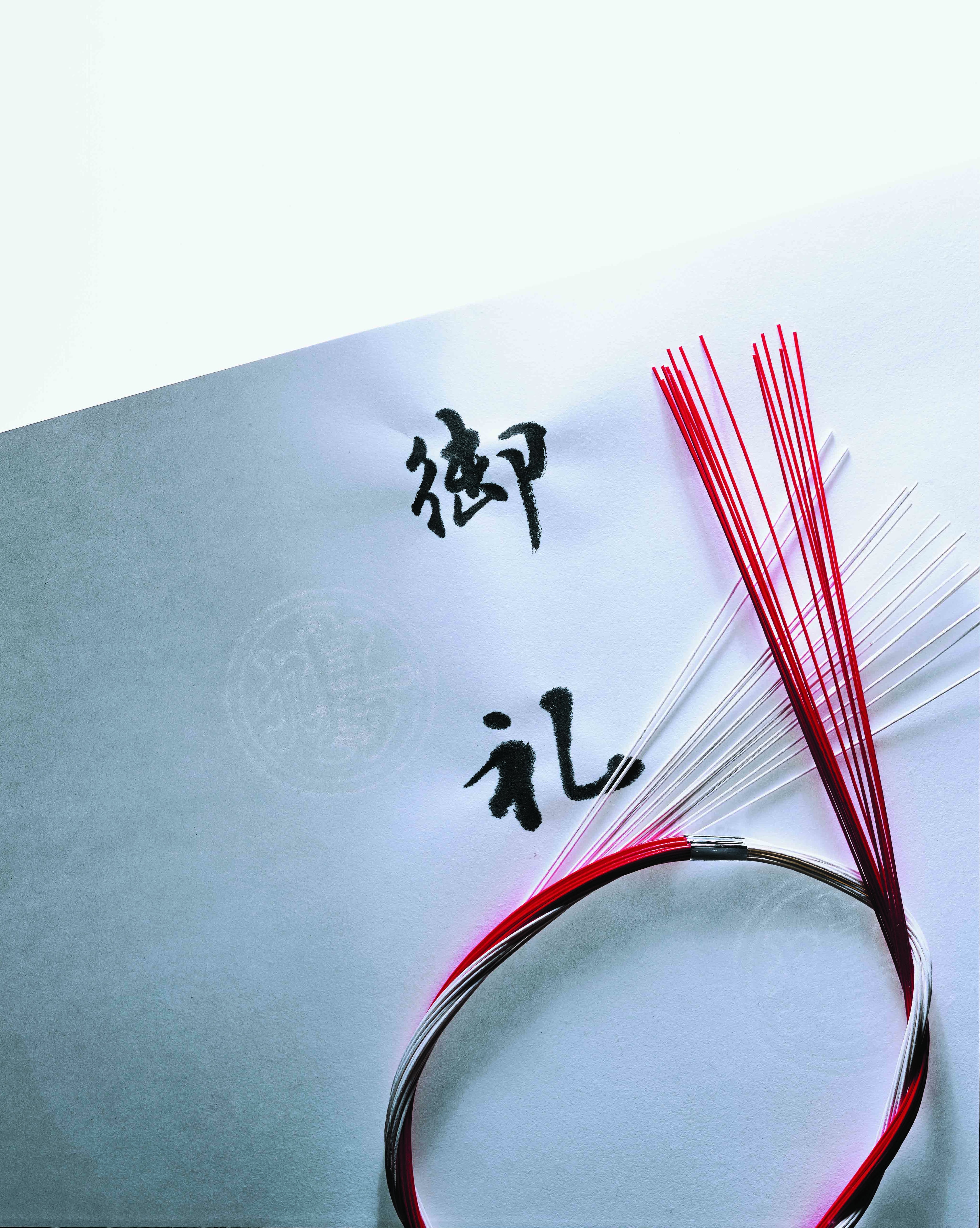 Photography / Congratulation and gratitude thanks to the goods-. A blank sheet of paper with a brush lettering conveys the feelings of the sender. Add more buzz to make it look more organized.
First of all, paper is produced and respected in various places from ancient times, as a paper that is a paper for the gods. The raw materials of Kiso (Kizou) and Mitaka (Mitsutao) are characterized by their long and strong fibers, so they are soft and resistant to breakage, and have been used as housing materials for shoji and shoji. It is a sacred thing, an indispensable material for life, and a tool for hobbies as well-a Japanese paper producing area indispensable for Japanese people ranging from Hokkaido to Okinawa, and in Hokuidoo, Fukui's Echizen with its high skill in handicrafts, There is a deep connection with producers in various places such as Kurotani in Kyoto.
The commitment is not limited to hand-made high-quality Japanese paper, but it is the same for daily necessities such as letter paper and manuscript paper and consumables. In modern times, where pens are generally used rather than writing brushes, the types of ink have become abundant, so the combinations of paper and writing instruments have diversified. Improvements and development of new products have also become frequent, but in each case at Hatoido we write letters on a prototype with various pens to experience the comfort of writing and to check the condition of the ink after several days. That work is done by the salesperson closest to the user or the employee in charge of purchasing. In order to continue making better Japanese paper products, it delivers the voices of users precisely to the production site, which is the style of the 350-year-old Hatoido hall. 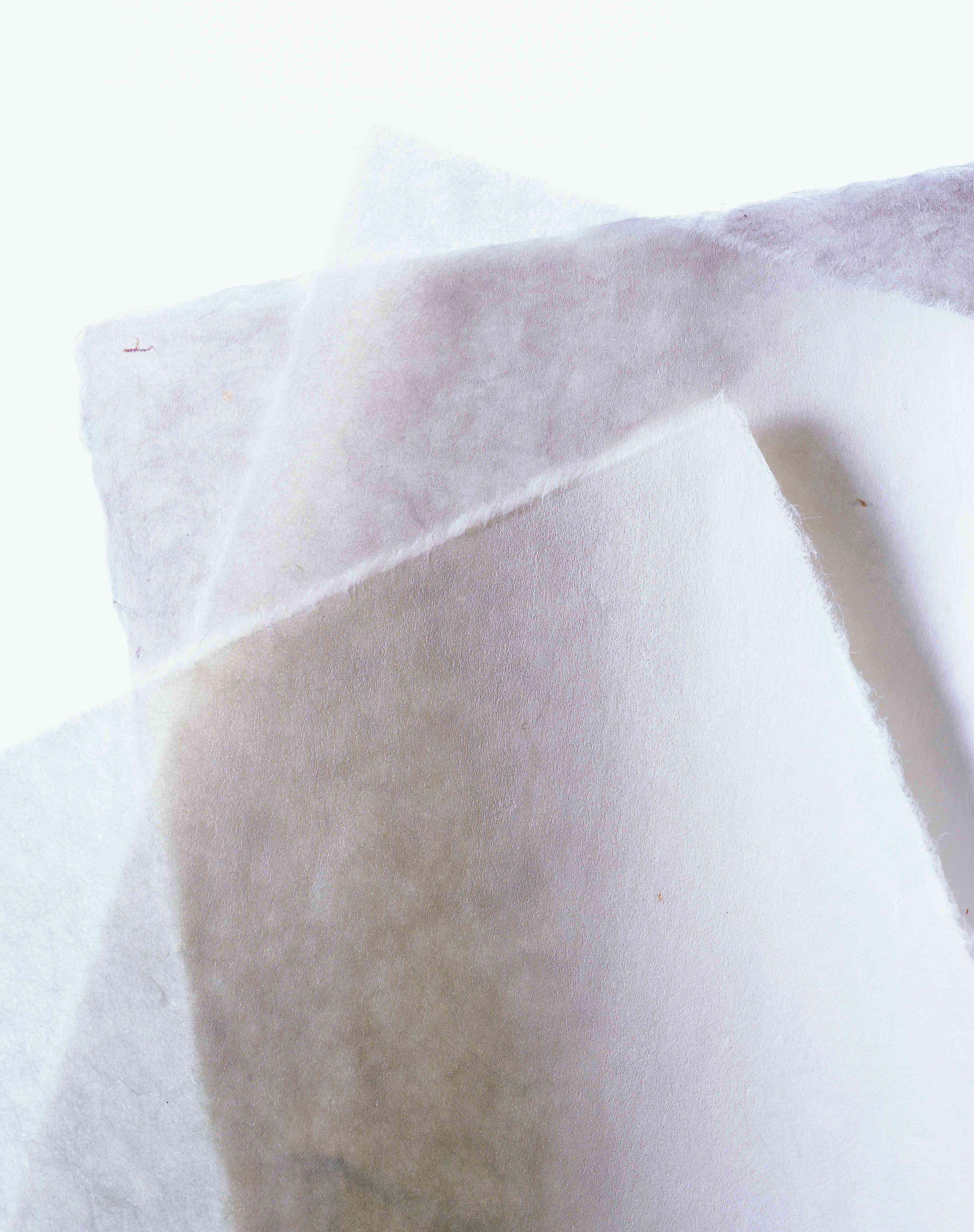 Photos / soft texture and transparent like chiffon, Washi itself is a beautiful, warm expression is attractive.
This is a hallway to improve the quality technology of washi products in order to satisfy satisfied customers, such as calligraphers, painters and writers, but the spirit also spreads to various products for everyday use. Silk-printed postcards from 80 yen per sheet, pretty Pochi bag, stationery and one-stroke paper that is easy to write with a pen and a pen. We can not help feeling the spirit of Hatoido, which has high quality materials and easy-to-use washi paper accessories, with stores set up in the heart of Kyoto and Ginza. In a long history, always with ambition, better products, we strive to service. This is why it is said that "If you go to Hatoido, you will always get fine Japanese paper and a good scent of incense."
The sacred place of Bunbo Four Treasures, the Hatoiido, has been developed in this way
1813 / Opened in Ginza, Tokyo with a mission as "Miyanaka Otei"
Kumagai Go (Hagii Naoyuki) of eight generations of Hatoi-do in 1899 is “Matsuko” of Miyanaka, which has been handed down only in the shrine for 900 years, by contributions to social service and state projects that generations of storekeepers have continued. Follow the secret of Tokyo branch office (branch office) was established at the present location (5-7-4 Ginza, Chuo-ku, Tokyo) at the time called Ginza Obari-cho at the time of 1873 in connection with Tokyo capital relocation. Musashi Shoji Michitoshi and Shiga Naoya, and literary masters also went here.
Taisho 13 / The first reconstruction is the year after the Great Kanto Earthquake. Reconstruction from Hiraya to 3 stories
The Tokyo branch restarted in the same place at the end of the year following the Great Kanto Earthquake in 1919. The picture below is a few years after that. Ginza's symbol of the Ginza, the willow and even the cobblestones can be seen, suggesting that Tokyo Hatoido has walked along with the development of Ginza.
Around 1965 / The entrance of the subway does not change with the present scenery with a dove of Ginza 4-chome intersection
The figure of Tokyo Hatoi-do before being rebuilt into the current office in 1977. All three pictures below show the "head pigeon" that has the motif of the family's crest of the Kumagaya family. Although distribution was diversifying in the Showa 40's, the business as a specialized store of Bunbo Four Treasures and gifts was not unreasonable. 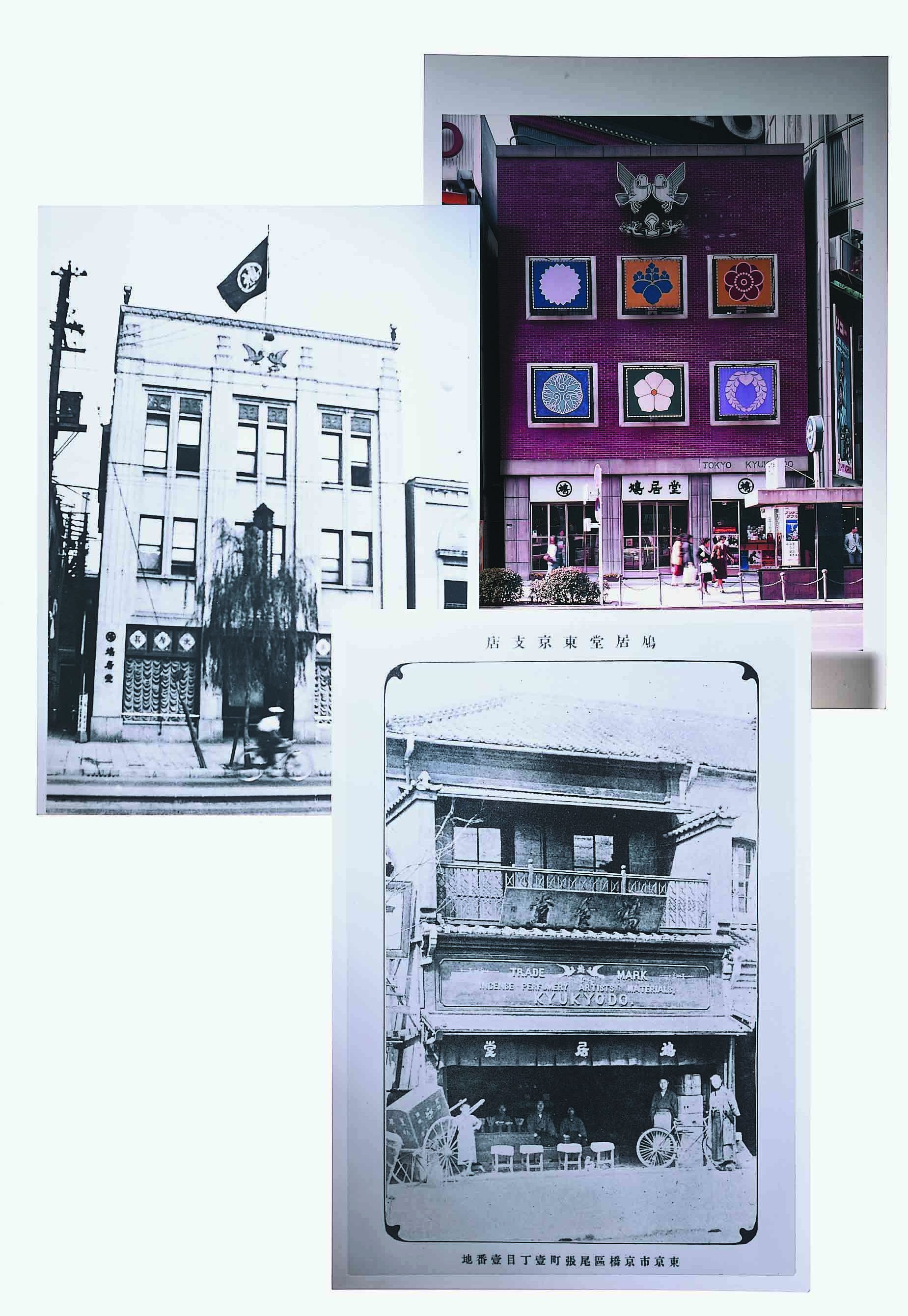 Photograph: Tokyo Hatoi-do of Meiji (lower), Taisho (left), Showa (upper).
Hatoido and Mei Washi, Five Stories
In the history of 350 years since its founding in Kyoto, Hatoido has been focusing on manufacturing and handling various stationery items from single items to consumables. In particular, Japanese paper is rich in original products made of Japanese paper, such as letter paper, postcards, and gold seals, more than paper itself. These beautiful and beautiful items are filled with the attractiveness of Japanese paper, which Haidoido has been lovingly and repeatedly improving. Let's explore the attractiveness of Japanese paper through Hatoi-do.
The charm of Hatoi-do and Japanese paper, Part 1 "The rich Japanese paper representing Japan!"
It is a Japanese paper that is full of ink and ink stains, but in collaboration with paper makers and workshops in various places, Hatoido has created a product bearing the name of “Hotoido”. Although the production area extends to all over Japan, one of the highest peaks is Echizen Washi of Fukui. In the 4th to 5th centuries, when paper was transmitted from China to Japan, it is noted in the ancient documents of Shoso-in that it had already made paper for the Shokei in this area.
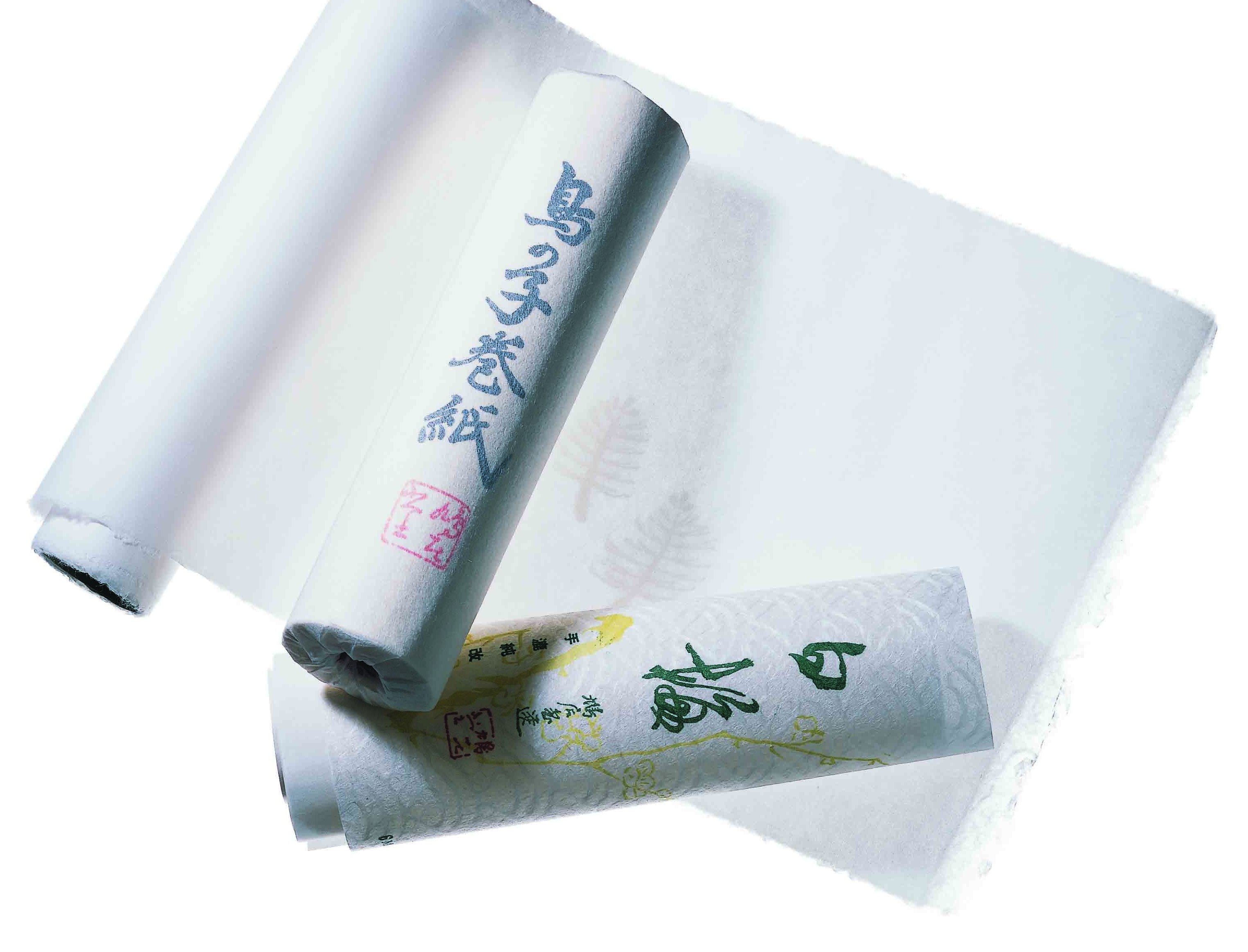 Photograph / "Chair of paper" which is a representative of ganpushi (Kanpishi) is thick and hard to bleed, so it is easy to write even for people who are not brushed.
The original washi paper products from Hatoidoo count dozens of products in the past 50 years, even with paper rolls (rolled letter paper). Some of them have been used in the palace before the purveyor system can be made, and there are also deliveries to shrines. It is a thin paper that you are familiar with, but you can print as many letters as you like, cut it to a free length, and use it in various ways, such as wrapping or folding on a bellows. Not only the roll paper but also the beautiful Japanese paper that the Japanese techniques are condensed, which makes it fun to write, is lined up in various places in Hatoido.
Charm of Hatoi-do and Washi, part 2 "Hyosetsu figure of ceremonial occasion"
It is a matter about ceremonial funeral that manners and customs live in the present age, such as the feeling to love the other party, the spirit of celebration or jealousy, the attitude of giving thanks and modest behavior. Hatoiido is lined with various congratulatory bags and various gold seals for festive occasions. Many of the mounts are made of bleached and bleached raw materials. The whiteness of this Japanese paper seems to reflect the heart of the presenter, such as purity, sanctity, or godliness.
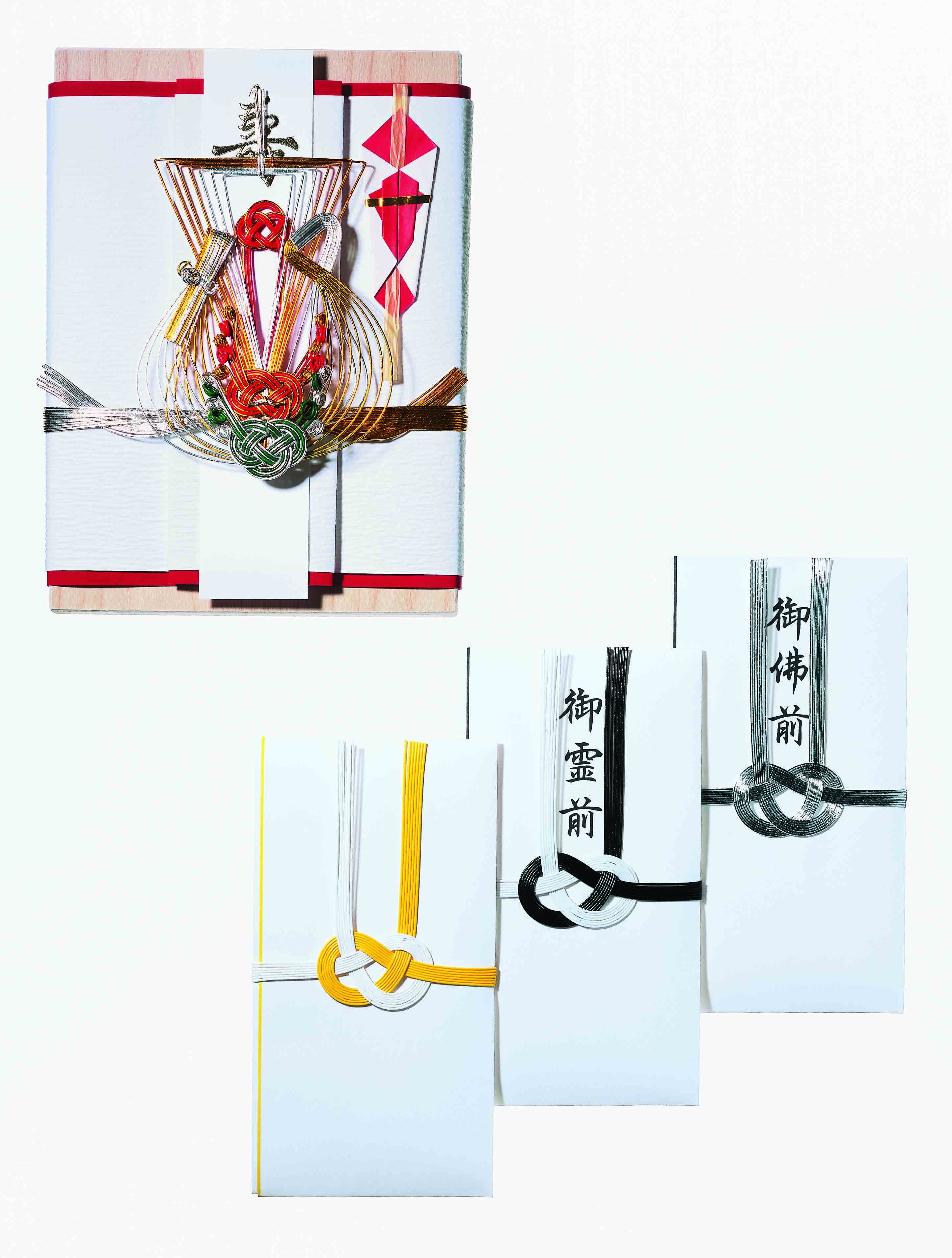 Photographs / A box attached to a box with Japanese paper hanging on it is a celebration item (reference material). It is a beauty that can be said to be a craft, which is linked to a buffalo that imitates a gold and silver shining treasure ship!
It is a Hatoido that offers such a rich variety of Japanese paper seals, but it is not only selling products. There are not many differences due to regions or sects, and there are many cases of confusion. I see the appearance of employees who are asked for advice when selling at the store, but that also shows the trust of customers coming to Hatoiido. As well as selling products, our mission is to protect and communicate Japanese culture and good spirits, which is the essence of a long-established store called Hatoido.
The charm of Hatoi-do and Washi, Part 3 "Pochi bag that enriches everyday"
Poti bag that is also used as a kanji in kanji. It seems that there are various theories, but in the Kansai area, the celebration to geisha is called "Pochi", and it comes from the nickname including "the bag that wraps a small amount of money". It is used for folding and passing banknotes, such as heartwarming and new year's gifts, and it is a product with a kind of Japaneseness that makes passing of money in bare hands impracticable. Recently, there are small-sized banknotes and small coin-oriented ones, so the sizes are also abundant. Not only money, but also useful for organizing small pieces in bags and pouches, there are many uses. 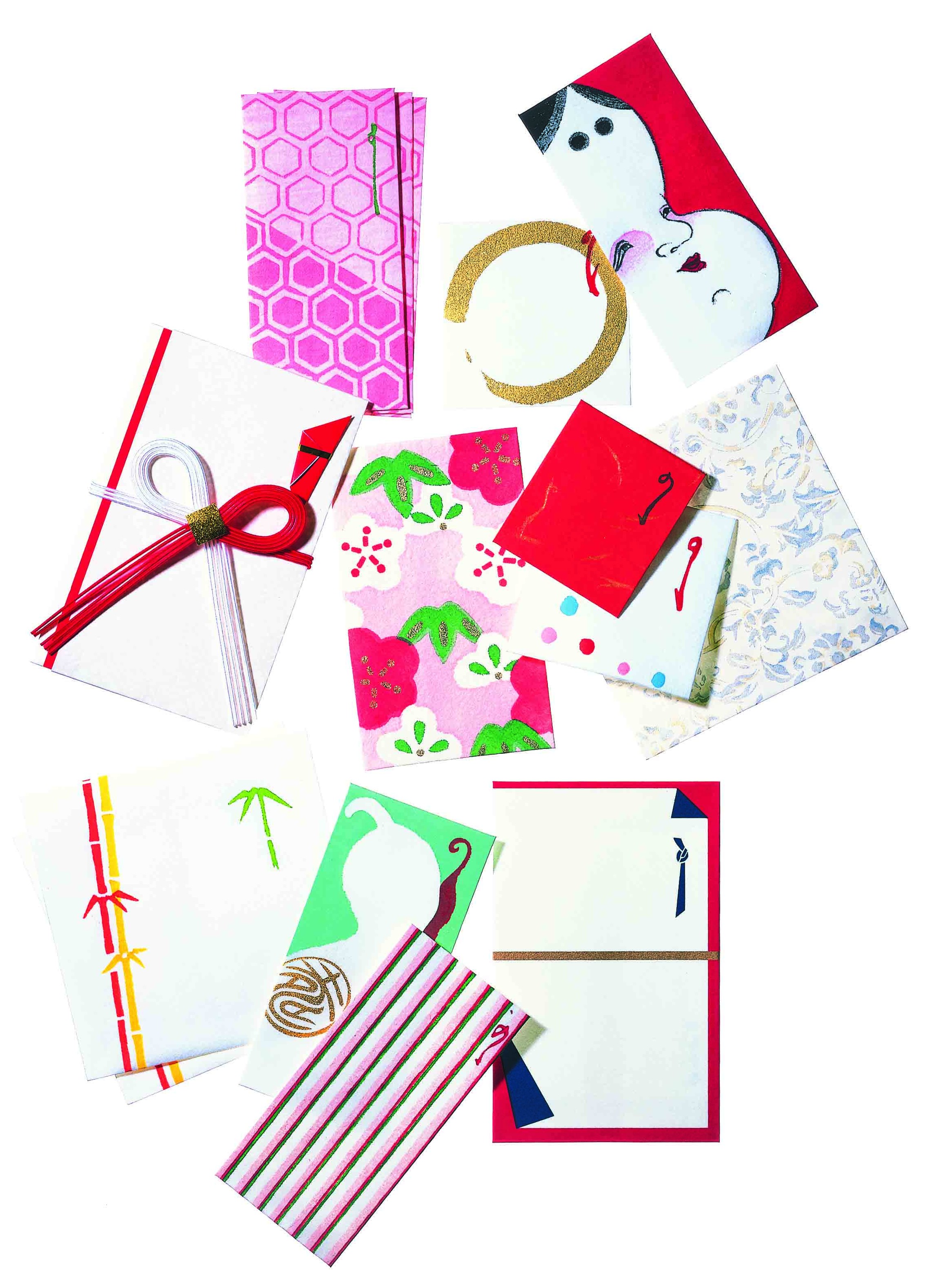 Photos / This is also cute, so many troubles to choose, there are many types of potty bags to handle.
The designs on this small bag of Japanese paper are endless and above all fun. It has a small pattern, a fine pattern, seasonal patterns and seasonal patterns, and humorous humorous things. There are a variety of printing methods such as hand-painting, silk printing, woodcuts, and even miniature miniature chopsticks of a full-fledged congratulatory bag such as Mizuhiki and Yuto. It's fun even if you get it or collect it. Just looking at it makes your mind come to mind.
Charm of Hatoi-do and Washi, the four "Chiyogami which copied Japanese beauty"
Chiyogami printed from traditional Japanese plates and good luck patterns such as Japanese traditional typographies and good old-fashioned patterns from simple and modern ones such as small print on single-color printing to gorgeous and classic ones like Makie. Those printed on thick Japanese paper have been used as costumes for crafts and paper dolls, and have been enjoyed as ornaments. At Hatoiido, we have a wide range of products, from small ones for origami to large ones for newspaper. 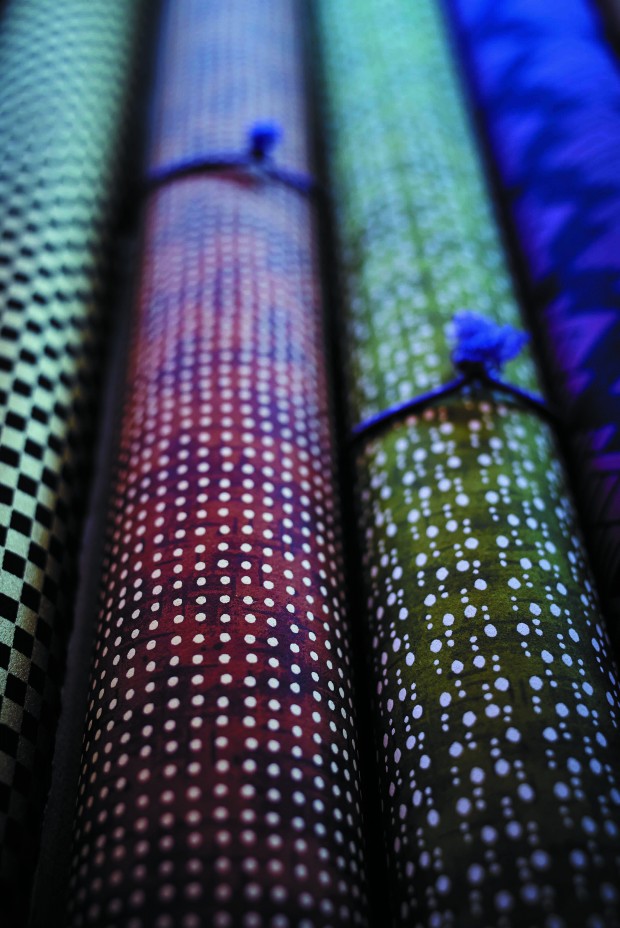 Nowadays there are a wide variety of production areas and dyeing and printing technologies, such as photographs / plain-colored folk art paper (new colors), new types of dye like Okinawa's red mold (bottle), and Yuzen. The photo is of a small print.
Developed mainly in Kyoto and Edo, Kyoto Chiyogami is rich in elegant atmospheres, such as multi-color prints of a certain work pattern (Guyo Sukumonyou) and Genji's story, applying the dyeing technology of Nishijin. . Starting with Ukiyo-e woodcut technology, Edo Chiyogami uses Kabuki scenes and actors as motifs. On the wall in the Hatoiido store, large-size washi paper 60cm x 90cm in size is lined up, and its corner is like a kimono. Besides being used for packaging and handicrafts, it is a beautiful Japanese paper product that is popular among foreigners, such as painting and making it a tablecloth.
The charm of Hatoi-do and Washi, its five "The best letter paper that entrusts the heart"
There are many kinds of stationery, including beautiful pictures, plain ones, various lines, and various types of stationery, but most of the over 100 types of stationery are lined with original products. Improvements have also been made to the type and nature of the washi paper used, from those dedicated to brushes to those for both mainstream brushes and pens. 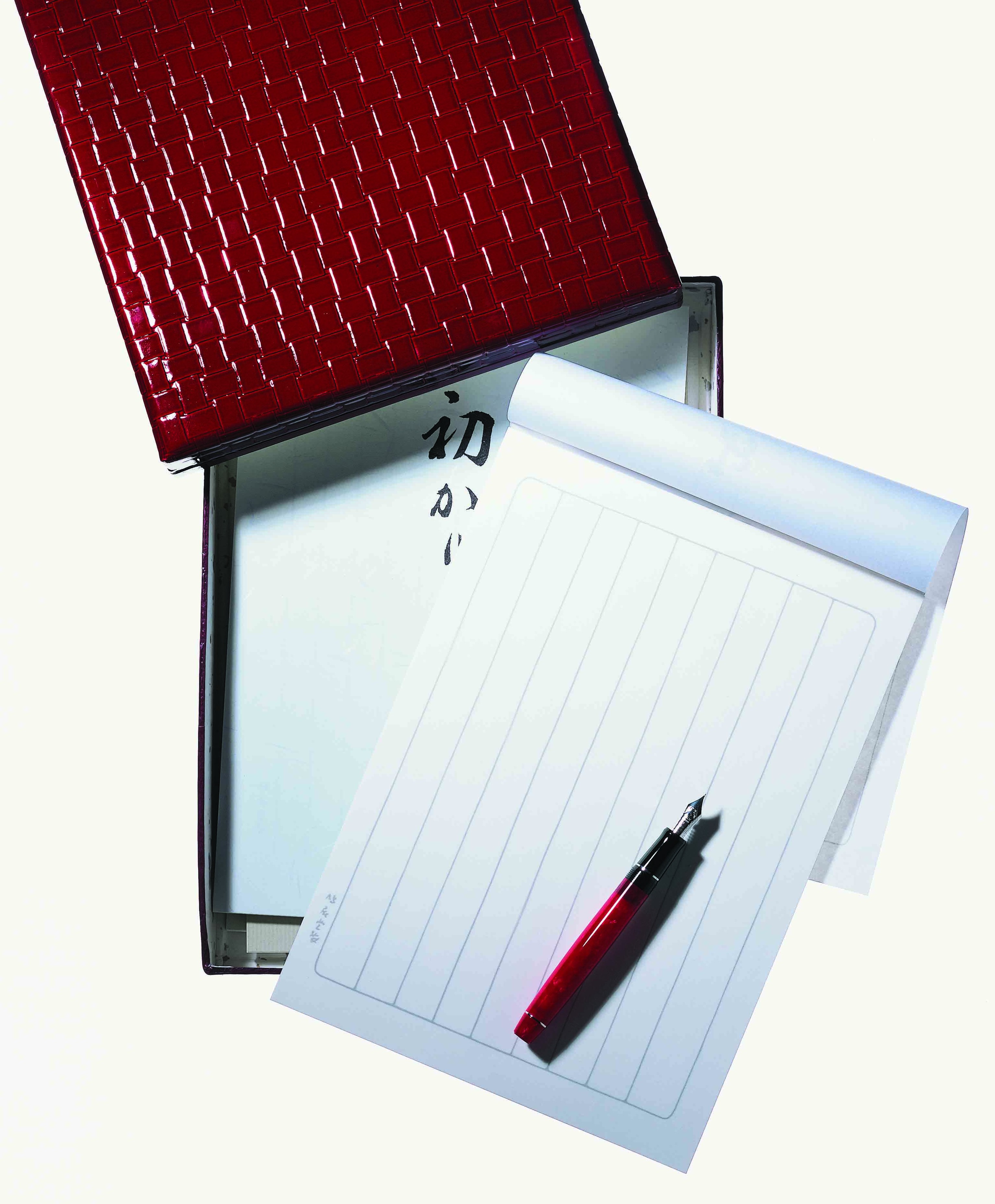 If you have your favorite things, such as photos / watermarks, envelopes, postcards, stamps on pens, etc., you can make writing fun.
These were researched together with the Japanese paper studio and paper company, and were created while seeing writing comfort, feeling of state, and aging with storage. Employees capture the voices of users, such as line spacing and the color and thickness of ruled lines, and use them in product creation. Just as we have been improving Japanese paper for writing brushes since the Edo period, our corporate culture of better products is alive in such places.
It is because today's casual communication is mainstream, handwritten letters written carefully in one-to-one correspondence echo in the mind. If writing is difficult, even a fountain pen. The gentle texture of Japanese paper should surely deliver the feeling.
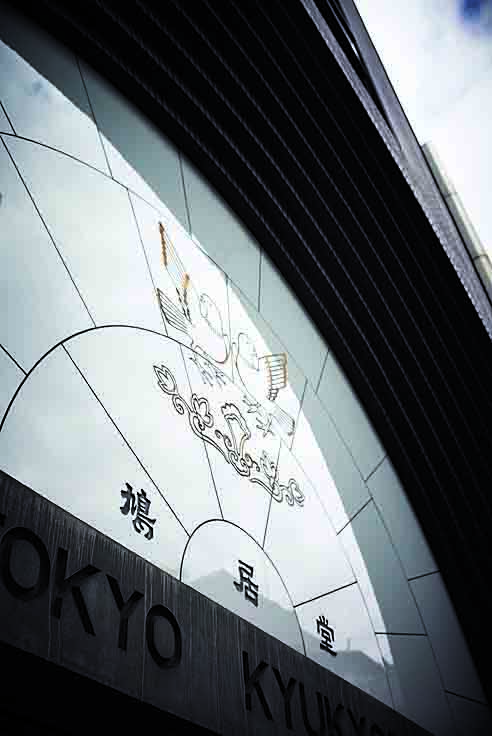
Such products, such services, too! Complete use guide
If you go out to Ginza, you will want to get close to it without having a purpose. It's fun, even if you ask me when you want to buy a postcard. In such a haunting hall, you can see the Japanese-styled, thoughtful thoughts from products and services other than Japanese paper. Have a trivia guide to enjoy Hatoyado more!
We will demonstrate the power of Shiba-Hotoido Kotobuki! <Pen, paper>
HADOIDO has materials and sizes that can be used for a variety of applications, such as brushes for writing and brushes for Japanese painting. Most of them are original products that are made with reference to the advice of the writer and the user's voice. It is a brush made using sheep, goats, horses, raccoons, dogs, dogs, etc., but there is also a popular product of waiting for half a year. A brush is a proof of Hatoidou's trust, along with Japanese paper for writing (drawing), such as calligraphy paper, beautiful paper sheets, and stationery.
We prepare everything from real goods to special items
Chinese-made Tang ink (made in China) and Japanese-made ink ink (Waboku), the ink composition of the material, the manufacturing method, and the ink color are various. We handle a wide range of items from 1,000 yen to tens of thousands of yen, but in Hatoiido, we sell mainly on original ink made in Nara, which is a large producing area of Japanese ink. In addition to practical items, the only non-consumable item in the Bunbo Four Treasures is one that is valuable as an ornamental or decorative item. Some say that there is more than 5 million yen!
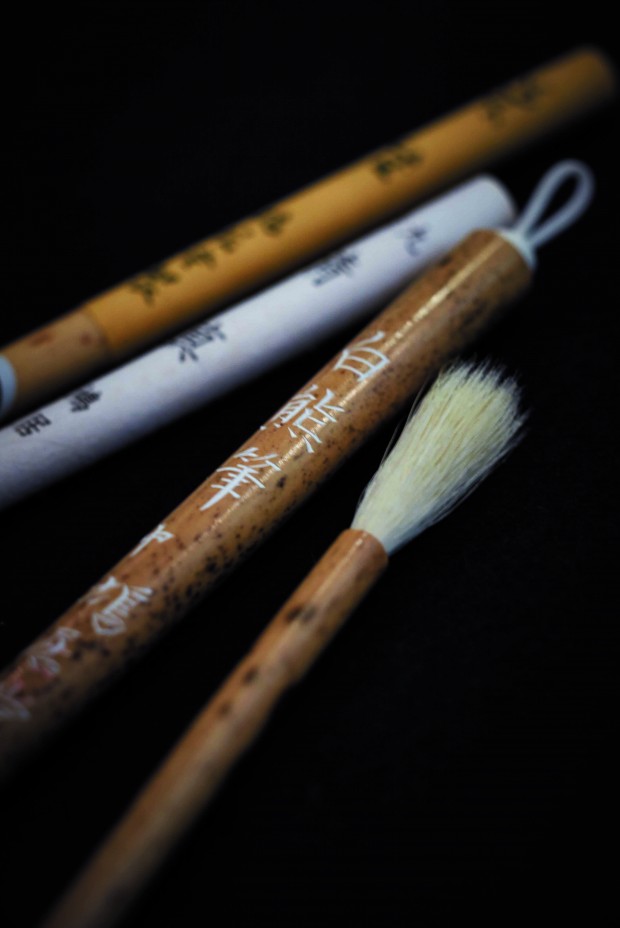
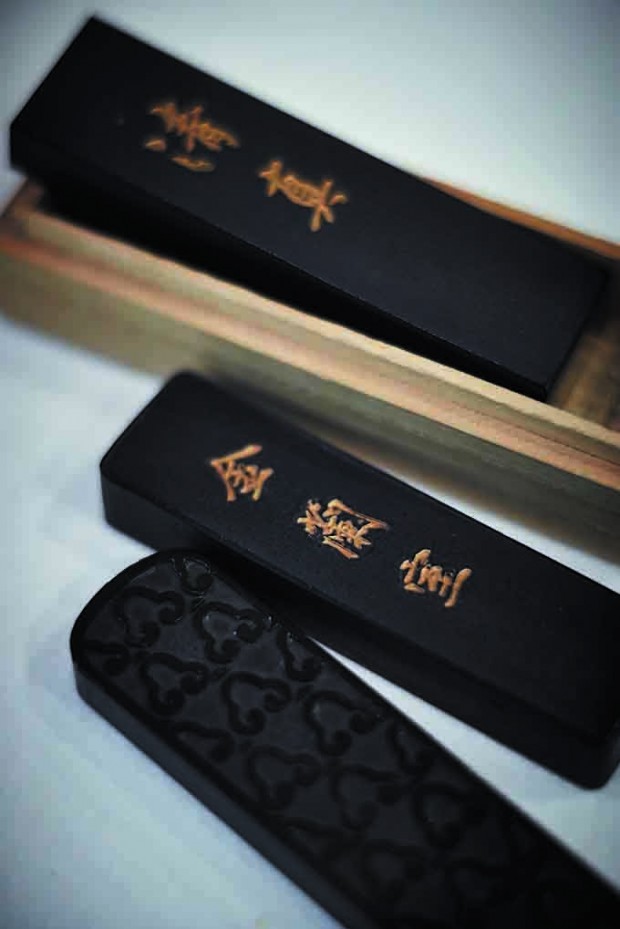
The popular shorthand "Misho", which is a half-year wait with a reservation up to 2 persons per photo. The ink "Kinran Shitsu (Kinran Shitsu)" is a royal family favorite.
It is safe even if you offer it
The quality that is unique to Hatoido, the incense that earns tremendous trust. It is made of a unique blend of Hakoido based on the secret method of royal secret from the materials used in traditional Chinese medicine such as fragrant wood, such as mandala, agaroke, and birch, and clover. From daily prayers to greetings to the crowd, trays, ceremonies, and marryees again. There are also colorful things such as fruits and flowers, so it's also good to enjoy the smell.
It is a good smell for insects only for paper.
The four seasons in Japan produce a rich natural atmosphere, but on the other hand, humid summer, dry winter, and climatic annoyance. Especially for washi, which dislikes moisture and insects, several months from rainy season to summer are the seasons to be cautious of. Hatoiido protects insects from paper products such as drawings, scrolls, books, etc., and its retro package is a special paper insect repellent incense. It is a traditional scent unique to the company that has been making musk products since the late Edo period.
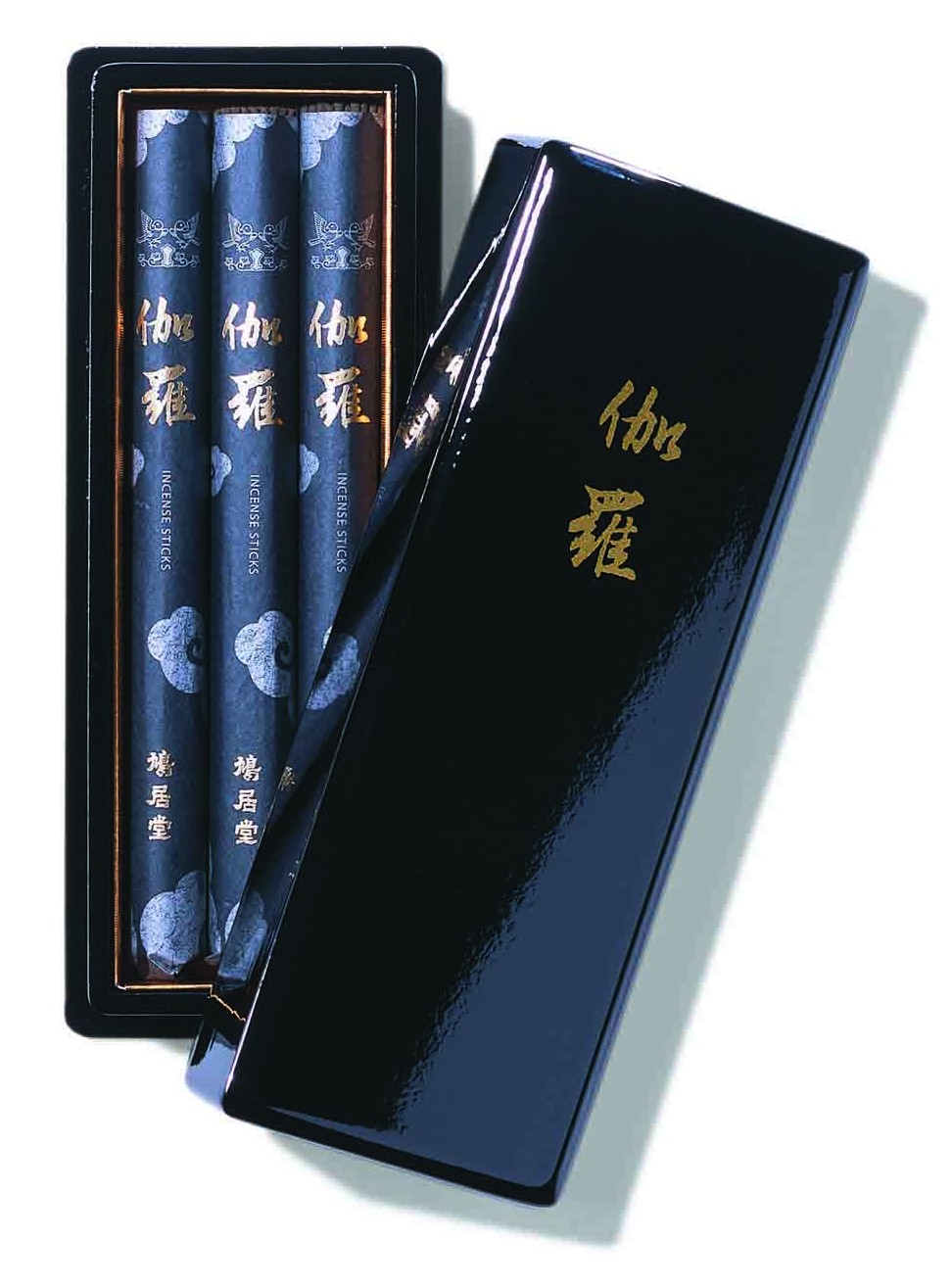
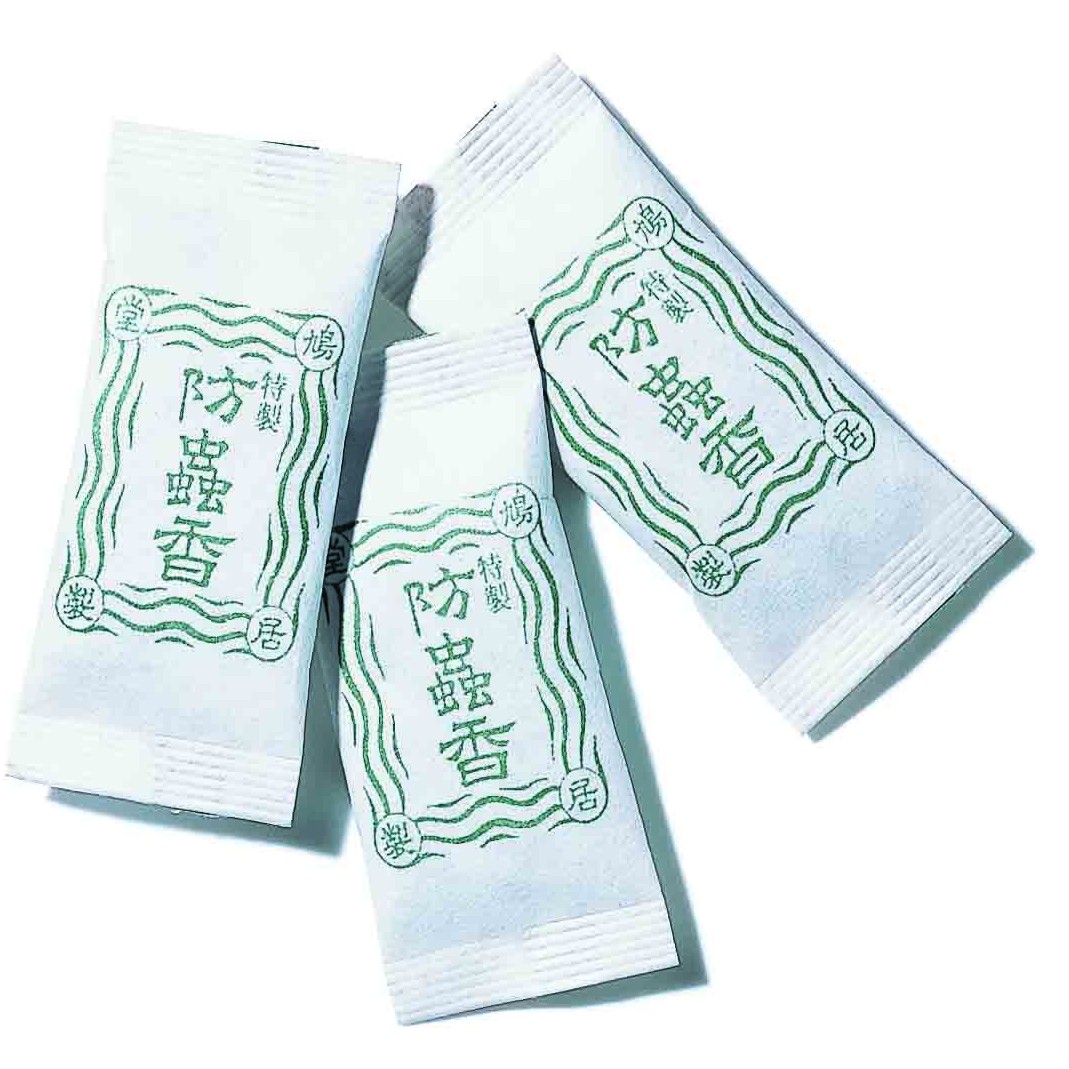
The photo / photograph's incense is a commemorative product of its 350th anniversary. Use top quality scented wood and mandala (reference item). Insect repellent for paper using natural spice. Also for the insects of the drawing.
A Japanese-style scent that did not seem like <Aroma candle with a white-brown scent>
In addition to incense sticks, it is used in fragrant woods, incense sticks (Neriko), Inko (Inko), incense sticks (incompetence) used in worshiping Shinto and Buddha, odor bags, and products using aroma oils, as well in Hatoido There is also a wealth of products related to the scent. A recent popular product is an aroma candle, which has a reputation for being the halloido-like scent of white coral. In addition to practical uses such as scent elimination and insect repellent, the scent also calms and refreshes the feeling. Nature and spine stretch are also unique to the Japanese scent.
Popular for foreigners and souvenirs <doll bookmarks>
Tokyo Hatoi-do, located in the center of Ginza, is full of shoppers as it opens daily, but the proportion of foreigners is also considerable. Beautiful Japanese paper products with delicate sensibility and high technology are very popular as Japanese-style products. Especially popular among foreigners are the Chiyogami and the doll bookmarks on the ground floor. Chiyogami is a popular top 2 with reasonable price and wrapping paper and interior, doll bookmarks as decoration.
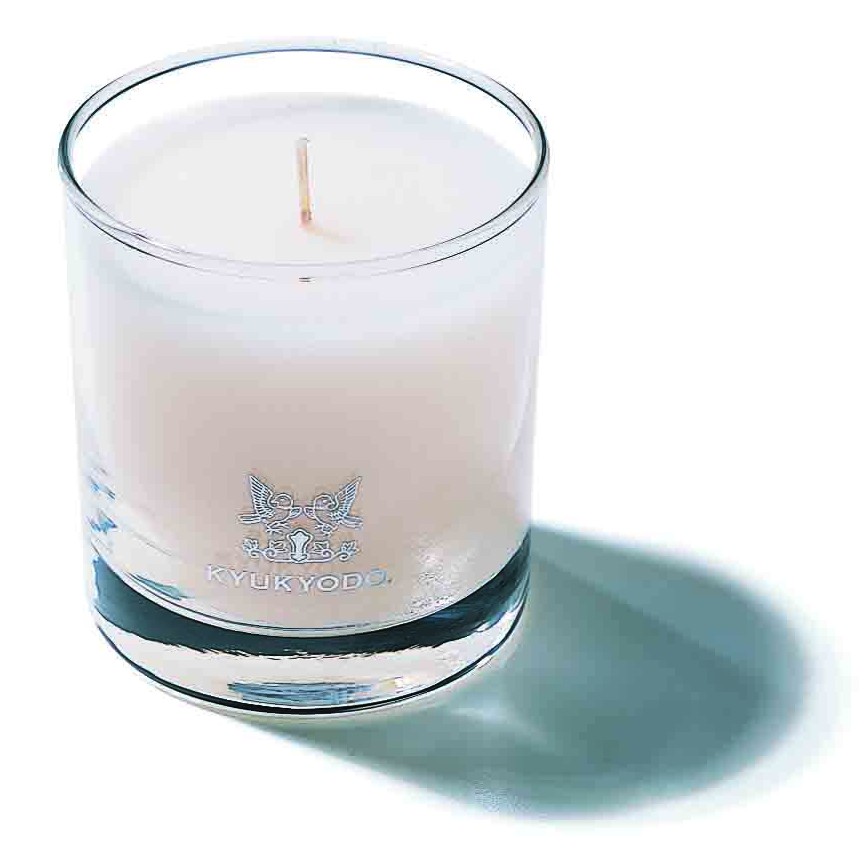
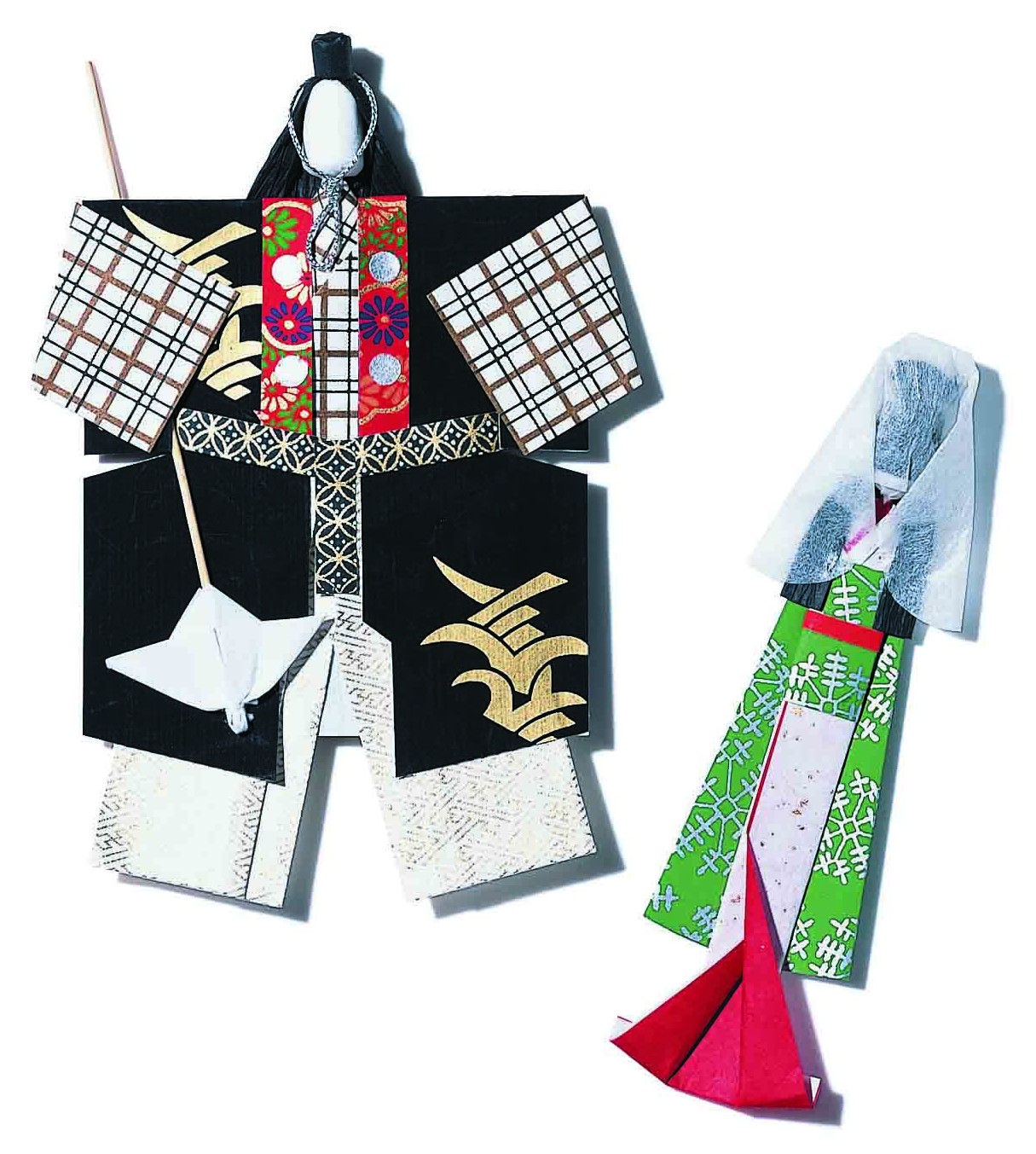
Photograph / There are two kinds of original aroma candle of Hatoido, white rose and floral. There are dozens of "paper dolls" made of Japanese paper lined up in stores.
Make your work a fine art! <Tailor>
In Hoyaido, which deals with everything from the gems of Bunbo Four Treasures to practical goods, various washi products and gifts, the preparation of related services and products is also possible. One of them is the shaft and frame. Do not be foolish ... a picture or a book you drew yourself. If you borrow the power of a famous crack (meiboru) or a frame, it will be finished quite well and it is enough to enjoy it as an interior. It is also fun to tailor pictures and letters drawn by children. We respond to various requests, such as shafting and framed clothing, to backing only.
"Some trouble!" Of the gem and fan is also solved <Repair service>
The essential elements of Japanese customs, customs and customs are the gems and fans. In addition to selling them, Hatoiido accepts repairs as well. Consult the restoration of the broken beads and the looseness of the fan's key (may not be repaired depending on the situation).
Japan's rule is still here.
Recently, it has been simplified and sometimes omitted, but the items to be exchanged are pure white paper and luxurious decoration. Although the number varies depending on the region, one set of 9, 7 or 5 items is an odd number. All mean pure love, longevity, prosperity, peace, and child treasures. The delivery of Hatoido is a traditional hand-made product. Here too, there is a connection between Japanese tradition and Japanese paper. 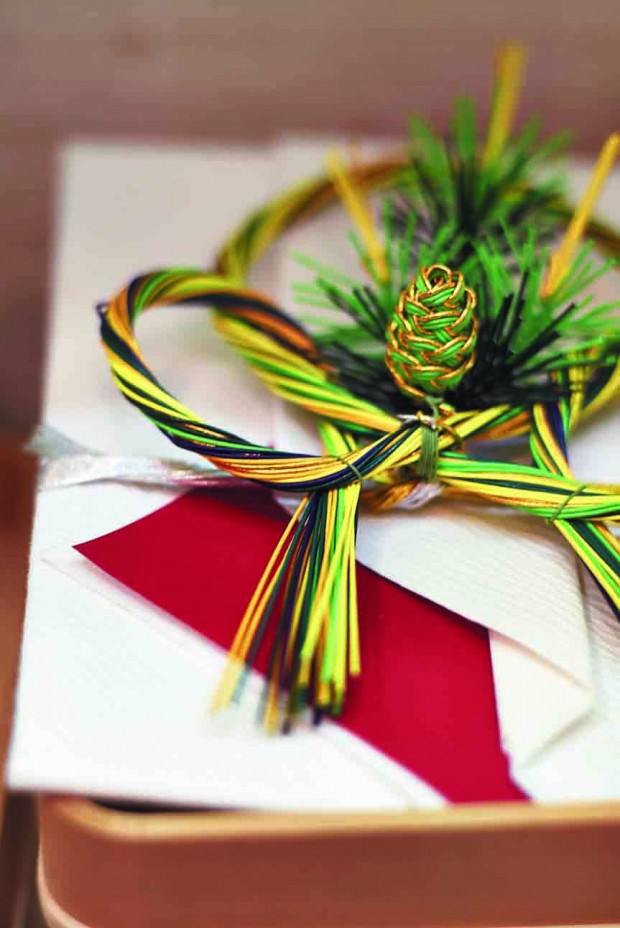 Photograph / Gold bag with water decoration of Matsumoto for reference (reference item). With a feeling of good health.
Photography: Noriyuki Koike (Pile Driver), Hiroaki Kuwahara
My motto is "I'm serious about being stupid", and I am having fun and having fun every day.