



English

全267件、1-18件を表示中

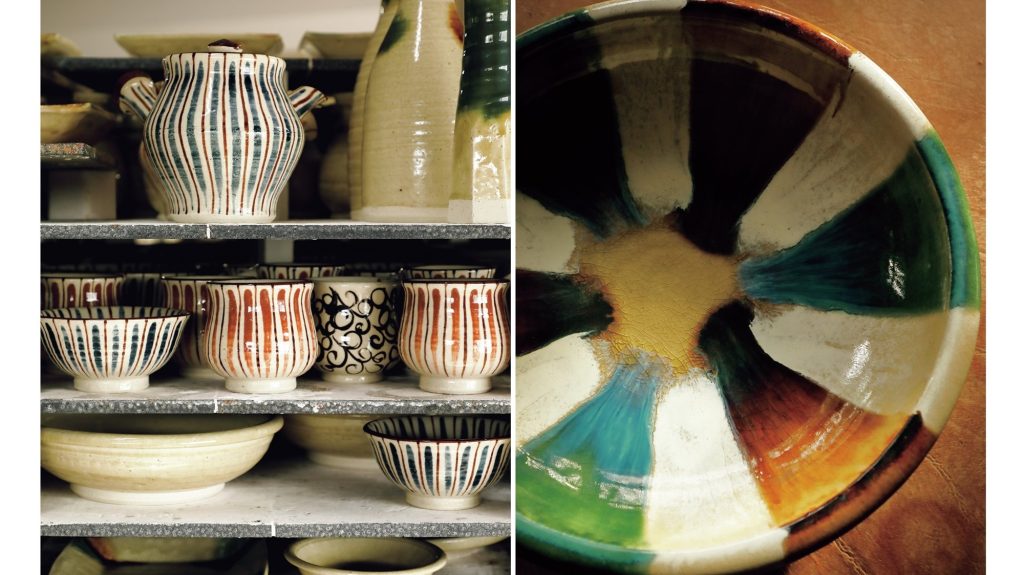
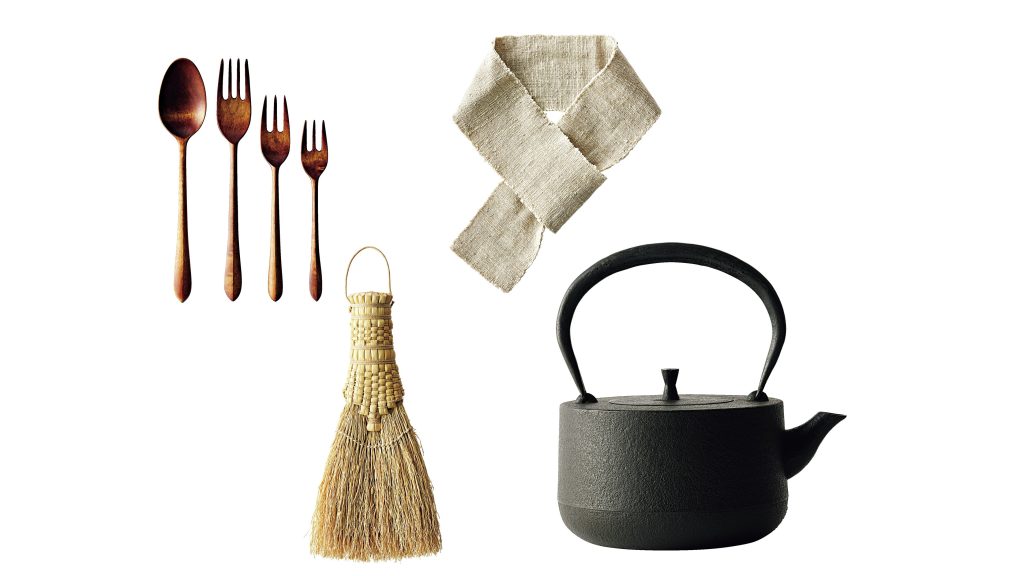
[101 Years of Mingei] “Unpretentious Objects Bring Daily Comfort”: Studio Boke’s Director Shares How to Enjoy Folk Crafts

The year 2025 was filled with exhibitions and events, marking the 100th anniversary of the birth of the word Mingei (民藝). Now in its 101st year, where is Mingei heading? We visited the very sites where Mingei is practised in search of 'something' new. Our second interviewee is Hino Akiko, who runs the one-person wholesale business, Studio Boke (スタジオ木瓜).
和樂web編集部

Aligning with the Skeletal Frame: An Unexpected Parallel Between the Kimono and Voice Training. Ito Hitomi “Dressing in ‘Wa’, Adorning the day to day” 13

Ito Hitomi (伊藤仁美) works as a kimono specialist. Born and raised at Ryosokuin (両足院), a Zen temple in Kyoto, she is currently active in a wide range of fields, including giving lectures and appearing at events. Her work focuses on unravelling the value of Japanese aesthetics through the kimono and passing it on to future generations. In this series, she discusses her journey so far and the charm of the kimonos she wears daily.
連載 Ito Hitomi

Why is Cold Tofu Called ‘Hiyayakko’ (冷奴)? Introducing the Mysterious Etymology, Paraphrases, and English Translations

Spring and early summer have gone on holiday without leave, leading straight into the rainy season, Tsuyu (梅雨). Consequently, it seems midsummer is being heavily overworked, so from the perspective of complying with the Labour Standards Act, I would very much like Mr Spring and Mr Early Summer to come into the office as soon as possible. By the way, with it being this hot, one ends up wanting to eat cold things every day. In our household, Hiyayakko has been playing an incredibly active role on all fronts day after day since April, to the point where it almost feels as though Mr Hiyayakko has already been chosen as this year's MVP.
あきみず

Why Avoid Tatami Edges? Japanese-Style Room Etiquette Explained!

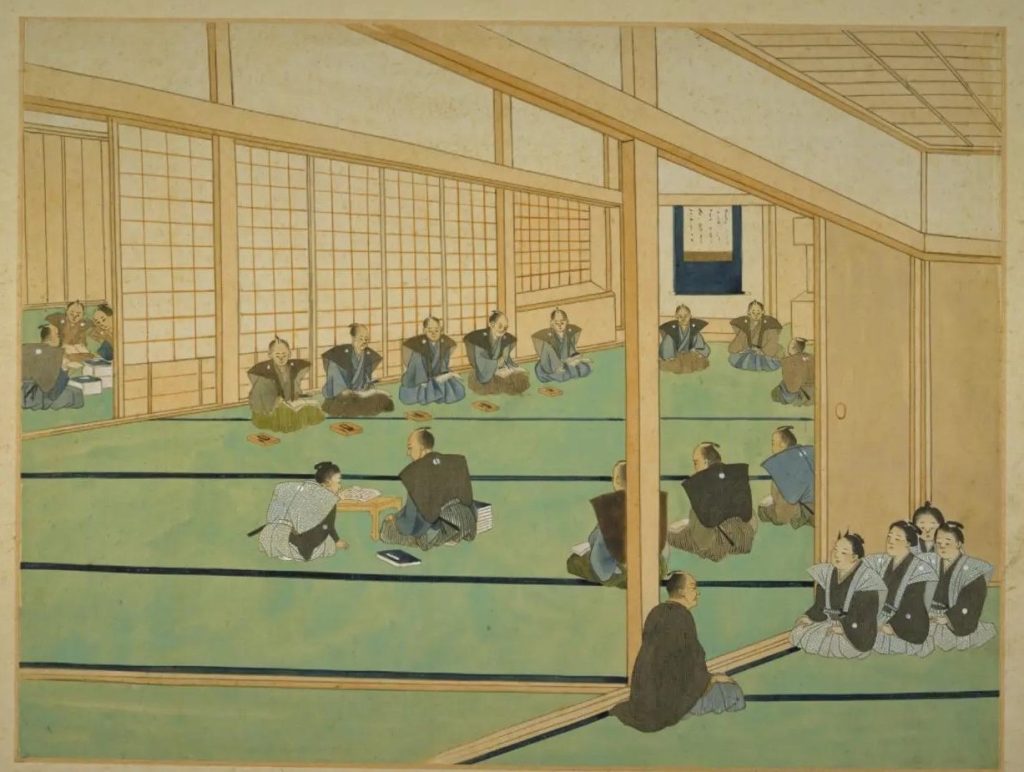
When I was a child, my parents often told me, "Do not step on the edge of the tatami mat!" Suddenly, I became curious as to why. Upon asking our editorial staff, it seemed they had had a similar experience, remarking, "I was told the same by a relative during a memorial service!" Here we unravel the mystery of this Japanese etiquette that has been continuously passed down through the generations!
瓦谷登貴子

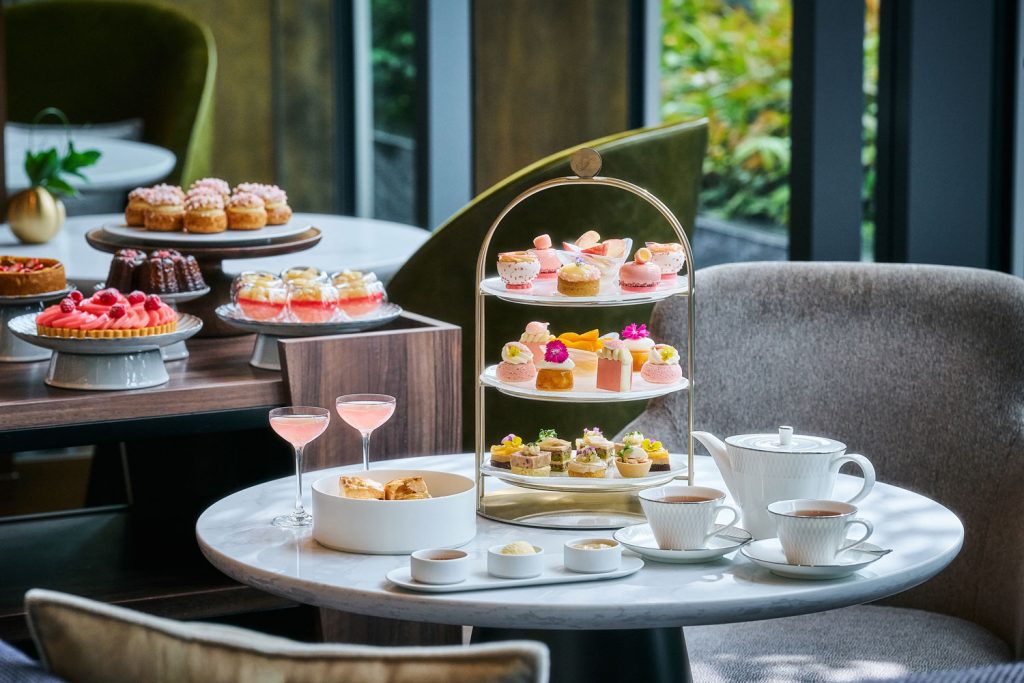
A Peach-Scented Summer: Two Afternoon Teas Blending French Flair and Japanese Aesthetics [Fairmont Tokyo]

On July 1, 2026, Fairmont Tokyo launched a pair of peach-themed afternoon teas at its 35th-floor lobby lounge, Vue Mer. Infused with both French and Japanese artistic sensibilities, the hotel's limited-edition summer offerings extend beyond afternoon tea to include a course-style high tea and desserts have also debuted as part of the summer-only menu, lavishly incorporating peaches. We introduce a refined summer moment to be savoured at Fairmont Tokyo (フェアモント東京).
和樂web編集部

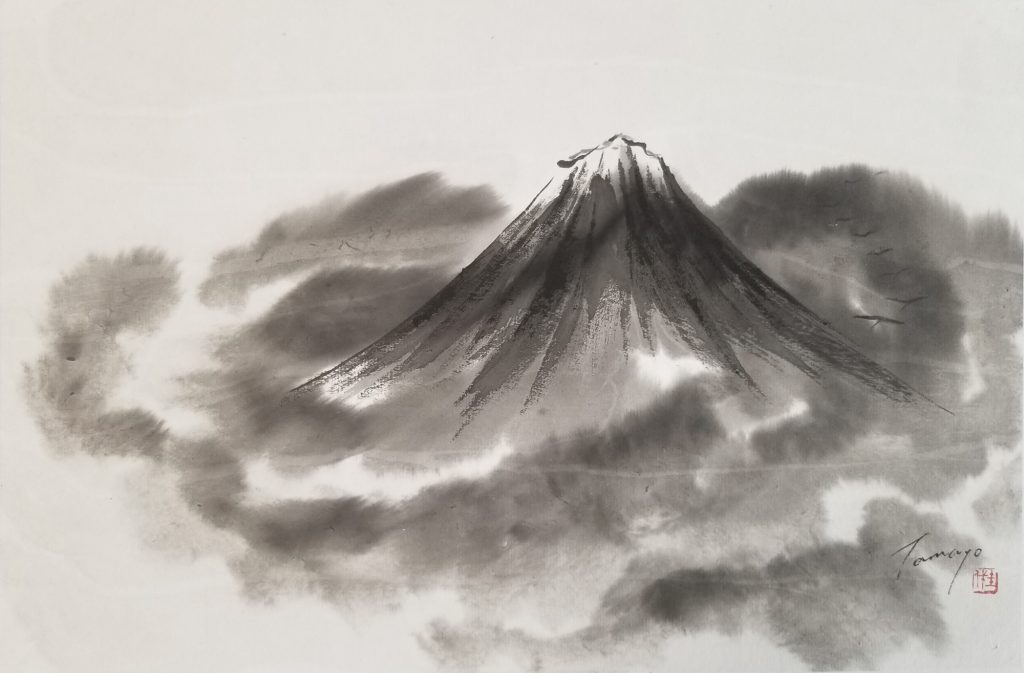
Depicting the Sacred Peak of Mount Fuji in Ink Wash Painting: Line and Negative Space Techniques

Unlike oil painting, where layers of pigment can hide a line, in suibokuga—the traditional art of ink wash painting—the fleeting second the brush sweeps across the paper is etched into the artwork forever. In this series, we present footage focusing on the hands of the suibokuga artist Samejima Tamayo (鮫島圭代), which feels just like a live performance. Please observe the unhesitating, swift brushwork, and the bleeding and blurring woven by ink and water. We invite you to see the ‘expressions of ink’ born from the intention of that specific moment and nature.
鮫島圭代

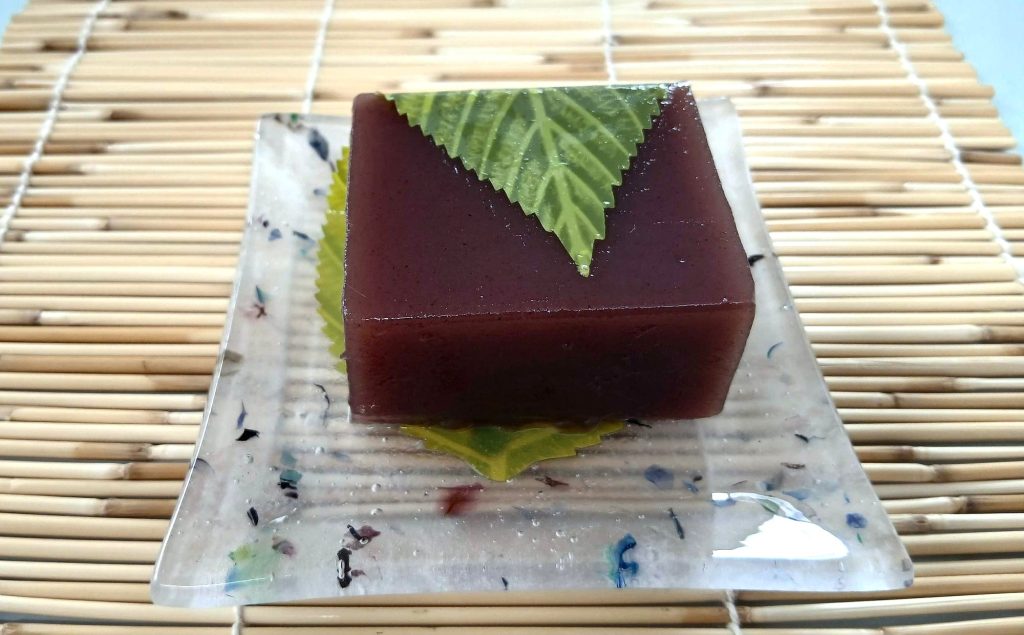
Discover Mizu Yokan: The History of Japan’s Refreshing Summer Dessert

They say that, for some reason, people often come up with ideas around water. Whether it is because about 60 per cent of the human body is water, or because life originated from the sea, I do not know the reason, but I am no exception. I'm in the bath as we speak.
あきみず

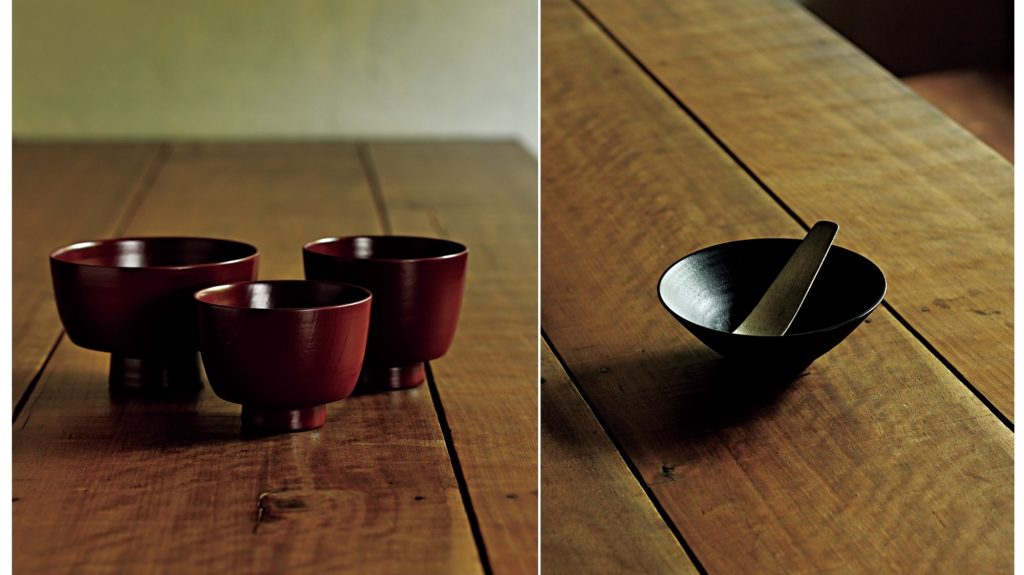
Beloved Objects Born and Living in the Climate of Okinawa. Lacquerware by Mokushikkou Tokeshi

Yanagi Muneyoshi (柳宗悦) praised the beauty of handcrafts—such as dyeing and weaving, lacquerware, and pottery—born from the collaborative work of the ordinary people of Okinawa as ‘the cultural wealth of Ryukyu, the region's ancient kingdom’, and this beauty is still being passed down by various hands today. Therefore, in search of the encounter between ‘cutting-edge craftsmanship’ and ‘beautiful things preserved by people across generations’, I travelled around the main island of Okinawa. The journey begins at the workshop of the popular artisan duo Mokushikkou Tokeshi (木漆工とけし), who are enlivening the Mingei Folk art world. We will explore the reasons why this duo, who create lacquerware and woodwork deeply rooted in the natural heritage of Okinawa, is so widely embraced.
和樂web編集部

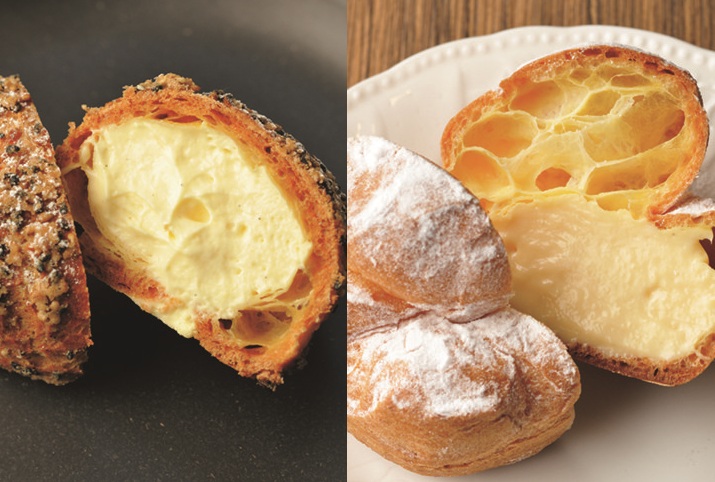
Melt in the mouth sesame scented cream puffs, as the ultimate gift [In search of the perfect cream puff bliss : Charming Neighborhoods edition Part 2 —Tokyo]

In this day and age when the prices of Western confectionery are soaring, shops that continue to create delicious treats whilst keeping their prices modest are truly commendable! We shall guide you to renowned shops in Ningyocho (人形町) and Nihombashi (日本橋), Tokyo, which boast Loyal clientel, including a small family-run shop and an establishment supported by business people who require large quantities.
和樂web編集部

The spirit of omotenashi: Inside Aman Kyoto’s “Senkutsú”, Secret Forest Teahouse

Nestled in the forest of Rakuhoku (洛北), Kyoto, a teahouse featuring Sukiyakenchiku (数寄屋建築) architecture has newly opened it's doors at Aman Kyoto (アマン京都). Named 'Senkutsu' (仙窟) by Sen Soshitsu (千宗室), the 16th-generation Grand Master of the Urasenke (裏千家) school of tea ceremony, it is situated beyond a moss-covered, massive stone-paved path. Located in an exceptionally quiet spot even within the grounds, it brings a renewed sense of tranquillity and an air of tradition to the forest garden.
瓦谷登貴子

Kyoto’s Proud ‘National Treasure-Class Delicacies’ Hyotei’s Mukozuke—’Akashidai no Otsukuri’—

Restaurants supported by people across generations always have a dish called a speciality. Furthermore, if it comes down to ‘devotion to this single flavour’, then that dish is nothing short of a national treasure-class flavour! This project began from the editorial department's admiration of this fact. We will guide you through exceptional dishes filled with the owner's spirit for their speciality cuisine. The first one we will introduce is the Mukozuke (向付), 'Akashidai no Otsukuri' (明石鯛のお造り; Sashimi of Akashi sea bream) from Hyotei (瓢亭). Come experience a culinary journey in Kyoto that warms the heart even more than it pleases the palate!
和樂web編集部

1,000 Years of Moonlit Parties: From Heian Aristocrats to Modern Autumn ‘Otsukimi’ Traditions

平安暴走戦士~chiaki~

Bringer of good fortune, or messy guests? The Two Sides of Japan’s Swallows

Swallows, which migrate to various parts of Japan with the arrival of spring, are, along with the Uguisu (ウグイス - Japanese bush warbler), birds that make us feel the arrival of the warmer seasons. However, they build their nests, raise their chicks, and take flight once again when autumn arrives. Although they are close to us, perhaps many people feel they do not really understand their true nature? We would like to introduce you to the slightly mysterious swallow.
瓦谷登貴子

The Kyoto Artisan Experience: Create Your Own Kumihimo Braids, Katazome Prints, and Kyo-Karakami Paper Using Authentic Tools

When visiting Kyoto, trying your hand at understanding the techniques behind how crafts are born makes for a wonderful travel memory. We introduce three workshops where you can enjoy an authentic craft experience using the genuine tools and materials employed by artisans.
和樂web編集部

The Vessel and the Self: How Prada’s New ‘CHAWAN CABINET’ in Milan Reimagines Our Relationship with Everyday Objects

On 16th April 2026, Prada unveiled 'CHAWAN CABINET' in collaboration with the artist Theaster Gates. At the heart of the project is the chawan—the traditional Japanese ceramic tea bowl, which plays a vital role in Japanese tea ceremony culture. Centred around specially created ceramic works, this exhibition traverses the realms of art and craft, appreciation and utility, to re-examine the relationship between vessels and people, prompting us to once again question the value found within our daily lives.
和樂web編集部

Purification Before Prayer: The Linguistic roots and Rituals of the Japanese Temizusha

When I visited a shrine the other day, I asked a Shinto priest how to pronounce Temizusha (手水舎), and they replied, ‘Temizusha’. I was quite surprised, as I had firmly believed it was pronounced ‘Chozuya’. The priest went on to explain, "The pronunciation actually varies depending on the shrine." It varies from place to place!? How rather mysterious. Therefore, I decided to look into the Temizusha myself!
瓦谷登貴子

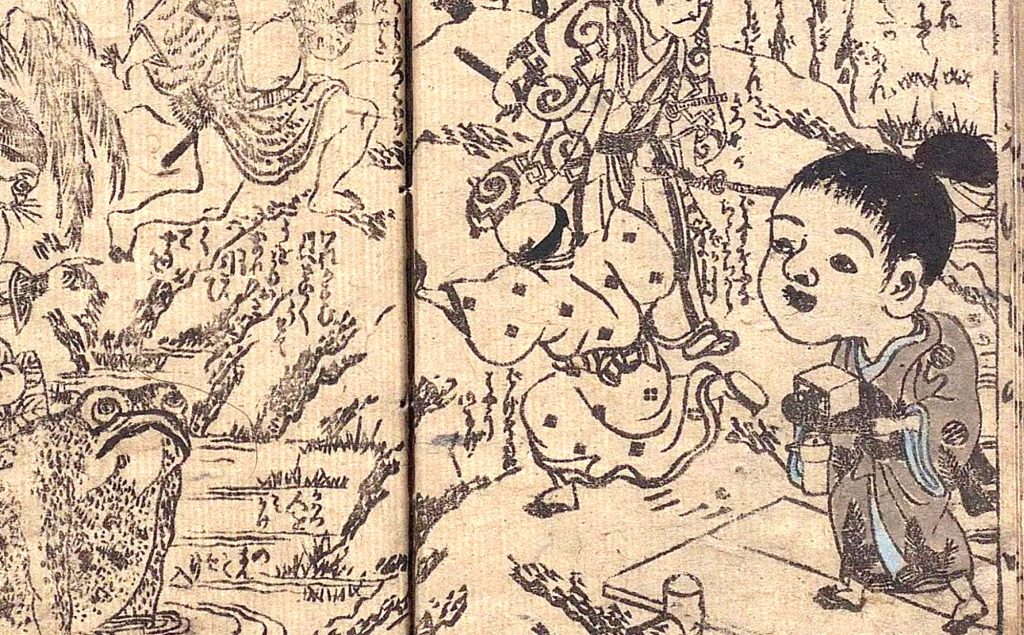
Phantom Bottom-Pinchers and an All-Male Species? Unmasking the Mischievous Water Kappa Spirit

馬場紀衣

[Kyoto] Fit for Royalty: Suetomi’s charming bite-sized wagashi served to Queen Elizabeth II

和樂web編集部

人気記事ランキング

最新号紹介

8,9月号2026.07.01発売

天才! 琳派オールスターズ

本誌8・9月号P.208の協力社リストに、記載漏れがありました。お詫び申し上げます。
ロエベ ジャパン クライアントサービスTEL03-6215-6116
※和樂本誌ならびに和樂webに関するお問い合わせはこちら
※小学館が雑誌『和樂』およびWEBサイト『和樂web』にて運営しているInstagramの公式アカウントは「@warakumagazine」のみになります。
和樂webのロゴや名称、公式アカウントの投稿を無断使用しプレゼント企画などを行っている類似アカウントがございますが、弊社とは一切関係ないのでご注意ください。
類似アカウントから不審なDM(プレゼント当選告知)などを受け取った際は、記載されたURLにはアクセスせずDM自体を削除していただくようお願いいたします。
また被害防止のため、同アカウントのブロックをお願いいたします。

関連メディア