




English

全276件、37-54件を表示中

Draped in Sound. The Beauty of Sound Sensed and Crafted by our ears. Ito Hitomi “Dressing in ‘Wa’, Adorning the day to day” 14

Ito Hitomi (伊藤仁美) works as a kimono specialist. Born and raised at Ryosokuin (両足院), a Zen temple in Kyoto, she is currently active in a wide range of fields, including giving lectures and appearing at events. Her work focuses on unravelling the value of Japanese aesthetics through the kimono and passing it on to future generations. In this series, she discusses her journey so far and the charm of the kimonos she wears daily.
Ito Hitomi

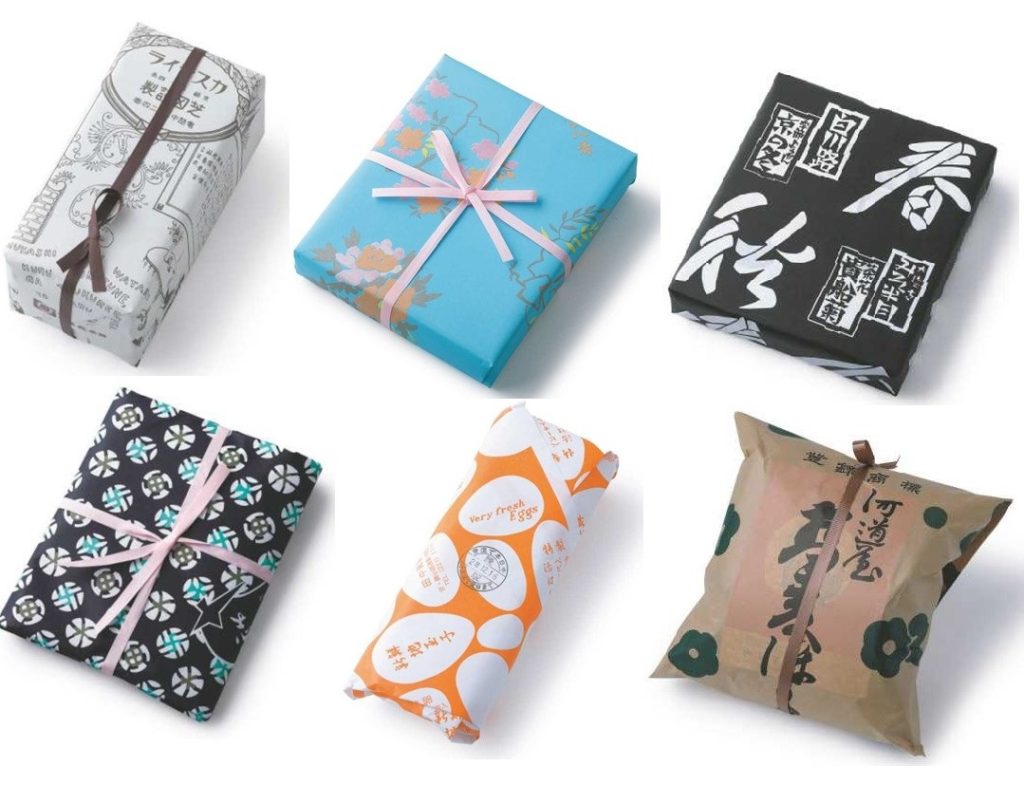
Utterly Cute and Playful ♡ Gift Wrap from Kyoto’s Renowned Shops

Perhaps the wrapping paper is the true 'face' of a shop—a reflection of the Japanese practice where even a simple purchase is wrapped with meticulous care, treating the item with the dignity of a gift. While the paper itself carries no price tag, it is often designed by renowned artists or crafted by the shopkeepers themselves. In these sheets, which leave a sweet aftertaste long after the food is finished, I feel the shop’s unique worldview—a quiet, hidden passion that I would call their remarkable power of presentation. Through centuries of commerce, Kyoto is perhaps the region that understands better than any other the human psychology of judging the contents to be of ‘high quality’ simply because the wrapping is stylish. This could also be seen as an expression of absolute confidence in their own products. Please, come and enjoy this enchanting world of wrapping paper!
和樂web編集部

An Outstandingly Compatible ‘Deaimon’! The Simmered Dish of Imobou Hiranoya Honten

和樂web編集部

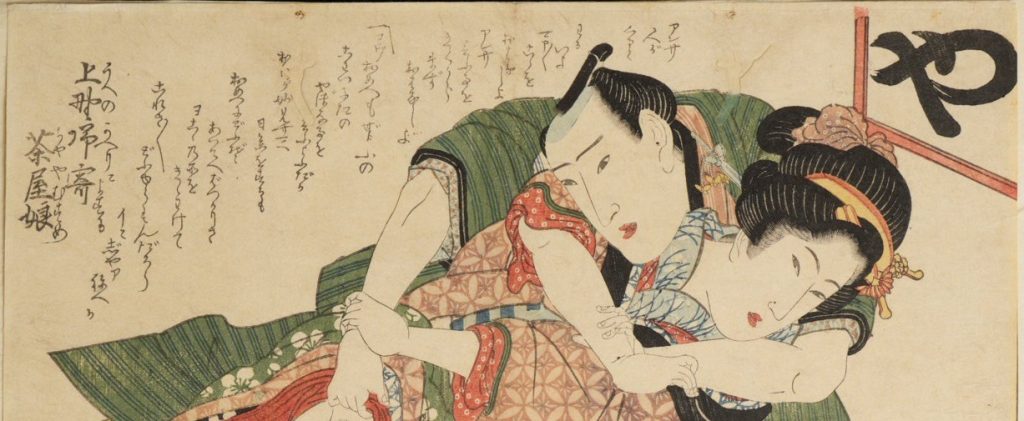
Storming the Late Edo Shunga Scene: The Captivating, Genderless Beauties of Artist Eisen

Keisai Eisen (渓斎英泉, 1791–1848) was an ukiyo-e artist active during the late Edo period. Whilst admiring Katsushika Hokusai (葛飾北斎, 1760–1849), he established and developed his very own unique artistic style. Hokusai also painted masterpieces of shunga (春画), but in terms of sheer volume of works, Eisen published a far greater number than Hokusai from the Bunsei (文政) to the Tenpo (天保) eras. His work is characterised by its bewitching depictions of women and the incorporation of various elaborate ideas. We delve into his charm by viewing the shunga by Eisen held in the collection of Uragami Mitsuru, a world-renowned shunga collector who also collaborated on the shunga exhibition at the British Museum.
給湯流茶道

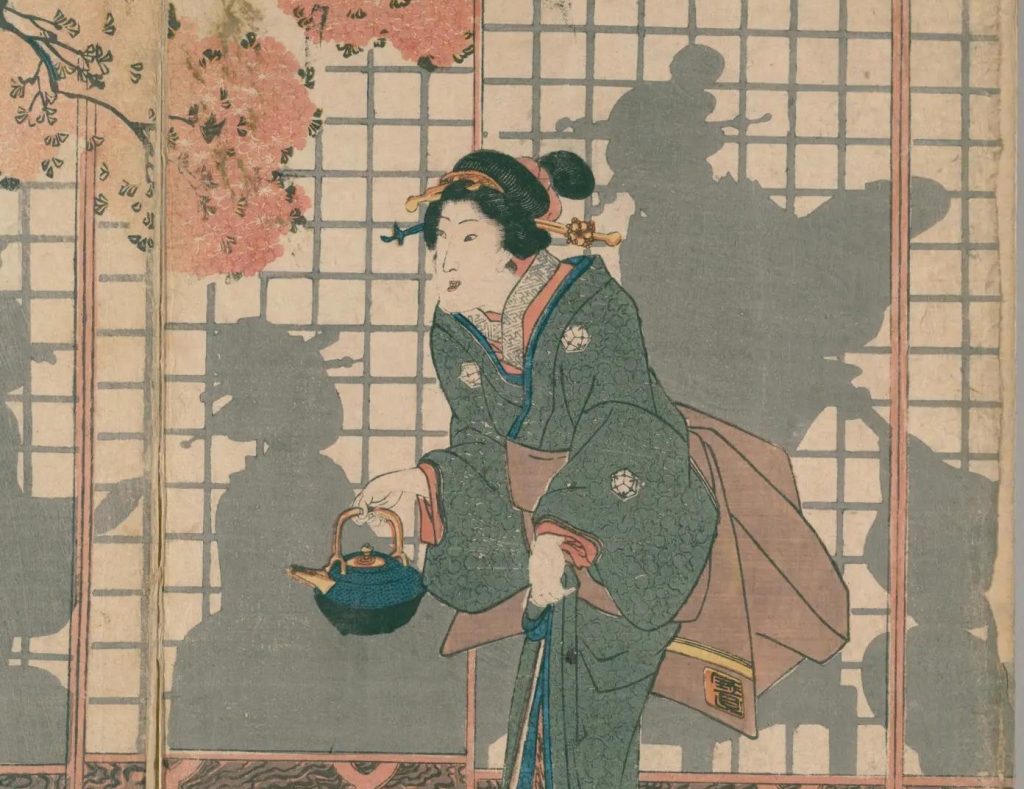
The Kyusu Teapot: Why Was the Side Handle Adopted, and Why the Curious Name?

One early afternoon, whilst having a casual chat with my neighbours, the topic of kyusu teapots (急須) came up. "It seems some people nowadays don't even know what they are," someone noted. "Really? Then how do they make tea?" "Perhaps that culture is fading, and they just drink from plastic bottles?" "Y-you can't be serious!?" I realised that, despite bringing up the fact that the kanji characters for Kyusu was curious, I actually knew nothing about its etymology. So, I decided to do a bit of research on the subject!
瓦谷登貴子

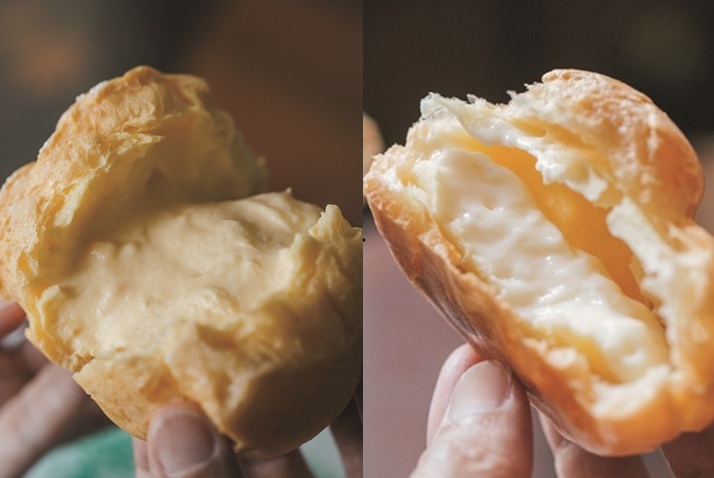
Refined Flavors Infused with Liqueur: The Nostalgic Taste of Famous Coffeehouses [In search of the perfect cream puff bliss : Charming Neighborhoods edition Part 1—Kyoto & Osaka]

和樂web編集部

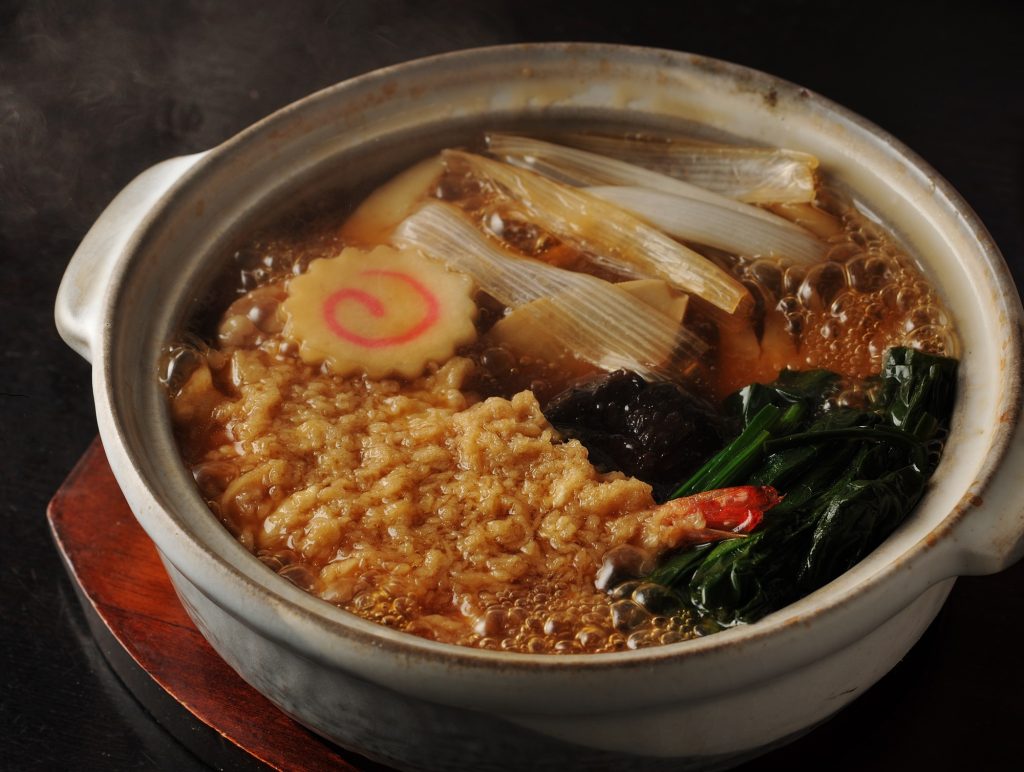
Cosy Winter’sTreat: Hot pot Udon From the Famous of Kanda Matsuya to the Retro Pots of Matsuyama

Nabeyaki udon (Udon cooked in a clay pot) was immensely popular in the Kansai and Kanto (関東) regions during the Edo period. Even during and after the war, when food was scarce, people seem to have been comforted by the warm presence of these small pots. We will guide you through unique masterpieces remaining in various regions, offering a glimpse into the history of the Japanese passion for food. We introduce the renowned Tokyo (東京) soba restaurant 'Kanda Matsuya' (神田まつや), as well as 'Kotori' (ことり) and 'Asahi' (アサヒ) in Matsuyama City (Matsuyama-shi 松山市), Ehime Prefecture (Ehime-ken 愛媛県), which are famous for their 'Arumaito nabeyaki udon' (アルマイト鍋焼きうどん).
和樂web編集部

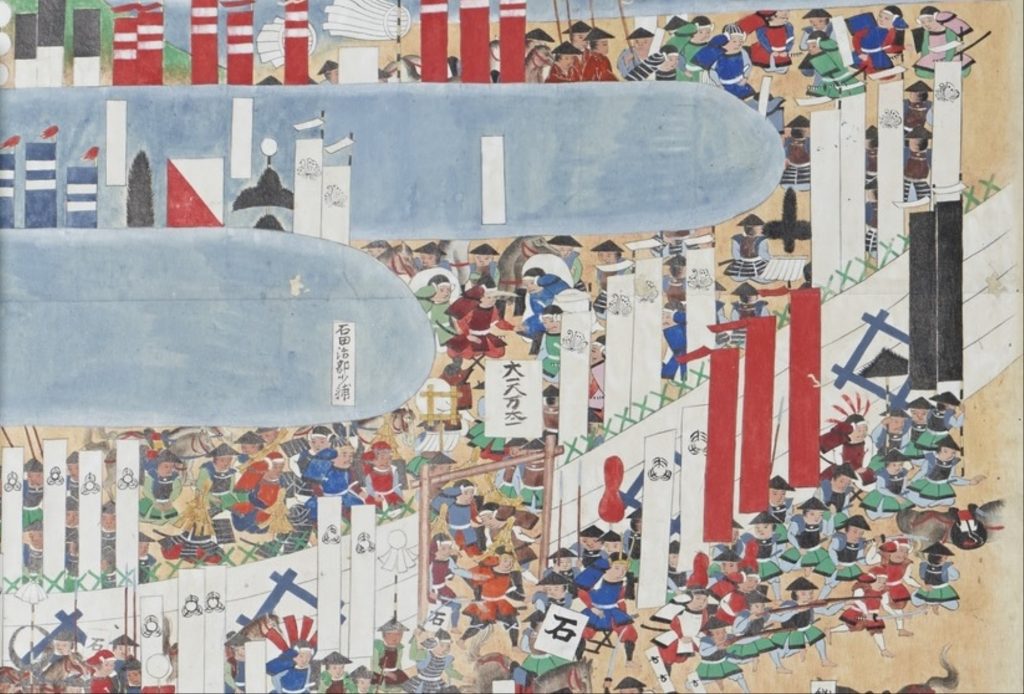
The Life and Heroic Death of the Resourceful General, Ishida Mitsunari | The Gears That Went Awry After the Death of Hideyoshi

瓦谷登貴子

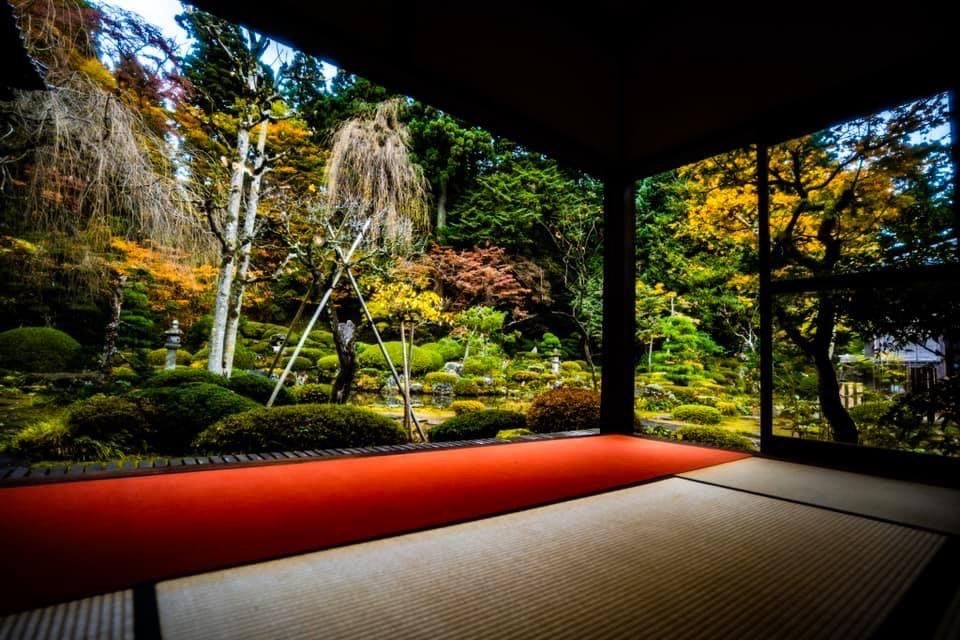
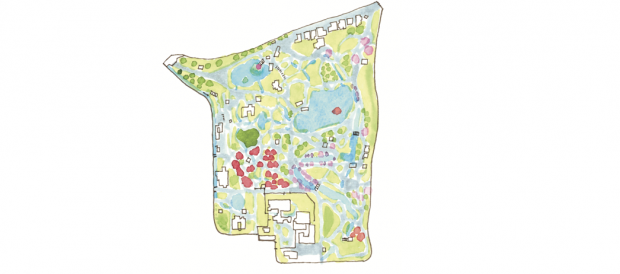
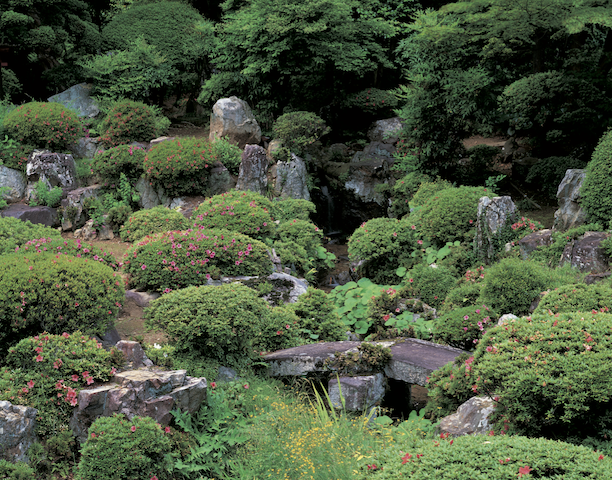
The Spirit of Legends in Meiji Garden Masterpieces [Must-See Gardens Across 47 Prefectures: Hokkaido & Tohoku]

Japan boasts a vast array of celebrated masterpiece gardens, categorized by prestigious titles ranging from official "National Scenic Beauties" to curated "Top 100" lists and the iconic "Three Great Gardens of Japan." From amongst these, our editorial department have chosen their favourite 'teiens' (landscape art) for each of the 47 prefectures! First, starting from the north, we will introduce famous gardens in the seven prefectures of Hokkaido and Tohoku (Aomori (青森), Akita (秋田), Iwate (岩手), Yamagata (山形), Miyagi (宮城), and Fukushima (福島)). All of them are an array of national-treasure-class famous gardens!
和樂web編集部

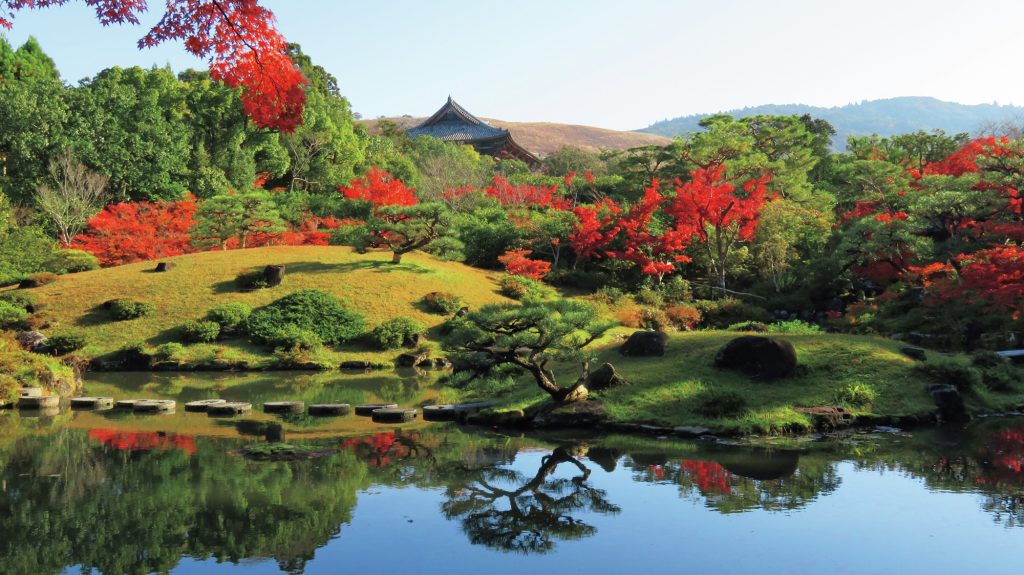
30 Essentials of Japanese Gardens A beginner guide to the styles, features, and how to appreciate them

和樂web編集部

Kenrokuen: A Guide to the Crown Jewel of Kanazawa’s Gardens

和樂web編集部

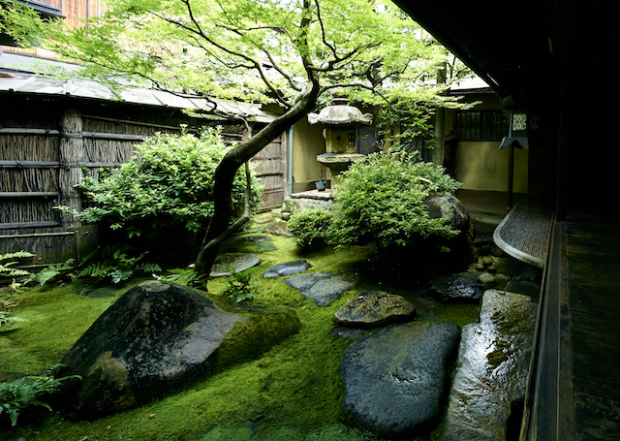
Calming the Mind: Four Zen Gardens That Speak to the Soul

和樂web編集部

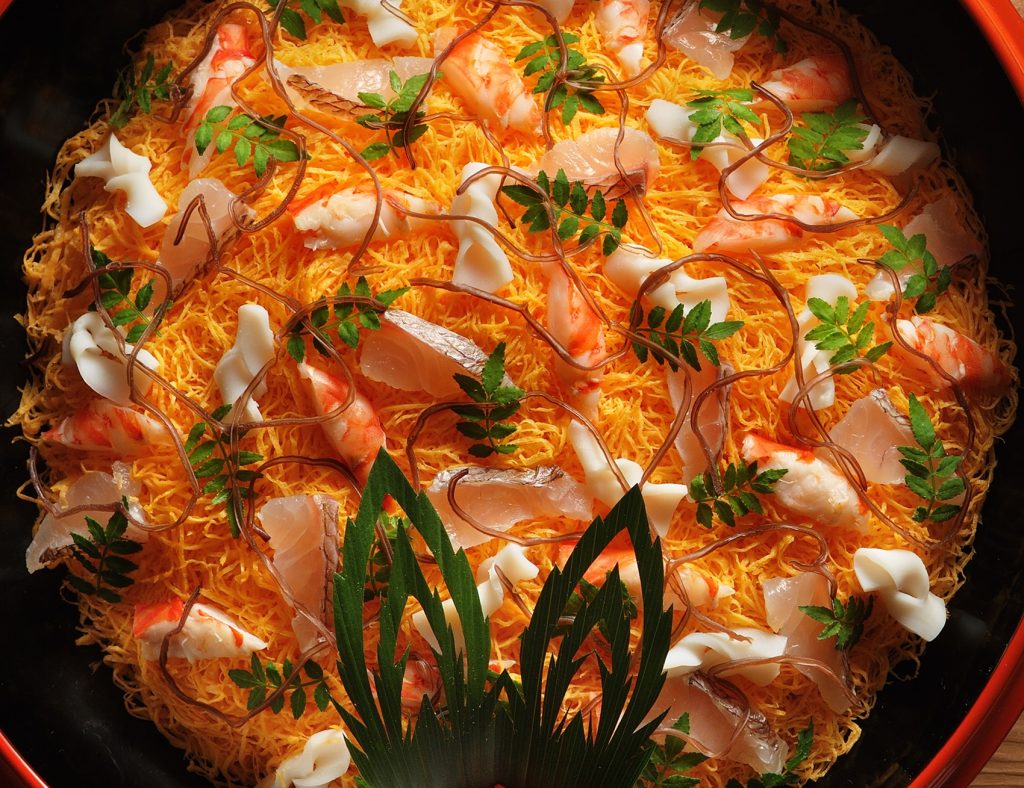
The Epitome of Hanamachi Delivery Sushi! Richly Coloured Like Kyo-yuzen: Kyo-chirashi-zushi from ‘Izuu’, Kyoto [Chirashi Sushi for Early Spring, Part 1]

While Chirashi-zushi (ちらし寿司) may at first glance seem modest compared to Nigiri-zushi, it is in fact full of fascinating secrets. In the Kansai region, the flavour is an extension of Hako-zushi (box sushi) or Oshi-zushi (pressed sushi), featuring no raw ingredients at all. Conversely, in the Kanto region, a unique style known as Barachirashi (ばらちらし) is preferred. In the first part of our deep dive into Chirashi-zushi — a celebratory feast reflecting local food culture — we introduce the beautiful Kyo-chirashi-zushi (京ちらし寿司) from the long-established Kyoto sushi house, ‘Izuu’ (いづう).
和樂web編集部

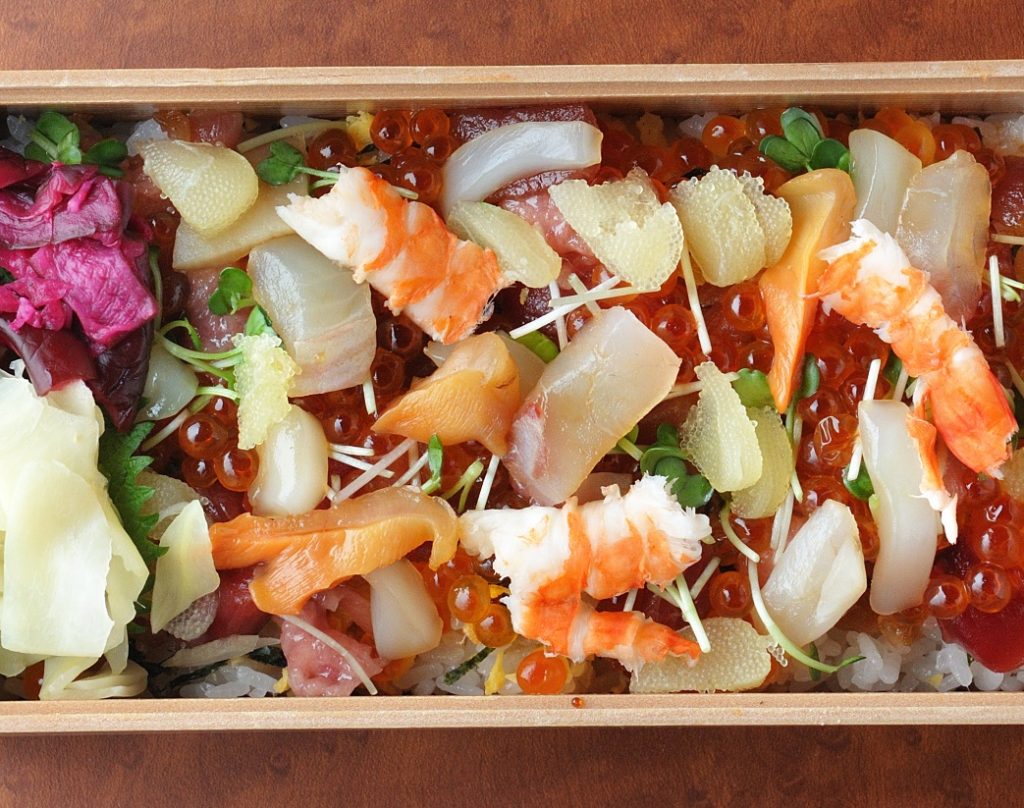
Elegantly Innovated to Protect Your Kimono: Barachirashi at “Sushi-dokoro Futaba” in Tokyo [Chirashi Sushi for Early Spring, Part 4]

While Chirashi-zushi (ちらし寿司) may at first glance seem modest compared to Nigiri-zushi, it is in fact full of fascinating secrets. In the fourth instalment of our deep dive into Chirashi-zushi — a celebratory feast reflecting local food culture — we visit ‘Sushi-dokoro Futaba’ (鮨処 二葉). This establishment follows the lineage of a shop in Kagurazaka (神楽坂) that is said to have created the prototype for Tokyo’s unique Barachirashi (ばらちらし). Both its appearance and flavour are truly sophisticated and classy.
和樂web編集部

Who Was Isami Kondo? The Life, Death, and the Mystery of the Missing Head of the Shinsengumi Leader

和樂web編集部

Surprisingly Little-Known! Why is Hakodate’s Goryokaku Shaped Like a Star?

和樂web編集部

What is Rakugo? When did it begin? An explanation of the history of the traditional performing art that Japan boasts to the world

和樂web編集部

A Beginner’s Must-Read: If Sadao Abe in Koisuru Hahatachi Stole Your Heart, Enjoy These Rakugo Picks Over the New Year Holidays!

瓦谷登貴子

人気記事ランキング

最新号紹介

10,11月号2026.09.01発売

愛♡日本美術の超名品100

※『和樂』6/7月号「和樂スタッフの「推し民藝」P75「『勝山スズ竹伝統工芸』の米とぎザル」の記載に誤りがありました。
(誤)静岡(正)山梨 となります。お詫びして、訂正します。
※和樂本誌ならびに和樂webに関するお問い合わせはこちら。
※小学館が雑誌『和樂』およびWEBサイト『和樂web』にて運営しているInstagramの公式アカウントは「@warakumagazine」のみになります。
和樂webのロゴや名称、公式アカウントの投稿を無断使用しプレゼント企画などを行っている類似アカウントがございますが、弊社とは一切関係ないのでご注意ください。
類似アカウントから不審なDM(プレゼント当選告知)などを受け取った際は、記載されたURLにはアクセスせずDM自体を削除していただくようお願いいたします。
また被害防止のため、同アカウントのブロックをお願いいたします。

関連メディア