













The Izumiya Hakokan, located in Shikagaya, Kyoto, is an art museum that holds works of art collected by the Sumitomo family, focusing on Chinese old art. Works from Chinese and Japanese calligraphy, Western paintings, modern pottery, tea utensils, stationery, Nohmen and Noh costumes are extremely diverse, but the most famous one is the 15th president, Shushinsui, from the middle of Meiji to the Taisho period It is a Chinese old copperware and a mirror book which collected. Both the mass and the most fulfilling collection are highly regarded worldwide.
A plan exhibition “Chinese stationery and green tea – cleanly covered” is on display from March 2, 2019 to May 6, 2019. It is held at the Hakokokan. I asked Kozumi Takeshima, the curator of Izumiya Hakokan, who is the Chinese literary taste of the spring, and what is the highlight of the exhibition.
What is the Chinese literary hobbies that Sumitomo Haruka made?
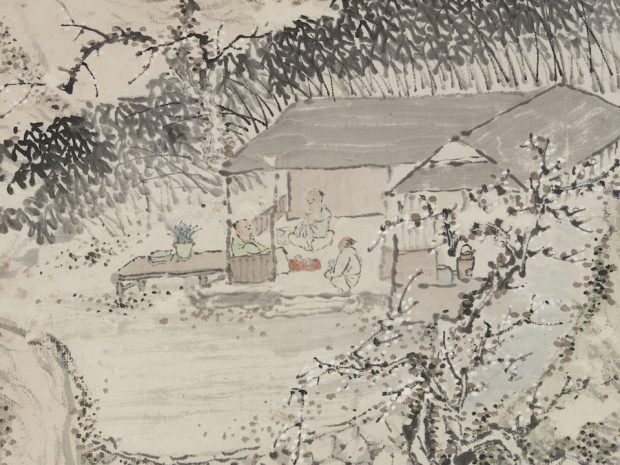 Tanoh Mura Takeda "Umekei Shioi map" (part) Bunsei 10 (1827) Izumiya Hirokokan Three plumbers who enjoy relaxing tea while plum blossoms. The surrounding area is full of gentle spring of spring. It is the scene that the literary people made it an ideal.
"Chinese literary people are people who are deeply literate and literary, such as history and classics, and who are familiar with poetic writing. If they write poetry, they write books and pictures, and if they play music, they have many hobbies, but that is only their own This concept of “self-faithing” is the key word to talk about literary tastes, many of them usually work for the people as bureaucrats, and in private they leave the world In nature, it was ideal to talk with friends about learning and art. "
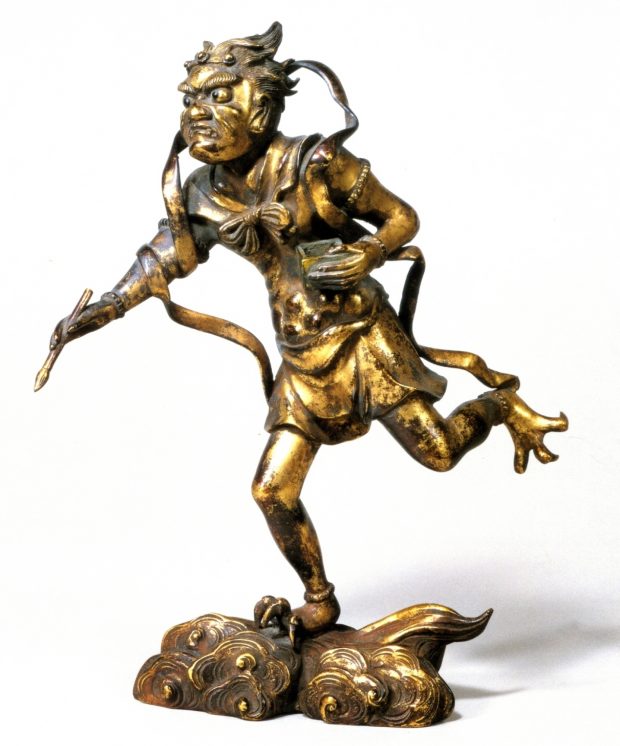 “Sakai Gold Comet Statue” The 15th Century Izumiya Hirokokan “Kaisei” is the god of the study that collected the faith of the literati. A Chinese masterpiece of Chinese metalwork history that represents the state of running and waving clothes, which is suitable for the character of "Sakigake". A brush is on the right!
Chinese literati's self-play pleasure = stationery
In Japan, since the Edo period, literary and humanities have become popular among people with deep knowledge of Chinese culture. Shunsuke inherited the trend and collected Chinese stationery.
"I think that what you think of when you ask" stationery "is a pen or notebook, so-called" stationary ", but it meant the whole thing that was used in literary people's" bunbo "or study. Not only writing instruments such as paper and paper, but also bowls, bowls, incense burners, vases, rocks for “seeing and enjoying.” Speaking of “interior,” speaking of now, strongly seeking not only practicality but also appreciation The point is that you will appreciate the "stationery" at the entrance to your favorite points, such as the pens that you use every day, the notebook, the materials, colors, and designs of things you decorate at home or at work. Then, with that ingenuity characteristic as a clue, touch on the enjoyment of the "self-playing" of the literary people, and they felt the spirit of Kiyasa (the cause) that they were ideal I am happy if Kere "(Mr. TakeShima)
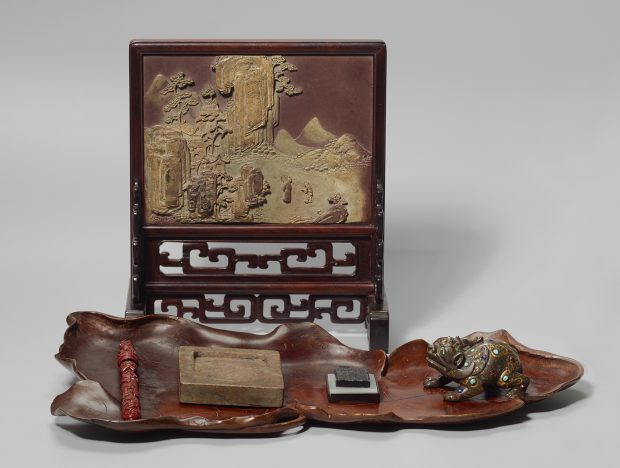 Bunso various tools Former Han-Qing era Izumiya Archaeological Museum A collection of basic items from literary artists such as brushes and ink. Attention is the writing of the right-handed horned beast. It is originally a burial product of a grave, and the history of diversion is also interesting.
The spirituality of Chinese tea called Seifu
"Sencha" is also an essential element of literary and personal interests. "When I came to a rest in my study where I collected my favorites, I enjoyed the sencha that the literati enjoyed. The sencha, in which the umami of the tea leaves is condensed in a few drops, goes to the boundaries of Kiyohama rather than a beverage to moisten the throat for the literati. It was intended to meet the spiritual desire to reach.
The spirituality of such sencha is described as "clean style". Similarly, the purity of tea was also required. Many of the tea pots are initially brought from China and will be gradually produced in Japan. It will also be a point of appreciation that the mind of Kiyomasa, a Chinese literary, has been received and shaped in Japan.
You can relax your mind and take a dip in the world loved by Chinese writers.
Famous items are in line! You can enjoy the display of the Bronze House
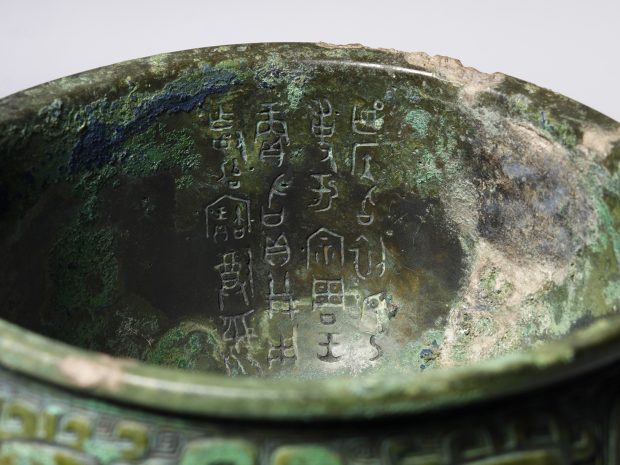
The bronze collection that Sumitomo Harukan began to collect as a seat decoration for study and sencha is now known worldwide. At the "era of the bronze bronze era" exhibition held at the same time in the Bronze Museum, a number of famous items are exhibited. In particular, it focuses on the letter "Kanbun", which is the origin of the current kanji, represented in bronze, and introduces the world along with the amazing casting technology.
Spring planning exhibition "Chinese stationery and sencha-being covered in a clean style"
Meeting place Sumitomo collection Izumiya Hirokokan Address Kyoto city Sakyo-ku Shikamiya Shimomiyanomaecho 24
Tel 0757716411
Session period March 2 (Saturday)-May 6 (Mon., 20 minutes)
Opening hours 10 am to 5 pm (until 16:30)
Closed day Monday (April 29th, May 6th opened), April 25th and 30th Admission fee General 800 yen / high college student 600 yen / junior high school student 350 yen (free for elementary school students or less)
※ You can see both planning exhibition and bronze hall
Official site
My motto is "I'm serious about being stupid", and I am having fun and having fun every day.