






A Look Behind the Scenes Where a National Treasure-Class Dish is Born
The Rare Connoisseur from Awajishima (淡路島) Handling Akashidai and the Chef of a Famous Kyoto Restaurant Preparing the Sea Bream to Live Up to its Reputation as a Speciality
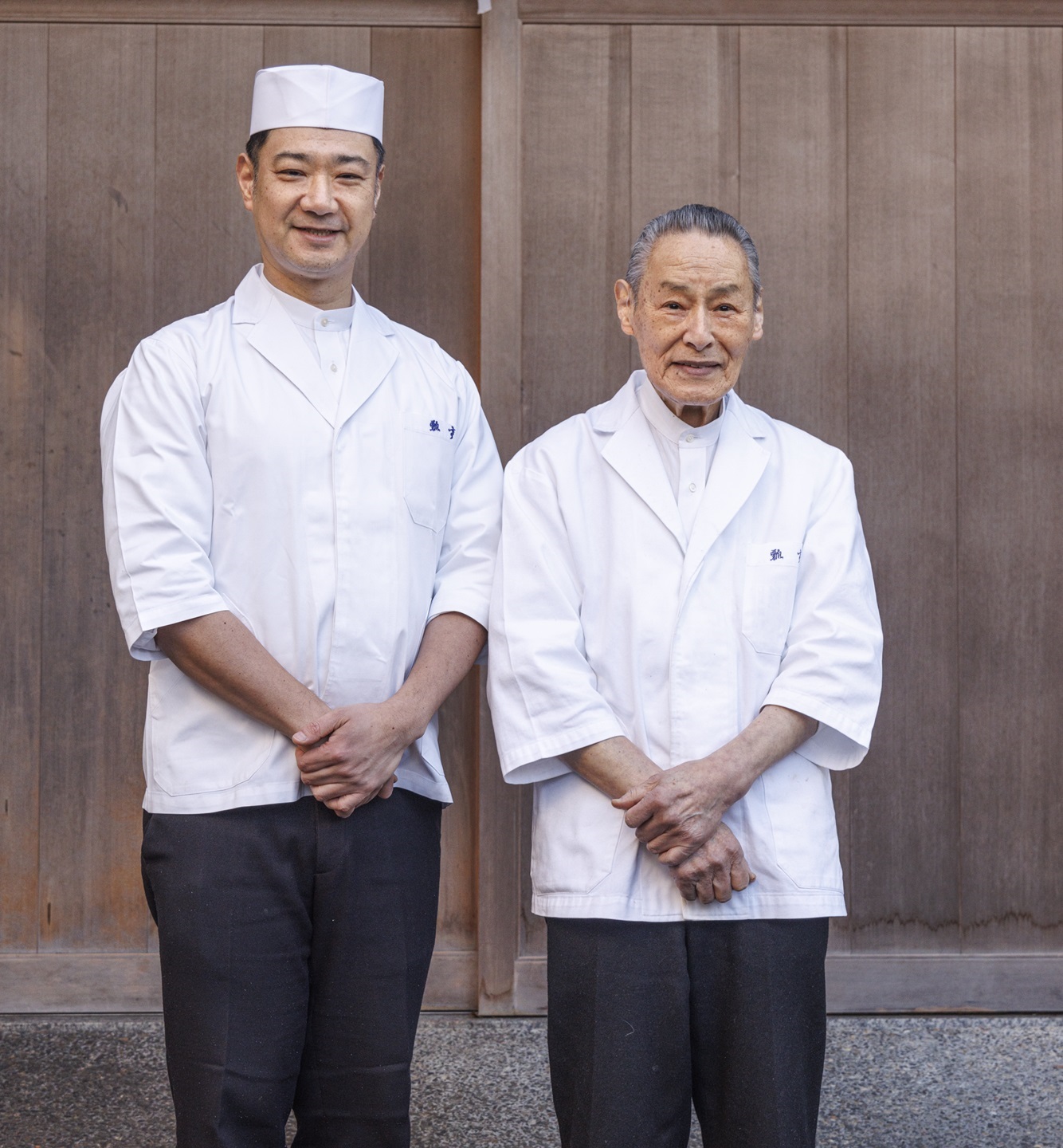
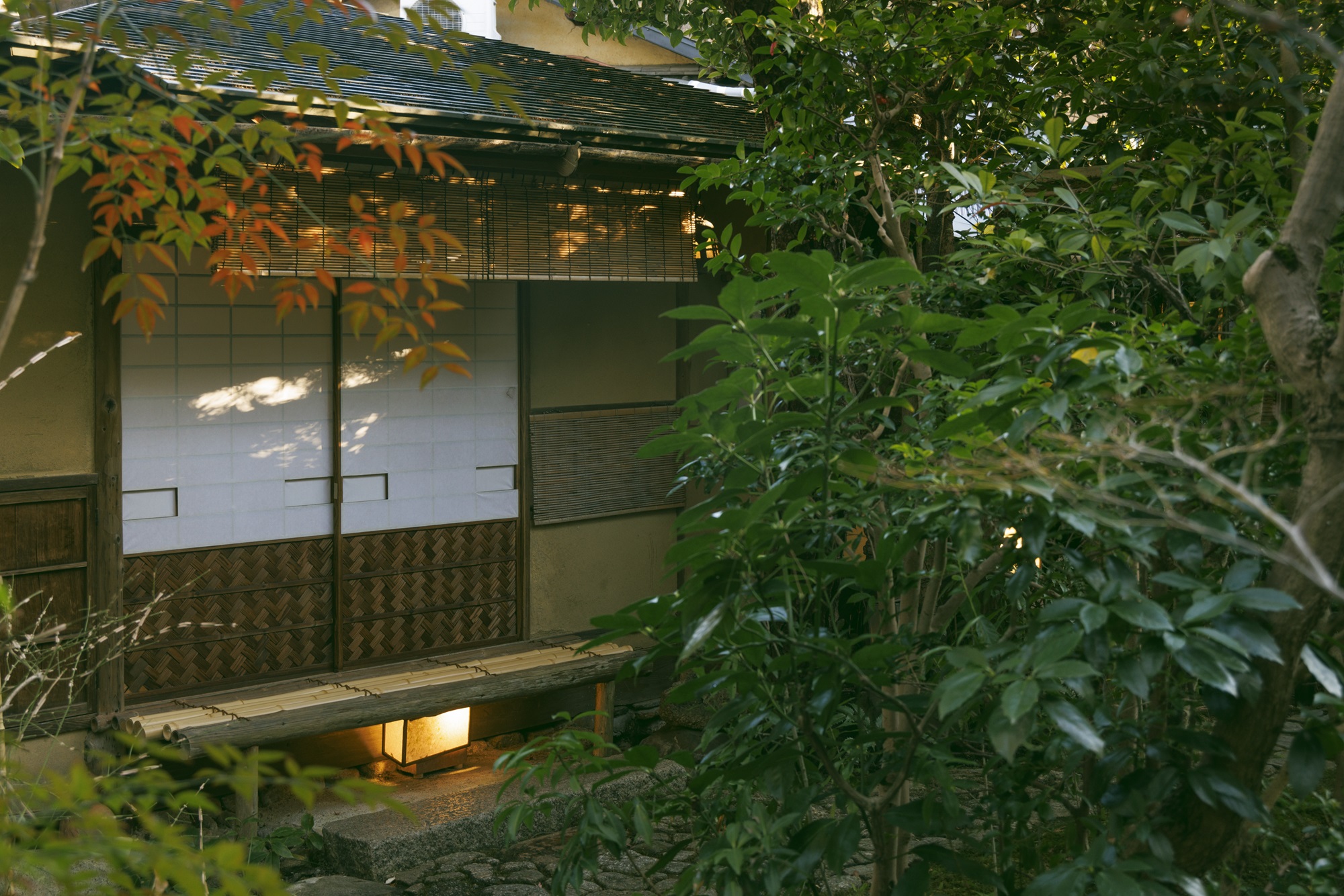
Beginning as a teahouse in front of the gates of Nanzenji temple (南禅寺) and accumulating 400 years of history, Hyotei has come to be praised as the finest restaurant in Kyoto. Honest and straightforward Kyoto cuisine, which seems to go in the exact opposite direction of its rising fame, is Hyotei’s characteristic charm. The beauty of harmony with nature, symbolised by the Kayabuki (茅葺き) building constructed in the early Edo period, is expressed in every single dish, as well as in the vessels and furnishings.
The Reason Why Hyotei’s Sea Bream Sashimi Can Be Called a National Treasure-Class Delicacy
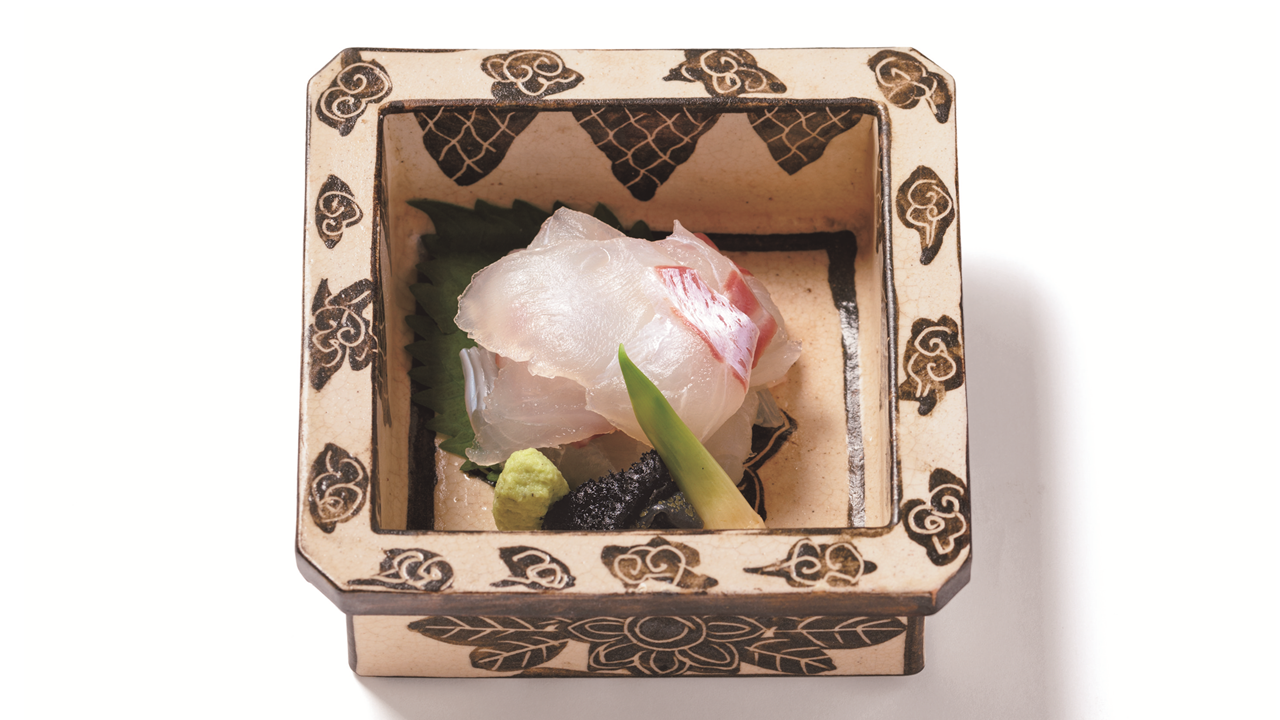
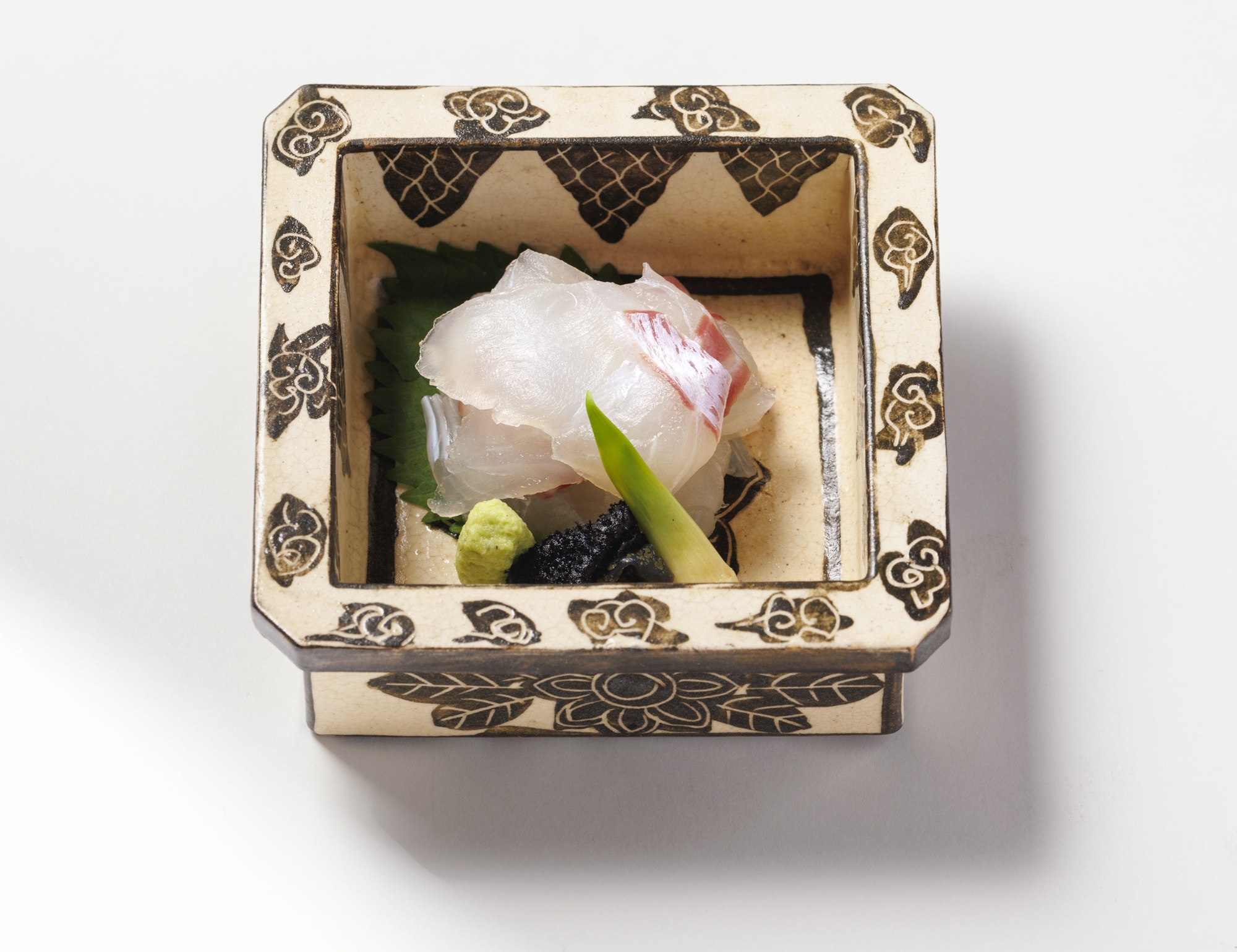
Because the food is served in accordance with Cha-kaiseki tea ceremony cusine (茶懐石), the star of this occasion, ‘Mukozuke / Akashidai no Otsukuri’, makes its appearance second, following the Sakizuke appetiser (先付). As a guest, this is where one wants to get into the flow of the meal, and for the restaurant, this is where they first want to make the customer’s heart flutter. Yet, for a dish meant to make such a powerful first impression, it consists of nothing more than pure sea bream. What makes this choice truly audacious is the restaurant’s core philosophy, which is to serve only the finest seasonal ingredients at their absolute peak of flavor. To confidently declare, “We serve nothing but this, all year round,” feels incredibly provocative. What drove them to make such a bold and brilliant decision?
“That is simply because the sea bream from Akashi (明石) is delicious. Tossed about in the Akashi Kaikyo (明石海峡), their flesh becomes firm, and blessed with good feed, their aroma is also excellent. I have opportunities to taste sea bream from various parts of Japan, but I still feel that ours is the most delicious…” says Takahashi Yoshihiro, the 15th generation owner, whose words brim with confidence beneath his modest tone. The sea bream handled at Hyotei is reportedly delivered Ikejime (生け締め) by Mizuguchi Shoten (水口商店), a wholesale fishmonger in Awajishima. Yoshihiro’s father, the 14th generation owner Takahashi Eiichi, met the first generation of Mizuguchi Shoten, Mizuguchi Kazuo, and had his eyes opened to the deliciousness of Ikejime. Since then, Hyotei’s sashimi has been exclusively sea bream. “For Japanese people, sea bream has always been a feast, both past and present. It was Mr. Mizuguchi’s sea bream that pushed forward the thought, ‘If there is such a delicious sea bream, wouldn’t it be brilliant to be able to eat it all year round?’” (Yoshihiro).
“We have gathered excellent sea bream again today!”
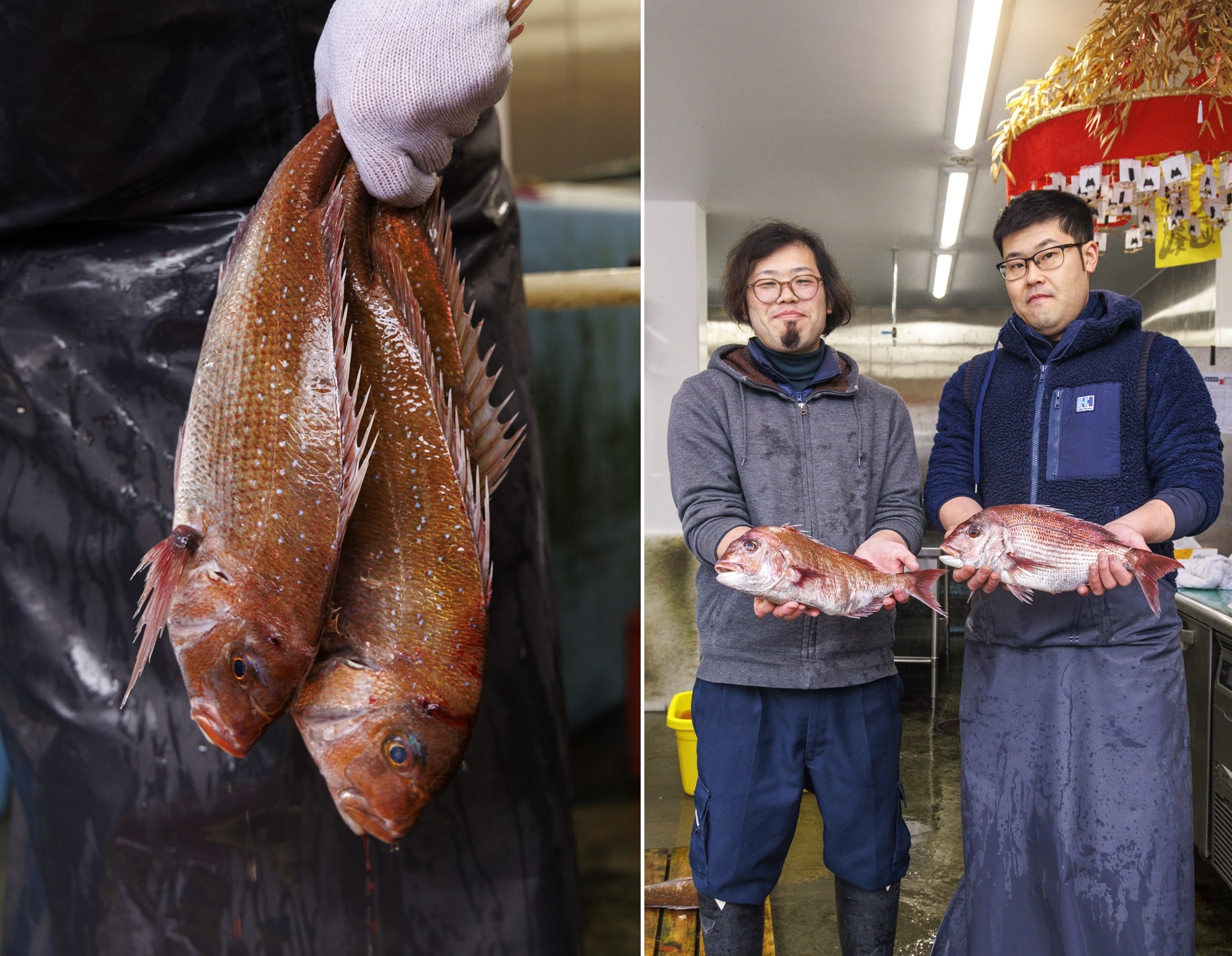
“Our ikejime technique is so quick and flawless that the fish doesn’t even realise what is happening”
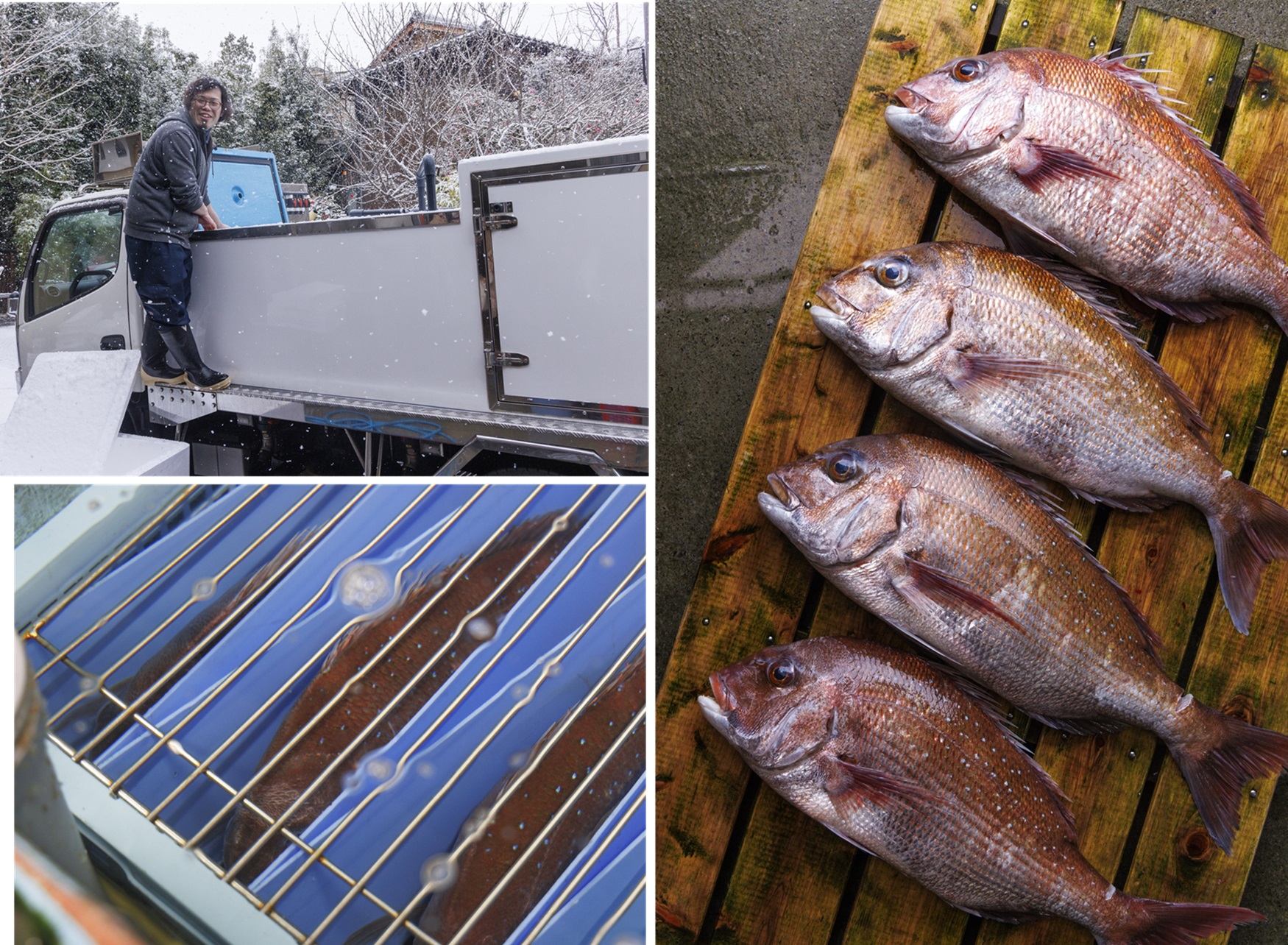
Ikejime is the process of dispatching a live fish by removing its nerves and blood. Inosinic acid, the Umami component of the fish, is not produced whilst it is alive, but rather after it has been dispatched. It is said that the higher the amount of energy remaining in the fish’s body, the greater the amount produced. That is precisely why a dispatching technique that places as little burden on the fish as possible is required. The 3rd generation of Mizuguchi Shoten, Takashi and his brother Shohei, are proud to excel in this technique.
“Our method is so instantaneous that the fish might not even realise they have been dispatched.”
However, the two brothers agree that “determining exactly when to dispatch” is even more important than the dispatching technique itself. “From the time it is caught in Akashi until it enters the live tank in Kyoto, the fish undergoes several loads of stress. It is at that moment when the stress on the fish’s body settles and it recovers. If the timing is perfectly matched, by the time it goes through Hyotei’s kitchen and reaches the customer’s mouth, the sea bream will be at its absolute peak of Umami,” (Takashi).
What is intriguing is how they determine this, which they say is most accurately judged by the sensation of holding it in their “hands”. For this reason, whilst commuting daily between Akashi and Kyoto, they observe the sea bream closely and in detail, feeling them with their own hands.
“We will prepare them into absolute beauties. Leave it to us!”
Hyotei’s true greatness lies in the fact that the story does not end merely with obtaining good sea bream. There are precise calculations even in how the flesh of the sea bream is sliced and how it is plated on the vessel. Flesh that has undergone Ikejime has increased elasticity. By inserting the knife diagonally to slice it (Hegizukuri [へぎ造り]), it creates just the right amount of firmness. Hyotei’s traditional techniques shine through in their ability to cut every part to the same size whilst changing the angle of the blade.
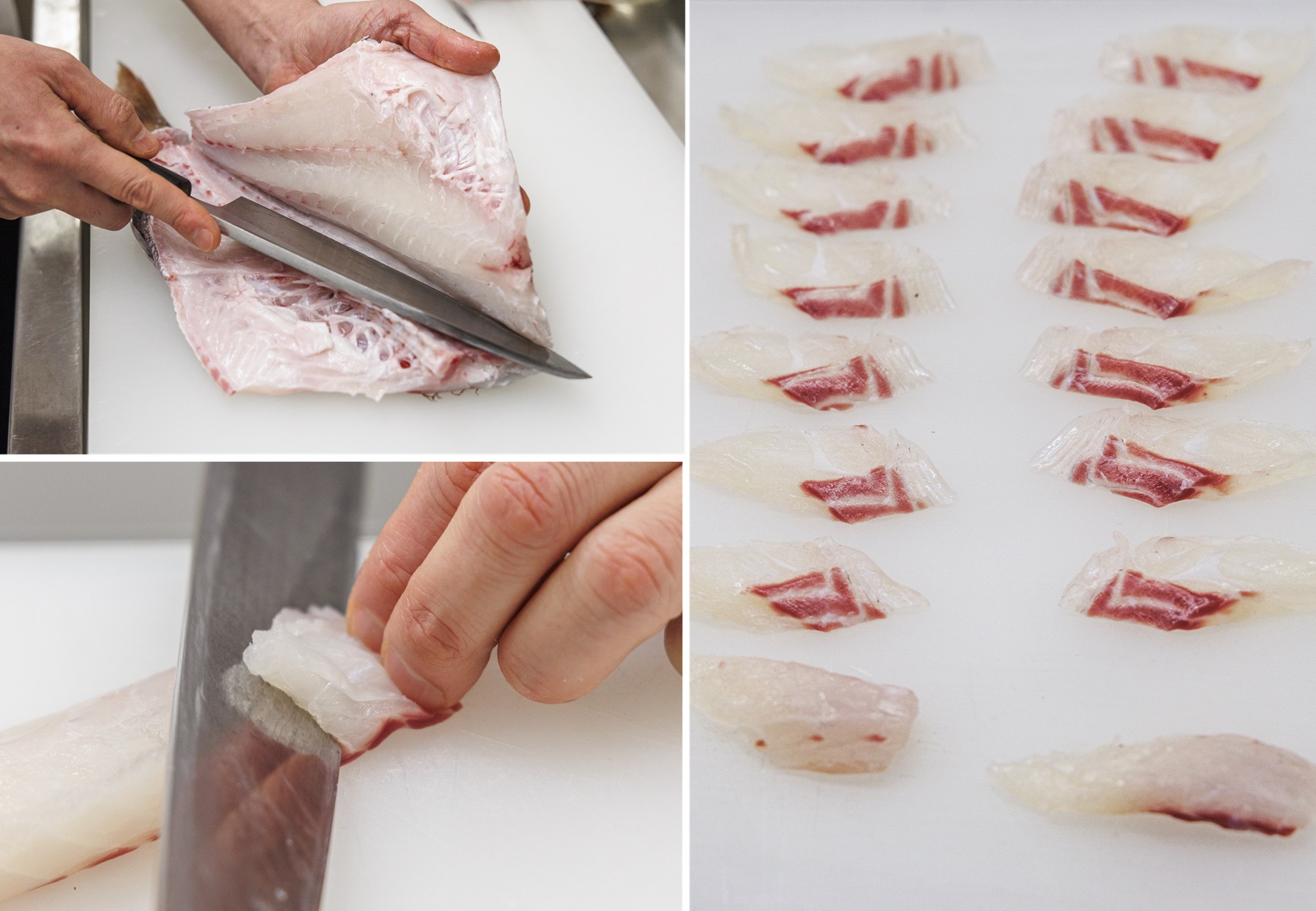
One serving consists of five slices of sea bream. At first glance, they may seem small, but each slice is actually folded into thirds, making it quite filling. This size is also designed to make the most of the texture. The rich Umami that spreads springily in the mouth—this is truly a supreme treasure. It is a national treasure-class flavour.
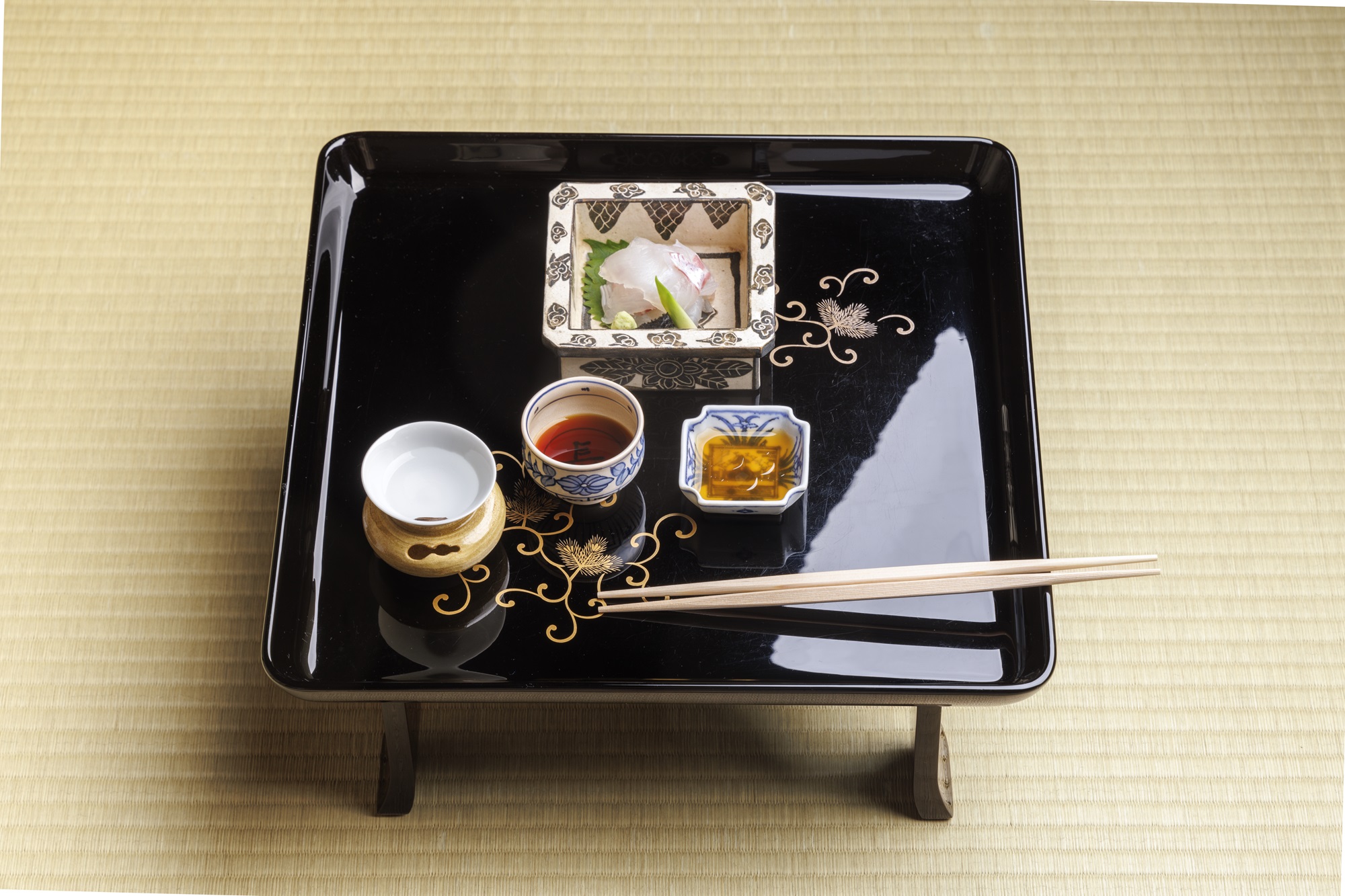
Now, at Yoshihiro’s suggestion, the Mukozuke has evolved even further. A light soy sauce (Usukuchi Shoyu [薄口醬油]) that brings out the Umami of tomatoes and is imbued with the scent of Yuzu (ゆず) has been added. The breadth of ways to enjoy the sea bream has increased, which is highly popular among customers who enjoy Japanese food with wine. By keeping Akashi sea bream at the very heart of the menu while relentlessly pushing the boundaries of its flavor, Hyotei continues to cement its legendary reputation as the ultimate destination for sea bream.
Hyotei’s Mukozuke —’Akashidai no Otsukuri’—
Hyotei Main Branch Shop Info
Address: 35 Nanzenji Kusakawacho, Sakyo-ku, Kyoto City, Kyoto
Telephone: 075-771-4116
Opening Hours: Kaiseki meals served in four distinct pavilions start from 12:00 PM for lunch and 5:00 PM for dinner.
Closed: Wednesdays, with some irregular holidays.
Reservations for 2 or more people: Lunch from 31,625 JPY per person / Dinner from 37,950 JPY per person (including tax and service charge).
Official Site: http://hyotei.co.jp/
*Prices and opening hours are as of March 2026 and are subject to change. Please check the official site in advance.
This article is translated from https://intojapanwaraku.com/travel/298653/