






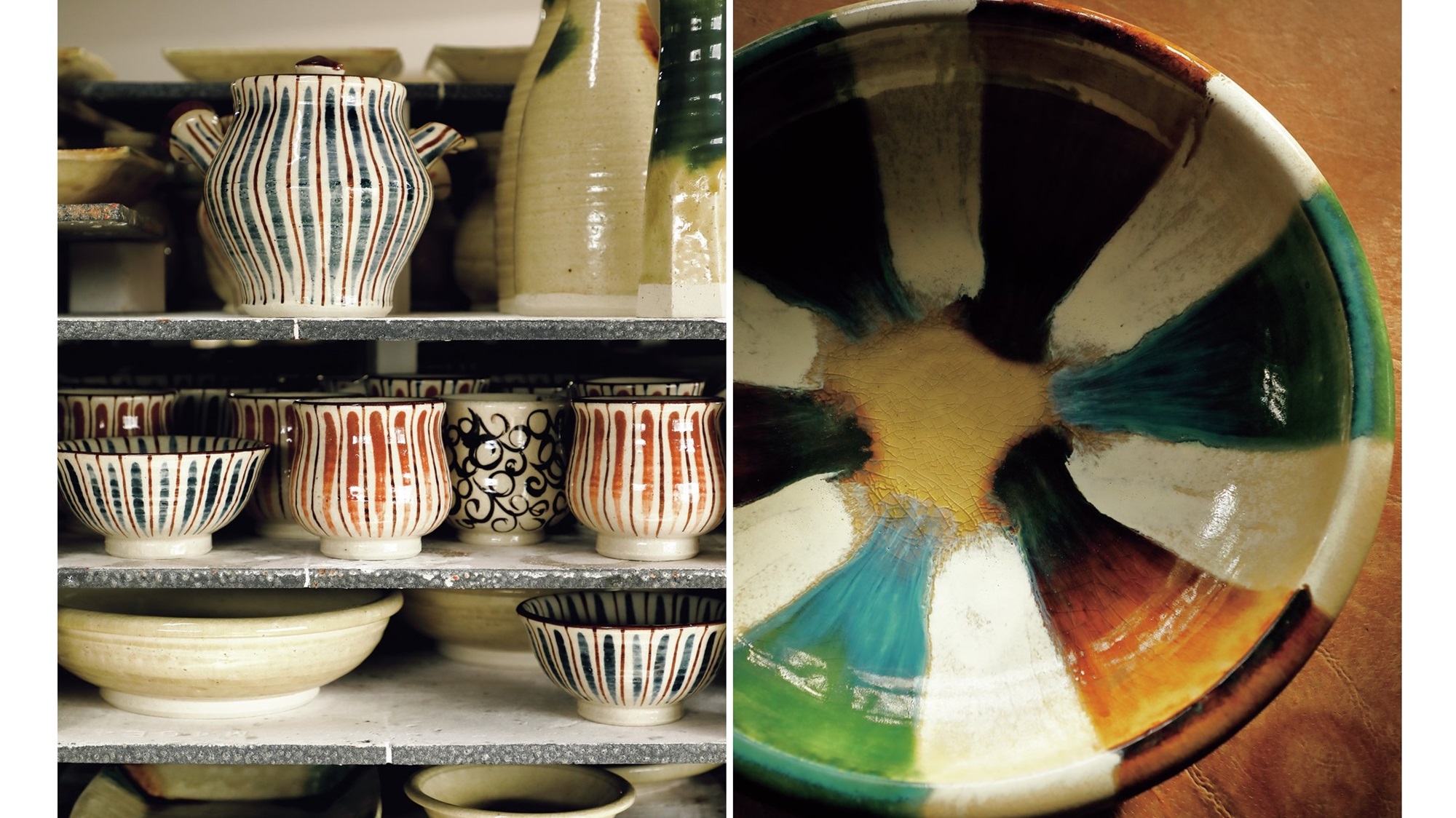
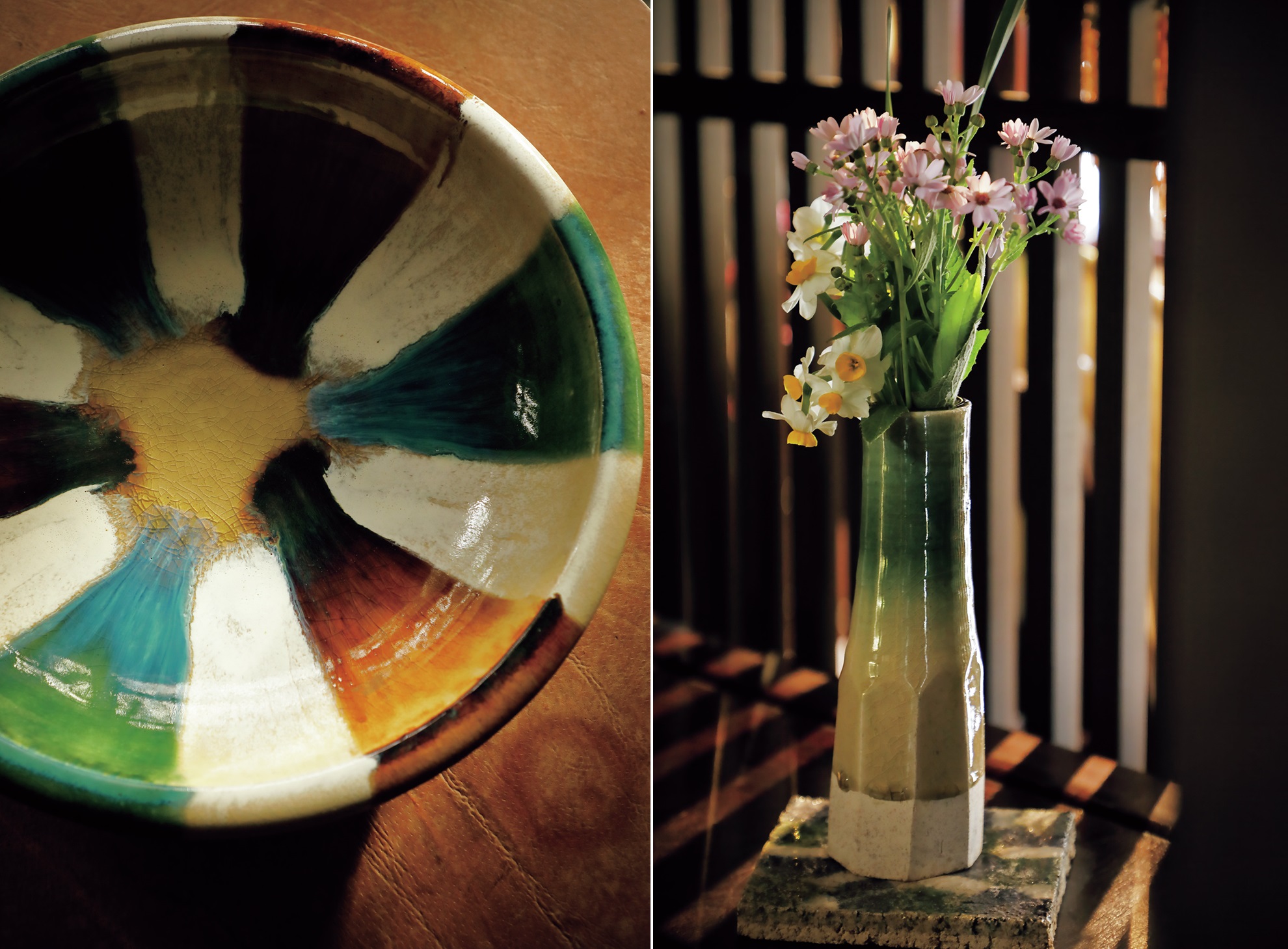
Timeless folk patterns you’ll reach for every day crafted by Master Potter, Mizuno Yusuke
Passing Down the Sentiments of Predecessors and Conveying the “Present” of Mingei
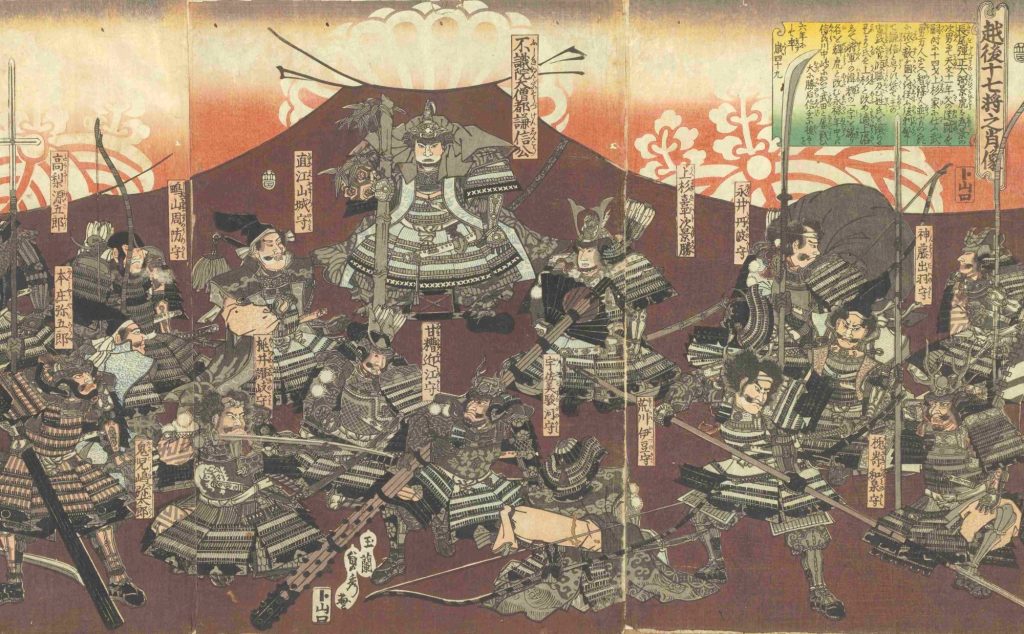
Just as ‘setomono (せともの)’ is synonymous with pottery, Seto (瀬戸) City in Aichi Prefecture has been known as a pottery production area since ancient times.
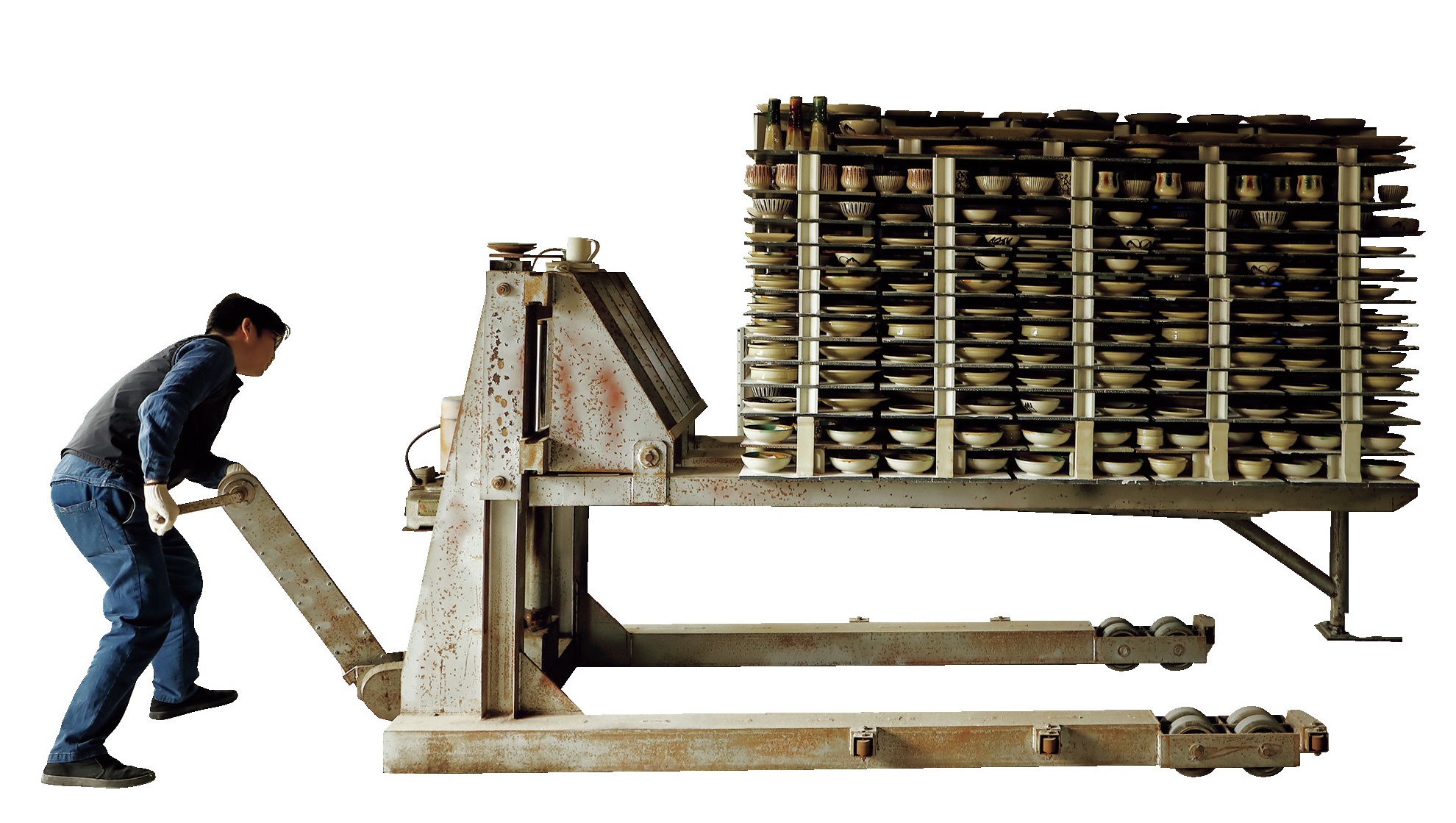
However, it is said that during the period of rapid economic growth in the Showa era, many kilns in Seto moved away from handmade craftsmanship due to mechanisation and industrialisation.
The reason Seto hongyo gama studio continued to protect handcrafting even under such circumstances was because the sixth-generation Mizuno Hanjiro encountered mingei and valued the traditional craftsmanship of Seto.
Mizuno Yusuke, the eighth-generation successor and grandson of sixth-generation master Hanjiro, breaks it down for us.
“After the Second World War, as daily utensils changed from pottery and lacquerware to industrial products such as plastic, my grandfather met figures of the mingei movement like Mr. Yanagi Muneyoshi, Mr. Hamada Shoji, and Mr. Bernard Leach, which became a great encouragement to him.
The philosophy of mingei that my grandfather cherished became the starting point that Setohongyogama always returns to, and my father, the seventh-generation Hanjiro, also continued his handcrafting without being swallowed by the changes of the times” (Mizuno, hereafter the same).
“My grandfather’s encounters with people like Yanagi Muneyoshi and Hamada Shoji became a great encouragement, and it connects to the present day” (Mizuno)
In 2022, Setohongyogama opened the Seto Museum of Craft and Life ‘Seto mingeikan’ (瀬戸民藝館), which exhibits Seto pottery collected by the sixth-generation Hanjiro and crafts from all over Japan.
Mizuno devoted all his passion to creating a place to pass down the sentiments of his predecessor to the next generation.
“Actually, the clay used as a raw material for pottery is currently becoming depleted nationwide.
There is a limit to natural soil. Until when will we be able to make pottery with domestic soil? There are many things to consider, such as the future of mingei, our work, and the state of society.
In an era where we can connect with makers and distributors across the country through social media and other means, I think our generation is coming to have an awareness not just of our own well-being, but of sharing the current situation and environment with everyone, and thinking about things together.”
Soil, wood, plants and flowers, water… Mingei items made from natural materials, and the people involved with them.
Reflecting on the ‘101st year of mingei,’ Mizuno’s words are a poignant reminder of just how precious and irreplaceable these preserved traditions truly are.
Until the Handmade ‘Setomono’ is Completed
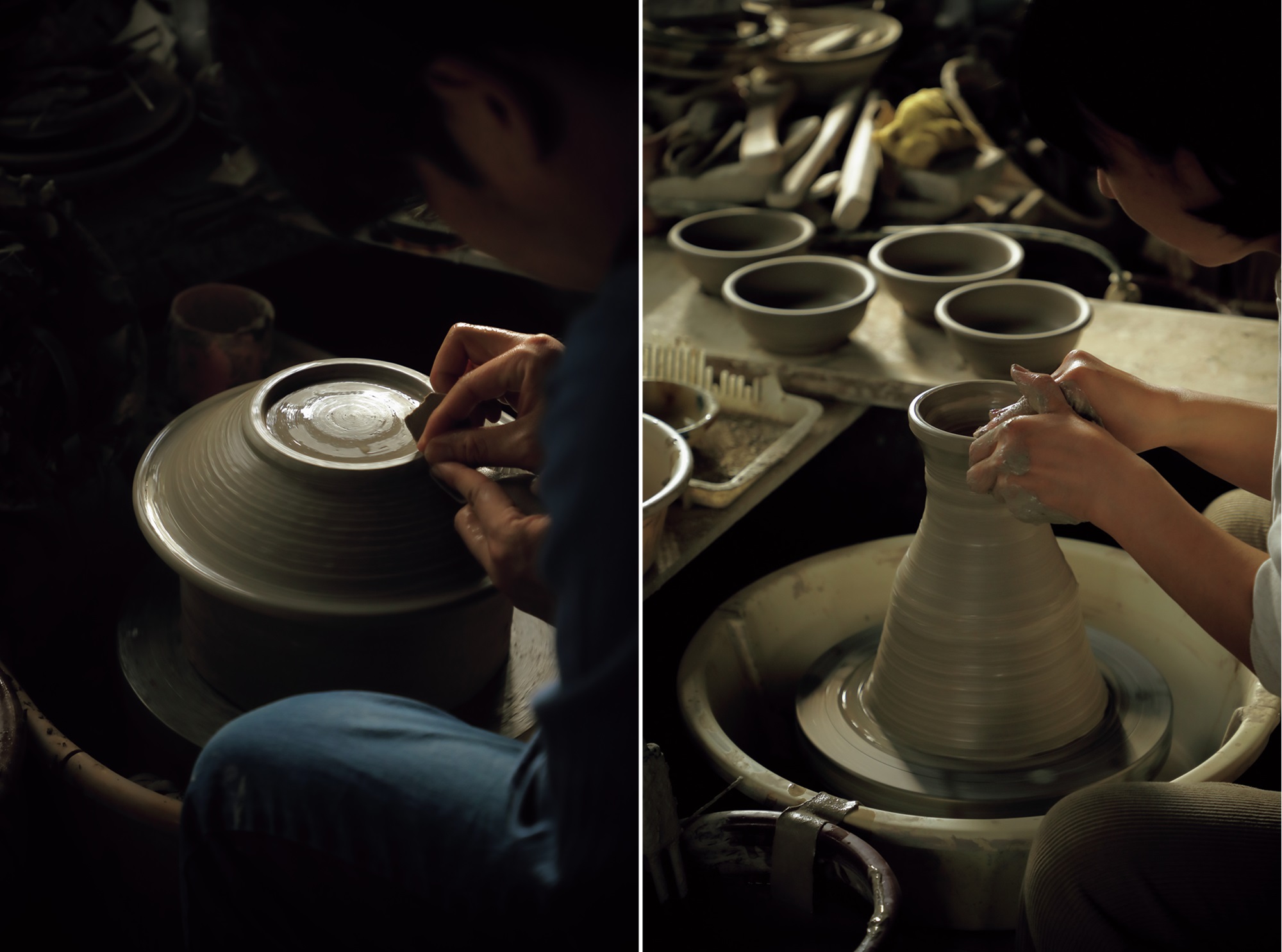
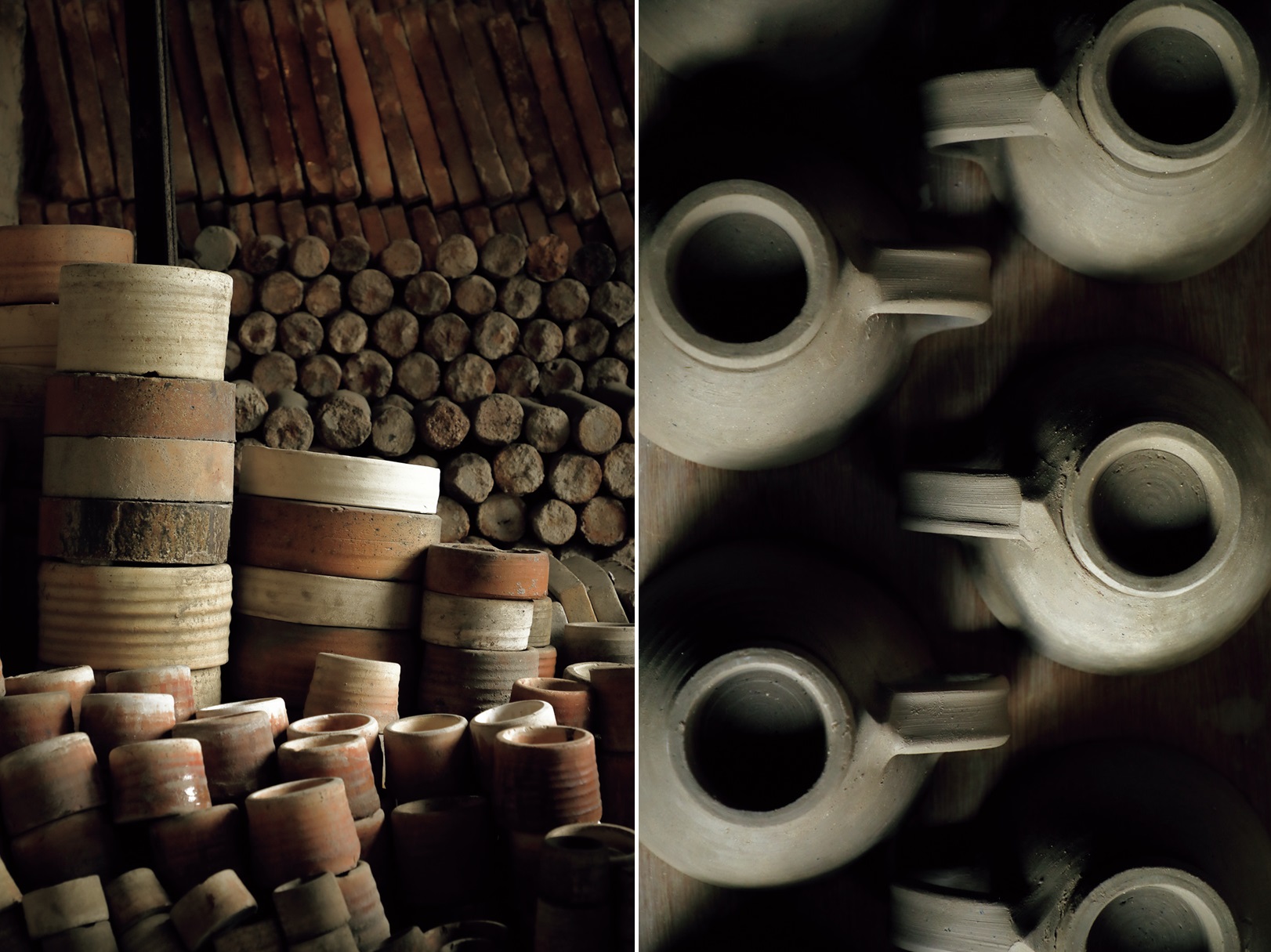
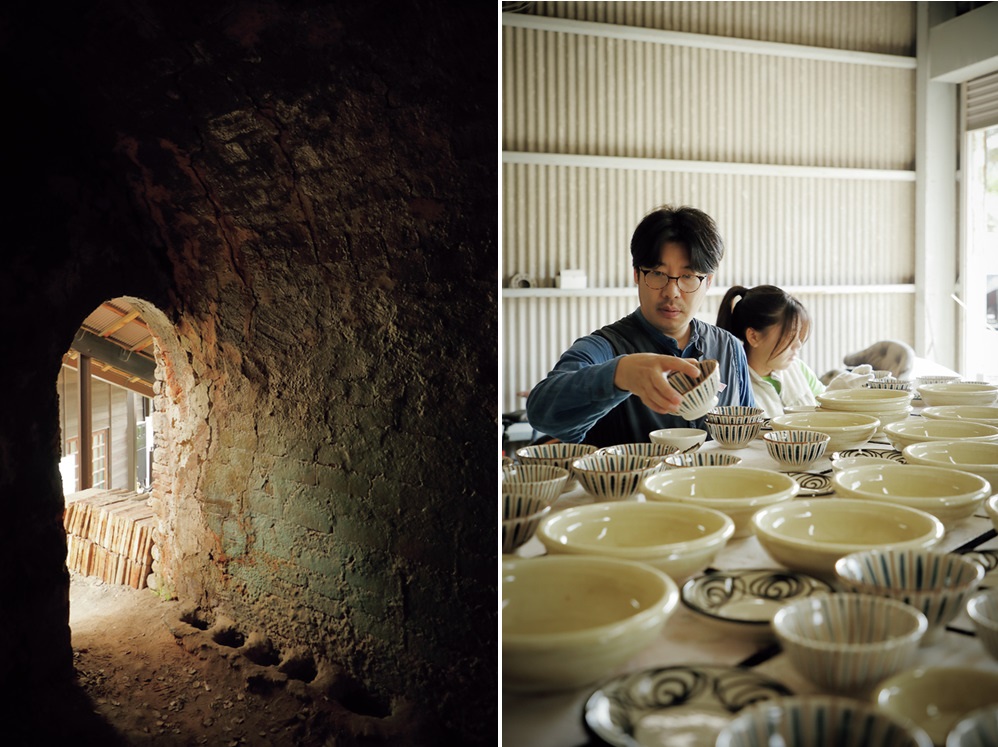
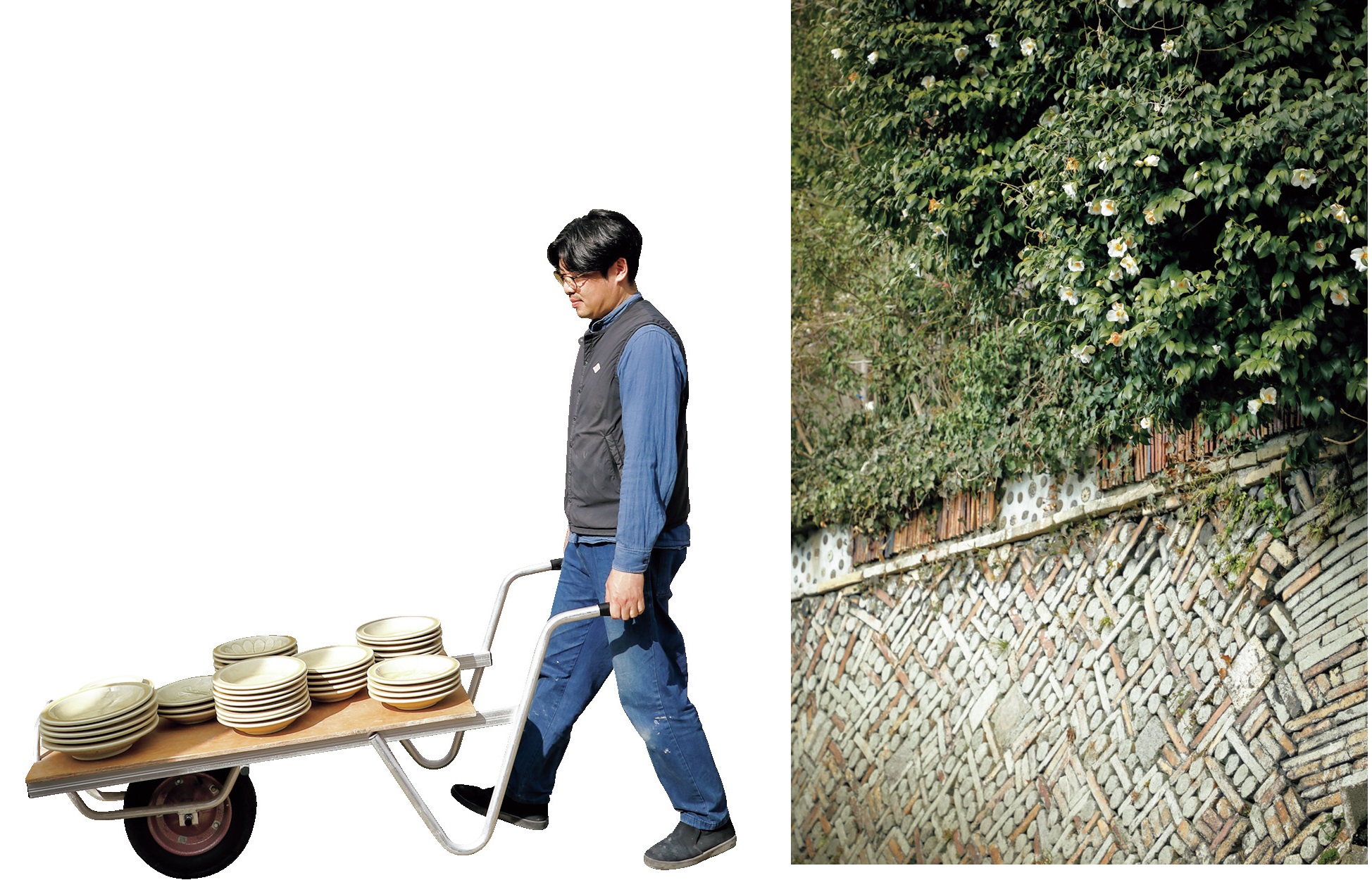
● Seto hongyo gama
Official Website: https://seto-hongyo.jp/
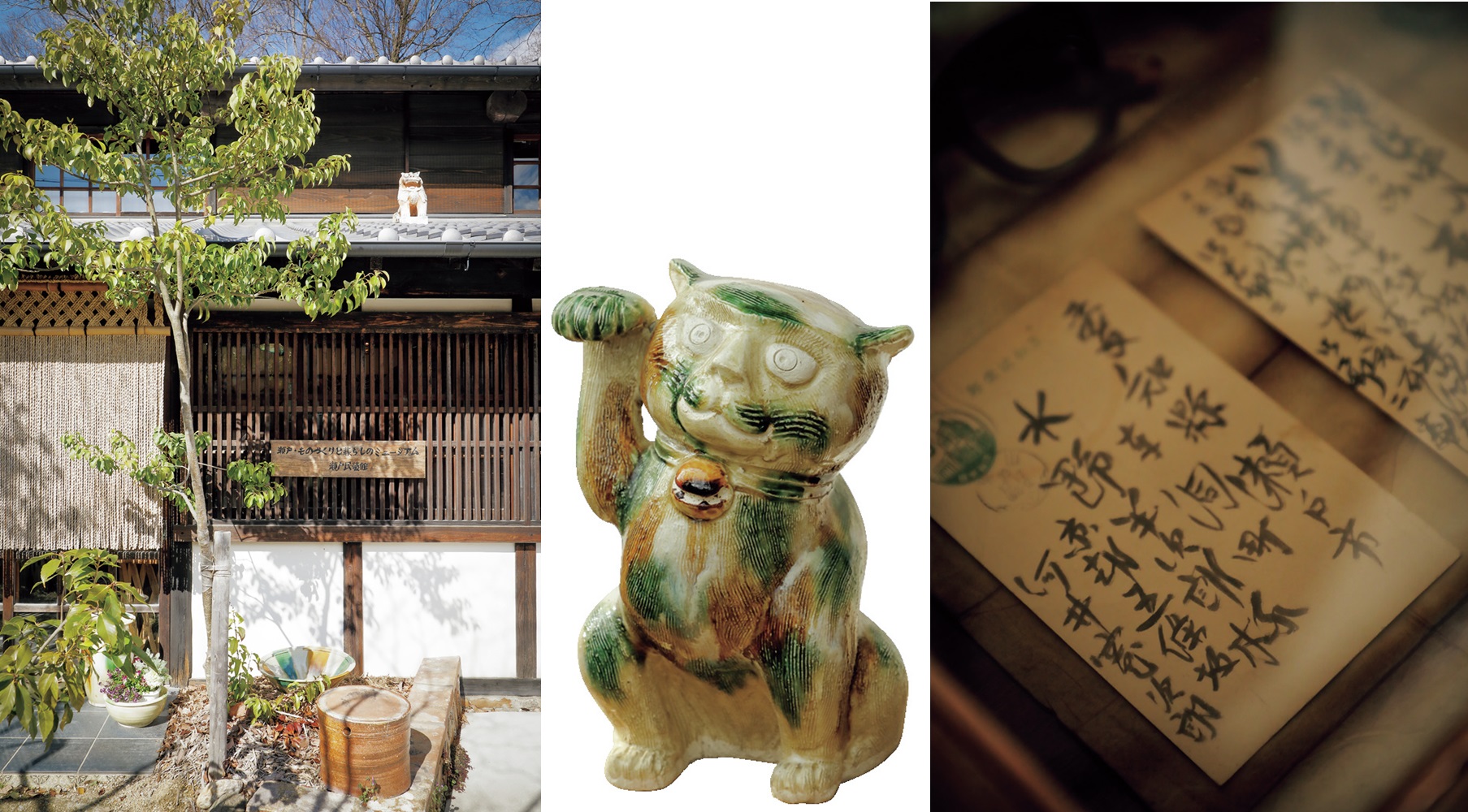
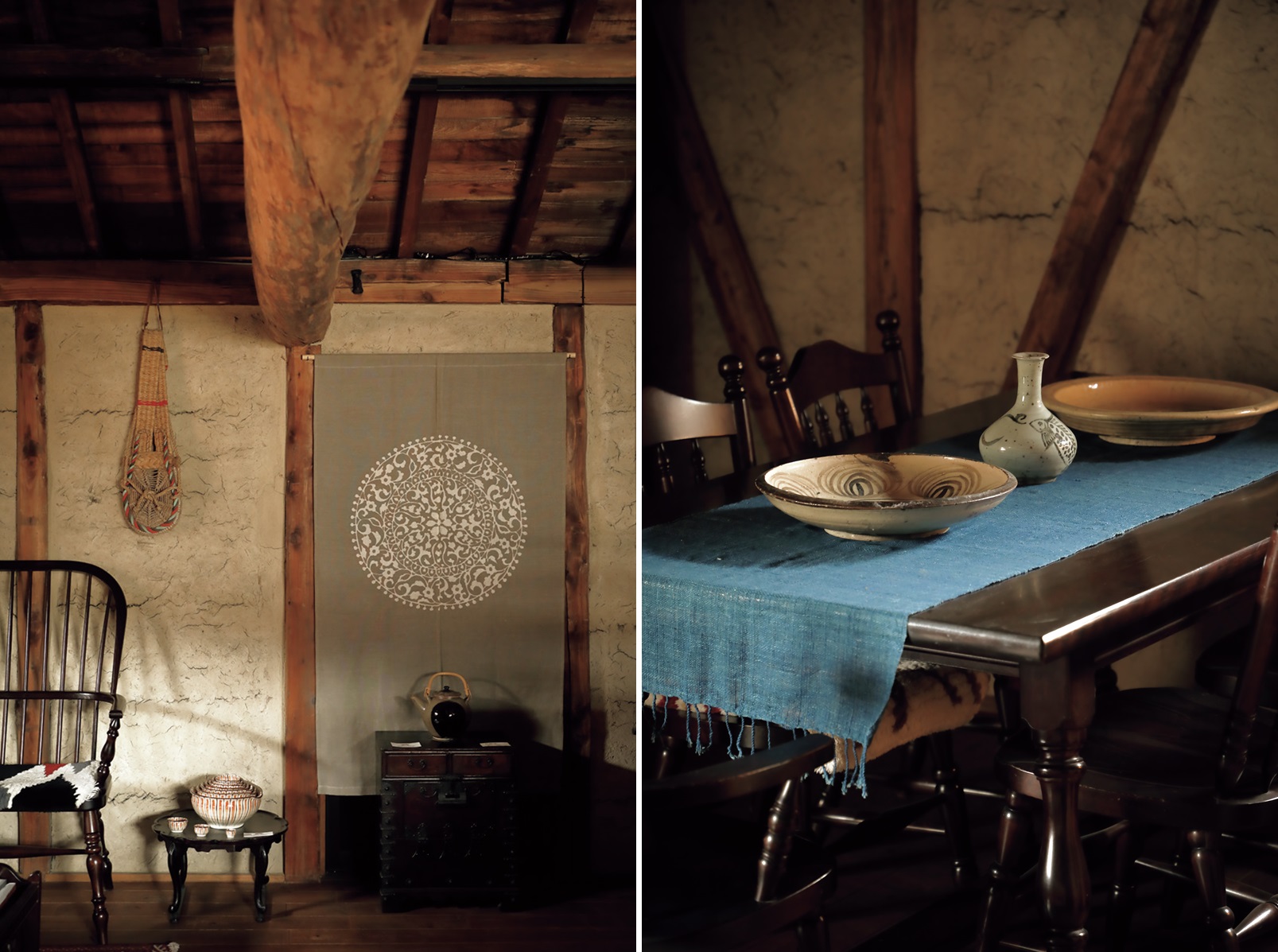
The Seto Museum of Craft and Life ‘Seto mingeikan’ is a space filled with the aesthetic consciousness of Setohongyogama and mingei. One can sense the interactions between the sixth-generation master Mizuno Hanjiro and figures like Yanagi Muneyoshi and Kawai Kanjiro (河井寛次郎).
Seto Museum of Craft and Life ‘Seto mingeikan’
Address: 17 Higashiboramachi, Seto City, Aichi Prefecture
Opening Hours: 10:00 am – 4:00 pm (last admission)
Closed: Mondays to Wednesdays (open on public holidays), with some irregular closures
Official Website: https://www.setomingeikan-museum.jp/
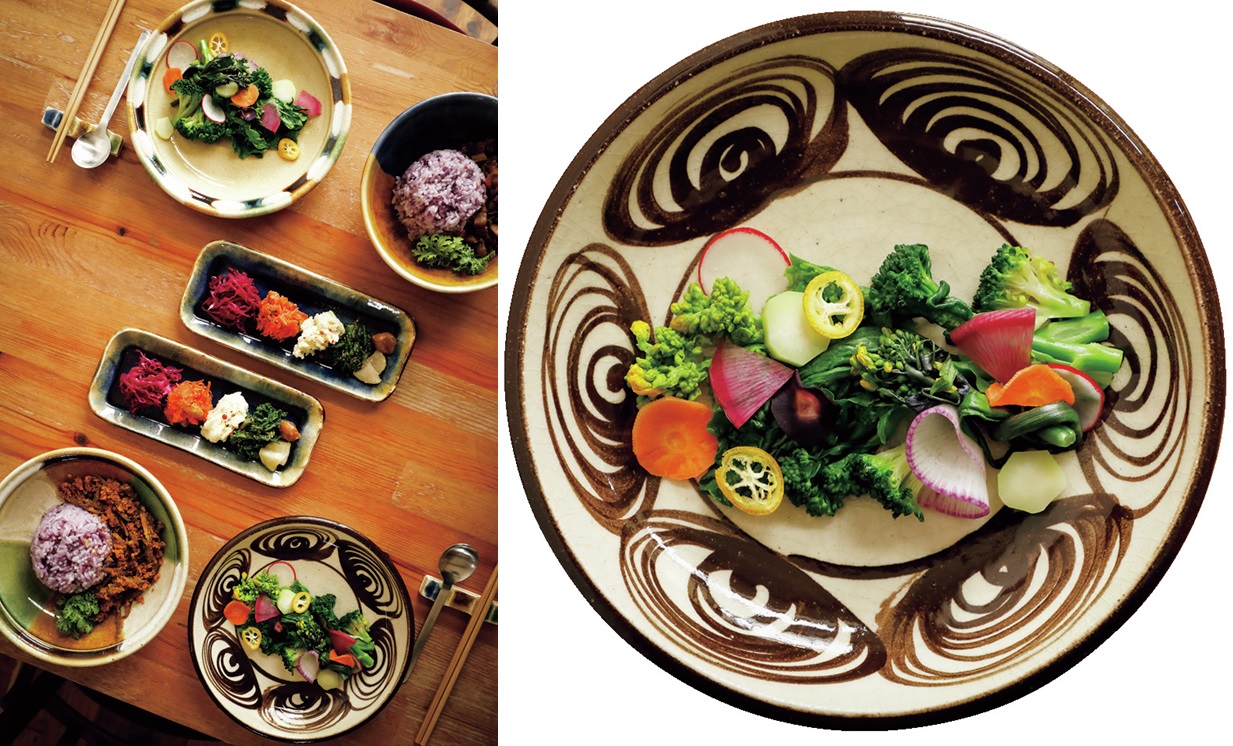
At the ‘Yakuzen cha (薬膳茶) SoybeanFlour’ located within ‘Seto mingeikan’, lunches served on vessels from Seto hongyo gama are popular. On the right is a horse-eye plate (uma no me zara / 馬の目皿) topped with seasonal vegetables.
‘Yakuzencha SoybeanFlour’
Opening Dates & Times: Saturdays and Sundays, 11:00 am – 4:00 pm
Closed: Mondays to Fridays (Occasional unscheduled closures)
Official Website: https://soybeanflour.official.ec/
This article is translated from https://intojapanwaraku.com/craftsmanship/309095/