






“The 101st Year of Mingei Might Be About ‘Balance’” (Hino Akiko)
With the development of the internet, particularly social media, the environment surrounding Mingei has changed significantly. Not only has it become possible to see who is making what and where, but trendiness and rarity have also become visible, making it difficult to choose things based on one’s own sensibilities.
“I prefer things that blend into daily life and do not assert themselves too much. Things made without overthinking, without contrivance, and without greed are comfortable to use. I believe that is what Mingei is.”
How do we incorporate the things we genuinely feel are good into our living environments? For the 101st year of Mingei, ‘balance’ might be important.
On the other hand, ‘continuing to make’ things by passing down the unique materials of a region and the techniques that have been cultivated is an important challenge for the future of Mingei.
“Things Made Naturally, Without Overthinking or Contrivance, Are Comfortable” (Hino)
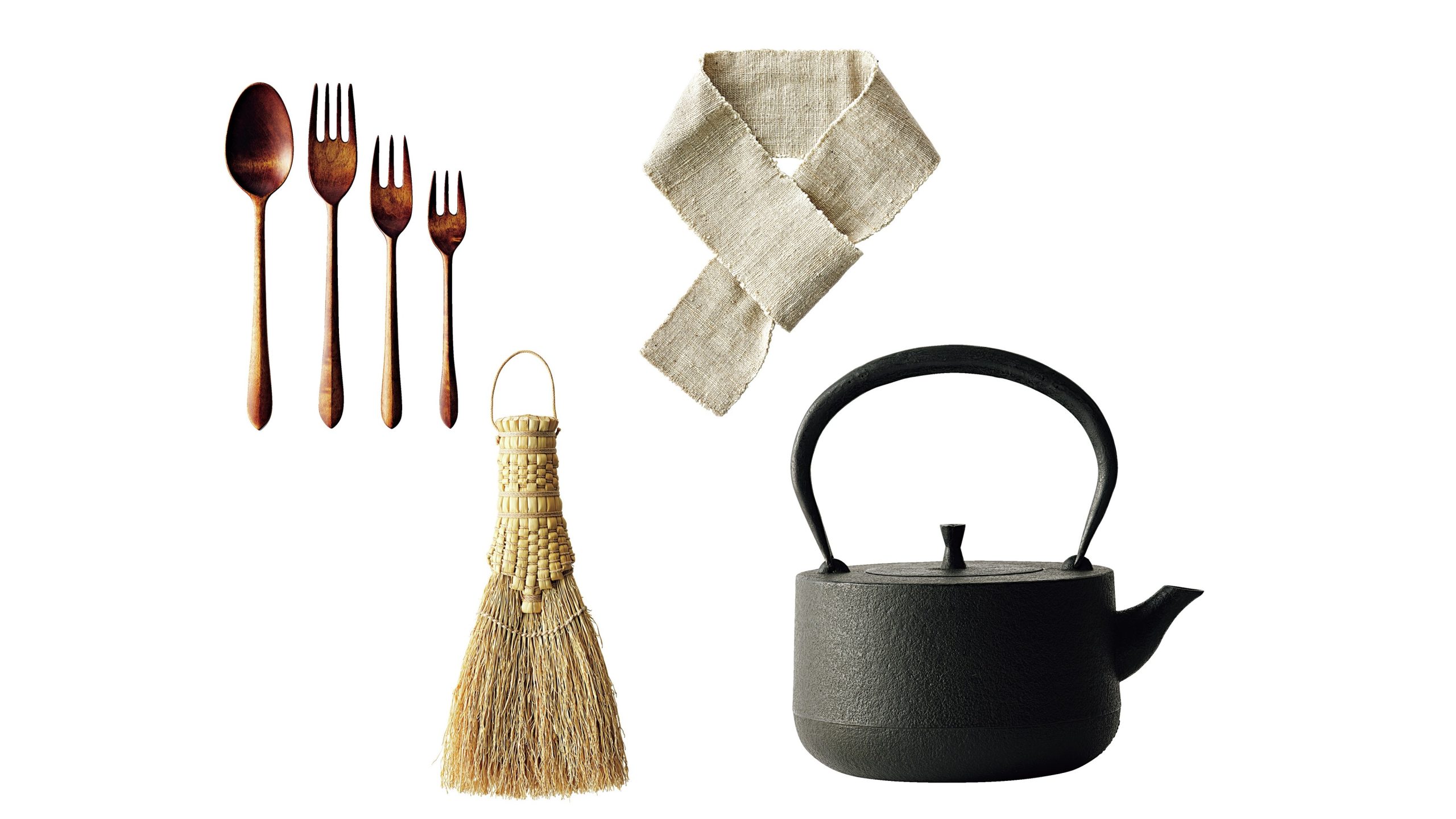
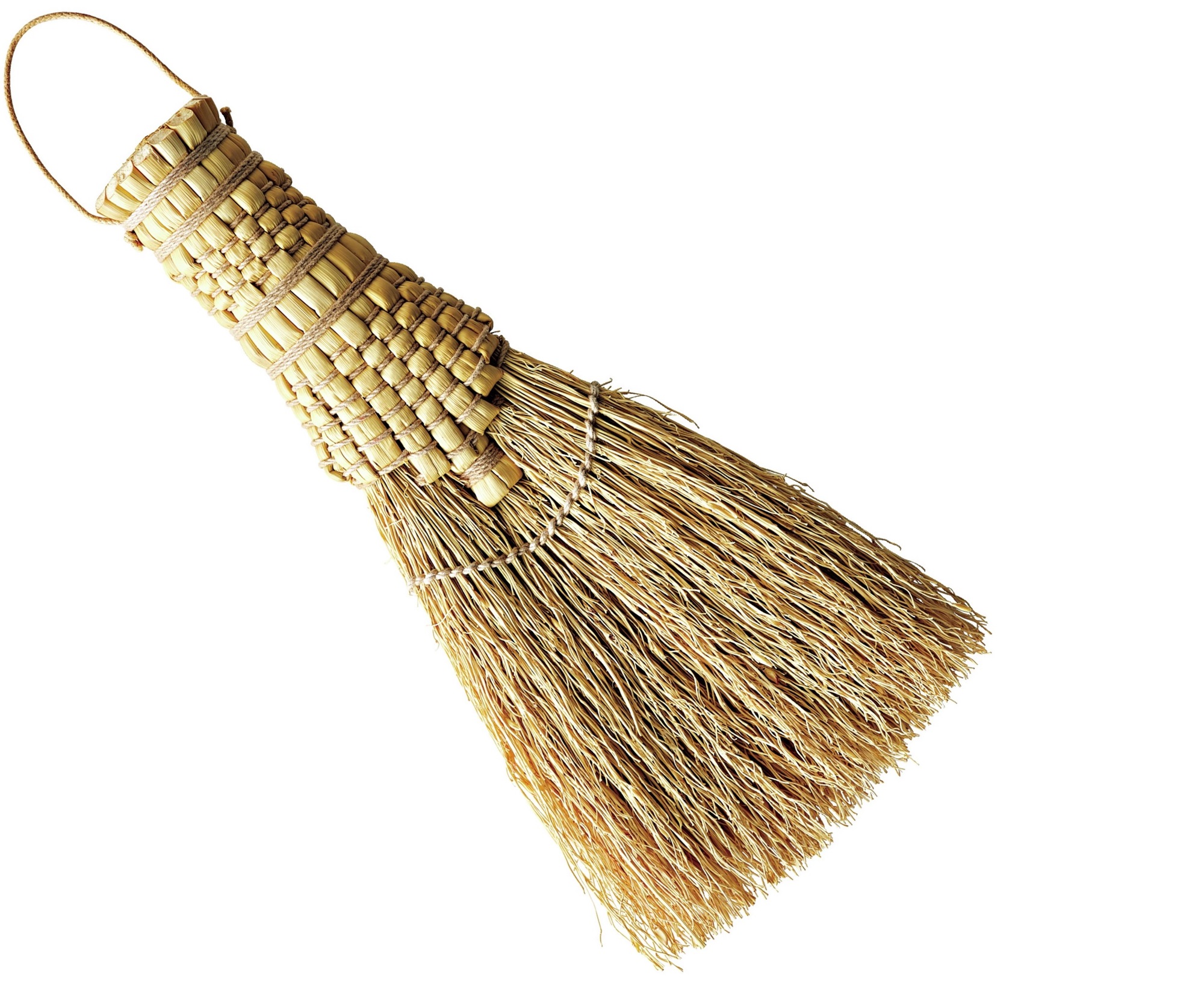
For example, Nakatsuhouki (中津箒) from Kanagawa (神奈川). They grow their own material, broom corn, without using pesticides, and revived a once-obsolete trade through a sustainable way of working.
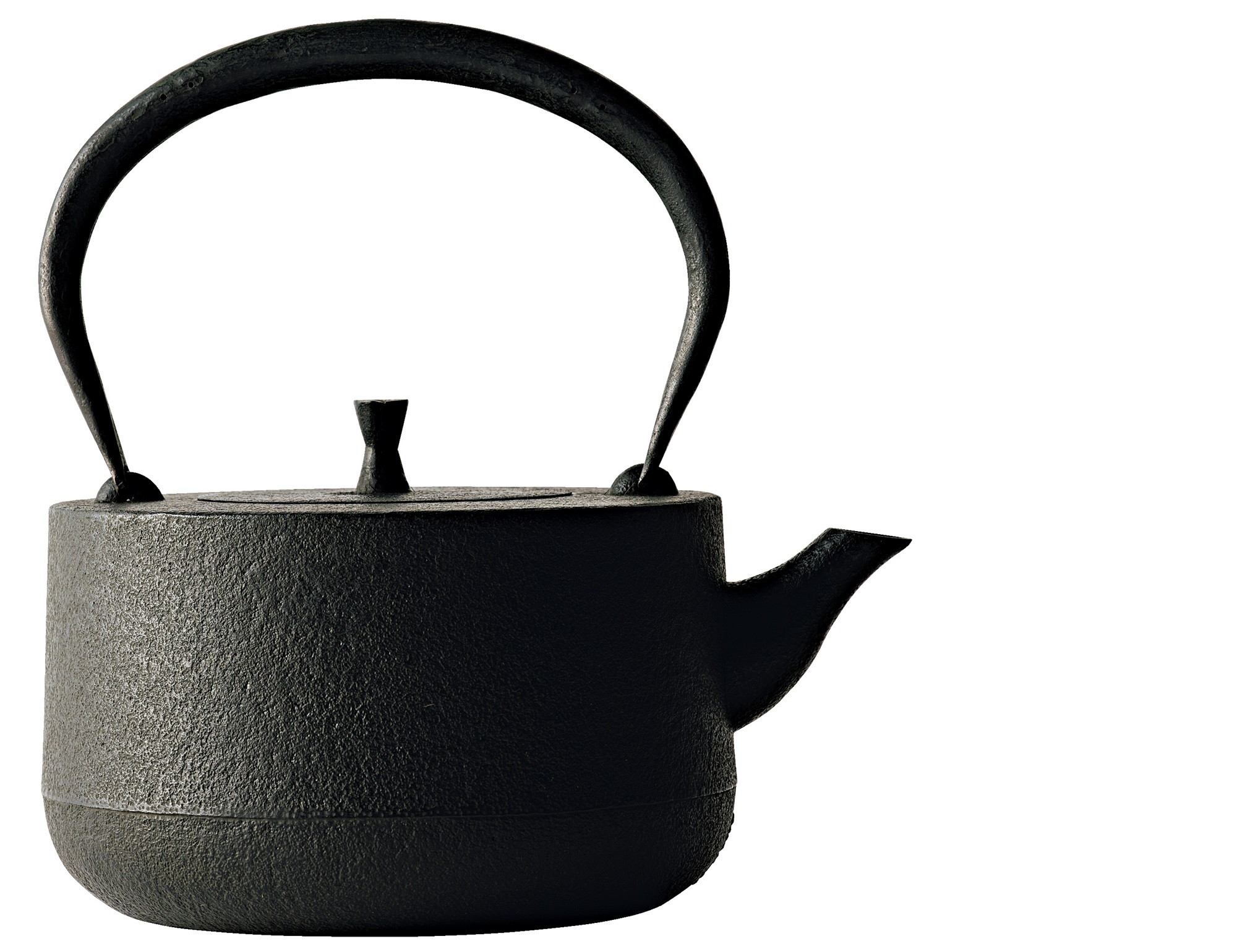
Sasaki Nami, who crafts Nambutekki (南部鉄器) iron kettles in Iwate (岩手), applied for a training programme for iron kettle artisans after the Great East Japan Earthquake and subsequently became independent.
Her neat and beautiful iron kettles, which make use of her youthful sensibilities and blend well into modern kitchens, are popular.
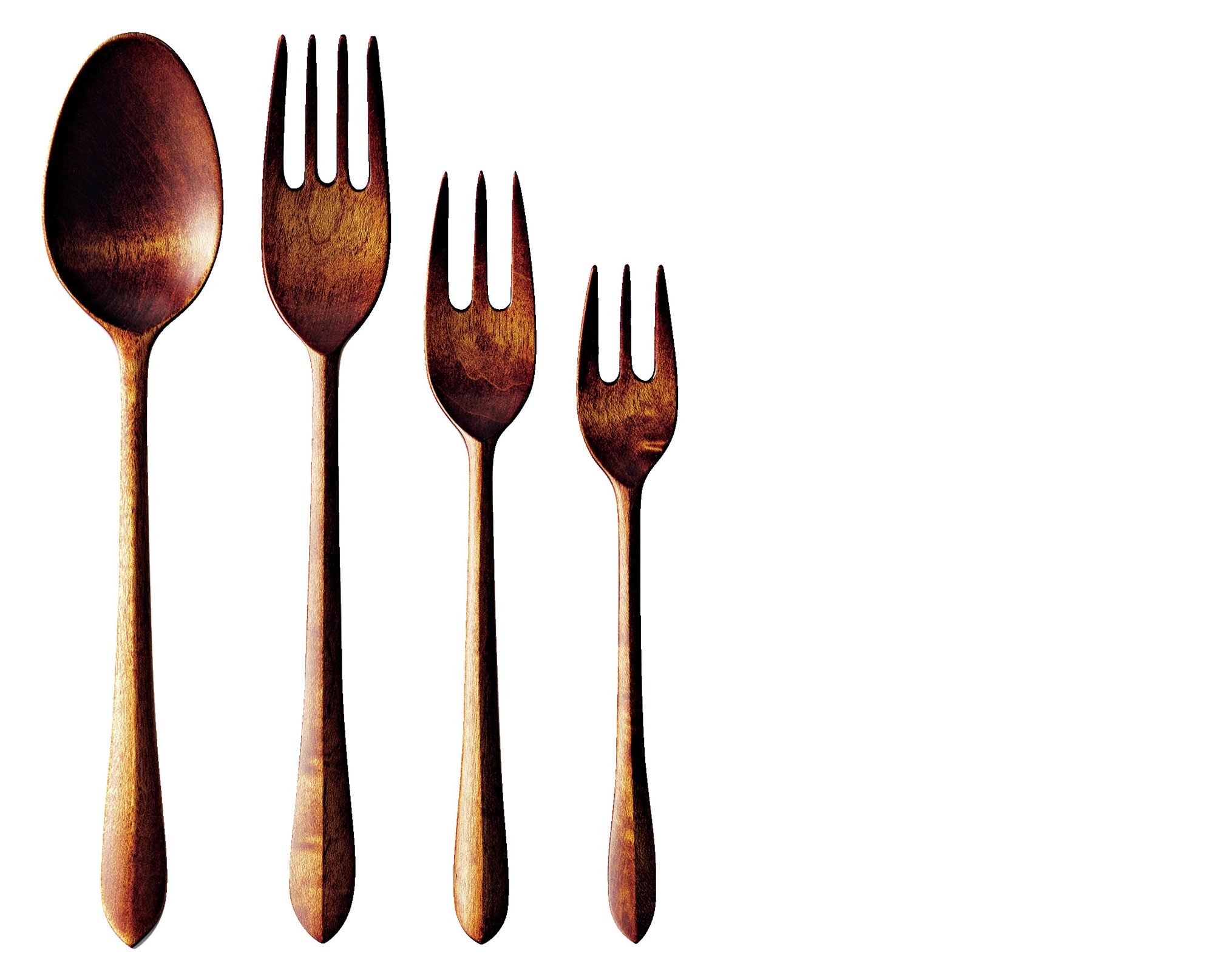
Furthermore, the fuki-urushi lacquered (拭き漆) cutlery by Hiraoka Masahiro truly makes you realise that “Mingei is all about being used!”, feeling wonderful both to hold and in the mouth.
Also wonderful are the works by Ikkeisha (一景舎) of Yamagata (山形), who deeply loves walnut, selects and harvests the bark to their own satisfaction, and creates pieces at their own pace, tailored to the nature and expression of the bark. (Stocked at Kogeifuko (工藝風向) https://foucault.tumblr.com/)
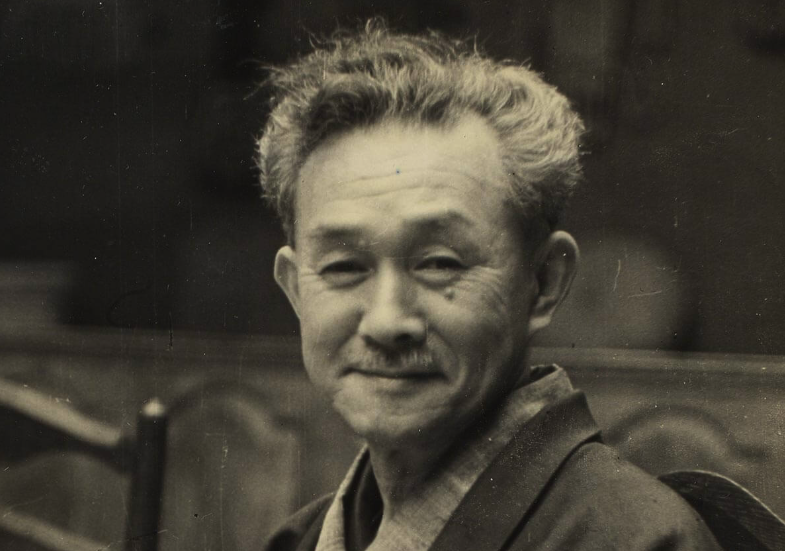
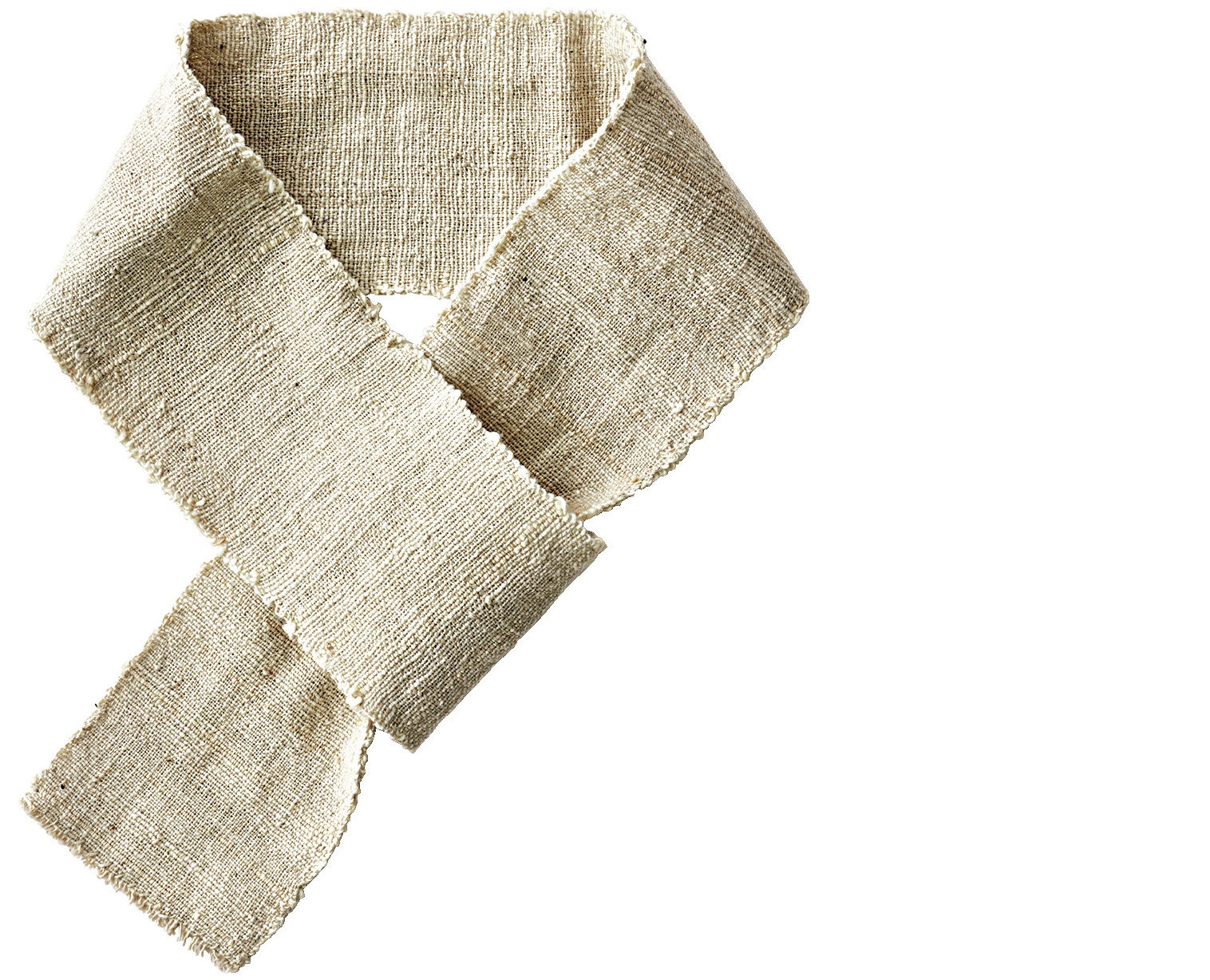
Then, there is Tambafu textiles (丹波布), which Yanagi Muneyoshi (柳宗悦) found at a morning market, was deeply moved by its beauty, and helped to revive.
Kambayashi Mika, one of the weavers carrying on that passion today, finishes what is originally a striped weave into a lattice pattern that looks like a solid colour.
All of these are items that one would want to continue using forever.
“In this 101st year especially, let us choose with our own eyes and continue to use things to ‘allow good work to last for a long time’.” (According to Hino)
Hino Akiko Profile
Hino Akiko: Born in 1967. Established Sutajioboke in 1999. Centred around a wholesale business connecting department stores, shops, artisans, and production areas, she also provides advice on local industries. Instagram: @a_hino
● Official Websites of Stockists for Hino’s Recommended Items
Geshi https://www.geshi.jp/
THE STABLES https://thestables.jp/
Nakatsuhouki / Machizukuriyamajo https://nakatsuhouki.jp/
Sendaikogensha https://kogensya.sakura.ne.jp/
*All prices listed include tax.
This article is translated from https://intojapanwaraku.com/craftsmanship/308548/