







Inside Yamada Store, the Specialty Supermarket Guided by Its Own Strict Standards
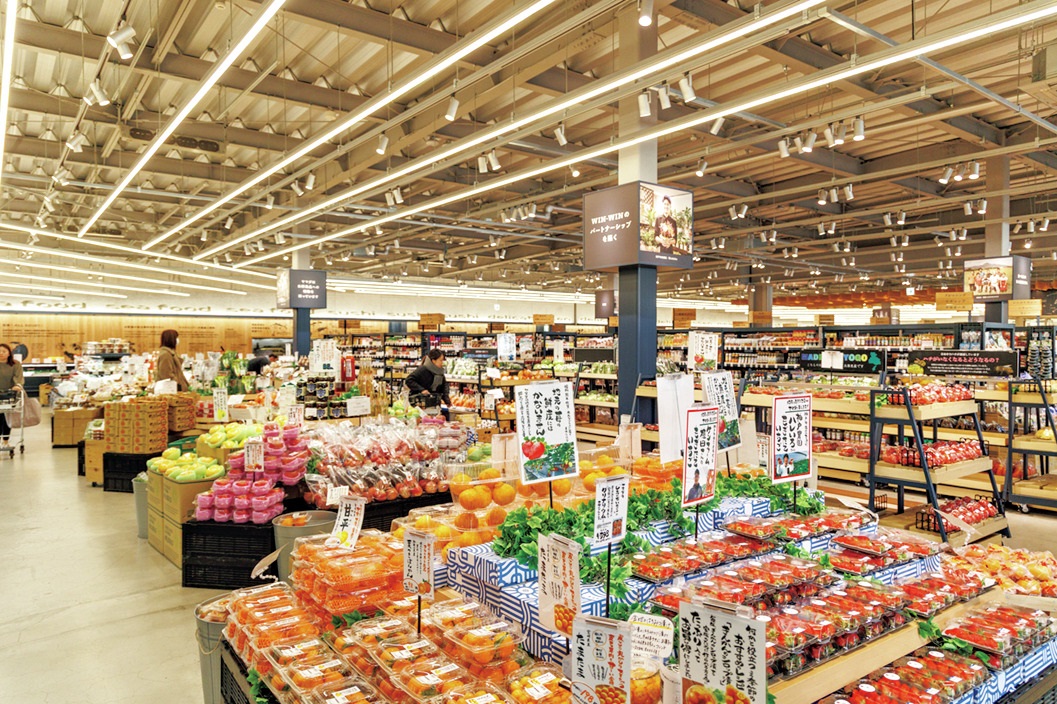
Yamada Store is a supermarket specialising in natural foods and organic products that has its own strict quality criteria. It stocks almost nothing from the major manufacturers, and its daily fresh goods (vegetables, tofu, bread and so on) come from producers local to each branch.
There is no bargain aisle. Instead, the shelves are lined with Yamada’s own-brand products, developed in close, face-to-face partnership with community-based local companies.
“We want to offer food that is healthy and improves people’s quality of life,” says Nakano Atsushi (中野篤), who handles the company’s PR, describing its philosophy.
What makes it work so well is the balance—respecting local growers and inspiring healthier choices, without ever compromising on a fun, engaging shopping experience.
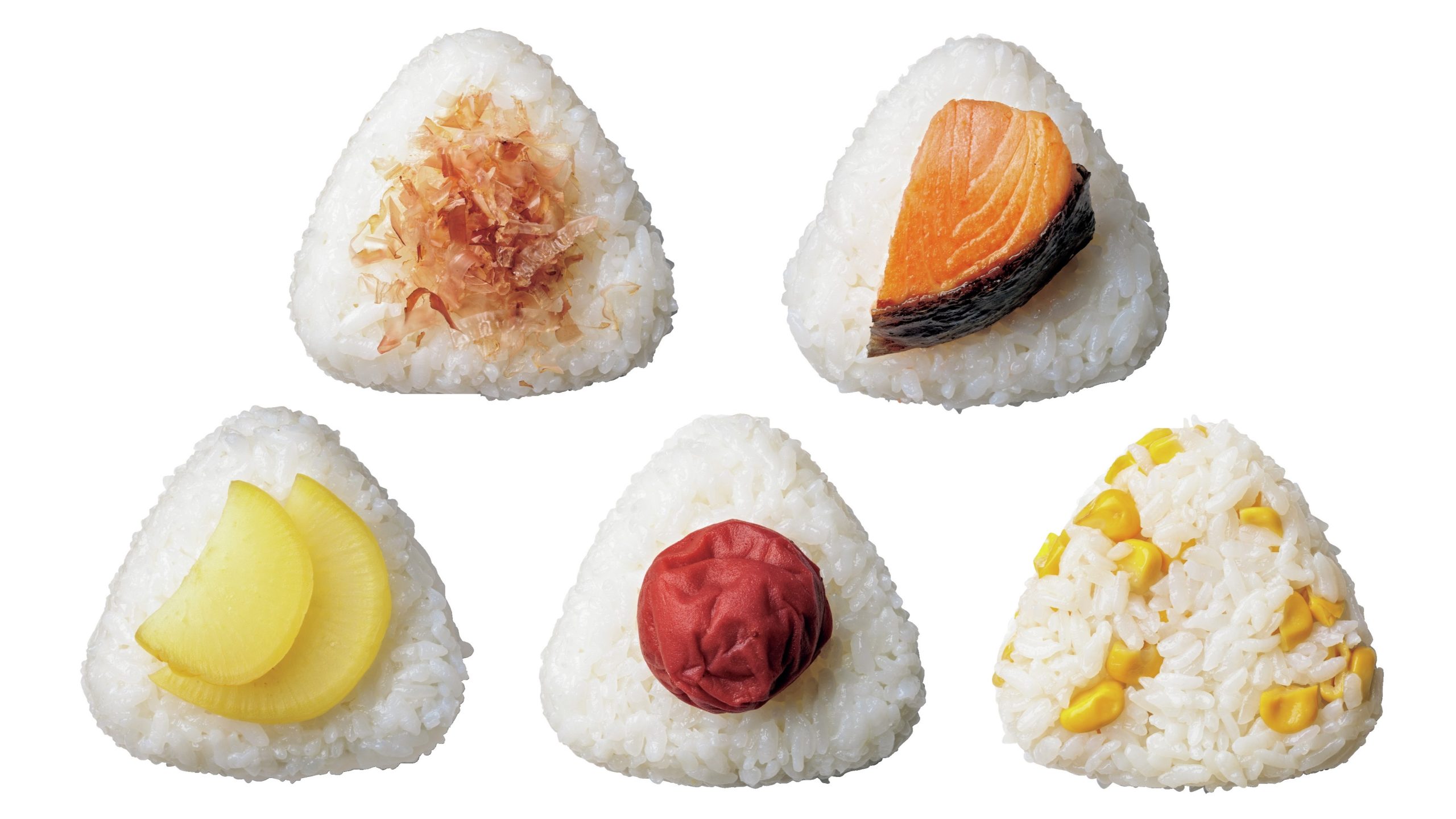
Another highlight is its well-stocked section of ‘gohan no otomo’, accompaniments for rice that also work brilliantly in onigiri rice balls.
“Rice is at the very heart of everyday life,” says Nakano proudly. Here is the line-up of fillings that thoroughly won us over!
Five Recommended Fillings from Yamada Store
Okaka: Bonito Flakes So Rich in Umami so rich it needs no extra seasoning.
Wonderful aroma, deep umami!
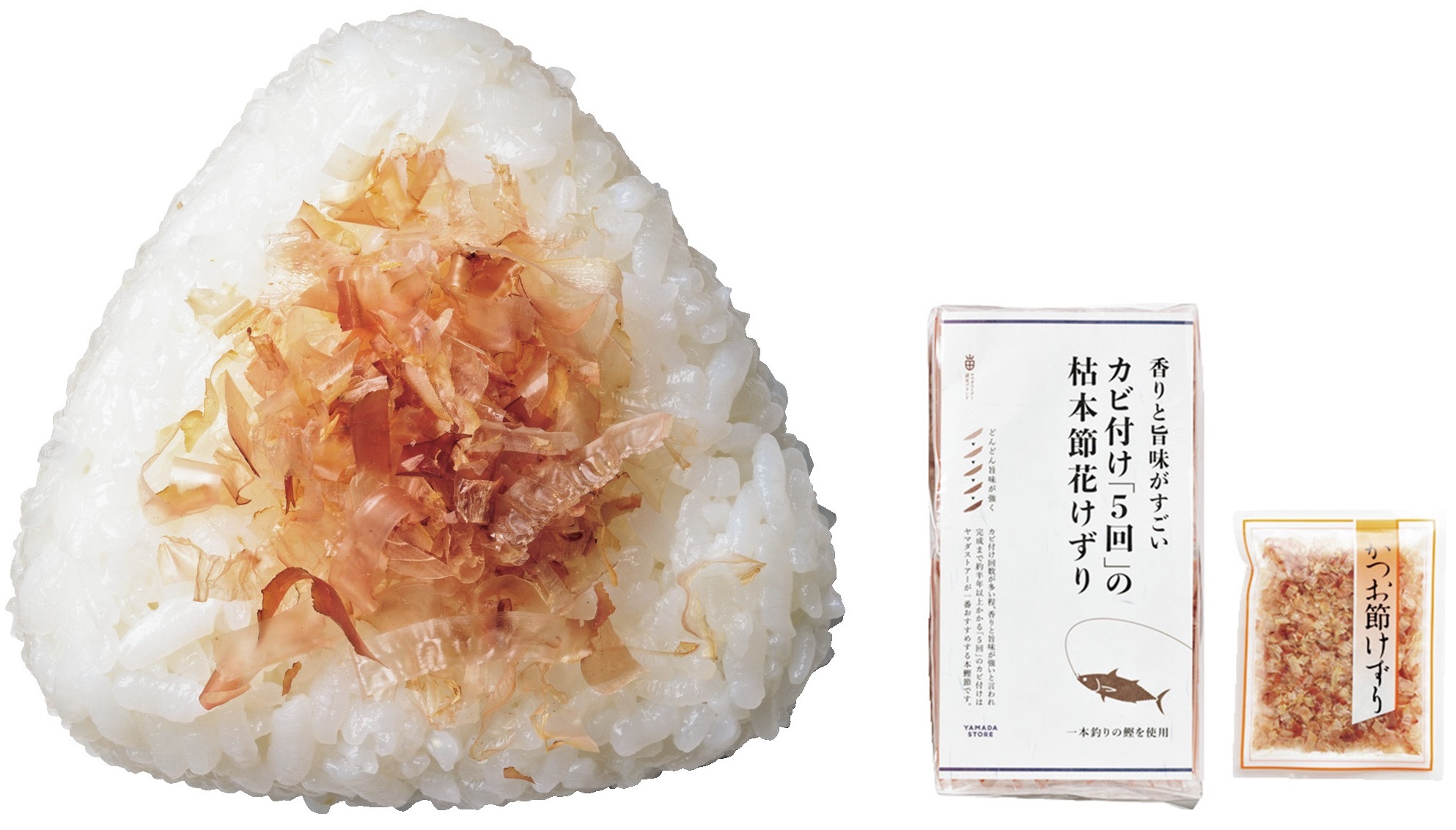
Honkarebushi (本枯節) is a type of bonito flake made by repeatedly smoke-drying (baikan, 焙乾) bonito and curing it with mould. The more times the process is repeated, the mellower the flavour becomes, and the stronger the aroma and umami.
“We use pole-and-line-caught bonito, cured with mould five times. The flavour is intense yet refined. It’s also lovely mixed straight into plain white rice,” says Nakano.
Own-brand ‘Five-Times Mould-Cured Karehonbushi Shavings’ (カビ付け「5回」の枯本節 花けずり), ¥1,447 (26 × 3g sachets).
Salmon: Miyagi’s Branded Ginnosuke Is Our Top Pick
Holds Its Shape Beautifully Even After Grilling
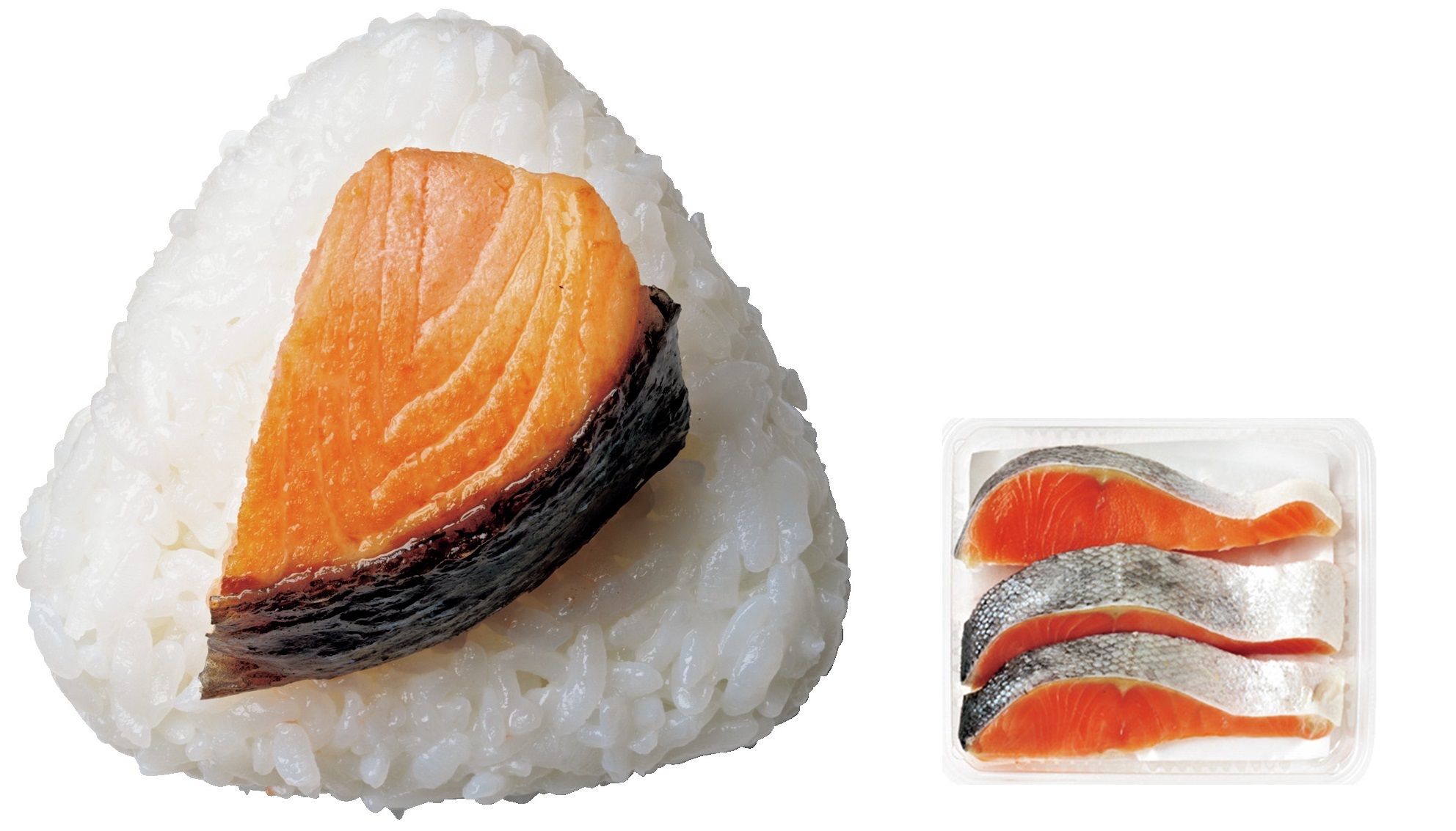
“At Yamada, we’re committed to supporting local producers, but we also want our customers to enjoy ingredients that are celebrated in their home regions. Ginnosuke (銀乃すけ) from Miyagi Prefecture is beautifully rich and fatty, and holds its shape beautifully, says Nakano.
Its gentle saltiness is also delightful. Pictured: Ginnosuke (farmed, salted coho salmon).
Pickles: Japanese-Grown Takuan with an Irresistible Crunch
A gentle sweetness that’s instantly comforting
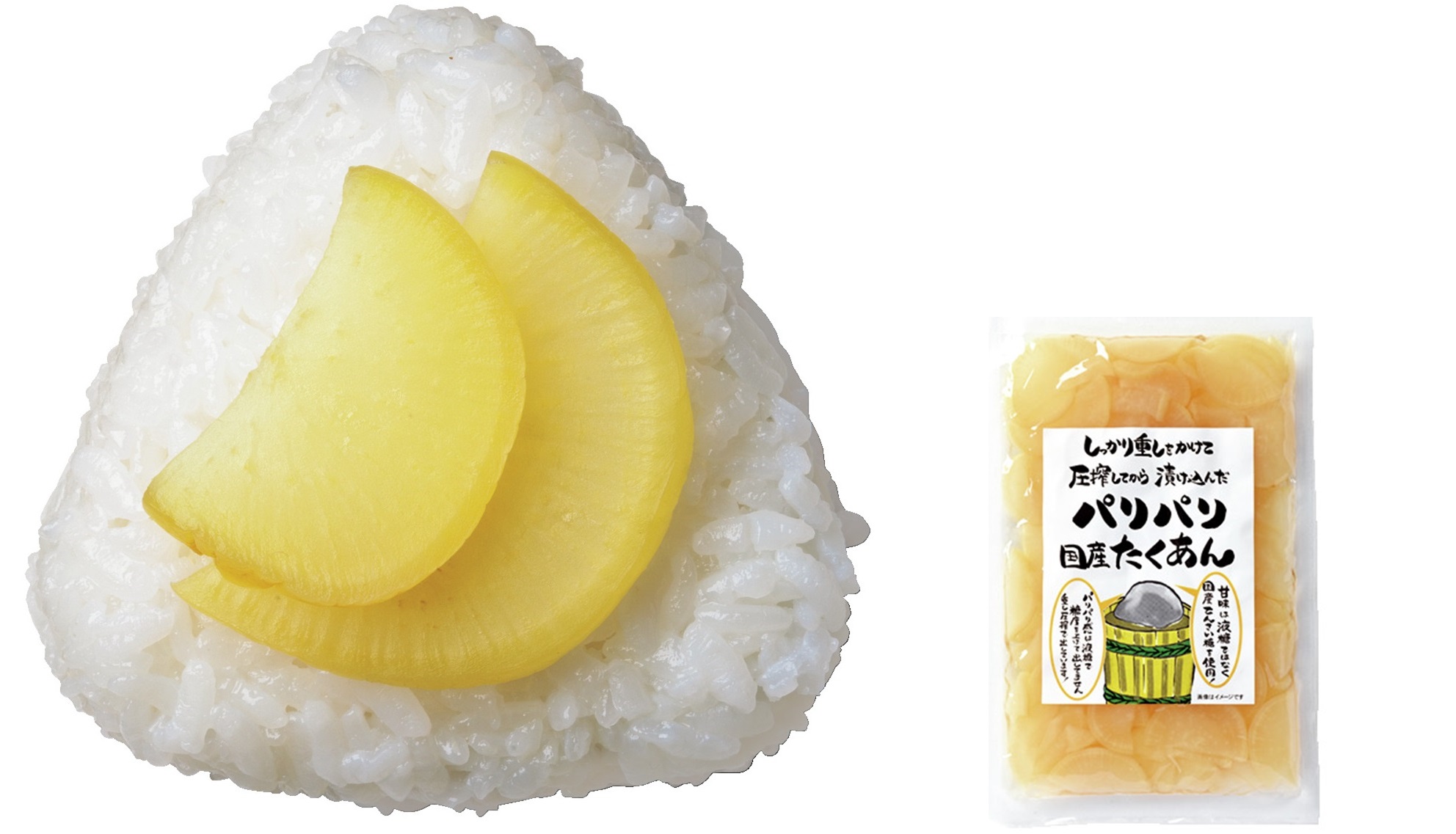
The newest addition to the own-brand pickle range. Chop it up and mix it into your onigiri, or serve it on the side. Either way works.
“We’ve made a wonderfully crunchy takuan (radish pickle) the traditional way, pressing the daikon under weights before pickling. We don’t use liquid sugar; instead, Japanese beet sugar brings out the radish’s natural sweetness,” says Nakano.
Own-brand ‘Pressed, Crunchy Japanese Takuan’ (圧搾パリパリ国産たくあん), ¥537 (300g).
Ume: We’re Big Fans of Ume Boys (梅ボーイズ), Wakayama’s Plum-Growing Collective
The fragrance of shiso leaves whets the appetite too!
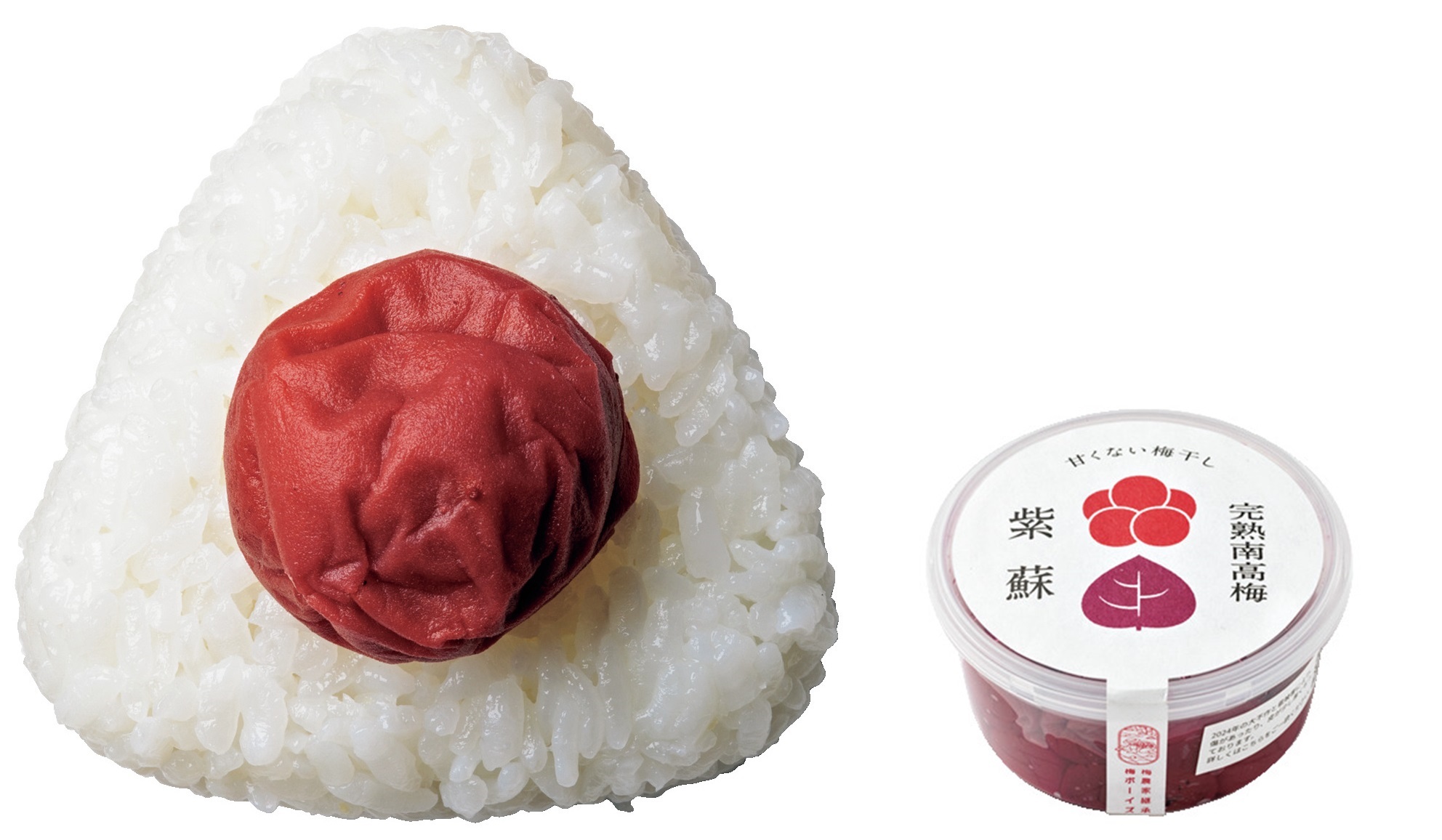
“For onigiri, you really can’t beat a traditional, properly sour umeboshi (dried sour plums). These are made in Minabe (みなべ町), Wakayama Prefecture, the heartland of ume growing, and are pickled simply in natural salt and red shiso, nothing else. They’re a firm favourite with our customers,” says Nakano.
Made from fully ripened Nanko plums (南高梅) that have dropped naturally from the tree, the flesh is soft and delicious.
Umehikari (うめひかり) ‘Ume and Shiso’ (梅と紫蘇), ¥1,220 (280g).
Mix-ins: Just Stir into Freshly Cooked Rice, a Favourite with All Ages
Plenty of plump sweetcorn kernels
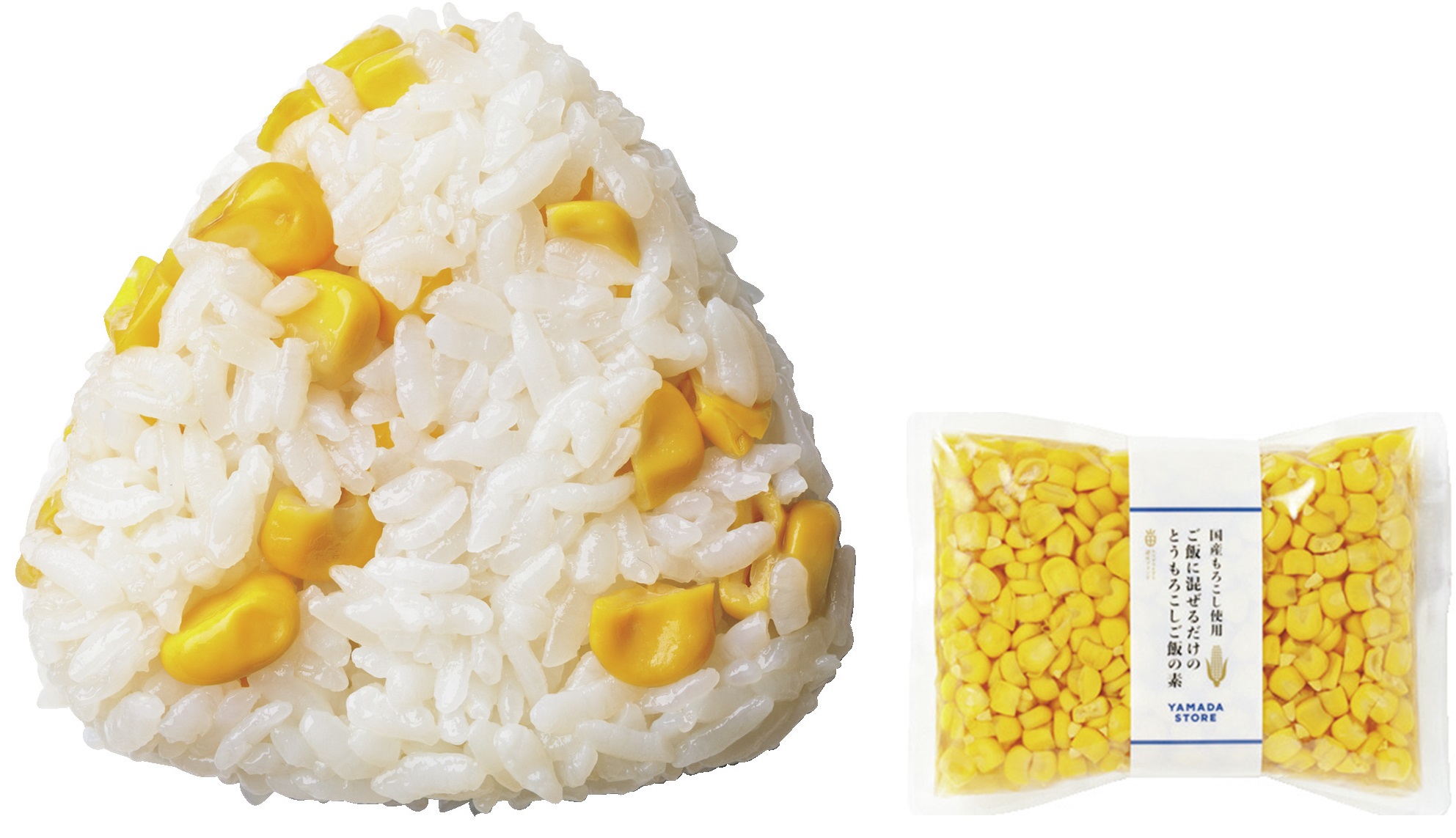
“This is a mix for sweetcorn rice made with Japanese-grown corn. The seasoning liquid is additive-free, so you can enjoy the aroma of the dashi and the natural sweetness of the corn,” says Nakano.
Simply stir one pouch into two go (360ml) of freshly cooked rice. It’s so easy that customers keep coming back for more.
Own-brand ‘Sweetcorn Rice Mix: Just Stir into Rice (Made with Japanese-Grown Corn)’ (国産もろこし使用 ご飯に混ぜるだけのとうもろこしご飯の素), ¥1,013 (2 × 210g pouches).
Making Onigiri? Try Yamada’s Pride and Joy: Nori and Salt
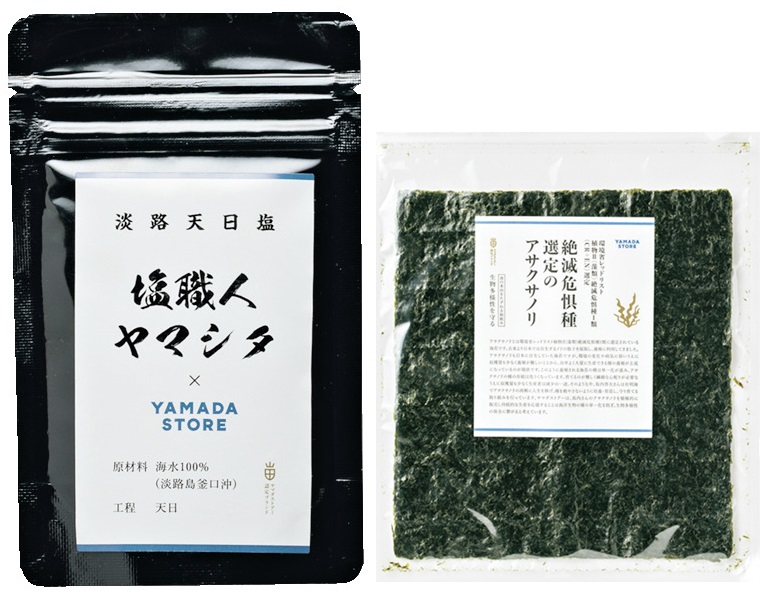
Both are own-brand products. On the left is ‘Sun-Dried Salt by Awaji Salt Artisan Yamashita’ (淡路塩職人ヤマシタさんの天日塩), ¥753 (50g). Made by drying seawater from Awaji Island (淡路島) in the sun, it combines large and small crystals to give the flavour some variety.
On the right is ‘Asakusa Nori’ (アサクサノリ), ¥1,134 (7 full-size sheets). Buying it supports nori farmer Shimauchi Keiji (島内啓次), who is working to revive Asakusa nori, a variety whose production has fallen dramatically. It has a vivid aroma of the sea and melts beautifully in the mouth.
Yamada Store (Suma Rikyu Park Branch): Details
Address: 1-1-3 Takakuradai, Suma Ward (須磨区), Kobe (神戸市), Hyogo Prefecture
Note: Yamada Store operates 11 stores, including the Suma Rikyu Park branch, centred on Himeji (姫路市), Hyogo Prefecture (as of September 2026).
Tel: 079-277-3890 (main enquiries)
Official website: https://yamada-store.com/
Note: The products featured (excluding fresh produce) can also be purchased from the online shop(https://yamada-store-online.com/).
*The products featured here are recommended fillings for making onigiri at home; they differ from the fillings used in Yamada’s own onigiri sold in store.
*Prices (including tax) and other information are correct as of September 2026.
This article is translated from https://intojapanwaraku.com/travel/317510/