







A stroll through ‘Little Edo’
This time we visit the city of Kawagoe in Saitama Prefecture. Kawagoe keeps much of the atmosphere of old Edo, and it is affectionately known as Koedo (小江戸), or ‘Little Edo’. In the Edo period, it prospered as the castle town of the Kawagoe Domain. Boats on the Shingashi River and other routes linked it closely with Edo. Culture travelled along these routes as well as goods, and that is how Kawagoe came to be called ‘Little Edo’.
The centre of any visit is the street of kurazukuri warehouse-style buildings that lines the main street. Imposing merchant houses with black plaster walls and large onigawara ridge tiles stand side by side, and walking among them feels like stepping back in time. Most of the buildings you see today were put up after the Great Kawagoe Fire (川越大火) of 1893. After the fire, merchants turned to the kurazukuri style because it resists fire so well.
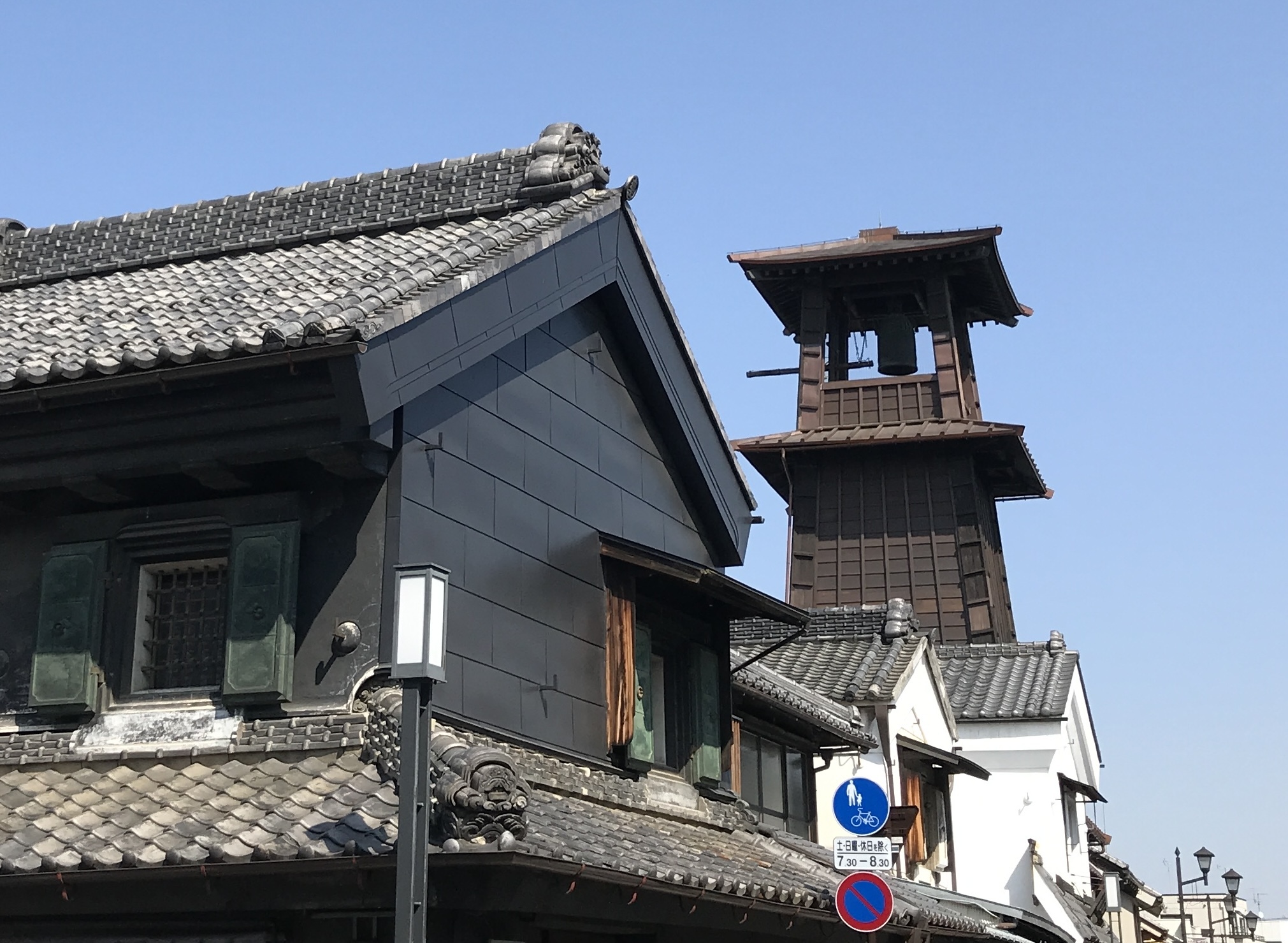
Rising above one corner of the street is Kawagoe’s symbol, the Toki no Kane (時の鐘), or ‘Bell of Time’ (pictured above). It is said to have first been built in the early Edo period, and it still rings out the hour four times a day. Nearby is Kashiya Yokocho (菓子屋横丁), or ‘Confectionery Lane’, where shops sell old-fashioned dagashi sweets and snacks, boiled sweets and rice crackers. It is perfect for snacking as you stroll.
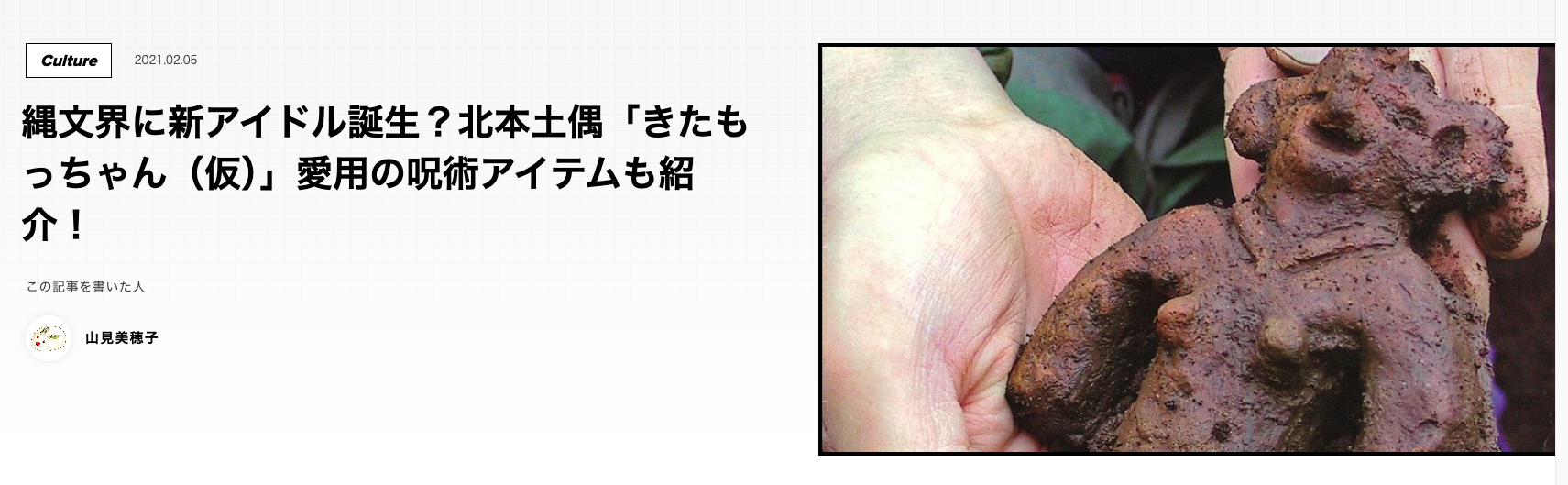
The editorial team at Waraku Web has close ties with Saitama Prefecture. We once even named a dogu clay figurine excavated in the city of Kitamoto ‘Kitamot-chan’ and launched a plan to turn it into an idol. Kawagoe lies to the south-west of Kitamoto.
縄文界に新アイドル誕生?北本土偶「きたもっちゃん(仮)」愛用の呪術アイテムも紹介!
What is Kawagoe famous for?
If you have time to explore further, head to Kawagoe Hikawa Shrine. As the guardian shrine of the whole castle town, it was revered by generation after generation of lords. Today it is also popular as a shrine for finding love. Kitain Temple, which has close links with the Tokugawa family, and the Honmaru Goten (本丸御殿), the main palace of Kawagoe Castle, which tells the history of the castle town, are also must-sees.
When it comes to local specialties, sweet potatoes are undoubtedly Kawagoe’s most famous product. Cultivated in the surrounding area since the Edo period, they gained a stellar reputation in Edo (now Tokyo) as “Kawagoe sweet potatoes.” Today, visitors can still enjoy a wide variety of sweet potato treats, including imo-yokan (sweet potato jelly), imo-kenpi (candied sweet potato strips), and sweet potato cakes. Eel, served at many long-established restaurants, is another famous Kawagoe specialty.
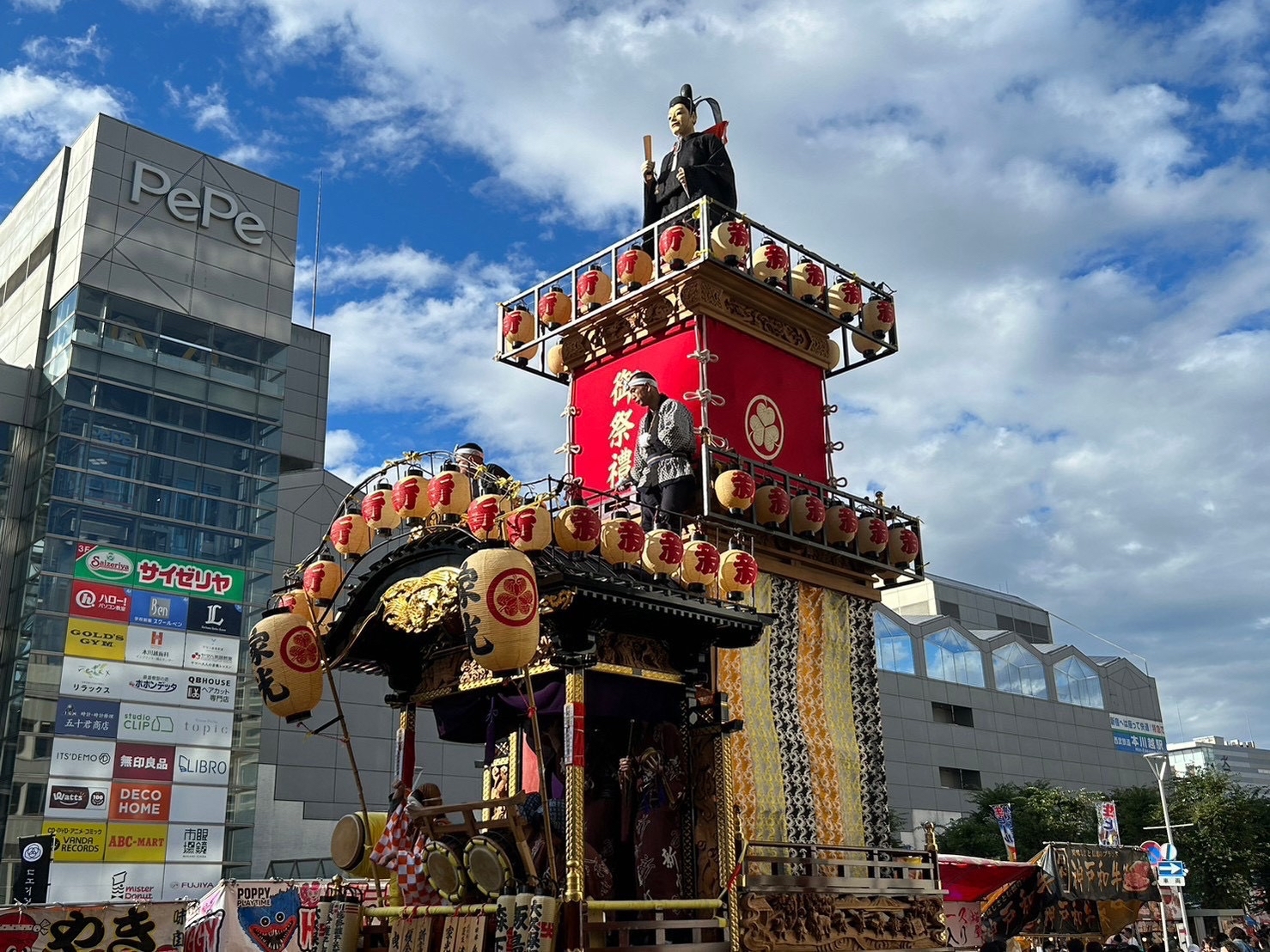
In autumn, the whole town comes alive for the Kawagoe Festival (thumbnail image). It grew out of the Kawagoe Hikawa Shrine festival, which dates back to the Edo period, and it is held every October. Ornate Dashi floats roll through the streets of kurazukuri buildings. when two floats meet, they engage in hikkawase – a lively musical duel where the teams face off and compete with traditional hayashi music and dance.
The most convenient stations are Kawagoe Station, on the JR Kawagoe Line and the Tobu Tojo Line, and Honkawagoe Station, on the Seibu Shinjuku Line. The kurazukuri street is about 25 minutes’ walk from Kawagoe Station. Local buses run, as well as sightseeing buses that link the main sights.
Kawagoe is an easy trip from Tokyo, with historic streets, shrines, a festival and plenty to snack on as you go. It is a town best explored at a leisurely pace, with the odd detour along the way.
This article is translated from https://intojapanwaraku.com/travel/319126/