












After visiting the museums and galleries near Roppongi (六本木), I usually head to Tokyo Midtown for a cup of tea. One day, while walking through the building, a photo of a brilliant-looking cafe on a directory sign caught my eye.
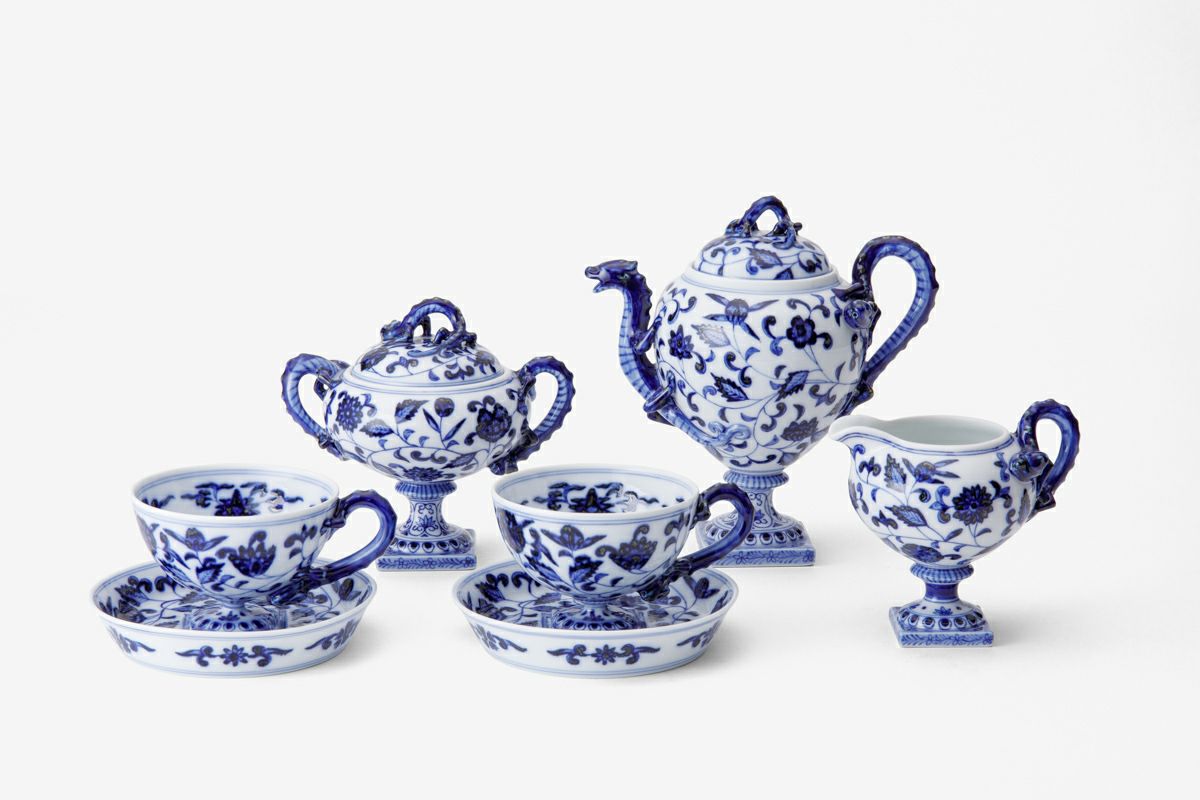
The photo featured an elegant teapot with a beautiful white botanical pattern on a deep blue background. The sign read ‘Lifestyle Goods & Cafe FUKAGAWA SEIJI 1894 ROYAL KILN & TEA,’ and it seemed to be a new shop. Curious if I could drink tea from that very teapot, I decided to go in.
Wait, you can choose your own crockery?
At first glance, the shop looked more like a crockery store than a cafe. Besides the teapot I’d seen in the photo, many other beautiful pieces, such as cups and saucers, were displayed like works of art.
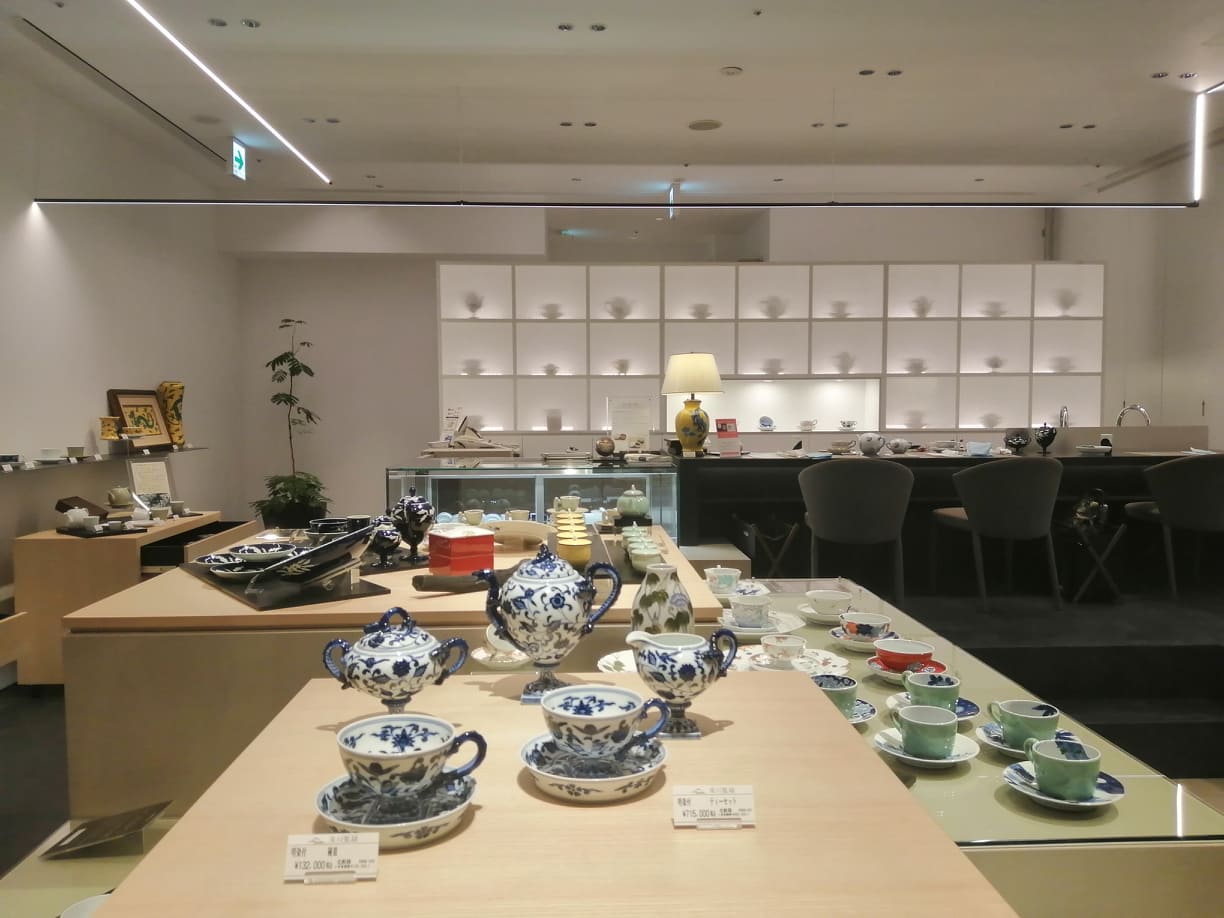
The cafe was in a corner of the crockery section. My heart fluttered as I took my seat. Kawai Koji (川合紘治), the shop manager, greeted me, looking like a cafe master. When I ordered tea and cake, he pointed to a row of cups and saucers lined up in front of me and asked, “Which one would you like?” I was so surprised! “I can choose from these?”
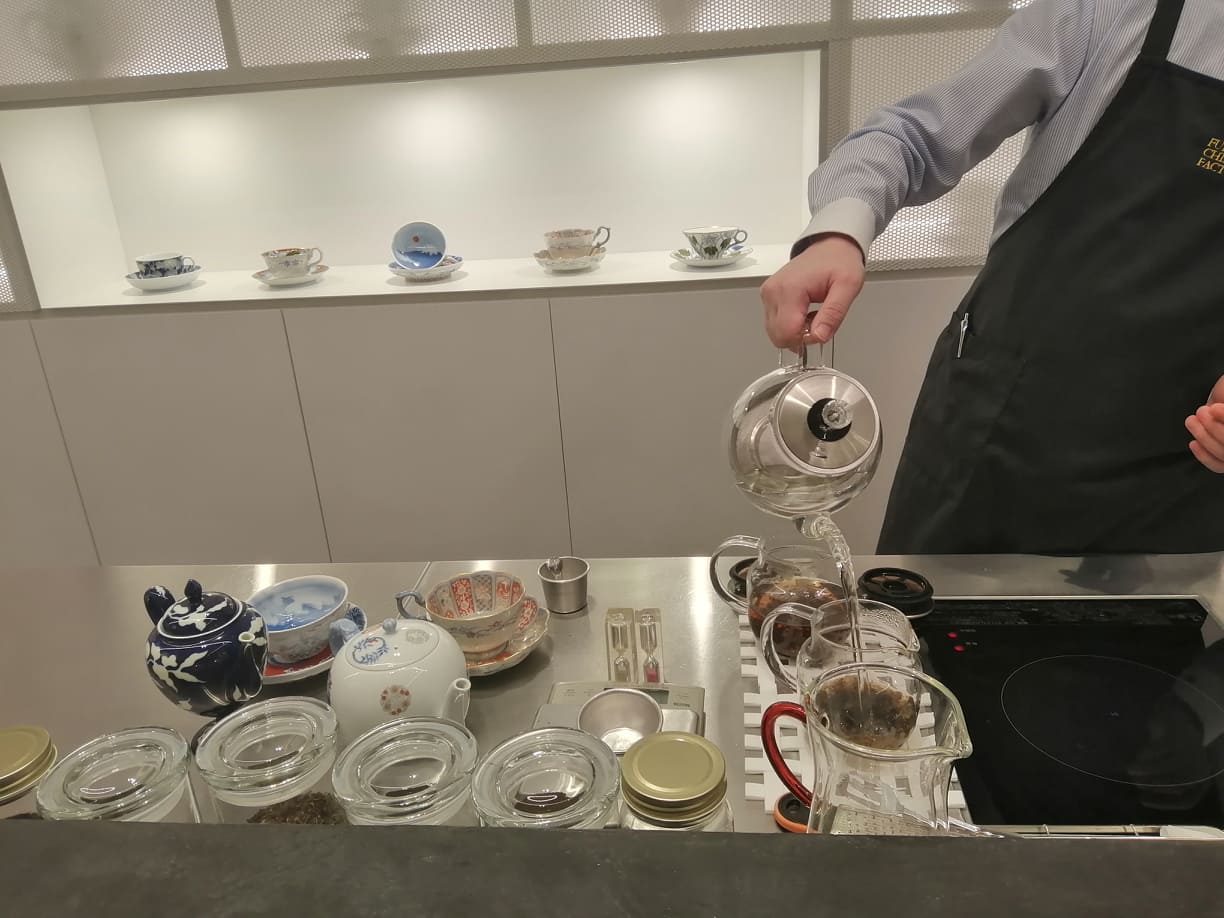
As Mr. Kawai explained, all the crockery on display in the shop is Arita (有田) ware!
The cafe I visited, ‘FUKAGAWA SEIJI 1894 ROYAL KILN & TEA,’ was opened by the long-established Arita ware kiln, Fukagawa Seiji (深川製磁).
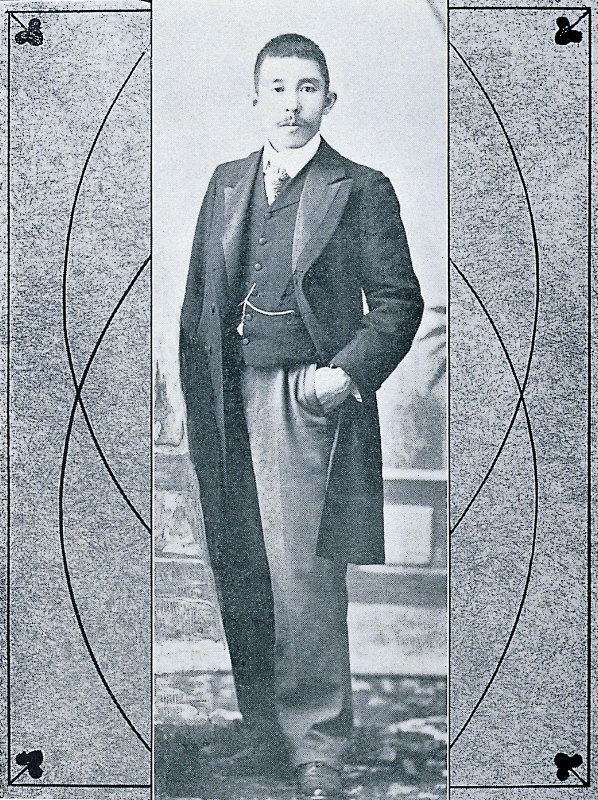
The Fukagawa family had been operating a kiln in Arita since around 1650. In 1894, Fukagawa Chuji (深川忠次) established the kiln that would become Fukagawa Seiji.
As I enjoyed my tea and talked with Mr. Kawai, I learned that Chuji was a crucial figure who revived the popularity of Arita ware, which had been in decline in Europe during the Meiji era.
Highly valued in Europe, but then a period of hardship…
Arita ware originated in Arita, Saga (佐賀) Prefecture, the birthplace of Japanese porcelain, with its beginnings said to be in 1616.
The development of Arita ware was made possible by the potters brought back by the Nabeshima (鍋島) clan lord during Toyotomi Hideyoshi (豊臣秀吉) ‘s invasions of Korea. Ri Sanpei (李参平), one of the thousands of Korean potters brought to Japan by Hideyoshi, is credited with discovering high-quality porcelain stone at Izumiyama (泉山) in Arita and firing the first white porcelain.
In the 1650s, Arita ware began to be exported to European countries by the Dutch East India Company. Arita ware exported from the port of Imari was called ‘IMARI,’ and luxurious items like kinrande (金襴手, a lavishly gilded and coloured porcelain) were traded at high prices in Europe. Furthermore, a ban on maritime trade was issued in China, a leading producer of porcelain, which halted its overseas exports. Influenced by these global circumstances, Arita ware production reached its peak in the early 18th century.
However, from the late 17th century, Arita ware also faced fierce competition. Imitation techniques were developed at the Meissen kiln in Germany and the Chantilly kiln in France, and porcelain production and exports from the Jingdezhen kiln in China resumed. In addition, regulations by the Edo shogunate halted exports from Japan to the Dutch East India Company. As a result, Arita ware gradually lost its value as a trade item and shifted to producing mass-market goods for the domestic market.
Fukagawa Chuji’s designs actively incorporated Japanese aesthetics
In the 19th century, Chuji, who had travelled abroad extensively from a young age—including a trip to the United States for the World’s Columbian Exposition in Chicago in 1892—saw the kilns in various countries, such as the Meissen kiln in Germany. He felt a sense of crisis that the popularity of Arita ware would only continue to decline.
So, Chuji came up with the idea of pursuing his own unique designs that expressed Japanese aesthetics by combining traditional Arita techniques with advanced technologies adopted from Europe. This is when he began creating ‘Chuji’s design books,’ which are still used in Fukagawa Seiji’s crockery today.
Here we present one of his designs.
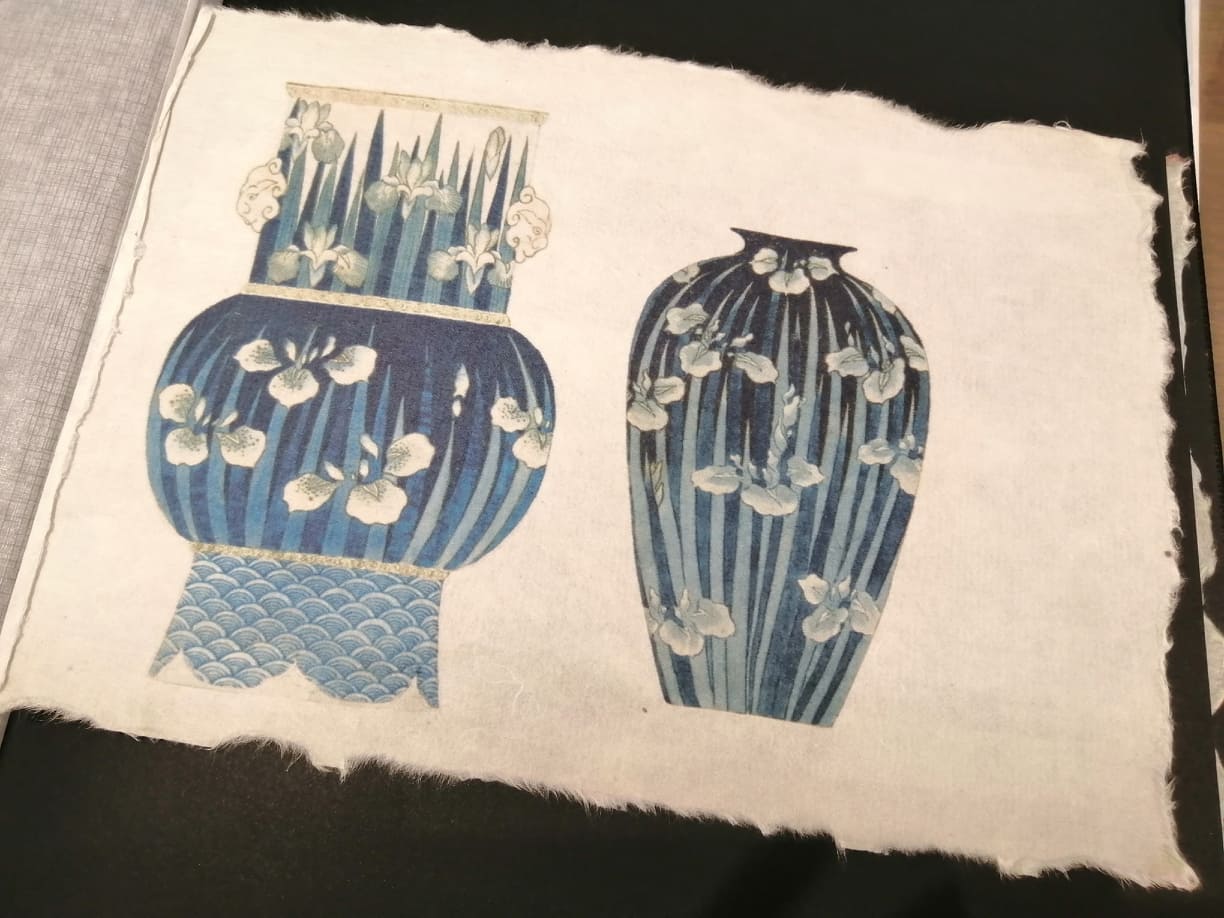
It features Japanese irises and the seigaiha (青海波, blue ocean waves) pattern, which leverage Japanese aesthetic sensibilities. “I imagine he intentionally drew this on washi (和紙) paper as a performance to impress European customers,” says store manager Mr. Kawai. This design is still used in the crockery sold at Fukagawa Seiji today.
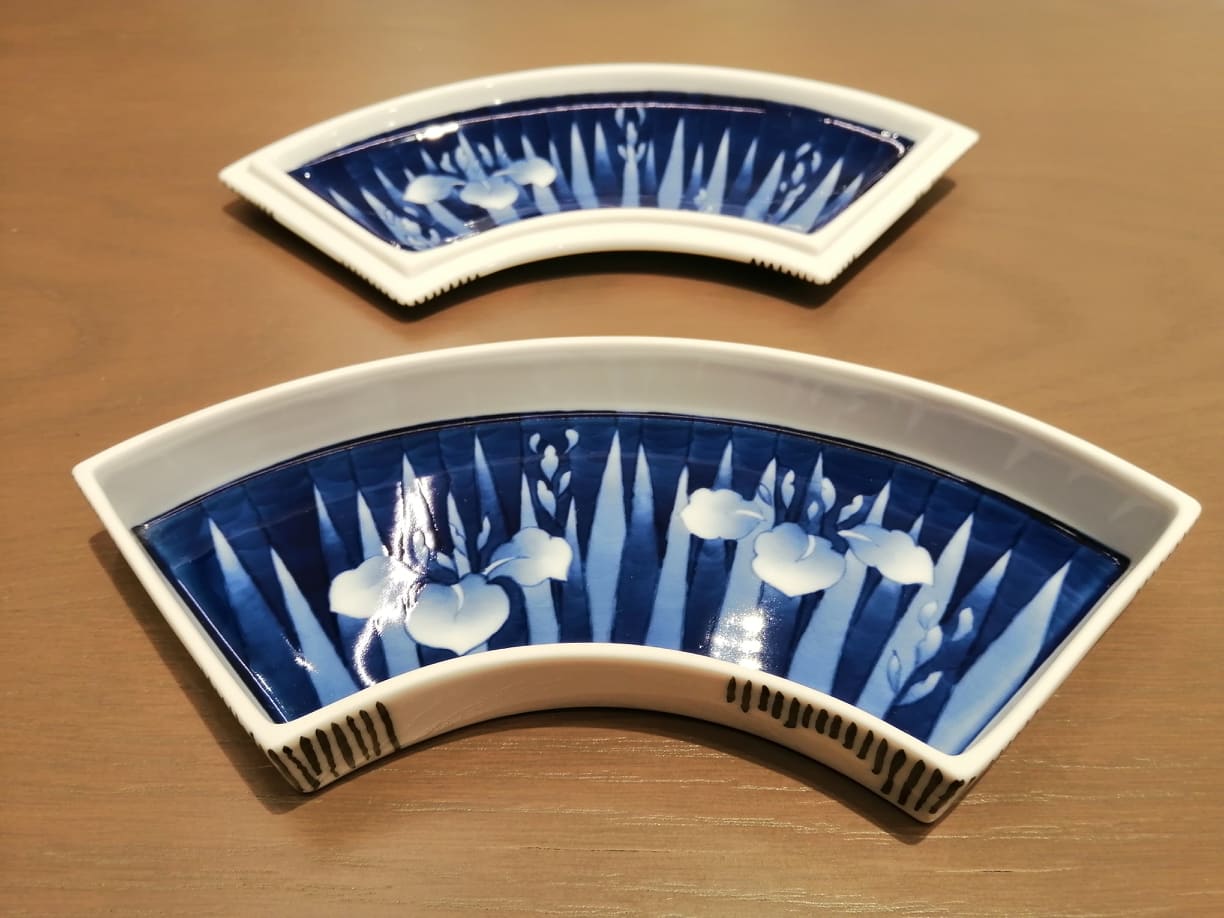
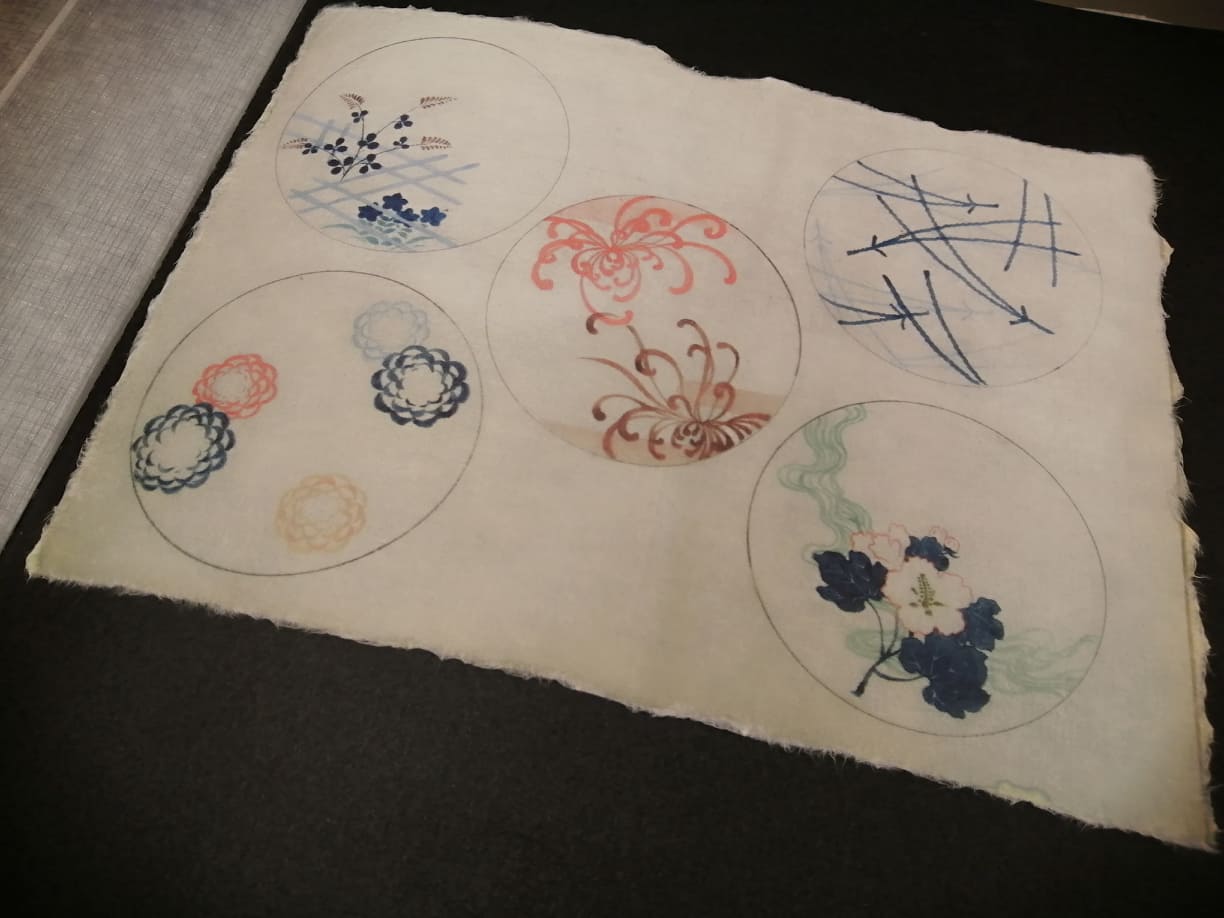
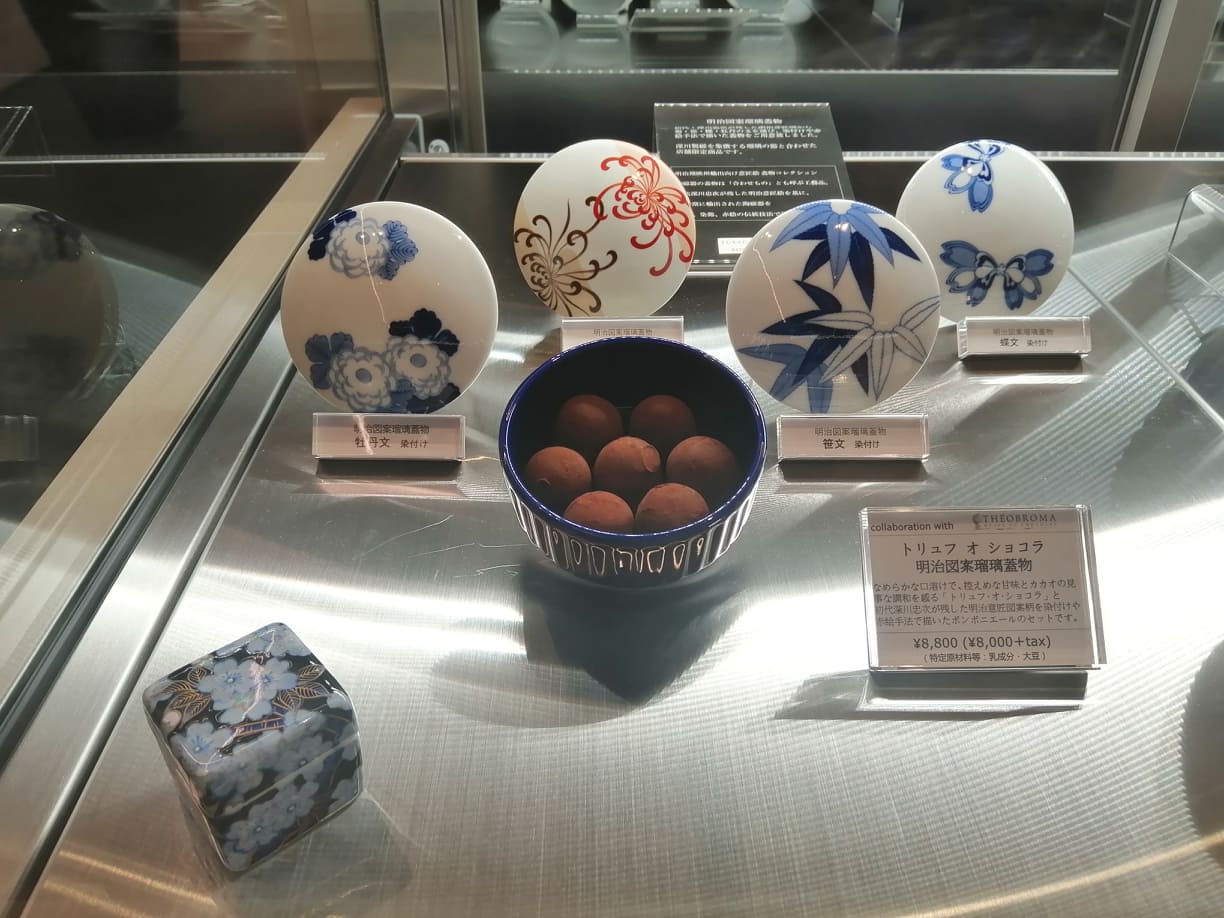
“In the past, Arita ware was produced based on a tegashira (手がしら, a physical sample item), so it’s extremely rare for a design book to have survived. Tegashira were often broken or lost and didn’t last long, but Chuji preserved his design books. This allows us to produce a variety of pottery based on his designs even today,” says Mr. Kawai.
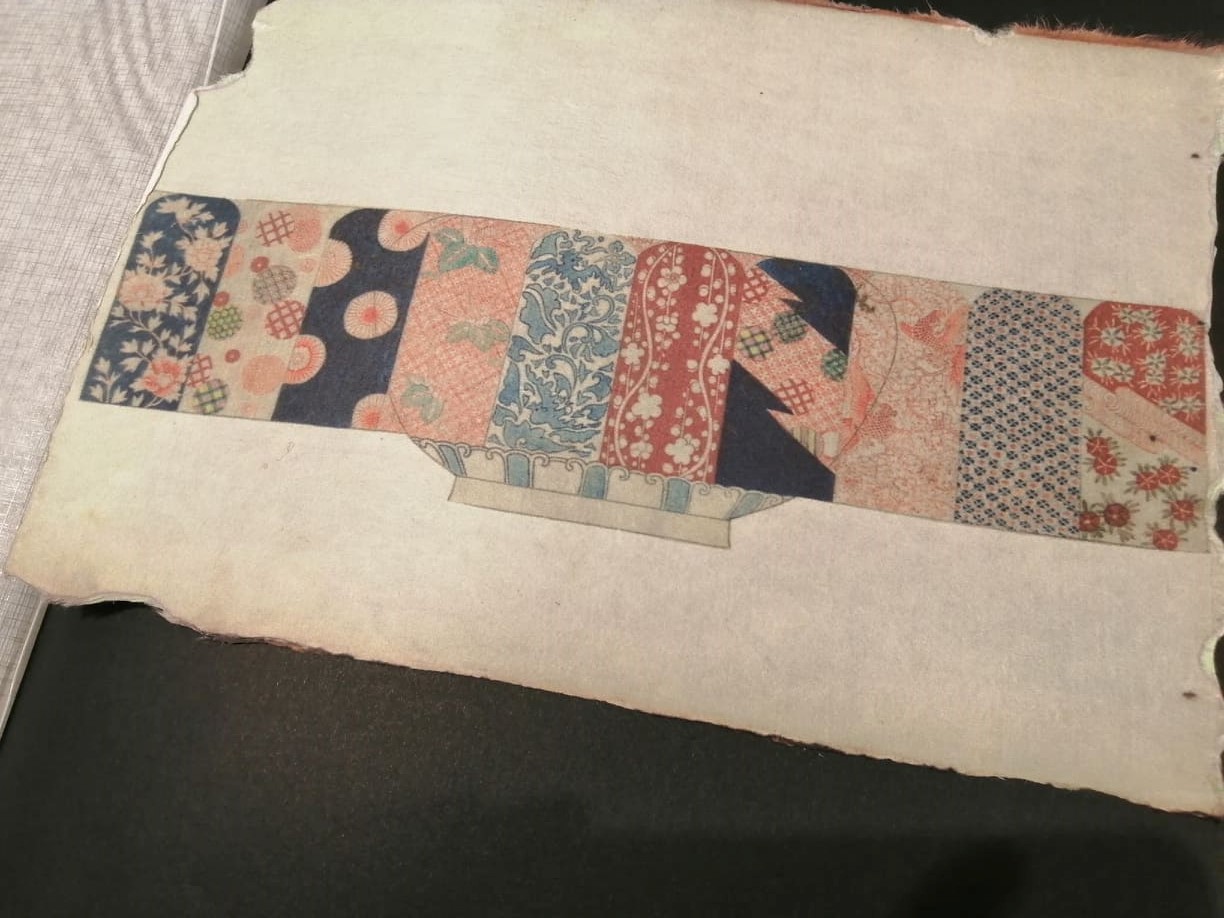
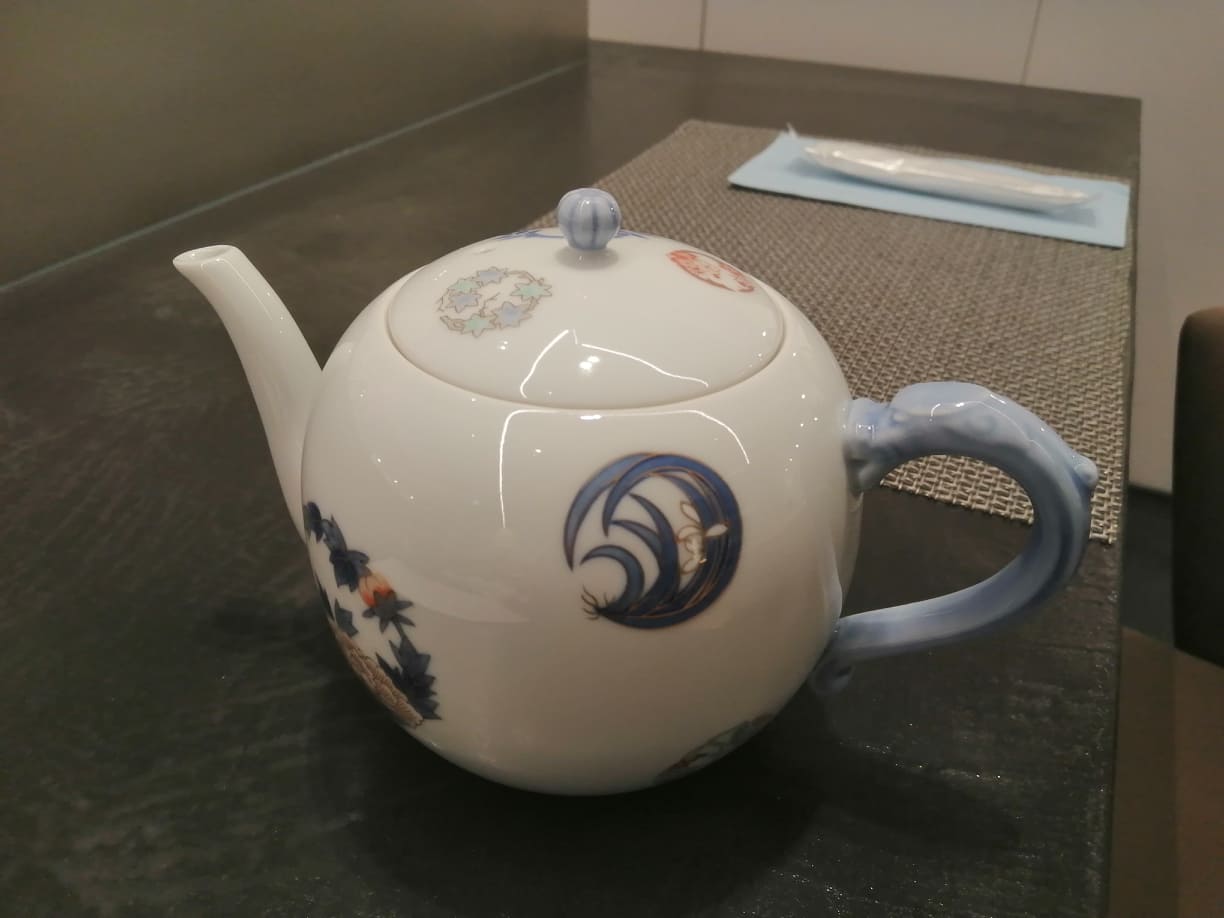
Chuji used his design books to convey the appeal of Arita ware to people in Europe. In addition to the books, he appears to have transferred the designs onto porcelain plates to use as a catalogue, so that customers could feel the texture of the porcelain. Chuji may have been a pioneer of international sales in the world of Japanese porcelain.
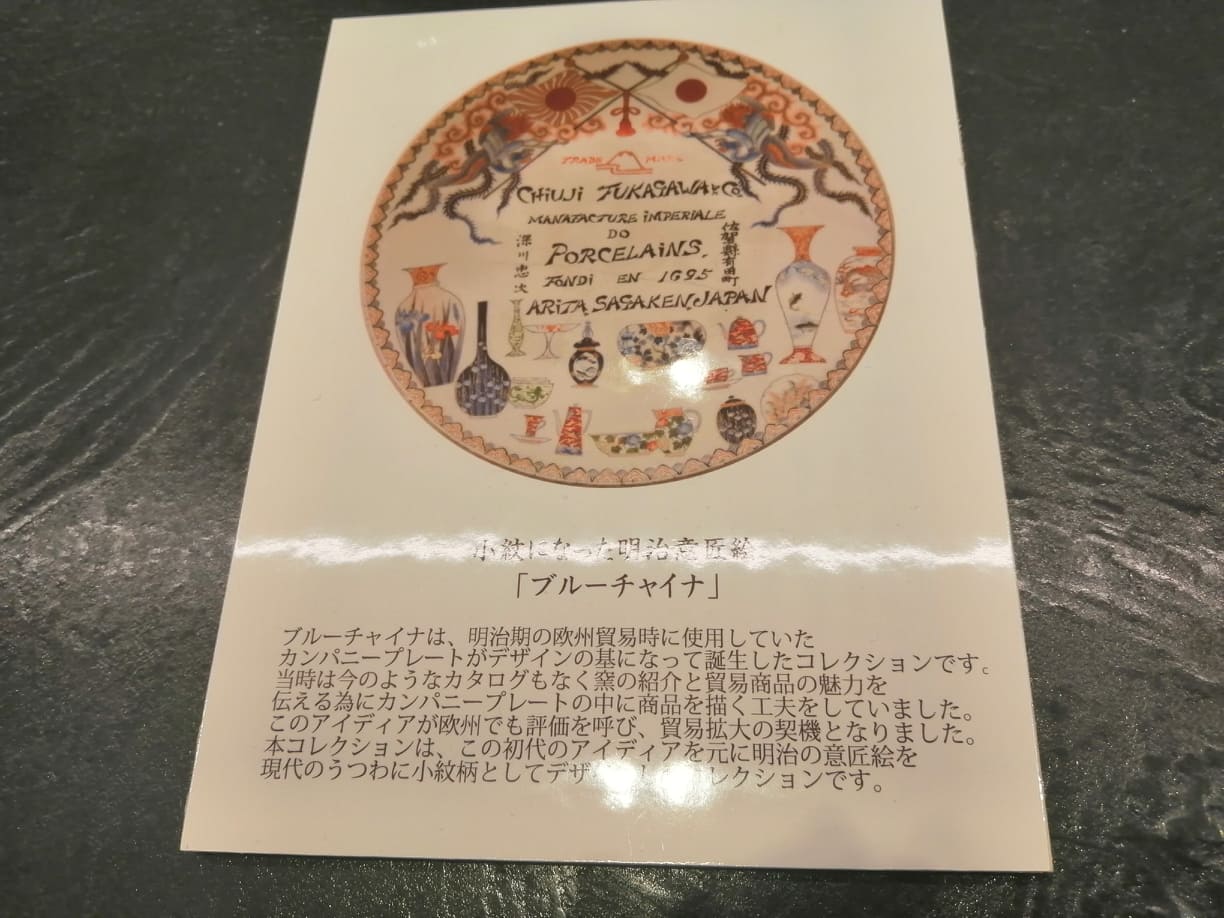
Exhibited at the Paris Exposition, contributing to the revival of Arita Ware’s popularity!
From the late 19th to the early 20th century, Europe saw the rise of Art Nouveau, with its organic motifs of flowers and plants, and Japonisme, inspired by Japanese ukiyo-e (浮世絵), Rinpa (琳派) school art, and crafts. The new Meiji government also began to focus on exporting art and craftworks as a national industry. Amidst this, the Meiji government, which aimed to join the ranks of developed nations, placed great expectations on Chuji’s works, which pursued their own unique artistic beauty.
In 1900, Fukagawa Seiji finally participated in the Paris Exposition Universelle. Collaborating with master artisans of the time, Chuji spent three years creating a monumental work over two metres tall, the ‘Some-nishiki Kin rande Marumon Hoo Mon’yo Dai-kabinn (染錦金襴手丸紋鳳凰文様 大花瓶 grand decorative vase featuring the “Somenishiki‑Kinrande circular‑crest phoenix motif”)’. This vase was shaped by hand on a potter’s wheel, which was an impossible feat for an object of this size.
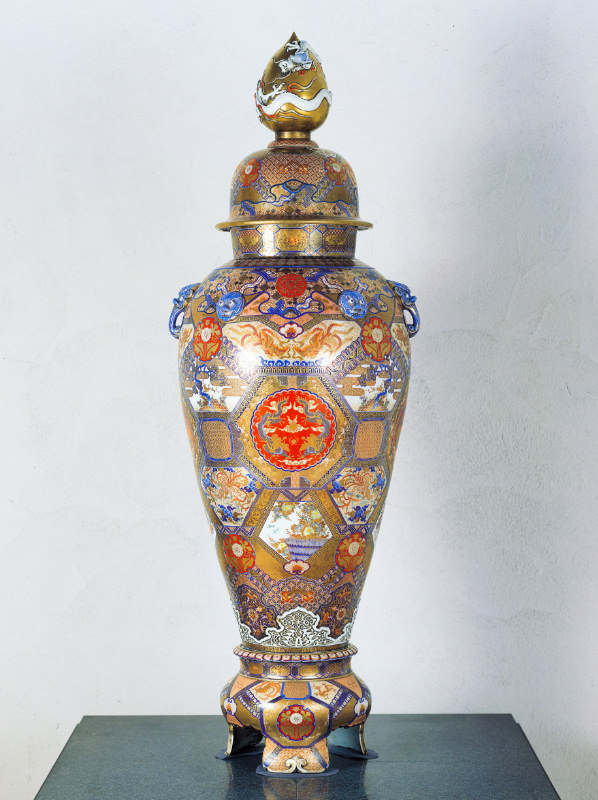
Numerous techniques and artistic patterns, such as carving, raised motifs, and pointillism, were masterfully harmonised on the vase. At the very top, an intricate dragon sculpture was added to the finial, despite Arita ware using clay that is not suitable for carving.
The Paris Exposition became the catalyst for Fukagawa Seiji to earn high praise from Europe. Orders poured in from high-end French department stores like Le Bon Marché and Printemps. Furthermore, their works were acquired by the Musée Guimet and the Musée Cernuschi, earning them recognition as works of art.
Fukagawa Seiji continued to promote the appeal of Arita ware by opening agencies in London, Paris, Hamburg, Milan, and Brussels, successfully reviving the popularity of Arita ware in Europe.
A continued devotion to handcraft — one piece at a time
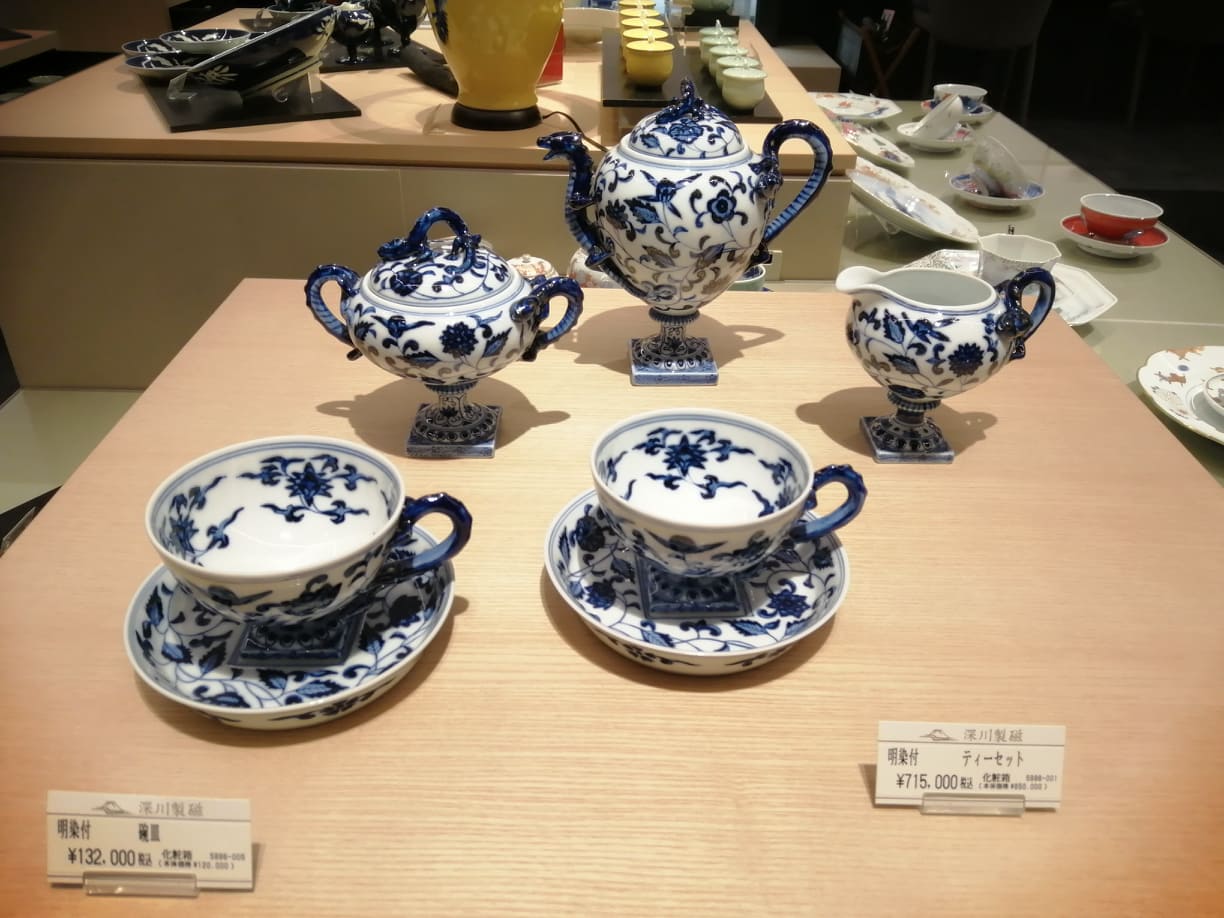
The teacups in the ‘FUKAGAWA SEIJI 1894 ROYAL KILN & TEA’ cafe are made from the same mould as the pieces exhibited at the 1900 Paris Exposition.
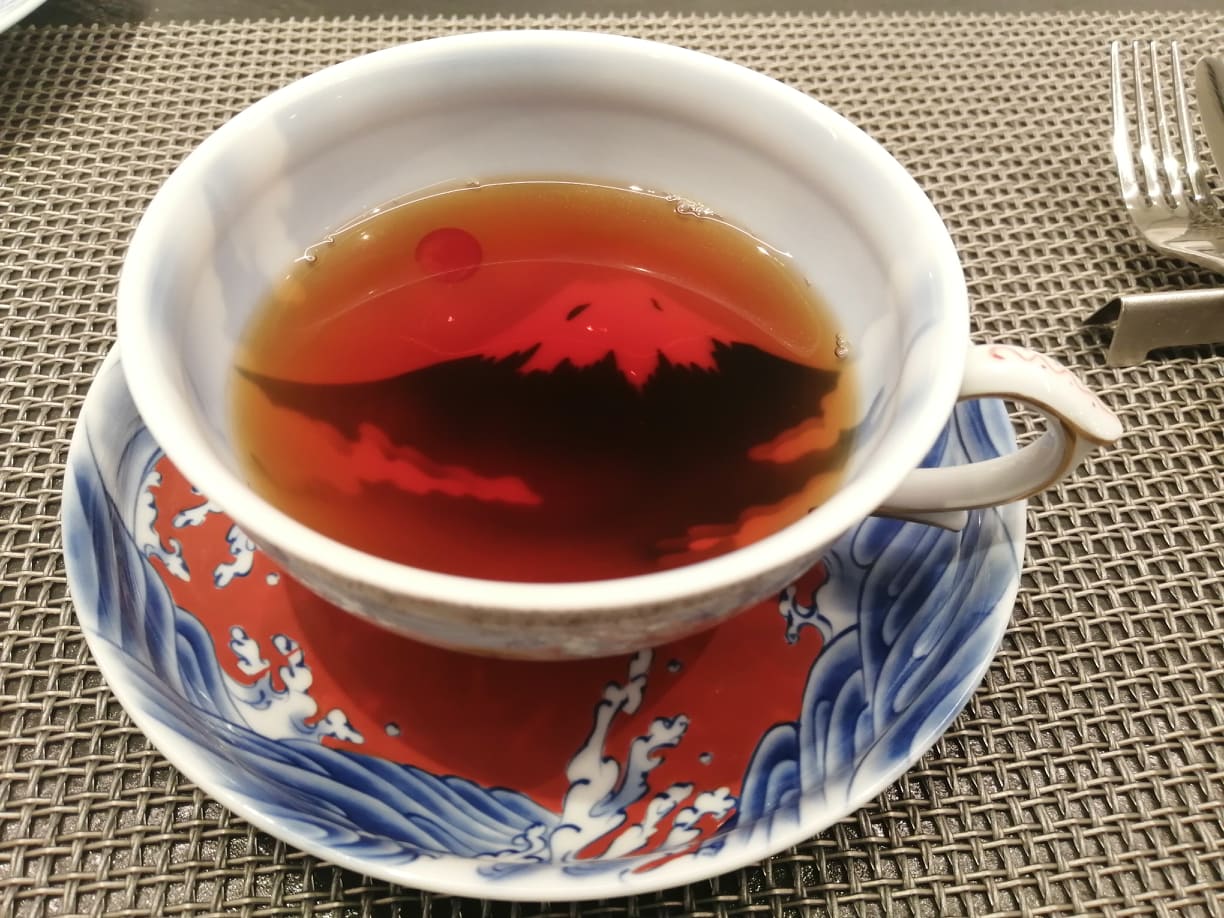
Fukagawa Seiji earned high praise from Europe and elevated Arita ware to the status of a fine art, but its modern manufacturing process also has a distinctive feature.
“At Fukagawa Seiji, everything—from making the clay by crushing stones and shaping it on a potter’s wheel, to smoothing the surface, applying the paint from our own blend of around 600 colours, and firing it at a higher-than-usual temperature of 1350 degrees—is done by our artisans in our own factory. In short, we are committed to integrated production, which is actually unique among the major Arita ware kilns,” says Mr. Kawai.
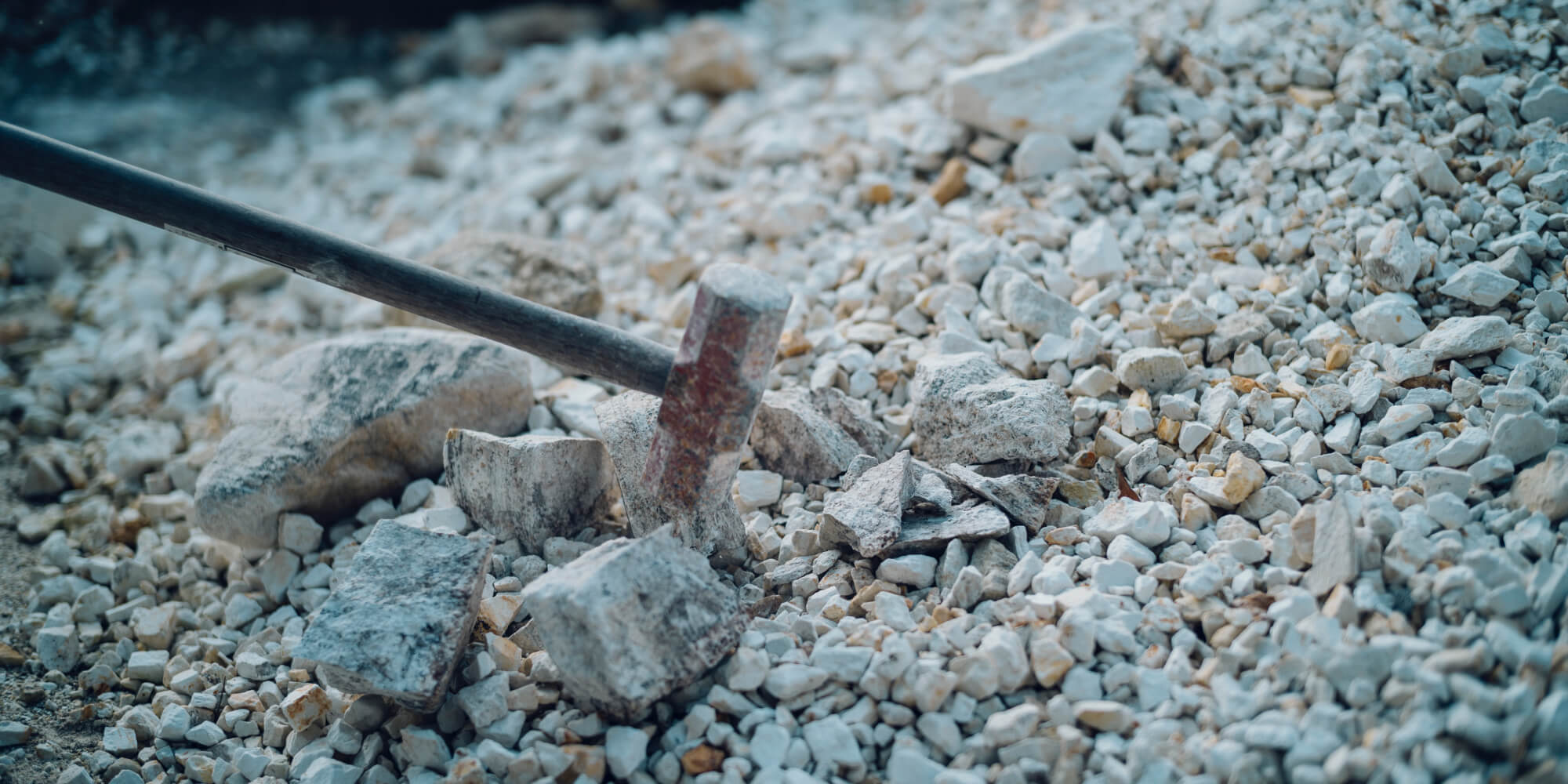
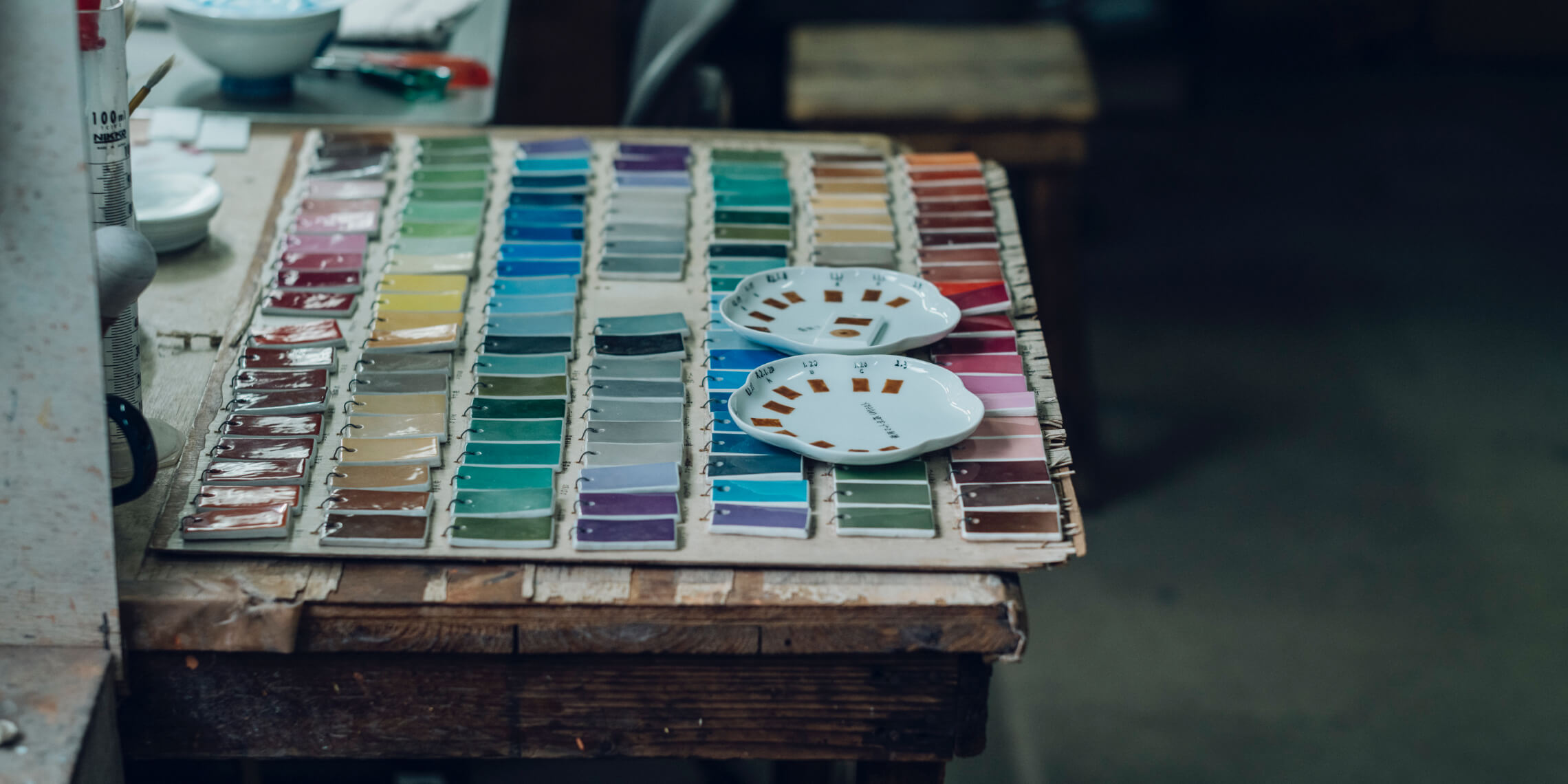
This manual work by artisans has the disadvantage of being time-consuming for each piece to be completed, resulting in a limited number of items. However, by making efforts such as regularly changing the designs with the seasons, they are constantly offering designs that never fail to captivate.
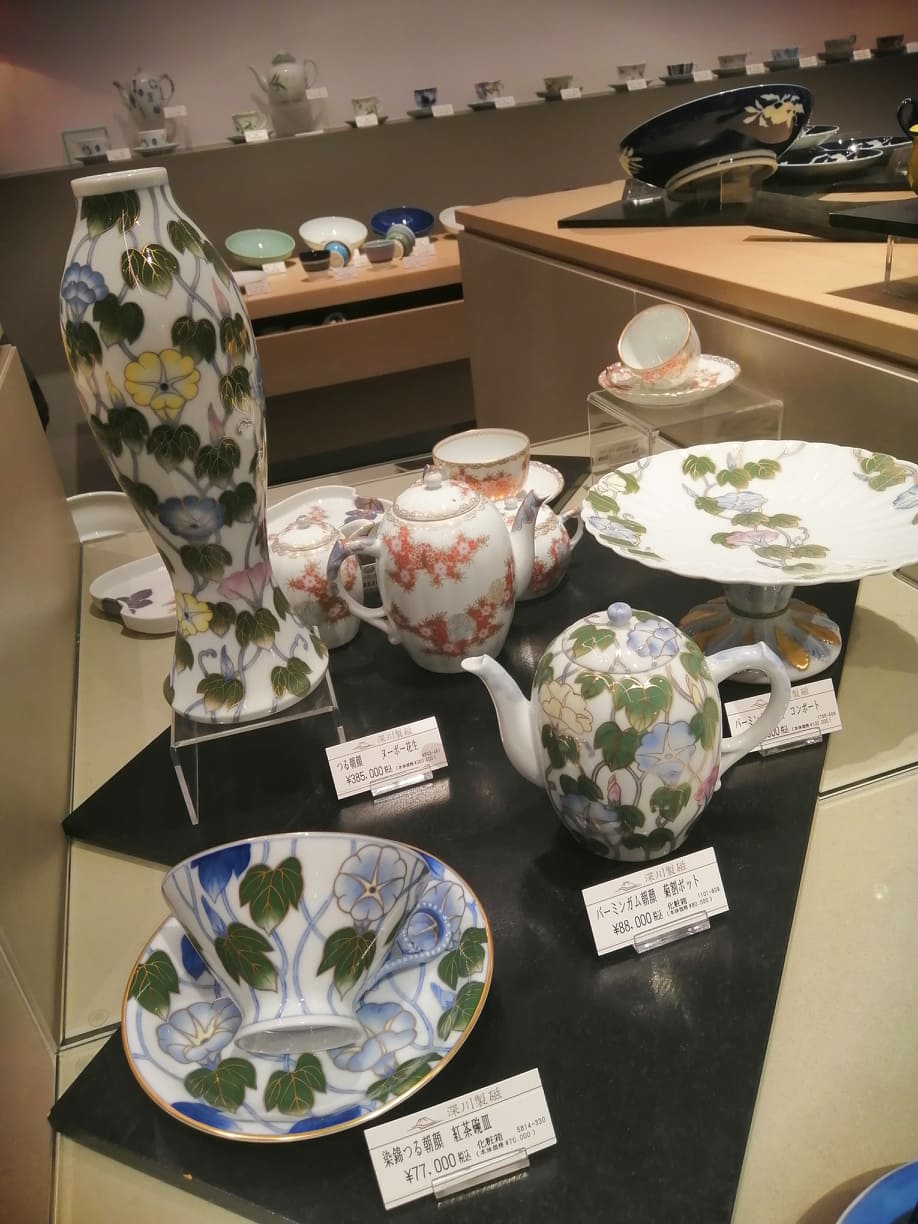
Bringing designs from 100 years ago into the modern era
The crockery on display at ‘FUKAGAWA SEIJI 1894 ROYAL KILN & TEA’ are all works by artisans. Why did they open a cafe in Roppongi where you can drink tea from such valuable pieces?
“The image of ‘Arita ware’ from a while ago was something familiar, like a wedding gift or something that every family had a few sets of. However, most of the younger generation today don’t know what ‘Arita ware’ is. So, we came up with the idea of creating an opportunity for people to drop by while shopping and enjoy tea and cake from authentic Arita ware. We want them to experience the quality of Arita ware, especially Fukagawa Seiji’s. We want them to know that the designs Chuji created 100 years ago are still alive and well today, and to learn about his creative philosophy,” says Mr. Kawai.
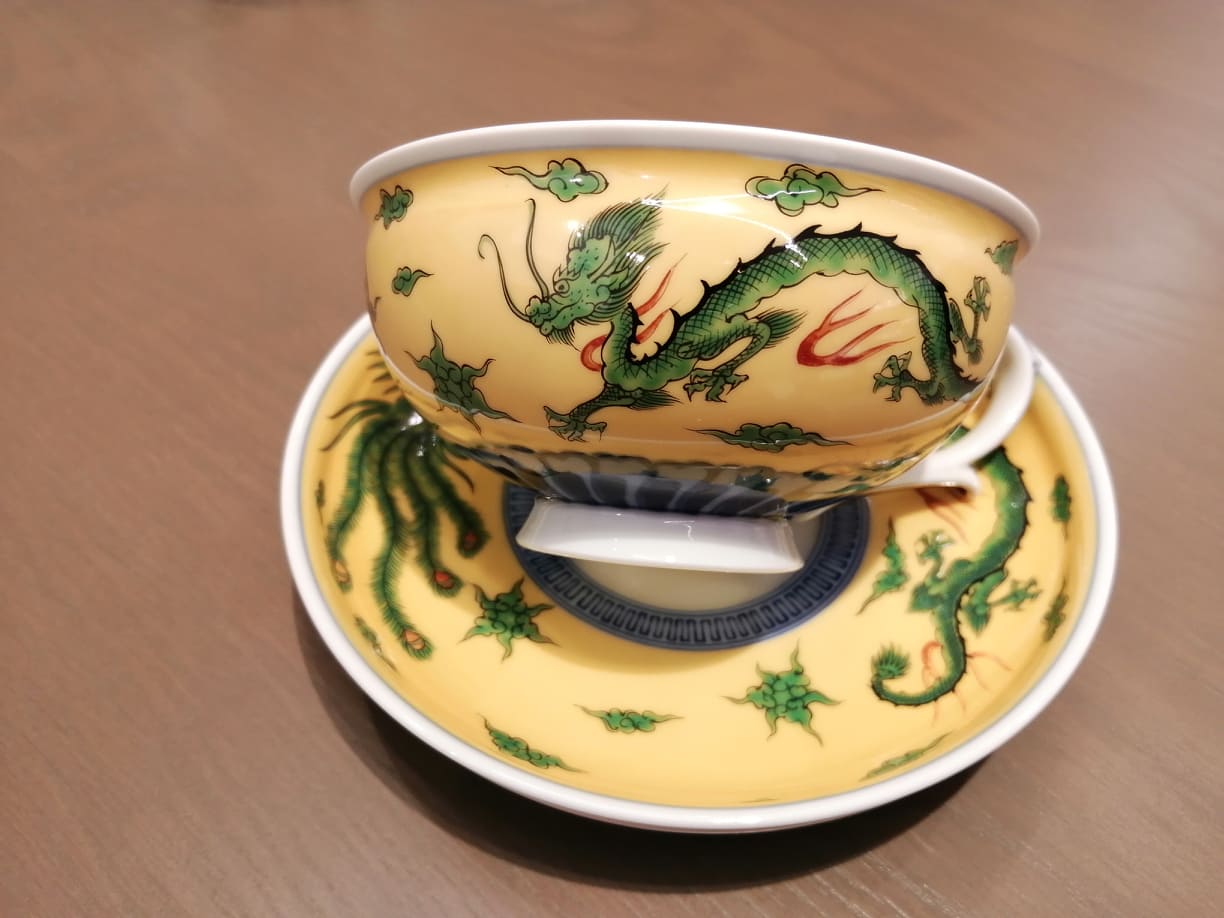
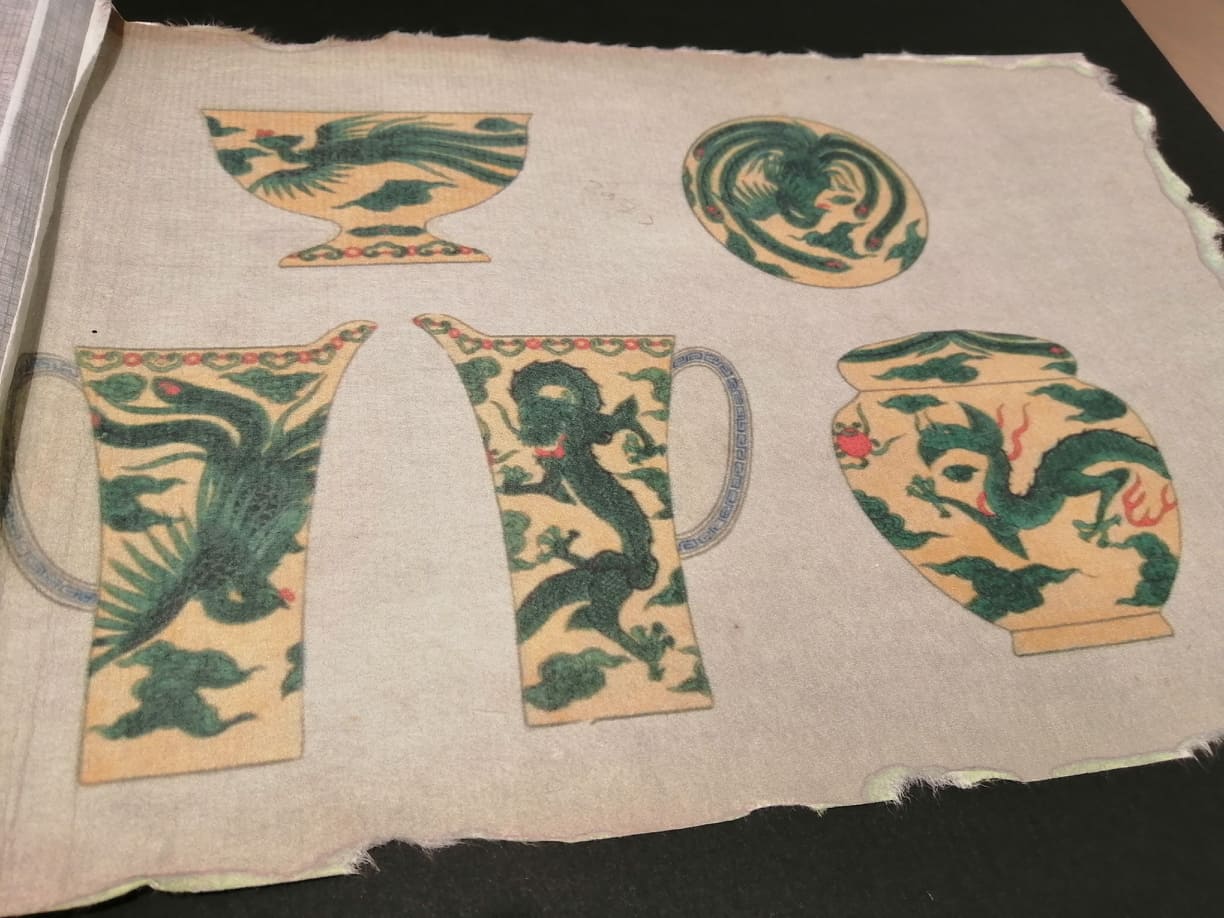
When I go to exhibitions of teaware, I often feel a little frustrated, thinking, “If I could actually hold this cup and drink tea from it, I would discover so many things that are impossible to understand by just looking at it through a display case.” However, at ‘FUKAGAWA SEIJI 1894 ROYAL KILN & TEA,’ you can actually have tea from these Arita ware masterpieces. It made me so happy to use this elegant crockery while enjoying tea and cake.
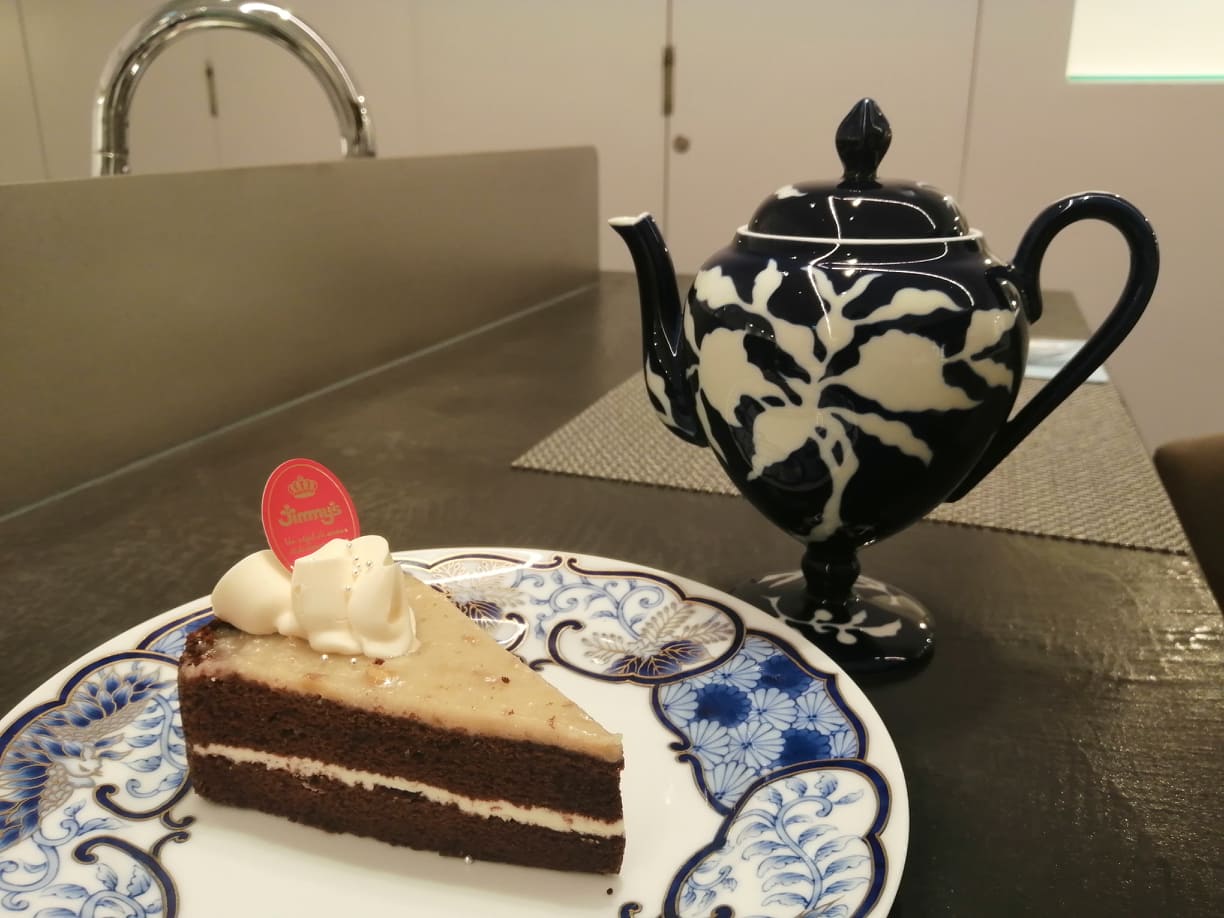
I was not only able to enjoy the texture and feel of the Arita ware on my lips and the way the design inside the cup changed with the amount of tea, but I was also able to re-experience the atmosphere of the Japonisme trend from the Meiji era through these replicas of historical pieces. I highly recommend that you all go to ‘FUKAGAWA SEIJI 1894 ROYAL KILN & TEA’ and enjoy this mixed-up experience of travel, history, and the feel of Arita ware.
Shop Information
Shop name: FUKAGAWA SEIJI 1894 ROYAL KILN & TEA
Telephone: 03-6447-5500
Hours: 11:00 AM to 9:00 PM
Location: Tokyo Midtown (Roppongi), Galleria 3F
Seating: 10 seats
Official Website: https://www.fukagawa-seiji.co.jp/
References
Arita Yaki Hyakkei (有田焼百景) by Arita Ware Succession Project (ed.), Raputa Co., Ltd., April 2016
Fukagawa Seiji official website
※This article is a translation of one originally published in Japanese in 2021. Please note that the names of artworks, prices, and image content mentioned in the text may have changed since then. For the latest information, please inquire directly with the store.
This article is translated from https://intojapanwaraku.com/rock/craft-rock/174564/