













To Tokaido Shinkansen to Okayama / Kurashiki
It takes another week for the opening of the Hokkaido Shinkansen. There is no day when you don't see the topic on your TV or newspaper. Japan's first Shinkansen is the Tokaido Shinkansen that links Tokyo and Shin-Osaka. It was the world's first high-speed railway, which opened on October 1 of 1964, when the Tokyo Olympics was held. Currently, many trains are directly connected to the Sanyo Shinkansen, so it is also called "Tokaido Sanyo Shinkansen".
Take a ride on the Tokaido Sanyo Shinkansen and go out for a trip to Japanese art and town tours in spring to Okayama and Kurashiki? For about 300 years in the Edo period, Okayama city where Ikeda family ruled the Okayama clan, and the retro-modern Kurashiki city where white walled warehouses and town houses are lined up. The second edition of the "Nippon Beauty Tour" is an Okayama edition that walks through two areas that will not get bored with different attractions. We will show you a good course with 2 days and 1 night.
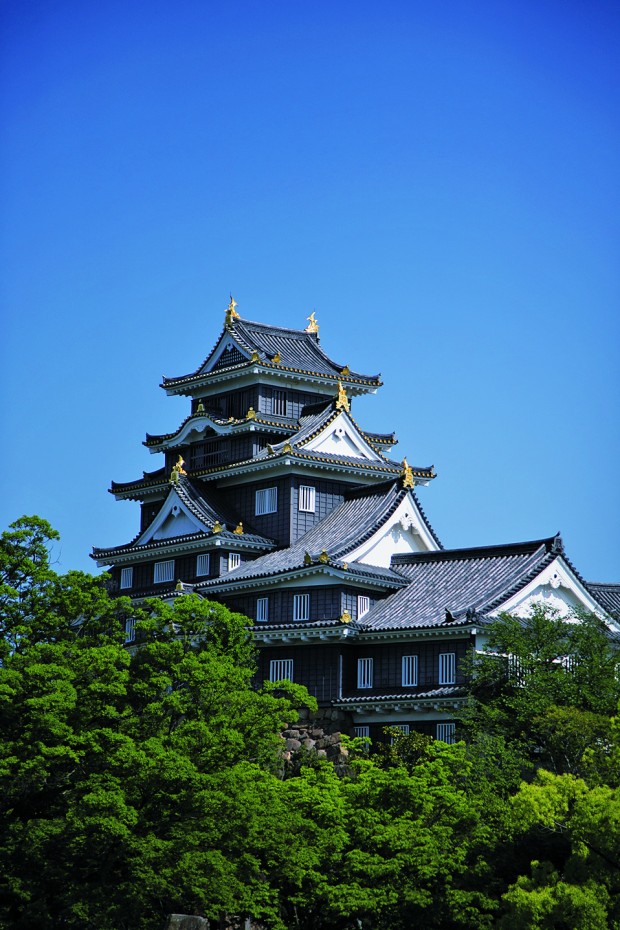 Photograph / "Okayama Castle" where black wall is elegant in tiled roof.
Culture zone, Okayama town
It is approximately five minutes by car from Okayama Station east exit. The “Shiroshita” intersection of the Asahikawa West Bank that flows through the city is the starting point for the Museum Tour, Okayama, where you can meet Japanese beauty. Within walking distance of this area is the 〝Okayama Culture Zone〟, where 12 cultural facilities such as museums, museums and concert halls gather. There are also "Okayama Castle" with the nickname of "Ibaraki (Ujo)" and "Okayama Korakuen", one of the three major gardens in Japan, so it is packed with attractions! On the first day of the trip, enjoy the area's famous treasures, castles and gardens.
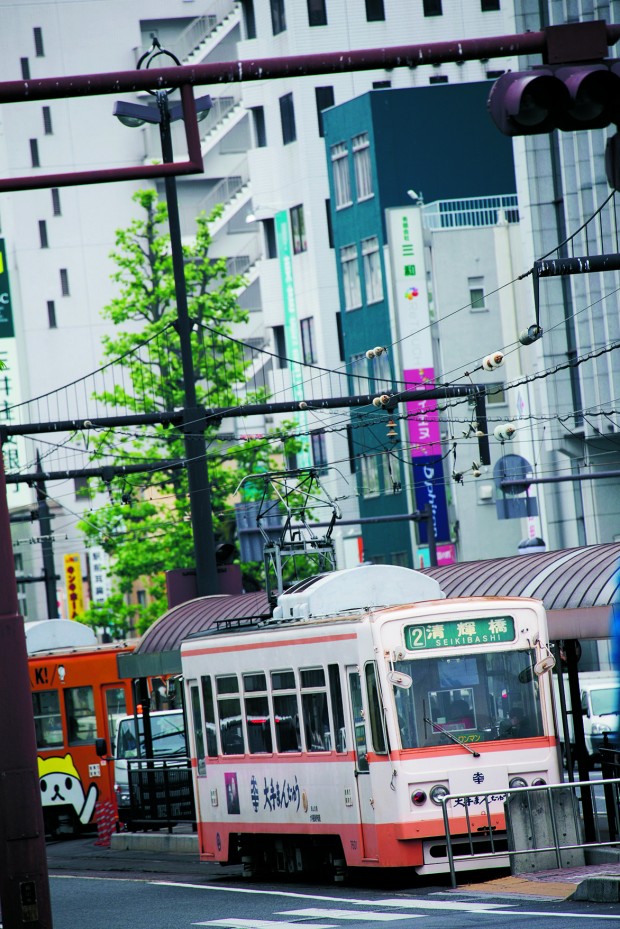
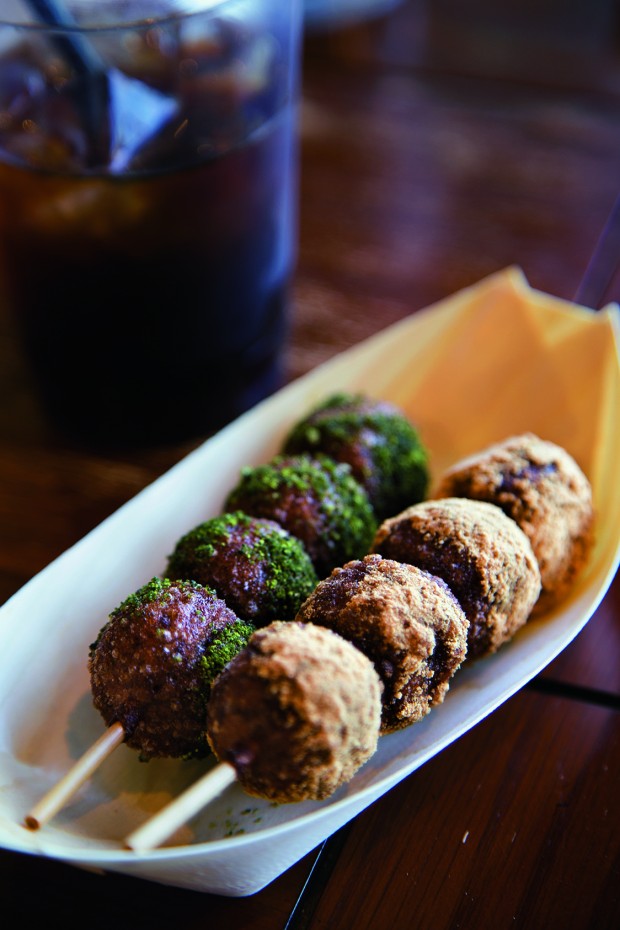
Photo: A tram running in the Okayama culture zone and the Okayama specialty Kibi-Dango. The fried grilled dumplings of the cafe "Hekisuien" overlooking the Okayama Castle, south of the gate of "Okayama Korakuen" is also delicious!
The treasures related to Okayama Castle are in the Hayashibara Museum of Art
The Ikeda family, who ruled the Okayama fort during the Edo period, stayed unchanged in the castle, "Okayama Castle." Therefore, most of the treasures of Ikeda family stayed in this place. Ichiro Hayashibara, a businessman and old-fashioned enthusiast, is one of those who collected them. After enjoying Ikeda traditional products such as Noh costumes and traditional Oriental art at the Hayashibara Museum of Art located at the foot of the Okayama Castle, head to the Okayama Castle. You can visit the three-story, six-story Tenmori, and cross the Tsukimi Bridge over the natural outer moat and Asahikawa, and it's Okayama Korakuen. In the large site, Tsukiyama and the garden path are connected by a water channel, and it is devised so that a view may move.
Take a look at the beautiful Tancho Crane, which is bred in the garden, and drawn in many flower and bird paintings, and then go to the Okayama Prefectural Museum of Art. Okayama meeting with works and artworks related to Okayama, such as Sesshu from Bichu (() and Uragami Tamado (Uragami Gokudo) ink paintings born in the が 藩 藩 藩 house Let's finish the first day of the museum tour.
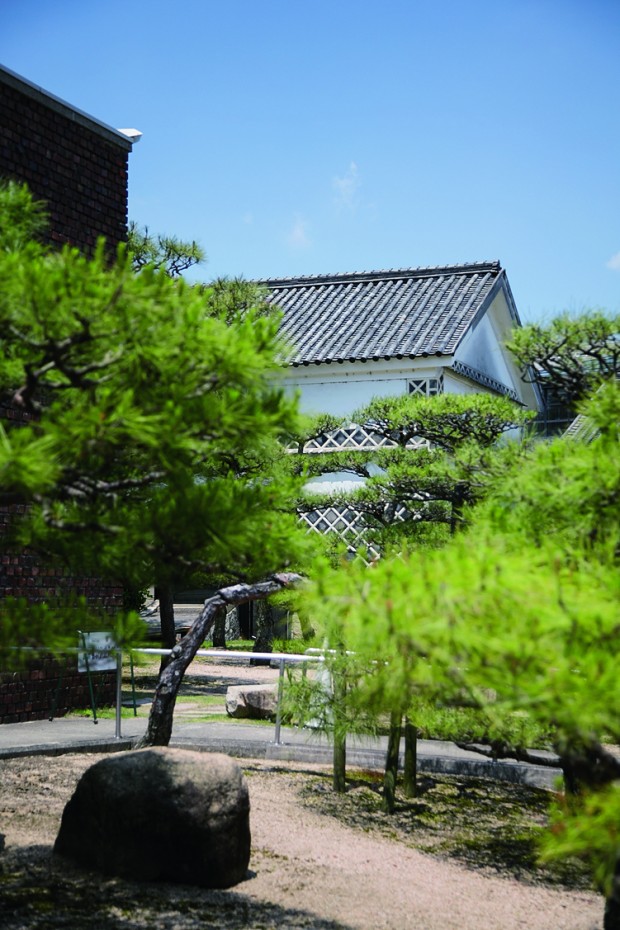
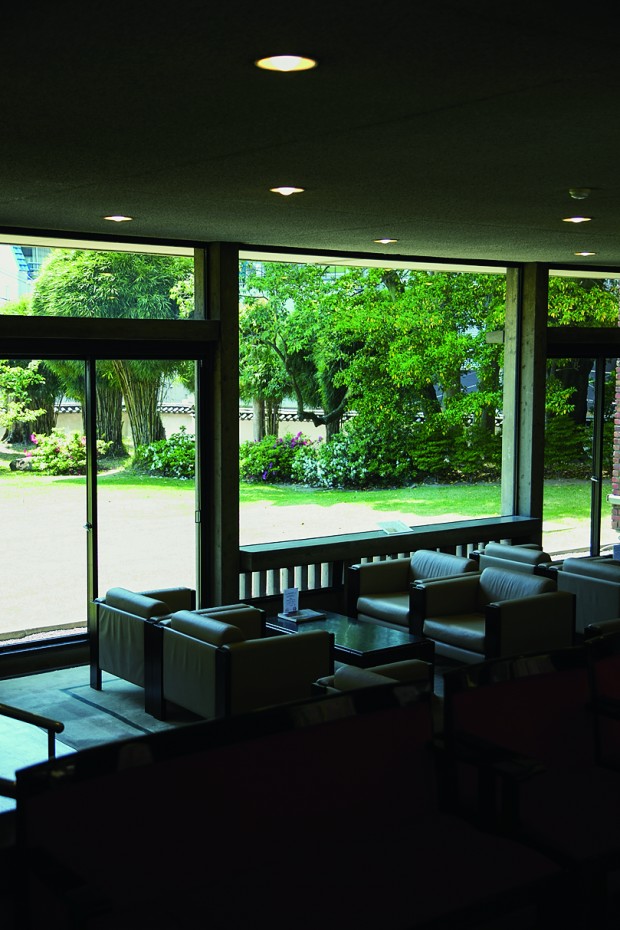
Photograph / It harmonizes with the scenery around Okayama castle including Nagayamon and storehouse which Ikeda family used. Opened in the same year as the Tokaido Shinkansen, this building was designed by Kunio Maekawa, who is called the flagship of modernist architecture. The cafe facing the garden can be relaxed in a Showa retro atmosphere.
Hayashibara Museum of Art / A treasure trove of oriental old art and daimyo furniture
A private art museum standing in a historic place, such as being used as an office for the former Okayama Kinshu Ikeda family during the Meiji era, as well as Uchibori overlooking Okayama Castle. Opened a collection of Ichiro Hayashibara, a heavyweight company in the Okayama business world, who loved old art. The Ikeda family's Noh costumes, large-scale tools, lacquer crafts and colors Nabeshima, etc. holds approximately 10,000 items including national treasures and heavy writing, and holds 5 to 6 exhibitions annually, including planning exhibitions and special exhibitions.
2-7-15, Marunouchi, Kita-ku, Okayama-shi, Okayama 10 to 17 o'clock (admission until 16:30) Closed on Monday (on holidays the following day), New Year's holiday, exhibition replacement period Entrance fee 500 yen (special exhibition Depends on the exhibition) http://www.hayashibara-museumofart.jp/
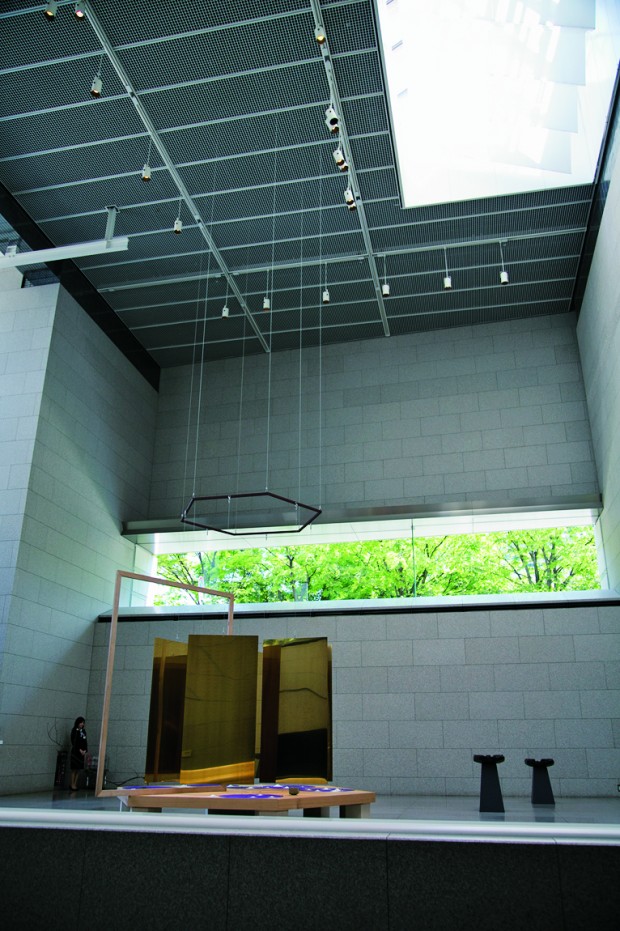
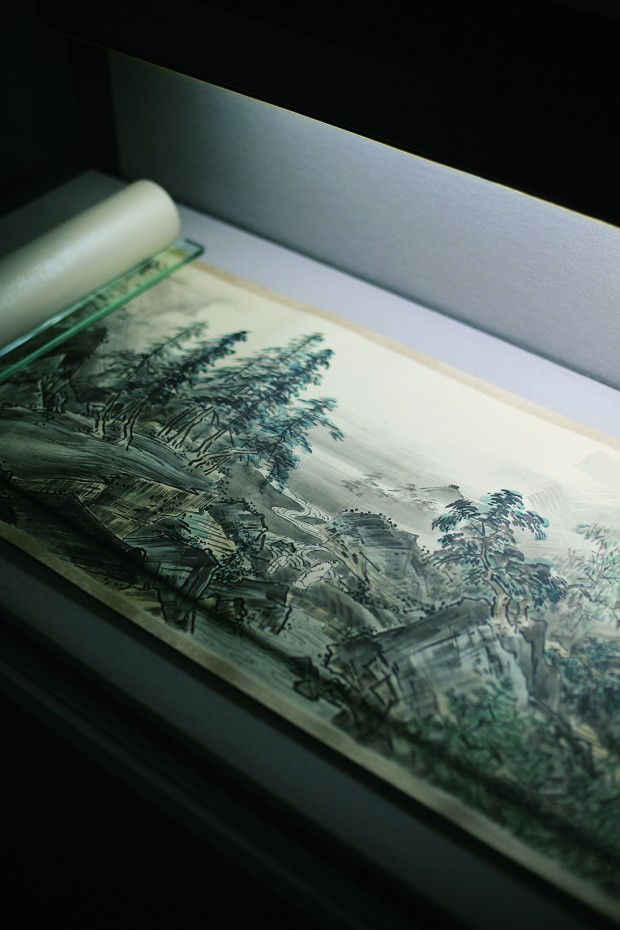 Photograph / design is Shinichi Okada known for the construction of the Supreme Court. The indoor space is a pleasant space that has effectively incorporated outside light. The collection also includes Yukikaji, Urakami Tamado, Western paintings Kuniyoshi Yasuo and Kishida Yayoi (Photo: Kano is a copy of the work).
 Aesthetic walk in retro-modern Kurashiki
To Kurashiki on the second day. Bizen's Okayama City and the prefecture's western, Bichu's Kurashiki City are less than 20 minutes away by JR.
Kurashiki is a town that prospered using the water transport of the Kurashiki River as the Tenkyo area under the direct control of the Edo Shogunate. A branch office was set up, and it was formed as a distribution center for supplies in Biech. A white wall, a wall of sea cucumber, a pile of tiled tiles and a riverside with a row of townhouses, swaying willow trees. A trip Gokoro is stimulated by this scenery that symbolizes Kurashiki, even if you visit it many times.
"Ohara Museum of Art" where the symbol of the riverbank area is one of the city's symbols is a Greek temple-like building. The founder, Ohara Magasaburo, has worked on social projects such as the establishment of museums and hospitals, and has contributed to the development of Showa Kurashiki. In addition, Kurashiki became town of folk art connection when Mr. Ohara and Yanagi munetoshi (Yanagimuneyoshi) of folk art movement met.
If you enjoy western art such as El Greco at the "Ohara Museum of Art", then you will have created works by artists such as Kawai Kanjiro (Kawaika Jinjiro), Kuwata Koji (Hahaji), Serizawa Yusuke (Serizawai Isuke) and other folk art movements. Let's extend our visit to "Kurashiki Minshukan" where you can enjoy You can see the beautiful side of Japanese art in the folk art items that live in your life.
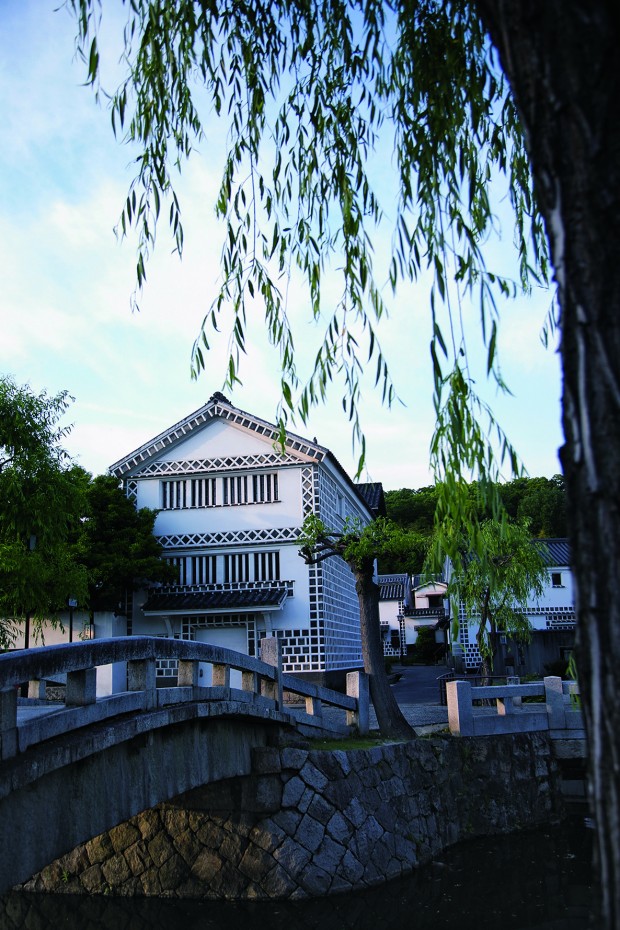
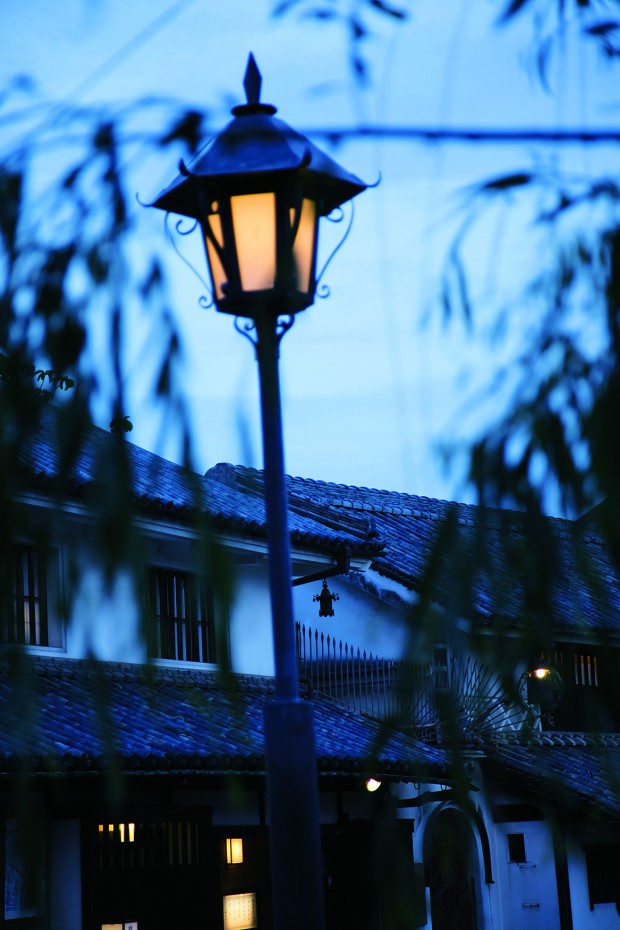
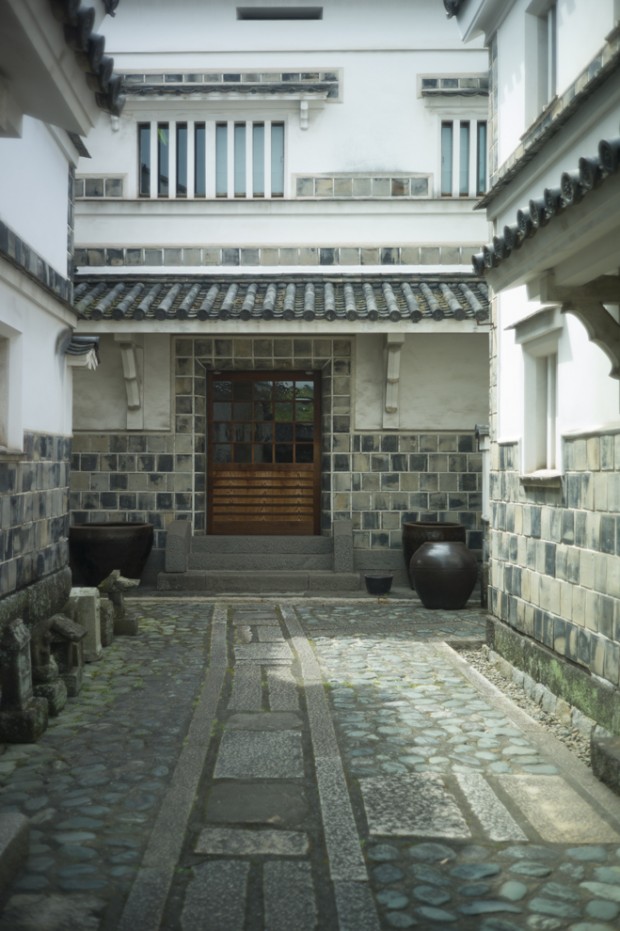
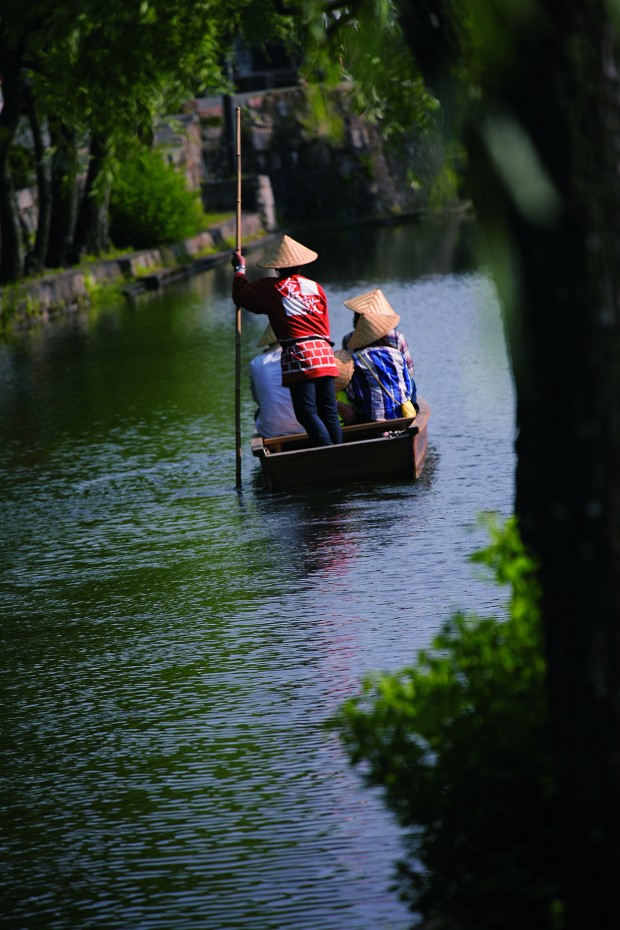
Photo: Gas-house, river-side sink, white walled storehouse. This area, which prospered by the water transportation of the Kurashiki River, is a nationally recognized traditional building group preservation area where retro-modern buildings from the Edo period to the Meiji period remain. The size of the town is just right for going around slowly in a day, such as taking a walk, shopping, eating and drinking, in the intervals of art appreciation.
The beauty of the city of Kurashiki speaks
Aesthetic sense rooted in land and life
Let's go away from the riverbank and head to Honmachi Street, an old highway that used to be a place for merchants and craftsmen in the Edo period. It is a traditional architectural group preservation area where townhouses and buildings made by Kura-machi are lined up with the state of the Edo period. It is currently used for inn, sake brewery, townhouse cafes and shops, so it's a tireless experience to explore while strolling around! It is Achi (Achi) shrine which sits down on the top of Tsurugatayama (Tsurugatayama) when we enter a signboard north from this Honcho street. From the Ema-den, which is also a view point, you can enjoy a panoramic view of the Kurashiki Bikan district, which has a row of dull roofs.
Choose souvenirs unique to this town such as Kurashiki Dodori using special products, flowers rather small items, Kurashiki glass by mouth-blowing, balance neutralization paper, etc. Enjoy the beauty of Okayama plenty to the scenery of the evening which changes the expression to the daytime!
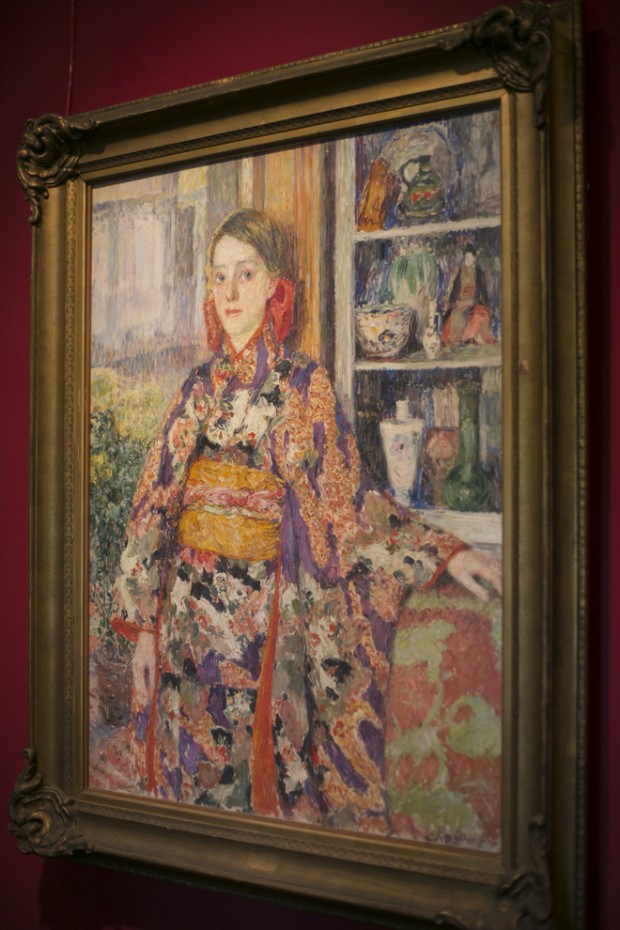
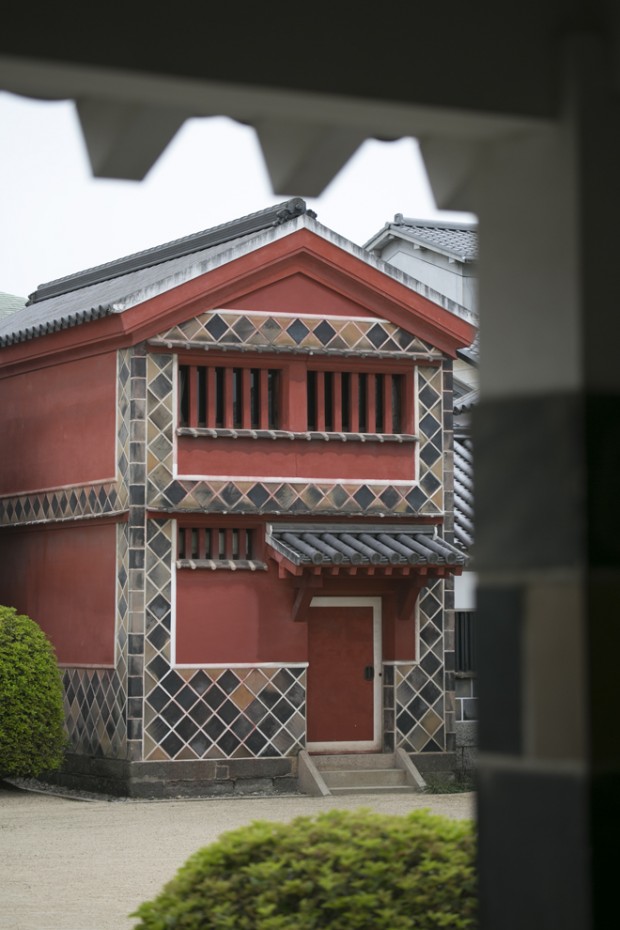
Photo: At the Ohara Museum of Art main building, Kojima Torajiro's “Japanese girl dressed in Japanese clothes” will greet you. The cute building is designed by Yusuke Serizawa.
Ohara Museum of Art / Building itself is also a work of art!
Japan's first private modern Western Museum of Contemporary Art, which has a collection of businessmen and Osamu Ohara. At the request of Mr. Torajiro Kojima, a Western artist, will bring out Egyptian and Chinese art, etc. from the famous items acquired by Tojiro Kojima. The Art Museum of Japan also displays the works of Japanese modern art and artists involved in the folk art movement.
1-1-15 Chuo Kurashiki, Okayama Pref.-9:00-17:00 (up to 16:30) Closed on Monday (Holidays, summer, no holidays in October) Entrance fee ¥ 1,300
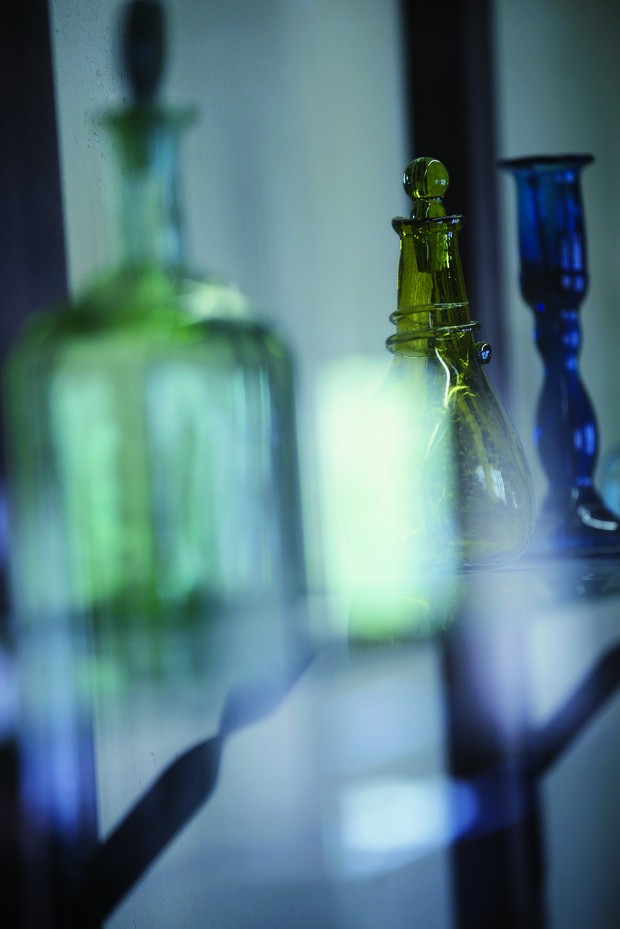
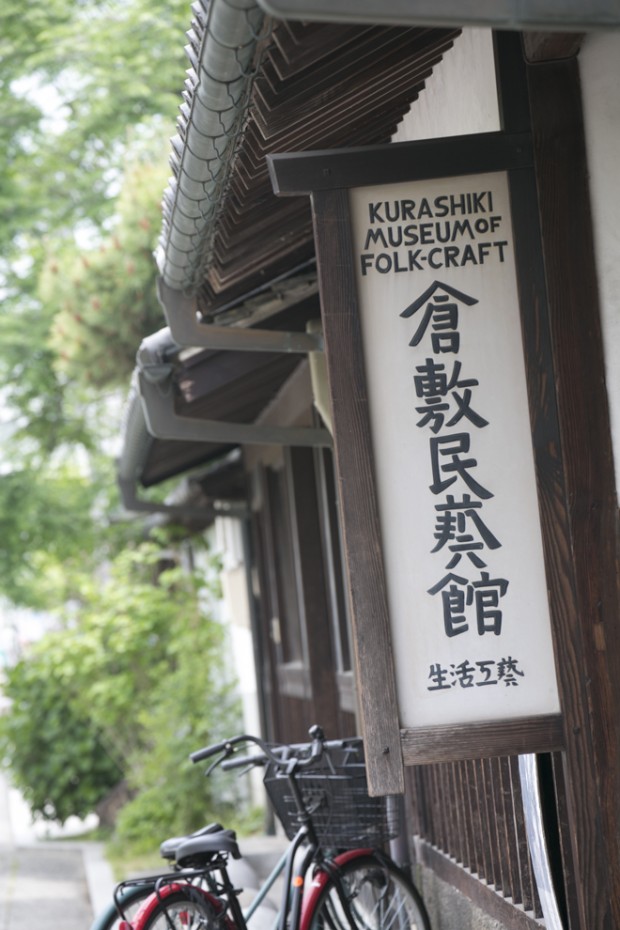
Photograph / "Kurashiki Minshukan" opened in 1948 as a Minshuku building following the "Japanese Minshukan" in Komaba, Tokyo. There is also an exhibition of the blown glass Kamakurashiki glass bowl that was created by the glass craftsman Kozo Shinzo at the request of the first director of the Minpakukan.
Enjoy the beauty of folk art that lives in Kurashiki Minshuku / life
The beauty and folk art created for the life of the city, which also fits perfectly with the white-washed tiled city. Together with the Ohara Museum of Art, the Kurashiki Minkan is the place to be twisted in the Kurashiki Bikan district. The exhibition room is lined with greenery, strong and beautiful tools from the Edo period.
There is also a shop with no entrance fee before the reception.
Central Kurashiki, Okayama Prefecture 1-4-11 9: 00-17: 00 (December-February: 16:15, admission is 15 minutes before closing) Closed on Mondays (open on public holidays and Monday in August, 8 Closed on 31st May and exhibition change period) Admission fee 700 yen http://kurashiki-mingeikan.com/
Shooting / Toshikazu Sato