













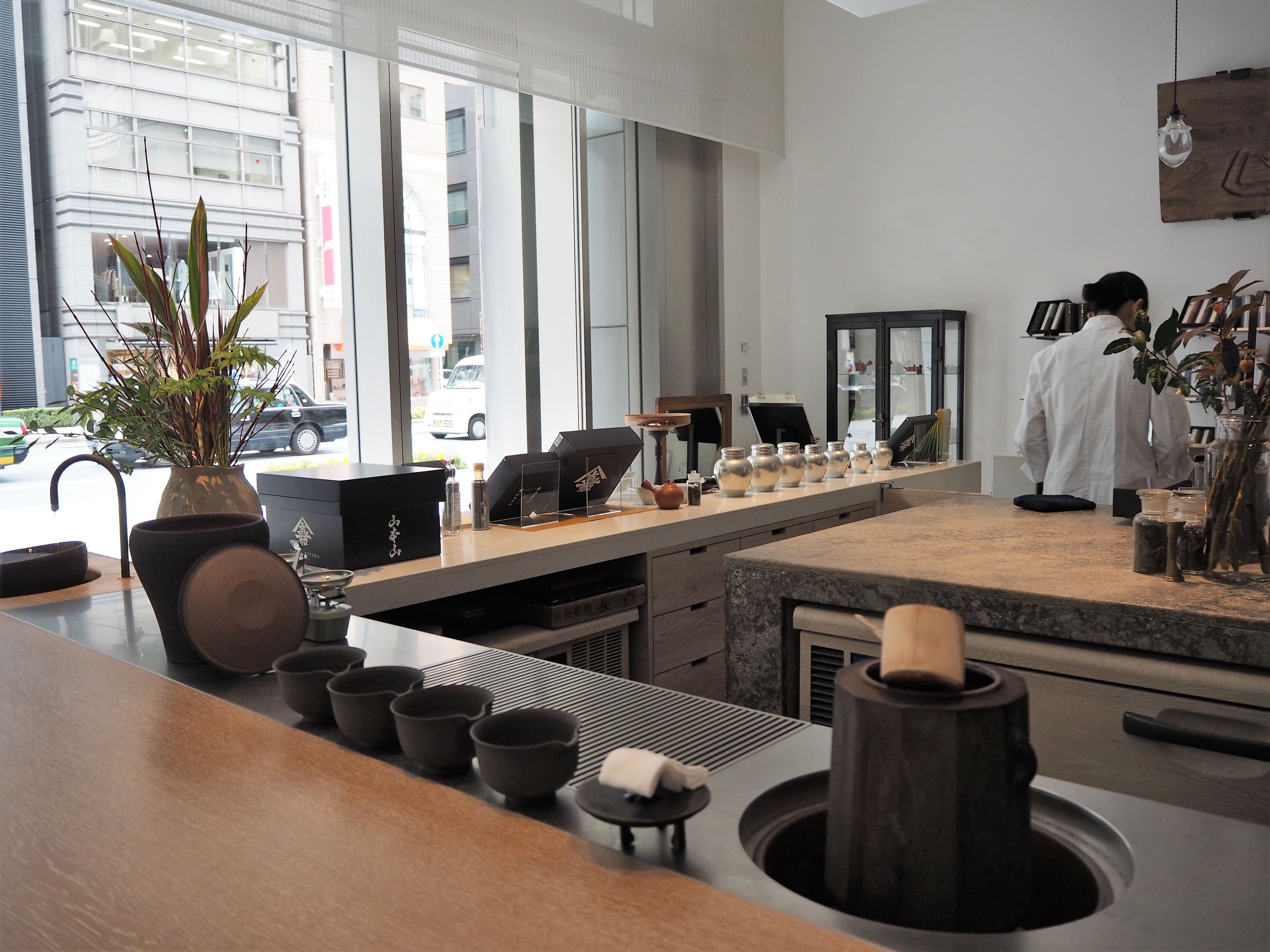
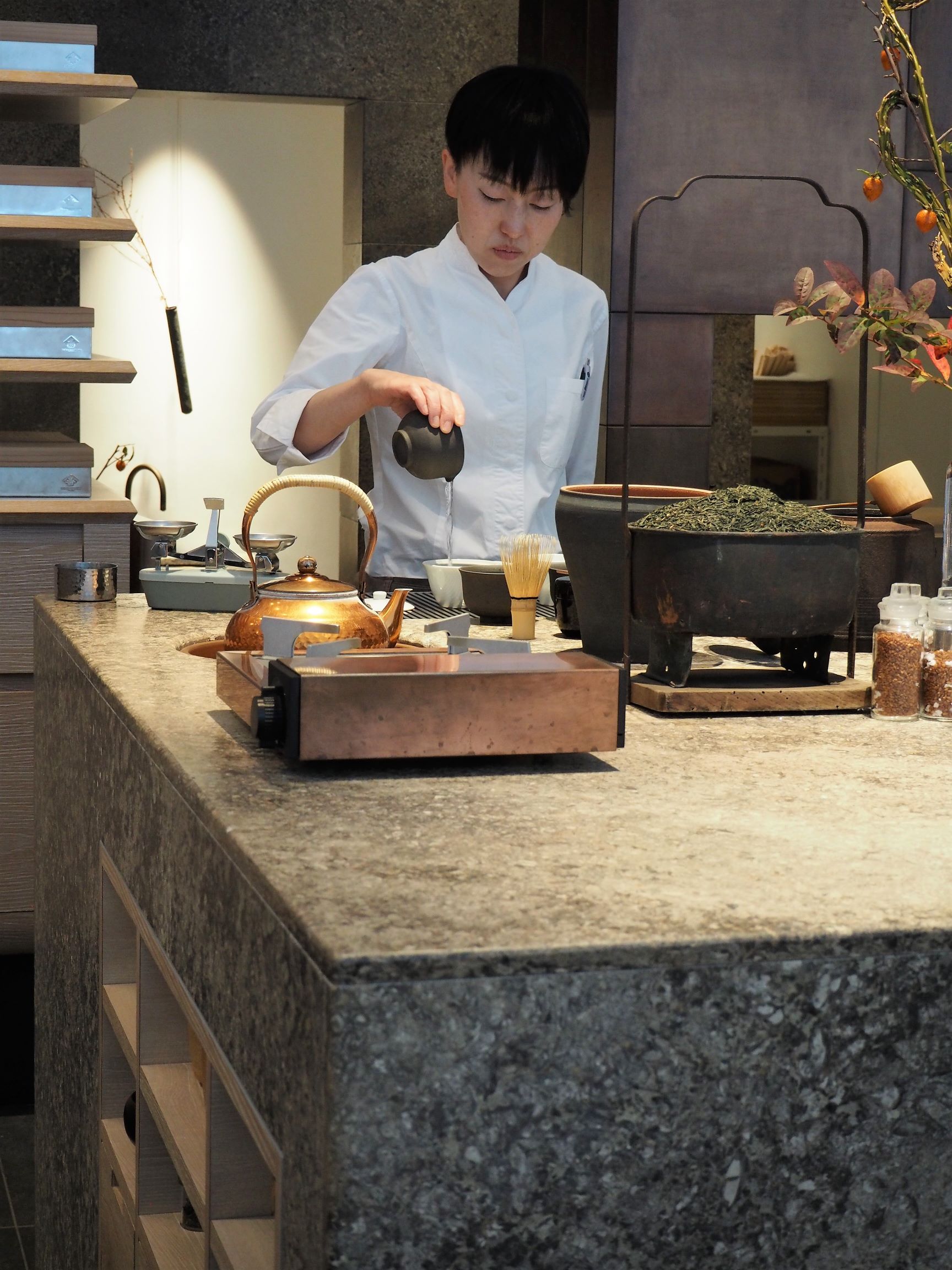
Warm tea has become a delicious season. Coffee and tea are delicious, but it is reassuring to have carefully prepared Sencha. It is said that Edo was the one that spread sencha to the Edo citizens, Yamamotoyama, which was founded in Genroku 3 (1690). Even now, at "Yamamotoyama Fujie Chabo" where you can enjoy delicious tea in the same place as it was founded, we will tell you about the differences and selection of sencha by production area, and delicious brewing.
A representative of green tea, "sencha", a Japanese daily tea
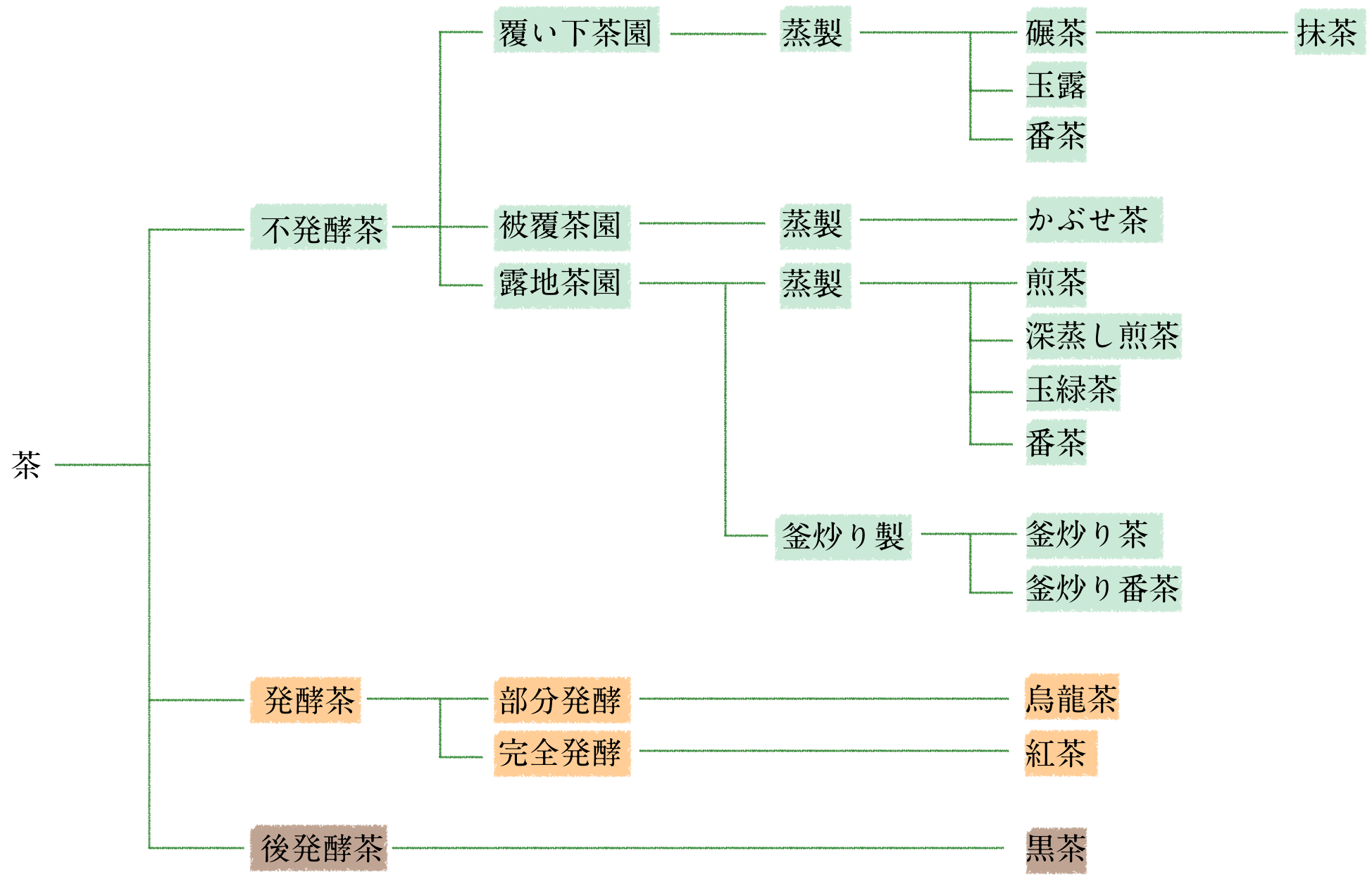
Do you know what kind of tea Sencha is like? By the way, many people think that Japanese tea = Sencha, but Japanese tea is tea made in Japan. Of course, domestic black tea is also Japanese tea, and it is not the only term for green tea. Then, green tea = sencha is half accurate and half incorrect. Green tea is a non-fermented tea made without fermenting raw tea leaves, and is a general term for teas such as sencha, gyokuro, bancha, and matcha. Sencha is the representative of green tea that we drink on a daily basis. It is grown by open field cultivation so as not to block the sunlight, and the picked tea leaves are steamed and kneaded to dry.
Taste and aroma that vary greatly depending on the production area and tea tree variety and manufacturing method
This tea is produced all over the country, but in descending order of production, Shizuoka, Kagoshima, Mie, Kyoto, Fukuoka, and Miyazaki prefectures follow. The top three prefectures account for about 70% of the cultivated area. Shizuoka, Kagoshima, and Miyazaki prefectures are the main producers of green tea. Even if you say sencha in a bite, the taste and fragrance will be completely different depending on the production area, the variety of tea trees, and the manufacturing method (deep steaming or light steaming). However, just looking at the green tea lined up in the store, you can't tell what the difference is. After all, we tend to choose only familiar production areas. So we went to Yamamotoyama Fuji Echabo, a modern Japanese tea cafe handled by Yamamotoyama. Ryoko Kikawa, a Japanese tea instructor, taught me about sencha.
The east is deep-steamed and the west is shallow-steamed. "Umami / astringency / bitterness" is the decisive factor for the taste!
Speaking of tea production areas, Shizuoka in the east and Kyoto in the west are the names that come to mind. What is the difference between the two major production areas of Sencha? "Generally speaking," Fukamushi ", which has a long steaming time, is the main type of tea in Shizuoka. It is a green tea with a yellowish green body. In Uji, Kyoto," Steamed steam ", which has a shorter steaming time, is the most common. It is bluish green and has a strong umami flavor, ”says Kikawa. Many people have always liked deep steaming in the Kanto area and light steaming in the Kansai area. And the taste of green tea is said to be determined by three factors: umami, astringency, and bitterness. "The umami component is amino acids (theanine, glutamic acid, aspartic acid, etc.), the astringent component is catechins that are said to prevent lifestyle-related diseases, and the bitter component is caffeine that suppresses drowsiness and enhances concentration." Theanine contained in sencha has the effect of suppressing the excitement of caffeine. Compared to coffee and black tea, green tea has a low caffeine content, but it also contains ingredients that have an additional inhibitory effect.
Astringent Uji, mellow Yame, refreshing Kawane, compared to a surprising drinking difference
“It's best to compare the flavors and aromas of each production area with each other,” says Kikawa. Select 4 types of production area and 1 type of combination (blended tea) and try 5 types.
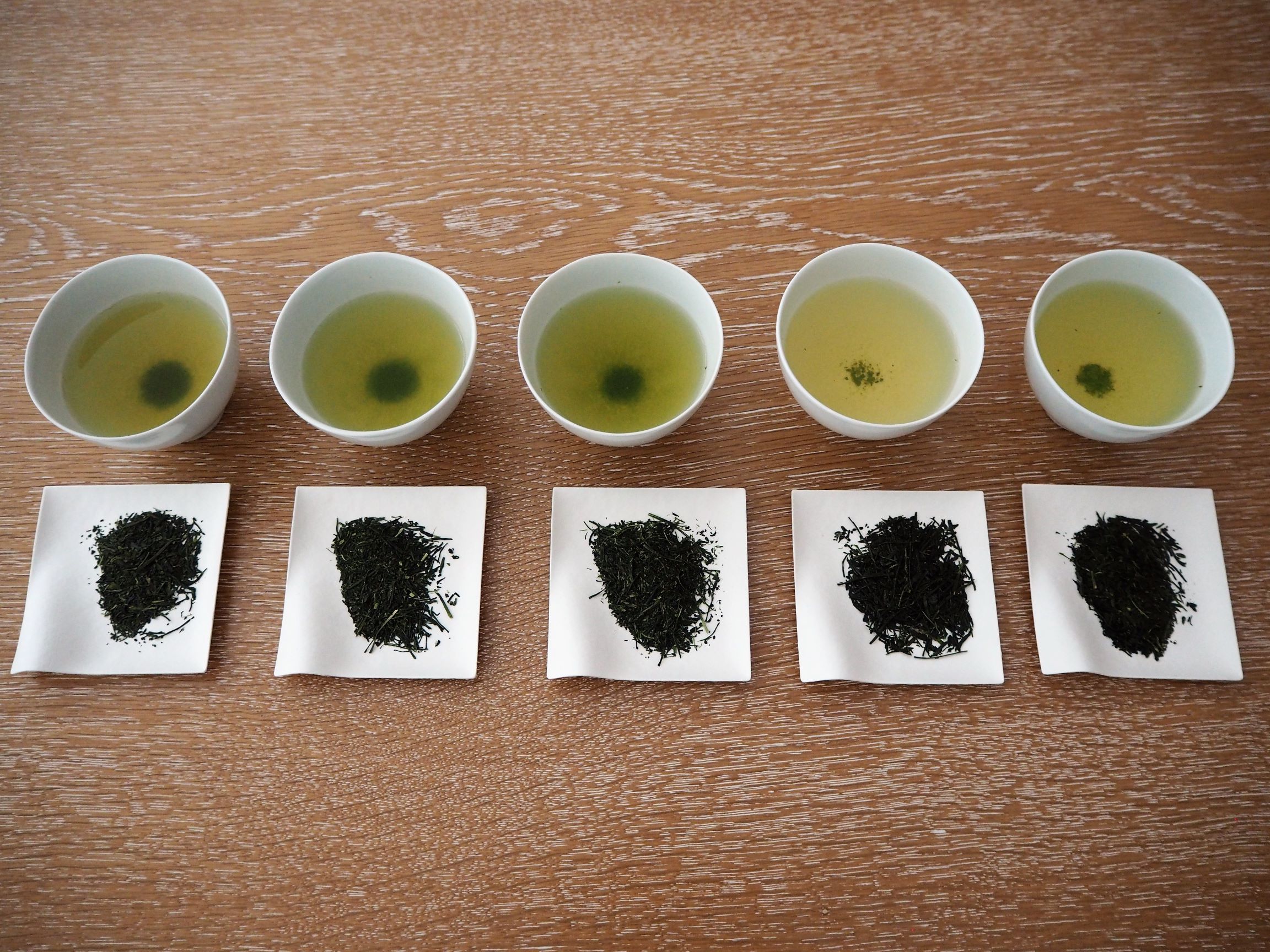
1. Overflowing umami and sharp astringency Uji Sencha
Uji is a traditional tea producing area and has been promoting tea culture. Uji Sencha is made from the tea leaves grown in the mountainous area where Asagiri can invade. "It can be said for Uji as a whole, but it is characterized by its rich scent, rich umami, and moderate astringency." When you take the first roast with that word, the delicious taste of glutamic acid and the astringent astringency that makes the back of your chin tight will spread in your mouth. Since the fresh tea is picked and aged from autumn, the first roasted aroma is impressive.
■ About tea ■
Fuji Echabo No. 1 Uji Sencha (50g / 1,944yen)
Tea variety / Yabukita
Judgment of taste (5-level evaluation) / Umami: 4 Astringency: 4 Bitterness: 3
How to brew (1 serving) / 100g of hot water for 5g of tea leaves. After about 75 seconds at 70 ℃ (* 30 seconds at 80 ℃ after the second roast) pour into a bowl.
Personal impression / rich and astringent. I would like to combine it with rich Japanese sweets such as daifuku and dumplings.
2. Rich and delicious, refreshing Kawanecha
Shizuoka Prefecture occupies 40% of the country's green tea production areas. Kawane, a mountainous area in the Oi River basin, is famous for producing delicious tea. Shizuoka is mainly deep-steamed, but "Kawane tea handled in the teahouse is a light-steamed method. It is light-steamed so it has a light color but a solid taste," says Kikawa. The light blue color is the green color with a transparent feel, but it is richer and more delicious than it looks. Also, because it has less bitterness than Uji tea, it is popular with women and the elderly. After the second roast, it has a refreshing taste. It is recommended for people who want to enjoy tea itself, not just with something.
■ About tea ■
Fujie Chabo No. 5 Kawanecha (50g / 2,376 yen)
Tea varieties / Judgment of Hikari Okukari (5-level evaluation) / Umami: 5 Astringency: 2 Bitterness: 4
How to brew (1 serving) / 100g of hot water for 5g of tea leaves. Pour into a teacup after 60 seconds at 70 ℃ (* 30 seconds at 80 ℃ after the second roast).
I have a little personal feeling / astringency, so I would like to add it to a meal. Good for a midnight reading while reading.
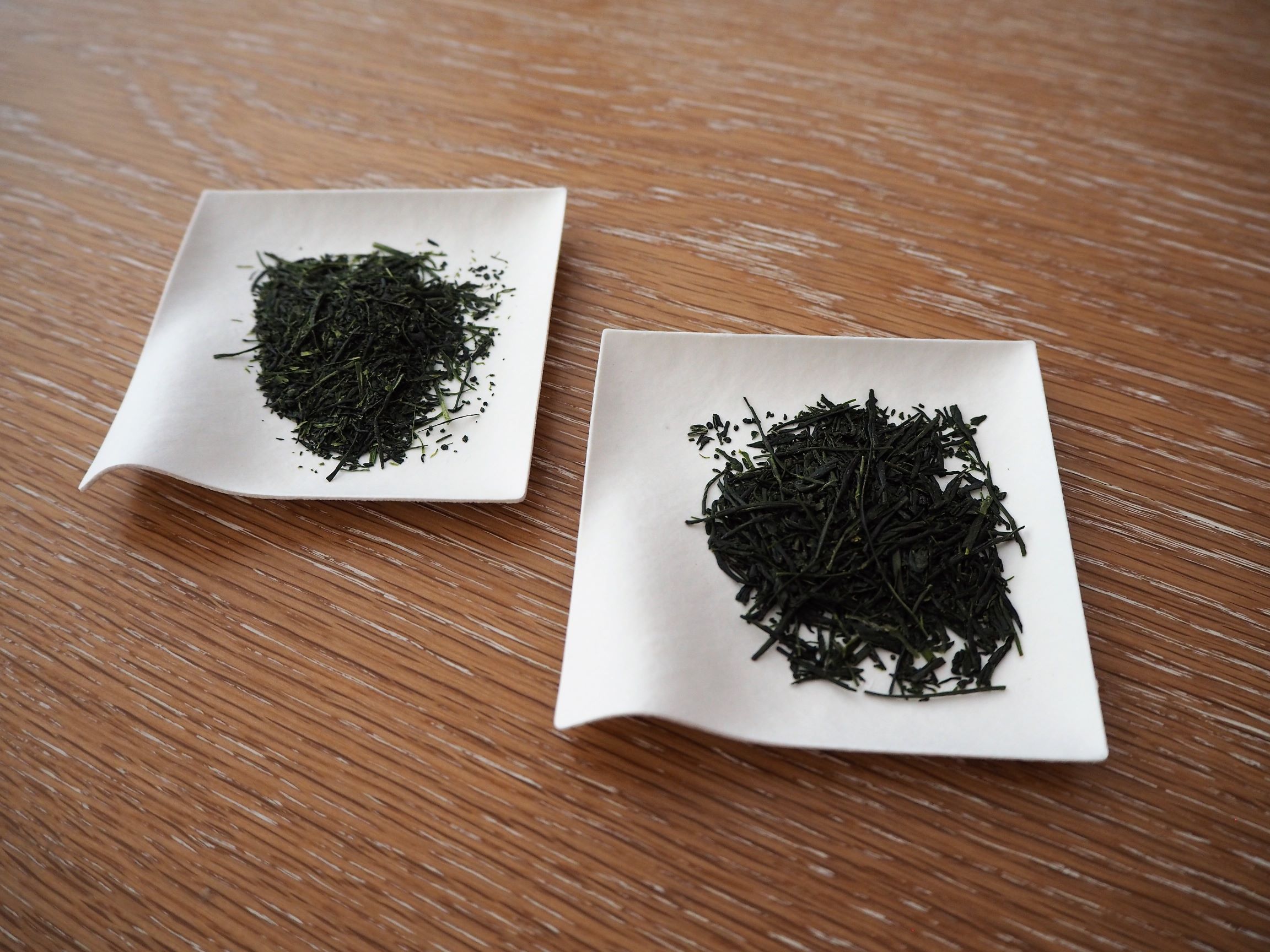
3. Surprisingly thick and mellow! Yamecha
Yame city in Fukuoka prefecture is famous not only for green tea but also for producing high-grade gyokuro. A special Yamecha cultivated by the cover method to bring out the umami. As the words "the bright green color and the mellowness are the most characteristic", the tea with the mellowness in the first and second brews remains in the mouth. It is also a surprisingly thick tea and has a completely different taste from other sencha.
■ About tea ■
Fujie Chabo No. 6 Yamecha (50g / 2,160yen)
Tea varieties: Hikari Tsuyu Judgment of taste (5-level evaluation) / Umami: 5 Astringency: 1 Bitterness: 3
How to brew (1 serving) / 100g of hot water for 5g of tea leaves. Pour into a teacup after 60 seconds at about 70 ° C (* 30 seconds at 80 ° C after the second roast).
Private impression / Mellowness is amazing! I would like to combine salt-based sweets and spicy sweets rather than sweet sweets.
4. Soft mellow and slightly astringent Kirishima tea
The foothills of Kirishima in Kagoshima Prefecture, which is linked to Takachiho, the land of advent of Tenson. Kirishima tea is famous as a tea in Kagoshima along with Chiran tea because of its foggy climate and moderate temperature difference suitable for growing tea. "A rich umami and soft-tasting tea blended with the tea leaves of" Asatsuyu, "which is said to be natural gyokuro." It is mellow like Yamecha but has a good astringency, so it is well-balanced and easy to drink. Furthermore, it seems that Kirishima tea handled at the store is grown only with organic fertilizers without using chemical fertilizers. Not only can you drink with peace of mind, it has a gentle taste that seems to be organic.
■ About tea ■
Fuji Echa-bo-San No. Kirishima Tea (50g / 1,620yen)
Tea varieties / Yabukita, Asatsuyu
Judgment of taste (5-level evaluation) / Umami: 5 Astringency: 2 Bitterness: 3
How to brew (1 serving) / 100g of hot water for 5g of tea leaves. Pour into a teacup after 60 seconds at about 70 ° C (* 30 seconds at 80 ° C after the second roast).
Personal impression / Mellow and refreshing, I like it most. I want to split with shochu from Kagoshima
5. Outstanding balance! Iitokodachi no Tenkaichi
“Tenkaichi, which combines tea leaves from Shizuoka, Kagoshima, and Kyoto, has a very well-balanced taste,” says Kikawa. At Yamamotoyama, we have been making a combination of teas from different origins for a long time, and we are working on teas that have a uniform umami, astringency, and bitterness regardless of the weather. It seems that the difference in scent and taste will become clear when we take in the production based on the combination Sencha. There is turbidity due to the light blue blend. Since it is a harmonious tea, it seems to be gratifying to anyone.
■ About tea ■
Combined Sencha "Tenkaichi" (100g / 2,160yen)
Tea varieties / Yabukita, rich greenness judgment (5-level evaluation) / Umami: 4 Astringency: 3 Bitterness: 3
How to brew (1 serving) / 100g of hot water for 5g of tea leaves. Pour into a teacup after 60 seconds at about 70 ° C (* 30 seconds at 80 ° C after the second roast).
Private / harmonious tea. I want to match it with meals and salt-based sweets.
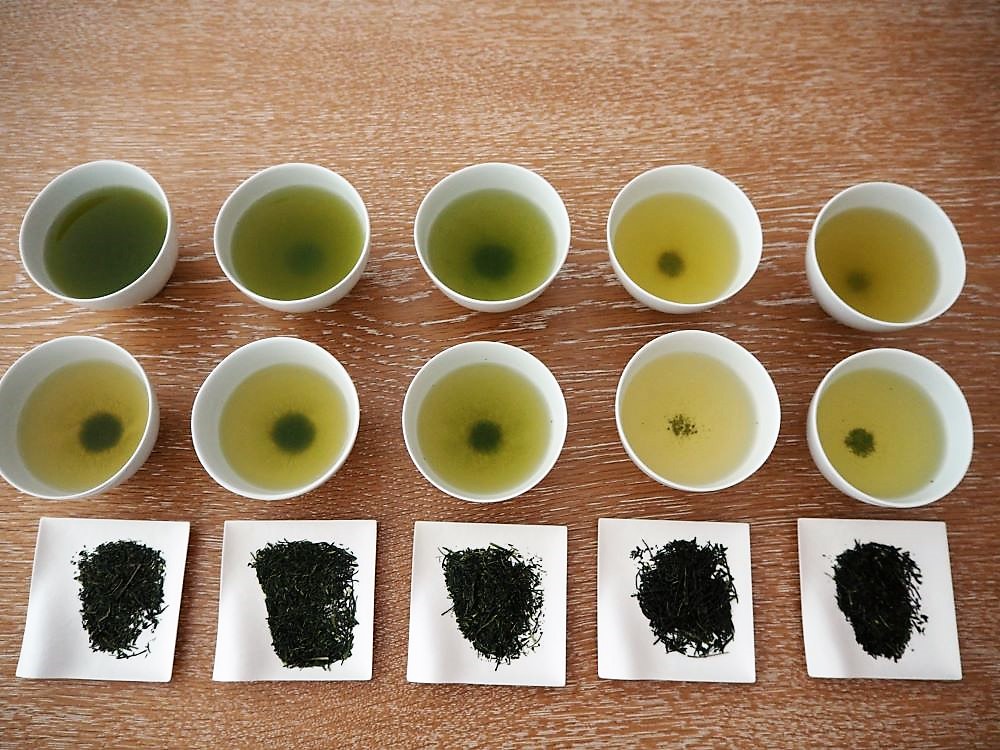
Choosing an unusual tea is the entrance to new Japanese culture
When you compare the five types, you can experience the three elements that determine the taste of sencha: umami, astringency, and bitterness. I was also surprised that the taste greatly changed depending on the production area and manufacturing method. "There are about 60 types of tea trees in Japan. The taste is the same, but the difference in aroma is also interesting. Especially, the trees named Kaori have a lot of fragrant tea. There is no handling at the store, Fujieda, Shizuoka Prefecture “Fuji Kaori”, which is produced in the city, is a sencha with a scent similar to jasmine tea. Sencha has a rich taste and aroma and is deep. Please try tea from various places, ”says Kikawa. I tend to choose a familiar tea, but there are many sencha in Japan. Taking a sip of a different type of sencha and thinking about the region and climate that created the taste may open new doors to Japanese culture.
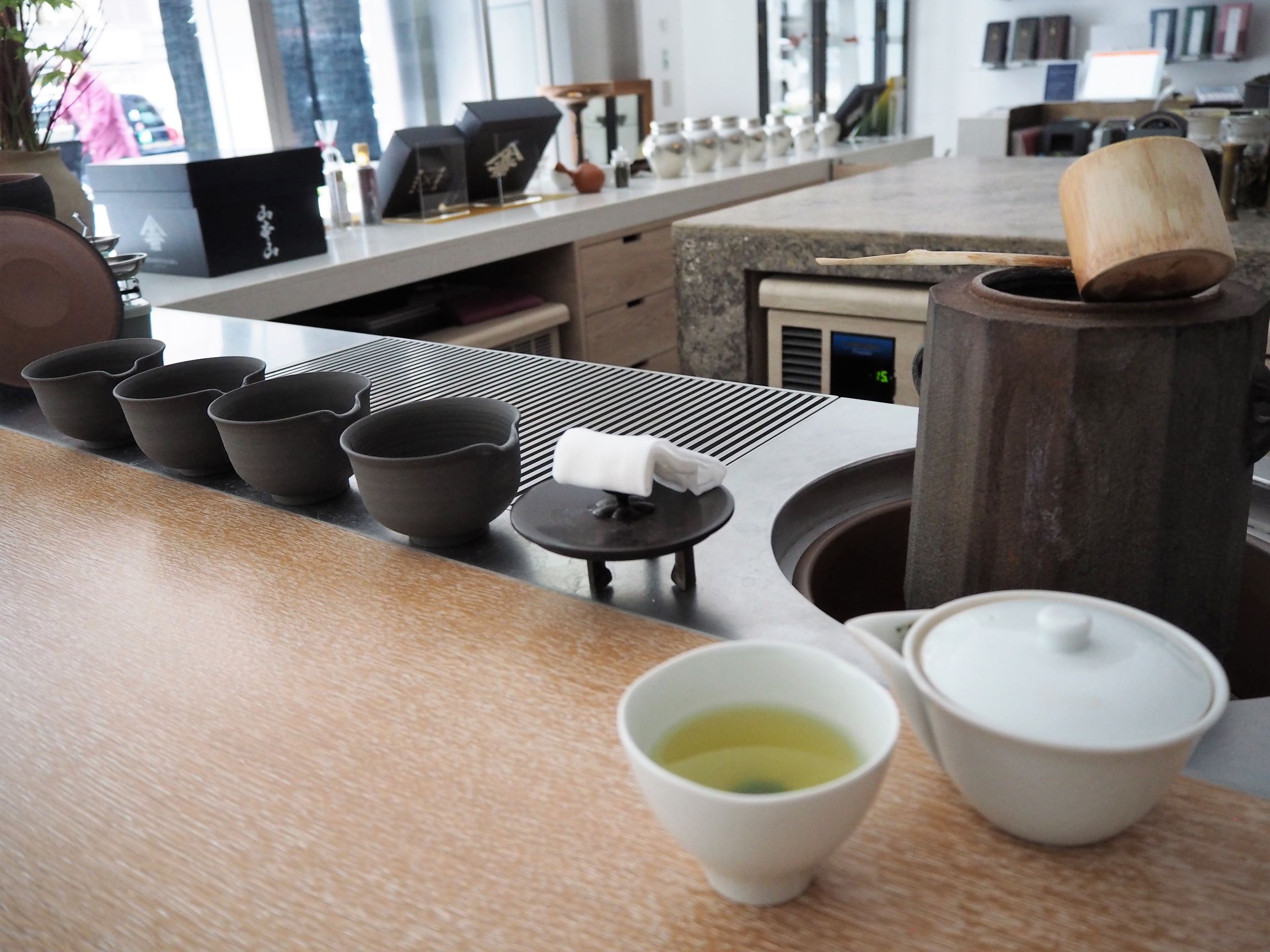
A store where you can enjoy delicious green tea
Yamamotoyama FUJI CHABO Address: 2-5-1 Nihonbashi, Chuo-ku, Tokyo Nihonbashi Takashimaya Mitsui Building 1st floor Phone: 03-3271-3273
Business hours: 10:30 to 20:00 (LO19: 00)
Holidays: New Year holidays
https://fujie.yamamotoyama.co.jp 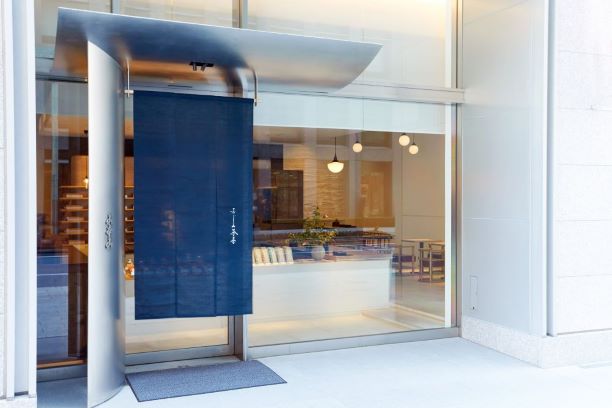
Reference material)
The situation of tea (June 1991) / Ministry of Agriculture, Forestry and Fisheries