













A garden where the essence of life culture in the Edo period was collected
Kyoto's dwellings, built during the Azuchi Momoyama period, have a narrow frontage and a wide, deep bed of eel. Is it easy to understand that it is a townhouse? The townhouse had weak points in daylighting and airing because buildings with the same shape were in close proximity to the next house. The solution was to create a Japanese garden in the middle of the residence. This is the birthplace of Tsuboiwa (Tsubo Niwa). 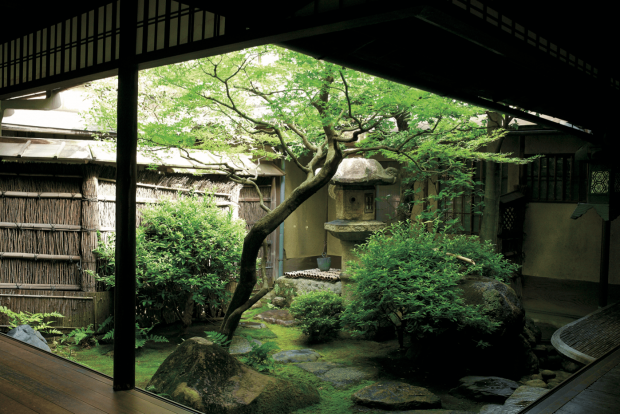
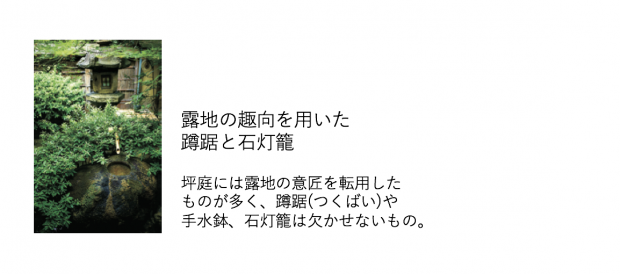
Tsuboniwa is popular not only for its functional aspects, but also for enjoying the natural scenery from inside. And, with the quaint stone lanterns (ち ょ う し ど う) and hand bowls (ち ょ う) in open space, they began to create their own small universe. Tsuboniwa spreads throughout the country in the Edo period, and now it can be made widely in temples, ryokans, houses, etc. However, the great Tsuboniwa still gathers in Kyoto. Above all, the Tsuboniwa, which is noteworthy, is the “Sumiya Hospitality Culture Museum”. 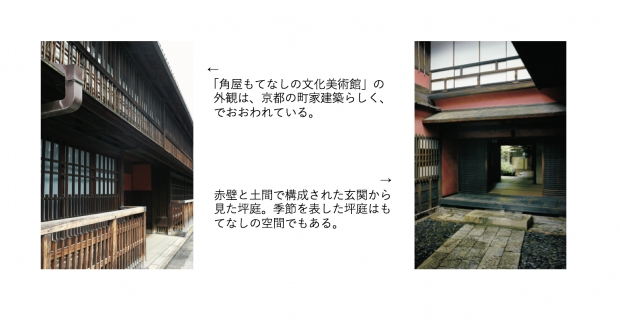
It is a cultural facility that preserves and publishes “Akeya” “Kadoya” located in Shimabara, a flower town that prospered since the Edo period. The fried house is a facility created for the feast (Kyoen), and at present it is a restaurant. There, a banquet was held in which a tayu or geiko sent from Okiya showed a kabuki song and entertained guests (hinkyakus). In addition, it develops as a culture salon familiar with literary arts such as Waka and Haiku, and literary artist Yosabushimura (Yosabuson) often sponsors a puppet show in "Kadoya". There is also a record of a literary person, Mr. Yori Sanyo, having a party for her mother Takayuki. Furthermore, at the end of the Bakumatsu period, Kinnoha Kusakagen Zui, Saigo Takamori and Ryoma Sakamoto used for the meeting. "Kadoya" is also a living witness who has seen the history of Kyoto in Edo period from the Edo period. “Kadoya”, which has enjoyed many customers, is the only existing remains of the haunted house architecture in Japan. A large tea room is always provided in the large garden facing the Ozashiki, and a feature of the Hanya architecture is that it has a large kitchen. Tsuboiwa (Totsuboiwa) is also larger than the townhouse. In the Meiji period, Tsunoba, which was restored to its original appearance in the early Edo period, is packed with designs swaying in a small space. It's hard to imagine that many of the best people have looked at Japanese gardens that reflect the heart of hospitality.
-From the 2014 Kazuya November issue-
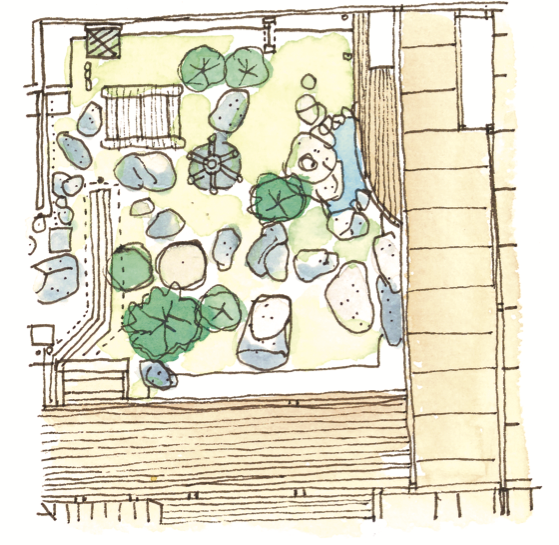
-Illustration (Tsupiwa sketch) / Similar friends-
Pay attention to the various designs that make up the beauty microcosm!
View of famous garden and highlight guide
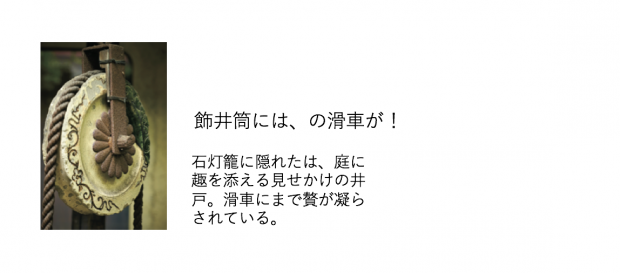
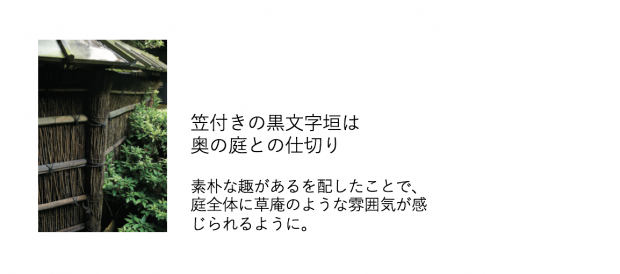
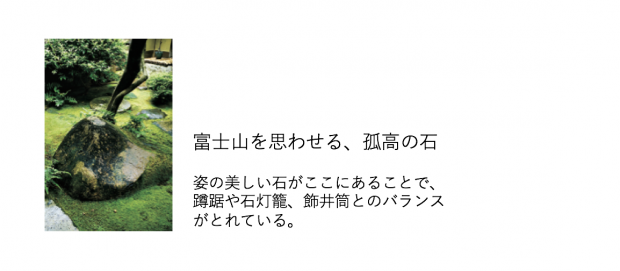
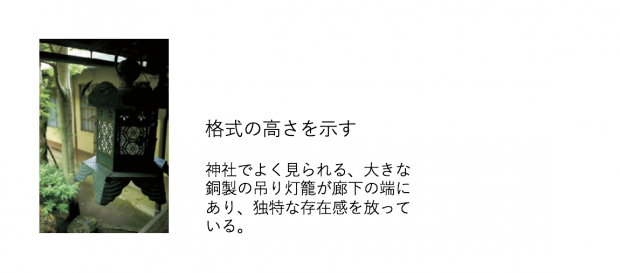
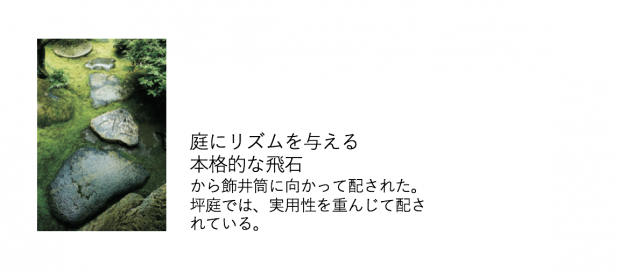
"Katsuya Hospitality Art Museum" is an important cultural asset in the building itself. When you enter the entrance that tells you the atmosphere of the Edo period, you will be fortunate to the light of the tsubo yard. This is due to the fact that the number of columns blocking the line of sight is reduced and the edge is taken wider. If you look closely at the scenery of the landscape and the greenery, such as stone lanterns and urns, it is clear that it is small but full of luxuries.
Great garden DATA
Corner art museum cultural museum
(Sumiya, a homeless treat)
1641 (Kannaga 18), current location moved Creator unknown Address [32] 32 Nishi-Niyashishiki Yoya-cho, Shimogyo-ku, Kyoto City, Kyoto Prefecture Map
[Opening period] March 15-July 18, September 15-December 15
[Opening hours] 10 o'clock to 16 o'clock (2nd floor special exhibition is about 20 minutes each time for about 30 minutes from 10:15, 13:15, 14:15, 15:15, application system by telephone in advance)
[Closed on Mondays] (Closed on the following day for holidays)
[Entrance fee] 1000 yen (separate visit of special opening of the second floor is 800 yen separately)
【Homepage】 http://sumiyaho.sakura.ne.jp
-Shooting / Hiroaki Kuwahara-