












Let's make the taste of a well-known store
It has been introduced in INTO JAPAN, let's create a series. If you know the history of the store, the taste of that famous store can be reproduced at home ...?
Let's make beef stew of the highest peak "Hami miso" of 1 Western food
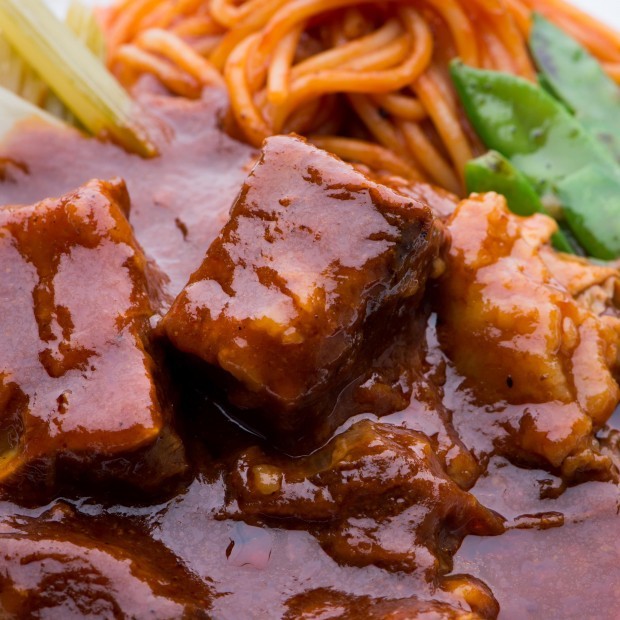
"Homi miso" is a Western-style restaurant founded in 1933. It is a long-established store that preserves the taste from before the war. Above all, beef stew using domigurasu sauce which simmers for one month is written on the menu with "beef stew" and remains unchanged. Domigurasu sauce that has changed to a taste that suits the rice in Japan. He taught me the techniques that support that attraction.
Click here for detailed instructions!
Let's make the earthenware steaming of the specialty store "tankumaku north store main store" of 2 Kyoto dishes
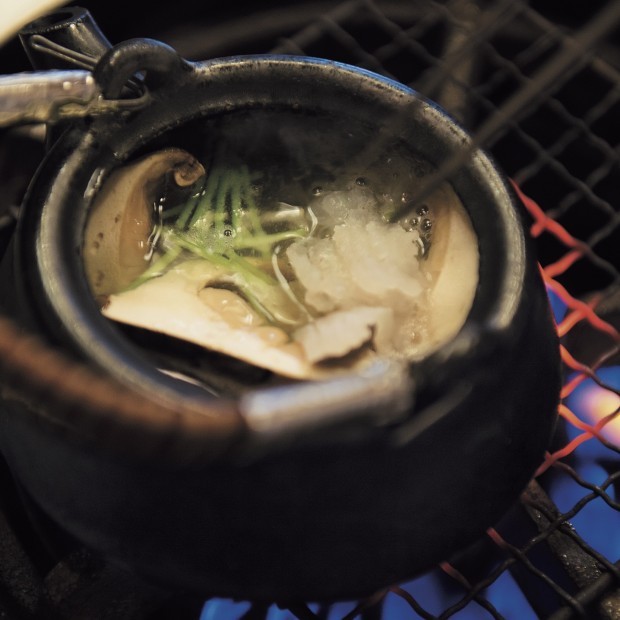
Not only meeting people but also a combination of ingredients that are compatible with each other is called meeting. In the late autumn, I think that the other party is less familiar, such as Ii and Kabuto, and the winter moth and daikon. Among autumn ingredients, potato (ま) and Matsutake (matsutake) are the best encounters. It is steaming of the earthen jar to bring out the two tastes. Autumn is still in the future, but it is also good to look forward to it.
Click here for detailed instructions!
3 Let's make the tempura of Ebisu typical dish "Rakuen" shrimp!
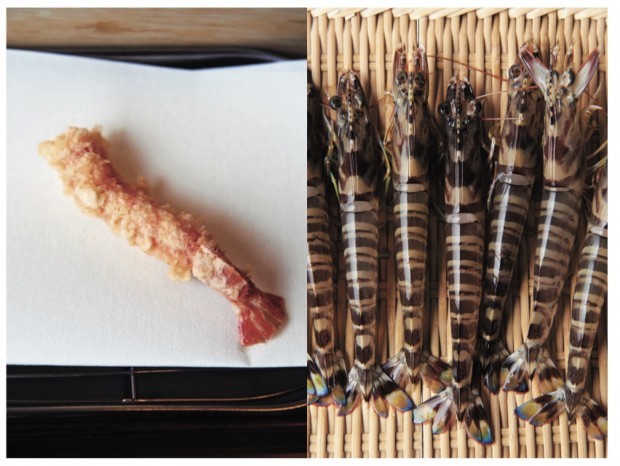
Tempuras are representative of Edo-style dishes. Originally, Edo-mae tempura meant frying fish and shellfish caught in Tokyo Bay. The clowns, kis, anago, ginpo, megochi, small pillars (the scallops of the idiot), etc. are the materials of Edo-mae. Above all, crux are essential to tempura. What size and which level you choose determines the tempura's personality. It is Tokyo's favorite to use round crabs for tempura. Tempuras that are most sensitive to their sweetness and texture are popular dishes that are immortal.
Click here for detailed instructions!
4 Orthodox Cabbage! Let's make the miso soup in Harajuku "Shiyoshi"!
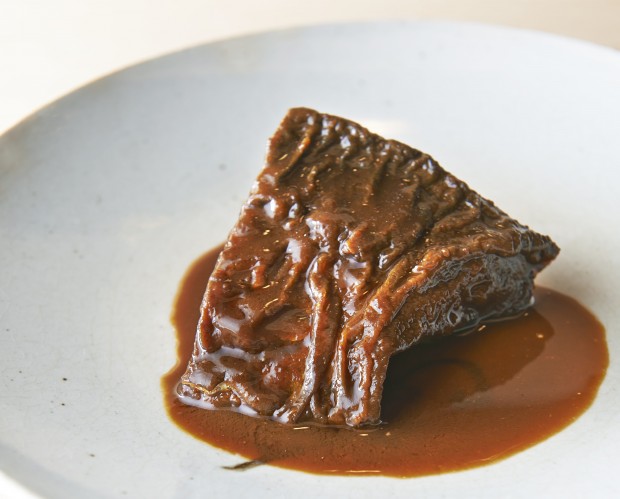
As for "heavy" near JR Harajuku Station, it is taught by people who love to eat, and the master, Kenzo Sato who has been loved by those people, has 40 years as a Japanese-style restaurant serving its own dishes. It has been operating beyond. Among various specialties, miso boiled in miso is a dish that seems to be "heavy yoshi". Speaking of persimmons, miso simmering is the standard, but the miso simmering of "heavy yoshi" persimmons is made in the way she was born after thinking what to do for people who are not good at eating food by Sato. You are It is a way of burning the rice cake with oil and simmering in "miso soup" for a long time.
Click here for detailed instructions!
5 Long established! Let's make curry rice of the famous store “Shiseido Parlor” in Ginza!
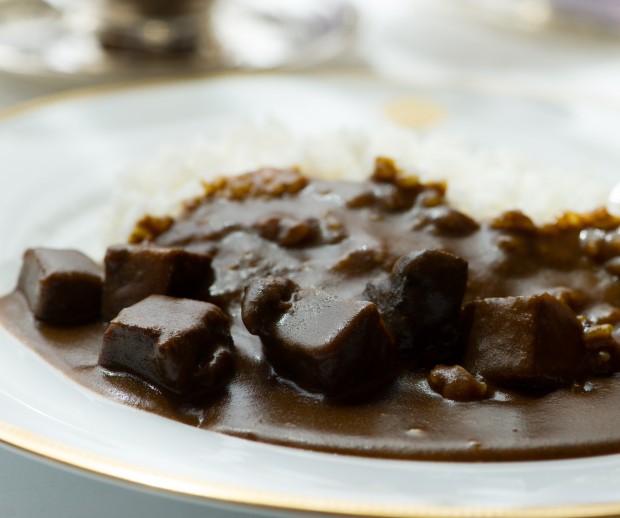
Shiseido Parlor has had curry and rice on the menu since it first began operating the restaurant in 1928. The menu at that time included "Tickin Curry Rice" and "Cully Rice." At that time, chicken was considered high quality, so the former was 70 sen, the latter with beef was 50 sen, and chicken curry was more expensive. By the way, the price of Una heavy is 60 sen in 1955, the movie is 40 sen, and the curry in the town's curry shop is 10 sen to 12 sen. Shiseido parlor's curry is about the same price as eel, which is a high-class curry. At Shiseido Parlor, a dark lou like the present was created in the middle of Showa. Meat and other ingredients are combined separately with heat and finally with curry sauce. Curry has been produced the same way for 40 years.
Click here for detailed instructions!
6 Let's make a borscht of Nihonbashi "Taimeken"!
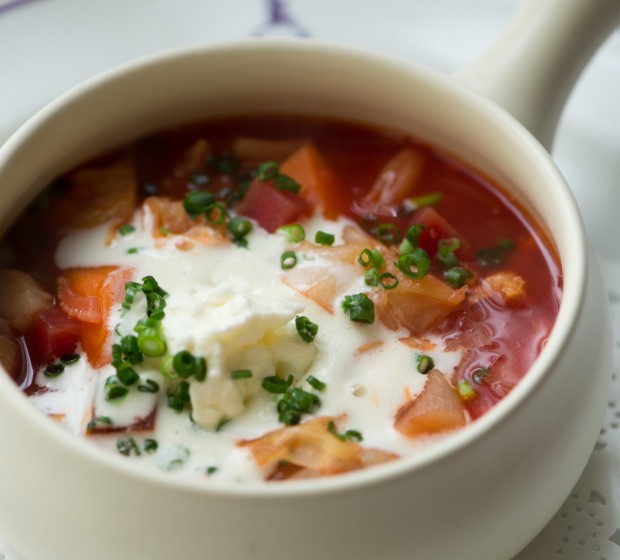
Tokyo Nihonbashi is a town that has prospered in commerce since the Edo period. There are well-established department stores, Haitora shop, and a bonito wholesaler. A long-established Western-style restaurant, Taimeken, which operates in a six-storey building, is a well-known store to which author Ikenami Shotaro also passes. The audience is wide ranging from children to the elderly, and on the casual first floor, nostalgic menus such as omelet rice and spaghetti napolitan are popular. Borscht and coleslaw, which can be ordered as a side menu, are being served for 50 yen. On the 2nd floor is a full-fledged Western restaurant, and on the 5th floor is a mochi museum that was founded by founder Komori Mogi.
Click here for detailed instructions!
My motto is "I'm serious about being stupid", and I am having fun and having fun every day.