






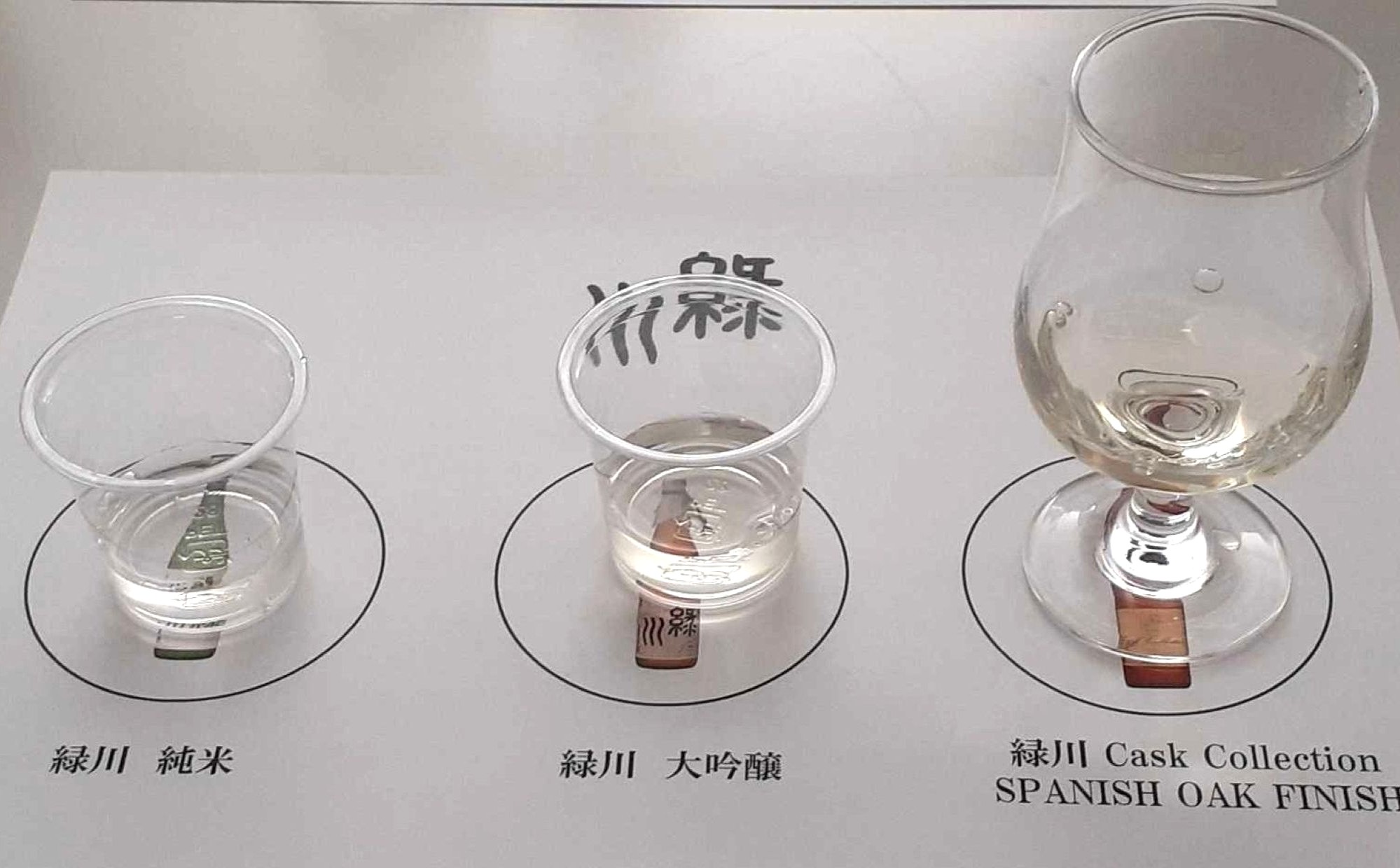
To the Land of Nostalgic Memories
Uonuma City, Niigata Prefecture. It is a world-renowned production area for rice. The ‘Uonuma Brand’ is so prestigious that even for the same variety of rice, those from here are treated as a grade above the rest.
The fact that the rice is famous simultaneously means that there is excellent jizake (地酒; local sake) to be found. ‘Midorikawa (緑川)’. Every time I hear the name of this celebrated Uonuma sake, I feel as if I am remembering a first love. On a day during my university years, while at a training camp in Uonuma during winter, the locals brought out a bottle from the snow and served it to us; it was none other than Midorikawa. Even now, more than 20 years later, I still remember how I—having just turned the legal drinking age two months prior—became captivated by my first taste of nihonshu (日本酒; Japanese sake) inside a kamakura (snow hut), while others smiled wryly and told me I should probably stop there. Midorikawa is, without a doubt, my origin point.
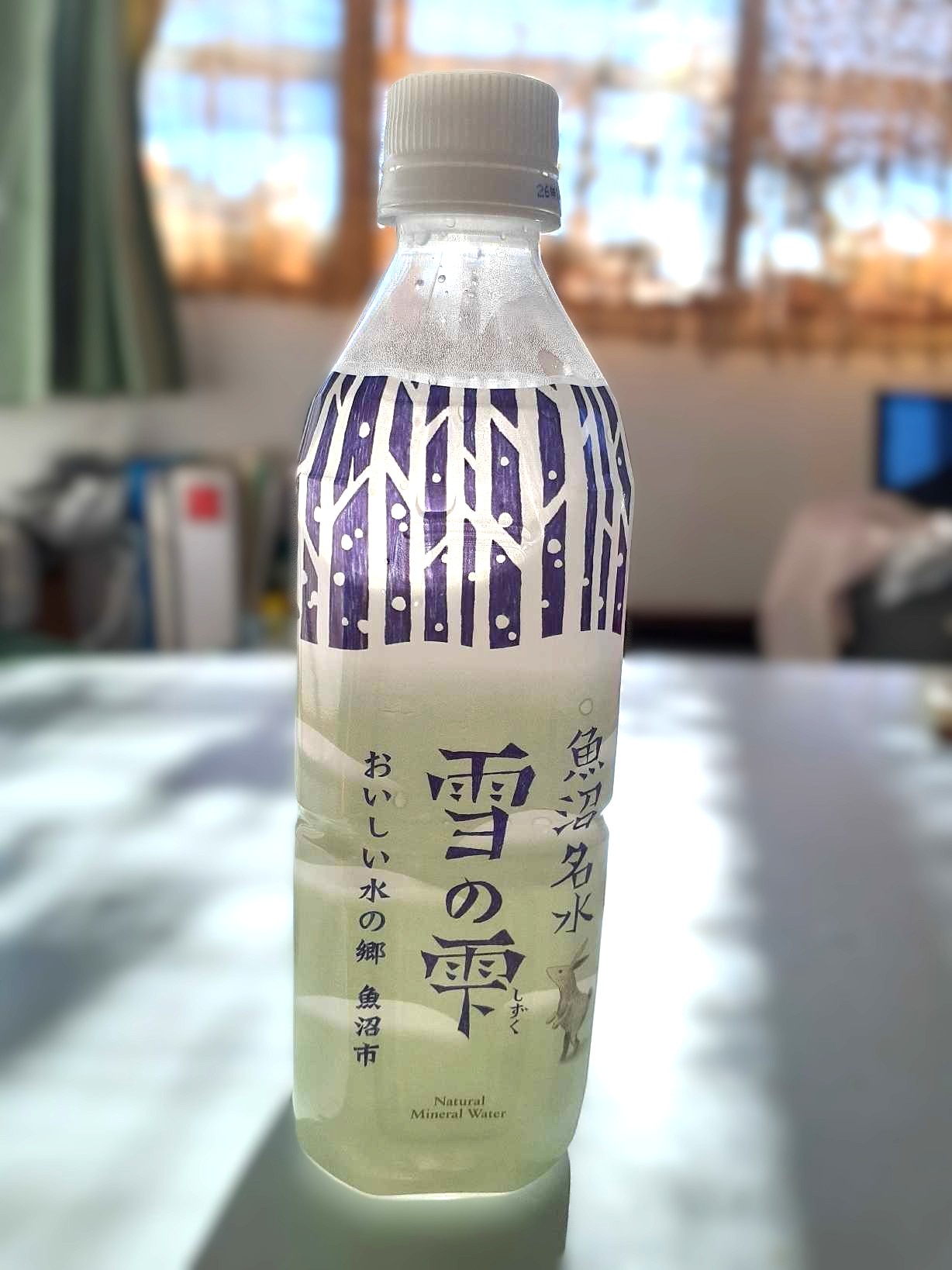
Visiting the Site: Midorikawa Shuzo
Midorikawa sake brewery (緑川酒造) accepts brewery tours for small groups of around four to five people. Mindful that this was a sacred workplace for its artisans, we stepped inside the facility.
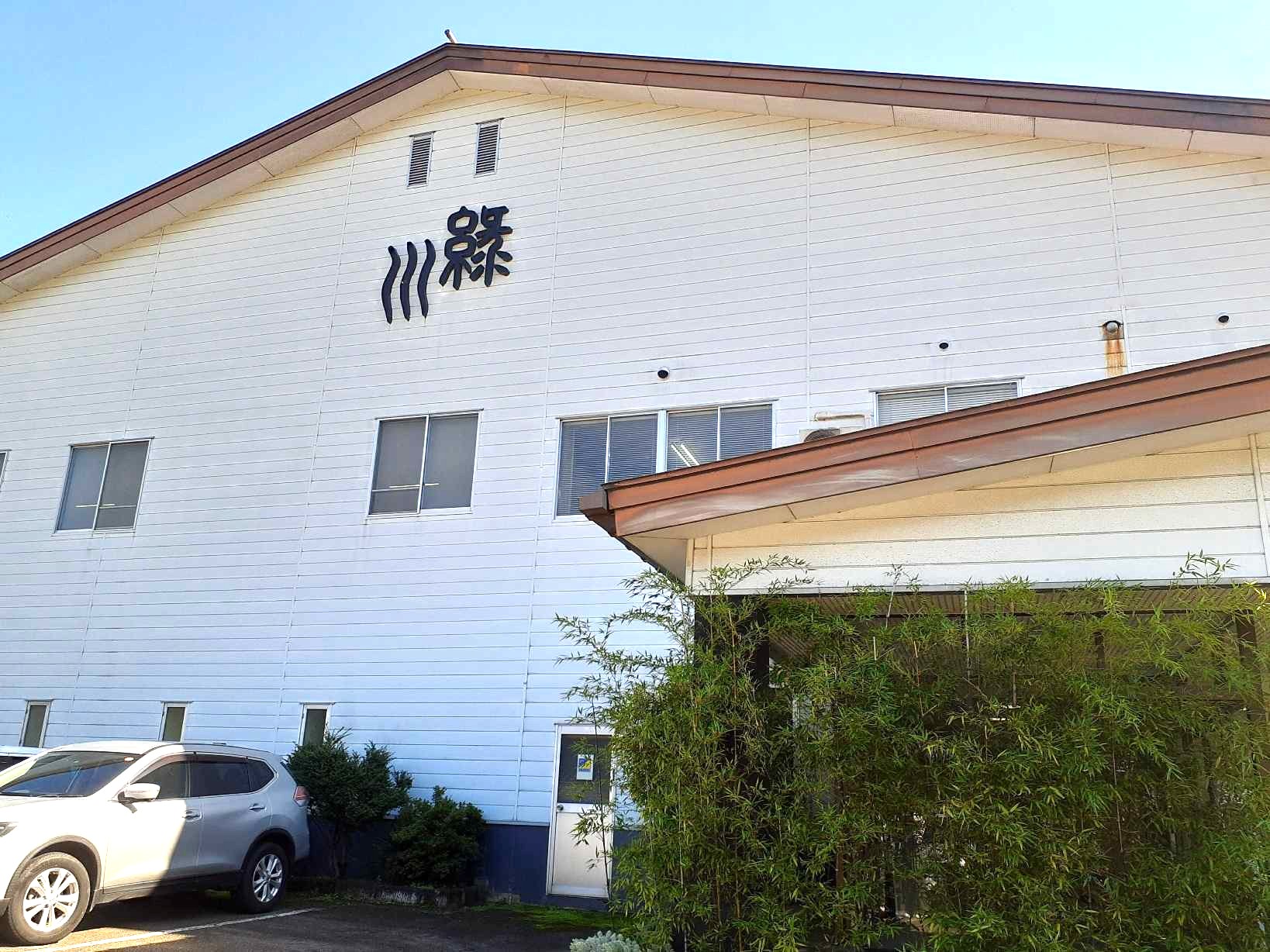
I am not sure if ‘cleanliness’ has a scent. However, a ‘scent of cleanliness’ wafted throughout every part of the factory. You might think that is only natural for a factory, but there was an indescribable presence felt there. Naturally, the visitor’s mind also becomes focused and sharp.
Beautiful. I cannot say exactly what or how due to my lack of knowledge, but that was the impression that came to mind.
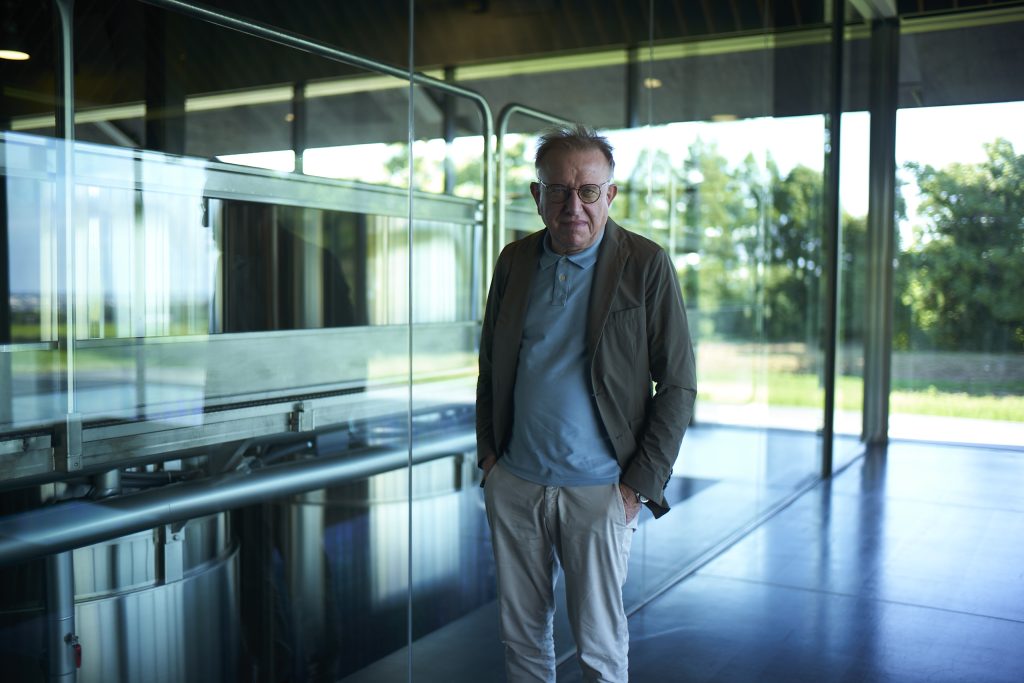
The person who guided me through the factory was the company’s next president. Beyond his straightforward attitude towards sake, I was impressed by the thorough implementation of ‘7S’ (a set of food hygiene management activities including sorting, setting in order, shining, and sanitising). “It has to be a clean environment, or it’s no good,” he said.
The tour lasted about an hour, but the character and spirit of Midorikawa Shuzo were clearly conveyed, and I felt a gentle sense of exhilaration, much like that of forest bathing.
Tasting Midorikawa, and Then…
After the brewery tour, I was given a special opportunity to taste three varieties. Midorikawa Shuzo only wholesales to specific shops, so purchases at the factory or via mail order are not possible, but this is the perfect way to find your preferred type.
Even though it is called Midorikawa, several varieties exist, and I felt a slight anxiety about my memory of ‘that taste.’ However, the moment I tasted it, I realised my fears were groundless. I remembered being told happily, “It’s quite extravagant for your first-ever sake to be a Midorikawa Daiginjo (大吟醸).” Ah, this is it. My “origin.” It is a certain memory, unlike the usual me who treats various memories like external storage and forgets them one after another.
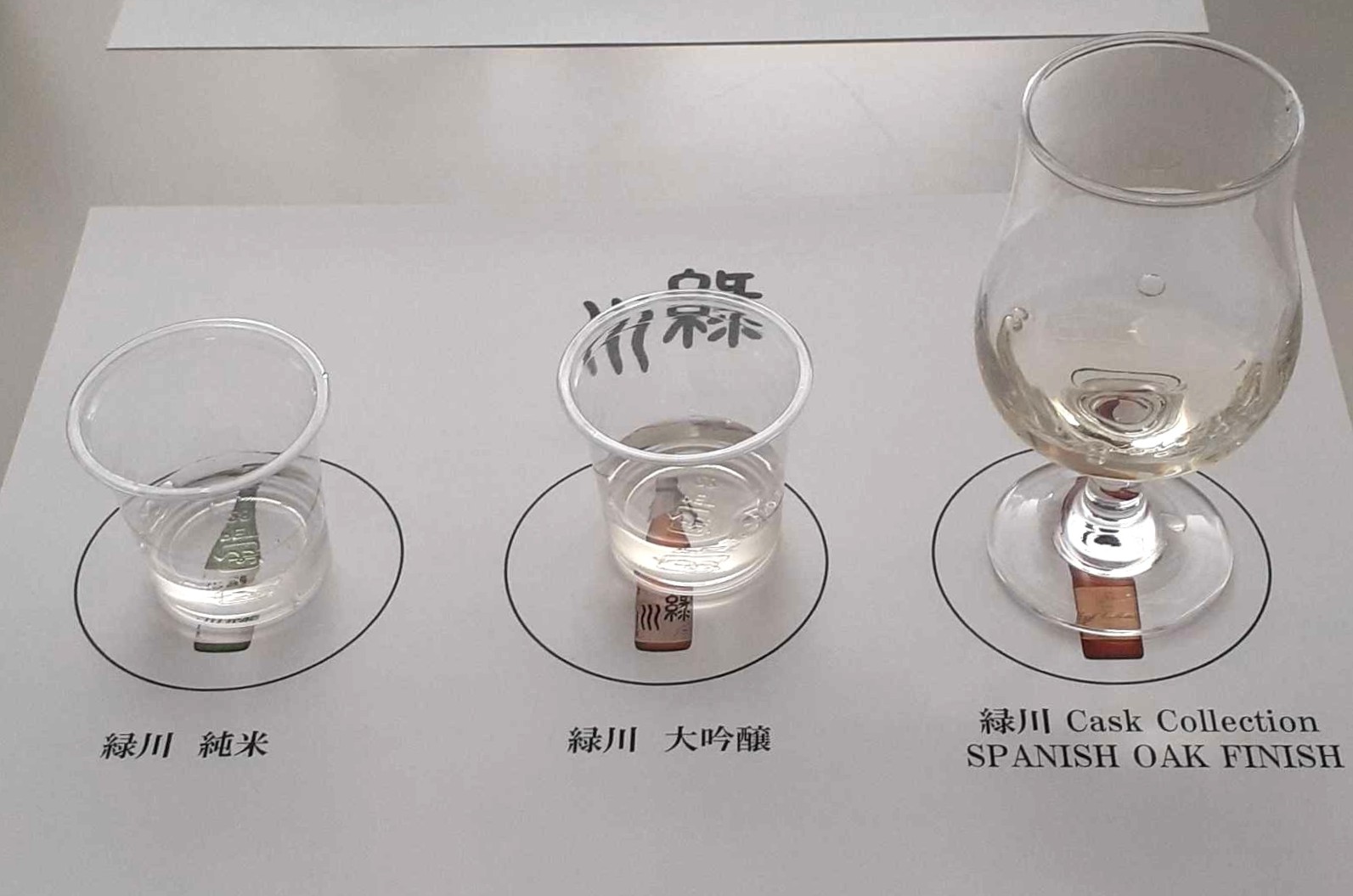
I tasted the three varieties repeatedly in order. It almost looked like crystal. A presence that is transparent, dignified, and possesses a firm core. The taste, in which conviction and pride can be directly felt, makes one feel as if they should straighten their posture. The lightness of the Junmai (純米), the glamour of the Daiginjo, and the smoky texture of the Spanish Oak. Although the expressions change, the core part is common to all. I was told that while the characteristics of the rice change slightly with each lot, the sake is strictly adjusted by the refined palates of the craftsmen so that the foundation of ‘Midorikawa sake’ does not waver. This is likely why it exists as a ‘basso continuo.’
Even if nostalgia lends its own gentle distortion, what I sense in this moment still feels true. There is a clear, quiet strength that can only come from those who face their work head-on with confidence in their craft. What I once described as a “crystal” quality in Midorikawa’s sake may, in fact, reflect the craftsmen themselves.
Midorikawa Shuzo (緑川酒造) Basic Information
Location: 4015-1 Aoshima, Uonuma-shi, Niigata 946-0043
Parking: Available
Opening hours: 9:00–15:00
Closed: Saturdays, Sundays, Public Holidays, etc.
https://www.niigata-sake.or.jp/kuramoto/midorikawa/
Brewery tours are free (Reservation required; capacity up to 4 or 5 people; group buses not allowed)
Phone: 025-792-2117
Interview Cooperation: Ojiya Kanko Bus Co., Ltd. (小千谷観光バス株式会社) http://www.ojiya-kanko.com
This article is translated from https://intojapanwaraku.com/travel/288660/