






A Sanctuary Comprising Two Shogu (正宮) and 125 Shrines
Nestled in the deep, verdant forests of Ise City (伊勢市), Mie Prefecture (三重県), Isejingu (伊勢神宮) enshrines Amaterasuomikami (天照大御神), the ancestral deity of the Imperial Family, and is considered an exceptional presence even amongst Japanese shrines. Officially, it does not bear a place name and is referred to simply as Jingu (神宮). It is a magnificent sanctuary of the gods, centred around two Shogu: Kotaijingu (皇大神宮) — commonly known as Naiku (内宮) — which enshrines Amaterasuomikami, and Toyouke daijingu (豊受大神宮) — or Geku (外宮) — which enshrines Toyouke omikami (豊受大御神), the guardian deity of food, clothing, shelter, and industry. These are complemented by a total of 125 shrines, including the surrounding Betsugu (別宮), Sessha (摂社), and Massha (末社).
Naiku and Geku — The Banks of the Isuzugawa River Discovered by Yamatohimenomikoto
Its foundation is said to date back roughly 2,000 years to the reign of the 11th emperor, Suinintenno (垂仁天皇). According to ‘Nihonshoki‘ (日本書紀), the imperial daughter Yamatohimenomikoto (倭姫命) journeyed through various provinces from Yamato (大和) to Omi (近江) and Mino (美濃) in search of an appropriate location to enshrine the deity Amaterasuomikami, before finally arriving at the lands of Ise (伊勢) that spread along the banks of the Isuzugawa (五十鈴川) river. Embraced by pure waters and abundant mountains and fields, this land was undoubtedly the place where the deity was meant to reside eternally.
In contrast to Naiku with this origin, Geku enshrines Toyoukeomikami, who serves as the Miketsukami (御饌都神) for Amaterasuomikami, and it is passed down that this deity was welcomed to Ise from Tanbanokuni (丹波国) during the reign of Yuryakutenno (雄略天皇). During the festivals of Jingu, rituals are conducted here prior to those at Naiku.
Shikinensengu Passed Down for 1,300 Years and the Philosophy of Tokowaka
An indispensable element in telling the story of Isejingu is the practice known as Shikinensengu (式年遷宮). Once every twenty years, the shrine buildings, including the main sanctuaries of Naiku and Geku, are entirely rebuilt, and the sacred object of worship is transferred alongside divine apparel and treasures. This grand ceremony was conceived by Tenmutenno (天武天皇) of the Asuka (飛鳥) period, and since its inaugural undertaking in the fourth year of Jitotenno (持統天皇) (690 AD), it has been passed down for over 1,300 years, overcoming interruptions caused by times of war. Despite being wooden structures, this system of perpetually maintaining a fresh, vibrant appearance conveys to the present day the concept of Tokowaka (常若) nurtured by the Japanese people since ancient times — a unique aesthetic whereby eternity is achieved through continuous rebirth.
The most recent, 62nd Shikinensengu was carried out in 2013, with the next scheduled for 2033. Even at this very moment, the procurement of sacred timber and the passing down of artisans’ skills for the next relocation are quietly underway.
The Oisemairi (お伊勢参り) That Enthralled the Common People
Throughout history, Isejingu has been deeply revered by the Imperial Court and samurai families, but as the Edo period began, this devotion spread vastly amongst the common folk. True to the saying, “Isho ni ichido wa Oisemairi” (Once in a lifetime, a pilgrimage to Ise), people from all over the country made their way towards Ise entirely on foot along the highways. In particular, Okagemairi (おかげ参り) — where millions of ordinary people surged towards Ise all at once, as if by mutual agreement — is known as a groundswell of spontaneous mass pilgrimage rarely seen in Japanese history.
A Journey into Two Thousand Years of Prayer
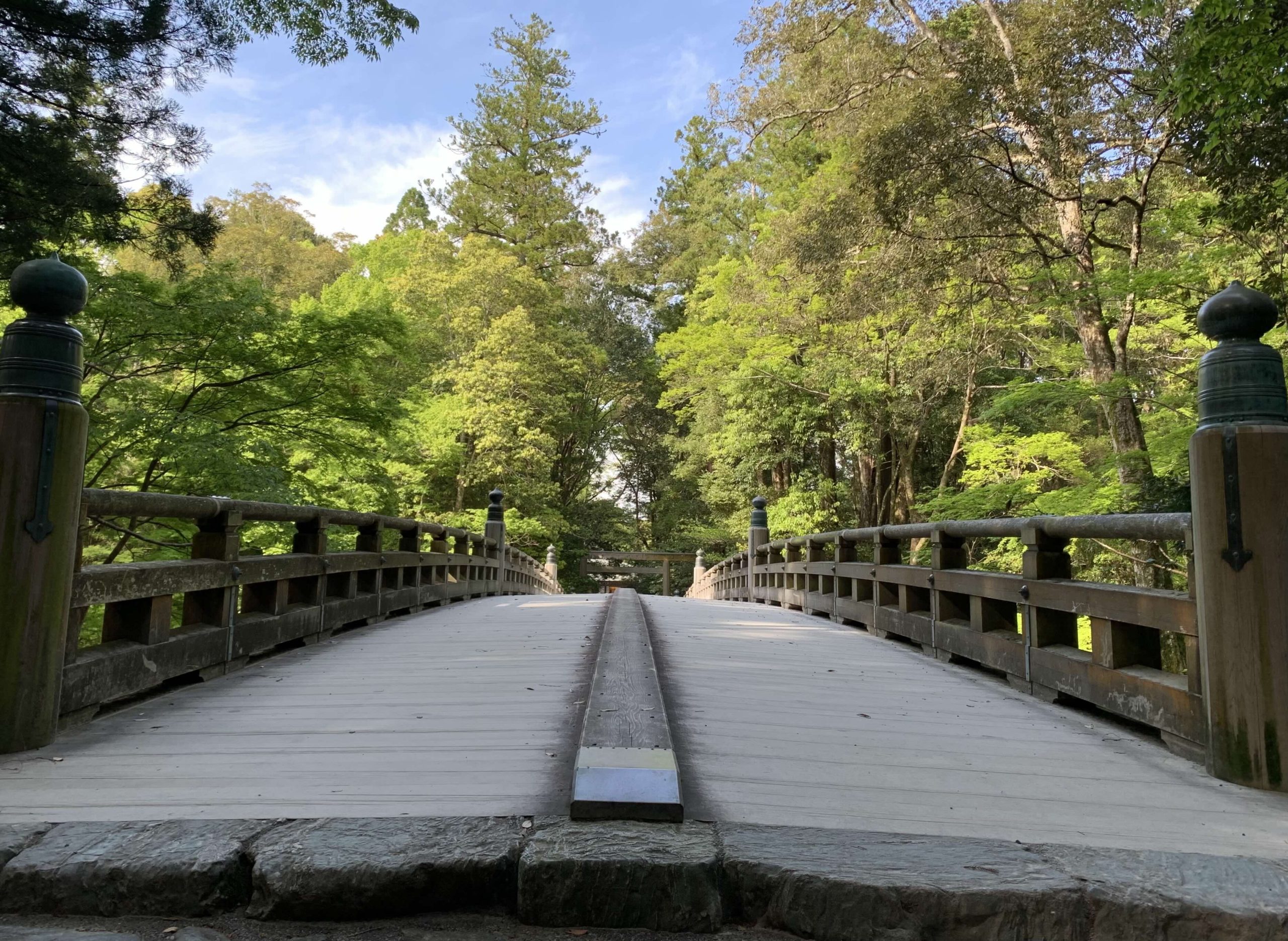
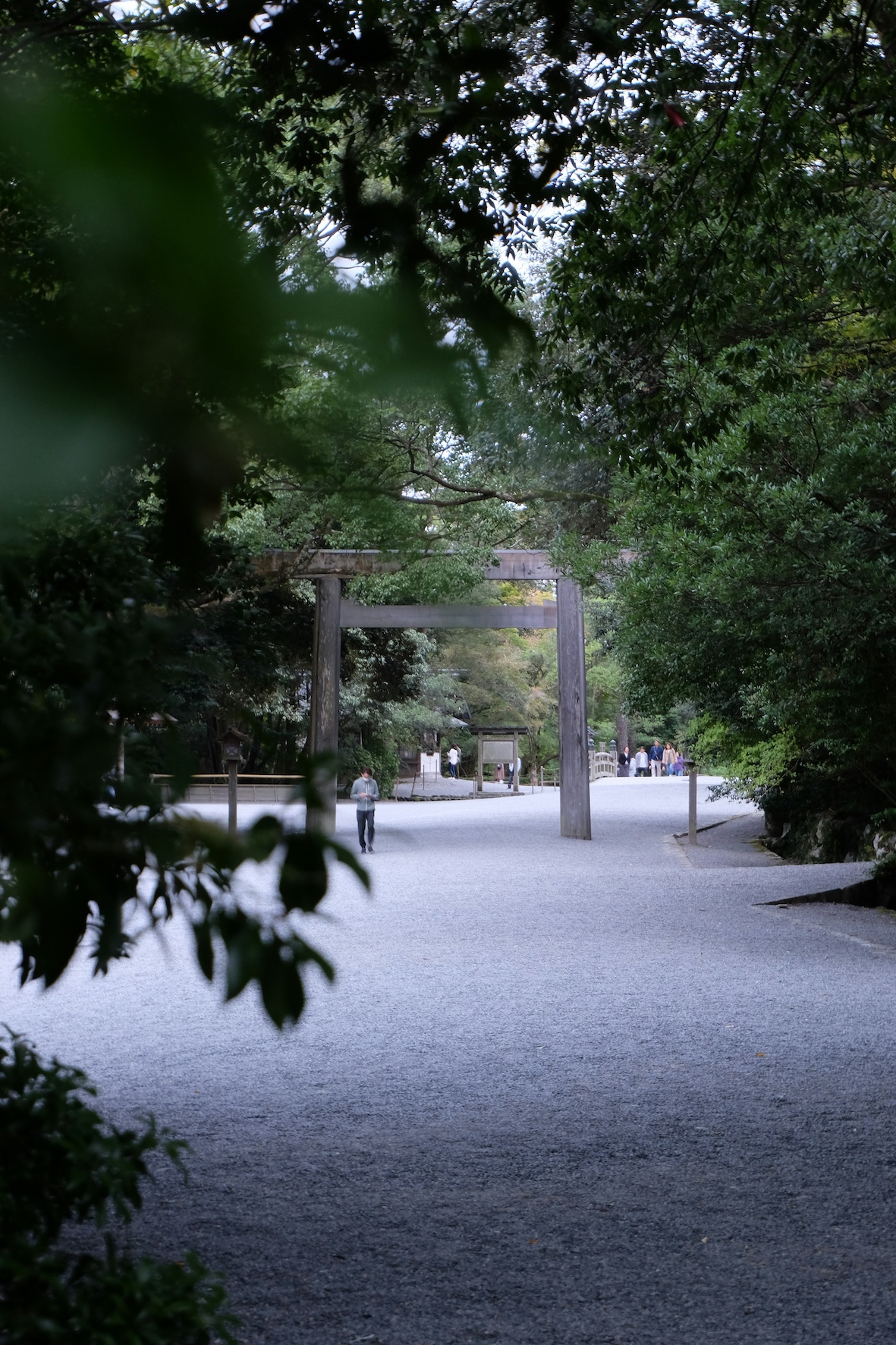
To this day, Isejingu welcomes over seven million visitors annually, continuing to captivate vast numbers of people. Crossing Ujibashi (宇治橋) at Naiku, listening closely to the murmuring of the Isuzugawa river, and walking along the approach lined with giant cedar trees — this is a time to quietly connect with the spirit of nature worship and regeneration that has been passed down over two thousand years. For travellers visiting from overseas as well, it will undoubtedly be a truly special experience.
Isejingu Overview
Location
Naiku:1 Ujitachicho (宇治館町), Ise City, Mie Prefecture
Geku:279 Toyokawacho (豊川町), Ise City, Mie Prefecture
Visiting hours: Varies monthly in accordance with sunrise and sunset (Roughly: from 5:00 am to around 6:00 pm)
Admission: Free
Enquiries: Jingushicho (神宮司庁) 0596-24-1111
Access
To Geku
Alight at Iseshieki (伊勢市駅) on the JR Sangusen (参宮線) or the Kintetsu Yamadasen (山田線); approximately a 5-minute walk. Upon exiting the ticket gates, Gekusando (外宮参道) — lined with long-established traditional sweet shops and fine dining restaurants — will draw you straight towards the sacred precincts. It is also within walking distance from Ujiyamadaeki (宇治山田駅) on the Kintetsu line.
To Naiku
Approximately 15 minutes by Miekotsu (三重交通) bus from either Iseshieki or Ujiyamadaeki; alight at Naikumae (内宮前) and it is right there. A circular bus also operates between Geku and Naiku, allowing you to visit both shrines with ease. By car, it is approximately 5 minutes from Isenishi IC (伊勢西IC) on the Isejidoshado (伊勢自動車道).
This article is translated from https://intojapanwaraku.com/culture/314417/