













"Japonism" which spread around Europe in the late 19th century. The most influential person is Katsushika Hokusai. Why did the artists of the world get enthusiastic about Hokusai? We look back on modern and western art history.
In Europe at the beginning of the 19th century, Chinoiserie, which was influenced by Chinese art and crafts, was infused as a new aesthetic. On the other hand, Japanese art in the same period was hardly known, partly due to the influence of the secular state.
In the late 19th century, a copperplate artist Blackmon living in Paris makes an unexpected discovery in his friend's print shop. The buffer material for porcelain that came from Japan was how "Hokusai Manga" was.
The original drawing of the "picturebook" drawn by Hokusai for his masters of drawing works is so exotic and shocking, and Blackmon is the greatness of "Hokusai Manga" Fuzz over a friend acquaintance. Parisian artists came to know Japanese unique art expressions through Hokusai.
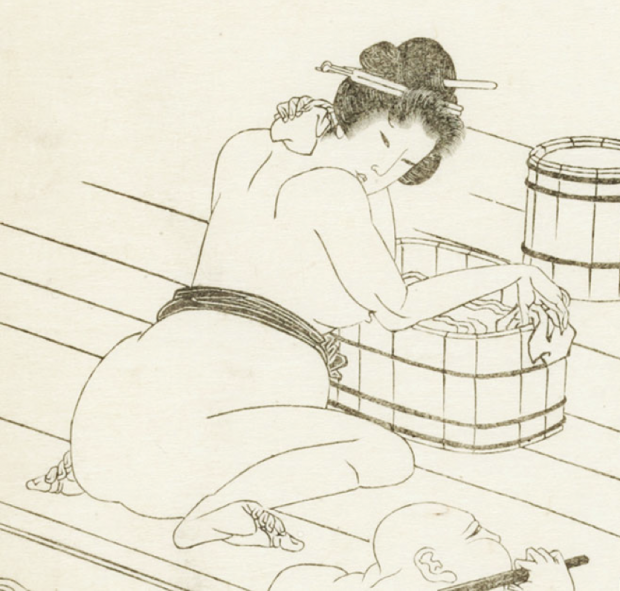 Katsushika Hokusai "Hokusai Manga" Twelfth Edition (part) Tenpo 5 (1834) annual Urakami Shido
If you follow the origin of Japonisme or Impressionism, Art Nouveau, "Hokusai Manga"? !
Furthermore, the Edo shogunate, Satsuma Tansu and Saga Tansu traditional crafts and Ukiyo-e exhibited from Japan at the Paris World Expo in 1867 captures the hearts of people in Europe, and their awareness of Japanese art has changed dramatically. Especially the impact given by Ukiyo-e was huge.
Because the Ukiyo-e woodblock print, represented by Maki-e, is an art expression by printing unique to Japan, and multi-color printed material itself was rare abroad at that time.
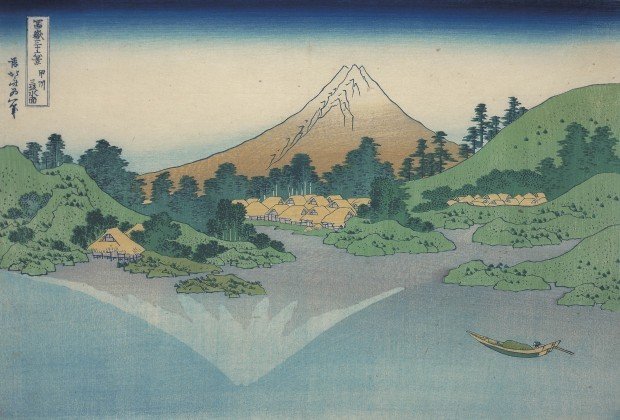 Katsushika Hokusai "Kosan 36 views Koshu Misaka water surface" Horizontal large format picture Yamaguchi Prefectural Museum, Urakami Memorial Hall
Besides, the design is just something that no one has ever seen. In particular, it is the composition and color of ukiyo-e that surprised the painters of those days.
Asymmetry (left / right asymmetry), blank space for nothing drawn, bold composition that enlarges or cuts out a part of the object, and bright and contrasting colorful color expression are far from the common sense of Western painting Encounter with the unknown. It was received with an honest surprise.
In this time France, the teachings of the art academy established by Louis XIV in the 17th century are still regarded as gold medals, and the subject of the painting is limited to myths, Bibles, literary works, and based on accurate drawings, background It was not recognized other than the drawing method to write in detail.
In the age of modern art in this age-old art style since the Renaissance period, painters who find beauty in the lifestyle and nature of Ichii appear.
Ukiyo-e, a copy of Edo's ordinary people's life, is a thing that fundamentally transposes the concept of classical Western painting to them, and while being reminiscent of a novel Japanese style of art, embraces Ukiyo-e and embraces its characteristics in its own creation It will be.
The forerunner was Manet, who is called the father of modern paintings, and Impressionist painters such as Monet, Degas, and Cezanne. Gogh, Gogan, and Lautrec who followed it also began to announce works devoted to Ukiyo-e one after another, and include not only painters but also sculptors, craftsmen and musicians.
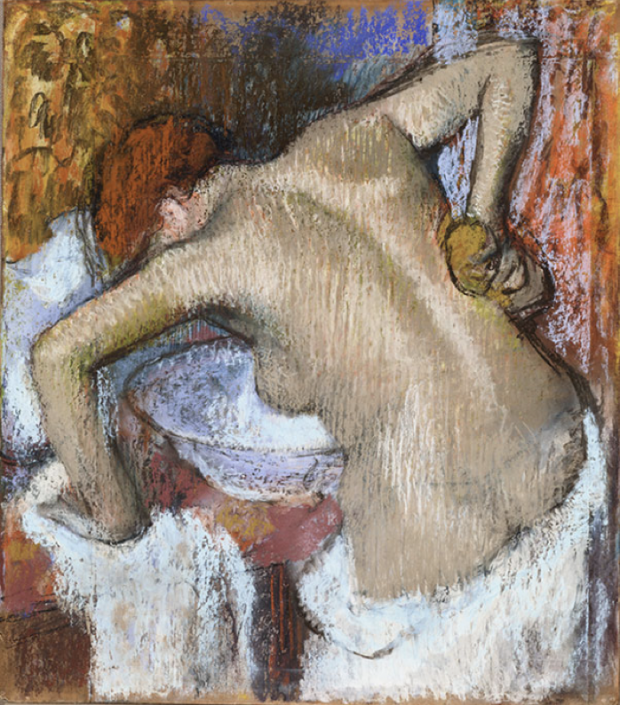 Edgar Degas "Woman wiping back" Pastel, paper (carton attached) 1888-1892 National Museum of Western Art, donated by Ryusaburo Umehara
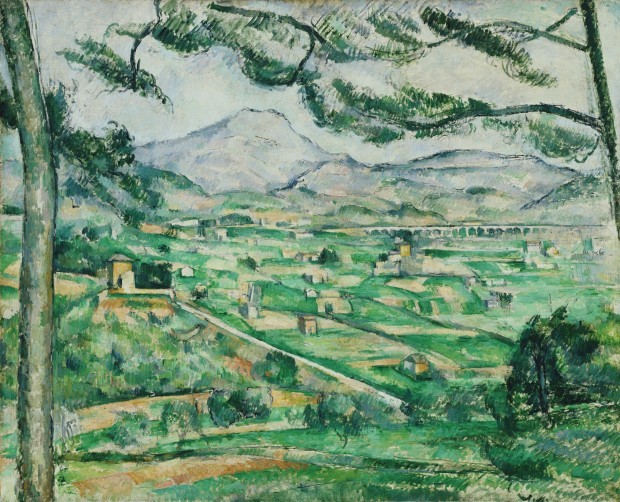 Paul Cézanne "Saint-Victoire" oil painting, canvas Phillips collection, Washington D, C,
The new style that starts with Ukiyo-e, which they have been promoting, is completely different from the object of the foreign-interest-like interest until then, and it starts to call a boom called "Japonism".
Starting from France, this Japonism spreads to Europe and America in a short time, and in the field of decorative arts, it develops into the "Art Nouveau" (new art) movement. In the late 19th century, modern Western art in the late 19th century led to an epidemic that could not be described without Japonism.
Following the origins of Japonisme, Impressionism, and Art Nouveau, there is a picture example including "Hokusai Manga", and in the process of its development, Mt. Fuji represented by "Kanagawa Oki Nami" called "Onami". We can not overlook influence of Makie such as consecutive work "Sakai San36 scenery" of. Their creator, Katsushika Hokusai, is a revolutionary in modern Western art. The name is also widely known today as a great Japanese person who colored the world history.
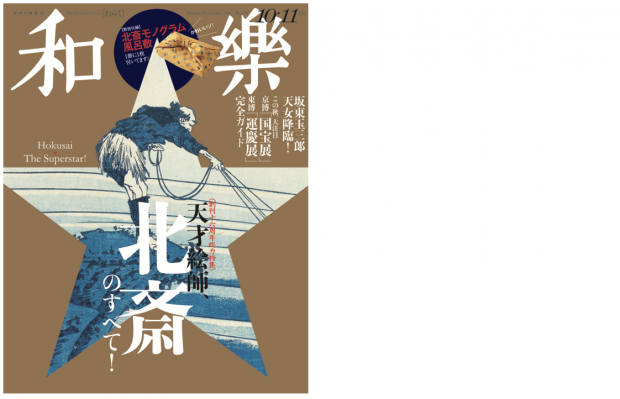
2017 October / November issue is on sale
My motto is "I'm serious about being stupid", and I am having fun and having fun every day.