









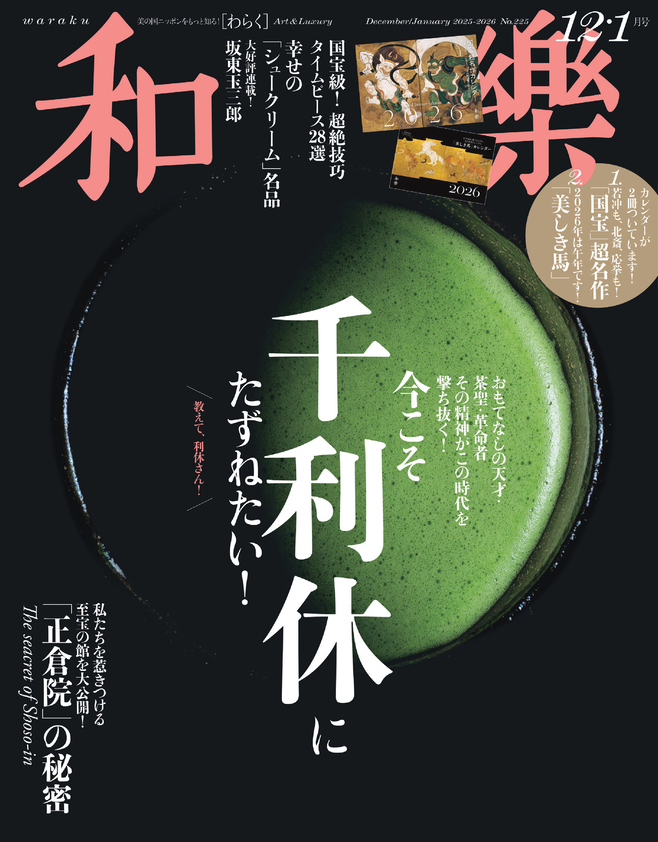




Dr. Donald Keane talks about Japanese beauty a lot!
Dr. Donald Keene, who has been introducing Japanese culture to the world as a leading researcher in Japan, reached its 95th birthday in June this year. I love Japan and have studied Japan for over 70 years. Immediately after the Great East Japan Earthquake in 2011, while many foreigners were leaving Japan, they expressed their gratitude to Japan and decided to acquire Japanese citizenship, saying, “Now, I want to be Japanese.”  Mr. Keen's postscript, Demon of Kynaru Narumon (Keundnaldo).
Since then, Keen, as a Japanese, has continued to speak and write in "Kazui". And still, I am living a life devoted to writing with passion. In order to commemorate the 95th birthday, I have put together the precious sentences and photos that I sent to "Waifu" in a book entitled "Wakai Mook Donald Keene". Let's introduce the contents by digest. 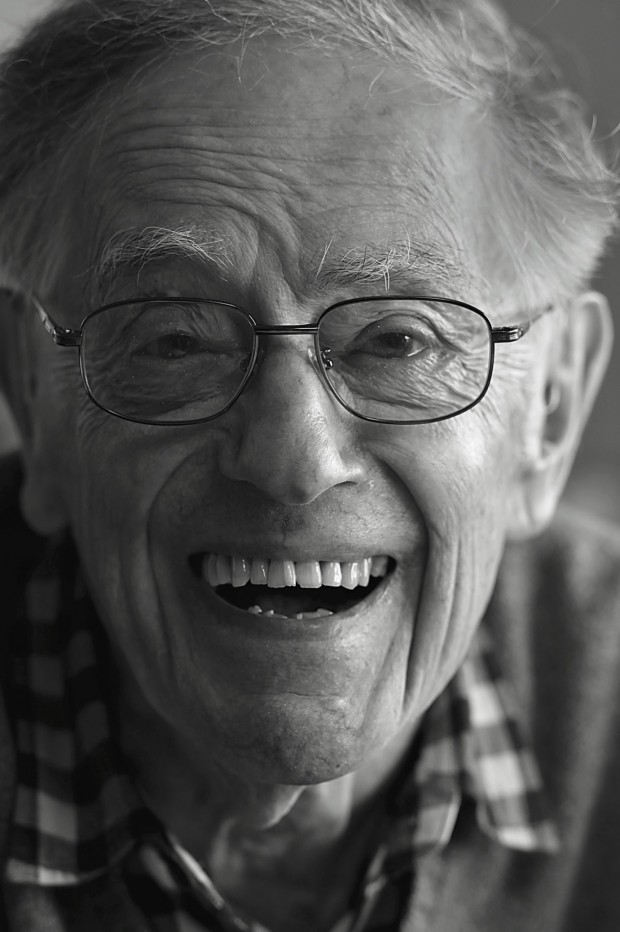 Keen Sensei, just 95 years old. Born in New York on June 18, 1922. Professor Emeritus of Columbia University. He is a leading figure in Japanese literature and Japanese culture research, and he is highly regarded for his achievements in introducing Japanese culture to the West in many respects. He was selected as a cultural service person in 2002, and was awarded the Medal of Culture in '08.
What kind of person is 95 years old of the knowledge giant, Dr. Donald Keene?
The "Wasaku Mook Donald Keene", which has been released this time, is a global Taito of Japanese cultural studies, and the life and all the charms of the intellectual giant Donald Keane who introduced many Japanese literature to the world in one volume I'm stuck. The first chapter is a large study by Dr. Keen. The story of the traditional performing arts that I learned to learn more about Japanese culture and the exchange and research with the great writers of modern literature. Furthermore, my favorite music and pottery, charming everyday life, etc. Very attractive. It is a must see!
It will be gradually led to Japan by a strange encounter ...
Keen, born in Brooklyn, New York City's family's family in 1922, introduces Japanese culture to the world through the study of classical Japanese literature and thought, traditional arts, and the translation of contemporary artists, and at the age of 86 the Medal of Culture Receiving. Finally I acquired Japanese citizenship and became Japanese. Well, how was it led to Japan? In the first chapter of the Mook released this time, the steps to become a knowledge giant are described while intermingling with pleasant episodes. 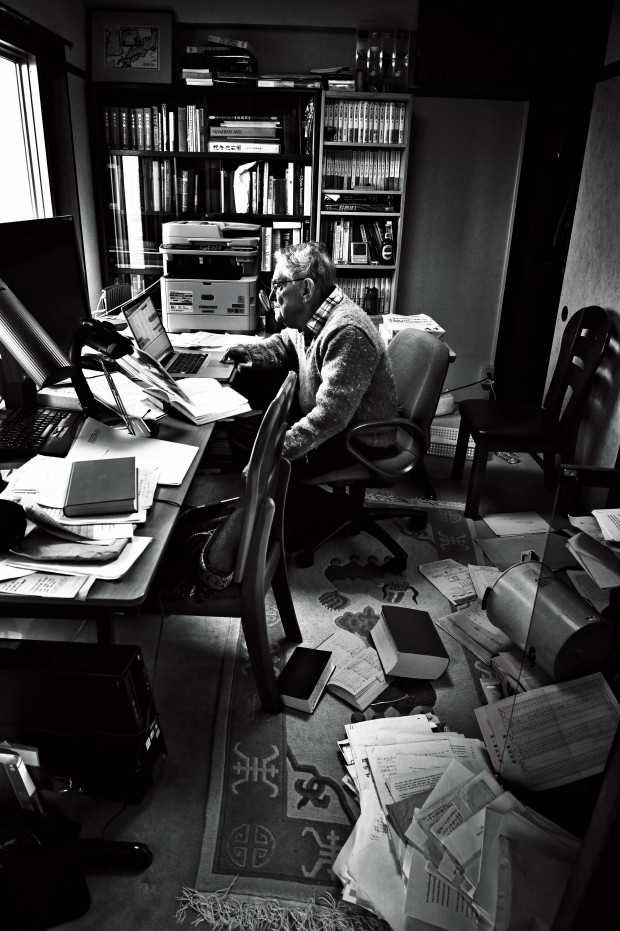 Mr. Keen headed to the desk in his study at home. On the floor is a large Han-Japanese dictionary of Ryohashi Ryoji. The green of the old Furukawa Garden spreads out of the window. "For me working in a room all day, the green of the trees seen from the window is a valuable asset," smiles.
For example, at the age of nine, Keen, who knew that his father had traveled to Europe for work, kept crying for three hours when he wanted him to be with me. It was a great success. "When I get hurt or I don't get what I want, I immediately cry. But I have never cryed even as a child." He cried for three hours, so his father gave up. When I stayed in Paris on this trip, I couldn't talk to a French girl of the same age as the daughter of my father's friend, and "I was desperate to know that I wanted to understand her somehow, only I knew" Monk Jack "I've got you". This was the first time we received revelation that we must learn foreign languages.
When Keane was 18 years old, Nazi Germany was rampant in Europe, and it was the darkest time for anti-war Keen. At that time, the English version of "Genji Monogatari" I accidentally got in a bookstore. I was drawn at once into the beautiful world and turned around to escape from all the nasty things that surround me. And I thought that I wanted to know more about Japanese literature and that I should know.
At the age of 19 he began to learn Japanese, and when the Japanese army attacked Pearl Harbor in Hawaii and started the war, he knew that there was a Japanese language school in the navy and he was preparing candidates for translation and interpretation, and the US Navy Keen teacher who entered Japanese language school. After 11 months of receiving special training in Japanese, I will be dispatched to Hawaii to translate documents related to the Japanese army acquired by the US military, read Japanese diaries, read questions of Japanese soldiers, and question and interpret Japanese prisoners of war. Japan became acquainted with Japanese POWs through interrogation in POW camps, held concerts in a shower room with good acoustic effects for POWs who wanted to hear classical music, and dropped in Tokyo in the burnt field after the end of the war to make Japan I used to send letters to my family about the letter from POWs. 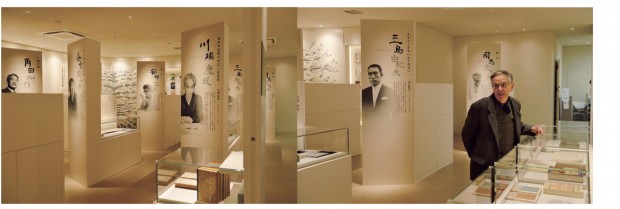 A section of a person picture book that introduces exchanges with unforgettable writers at "Donald Keen Center Amagasaki" in Amagasaki City, Niigata Prefecture.
At the age of 24, he returned to Columbia University and wanted to study Japanese literature again, and eventually became a professor at Columbia University, and visited Japan annually to deepen his studies of Japanese literature and introduce many Japanese literary works to the world. You Yukio Mishima, Yukitaro Shiba, Yasunari Kawabata, Kobo Abe (Abe Kobo), Junichiro Tanizaki (Tanizaki Jyunichirou), and other well-known writers and writers Keen who had a close relationship with "Right after the war, when I was studying in Japan, it was the golden age of Japanese literature. At the time, no one thought so, and most people complained (laughs). Despite having a well-rounded and rich culture of Japanese literature, it seems that even these clumsy writers and literary artists have allowed Keen to keep in mind, due to this warm and dignified personality.
Keen, I think of Japan and Japanese culture! teach! Get angry!
Keen's many recommendations, which came out because he loved Japan and became Japanese, are always exciting and rich in suggestions for us Japanese. Even in the case of “Wondon Mook Donald Keene”, sometimes he is full of love, sometimes he is strict, and he talks about the finesse and problems of Japanese culture. It conveys the passion for the memorable Kyoto, the "Genji Monogatari" that is the starting point of Japanese culture research, the former residence of the great writer, Junichiro Tanizaki, and the world-famous Bunraku.
Kyoto
Why are people in the world attracted to Kyoto?
Living in Kyoto on a young day, I am now wondering why Keen, who serves as the Honorary Tourism Ambassador to Kyoto, is fascinated by the world now. It is said that Henri Stimson who will become the US Army Secretary later visited Kyoto with his wife and fell in love with the beauty of Kyoto in 1931. 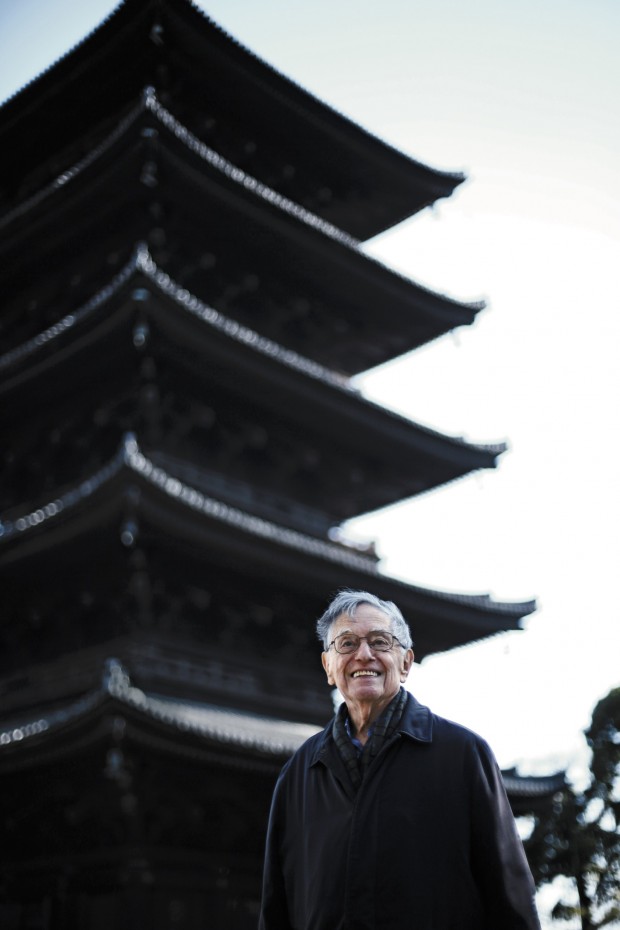 Keen is a teacher who wants to stop at Toji when he goes to Kyoto.
When the Americans tried to target Kyoto to the atomic bombing, Army Chief Stimson blocked that they should never drop in Kyoto. ... the beauty of Kyoto saved Kyoto. In addition, Mr. Keen talked a lot of humor in this mook about why foreigners like Kyoto.
Bunraku
Save the Japanese heritage of Bunraku!
In 2012, when Toru Hashimoto, the mayor of Osaka at the time, stated that he would subsidize the Bunraku Association for "subsidy from the masses," he would love Bunraku "I'm the most beautiful Japanese art in the world, and Bunraku is a world-class culture," said Keen. 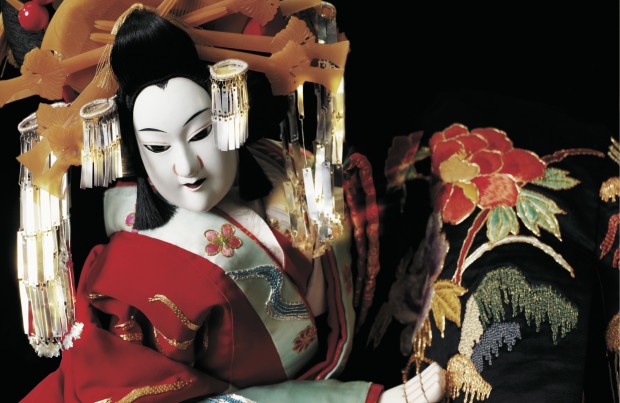 A beautiful castle doll from the “Danpo Warriors Record of Akoya's Dankai Akoya Kotomeme no Dan”.
In addition, he told me how to enjoy Japanese traditional culture and traditional performing arts while sharing episodes when I first saw Bunraku about 60 years ago and my own experiences. "It's hard to make good things and it's hard to appreciate, but once you taste them, you can enjoy the best treasure for the rest of your life," says convincing words.
Tale of Genji
Encounter with lifelong research theme "Genji Monogatari"
It was a book, The Tale of Genji, that used to awaken 18-year-old Keane adolescents to Japanese literature. A translated book by a genius translator Arthur Weiley who accidentally found it at a bookstore in Times Square in New York City. In 1940, Europe was in the midst of war, and there were only cruel articles in newspapers, and it was a dark era. 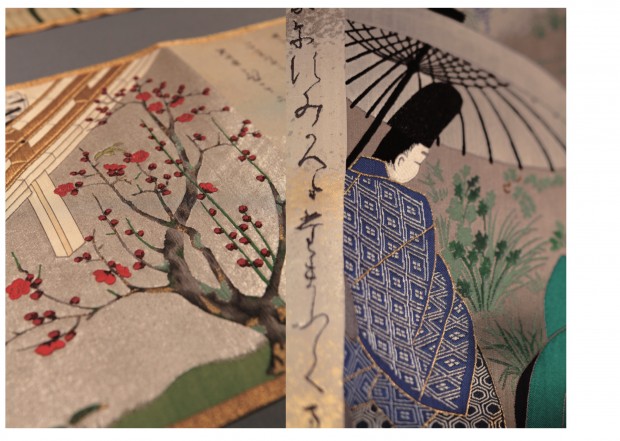 "Genji Monogatari Saori woven over a period of nearly 40 years until his death at the age of 105, until Mr. Nishitaro Nishiguchi (Yamaguchi Chitaro), who is also fascinated by the" Genji Monogatari ", died at the age of 105. While looking at Emaki, I asked Keen to talk about the Tale of Genji.
There were no bloody battles in the "Genji Monogatari" that I met at such times, and people who just lived for beauty were drawn, and I was drawn into the world at once. "Genji Monogatari" was the saving of Keen. For over 70 years, please read the charm of "Genji Monogatari" read repeatedly in the words of Mr. Keen!
Tanizaki
Imagine Junichiro Tanizaki in a beautiful Japanese house.
The former residence of the literary master Junichiro Tanizaki, "Sekishontei" [at that time, Sakai], is still on the side of Kyoto, Shimogamo Shinto shrine "Teasu Forest" It is carefully preserved. A beautiful Japanese house that moved and lived for seven years and loved for seven years. 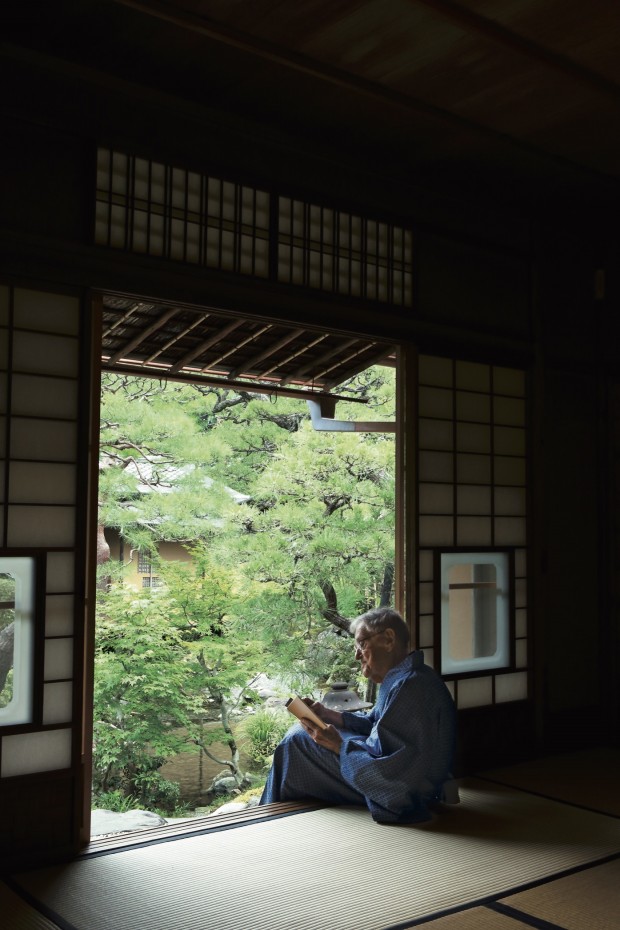 The yukata that Mr. Keen is wearing was given to Tanizaki at one time.
In the masterpiece 'The Bridge of Dreams', the state of the garden and the room is clearly drawn as 'Goin'. Mr. Keen first visited this Tanizaki residence in the summer of 32 in 1929. Having sent the English translation of my friend's Siden sticker, my relationship with the Tanizaki and his wife began. Please enjoy Mr. Keen's thoughts when you revisited the former Tanizaki residence for the first time in about 60 years.
See Mr. Keen's wonderful daily life!
Keen is an honorary professor at Columbia University and a recipient of the Medal of Culture. Even though he is a famous scholar, his face is very charming. Every issue is delivered as a popular series, "Donald Kearn Daynride", but with the Mook released this time, it is a wonderful place to read the series together. Attention is also paid to the first public treasure photo!
We collected valuable contributions from the series "Kinenmon Hatoride".
Mr. Keen currently lives quietly in an apartment in Kita-ku, Tokyo with his adopted son Seiki. The windows of the study offer a panoramic view of the lush greenery of the old Furukawa Garden, and the neighborhood has a frosted Ginza shopping district that is convenient for daily shopping. And in a two-minute walk, there is a silent temple called “Murioji” that reminds me of the old silence and beauty, and under the beautiful double cherry blossoms of that one stroke, the charming Shouling ( Jul) was built. And I am more and more energetic Keen. 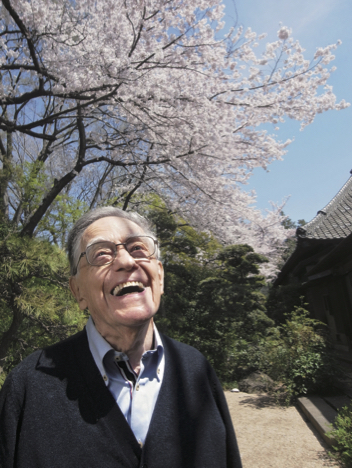 Mr. Keen, who is more and more energetic, builds Shou Ling in a nearby massless temple.
In such a day-to-day, I have you write and spell (cont.) What Mr. Keen felt and valuable memories for "Wan," and serialized from 2 years ago titled "Kinen Naruto. The essay 11 episodes and travel story 2 episodes are recorded without leaving as the third chapter in this "Wasaku Mook Donald Keene".
Japanese culture, a story about a diary written about diary literature, an excellent literary genre unique to Japan. You can see how much Keen loves music. 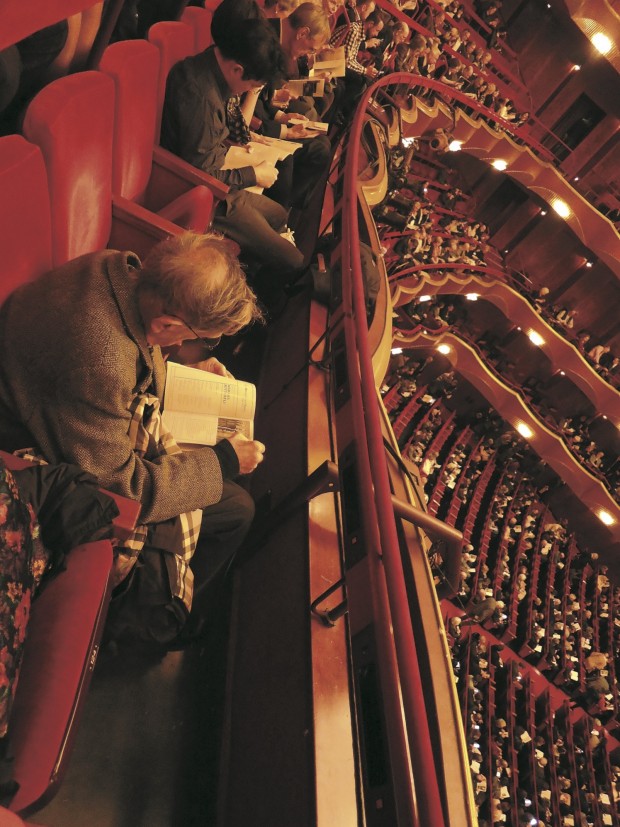 Keen is awaited to perform the opera "Manon Lesco" at the Metropolitan Opera.
Mr. Keen, who dedicated his life to the study of Japanese literature, wrote about the teacher who respects the most <My teacher of Japanese literature, Tsukada Yanagi (Student), The joy of films and plays that spelled films that I liked as a child, Japanese films, Noh, Kyogen, and Bunraku. <Life-long home> shows that Keen senses when he chooses a home and sees the encounter with the current home. Looking for a new world at the age of 93, she traveled to New York and Italy, met her old friends, and enjoyed the theater <Keene Sensei's New York and Italy travel book>. 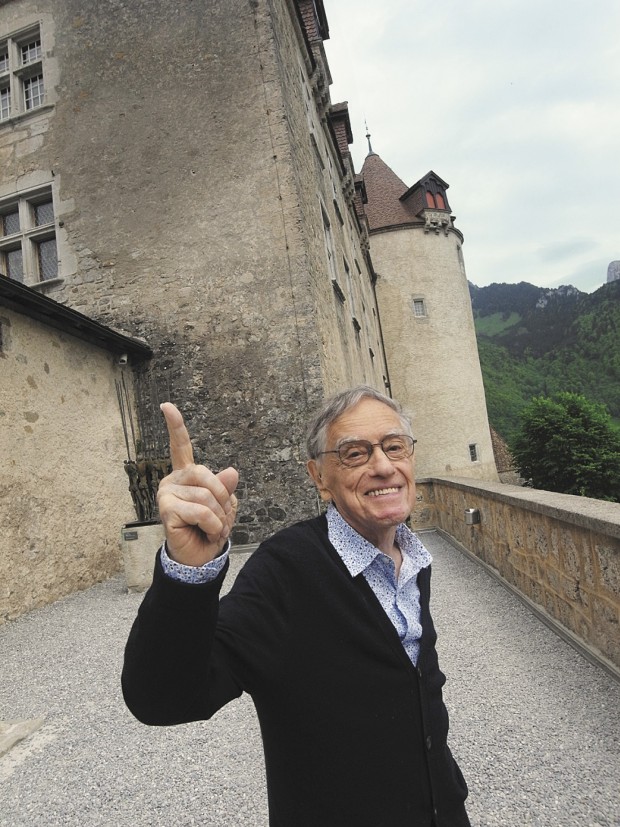 Climb the stairs of Castel Sant'Angelo in Rome and enjoy Rome from the roof. I do not think that 92 years old!
<Karuizawa no Uta> that wrote memories of Karuizawa, a summer resort that always goes in summer. To defend the beautiful Japanese culture who criticized the Abe administration of economic priority and utilitarianism from the head on, and hoped that no war would occur. When cooking Keen Sensei's favorite dishes and specialties, make sure to look at the cookbook "COOK BOOK", and you can see a glimpse of everyday life like cooking and cooking. At the age of 94, I spent three weeks in Portland and New York, "The American Journey of Prof. Keane". Keen made a decision to fill the bones in the massless temple that is frequented by legs, became a majestic house and became a Shingon sect, and spelled out about the time when he built the tomb. In 1945, when she first noticed the beauty of antiques, she found a rare story of a person who met in China after the war in China and antiques, not yet written about it. Meeting with It is a content that is responsive to reading.
Keen-sensei's real face taken by Seki, adopted by her son, who lives with him always travels, looks so lively and happy. It is also the charm of this Mook that the wonderful wonderful daily life of Mr. Keen can be seen from such many photographs. 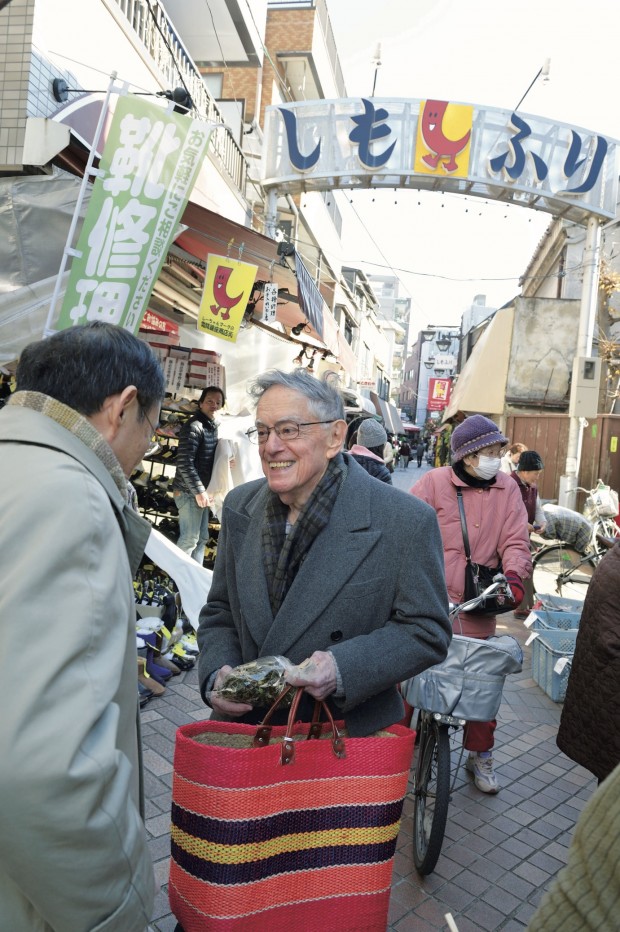 This is also a dinner shopping with your adopted son, Seiki, in the nearby Hoshino Ginza shopping district.
Must read! "Wasaku Mook Donald Keene" very popular now on sale!
For those who want to learn more about Keen Sensei and Japanese culture!
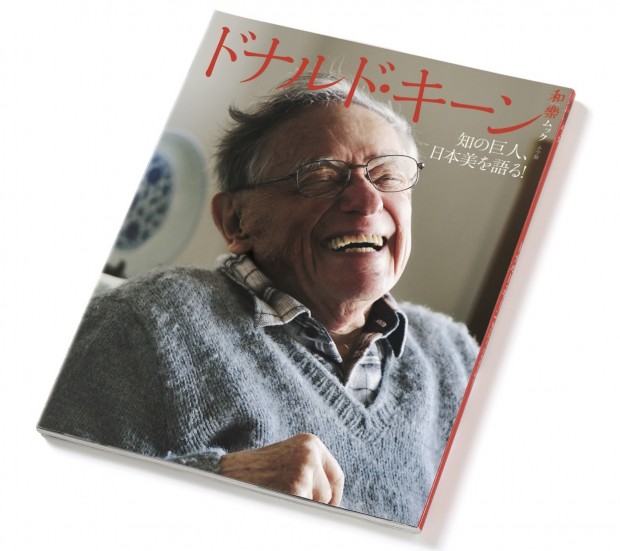 Kazuo Mook Donald ・ Keen talks about the beauty of Japan, the beauty of Japan! Price 2,400 yen (excluding tax) Shogakkan
Dr. Donald Keane born on June 18, 1922. Released in commemoration of the 95th birthday, “Wanshu Mook Donald Keene” is composed of Chapters 1 to 5 and is the life, daily life, work, etc. of the masters of global Japanese cultural studies. , The charm is summarized briefly. Because I became a Japanese, I strongly advocate for the present Japan more, and sharply comment on various Japanese cultures and traditional cultures. In addition, thoughts about traditional arts such as the transformation of Kyoto and Bunraku are hotly spoken.
The fourth chapter is a collection of entertaining and radical dialogues with three fellow Japanese people in Japanese culture. First of all, I am the writer Setouchi Hajime (Setouchi Jakucho). Both were born in 1922, and had deep exchanges with other writers of Japanese literature, and even when I visited Jakuan in Kyoto, Kakino, I had an endless conversation with Yukio Mishima. After a valuable meeting which can only be discussed by the two members connected by a deep and deep relationship, I publish a round-trip letter that the two men who were 93 years at the time exchanged.
Furthermore, Kazumi Murose (a painter of human national treasures) talked about "the Japanese sense of beauty in Japanese literature and crafts". In addition, visit the studio of the human national treasure dyer Shimura Fukumi in Kyoto and visit the materials of the dye and the first dye of the aigame (aigarame) with a keen tour of the traditional weaving, making it a 90's active duty Are talking hotly.
Another attraction of this book is the many photographs of Keen's cheerful and charming face. Please enjoy the expression that the giant of knowledge shows and the message for loving and strict Japan in this book.