






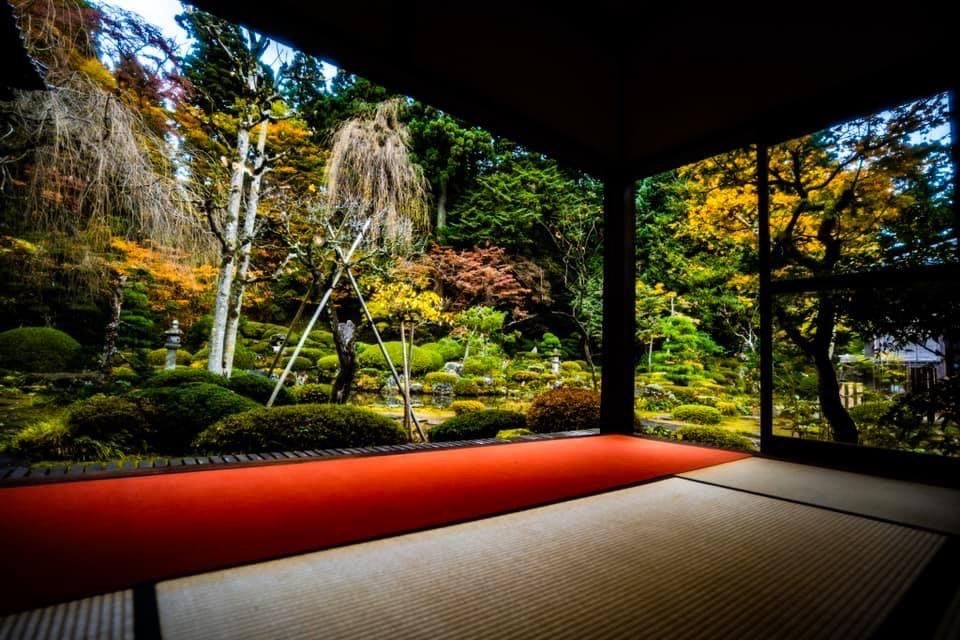
[Hokkaido]
A Japanese Garden Sweeping Across the Northern Landscape: ‘Manabe Teien’ (真鍋庭園)
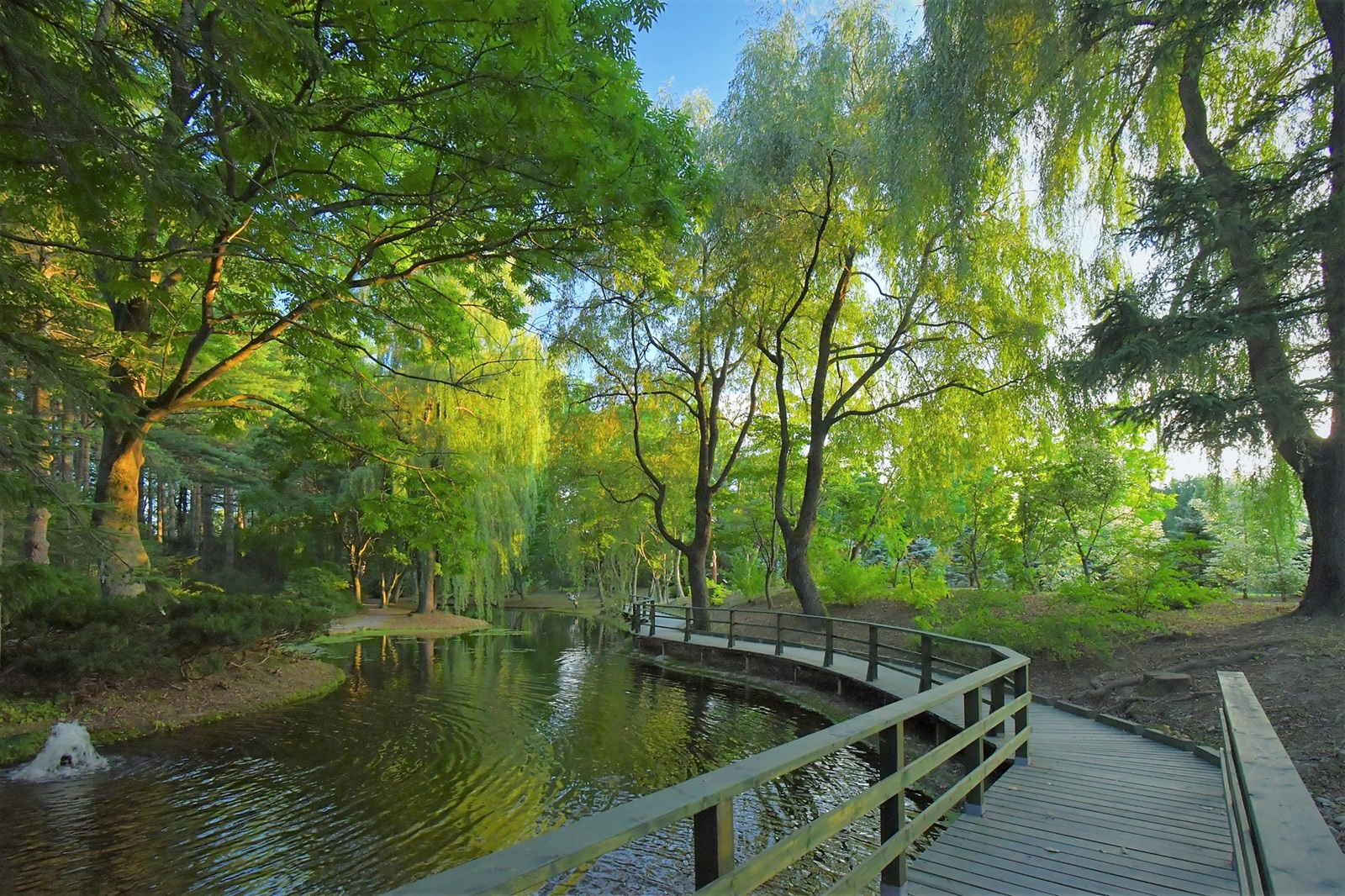
Manabe Teien is located on the Garden Route connecting Taisetsu (大雪) and Tokachi (十勝).
There are three kaiyushiki (回遊式; strolling style) themed gardens—Western style, Japanese style, and landscape style—planted with tens of thousands of trees.
The ‘Shinshokaku’ (真正閣), a historic pavilion once used by the Crown Prince during his gyokei (行啓; royal visits) to Hokkaido in the Meiji and Taisho eras, has been relocated to the Japanese garden, which features a pond.
It has been open to the public since 1966.
●Garden Info
Style: Chisen-kaiyushiki teien (池泉回遊式庭園; Strolling-style garden with a central pond)
Address: 2-6 Inadacho Higashi, Obihiro-shi, Hokkaido
Official Website: http://www.manabegarden.jp/
[Aomori Prefecture]
A Meiji-era masterpiece, expressing three forms of beauty, ‘Shin, Gyo, So’ (真・行・草): ‘Seibien’ (盛美園)
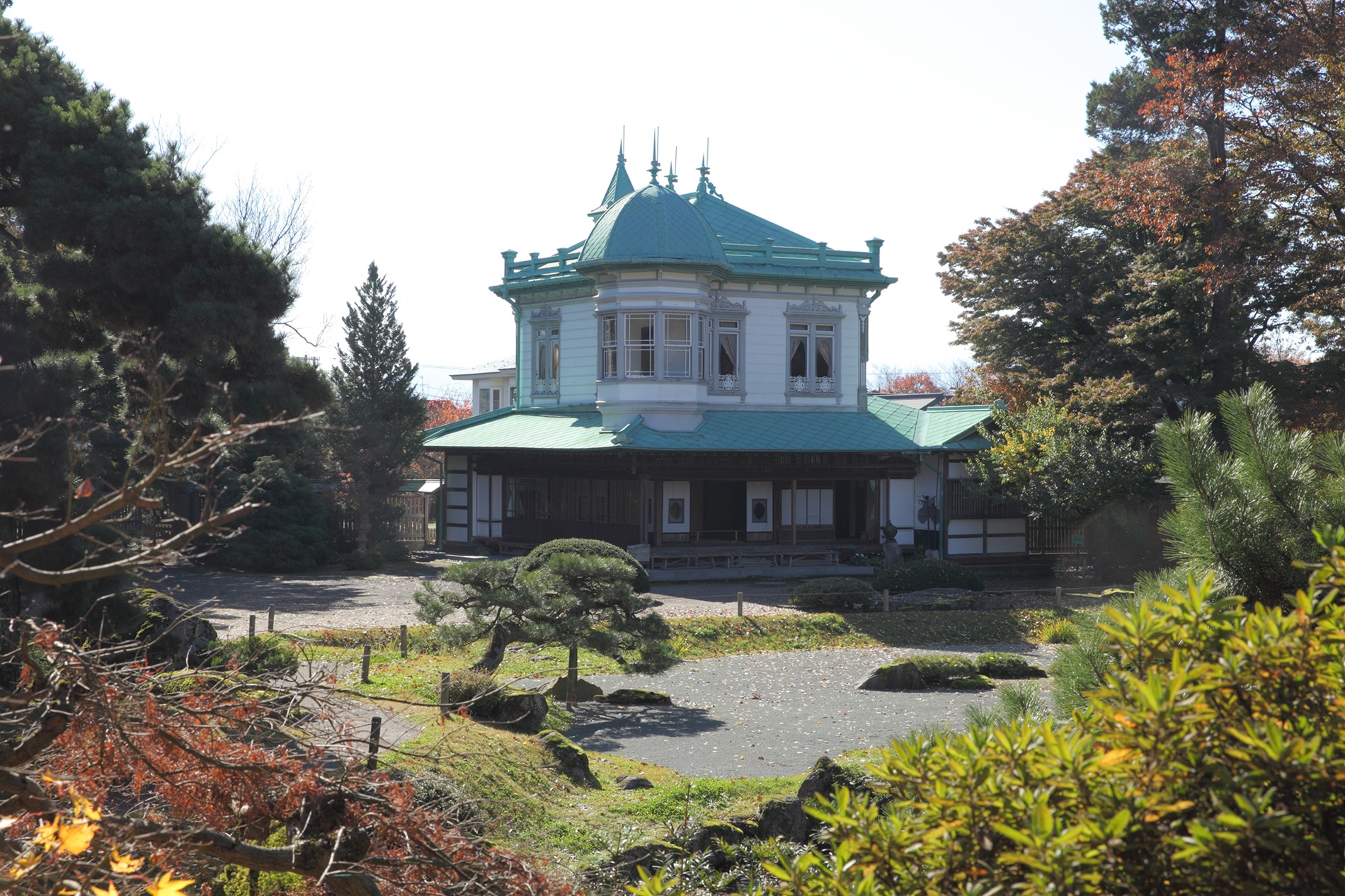
This garden, created by the second-generation head of the distinguished Seito (清藤) family after studying traditional gardens and architecture in various regions and inviting the garden designer Obata Teiju (小幡亭樹), was completed in the Meiji era, in 1911.
It consists of three parts—shin, gyo, and so (formal, semi-formal, and informal)—and arranges a tsukiyama (築山; artificial hill) and a hiraniwa (平庭; flat garden) around a central pond.
The fusion of the traditional Japanese garden with the Seibikan—a pavilion built in the eclectic Wayo-Secchu (East-West) style—makes this a masterpiece truly representative of the Meiji era.
●Garden Info
Style: A two-tiered stroll garden with a chisen (池泉; pond) and a kareike (枯池; dry pond)
Address: 1 Saruka Ishibayashi, Hirakawa-shi, Aomori Prefecture
Official Website: http://www.seibien.jp/
[Akita Prefecture]
The Magnificent Juxtaposed Landscape of a Pond, a Western-style Building, and a Giant Lantern: ‘Kyu Ikeda-shi Teien’ (旧池田氏庭園; ‘Honke Teien’ 本家庭園)
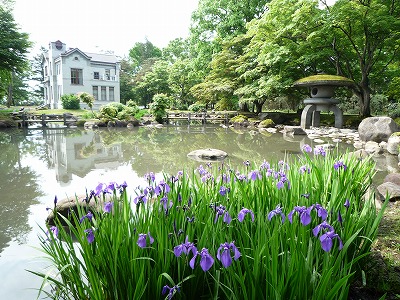
Designed by Nagaoka Yasuhei (長岡安平), who is praised as the father of modern landscaping, the garden of the Ikeda (池田) family, a distinguished local family, was commenced at the end of the Meiji era and completed in the Taisho era.
On the vast grounds of 42,000 square metres, which feature a yakuimon (薬医門; a type of traditional gate) made entirely of keyaki (欅; zelkova wood) as the main gate, there stands a 4-metre-tall yukimidoro (雪見灯籠; snow-viewing lantern) and the prefecture’s first two-storey reinforced concrete Western-style building, centred around a pond.
It is open to the public three times a year: early summer, summer, and autumn.
●Garden Info
Style: Chisen-kaiyushiki teien
Address: 1 Takanashi Oshima, Daisen-shi, Akita Prefecture
Reference Website: https://www.city.daisen.lg.jp/archive/contents-7577
[Iwate Prefecture]
A Pure Land Garden Based on a Gardening Book from the Heian Period: ‘Motsuji Jodo Teien’ (毛越寺 浄土庭園)
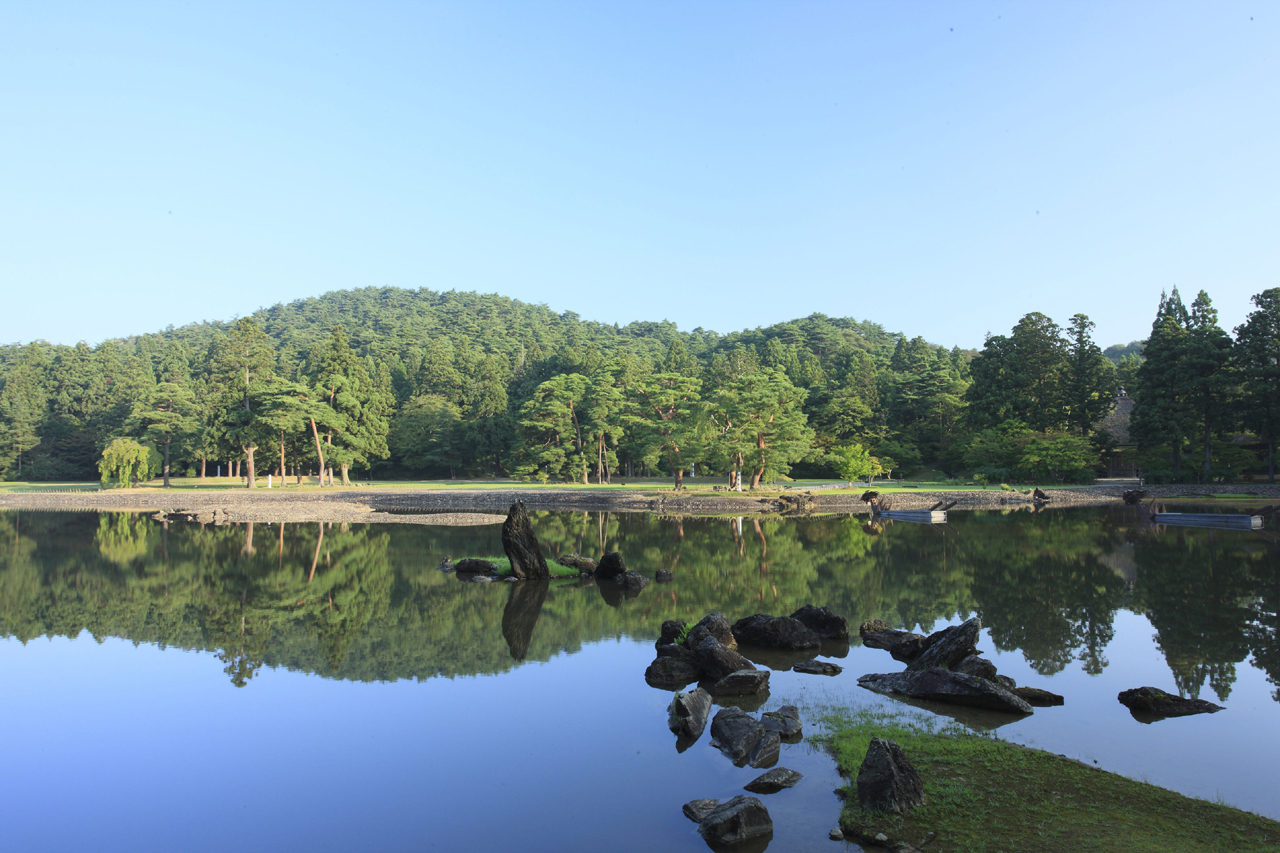
A Jodo teien (浄土庭園; Pure Land garden) that features a suhama (州浜; pebble beach) around the pond, stones decorating the foot of the bridge, and a karesansui (枯山水; dry landscape) style tsukiyama, based on Japan’s oldest gardening book, the Sakuteiki (作庭記).
More than 800 years after its landscaping in the Heian period, it still creates a magnificent landscape in harmony with the surrounding mountains and the trees within the temple grounds.
●Garden Info
Style: Jodo teien
Address: 58 Hiraizumi Osawa, Hiraizumi-cho, Nishiiwai-gun, Iwate Prefecture
Official Website: https://www.motsuji.or.jp/
[Yamagata Prefecture]
A Garden at the Foot of Mount Haguro (羽黒) Filled with Natural Waterfall Water: Gyokusenji temple (玉川寺)
An ancient Zenshu (禅宗; Zen sect) temple established at the foot of Mount Haguro during the Kamakura (鎌倉) period.
The garden was created in the 1450s, 200 years after the temple’s founding.
The garden located on the east side of the main hall is a stroll style centred around a chisen stone basin that collects waterfall water.
In addition to the nakajima (中島; central island) with a bridge and tateishi (立石; standing stones), the wide variety of flowering trees—so numerous that it is called the “Temple of Flowers”—is also a highlight.
Amongst them, the clusters of kurinso (九輪草; Japanese primrose) in early summer are rare even on a national level.
●Garden Info
Style: Chisen-kaiyushiki Horai teien (池泉回遊式蓬萊庭園; Horai style strolling garden with a central pond)
Address: 35 Haguro-machi Tamagawa, Tsuruoka-shi, Yamagata Prefecture
Official Website: https://gyokusenji.or.jp/
[Miyagi Prefecture]
One of Tohoku’s Leading Zen Gardens Overlooking a Three-Storey Pagoda: ‘Rinnoji Zen Teien’ (輪王寺 禅庭園)
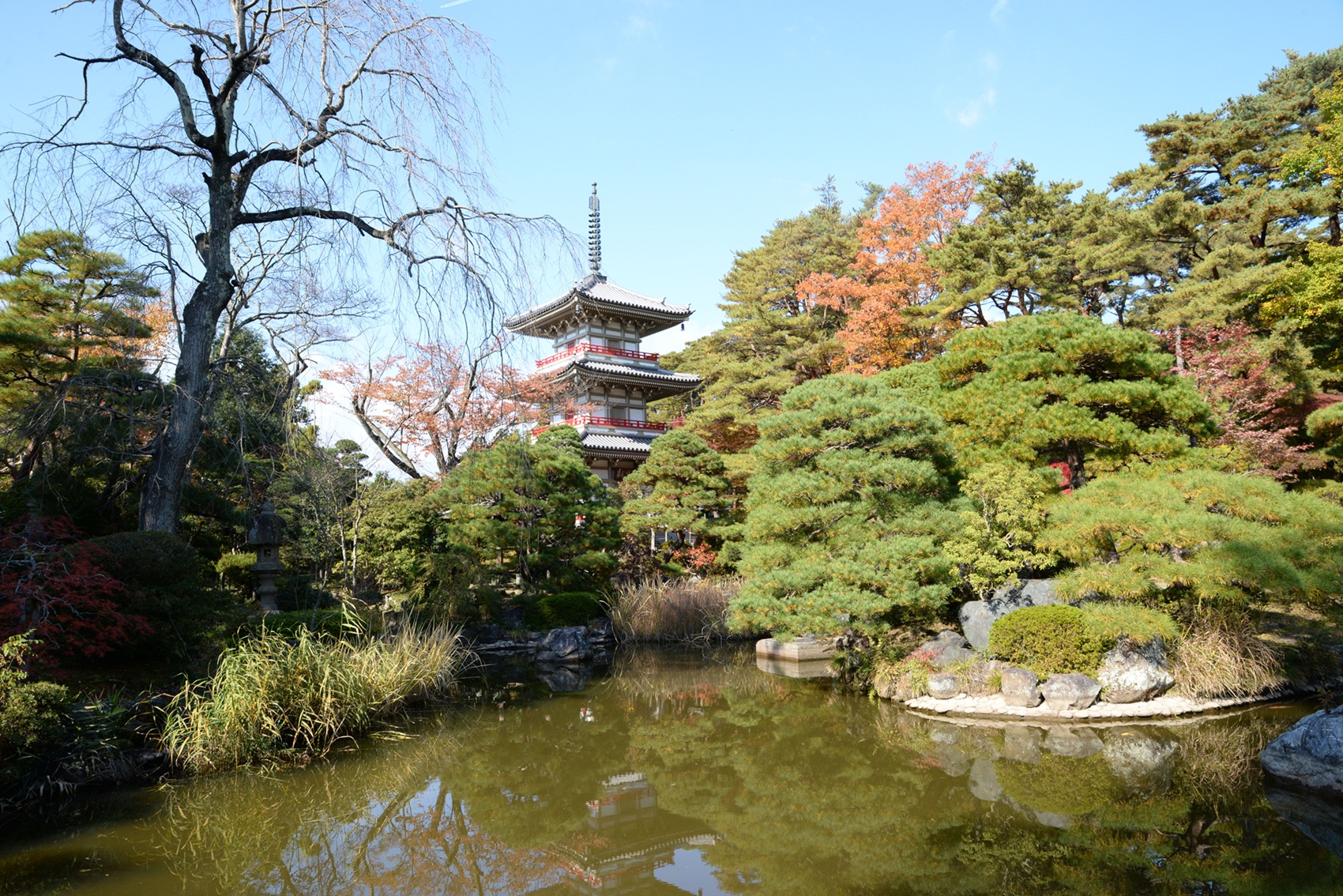
A temple associated with the Date (伊達) clan, founded in the Kakitsu era in 1441.
It declined after being destroyed by fire in the early Meiji era, but was revived in the 20th century by an osho (和尚; head priest) specially selected from the Soto Shu Daihonzan (曹洞宗大本山; Headquarters of the Soto Zen Sect).
Renovations of the garden were also undertaken, and a tea room was added during the time of the next osho.
A three-storey pagoda was erected for the 500th anniversary of its founding.
●Garden Info
Style: Chisen-kaiyushiki teien
Address: 1-14-1 Kitayama, Aoba-ku, Sendai-shi, Miyagi Prefecture
Official Website: https://rinno-ji.or.jp/
[Fukushima Prefecture]
A Famous Garden Inscribed with History from the Muromachi Period: ‘Aizu Matsudaira-shi Teien Oyakuen’ (会津松平氏庭園 御薬園)
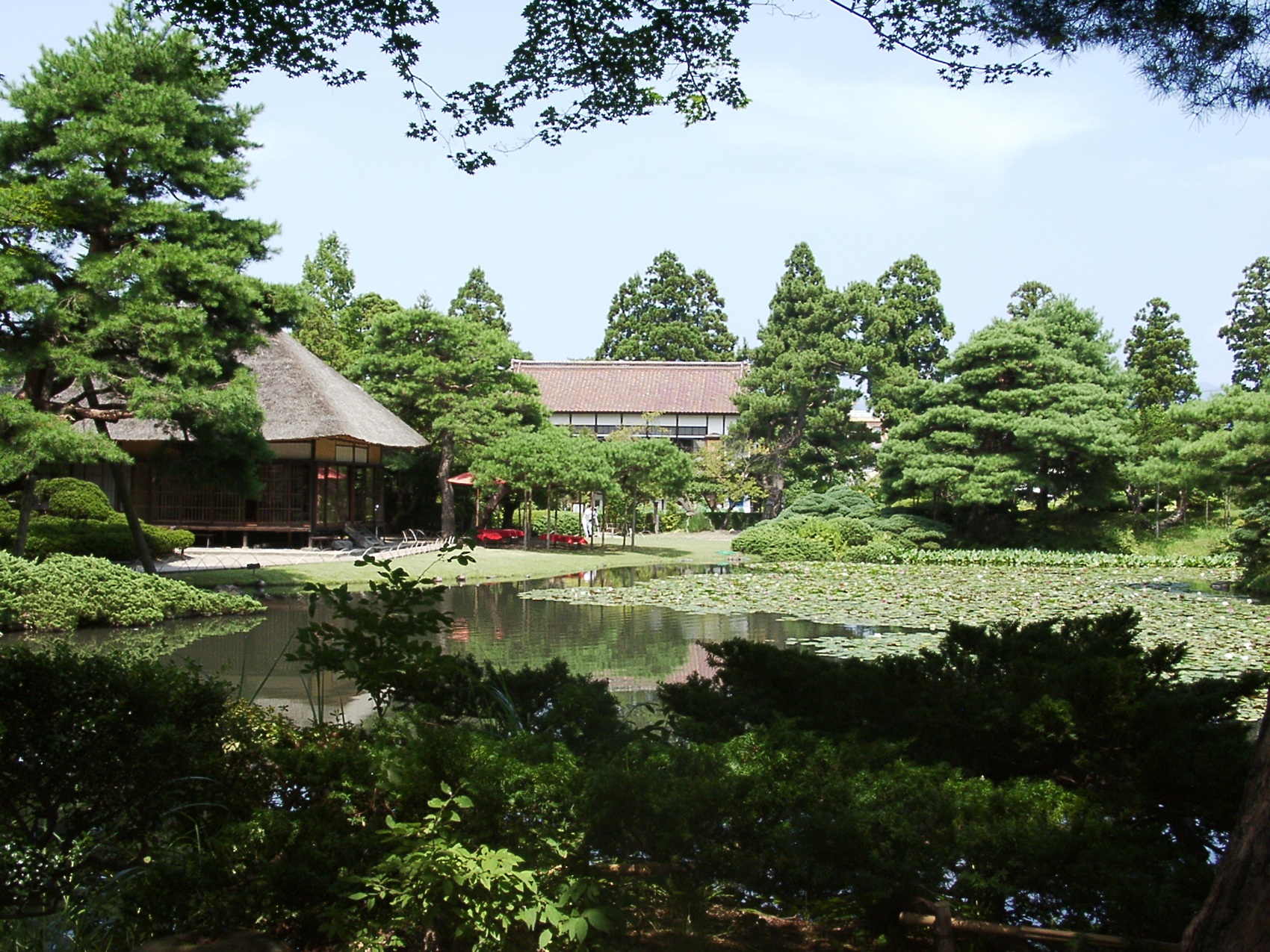
During the Muromachi period, the warlord Ashina Morihisa (蘆名盛久) built a villa on land where miraculous water sprang forth, and later, the Aizu clan constructed a medicinal botanical garden and a chisen-kaiyushiki pond strolling style garden.
It was landscaped by the master gardener Meguro Jotei (目黒浄定) and others.
The current garden was completed in the Genroku era in 1696.
Even today, 300 varieties of medicinal herbs and trees remain.
In the garden, a pond shaped like the Chinese character for ‘heart’ (心), the Ochaya Goten (御茶屋御殿; teahouse palace), and old trees such as a 500-year-old momi (樅; fir) tree exist in harmony.
●Garden Info
Style: Chisen-kaiyushiki daimyo teien (池泉回遊式大名庭園) (Strolling-style daimyo garden with a central pond)
Address: 8-1 Hanaharu-machi, Aizuwakamatsu-shi, Fukushima Prefecture
Official Website: https://www.tsurugajo.com/oyakuen/
*For the current information on each garden, please verify via their official websites or reference sites.
This article is translated from https://intojapanwaraku.com/travel/295990/