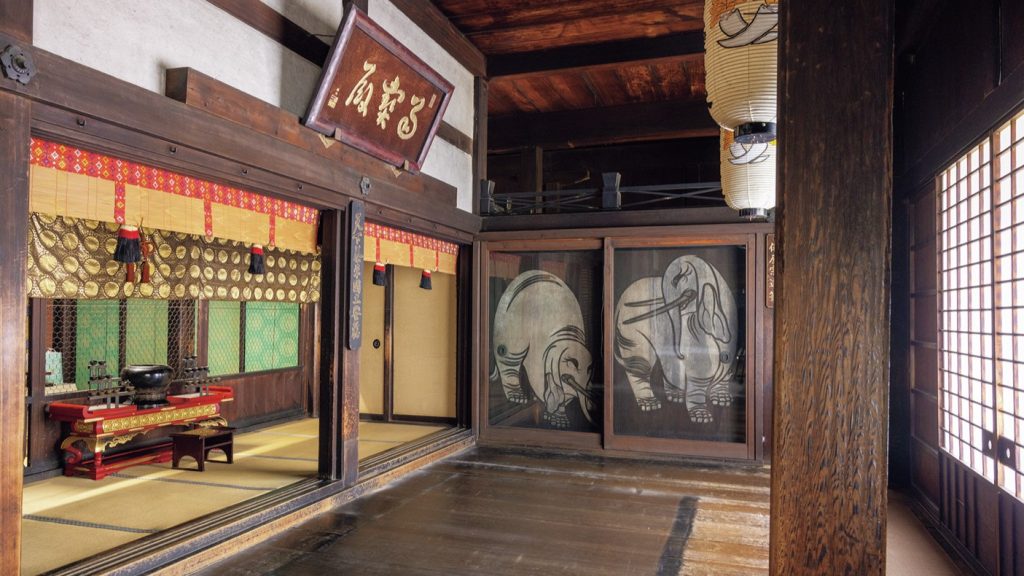







An martian-like landscape that looks out of this world? [Niigata : Shukunegi Wave-Cut Platform]
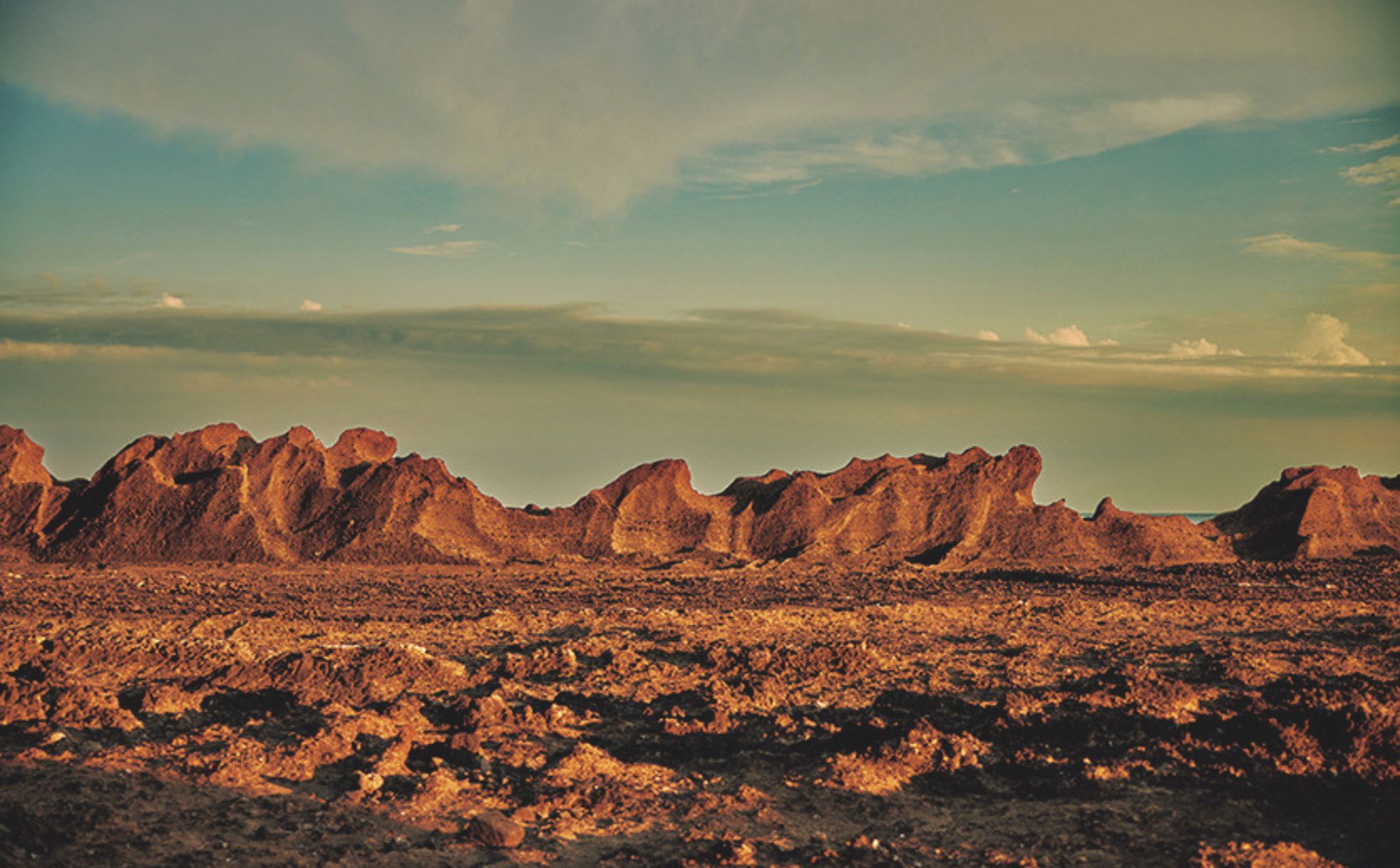
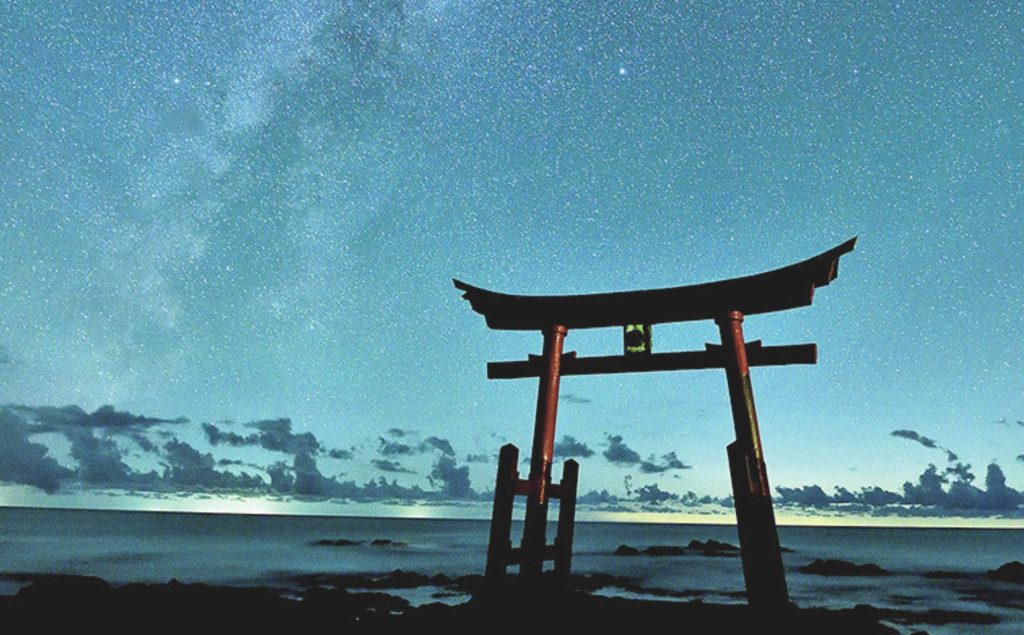
After passing through a tunnel along the coast of Shukunegi (宿根木), located in the southwest of Sado Island (佐渡島), an arid, Martian-like landscape of reddish-brown, rugged rock spreads out before you. This is a Wave-Cut Platform that was uplifted by an earthquake, formed from a shallow seabed eroded by waves. This fascinating geographical feature is best seen at sunset.
Location : Shukunegi, Sado City, Niigata
Website : Niigata Tourism Guide niigata-kankou.or.jp/spot/44658
A stream of green like a scene from a film! [Toyama : Sengan-kei Gorge]
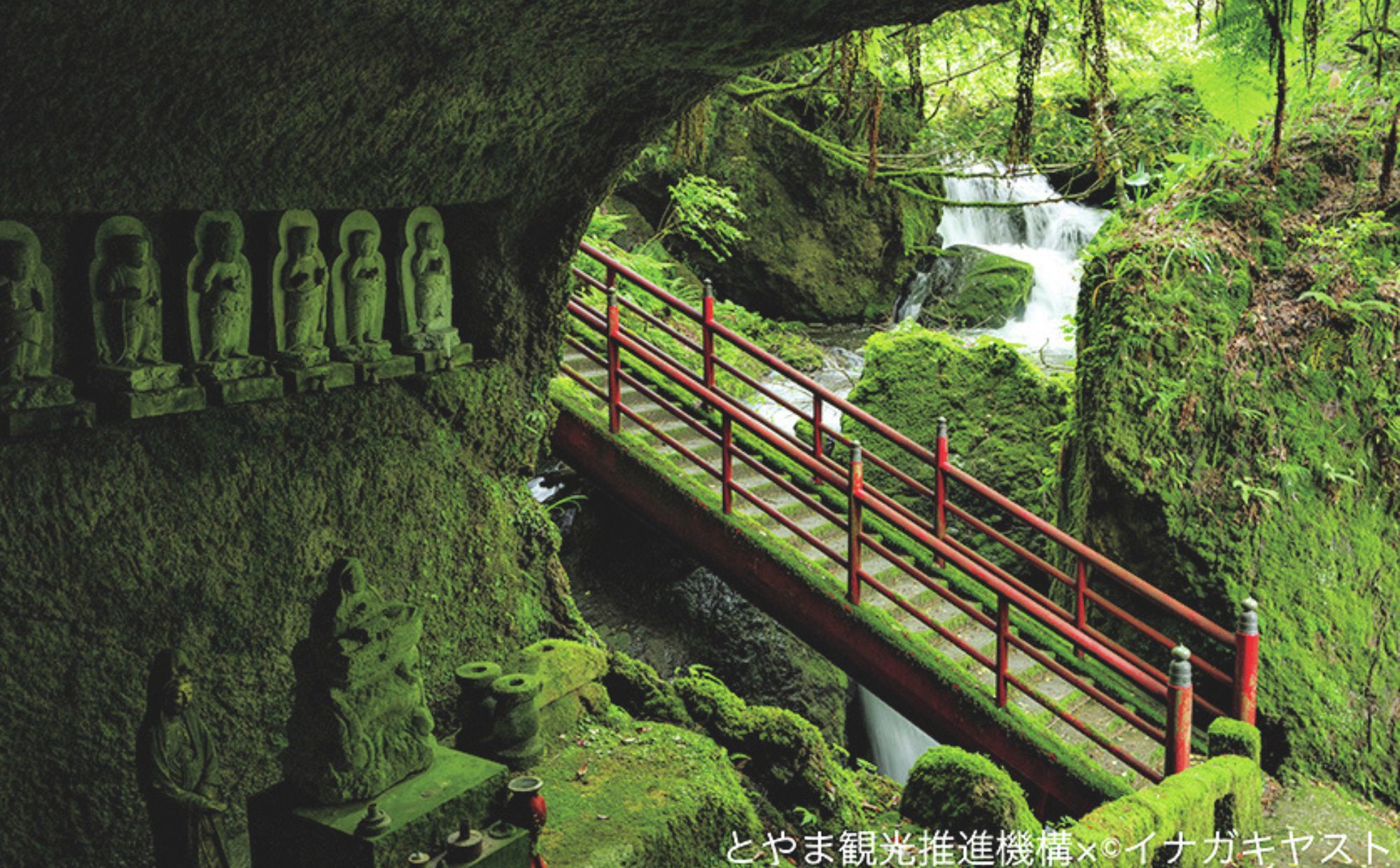
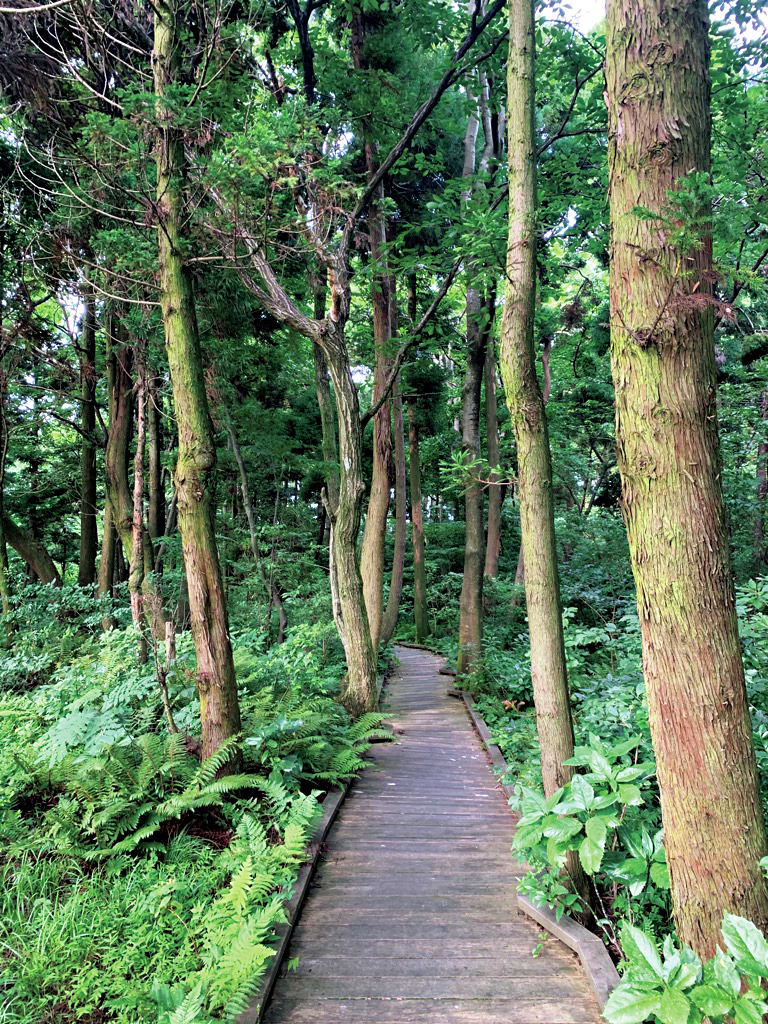
Located in the north of the prefecture, the moss-covered Sengan-kei (千巌渓) Gorge offers a cool retreat even in summer, and it feels like stepping into a world created by Studio Ghibli. It’s just a three-minute walk from the Oiwa-san Nisseki-ji (大岩山日石寺) Temple in Kamiichi (上市) Town, making it easy to experience this extraordinary place. The second photo, of the Sugisawa no Sawasugi (杉沢の沢スギ), is near the prefectural border with Niigata on the Sea of Japan side, and the air is filled with positive spiritual energy!
Location : Oiwa, Kamiichi-machi, Nakaniikawa-gun, Toyama
Website : Toyama Tourism Guide info-toyama.com/attractions/102799
The peaks of Mount Hakusan where snow remains even in summer [Ishikawa : Hakusan Pond Tour]
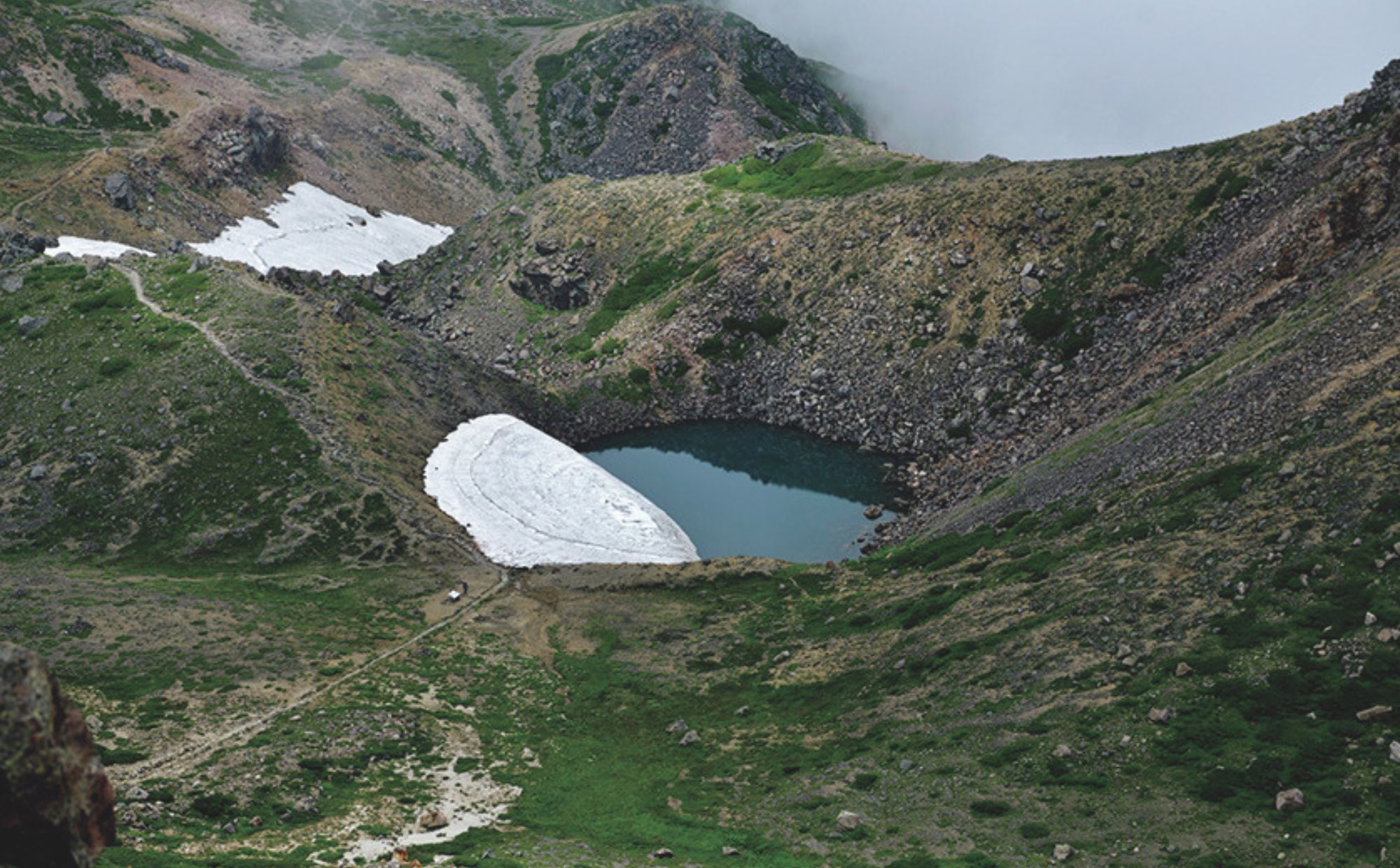
Mount Hakusan (白山), which towers over the border with Gifu Prefecture, is a famous peak that is beautiful to behold both from a distance and up close. There are seven ponds at the summit: Midori-ga-pond (翠ヶ池), Konya-ga-pond (紺屋ヶ池), Abura-ga-pond (油ヶ池), Chi-no-pond (血の池), Goshiki-pond (五色池), Hyakusho-pond (百姓池), and Senja-ga-pond (千蛇ヶ池). A tour of these ponds in summer is highly recommended, as you can see alpine plants. The photo shows Konya-ga-ike, where snow remains even in summer, providing a cool and refreshing atmosphere.
Location : Hakusan City,Ishikawa
Website : Hot Ishikawa Travel Net hot-ishikawa.jp/index.html
A beautiful, healing landscape of Moss-Covered Grounds! [Fukui : Heisenji Hakusan Shrine]
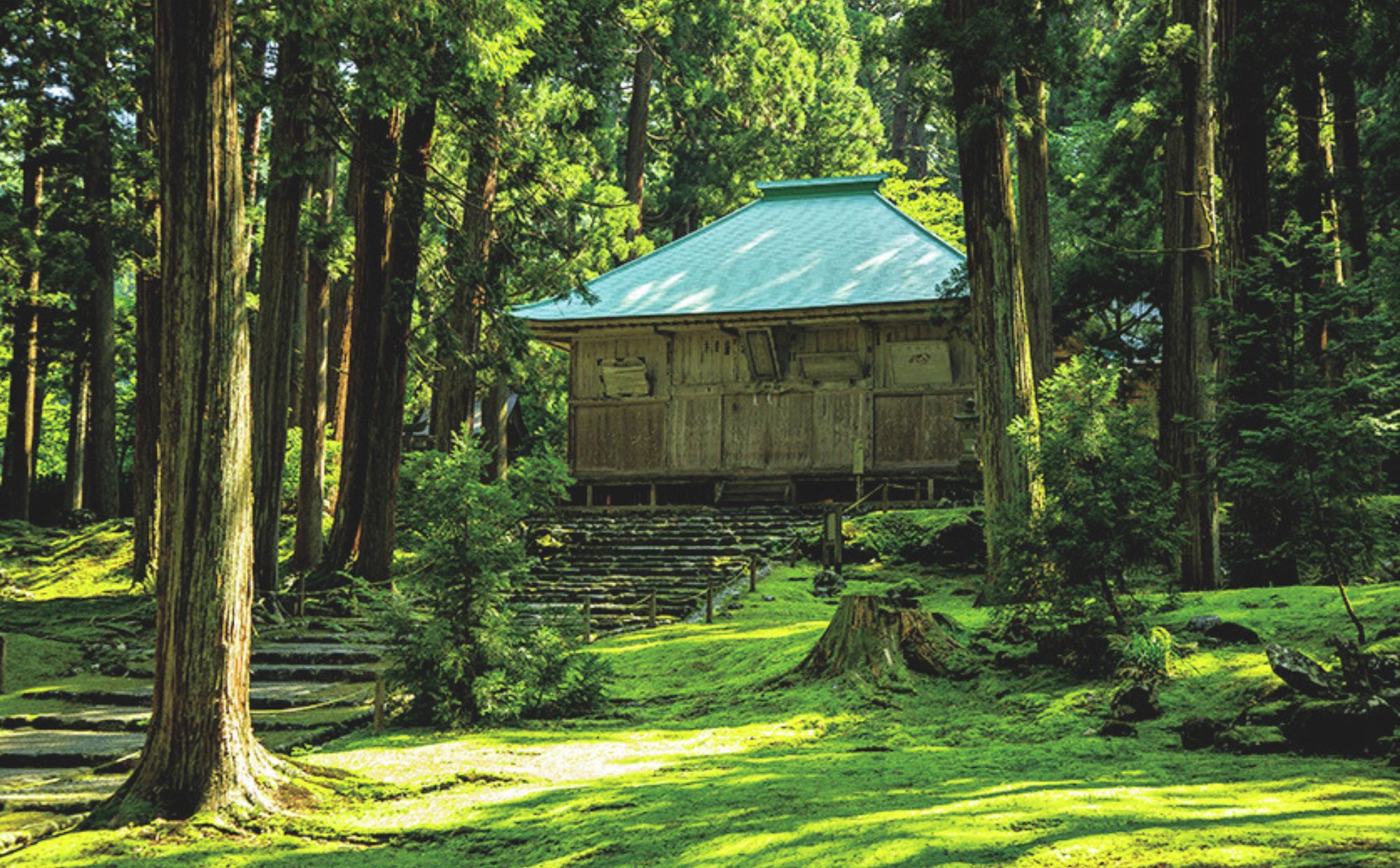
With moss spreading across its tranquil grounds, Heisenji Hakusan (平泉寺白山) Shrine is growing in popularity as a place that brings peace and healing to visitors. If you proceed in order from the Shojin-zaka (精進坂) Slope to the first and second torii gates, you will find the main hall, or haiden, behind them. Continuing through the grounds, you can feel the weight of its 1,300-year history.
Location : Heisenji, Heisenji-cho, Katsuyama City, Fukui
Website : heisenji.jp
A beloved gorge of Yamanashi residents [Yamanashi : Nishizawa Gorge and Nanatsugama Godan Falls]
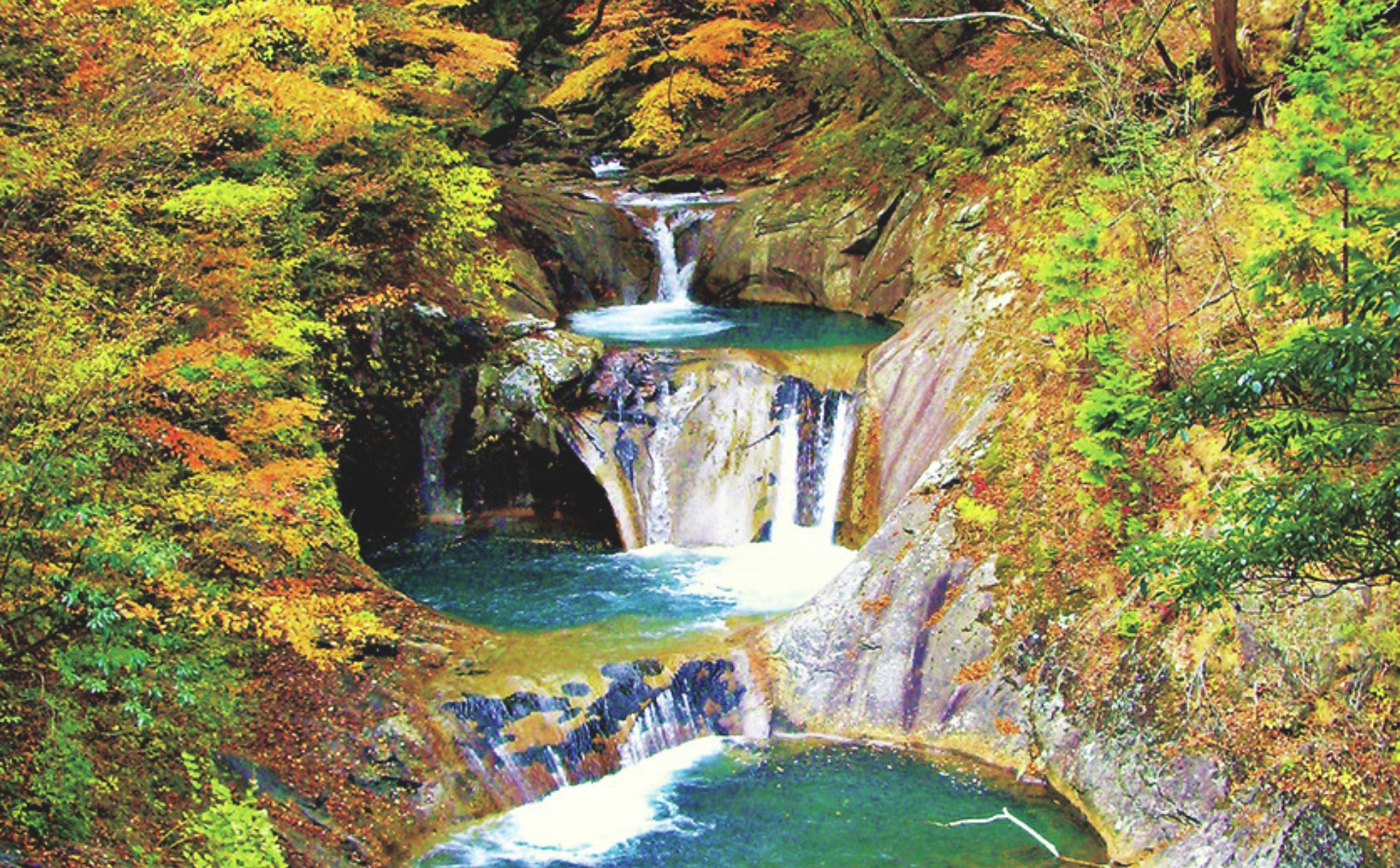
This is a gorge with spectacular views located in Chichibu-Tama-Kai (秩父多摩甲斐) National Park. It has well-maintained trekking routes and is famous for rhododendrons and fresh greenery in early summer, as well as autumn foliage. The footpath on Takimi-bashi (滝見橋) Bridge, which had been closed since 2021 due to heavy rain, has finally been repaired, and you can now see the falls up close.
Location : Mitomi Kawaura, Yamanashi City, Yamanashi
Contact : Yamanashi City Tourism Association (山梨市観光協会)
Website : yamanashishi-kankou.com/nature/nishizawa_keikoku/
The beautiful pond depicted in Kaii Higashiyama’s masterpiece ‘Green Echo’! [Nagano : Mishaka-ike Pond]
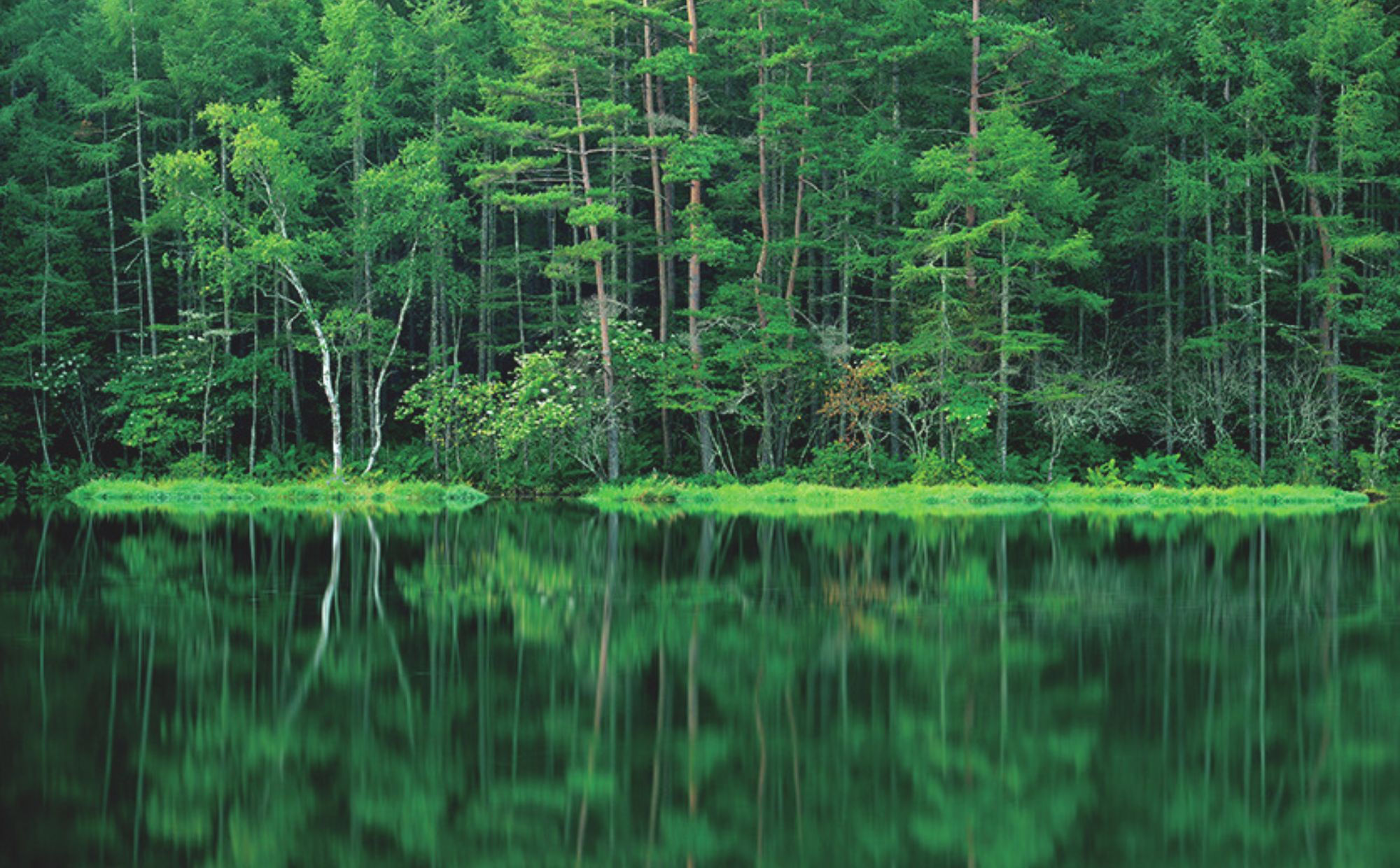
Mishaka-ike (御射鹿池) Pond is a scenic spot located at an altitude of 1,500m, where the seasonal scenery of the surrounding larch forest is reflected on the mirror-like surface of the water. This pond was actually built in the early Showa period as a reservoir for agriculture, to warm up the excessively cold water from Mount Yatsugatake (八ヶ岳) for use in rice farming, and it is still carefully used today.
Location : Okutateshina, Toyohira, Chino City, Nagano
Website : Chino Tourism Navi navi.chinotabi.jp/spot/3076/
Numerous waterfalls where rainbows sometimes appear! [Gifu : Tsukechi Gorge]
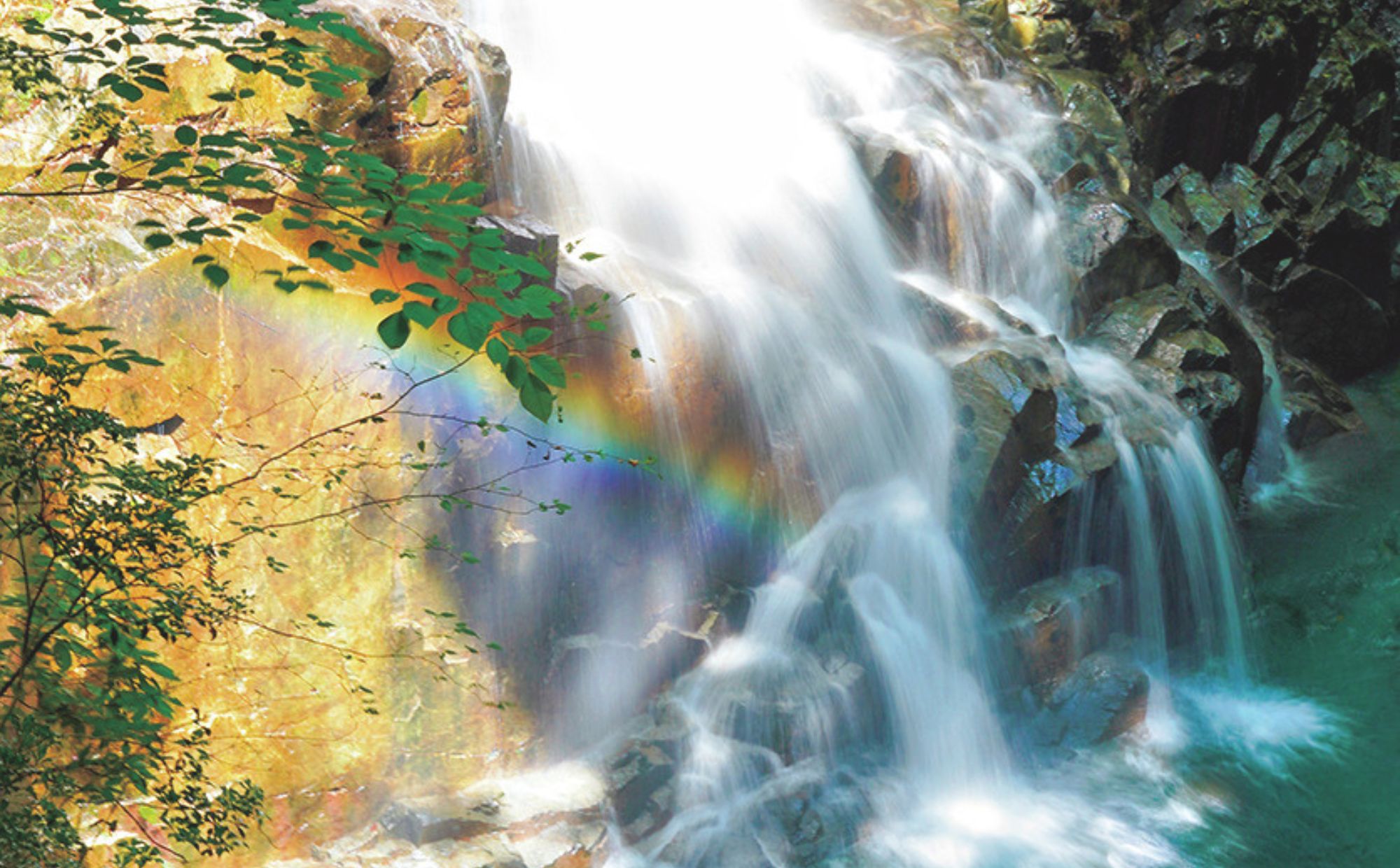
Tsukechi (付知峡) Gorge, a prefectural natural park, is popular for its crystal-clear river, known as ‘Tsukechi Blue.’ There are several waterfalls that provide a refreshing feel, with famous ones including Kannon-daki (観音滝) Falls, which cascades down the rock face; Fudo-daki (不動滝) Falls, which is powerful and has a large volume of water; and Takarudal-no-taki (高樽の滝) Falls, with a drop of around 20m. You can even see rainbows near the basins of each waterfall on a sunny day.
Location : sukechi-cho 6-39, Nakatsugawa City, Gifu
Contact : Tsukechi Town Tourism Association (付知町観光協会)
Website :tsukechi.jp/
Historic rice terraces that change their appearance with the seasons [Shizuoka : Ishibu Tanada]
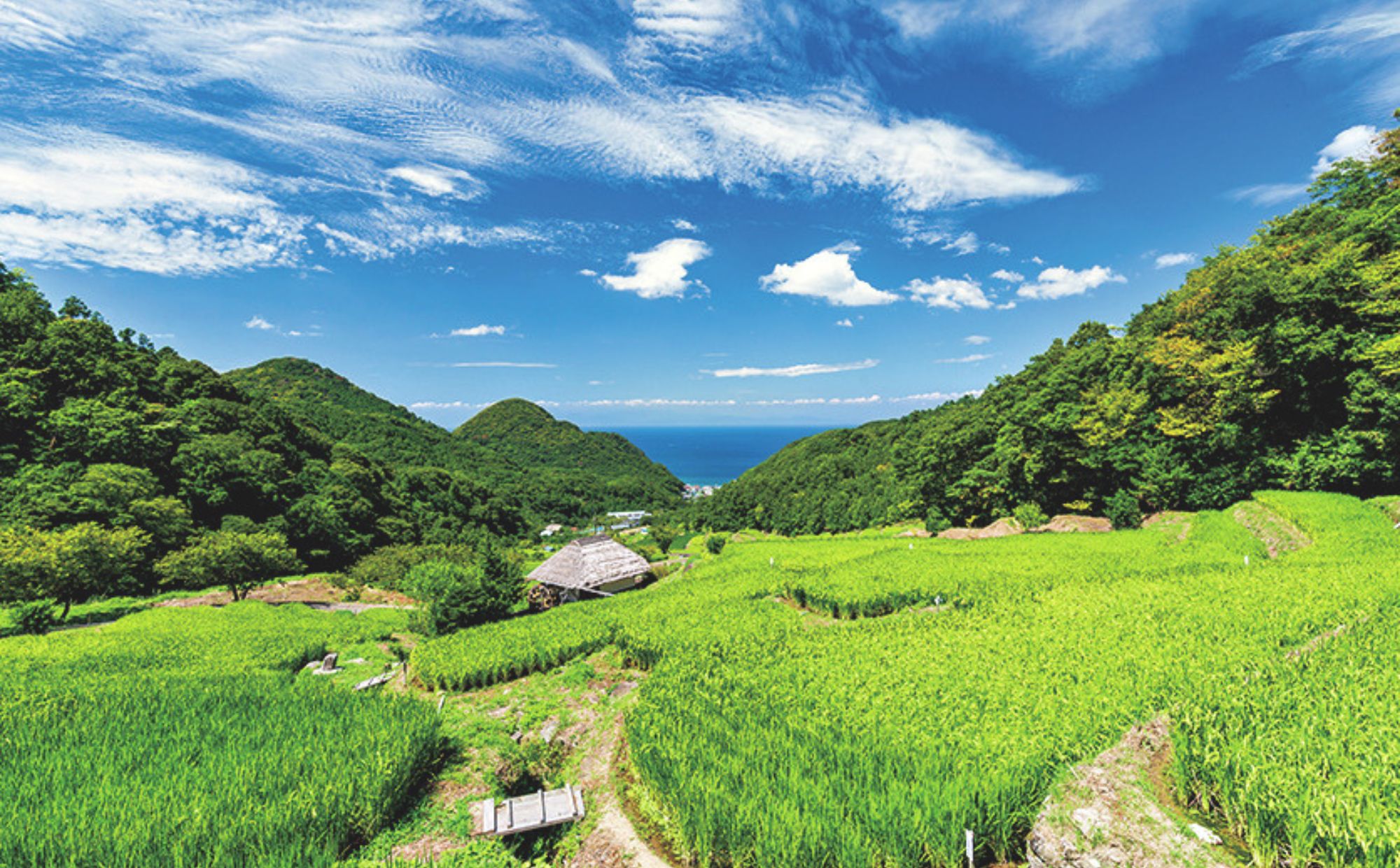
Located on the southern part of the west coast of the Izu (伊豆) Peninsula, Ishibu Tanada (石部棚田) is a spectacular spot with records dating back to a land survey in the Azuchi-Momoyama (安土桃山) period. Overlooking Suruga (駿河) Bay, on a clear day you can even see Mount Fuji and the Southern Alps. Cultivating the land was difficult, and at one point, 90% of the terraces were abandoned. However, with the cooperation of local residents and volunteers, a restoration effort is underway.
Location : Ishibu, Matsuzaki-cho, Kamo-gun, Shizuoka
Website : ishibu-tanada.com/
Many photogenic spots blessed with sunsets [Aichi : Tokaido’s Matsushima]
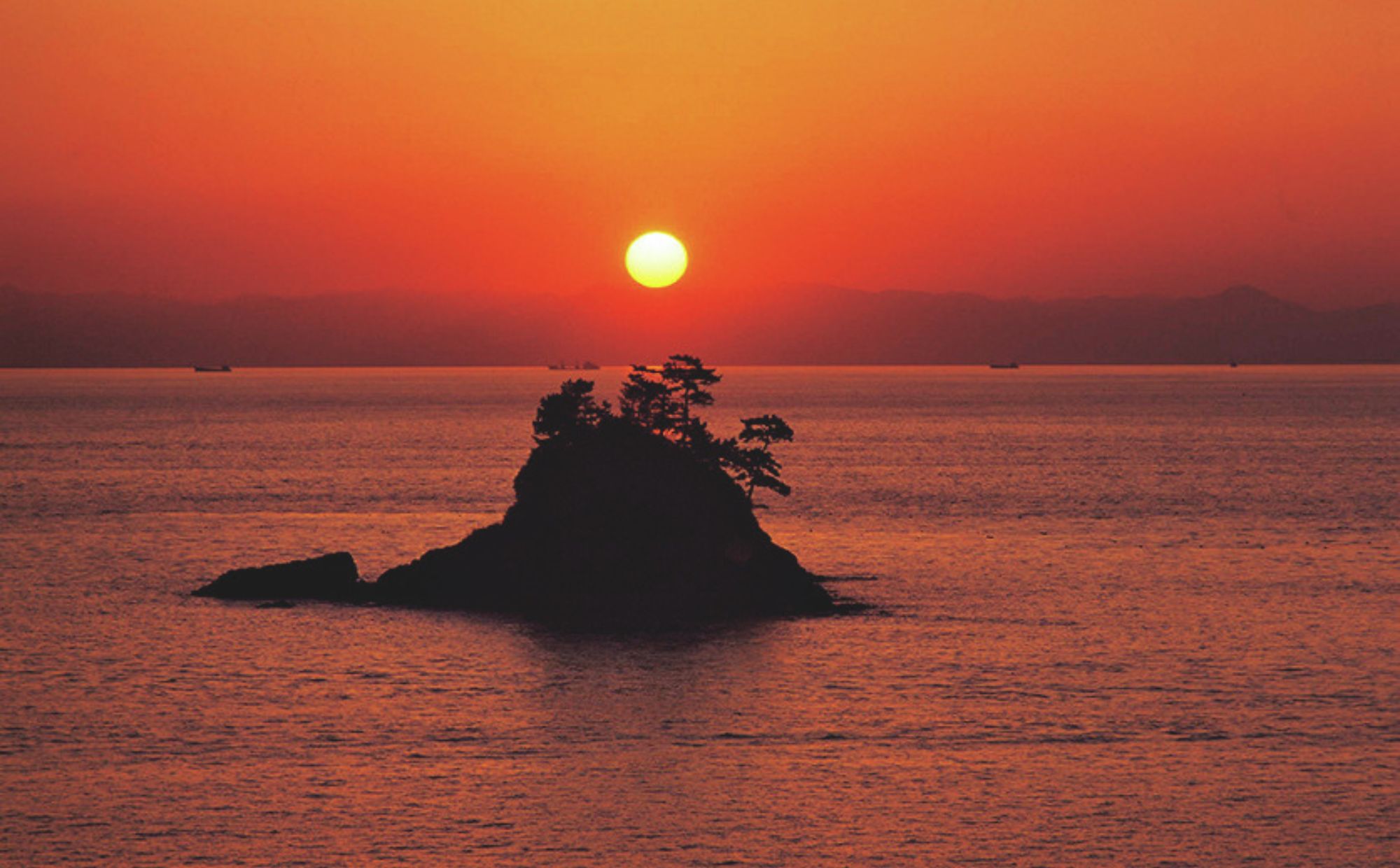
Shinojima (篠島) Island, consisting of more than 10 large and small islands floating in Mikawa (三河) Bay, is called ‘Tokai no Matsushima (東海の松島)’ because of its scenic natural environment and the beautiful landscape of its historic buildings. It has a deep connection with Ise Grand Shrine, and many historical sites are scattered throughout the island. The sunset over Shinojima as seen from the Kahi (歌碑) Park has been selected as one of the ‘100 Best Sunsets in Japan.’
Location :Shinojima, Minamichita-cho, Chita-gun, Aichi
Contact : Shinojima Tourism Association Information Centre (篠島観光協会案内所)
Website :shinojima-aichi.com
This article is a reproduction from the August/September 2024 issue of WARAKU magazine.
This article is translated from https://intojapanwaraku.com/travel/247441/