





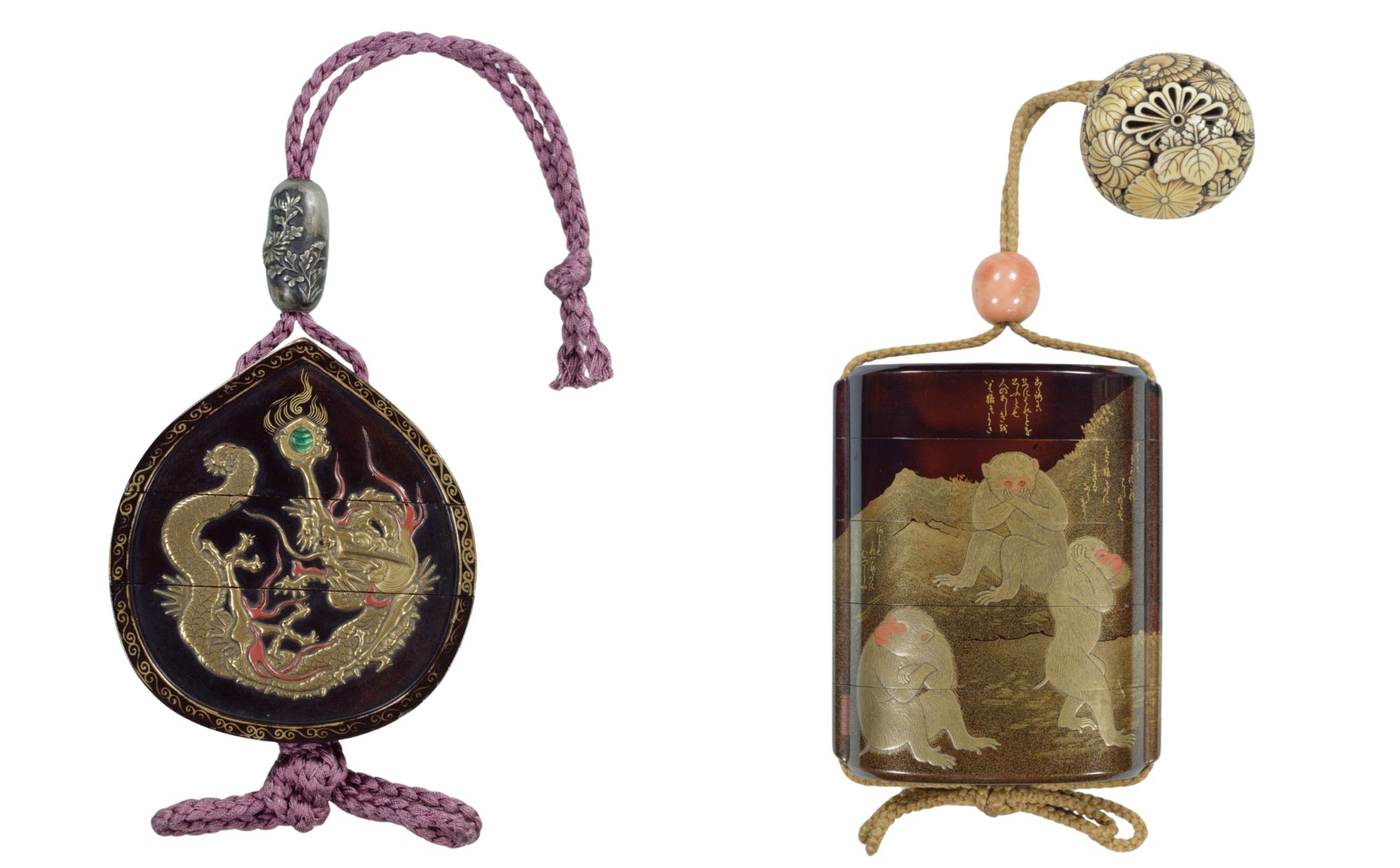
The inro (印籠) is an essential sight in Japanese period dramas! These small, multi-compartment cases are true works of art, featuring exquisite decorative techniques such as makie (蒔絵; lacquer sprinkled with gold or silver powder), raden (螺鈿; mother-of-pearl inlay), and tsuishu (堆朱; carved cinnabar lacquer) applied over a lacquered surface. We have gathered some of the finest Inro from the public domain for your enjoyment!
What exactly is an Inro?
The Inro is a type of personal accessory for men, typically designed as a small container made up of three to five tiered sections. A cord runs through the sides, secured at the top by an Ojime (緒締; a bead that tightens the lid/sections) and finished at the end with a Netsuke (根付; a toggle). The Netsuke was tucked behind the Obi (帯; sash) to suspend the Inro from the waist.
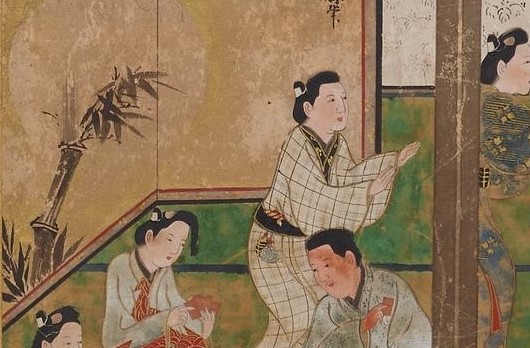
The name Inro is said to have originated from its initial use: a portable case for seals and ink paste. Around the Muromachi (室町) period, it began to be used for storing medicine. Furthermore, during the Edo period, some were even used merely as accessories, with nothing stored inside!
Absolutely Striking! Six Inro Collections
Here are six inro selected by our editorial team!
More than just a picture!
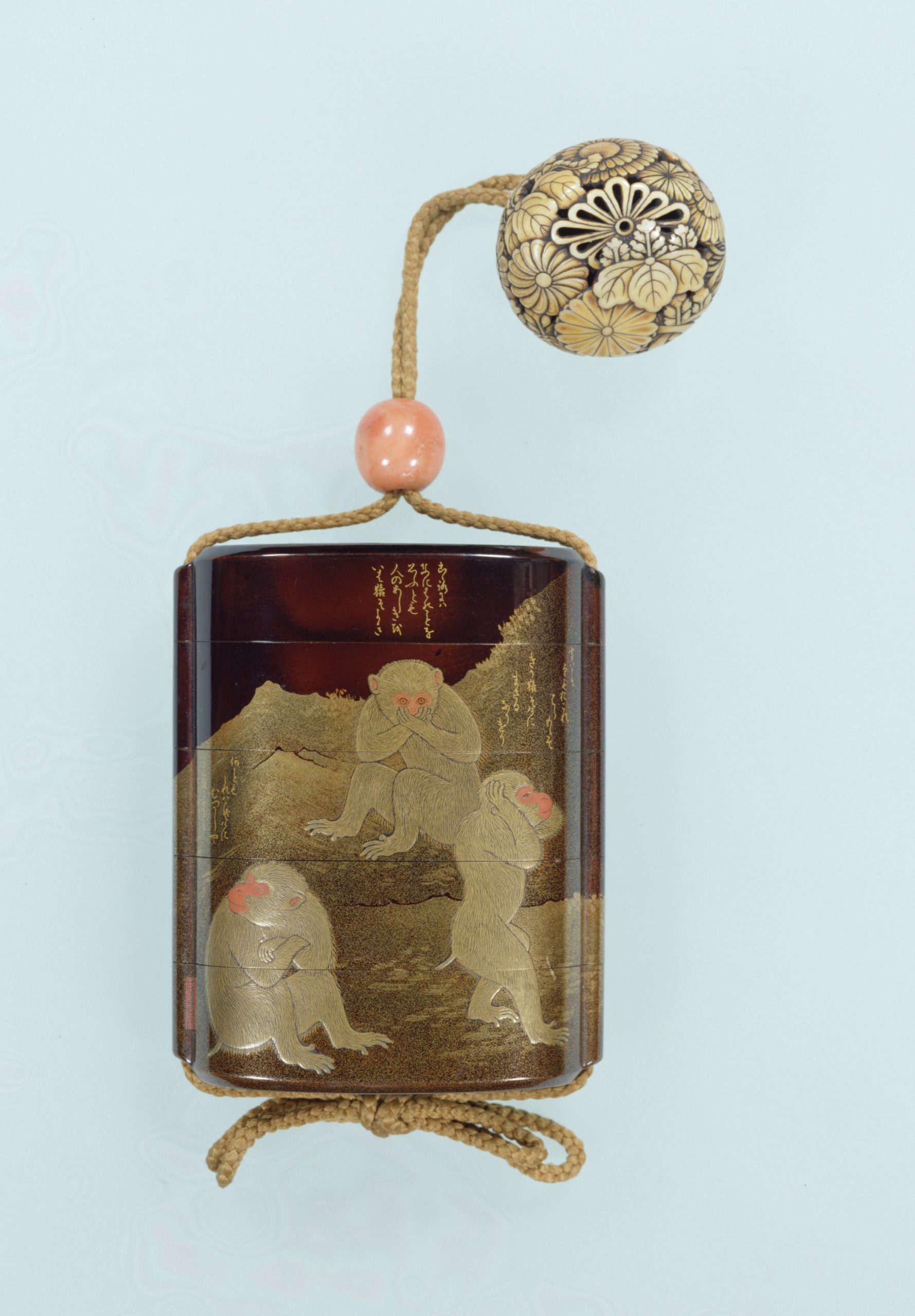
Observe that there is writing as well as a picture! This Inro is adorned with the ‘Nana zaruno uta (七猿歌),’ a Heian period poem that is considered the origin of the Three Monkeys concept!
Ultra-Detailed!
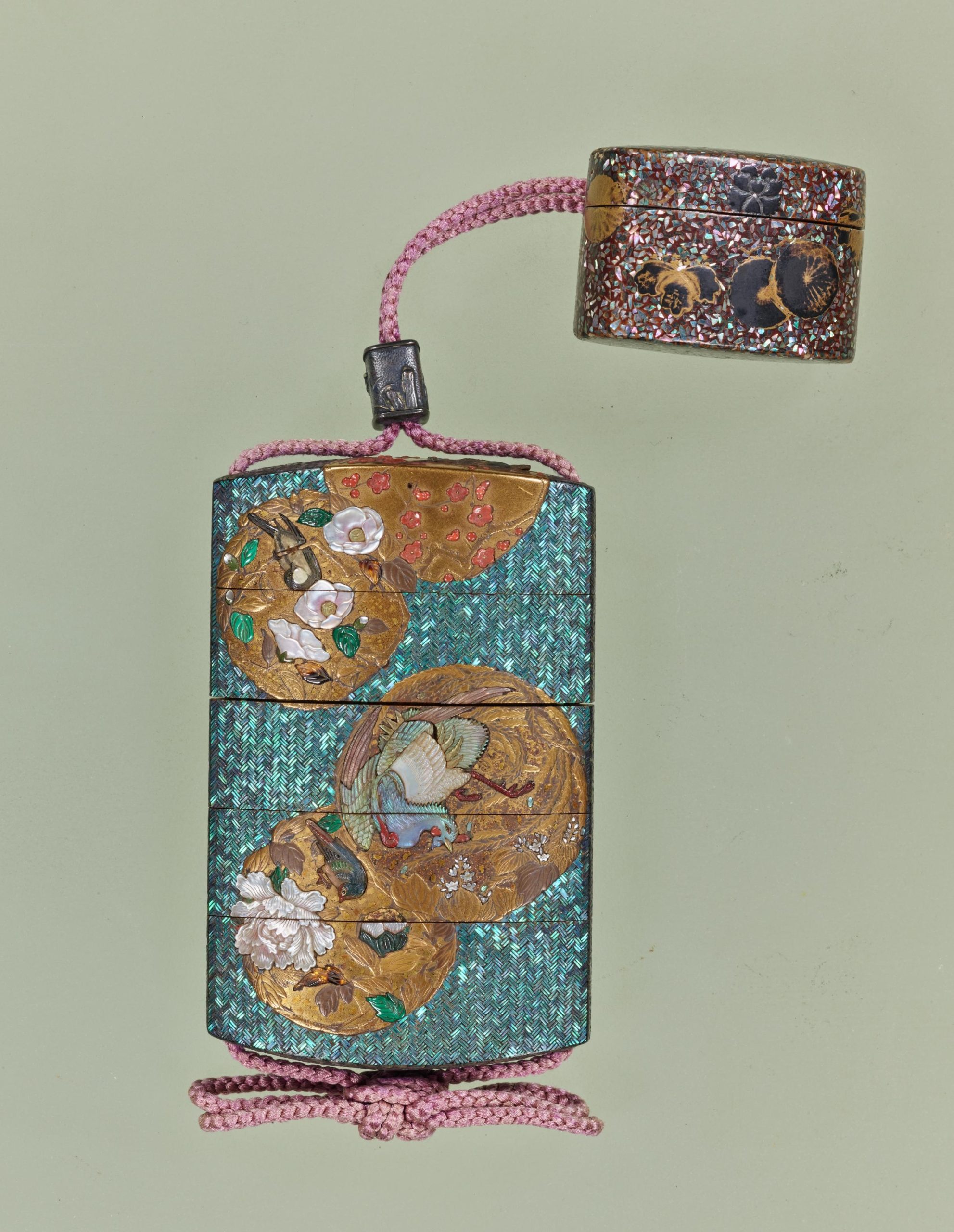
Notice how the blue sections are meticulously filled with tiny pieces of blue shell! It is truly beautiful!
Stylish also in white!
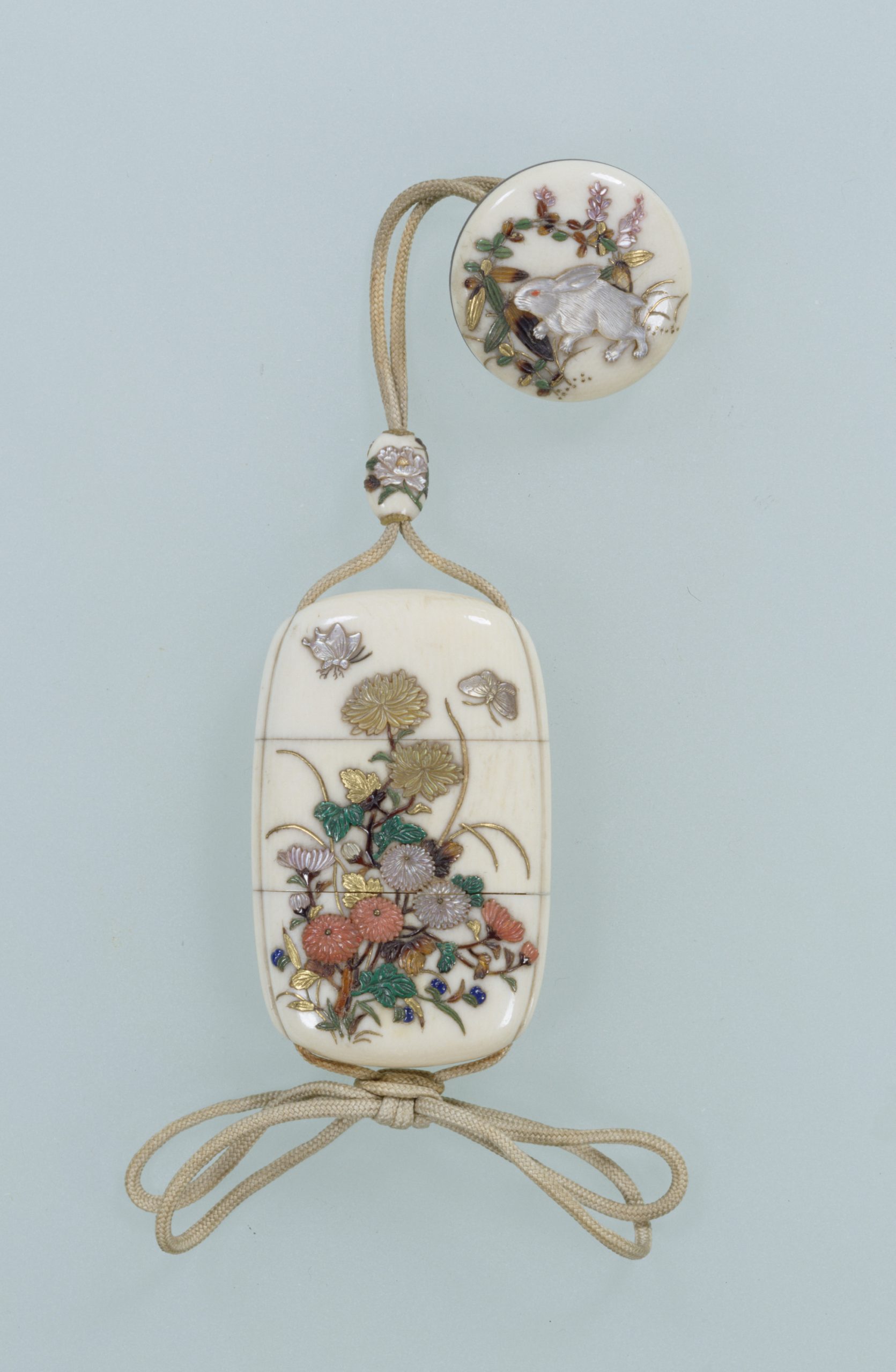
This piece is crafted using ivory! The rabbit Netsuke is wonderfully charming!
Comes in all shapes and sizes
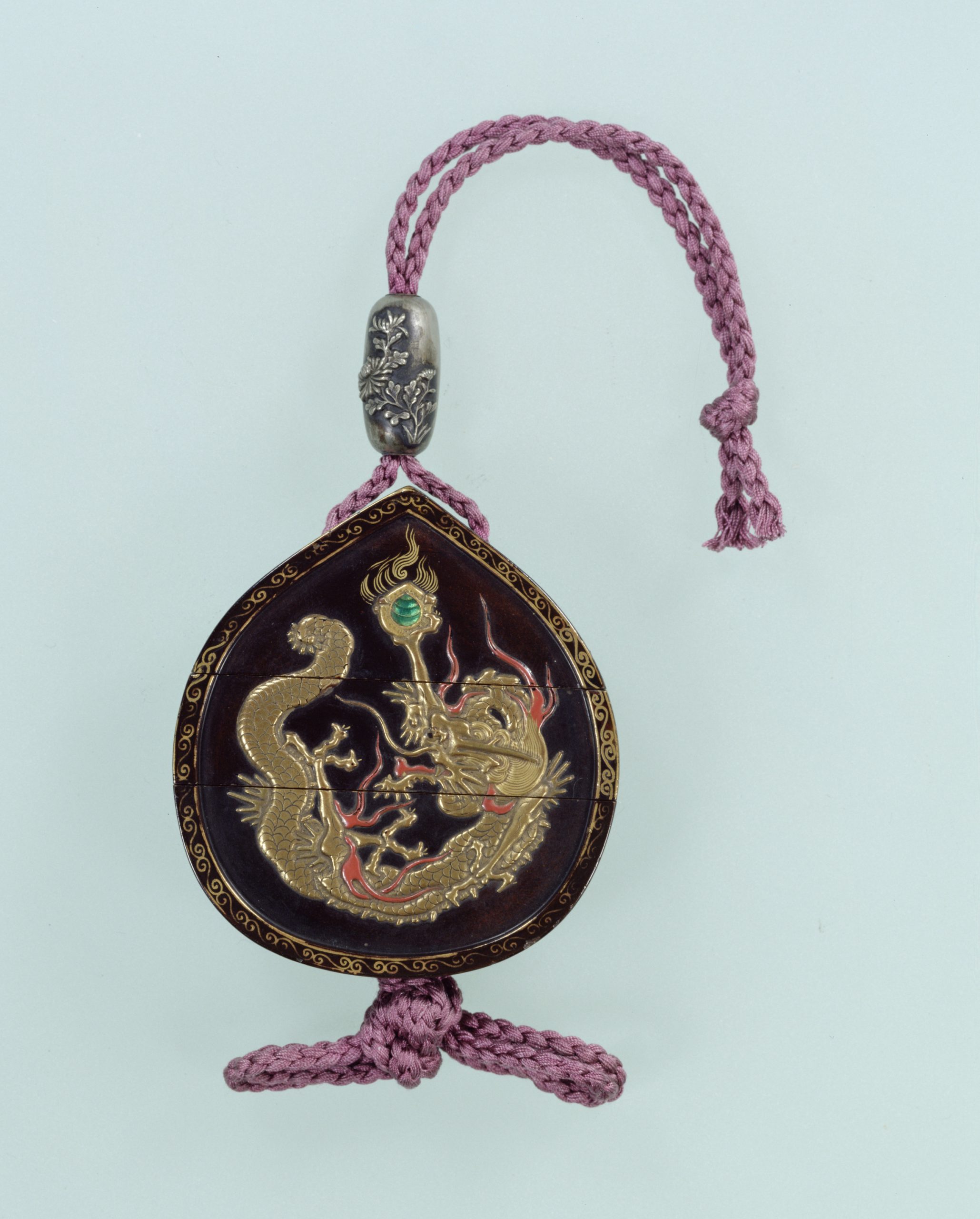
This is an example of a ‘deformed’ inro, shaped like a treasure jewel (Hoju, 宝珠). Simply stunning!
Wait, it has how many tiers?!
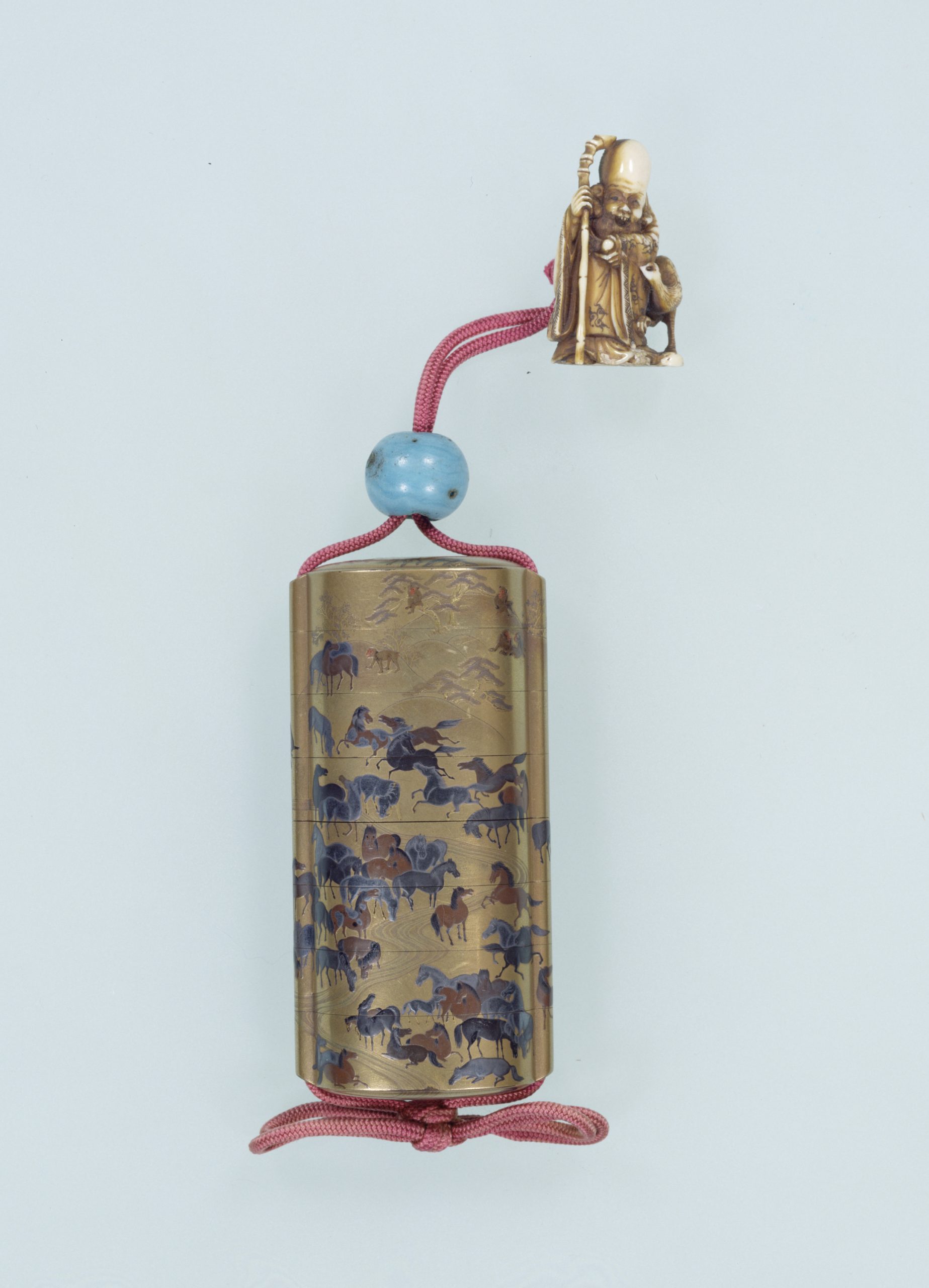
One, two, three… this inro has a staggering seven tiers! Another highlight is how each of the horses are depicted in a different motion!
Striking Designs
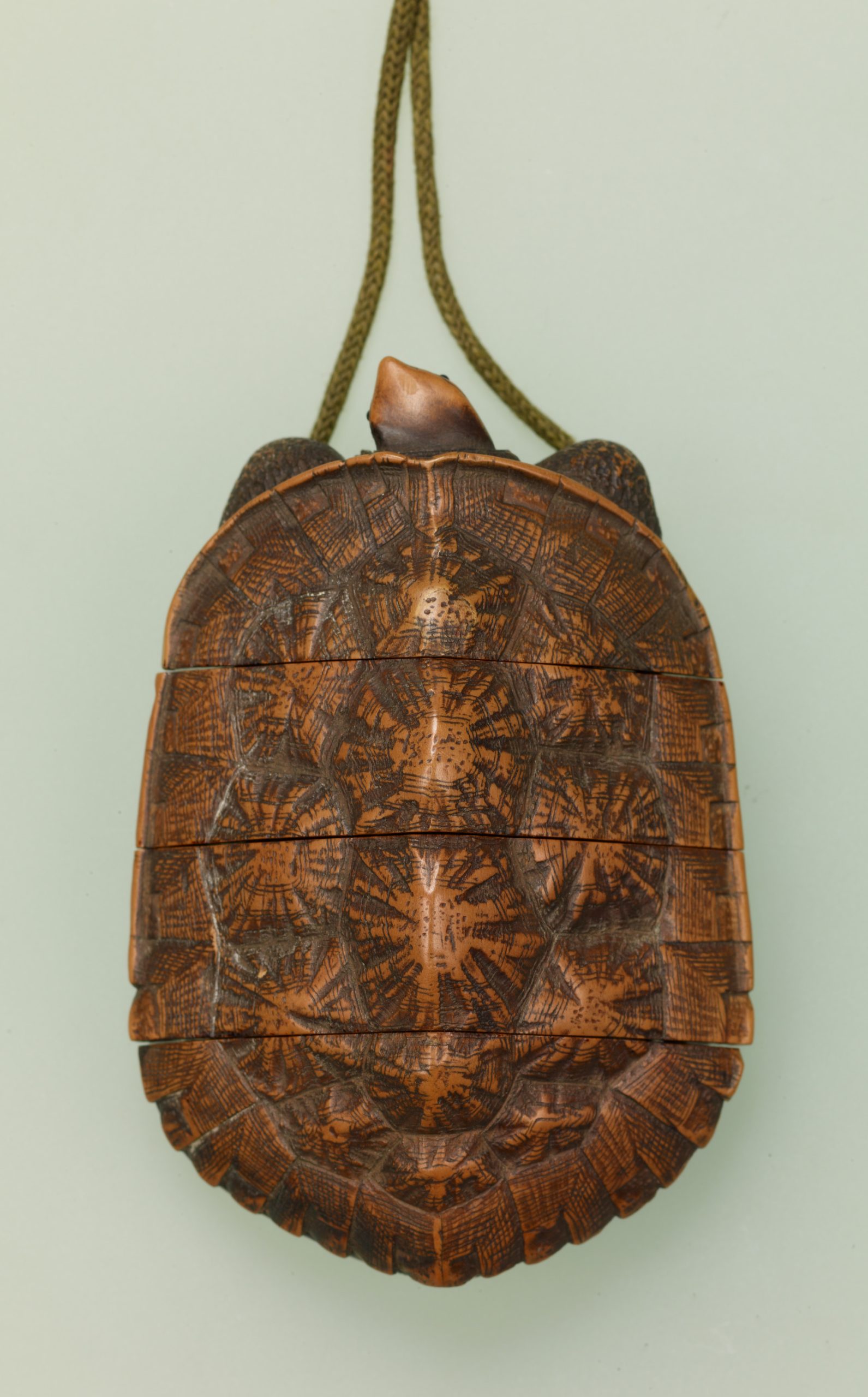
A turtle! It looks incredibly lifelike!
References: ‘Kotto o Tanoshimu 4: Inro to Netsuke Bessatsu Taiyo (骨董をたのしむ 4 印籠と根付 別冊太陽)’ supervised by Sekido Kengo (関戸健吾), Heibonsha (平凡社), 1995; Digital Daijisen (デジタル大辞泉); Nihon Dai Hyakka Zensho (日本大百科全書; Nipponica)
This article is translated from https://intojapanwaraku.com/rock/museum/274805/