






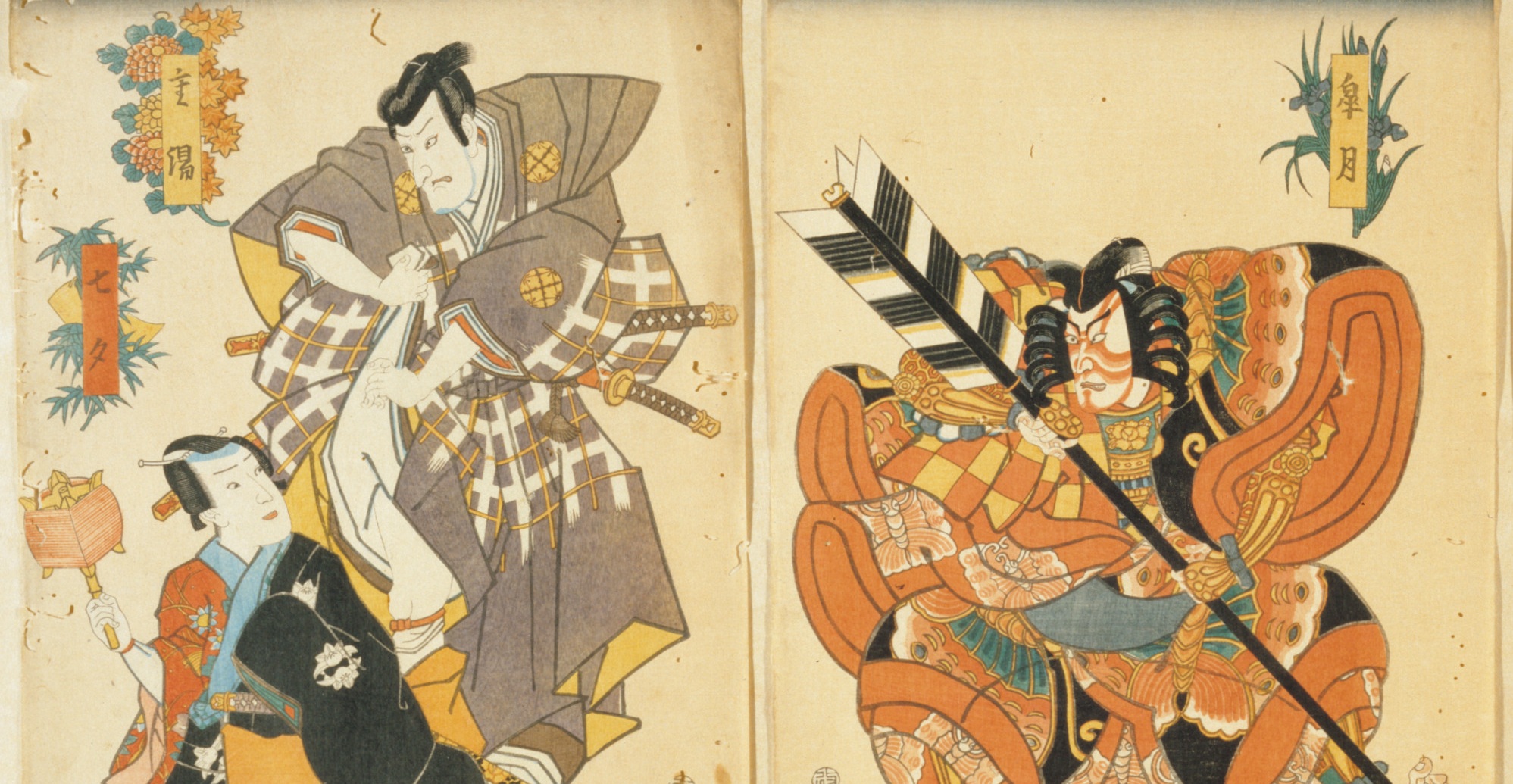
Make your way to the theatre and just give it a try!
I believe the moment you feel the urge to watch is the best time to start your Kabuki journey. I began watching Kabuki back when the strikingly handsome duo of Kataoka Nizaemon (片岡仁左衛門, then Kataoka Takao, 片岡孝夫) and Bando Tamasaburo (坂東玉三郎) was highly popular. Oh, the beauty! The captivating presence! That’s how I felt, starry-eyed, completely engrossed in their stage presence in my younger years (a distant memory now). Even if you know nothing about Kabuki, the raw power of a live performance is something that will surely resonate with a beginner. There’s no time like the present!
A quick look at the storyline is enough
Which plays should you see? Well, this is difficult as it depends on personal preference, but I would recommend the dance pieces featured in the film Kokuho, such as Fuji Musume (藤娘), Renjishi (連獅子), Ninin Dojoji (二人道成寺), or the domestic tragedy Sonezaki Shinjū (The Love Suicides at Sonezaki), which depicts a lovers’ suicide.
Recently, many new Kabuki plays have been staged, so if you are already a fan of the original work, that might be an easy entry point. However, if Kokuho sparked your interest, I would suggest starting with a classic Kabuki masterpiece. Also, the Shumei Kogyo (襲名興行; name-taking performances) featured in the movie are splendid, and the Kojo (口上; stage announcement) where the Kabuki actors line up is a sight to behold. You are incredibly lucky, as the ‘Eighth Onoe Kikugoro (尾上菊五郎) Succession and Sixth Onoe Kikunosuke (尾上菊之助) Succession’ is taking place in 2025—this would be an excellent performance for your first viewing!
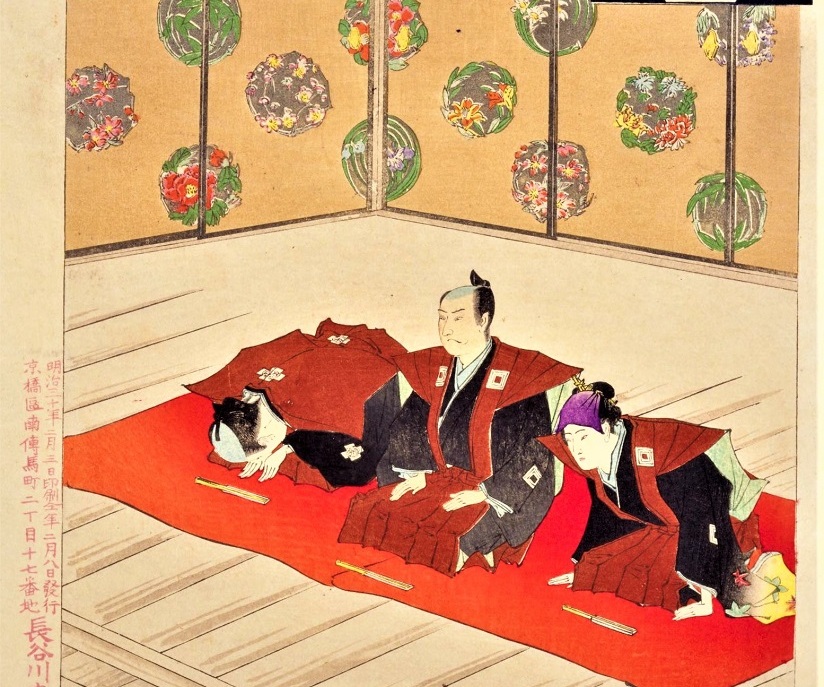
When it comes to traditional performing arts, some people might feel obliged to do some background reading around the piece beforehand. However, since Kabuki was the hot entertainment that captivated people during the Edo period, you shouldn’t overthink it. It’s enough to simply grasp who is performing, what character they play, and the basic plot.
The theatre also offers an excellent device called the earphone guide (available for a fee), which allows you to follow the performance with an audio commentary—I highly recommend it. You’ll be impressed by the exquisite timing, as the guide falls silent during the most intense moments of the performance so as not to be distracting. Furthermore, it is perfectly alright if you don’t understand everything on your first visit. If you happen to fall asleep, please don’t be hard on yourself! If you find just one interesting moment, your first Kabuki experience is a great success!
Discovering your ‘favourite’ is the Key to immersing yourself in the experience
Many Kabuki actors, such as Ichikawa Danjuro (市川團十郎), Kataoka Ainosuke (片岡愛之助), Onoe Matsuya (尾上松也), and Onoe Ukon (尾上右近), often appear as actors in TV dramas and films. Taking an interest in them and then attending a Kabuki performance they are in is a great approach. If you meet an actor you’d never heard of during your first viewing and feel that “I like that one, for some reason,” consider this a fortunate encounter with a ‘Oshi (推し, a favourite or bias)’. I highly encourage you to look for their future performances.
Sometimes, your favourite actor holds an independent performance, and going to that is another excellent option. If you reach this stage, you’re officially a Kabuki enthusiast! The energy of “I want to know more about this actor” transforms into “I want to know more about Kabuki.” Many actors also use social media these days, which can be a great way to gather information.
Kabuki Beginner Checklist: Frequently Asked Questions
Q1:How do I buy tickets?
A1:It’s no different from buying tickets for a musical or a modern play. You can apply via the websites listed below or by phone.
Official Kabuki Information Site: Kabuki-bito
National Theatre Kabuki Information Site
Q2:What should I wear?
A2:There is no specific dress code, so feel free to wear what you like. Aim to be a little smarter than your usual everyday attire. This will probably make you feel more comfortable in the theatre.
Q3:I want to see Kabuki, but the ticket prices seem high, and I’m not sure I can sit through a long performance. What should I do?
A3:We recommend the Makumi-seki (幕見席). These seats allow you to watch only a single part of the program at a low price. At the Kabukiza (歌舞伎座) Theatre, these are located on the 4th floor, and reserved seats can be booked online from noon the day before the performance. Please check the link below for details.
Kabukiza Makumi-seki Information
Q4: I live in the provinces, but I want to see a live performance. Do I have to travel all the way to the Kabukiza in Tokyo?
A4:Performances are held all over Japan. There are smaller venues, such as the Eirakukan (永楽館) Theatre (used for filming Kokuho), where you can be surprisingly close to the actors, offering an experience you can’t get elsewhere. If a touring performance is happening locally, it’s an ideal chance for your first viewing.
Performance Information
Touring Information
Q5:Since watching the film Kokuho, I’m interested in Sonezaki Shinju (曾根崎心中). Is it currently being performed?
A5:As it is a popular play, it is often performed in Kabuki. If your interest in this work is high right now, I would suggest going to see the Bunraku version.
Q6:Do you have any recommended plays?
A6:Classic Kabuki plays are broadly divided into Sewamono (世話物) which depict the common people of the Edo period, and Jidaimono (時代物) which portray earlier eras. Sewamono are generally easier to follow as the language is simpler and the stories are based on the lives of ordinary people. (Sonezaki Shinju is a Sewamono).
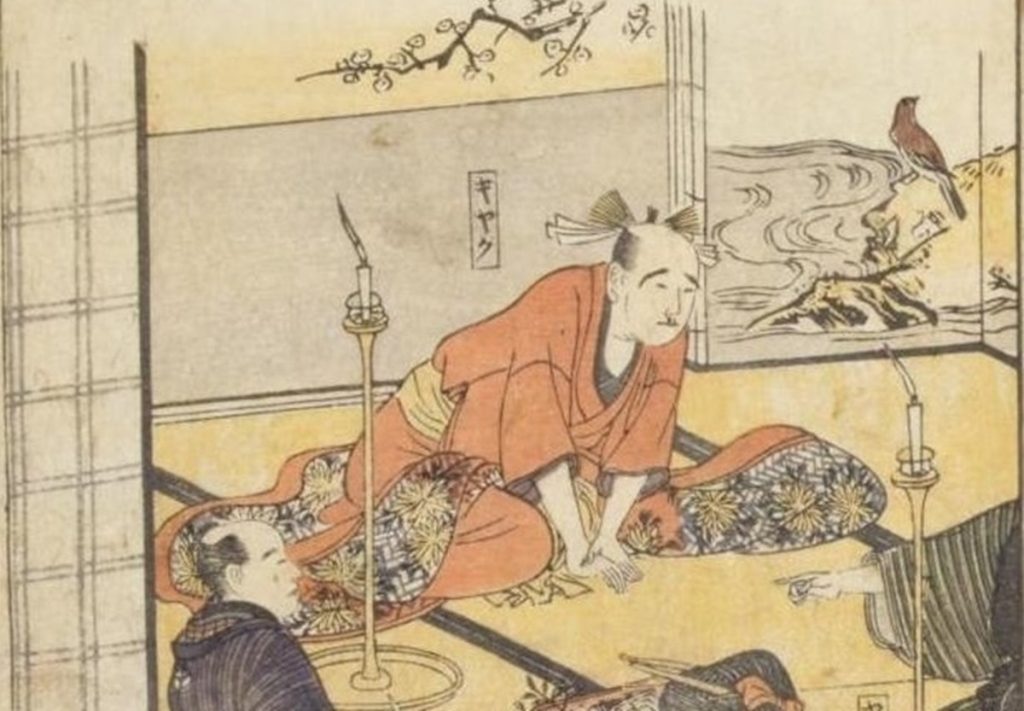
Eye-Catch Image: Odori Sai Kaku Mitate Gosekku (踊彩客見立五節句) by Utagawa Toyokuni (歌川豊国) colBase
This article is translated from https://intojapanwaraku.com/culture/281955/