






What is Mizu-manju?
What exactly is a mizu-manju?
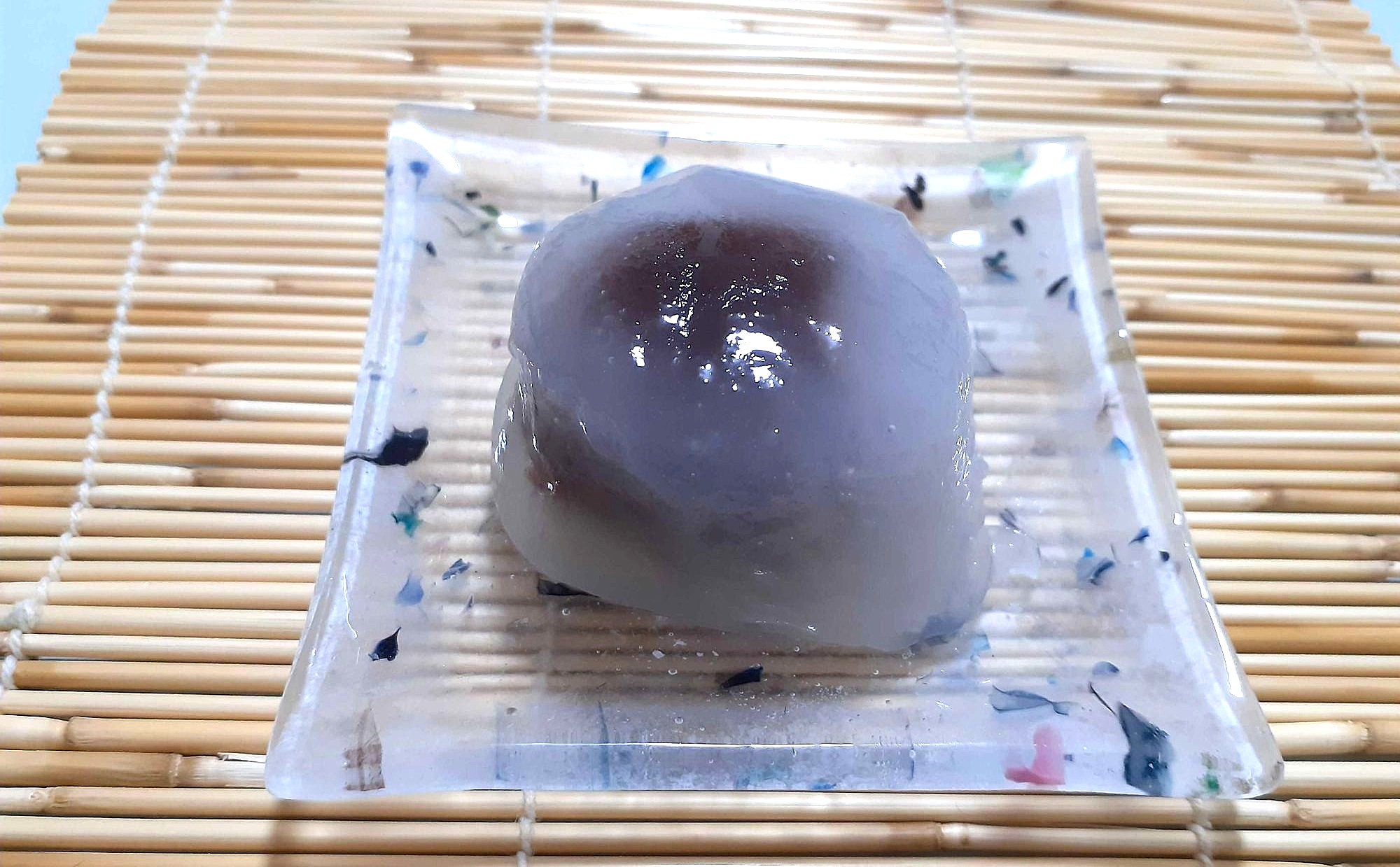
It is described as ‘a raw sweet made by wrapping a ball of red bean sweet paste in a translucent jelly like dough using kuzu (葛) powder’ (according to ‘Digital Daijisen Plus‘ (デジタル大辞泉プラス)), but it is rather difficult to picture it from text alone.
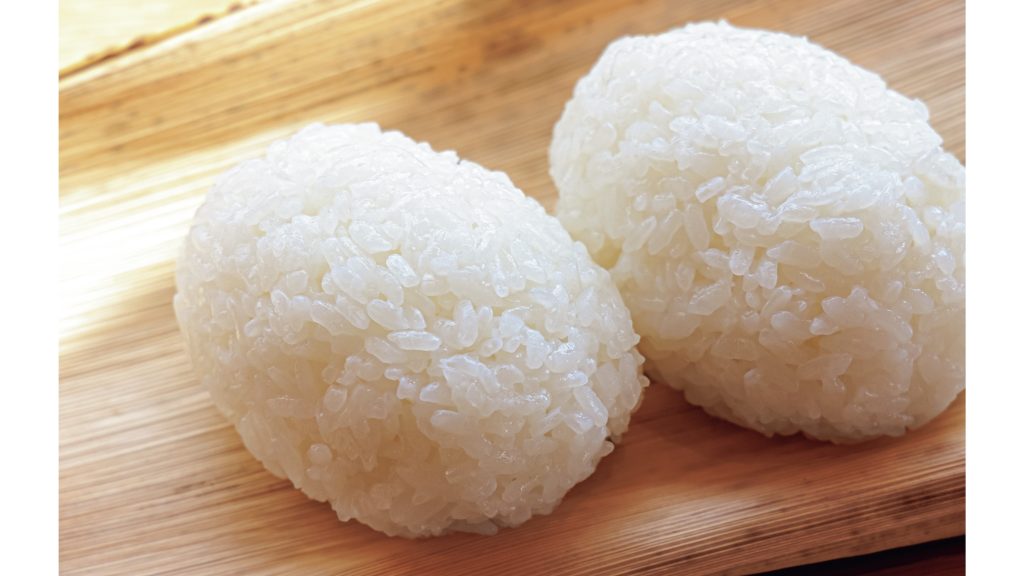
Therefore, we would recommend referring to the header image to get a better idea of what it is. This particular one from a small, local japanese confectionary shop, looks quite understated, but the flavour is outstanding. Its gentle, delicate sweetness and wobbly texture remind me of my days as a baby tanuki—I mean, my childhood days when I knew nothing of the hardships of the world.
What are the differences between Mizu-manju, Kuzu-manju, and Kuzu-zakura? How does it differ from a normal manju?
Mizu-manju and Kuzu-manju look very similar indeed. So, how does one tell them apart?
Kuzu-manju is described as ‘a sweet made by dissolving kuzu powder in water, kneading it, heating it until it becomes translucent, and using it as a skin to wrap an’. Based on this description, it intriguingly seems no different from mizu-manju.
I have looked into it in various ways, but it seems there is no strict, unified standard. However, some explanations stated that mizu-manju uses warabi powder in addition to kuzu powder, whilst kuzu-manju is often wrapped in bamboo grass leaves or cherry blossom leaves.
By the way, Kuzu-zakura (葛桜) is apparently simply another name for Kuzu-manju.
The History of Mizu-manju
Whilst the name kuzu-manju can be seen in publications from the mid-Edo period (1773), the exact details surrounding the birth of mizu-manju are actually quite unclear. However, ‘Digital Daijisen Plus‘ states it is ‘a famous summer sweet of Ogaki (大垣) City, Gifu (岐阜) Prefecture’, so there is no doubt that Ogaki is an extremely important place for mizu-manju. The ‘Ogaki Shishi‘ (大垣市史) notes that it has been made within the city since around the 30th year of the Meiji era.
If you find yourself craving mizu-manju…
There are a few places famous for mizu-manju, such as Kyoto, Nagoya, Nagaoka (長岡), and Okayama (岡山), but Ogaki City in Gifu Prefecture is undoubtedly the place to go. There are numerous wagashi shops making mizu-manju within the city, and it is highly cherished by the entire region as a ‘speciality of Ogaki’. Incidentally, the mizu-manju from Ogaki is characterised by the addition of warabi powder along with the kuzu powder.
Recently, they are sold at convenience stores and supermarkets, and you can even find recipes on how to make them yourself published online, so it might also be enjoyable to pursue your ideal flavour and shape.
References:
‘Digital Daijisen Plus‘ by Shogakukan (小学館)
‘Digital Daijisen‘ by Shogakukan
‘Nihon Kokugo Daijiten‘ (日本国語大辞典) by Shogakukan
‘Nihon no Saijiki‘ (日本の歳時記)
This article is translated from https://intojapanwaraku.com/lifestyle/308696/