






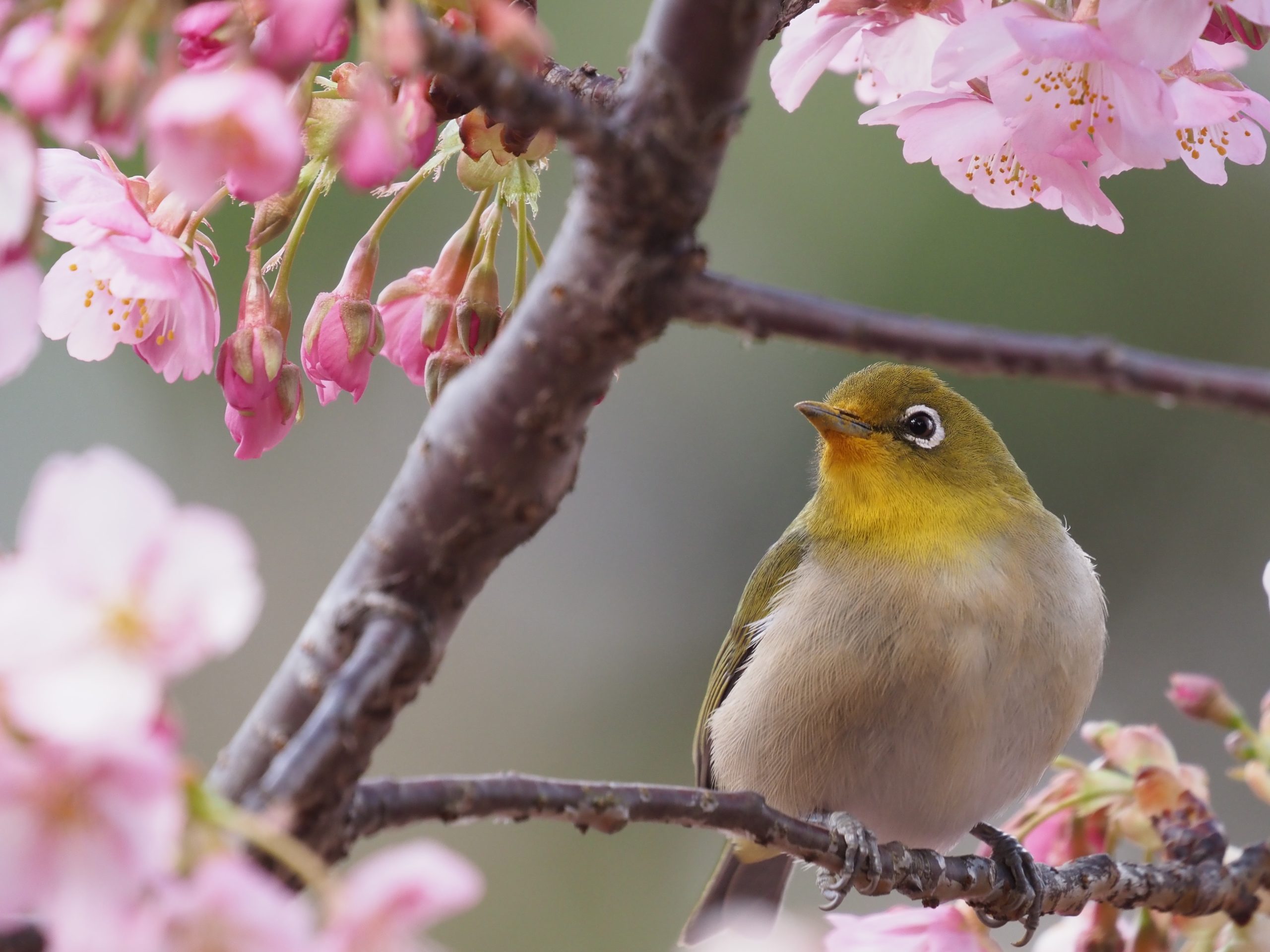
Kacho fugetsu (花鳥風月) is a four-character idiom that captures something quintessentially Japanese about beauty. Cherry blossoms and autumn leaves, birdsong, an evening spent gazing at the moon: these are all things the Japanese have cherished since ancient times.
Put simply, the phrase means “the beauty of the natural world, and the enjoyment of savouring it”. Ka (花), “flower”, stands for the flowers that bloom in each season. Cho (鳥), “bird”, is the birds singing in the wild. Fu (風), “wind”, is the breeze that tells us the season has turned. Getsu (月), “moon”, is the moon hanging in the night sky. Each one is a symbol of nature, and together they express the beauty of a natural world that is always changing.
But kacho fugetsu means more than simply “beautiful nature”. When the blossoms open, people go to view them. In autumn, they admire the changing leaves, and on the night of jugoya (十五夜), the mid-autumn full moon, they gaze up at the sky. Even the chirping of insects and the song of birds carry a sense of the season. The phrase is closely tied to a sensibility found in Japanese culture: rather than simply looking at nature, people find and enjoy the passing of the seasons and the feelings they stir.
Kacho fugetsu lives on in art and literature
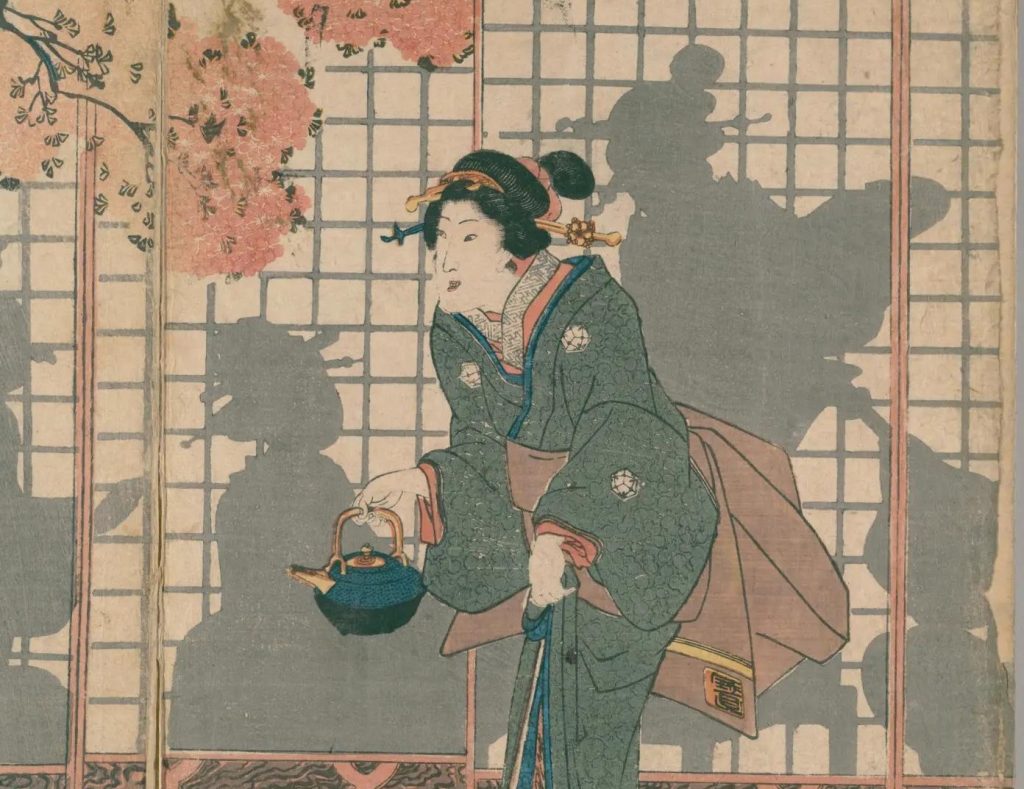
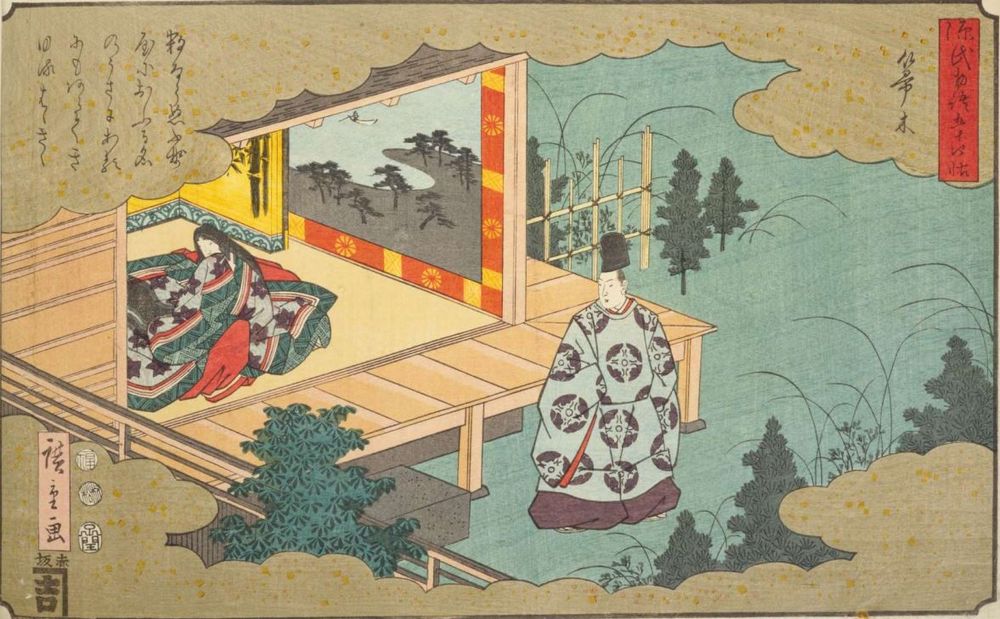
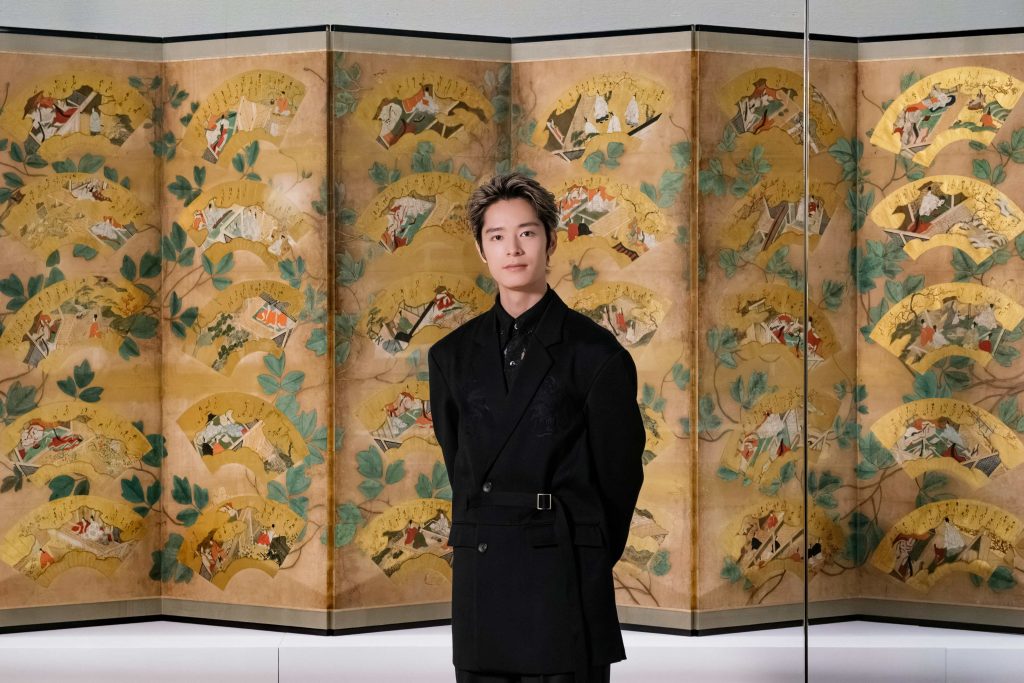
Look across Japanese art and you will find the world of kacho fugetsu everywhere. Flowers such as cherry, plum and chrysanthemum, birds such as cranes and wild geese, wind sweeping over the mountains, and the moon peeping through the clouds have been painted again and again. They appear on picture scrolls, folding screens, hanging scrolls, ukiyoe woodblock prints and crafts.
The same is true of waka and haiku poetry. In Japan, people have long expressed their feelings through the changes of nature. Falling cherry blossoms may remind them how fleeting time is. The autumn moon may stir a quiet melancholy. And through all of this, they may express love.
In other words, kacho fugetsu refers not only to nature itself but also to the frame of mind that looks closely at nature and sees the beauty and emotion in it.
Thus in english, Kachofugetsu could be translated into something like ‘the beauty of nature and the appreciation of it’. Yet perhaps these words are not enough to capture the long history and culture of expressing human feelings through the changes of nature.
Turning our eyes to the nature around us, to flowers, birds, wind and moon, and enjoying the passing of the seasons: these four characters hold, in concentrated form, the way the Japanese have learned to live with nature over many centuries.
This article is translated from https://intojapanwaraku.com/culture/319135/