









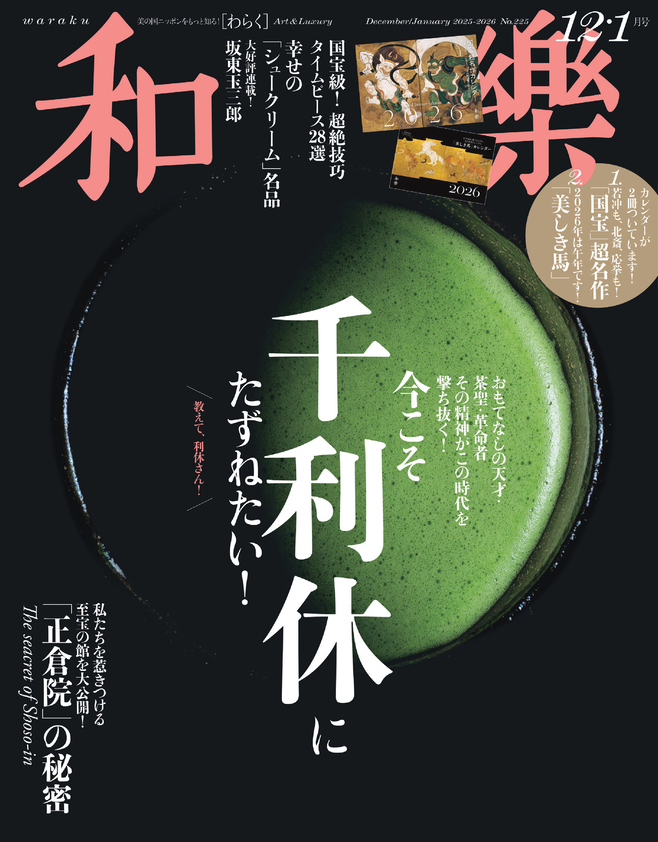




The popular serialization of Mr. Ukon Onoe (Kenken), "Introduction to Japanese culture in Ukon Onoe_INTOJapaaaaN!" The art appreciation that I chose this time is the Harunobu Suzuki exhibition at the Boston Museum of Fine Arts Ukiyoe, which is being held at the Abeno Harukas Museum in Osaka (-June 24th). Speaking of Harunobu Suzuki, he is one of the Ukiyoe artists who are said to have created Nishiki-e. There are 150 beautiful ukiyo-e prints from the Boston Museum of Fine Arts that are well-preserved.
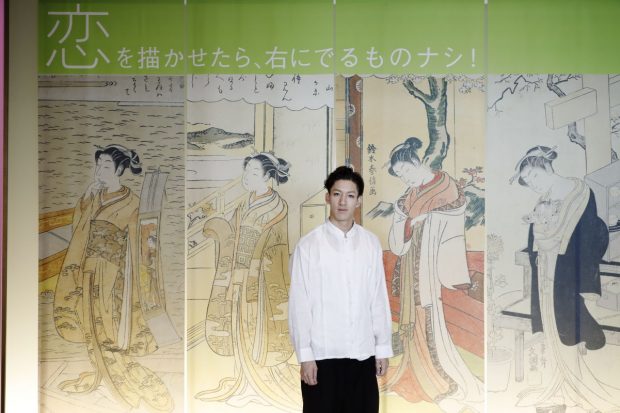
This year's Suzuki Harunobu exhibition introduces the works of painters from the period when Harunobu Suzuki was influenced as a prologue. In Chapters 1 to 5, the works of Harunobu Suzuki, who led the era and created an era, were displayed by theme. In addition, the epilogue exhibits works by Ukiyo-e artists who were inspired by Harunobu and imitated Harunobu. Now, which painting is Kenken attracted to and stops?
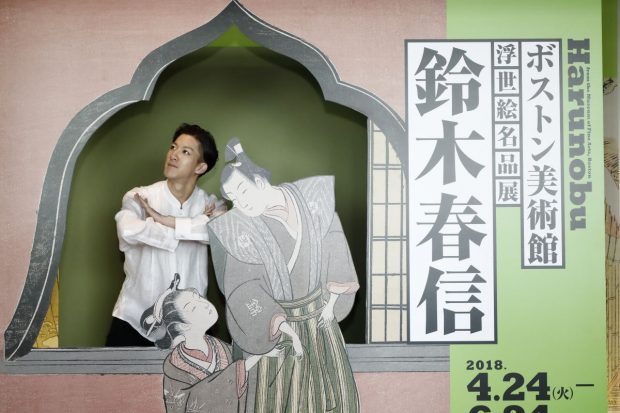
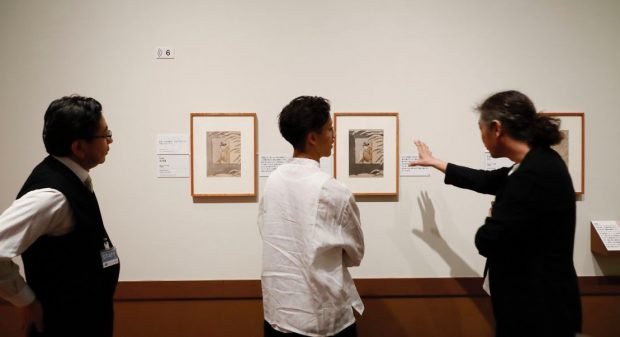
“That's a Ukiyo-e picture from the Boston Museum of Fine Arts. I have never seen any of Harunobu's works in good condition so far,” he said. “Yeah, it is said that there are about 2,000 ukiyoe paintings left in the world today, but about 600 of them are in the Boston Museum of Fine Arts. It ’s an exhibition where you can see the statue.When this exhibition is over and you return to Boston, you will not be able to display it for a while. , Curator, Tadanori Fujimura. “Does it mean that the color will burn? Well, this time it will be a valuable opportunity to see Harunobu's work,” Kenken says.
The period and early works that brought up Harunobu
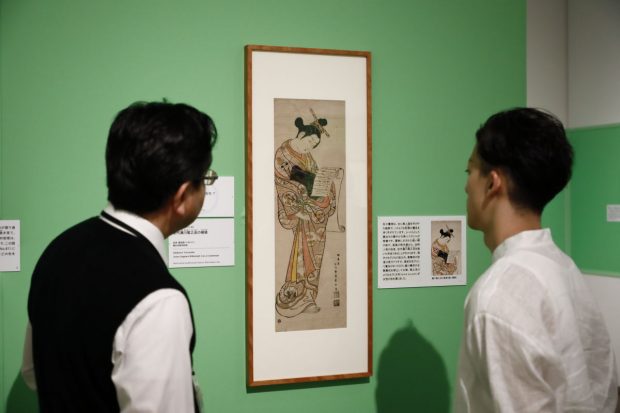
Toyonobu Ishikawa “The First Segawa Kikunoshiro Castle” Nobuyoshi / Kannobu (1744-51)
First of all, this is "The First Segawa Kikunoshiro's Leaning Castle" by Toyonobu Ishikawa (1711-85) of the era when Harunobu was influenced. Until the birth of Nishiki-e, there was an era of red and red paintings. The black lines are rubbed with wood blocks, and the remaining colors are painted by hand one by one. “It looks like a beautiful girl at first glance, but this is an actor's painting that depicts the first castle of Kikunosuke Segawa. Because it is colored with a brush, there will be shades of color,” says Fujimura. The first, second, and third generation and the popular female figure Kikunosuke Segawa. “I can see from the Kimono cotton pattern that this is the first Segawa Kikunobu. It was drawn with a portrait from the end of Meiwa, but until then the actor's painting had no personality expression on the face,” Mr. Fujimura. “I see. I didn't draw the actor's paintings of this era in a similar way ...” why, Kenken. “Every artist has an ideal face that she is good at, and the beautiful face of the current anime and the work of Reiji Matsumoto is the same face. Probably because it is difficult to paint a beautiful woman with personality, the first job Ukiyo-e got was to draw an actor's picture, and there were about 30 actor pictures that Harunobu made when he debuted. Mr. Fujimura. However, the actor's picture is like a promide at the time, and it can only be sold at a certain time, so there are not so many good papers and paints used. Only about 5 colors are used.
The trend of the picture calendar exchange party and the birth of Nishiki-e
Oh? Next to the picture, there is a quiz that says "Letters representing the big and small moons are hidden in this picture ...".
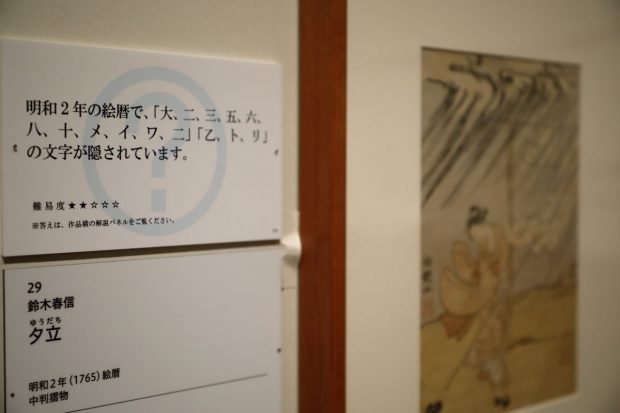
“We made the quiz format so that people who came to the exhibition would be interested. There are 29 quizzes at the venue,” says Fujimura. “It ’s a quiz, it ’s interesting. Oh, it ’s written on the laundry,” Kenken says.
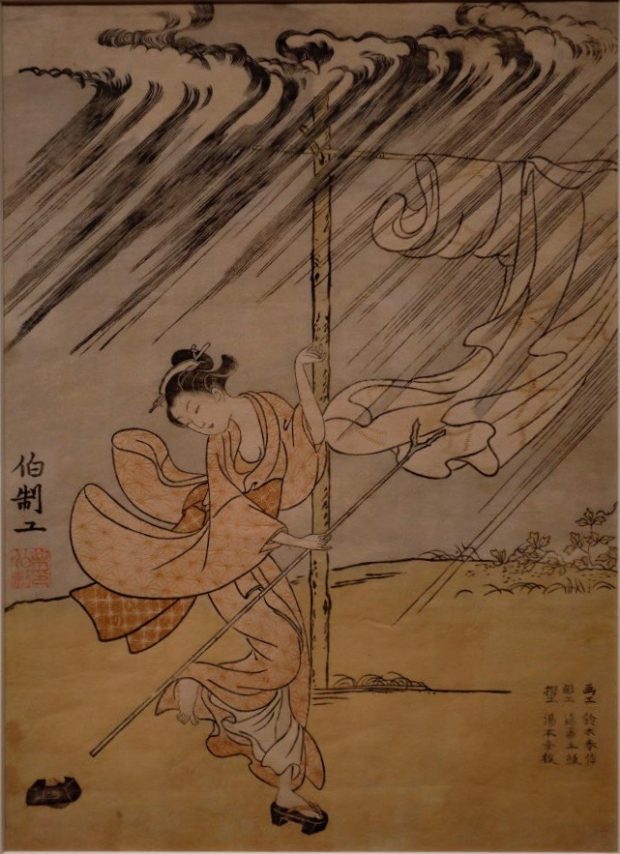
Harunobu Suzuki “Yudate” The picture calendar of Meiwa 2 (1765) Signature “Hakusho” Seal “Matsuhiki” “Harunobu Suzuki, Engraver Endo Goryo, Yuri Yumoto”
It was around Meiwa 2-3 that the party to exchange picture calendars was very popular. At that time, a calendar was necessary because the big month (30th) and the small month (29th) change every year. Thinking about elaborate designs suitable for the year, have a professional painter create a picture calendar and exchange them at the beginning of the year. The kind of New Year's card that was used today was a big epidemic among educators such as the haiku group at that time. “I think most of the red paintings were cheap, but this is how proud they made luxury and beautiful things. Moreover, educated and wealthy samurai and merchants pay attention to the money. Mr. Fujimura said. "Is this" Hakusaku "the name of the person who invented it? ”Kenken. "I don't know what kind of person it is, but when I read the sign, it says" Matsuhaku system seal ". Someone from the haiku group with a haiku called Matsuhaku. It's a sign that I designed and devised something like this. In addition, the name of the person in charge of carving and shaving is written, "says Fujimura. “That means that I made something with such a good sense (laughs), but that was the trigger for the birth of Nishiki-e,” says Takagi. “That's right. The improvement in Ukiyo-e technology and its popularization was undoubtedly influenced by the trend of the picture calendar,” says Fujimura.
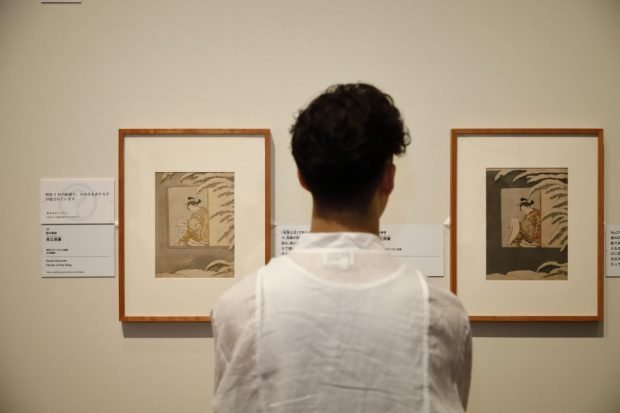
Harunobu Suzuki `` Sonyasu Tate '' Meiwa 2 (1765)
The left side is the picture calendar. In the letter that the woman is reading, "small moon" is written. “The picture calendar was distributed as a hobby, and there was no problem with distributing it free of charge, but sales of calendars other than those who received permission were prohibited. "The picture on the right is the one sold as a piece to be appreciated. It is the same version, but the letters will disappear. This is the birth of Nishiki-e," says Fujimura. At that time, publishers at that time did not miss that the exchange of pictorial calendars was so popular. When I bought a picture calendar block, I cut off the name of the inventor and smashed the numbers with a pattern.
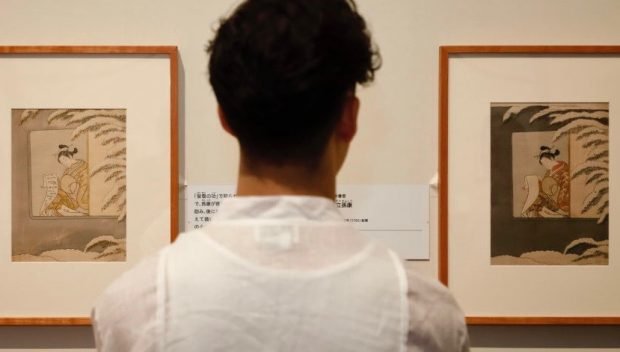
If you look at it carefully, ...
“The right is darker, or is the picture calendar fading?” Kenken. “It was a hobby at first, and it was better to be pale as the values of the cultural people at the time, but it would have been darker when selling to the general public,” says Fujimura. Then, Editor-in-Chief Takagi said, “Oh, I understand, I'll do it well for the current publisher. Isn't this a bit too plain? Let's make it more flashy (laughs). Is it unique to the publisher, or are we following the trends of the publishers at that time? Then Kenken says, “The line looks better in the pale picture calendar.”
Since the picture calendar starts from a cultural group such as a haiku group, the themes drawn are themes of classical literature, Japanese poems and events. “The person who understands understands it. Because there is a kind of drawing that satisfies the sense of superiority of cultural people, there is no representation of what is being drawn in text. People were such a way of enjoying that pride as a cultural person, ”says Fujimura.