













For those who are new to Kabuki, Noh and Bunraku, we will explain the differences between them in an easy-to-understand manner.
What is the difference between Kabuki and Noh?
Do you know that Kabuki is good at collecting popular works of classical Japanese performing arts? For example, "Sanjincho", which is known as Benkei's "Fly Six Ways." Now it is considered to be a representative performance of Kabuki, but in fact, it is the one that premiered in the Tenpo 11 (1840) year by Ichiro Ichikawa Ichiro, based on Noko's “Ataka” (Ataka). In both cases, the original Yoshitsune and Benkei's group, who go down to Oshu Hiraizumi, depict battles when passing through Aneki's Seki, but Kabuki and Noh have very different themes in the first place. You
Noh to break through Seki with "force" and Kabuki who escapes with "spirit of justice"
Noh "Akehi" plays the powerful and powerful Benkei's Togashi, who is a guard, and a life-long confrontation. The picture below is a scene of a masterpiece where Benkei and the nine-man party appear in full play. Benkei is a powerful confrontation with Togashi, passing through the barrier. It expresses the power of a group and plays it in the direction of the confrontation between power and power.
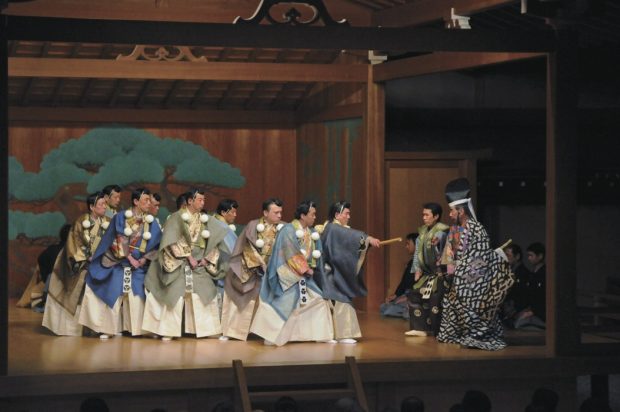 No "Akehi" Musashibo Benkei / Asami Manshu (Asami Sakuni), Tomi / Hoshokan (Hoshokan) and others. 2011, National Noh theater
On the other hand, in Kabuki "Shinshin-book", Benkei holds down the four heavenly kings who are trying to get close to Tomi. In addition, Togashi, who fell in love with Benkei, would pass through the annoyance of the house with the affection of a samurai, although he understood that he was a member of Yoshitsune. A falcon to stop Benkei and have a banquet. Benkei dances with the feelings of Togashi. There is a romance between men there. For Kabuki actors, Benkei for "Shinshin-book" is a major part of longing. The photo below is Benkei, whose first role was Ichikawa Somegoro (currently Toshiro Matsumoto Koshiro) in 2014. Toshiya was played by his father, Koshiro Matsumoto (now second generation Matsumoto Hakuho).
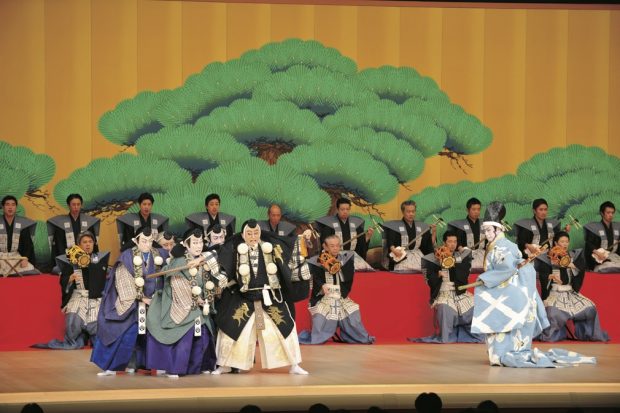 Kabuki "Kanshinbook" (© Shochiku)
Kabuki and Noh also do not change much of the story, but Kabuki's talk of Benkei and Togashi's men-in-laws is a big point. As you compare the difference between your main work and kabuki in this way, it will still be interesting.
What is the history of Kabuki? Compare with Noh and Bunraku
Three performing arts representing Japan. It has a different background and history. Let's see while comparing the flow of Japanese performing arts history!
"The style of Noh that we can see now was almost completed in the Edo period. It should be considered that Bunraku and Kabuki were finally born at that time," said Kabuki and others in Japan. Kenji Yauchi studies modern and contemporary performing arts. In general, there is also a view that Kabuki's vulgarity was born from the repulsion to the official Noh. "The idea is not correct. Rather, the early Kabuki was about to take part in the works of Kyogen, and it was greatly influenced by Noh. Kabuki developed while Noh's" good and bad "was taken It is better to think that Joruri, the motherhood of Bunraku, also has a view that, in recent research, the narrator of the generation one generation prior to Yoshitao Takemoto has modeled on the euphemism. The stage performances that were done were hardly fun. "
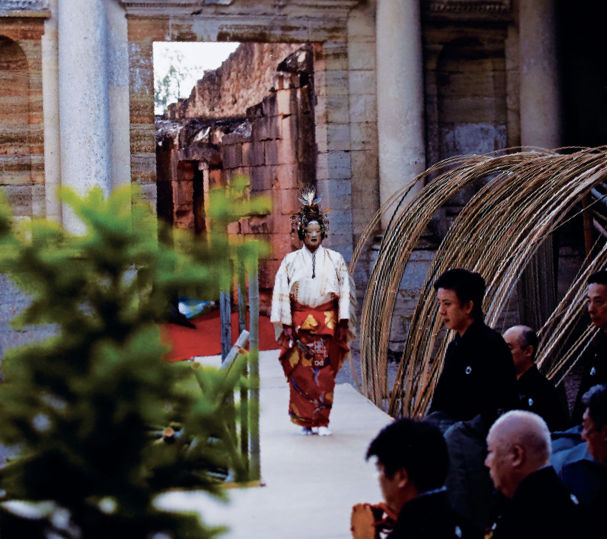
Bunraku and Kabuki are the unique strengths of a late-generation team, and greedyly devise works and stage equipment to be received by the public. With the enthusiastic rise of the Edo period, it is now widely known. "Noh has been under the protection of the powers of the time since it was created, and it is a very different place from the way of the development of the other two performing arts. There is no such need in the Noh. There is a background that the established style has continued to this day, only in the Noh.-From the 2014 Kazuya June issue-
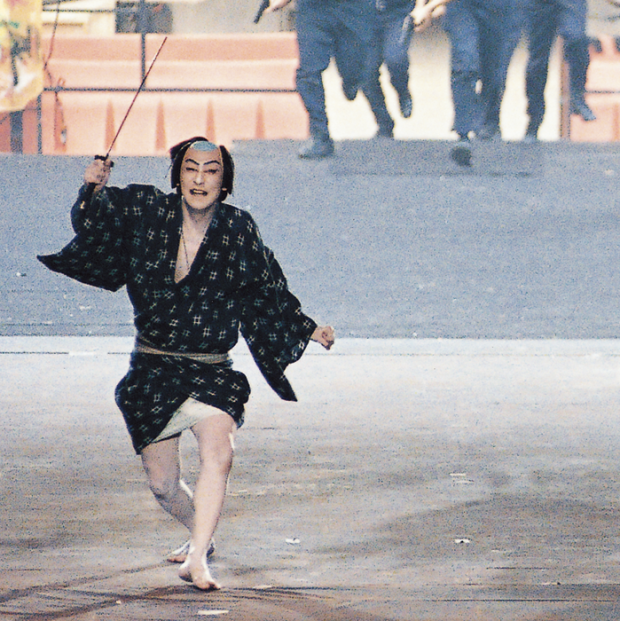
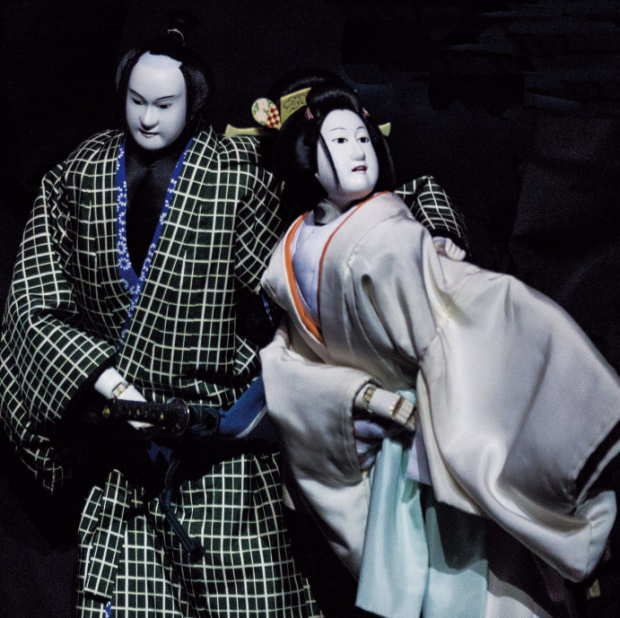
Photo courtesy / (left) Heisei Nakamuramura New York performance executive committee (right) Oda original culture foundation
History and roots of Noh
During the Nara period, the folk entertainment "Sakuraku", which came from the continent, has its roots 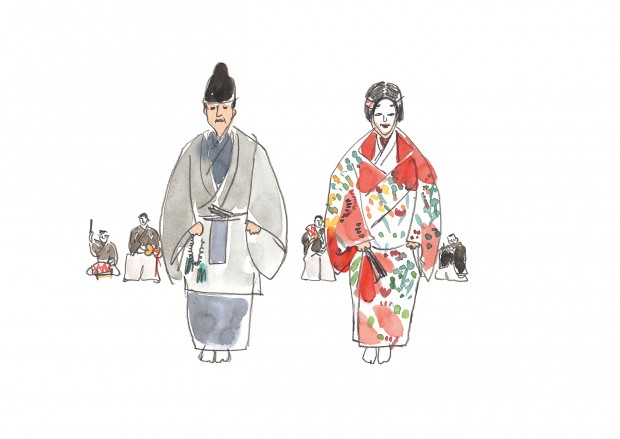
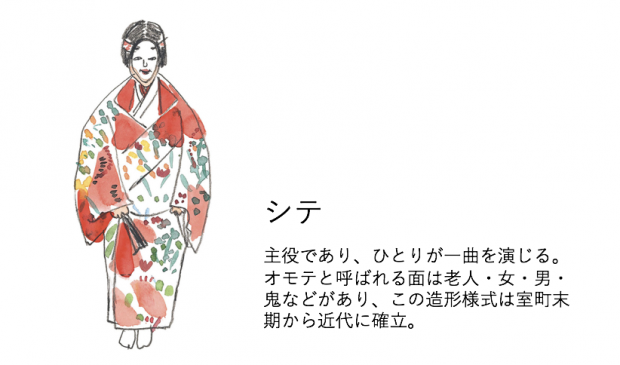
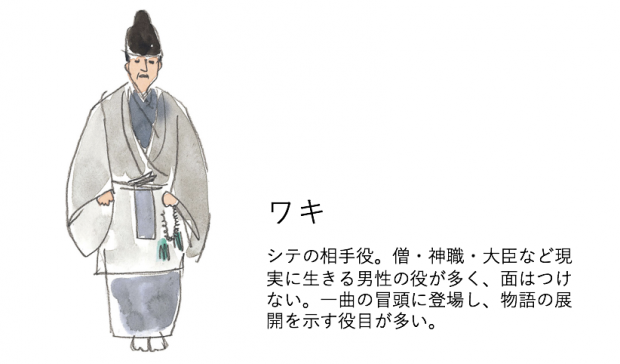
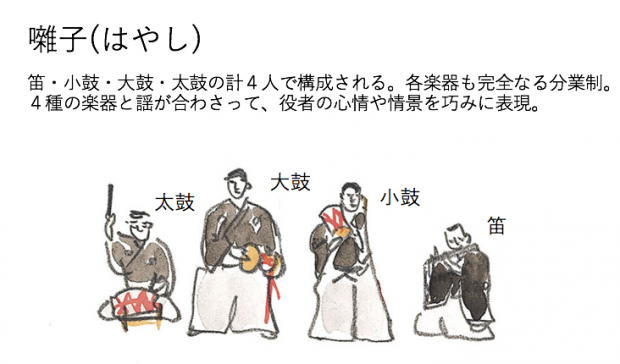
● established year / around the mid 1300s ● established place / Nara ● great adult / Kanan ● ● basic composition of the actor / role is largely divided into the leading role Shite, the counterpart of the Shite, there is a ladder in charge of the performance charge there Is added. It is also possible that a way of going crazy comes into play. All the people on the stage, including the choir area and the guardians who help the stage progress, are Noh performers.
● Current situation / Shite way, Waki way, Reiko way, all the gossip hereditary division of division of labor. There are an overwhelming number of Shite people who play a variety of roles, and there are five schools: Kansei, Takao, Kimharu, Kingo and Kita.
Bunraku history and roots
Joruri and the puppet show of "the story" unite in the Edo period 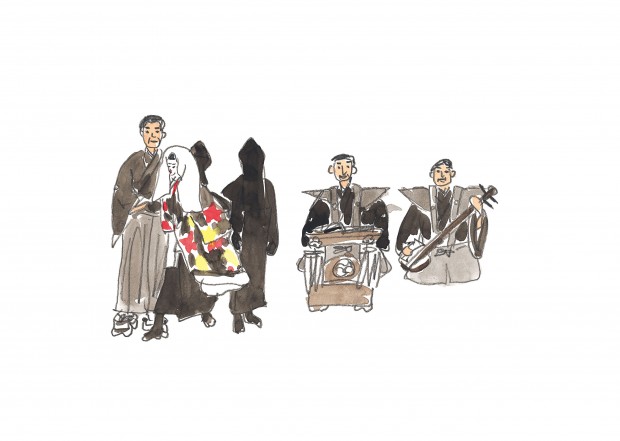
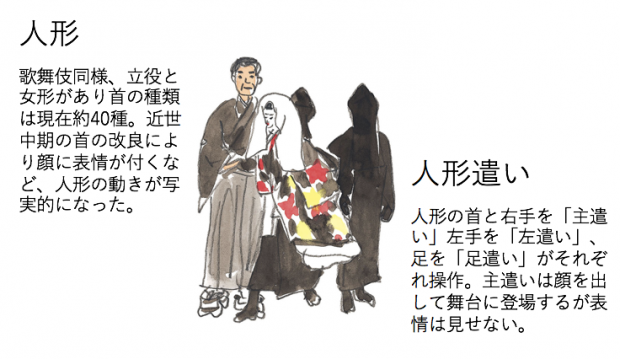
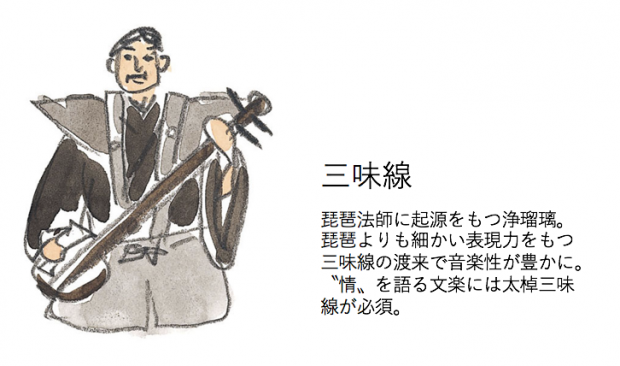
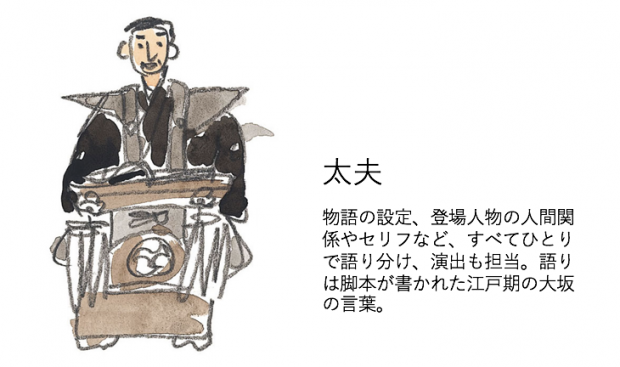
● The year established / Year of the king 貞 (1684) ● The place established / The city of Osaka ● The great adult / Yoshida Takemoto ● Basic composition of the performers / Joruri played by Tayu and the Shamisen who is in charge of "telling". A puppeteer manipulates a puppet according to this performance and becomes a puppet joruri. In the name of performing artist Uemura Bunrakuen, who played an active part in the 19th century, Bunraku is synonymous with Ningyo Joruri.
● Current situation / Taio, Shamisen, Dolls There are families that continue from the Edo period, but there is no strict hereditary system. Currently, many graduates of National Bunraku Theater trainees are active as Bunraku technicians.
Kabuki history and roots
Individual actors establish their art after the Akuno kabuki dance 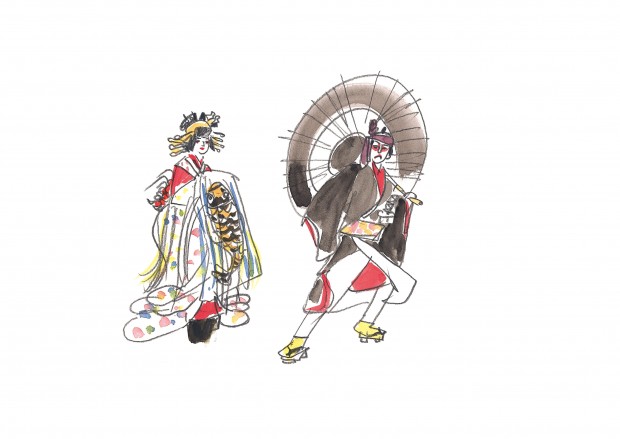
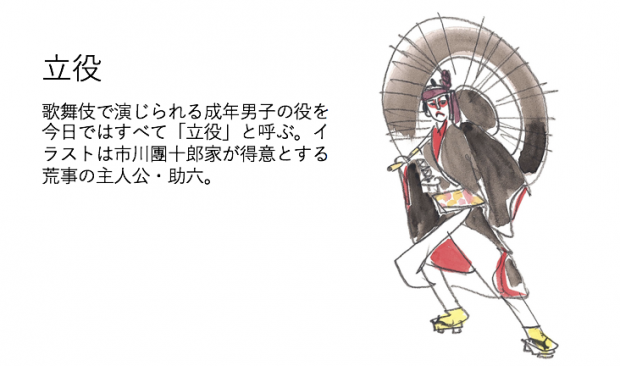
● established year / year of the original year (1688 ~ 1704) around · established place / upper · Edo ● great adult / Fuji Shiro Sakata, Ichikawa Ichiro etc ● basic composition of the actor / adult men "prone" when roughly divided The double role of "woman form" in which a man plays a woman. It is divided into various roles, such as an enemy role and the youth, and it is played by a story. Kabuki's own makeup is effective for performing.
● Current situation: Upward Sakata Tojiro, Edo's first Ichikawa Ichiro and other actors who have been known since Kabuki since its inception have been called the name of a name. The form that inherits the technique by naming the name track continues until today.
◆ Commentary: Kenji Yauchi Worked for the Japan Art and Culture Promotion Organization (National Theater), and after serving as an instructor and associate professor at Kyoto University of Art and Design, became an incumbent. His books include "Meiji Kiwano Kabuki Flying Fifth Generation Kikugoro" and so on.
Compare Kabuki, Bunraku, Noh with stage equipment
Under what circumstances have each theater been held in traditional Japanese performing arts such as Kabuki, Bunraku and Noh? The stage equipment has evolved with the times by the audience supporting each of the performing arts. Let's consider the difference!
Noh Stage Equipment
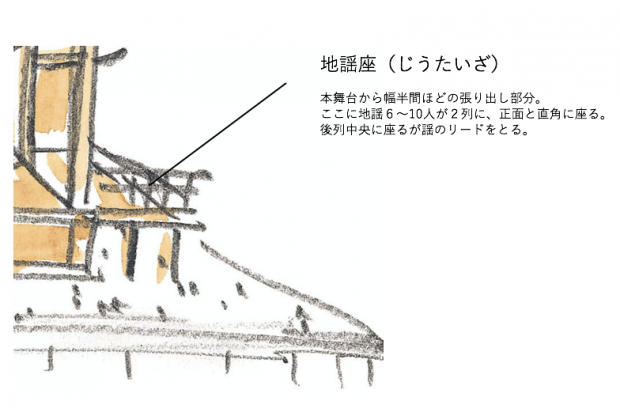
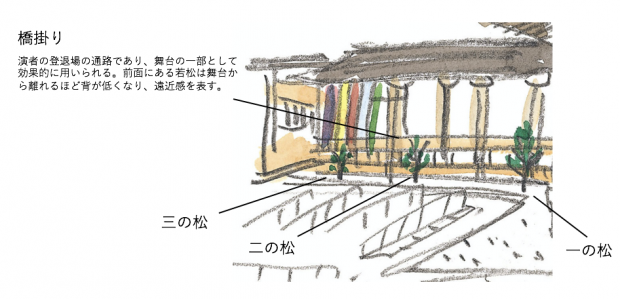
Simple construction with a history temporarily set up at each performance 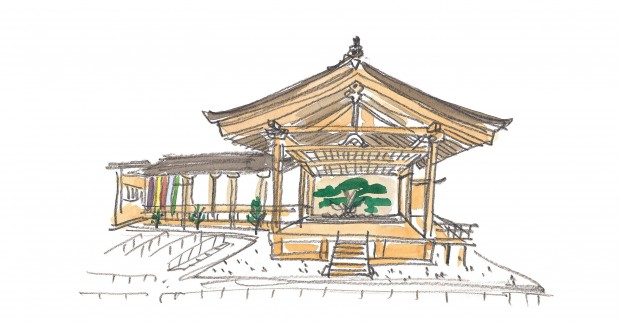 -Basic structure / Noh stage consisting of four parts of the main stage, Hashikakeri, Shizukuza, and the back seat is completed in the early Edo period. The main stage in the center is a square of about 6m (Kiya Sanma) square with pillars hanging on the corners of the floor and a roof. The fact that there is a roof on the stage indoors is a remnant that was often played outdoors.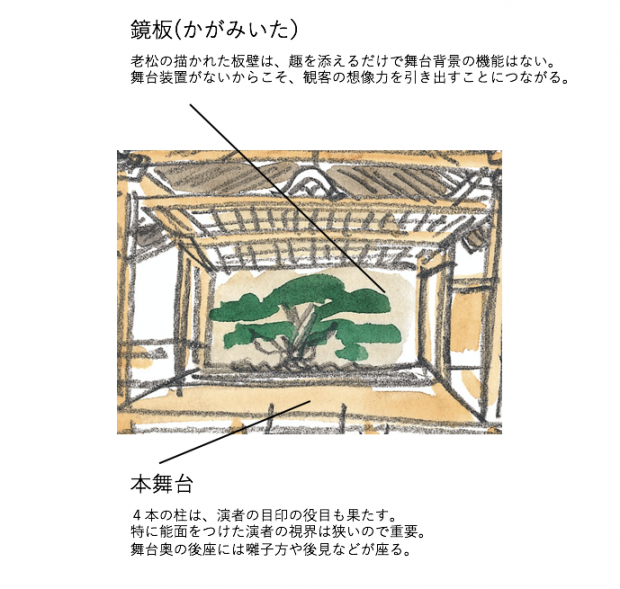
Bunraku stage equipment
Resound Yoshida from the floor that was pushed out to the audience 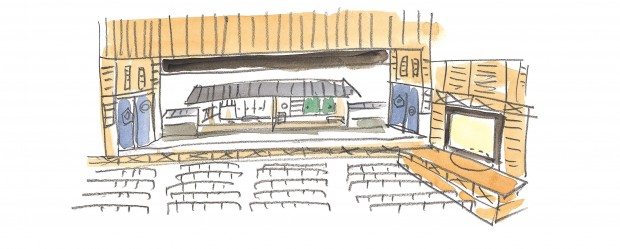 ● Basic composition: A stage set to the scale of the doll, and it consists of a "floor" projecting out to the audience on the good side. On the floor, Taio and Shamisen sit down and talk about Joruri. The stage has a depth for the puppeteer to move smoothly. In the middle of the Edo period, called the golden age of Bunraku, a large-scale stage device was also devised, such as using water.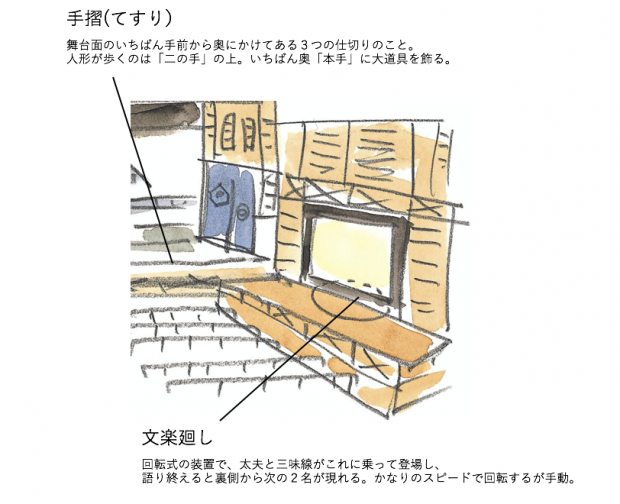
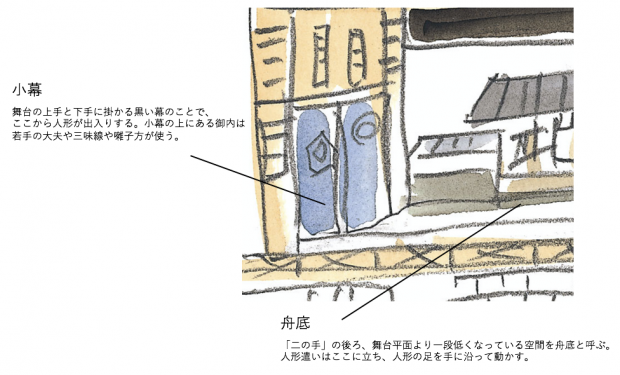
Kabuki stage equipment
A weird theater space that attracts the audience's eyes 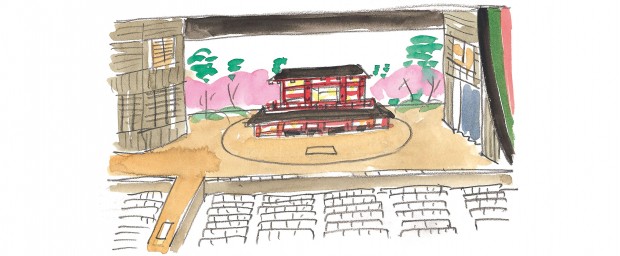 ● Basic composition: There is a stage in the center, and a unique Kabuki space called Hanamichi continues from the bottom of the stage to the outside of the audience. The accompaniment is always attached to the performance, but when the performer is on the stage or in the black shrine. Large-scale stage equipment boasts of Kabuki. The stage was conceived in the middle of the eighteenth century, ahead of the world.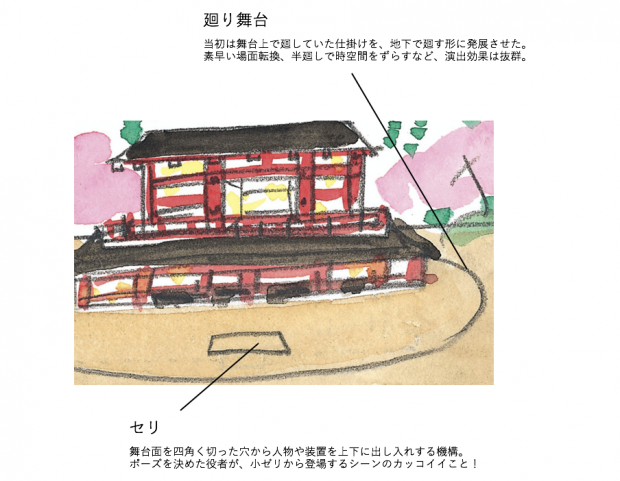
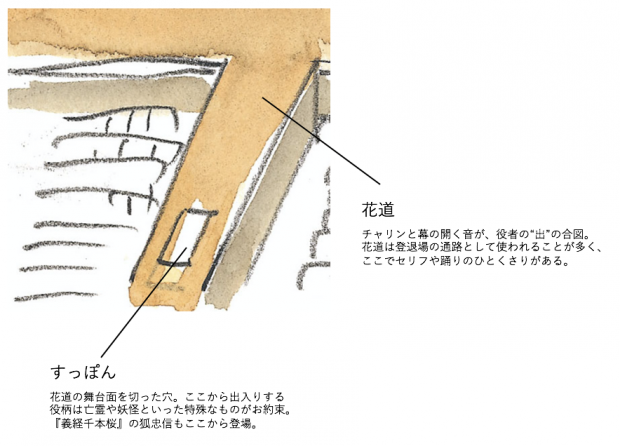
Commentary by Kabuki researcher Kenji Yauchi
"Noh is the aesthetics of omission. As a result of putting away various things, the words and the body are on the stage. Because there is nothing, the viewers make use of their own imagination and make up for them. I think it's a theater that uses the most power. "
In that respect, Kabuki is full of creations to surprise customers. Mr. Yauchi also made "showing a place that makes it easy to understand, a background drawn like a manga, etc." "We think that we modern people think that we get something from the stage and watch it seriously, but Kabuki is not such a thing in the first place. Now it has become glittering, but the complexity of popular theater is It is a prototype of the stage of Kabuki.
The highlight of Bunraku is "First floor" and Mr. Yauchi. "In the first place Bunraku is going to listen to tauro's narratives. That's why the floor where the tayo and the shamisen sit down has come to the fore. Sometimes I want you to listen to the floor, but it's the puppetry that makes dolls more vivid than human beings, such as scenes of killing and getting wet.
◆ Kenji Yauchi (Associate Professor, Faculty of Literature, Rissho University)
Worked for the Japan Art and Culture Promotion Organization (National Theater), and became an instructor after teaching at Kyoto University of Art and Design and associate professor. His books include "Meiji Kiwano Kabuki Flying Fifth Generation Kikugoro" and so on.
-From the June 2014 issue of Wakasu-
Talk about Kabuki, also here!
[You can see Nijinski and Yaegaki princess in comparison! What is the strength of Kabuki? ]
[The hero of Giant Baba and Kabuki. Discover the same thing in the day! ? ]
My motto is "I'm serious about being stupid", and I am having fun and having fun every day.