






Once again, inspiration for an article struck while I was floating in the bath. Today’s topic: when did traditional Japanese sweets with ‘mizu’ (water) in their names first appear?
mizu-manju (水まんじゅう) and mizu-yokan (水ようかん) are the oases of my heart. They are abundantly filled with the water that our bodies tend to lose, generously providing comfort along with a gentle sweetness. Come to think of it, lately, an adorable, jiggly treat like a jellyfish or a slime called mizu-Jelly (水ゼリー) is also said to be gaining popularity.
As someone whose brain cells are about 90 per cent made of sweet red bean paste and who turns into a moth helplessly drawn to wagashi with ‘mizu’ in their names during the summer, I felt that I absolutely must investigate this: the origins, history, and present state of mizu-yokan and mizu-manju.
What is mizu-yokan? What are the Differences in the Making Process from comventional yokan?
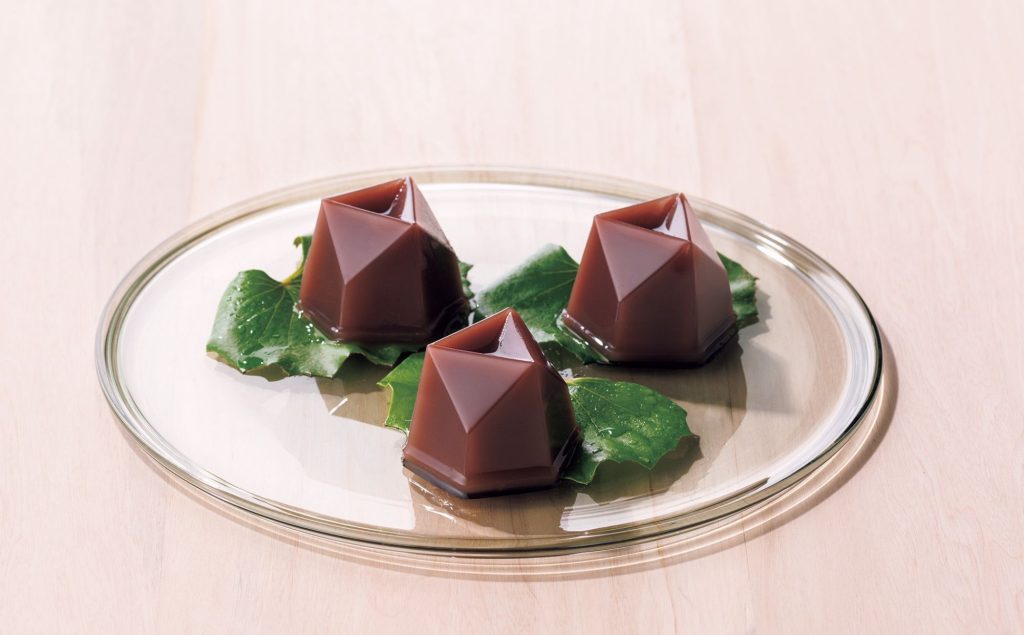
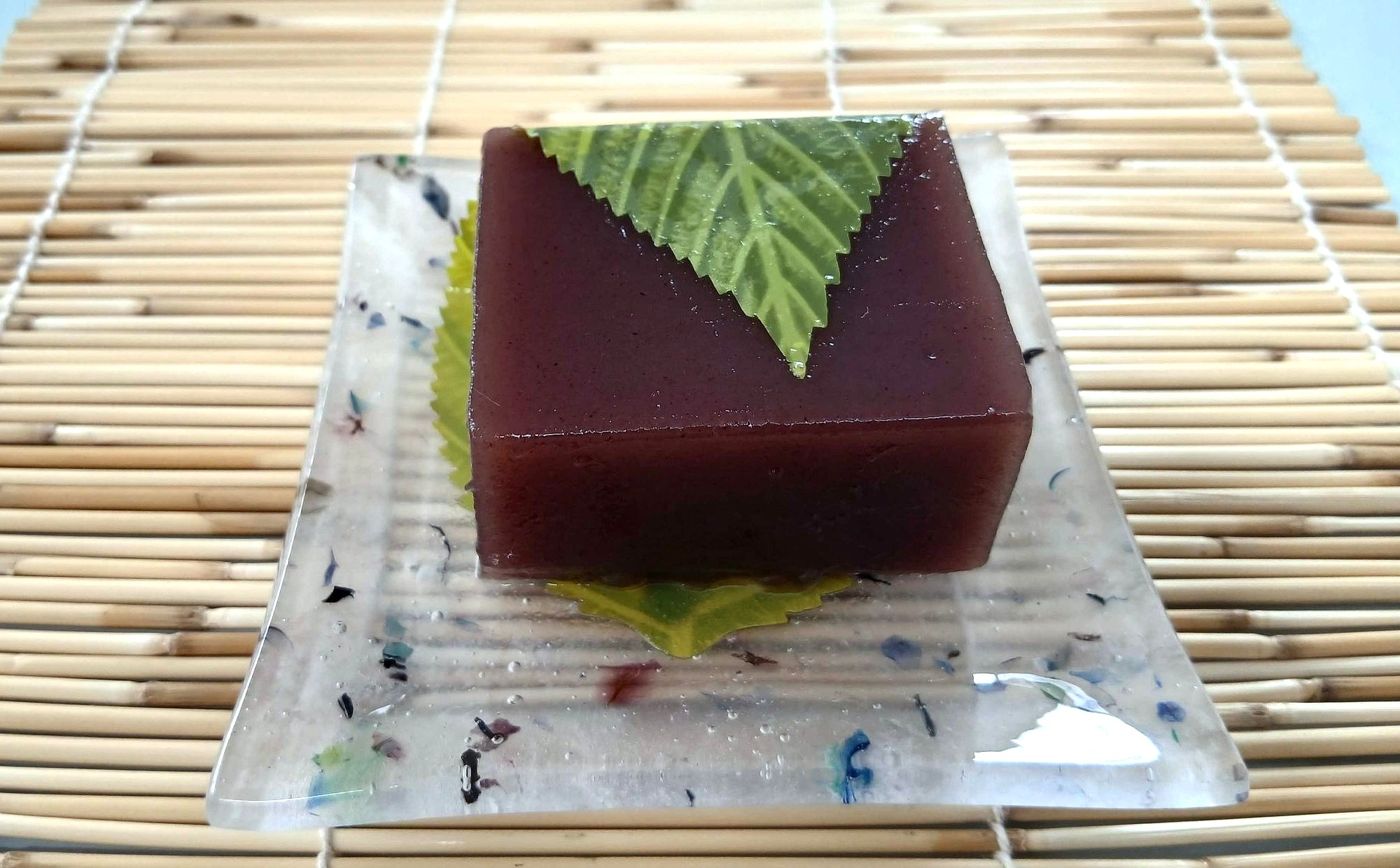
This time, we’re starting our investigation with mizu-yokan. Mizu-yokan is a variation of yokan—a traditional Japanese sweet made by mixing red bean paste (azuki-an) and sugar with dissolved agar-agar (a plant-based gelatin), which is then poured into molds to cool and set.
Yes, mizu-yokan is indeed a type of yokan.
So, what is the difference between it and regular yokan? It comes down to the ‘water content’. True to its name (mizu means water), it is a yokan made with a significantly higher amount of water. Because of this high moisture content, it is much softer than standard yokan, offering a smooth, refreshing, and melt-in-your-mouth sweetness.
Some varieties are even set inside hollow bamboo tubes, allowing you to enjoy the subtle aroma of the bamboo as well. Honestly, it’s absolutely irresistible (in my personal opinion at least!!).
By the way, the standard “yokan” mentioned earlier actually refers to neri-yokan (poured/firmed yokan). But it turns out there is an older predecessor called mushi-yokan (steamed yokan), which was already perfected back around the 14th century.
Furthermore, there was a time when the mainstream recipe didn’t use agar-agar or sugar at all. Instead, it relied on kuzuko (arrowroot starch) for thickness and amazura (a traditional sap-based sweetener) for sweetness.
The History of mizu-yokan
If the older predecessor, mushi-yokan was born around the Nanbokucho to early Muromachi periods, then when did the beloved mizu-yokan come into existence?
Surprisingly, there was no explicit mention of the ‘origin of mizu-yokan in the cross-search of JapanKnowledge (ジャパンナレッジ).
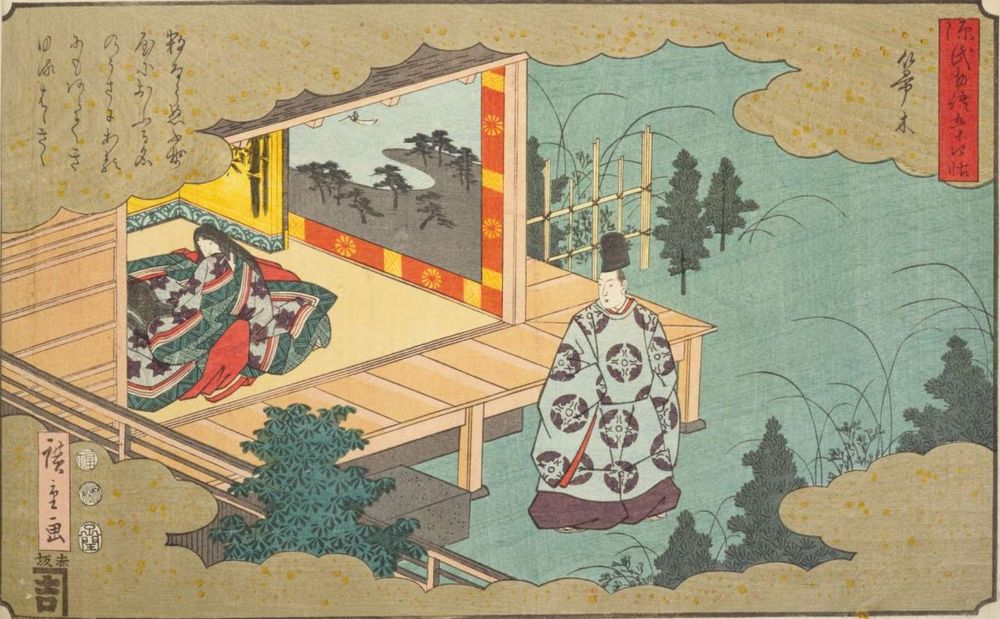
However, given that the name ‘mizu-yokan’ appears in literary works such as haikai (俳諧) and joruri (浄瑠璃) from the mid-Edo (江戸) period, and that neri-yokan, which is a very close relative, is said to have been established during the Kansei (寛政) era, it is thought to have been born around the mid-Edo period.
References:
・Digital Daijisen (デジタル大辞泉), Shogakukan (小学館)
・Digital Daijisen Plus (デジタル大辞泉プラス), Shogakukan
・Nihon Kokugo Daijiten (日本国語大辞典), Shogakukan
・Nihon no Saijiki (日本の歳時記), Shogakukan
・Progressive Japanese-English Dictionary (プログレッシブ和英中辞典), Shogakukan
・Nihon Daihyakka Zensho (Nipponica) (日本大百科全書(ニッポニカ)), Shogakukan
・Kokushi Daijiten (国史大辞典), Yoshikawa Kobunkan (吉川弘文館)
This article is translated from https://intojapanwaraku.com/lifestyle/308694/