






The Surviving Main Keep: Transcending 400 Years of History
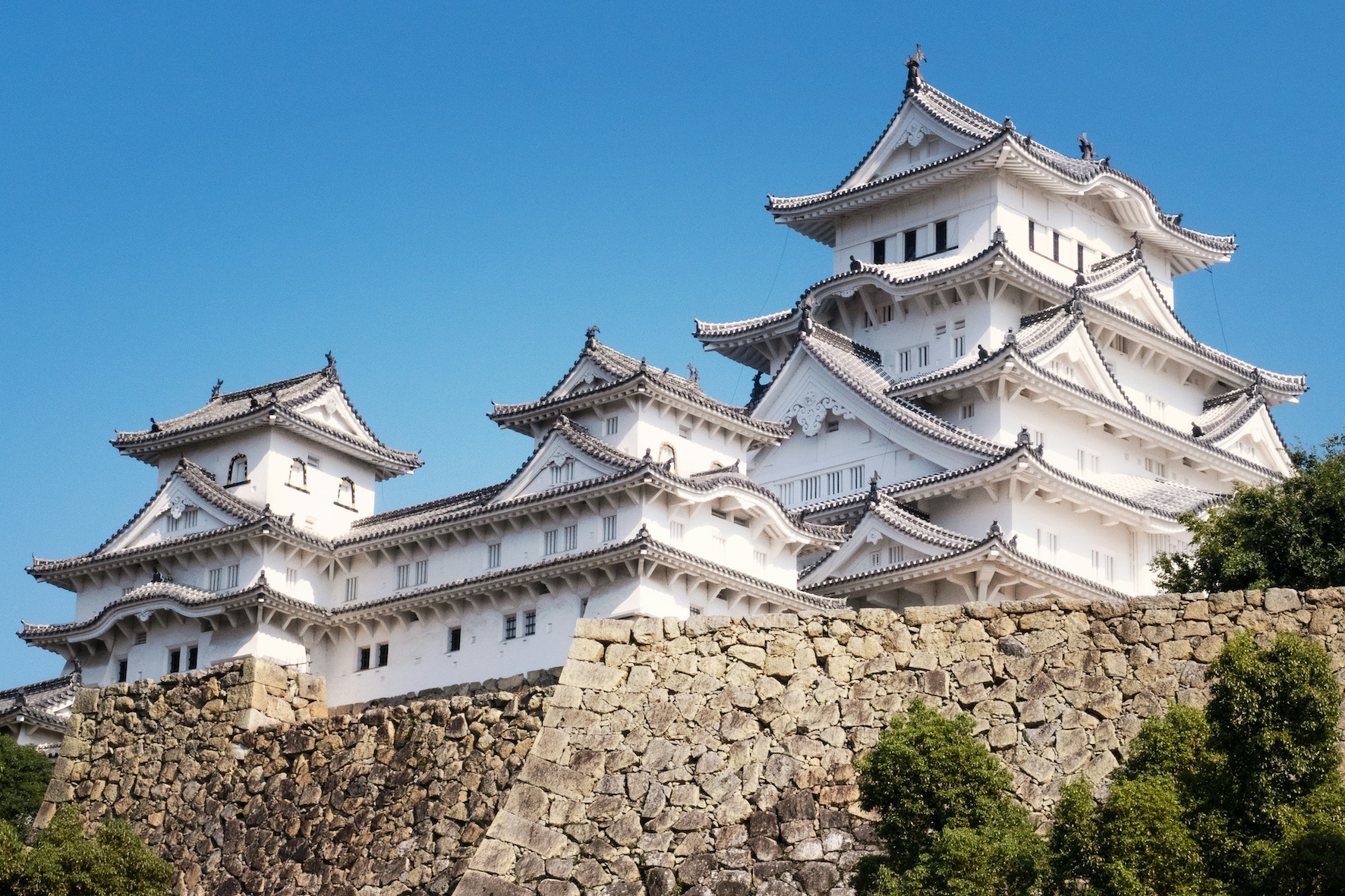
The castle’s origins date back to the warlords Akamatsu Norimura (赤松則村) and Akamatsu Sadanori (赤松貞範), a father and son from the Nanbokucho period (南北朝時代). After Hashiba Hideyoshi (羽柴秀吉) briefly resided there, Ikeda Terumasa (池田輝政)—who took possession of the castle as a reward for his military achievements in the Battle of Sekigahara (関ケ原の戦い)—undertook major renovations. He completed the grand main keep, featuring five tiers, six floors, and one basement level, in the 14th year of the Keicho (慶長) era (1609).
Since the era of the Akamatsu clan, 13 clans and 48 generations have served as lords of the castle. Having escaped major war damage, it remains a globally rare collection of wooden architecture, with 8 National Treasure structures—including the main keep, smaller keeps, turrets, and gates—and 74 Important Cultural Property structures still surviving today. Steep stairs, thick beams, and traces of craftsmanship found throughout make this castle a piece of ‘living history’ rather than a mere tourist attraction. Eight buildings, including the main and smaller keeps, are designated as National Treasures, and 74 as Important Cultural Properties.
The Beauty in Maze-Like Defenses
Its appeal goes beyond mere external beauty. The complex nawabari (縄張)—a defensive layout creating three concentric spirals around the castle—along with intricately winding paths, gates, and military installations such as yazama (arrow slits) and ishiotoshi (stone-dropping chutes), are deployed throughout, forming a sophisticated, maze-like defence mechanism. (It is also fascinating to take a mental slip back in time and imagine yourself as either an attacker or a defender while walking the grounds.) The experience of navigating the winding pathways towards the main keep is a thrill unique to Himeji Castle.
The Best Seasons to Visit
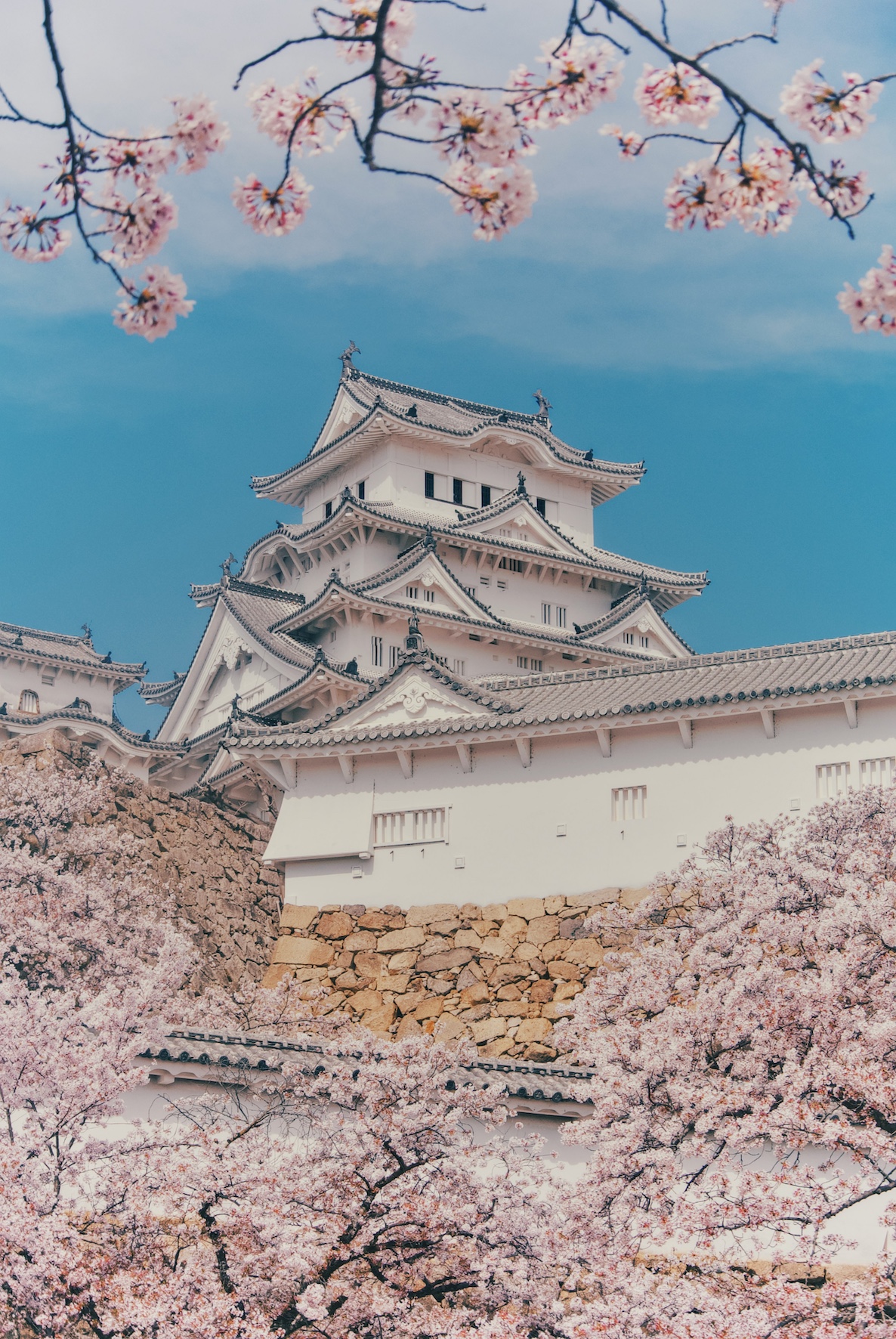
In spring, approximately 1,000 cherry trees add vibrant colour to the chalk-white castle, creating a quintessential landscape of a Japanese spring. Autumn offers a magnificent contrast with the turning leaves. In either season, choosing to visit on a weekday or early in the morning immediately after the gates open will help you avoid the crowds and take your time appreciating the castle’s many facets.
Additionally, the Japanese garden Kokoen (好古園) is located adjacent to the castle; visiting it alongside the castle allows you to appreciate the japanese sense of beauty at a deeper level.
Himeji Castle possesses an authentic power that photographs simply cannot convey. Please see for yourself the beauty of ‘Shirasagijo’, where Japanese history and craftsmanship come alive.
Himeji Castle: Facility Overview
Opening Hours: 9:00 am to 5:00 pm (Last entry at 4:00 pm)
Admission Fee: Adults (18 and over) 2,500 yen / Children (under 18) Free
Telephone: 079-285-1146
Closed: 29-30 December
Access: Approximately a 15 to 20-minute walk from JR Himeji Station (JR姫路駅) or Sanyo Himeji Station (山陽姫路駅). Alternatively, take a Shinki Bus (神姫バス) from the North Exit of JR Himeji Station, alight at Himejijo Otemon Mae (姫路城大手門前), and walk for about 5 minutes.
This article is translated from https://intojapanwaraku.com/culture/314402/