








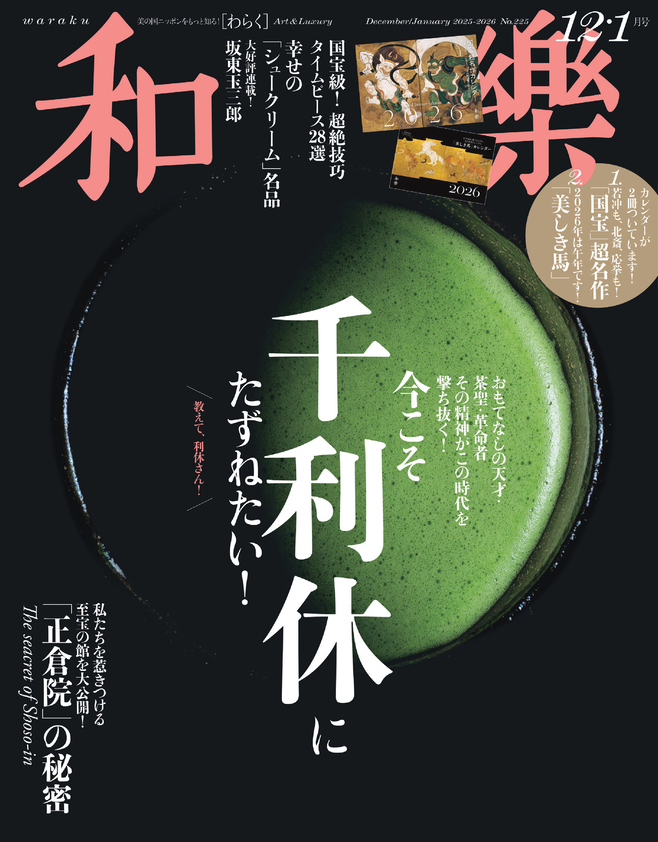




If you look at this you will understand the habit!
"Well-in the form of the heart-" What?
Zonjong originally did not have a specific scripture, and the teachings of Zen were not words or letters, but were passed on from the mind of the master to the mind of the disciples with “shinshin”. The practice of nuns is centered on zazen, and all the activities and behaviors of daily life are part of the training. Through torture and answering, the teacher and the disciple repeatedly exchange their minds and eventually come to a state of enlightenment.
Zenmoku was transmitted from India to China by Bodaki Daruma about 1500 years ago from now on, and spread by Rinzai Gengen, a member of the secession Rinzai sect. To was brought in the Kamakura period.
It spread widely not only to samurais but also to emperors, princes, and even peoples, and has a great influence on Japanese society and culture, and recently the idea of “ZEN” has been spreading in the West as well.
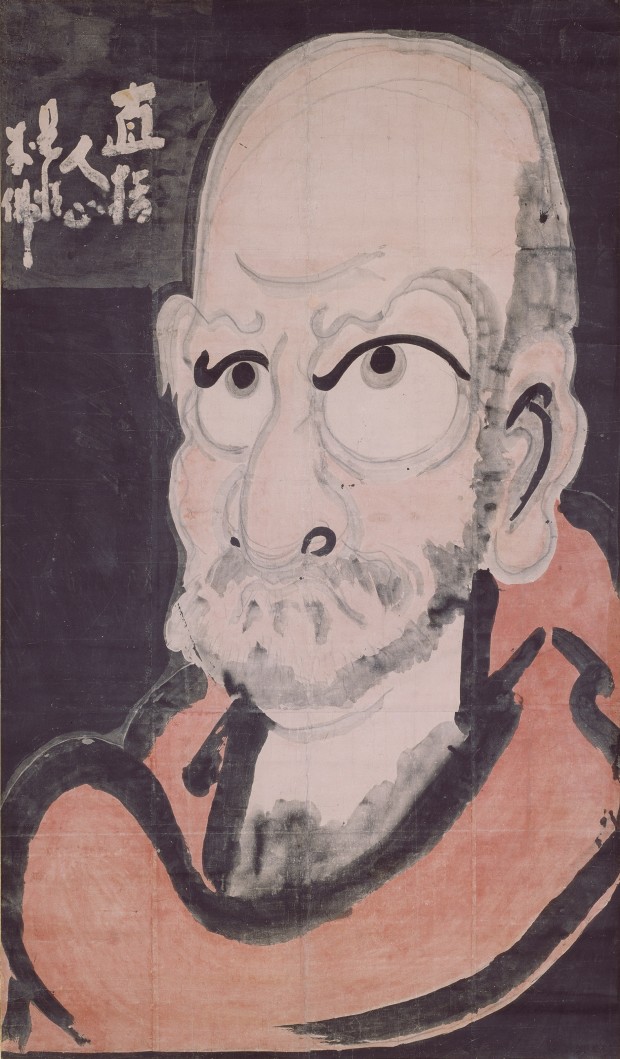 The picture of Mr. Tatsuma is a masterpiece of the master of the sculp- ety! "Tatsuma statue" Hakugakure Tsuru Tsuru Edo period (18th century) Oita, Zen temple ※ April 12th-May 1st
This year is 1150 years after the death of Rinsei Yoshigen, and 250 years after the death of Hakuin Kozuru, the founder of Linzai Sonakako in Japan. A special exhibition to introduce the spread of Zen from the origin of Zen to the present, in commemoration of the prosperity of two persons important to Rinzai, "Linsai Zenshi 1150 white secrecy morator 250 distant Zen memorial-in the form of the heart-" Will be held at the Kyoto National Museum from April 12 (Tuesday) to May 22 (Sun).
In this exhibition, with the full cooperation of the 15 groups of the Rinzai and the Twilight Monarchs, valuable works such as portraits of Buddhist nuns, Buddhist statues, Buddhist statues, writings and crafts are gathered. The exhibition, which contains 224 national treasures, including 19 national treasures and 104 important cultural properties, is divided into five parts, making it an easy-to-understand and interesting content that even beginners can touch the essence of the wolf.
Also, it will be held at Tokyo National Museum from October 18 (Tuesday) to November 27 (Sun). It is a wonderful place with many opportunities to watch. For those who are curious about Zonjong, which has had unlimited impact on Japanese culture, here is a brief introduction to what “forms” can be met with “禅 —in the form of the heart”. You
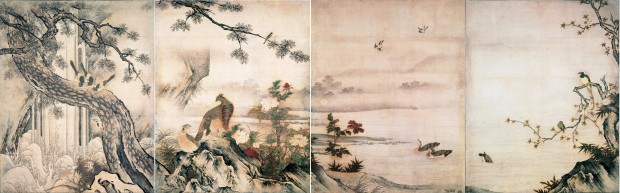 A masterpiece representative of Momoyama sumi painting that evokes the prosperity of the Momoyama barrier painting represented by Kano Nagatoku. The author's Motonobu is also famous for teaching the picture to his grandson, Eitaku. Important cultural property "Shiki flower and bird figure" Kano Genshin writing Muromachi period (16th century) Kyoto, Daisen-in * Display from April 12 to May 1
Part 1 The establishment of Zuken
The first ancestor of Zen Buddhism, Daruma, moved from India to China around the beginning of the 6th century, and its teachings passed through Eka, and many high priests appeared. Soon, Rinsei Yoshigen became the so-called soun that led to the Rinzai sect of the Fourteen Schools and the Hakushinshu. 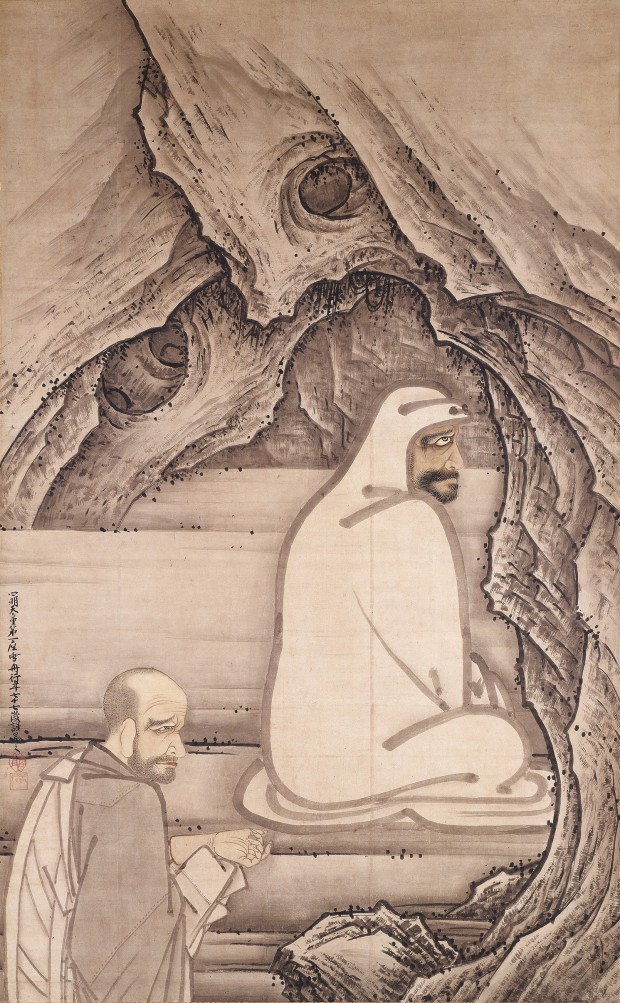 This picture, which is famous as the subject of Zen, depicts a scene in which Kamiko (later for the future) cuts his left arm to become a disciple, toward Zaki Tatsuma. A great work of 77 years old. National Treasure "Ekadan Piz" (舟) 舟 楊 室 Muromachi era Meicho 5 (1496) Aichi, Yonenji Temple ※ May 3-22nd
Introduction and development of Part 2 Rinzai-don
The transfer of Zen Buddhism began in the Kamakura period, and Rinzai sects, who received the devotion of the Imperial Family and nobles, including the samurai, are prosperous. In the Muromachi period, the Zen period was established during the heyday, but declined due to the rebellion. Later, during the Edo period, the Yellow Zen sect was transmitted.
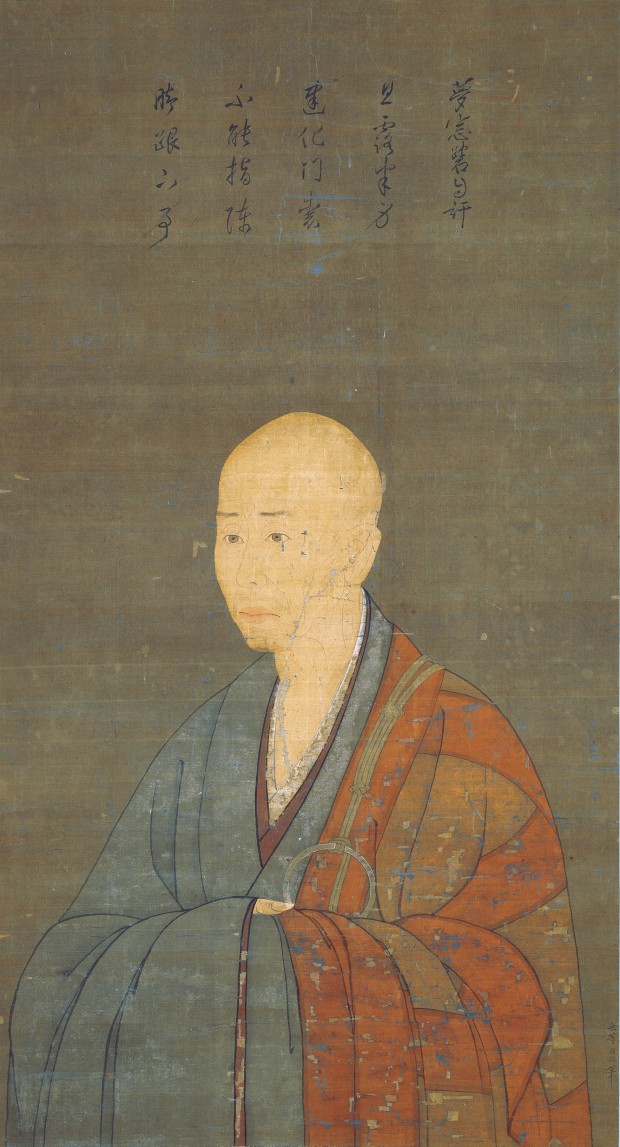 The portrait of the great monk, Muso Soseki, also known in the garden, is also known as a masterpiece of medieval portraits. Important cultural property "Yumogen soba stone statue" Self-sponsored Unequal scribble writing North and South morning period (14th century) Kyoto Myokoin ※ May 3-May 22 exhibition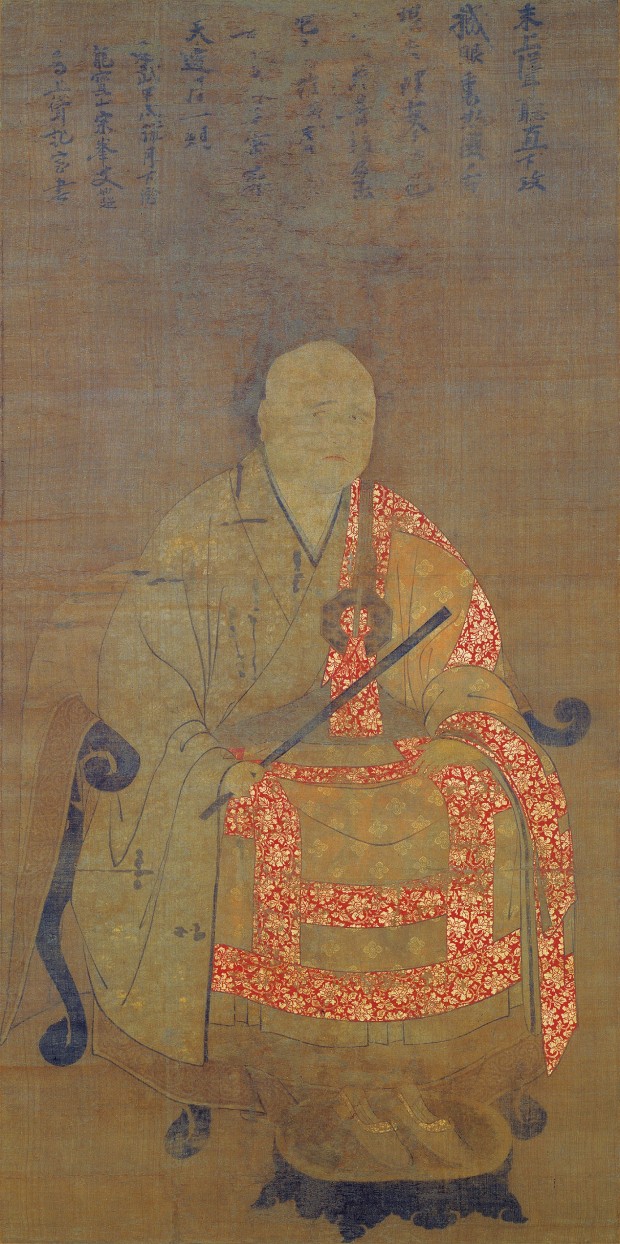
A self-portraited image of Shun Homyoucho that opened Daitokuji. It is also said to be a masterpiece of a portrait of a nun and a grandfather. National Treasure "Song Feng Myeong Super Image" Self-sponsored South-North Morning Jianwu Yuan (1334) Kyoto Daitokuji ※ April 12-May 1st
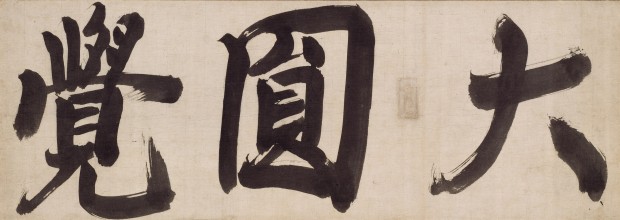
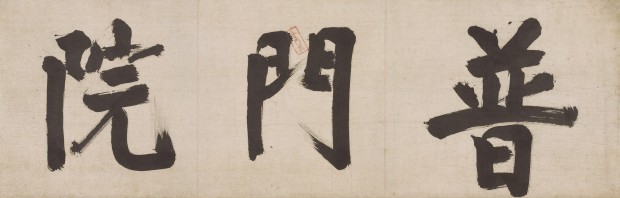 National Treasures of the Imperial Academy of the Great Buddha (ぜ ん が が な ら び に は い の う ち の う ち だ の う ち の う ち だ だ だ (だ だ だ 『『 『『 『『 『『 も も も も も も) Kyoto, Tofuku-ji Temple ※ "Oen Sense" April 12-May 1 exhibition, "Fukamonin" May 3-22 exhibition
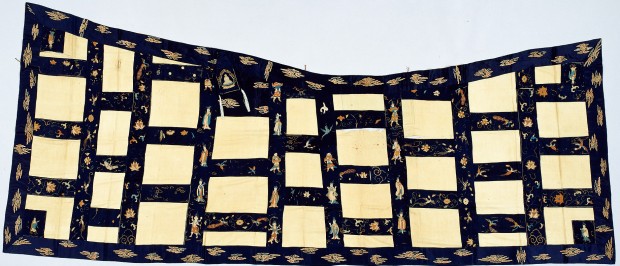 An unusual embroidery technique shows the statues of Buddha and Chinese customs and customs in the pottery brought from China. Important cultural property 'Kujo Keza' Transferable bridge meditation fee for Ansefan Pumongjeon China, the former era (13th-14th centuries) Kyoto, Tenshu * Display April 26-May 22
Part 3 Warring States warlords and modern monks
While Takeda Shingen, Nobunaga Oda, Toyotomi Hideyoshi, and other warlords return to the nun and receive instruction, they may also serve as members of the board of directors and negotiators, and the Zen temples in various places prosper with the protection of Daimyo. In the early modern times, Hakuinakuzuru (Hakuinkaku) and others drew a drawing and sent a message to the people. 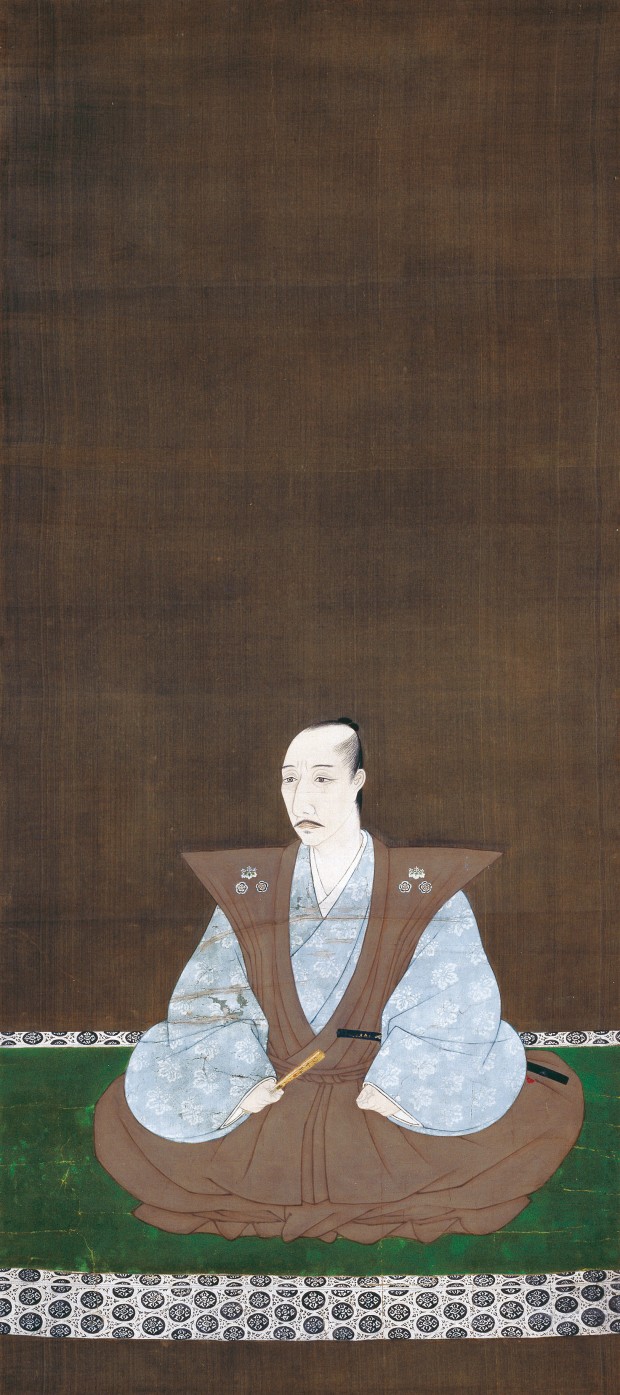 One of the few portraits of a genius Kano Nagatoru brush that led Momoyama paintings. "Oda Nobunaga image" Kano Nagatoru writing in the Azuchi Momoyama period Tensho 12 (1584) Kyoto, Daitokuji ※ April 26-May 22 exhibition
Part 4 Buddha of the Buddha
There are few Buddha statues in Zen Buddhism, but there are unique statues of Zen Buddhism temples, such as the Buddha Buddha of Buddha-like figure, and guardian deities of Luhan and Zen. In particular, there is a unique image that strongly retains the exoticism based on the idea of Ingen-Ryu in the temple of the Hakushinshu. 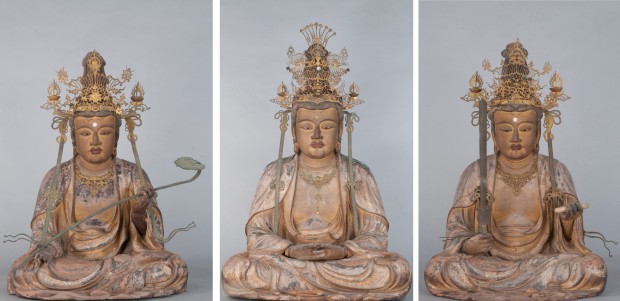 Important cultural property "Hokaryo Shaku ni Nirai (お よ び 冠 迦 迦 お よ び お よ び お よ び お よ び お よ び お よ び お よ び お よ び お よ び お よ び お よ び り り り り』 』』 』』 』』 』』 院 院 院 院 い い ・ ・ ・ ・ ・ 作 作 作 作 作 作 View by Oh 3 (1352) year Shizuoka · Hohirouji ※ full-year display
Part5 Spread of Zen culture
The nuns who traveled back and forth between Japan and China brought not only the thought of Zen but also various customs and artifacts, and Zenmune had a great influence on Japanese culture. In addition to ink painting and poetry axis (painting with Chinese poetry text) and cafe, barrier painting and folding screen show the depth and diversity of the Zen culture. 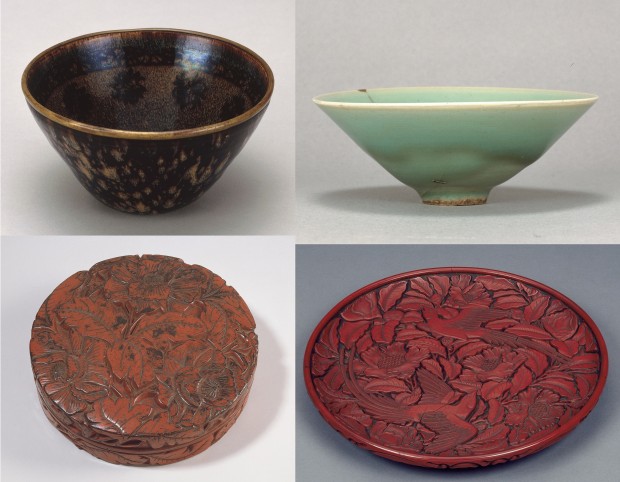 Top left: National treasure "Taitenmoku" China-Nanjyo period (12th to 13th centuries) Kyoto, Aikoku-ji * Display from April 12th to May 1st, upper right: "Celadonite Meiryu" Ameriu) China-Nanjo period (13th century) Kyoto-Kakanji * May 3rd-22nd Exhibit Left bottom / Important cultural property "Peony carved wood Urushi daikagoi" Muromachi Period (15th century) Kyoto, Nanzenji ※ Displayed from April 12th to May 1st Bottom right: Important cultural property "Tsurio Nagadori Bonbo Bon" (notated) (Czezei) made in China, the original era (14th century) Kyoto, Koshinin ※ Exhibited May 22nd
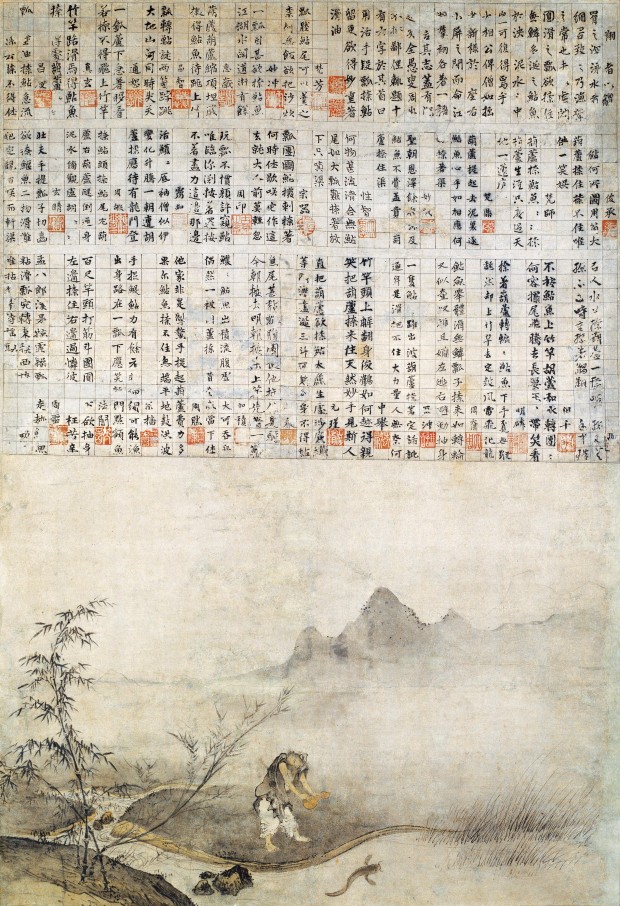 Unique plan with many mystery. National treasure “Hyozenzu” Daikokushuu and other thirty-one Buddhist monks praise Taikojisetsu brush Muromachi era (15th century) Kyoto, Rezoin * April 12 ~ May 1st Exhibition
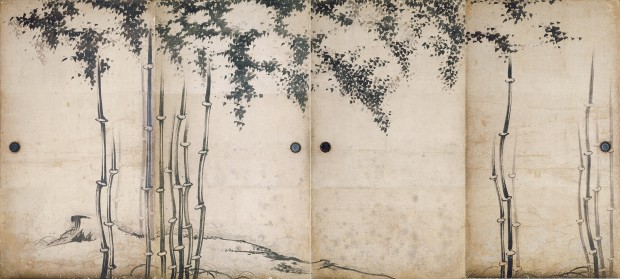 The now very popular Jakuchu has also played a role in the culture of Zen! Important cultural property "Take-tei-buki" Ito Wakaburoho Edo period Takara-ken 9 (1759) Year Kyoto · Shikaji Temple ※ Kyoto exhibition only exhibition, full-year display
 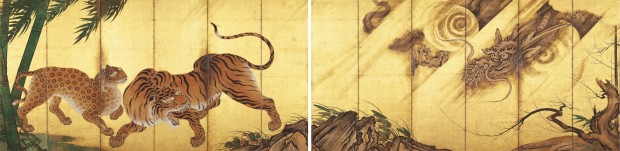 The Kyoto Kano school and the Kano school that moved to Edo left many names in the barrier picture of Zen Temple through the Edo period. Important cultural property "Ryutoragi-zushi" Kanoyama writing brush Azuchi Momoyama-Edo period (17th century) Kyoto · Myoshinji ※ May 3nd-22nd
"The Rinzai Gakushi 1150 white secrecy guru 250 years tomb memorial memorial-in the form of the heart-" (the session ends)
[Tokyo exhibition]
Exhibition period / first semester: October 18th (Tuesday)-November 6th (Sun) Late period display: November 8th (Tuesday)-November 27th (Sun) * Some works and scenes will be displayed during the exhibition period I will replace it.
Venue: Tokyo National Museum Heisei-kan
Opening hours: 9:30 to 17:00 (Friday and October 22nd, until November 20th on November 3rd and 5th. Entry is until 30 minutes before closing)
Closed day / Monday Viewing fee / general 1,600 yen, undergraduate student 1,200 yen, high school student 900 yen, junior high school students and below free ※ Disabled person and one of their carers are free. Please present a disability certificate etc. at the time of admission.
【Kyoto exhibition】
Period: April 12 (Tue)-May 22 (Sun) <First semester: April 12-May 1 Late: May 3-22 ※ During the show, some works will be replaced Do it>
Venue: Kyoto National Museum Heisei Chishin Building Kyoto Prefecture Kyoto Prefecture Kyoto City Higashiyama-ku Chayacho 527
Closed days / Monday Opening hours / from 9:30 to 18:00 (Friday until 20 o'clock Entrance is until 30 minutes before closing)
Viewing fee: 1,500 yen (1,200 yen for university students, 900 yen for high school students, junior high school students and below) ※ Disabled people and one of their caregivers will be free of charge by presenting a handbook etc.