






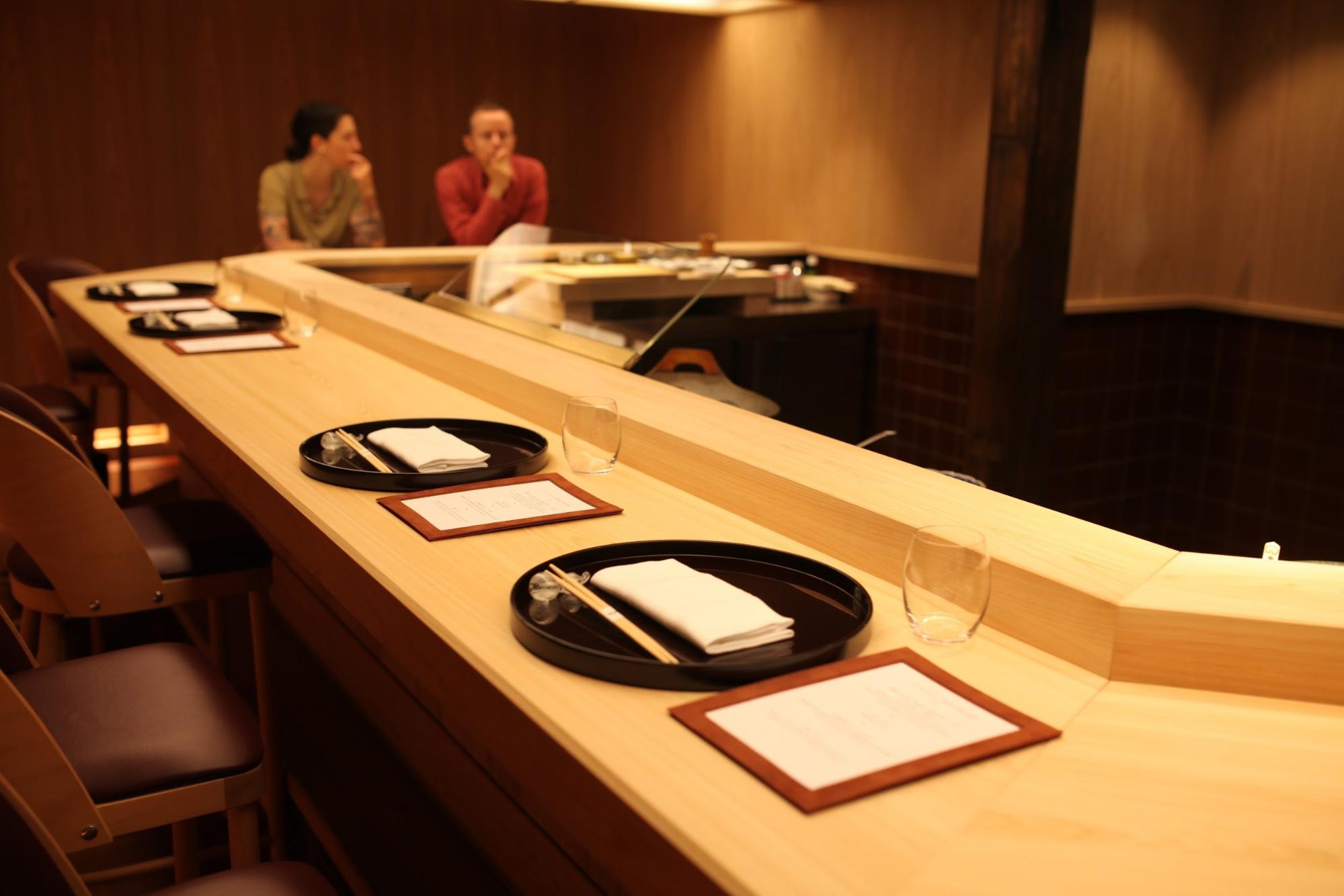
In Paris, café counters have traditionally been spaces for a quick espresso before work in the morning or a casual drink after hours. People would either stand or perch briefly on high stools—never staying long. But that image is gradually changing.
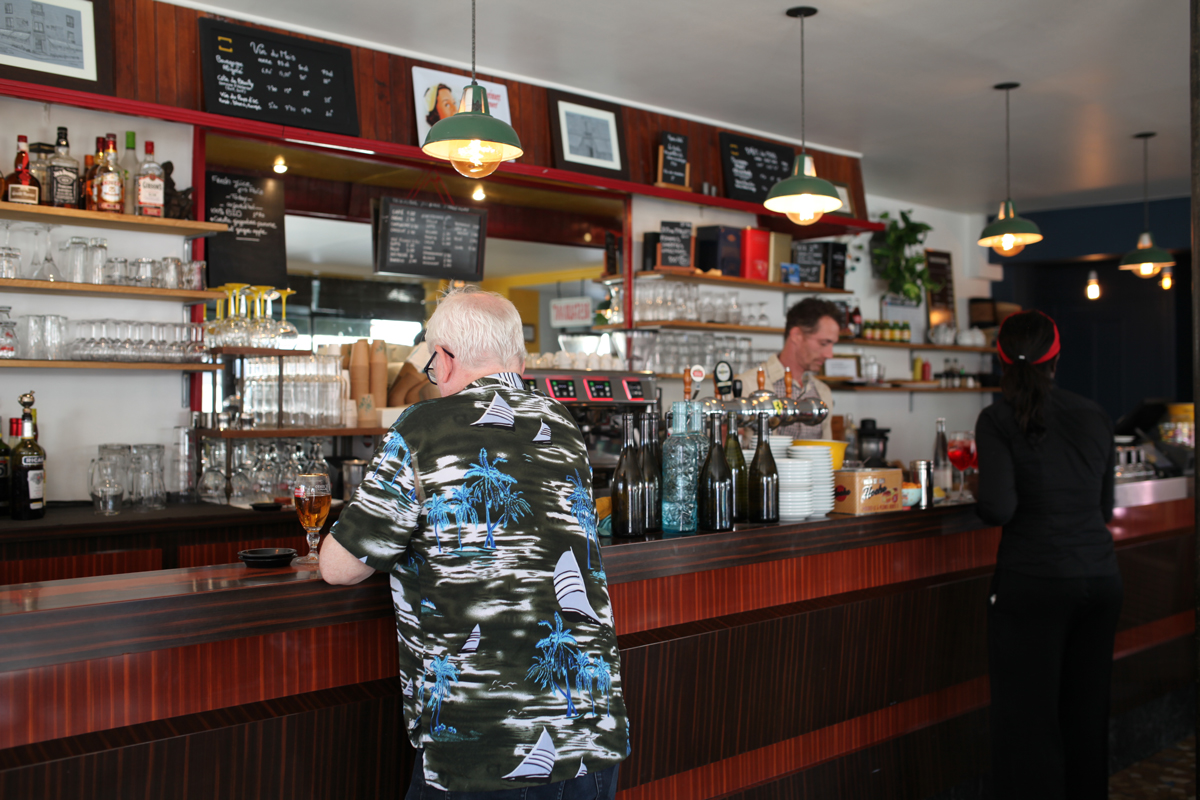
Counter-style bistros in Paris inspired by Japan
The first counter-style restaurant with an open kitchen in Japan was Hamasaku (浜作), a traditional itamae kappo (chef-led Japanese dining at the counter, 板前割) founded in 1924. The concept soon spread to sushi, tempura, and ramen—dishes best enjoyed freshly prepared. Then in 2003, Joël Robuchon launched the first counter-style French restaurant. Inspired by the renowned Tokyo sushi restaurant Sukiyabashi Jiro (すきやばし次郎), he even used the same counter dimensions when designing his new venue.
Following this trend, more and more young chefs in Paris are opening bistros that adopt this format. Walk into one and you’ll find a long counter facing an open kitchen, with chefs welcoming you from the other side. Take a seat on a high stool and you’ll see cutlery and a neatly folded napkin laid out in front of you—an atmosphere that encourages relaxed, attentive dining. A friend of mine, a chef in Paris, says the appeal of the counter format lies in its practicality: it allows for smaller, more affordable spaces and gives chefs the chance to observe diners’ reactions directly.
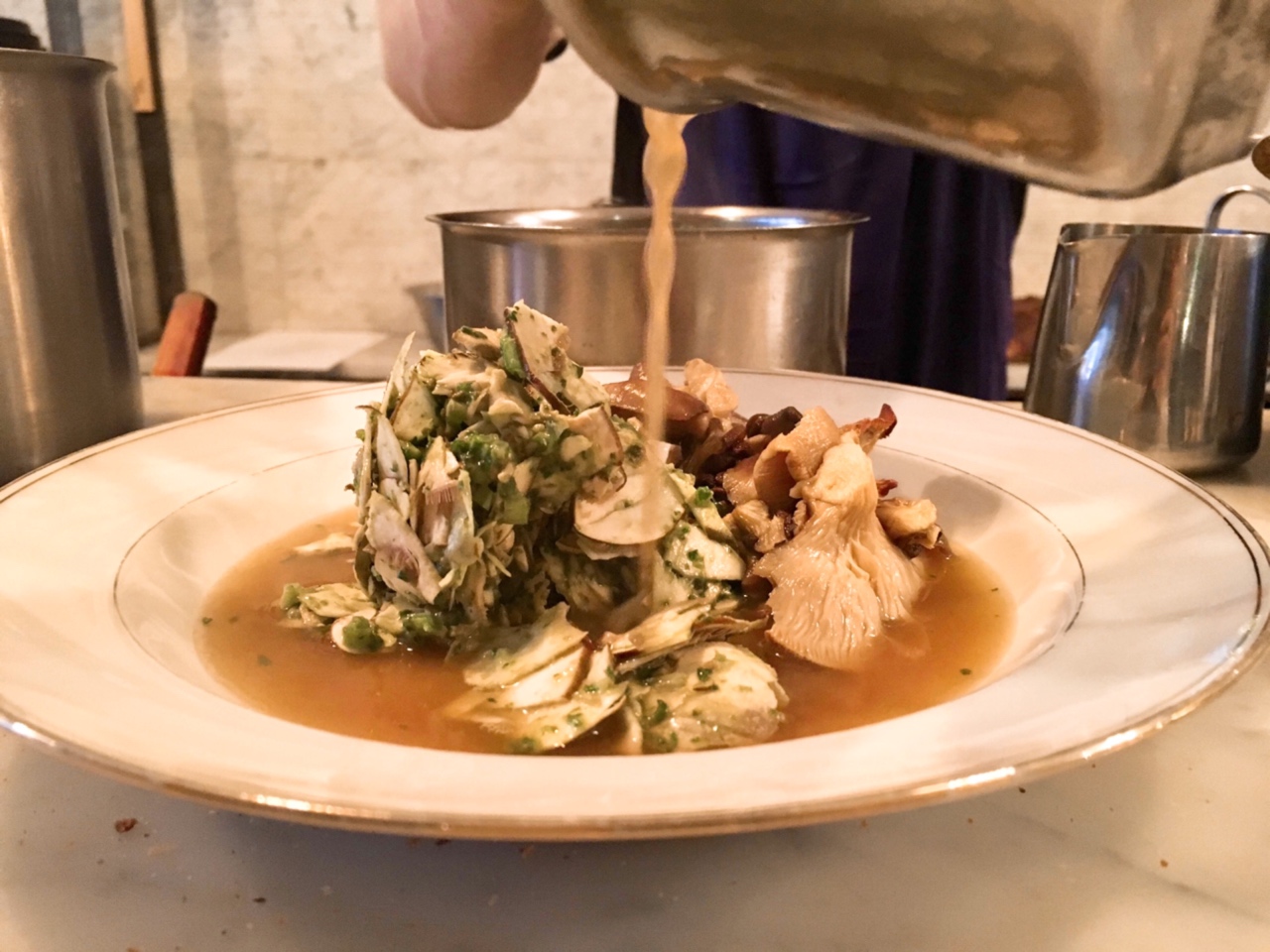
The newest Japanese restaurants in Paris are all about the counter format
Dig a little deeper into Paris’s counter culture, and you’ll find that a wave of counter-style Japanese restaurants has opened across the city.
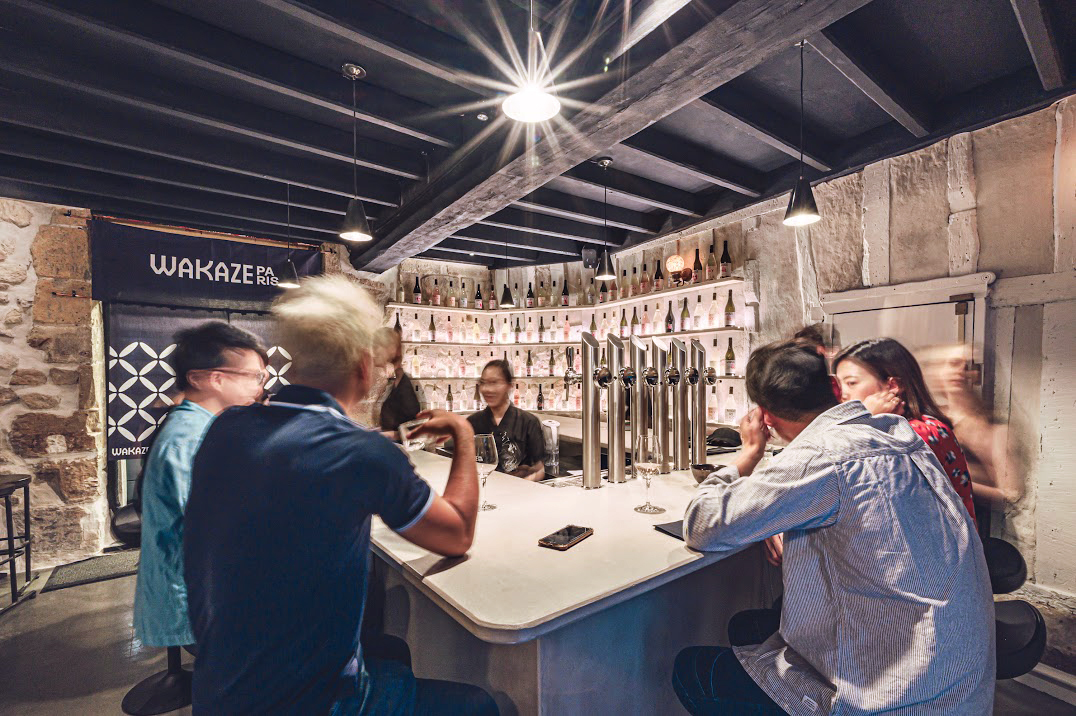
One standout example is the restaurant by WAKAZE, a sake producer based in Paris. At the centre of the space is a large U-shaped counter, where guests are served freshly brewed sake from what is said to be Europe’s first nama-zake (生酒, unpasteurised sake) server, paired with a thoughtfully curated food menu. The aim is to introduce sake to those who may never have encountered it before. With only 15 seats, the restaurant encourages interaction—not only between guests seated side by side, but also, at times, with the brewers themselves.
Why are Japanese counter-style restaurants so popular?
“I think one of the reasons why Japanese counter-style dining is gaining attention in France is the influence of Midnight Diner on Netflix,” says Totsuka Atsuko (戸塚敦子), who runs the Japanese cookery school Shiori (栞) in the South of France. The Japanese food boom isn’t limited to Paris—it’s happening all across France. According to Totsuka, her students often make requests based on what they’ve seen in Midnight Diner—dishes they’d like to taste or learn to cook themselves. She observes, “There’s something uniquely Japanese about how food and human drama are intertwined in the show. And the dishes themselves are seen as exotic and intriguing from a French perspective.”
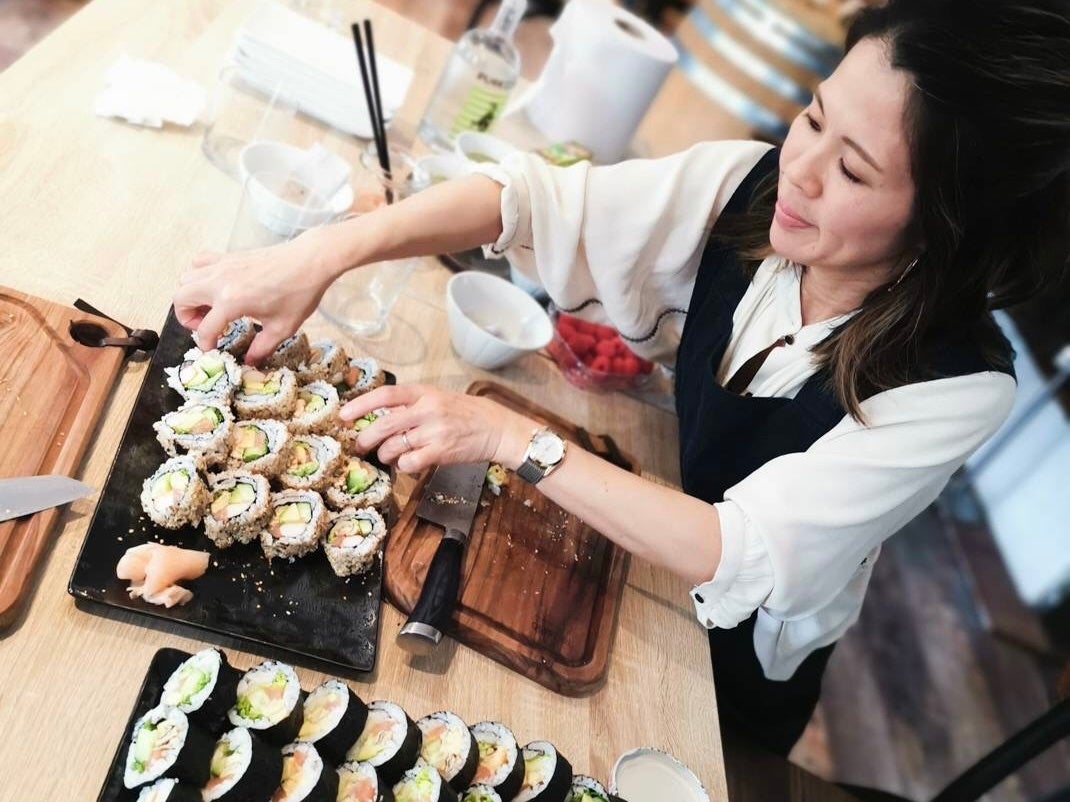
Totsuka also shared an article from Katsuuu, a French website that introduces Japanese pop culture. The piece, titled ‘5 Reasons You Should Watch Midnight Diner’, highlights how the step-by-step cooking scenes give viewers the feeling they might be able to recreate the dishes themselves—something that seems to really resonate.
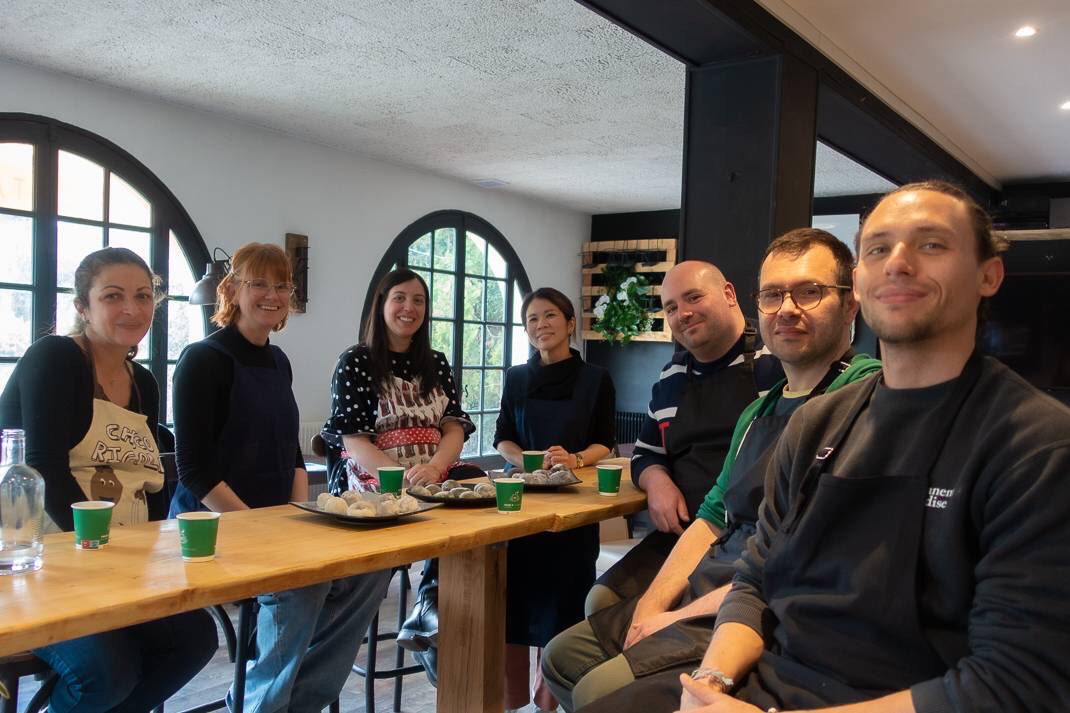
Her cookery classes are also held around a counter-style table, offering French students a tangible way to get closer to the kind of atmosphere they’ve come to admire in Midnight Diner.
A new fine dining style, focused on immersive experiential dining
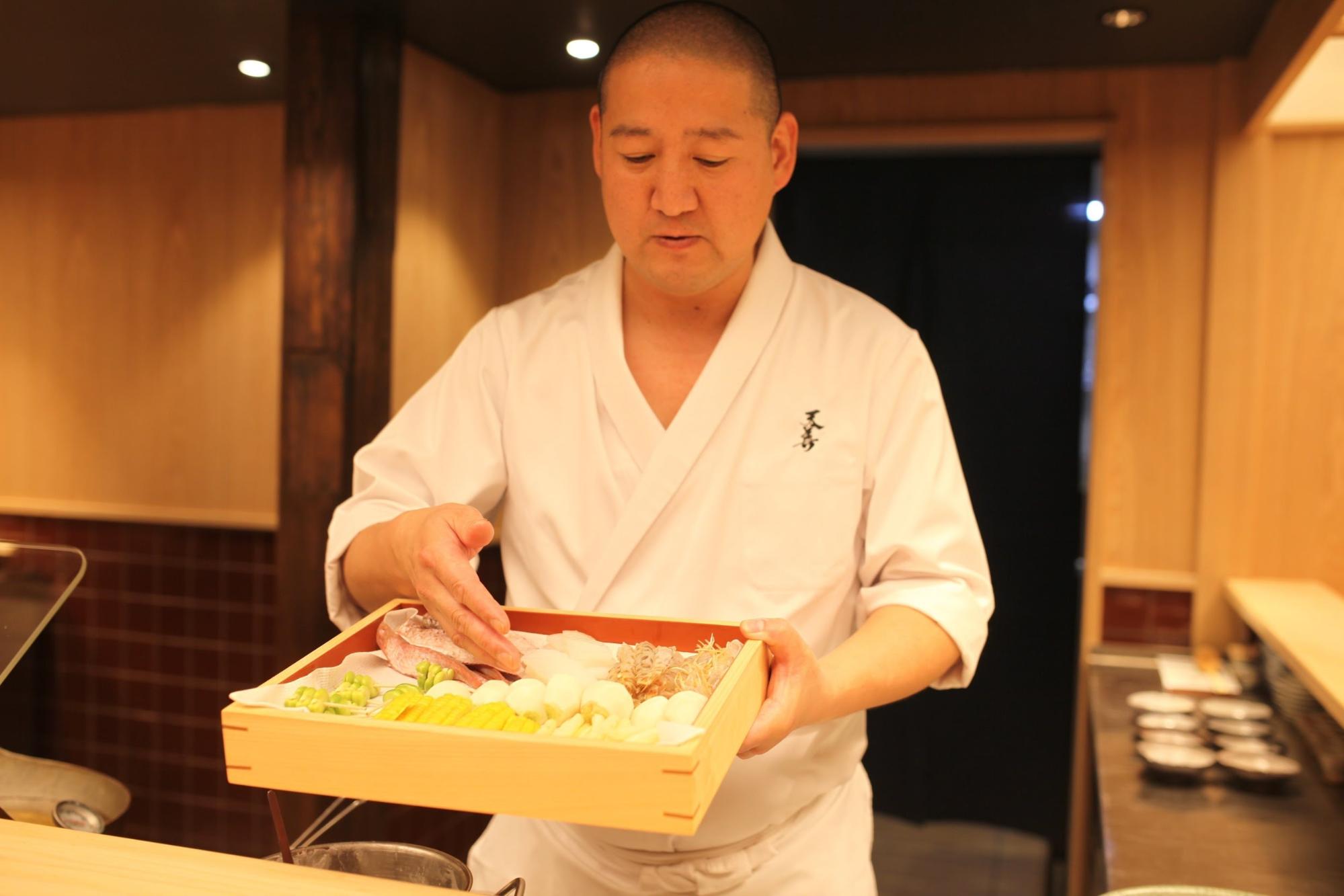
Tenzen (天善/Closed), Paris’s first restaurant dedicated entirely to tempura. Located in the heart of the Opera district, it introduces Japanese culinary culture to the city centre. Though the word tempura is well known, it’s surprising to learn that Paris had never had a specialist restaurant until now. Tenzen was created by renovating the basement of the Japanese restaurant Zen (善), which first opened in 2006. At its centre sits a magnificent single-plank hinoki (Japanese cypress) counter, crafted by Sankakuya (三角屋), a collective of master carpenters based in Kyoto and Shiga. The structure was first assembled in Japan, then dismantled and brought to Paris where it was rebuilt by hand with the original craftsmen—a testament to the meticulous craftsmanship behind the project.
Tenzen’s tempura combines the best of both Japan and France. Seasonal vegetables coated in a Kyoto-style light batter made with French flour are fried to a crisp in Japanese cottonseed oil, concentrating the ingredients’ natural flavours. The contrast between the crunchy coating and the juicy interior really brings to life chef Kondo Jiro (近藤次郎) ’s words: “Tempura is, in fact, a form of steaming.” To let diners enjoy the sizzling sound of the frying oil, there is no background music in the restaurant. The counter is a space where one can fully engage all five senses and become completely immersed in the food.
A culinary culture that travels the world
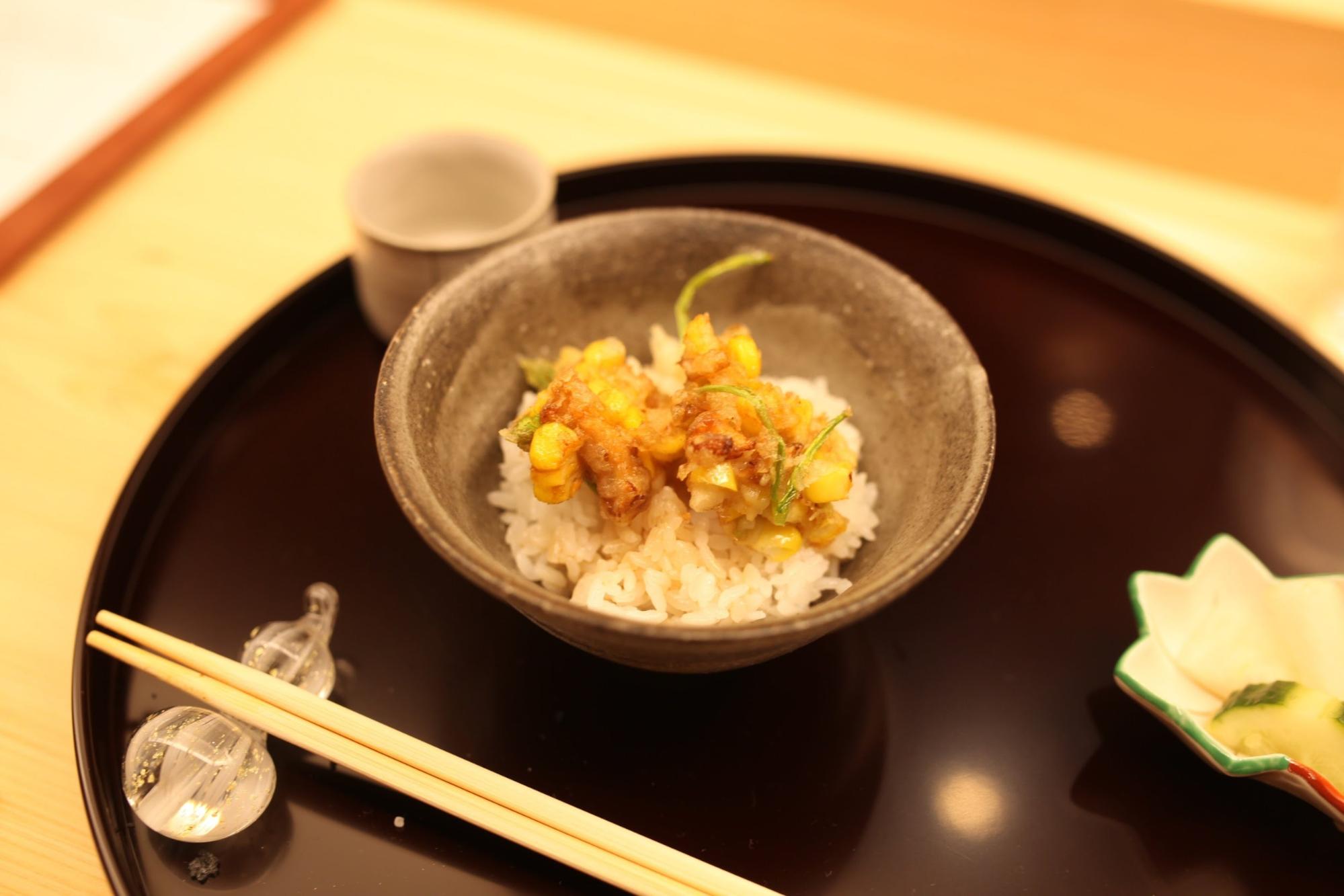
On this visit, we happened to meet Emile, editor-in-chief of the magazine ‘TEMPURA MAGAZINE’, which introduces Japanese culture in France, along with editor Clémence. It was thanks to the counter setting that such a conversation was able to happen. When asked what they particularly enjoyed, they gave the connoisseur’s answer: “the rice, cooked in a traditional donabe clay pot.” As for the tempura, the French-grown potatoes and sweetcorn left a strong impression. The potatoes are fried twice with time in between, resulting in a perfect contrast between the crispy skin and the moist interior. The corn, with its firm kernels, bursts with sweet juice as you bite into it.
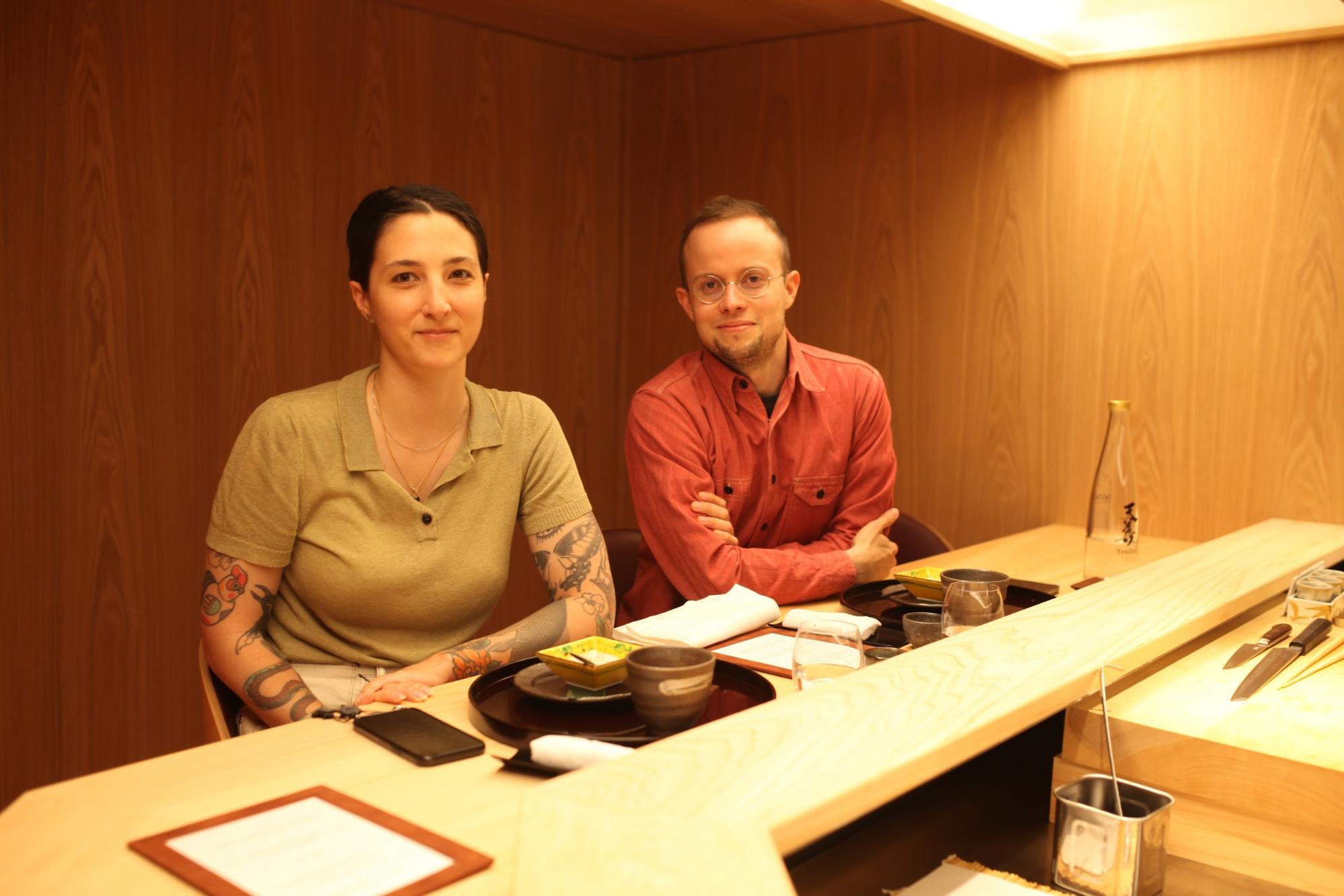
By the way, TEMPURA MAGAZINE, which launched in 2020 and is growing rapidly amidst the Japanese boom in France, has an interesting reason for its name. ‘Tempura originated from Portugal and was brought to Japan, where it evolved and gained global popularity as Japanese cuisine. The idea that a single dish can travel between countries and transform along the way really resonated with us,’ explains Emile. While the counter-style restaurant concept may have come from Japan, the counter itself likely has roots in Western culture. As culinary culture continues to travel the world, perhaps its flavours become more refined with each journey.
Acknowledgements
Japanese Cookery School ‘Shiori (栞)’
Official Shiori Website
WAKAZE PARIS
Address: 31 Rue de la Parcheminerie, 75005 Paris
Opening Hours: 18:00–23:00 (Tuesday to Saturday)
TEMPURA MAGAZINE
Official TEMPURA MAGAZINE Website
References
Yomu Sushi (読む寿司) by Kawahara Kazuhisa (河原一久), April 2019
Japan Seen from the Counter by Ito Yoichi (伊藤洋一), September 2006
This article is translated from https://intojapanwaraku.com/rock/gourmet-rock/204778/
and the original article was published 2022/07/26.