









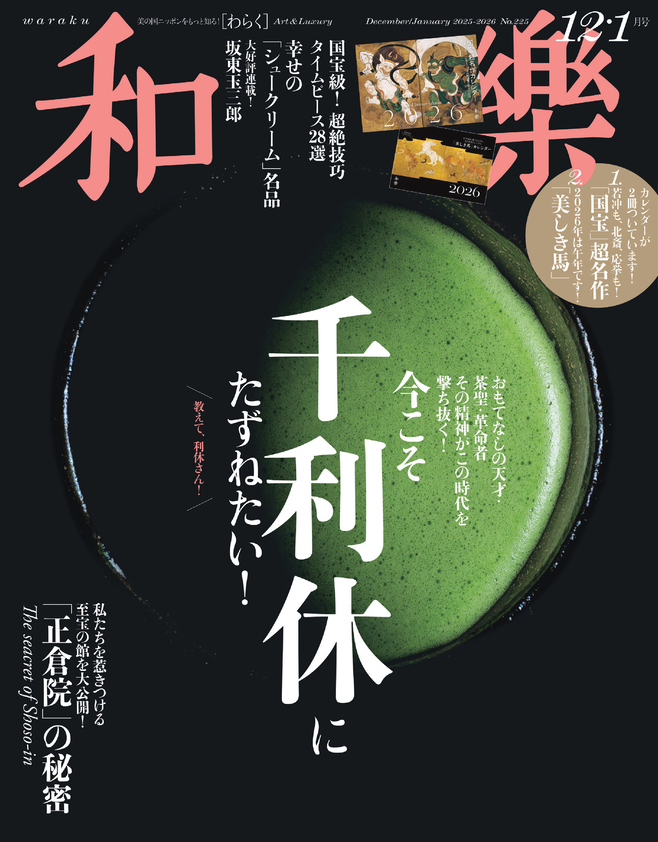




"National treasure" which can be said to be the highest achievement point of Japanese art. At Shogakkan, "Weekly published Nippon National Treasure 100" rediscovers its hidden beauty and cultural history On sale.
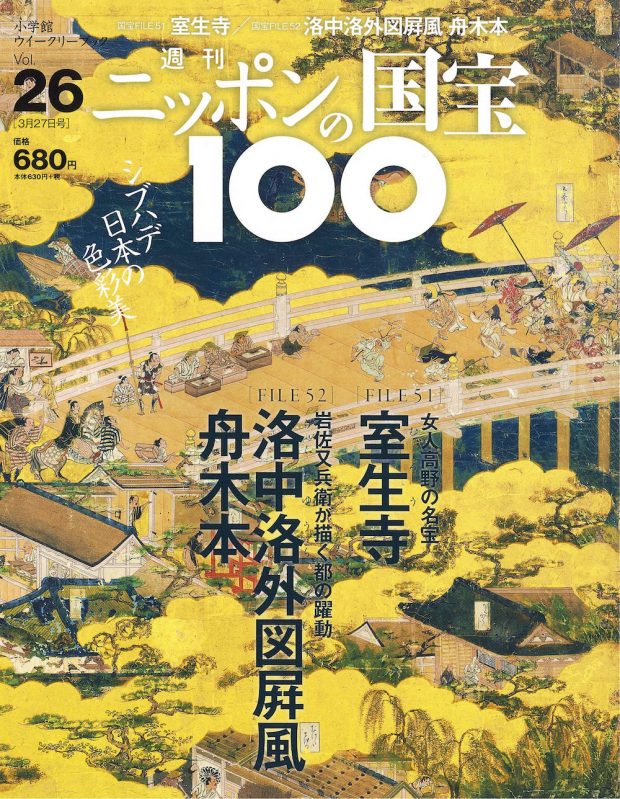
As digest of each issue, we introduce profile of famous treasure.
This time, there are Dou and Buddha in a mountain temple, “Muro-ji Temple” and the human drama “Kinaka-Kuragai-Kotobuki-Shizukimoto” from Kyoto.
The famous "Muro-ji Temple" female Takano
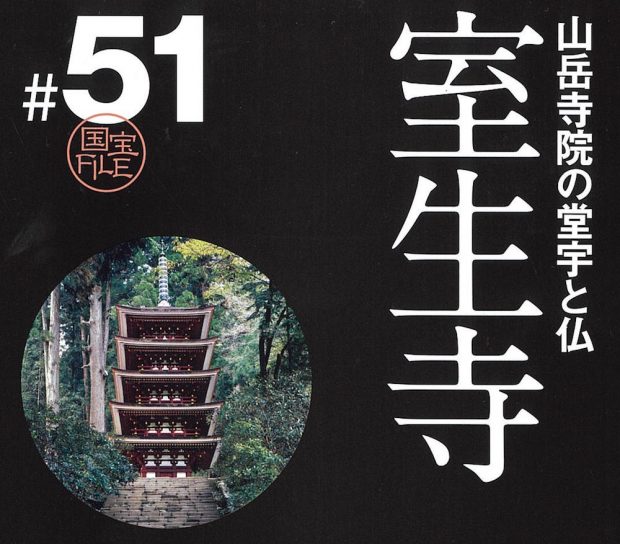
Muro-ji Temple is located in Uda City, east of the Nara Basin. It is a typical mountain temple in the Heian period, with doto shrines interspersed from the foot of Muro mountain to the middle. Since ancient times, Muro in the water source area has a faith in the dragon, the water god, and has been a religious site of mountain faith practicing in the mountains for the protection of the gods and buds.
The beginning of Murouji Temple that five monks prayed in Muroyama for ill healing of the 8th year of the end of the Nara period (777), and Yamabe prosperity (Kotomu Tenno later). After that, a monk, Kenji of Kofuku-ji, prays for a rainy prayer, and in the life of the court, he creates Muro-ji. Shuen's disciple's discipling circle has been improved.
Muro-ji Temple has long been under the influence of Kofuku-ji Temple of the Hoso-shu, but it is reported that Kobo Daishi Kukai was rebuilt as a Shingon-shu dojo in the early Heian period. A shakudo (current main hall) to perform secular rituals was erected in the late Kamakura period Yanqing (1308), and a mikado was built to worship Kukai in Okunoin. Following the dedication of the 5th Shogun Tokugawa Tsunayoshi's mother, Keishoin, they officially became a Shingon Buddhism temple.
Mt. Takano, Shingonshu's main mountain, has been banned from women since its opening, but Muro-ji Temple, which has long accepted women's staff, has been known as "Woman Takano".
There are three national treasures in the precinct, the five-storied pagoda and the Jindo, built in the early Heian period, and the main hall (Shuridou), built in the late Kamakura period. Five temples are enshrined in the main hall, three of which are the Buddha statue of the Buddha and the eleven-faced statue of the Guanyin and the Buddha statue of the Buddha at the temple, all of which are national treasures as wooden sculptures representing the Heian period. It is specified. The highlight is the brightly colored plate light behind the Kondo five Buddhas. In addition, a mural is drawn on the wall of the wall behind Kondo Honson, and it is designated as a National Treasure as a "Densho Shakuten Mandala map". A wealth of cultural properties, including a total of seven national treasures, have been communicated, and most of them can be viewed locally.
The temples designated as national treasures are all wooden structures that are covered with wood up to the roof, and all Buddha statues in the hall are wood carvings. The pagoda and the Buddha statue, which are suitable for the mountain temples in the Fukayama Yuyadani, and boast a natural kindness that blends in with nature, attract the staff with the unique beauty of Murouji Temple.
National Treasure Profile
Murouji Temple
A mountain temple of Shingonshu in Uda city, Nara Prefecture. It was founded at the end of the Nara period, and it was also called "Woman Takano" from early modern times. Three buildings of five-story pagoda, jindo, and main hall (shroud 堂), Buddha statues of Buddha statue 面 来 面 十 十 十 十 十 い ず れ 金 い ず れ い ず れ い ず れ い ず れ 金 い ず れ い ず れ い ず れ い ず れ い ず れ い ず れ い ず れ い ず れA total of 7 paintings of “Den-seok-ten-de-ra-zu” are designated as national treasures. (All the things not mentioned in the picture of Murouji are Asukaen)
The movement of the city drawn by Iwasa Matabei
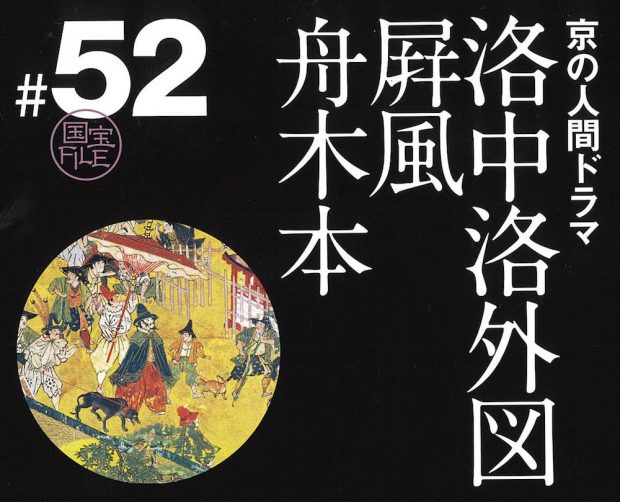
“Kotochu-Kotoga-gurafu” is a style that depicts the city (outside) and outskirts (Koura) landscapes of Kyoto. Production began at the end of the Muromachi period, and a masterpiece was born by the early Edo period. Since then, many were produced throughout the Edo period, but they will be typified gradually.
The two major works of this genre are Uesugimoto (listed on No. 5), designated as a national treasure, and Tochigimoto's two "Shinaka-Seigai-buki". The names are both derived from the name of the former storehouse.
Uesugimoto is a work of Naganori 8 years (1565) and Kano Nagatoku. It is a view of Kyoto when Oda Nobunaga was heading toward unification under the force of a breaking bamboo.
On the other hand, the author of Tochigimoto is Iwasa Matabei (1578-1650). He was a warring military commander and Arakimura Shigeko who was executed against the family of Oda Nobunaga, who became an artist after several strange destiny, and showed a talent for depiction of people and genres.
The landscape of Tochigimoto is estimated to be 2 years (1614-16) from 1910 in Keicho after the establishment of the Tokugawa Shogunate, based on the age of the buildings in the picture. On the right side are the areas of Ogai and Higashiyama, mainly with the huge Hogoji Daibutsuden and Gojo Ohashi built by the request of Toyotomi Hideyoshi. The area on the left is the area from Yodogawa west to Nijo Castle built by Tokugawa Ieyasu. The area from north to Gosho to the south from Toji. The highlight is the bustling procession of the Gion Festival.
The feature of Tochigimoto is that it describes in detail the group image representation of a total of more than 2,700 people and the lifestyle customs of those days. The human patterns interwoven by people of various classes and occupations in Kyoto are vividly drawn with overwhelming density.
In addition, while Uesugimoto and other previous Sonakanakagai maps have drawn the left and right screens from different viewpoints, in Tochigimoto, both the left and right sides of the city view the Kyoto town from the south. Another important feature is that they are drawn from the same point of view.
Produced before and after Osaka's camp, where Mr. Toyotomi was driven to death, Toshiomoto has a wonderfully pictorialized depiction of the overflowing energy of the era of transformation from Toyotomi to Tokugawa. The colorful Momoyama period developed under Nobunaga Oda and Toyotomi Hideyoshi. It is a landscape view of Kyoto that emits its last glimpse.
National Treasure Profile
Iwasa Matabei Inaka Nakajima Extravaginal screen Shogimoto
Keicho 19-Motokazu 2 (1614-16) Paper book gold color coloring Six songs one pair each 162.7 × 342.4 cm Tokyo National Museum
A folding screen depicting the scenery of Kyoto in the early Edo period (1615). The right side draws the view of the middle of the mountain, while the left side draws the view of the middle of the mountain. The author is an artist and Iwasa Matabei who worked in Kyoto, Fukui and Edo in the early 17th century.