





Was kanashibari a Buddhist term?
It is said that the word kanashibari actually originates from the esoteric Buddhist ritual known as kinpakuhou (金縛法, the method of tight binding). This practice refers to the way the wrathful deity Fudo Myoo (不動明王) uses his sacred rope, called a kensaku (羂索), to tightly bind demons and worldly desires, completely freezing them in place. Over time, the term evolved to describe that terrifying state we all know today—when an invisible force pins your body down, leaving you completely unable to move.
Recognised as a bizarre or paranormal phenomenon in the Edo Period
People in the Edo Period feared kanashibari as a bizarre phenomenon caused by ghosts, shape shifting beasts, or as the work of departed spirits. The daily lives of the common people typically took place in humid, poorly lit back-alley tenement houses. It seems to have been believed that such places accumulated negative yin energy, making people more susceptible to the mischief of shape shifters (in Japanese folklore, these referred to foxes and raccoons).
There are also remaining records stating that past execution grounds were believed to retain grudges and vindictive spirits (onnen (怨念)), making them spots where one was prone to encountering kanashibari.
A mysterious experience explained medically
In modern times, it is generally recognised that this is not a spiritual phenomenon. It is considered to be ‘sleep paralysis’, where the entire body’s muscles become immobile despite being fully conscious, occurring on the threshold between the dream state and wakefulness.
If you happen to experience kanashibari, it is apparently effective to stay calm, wait for a few minutes, take deep breaths, and relax the tension in your body. I hope having a medical explanation makes it less terrifying. Since stress, fatigue, and an irregular lifestyle are said to be the causes, let us pay attention to our health and avoid kanashibari altogether!
References: ‘Sekaidaihyakka‘ (世界大百科) Heibonsha (平凡社), ‘Nihondaihyakkazenshu’ (日本大百科全集) Shogakukan (小学館)
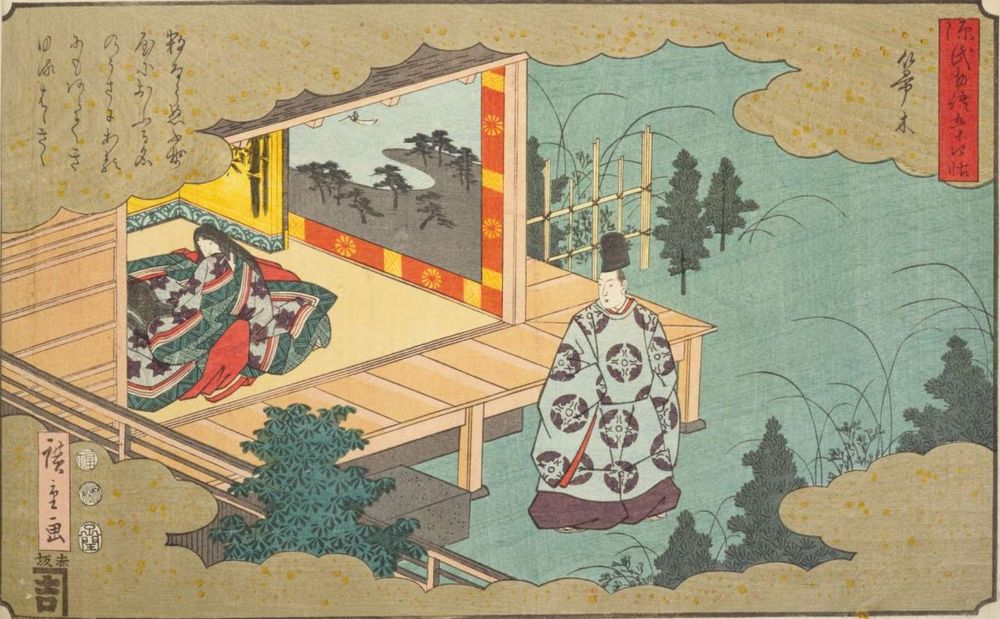
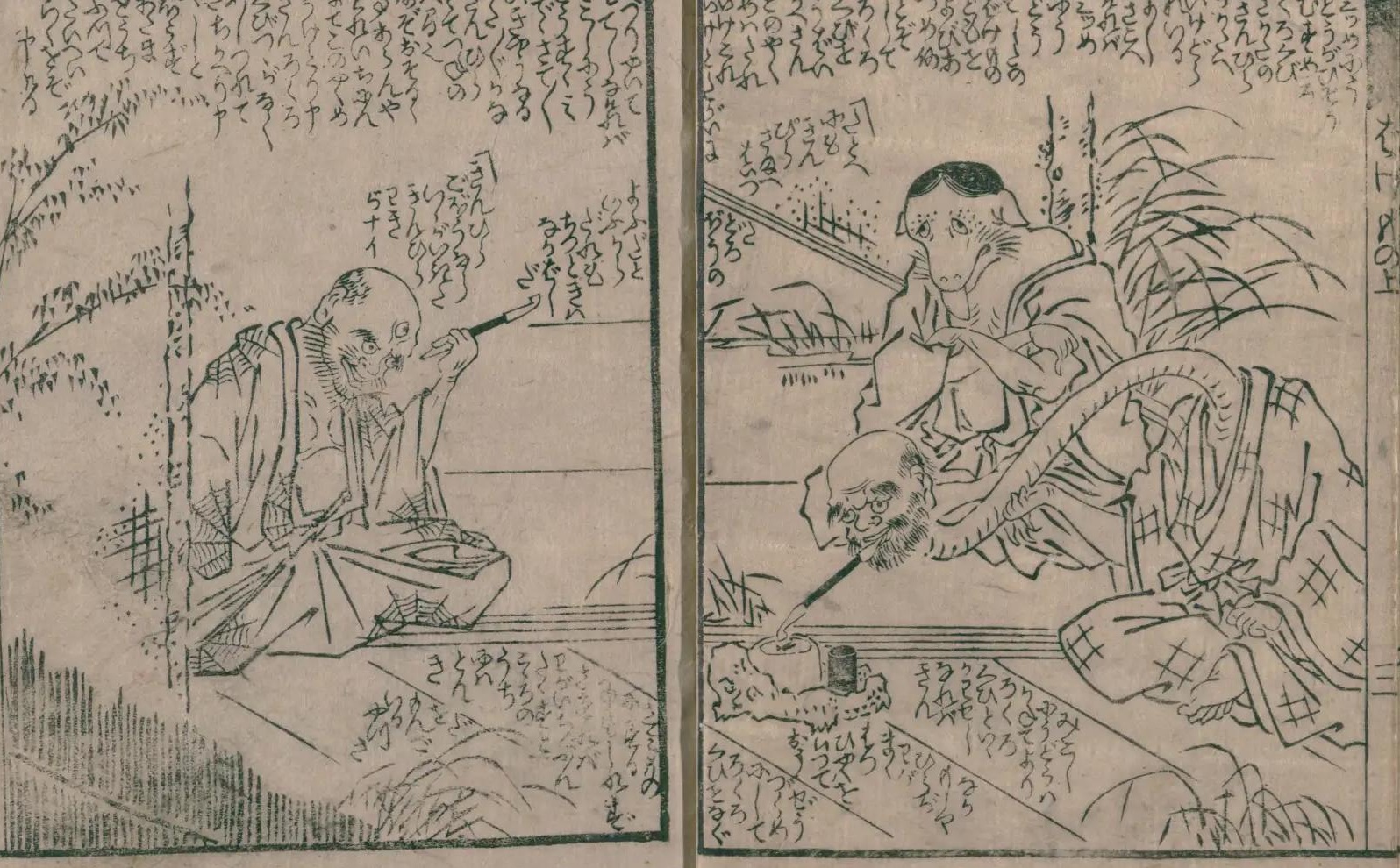
Eye-catch: ‘Shinyukikaikai‘ (信有奇怪会) Kokuritsukokkaitoshokan Dejitarukorekushon (国立国会図書館デジタルコレクション)
This article is translated from https://intojapanwaraku.com/culture/303069/