






Exquisite Bowls Crafted from Hand-Selected Ingredients: Inside Shiruko’s Diverse Array of Soups
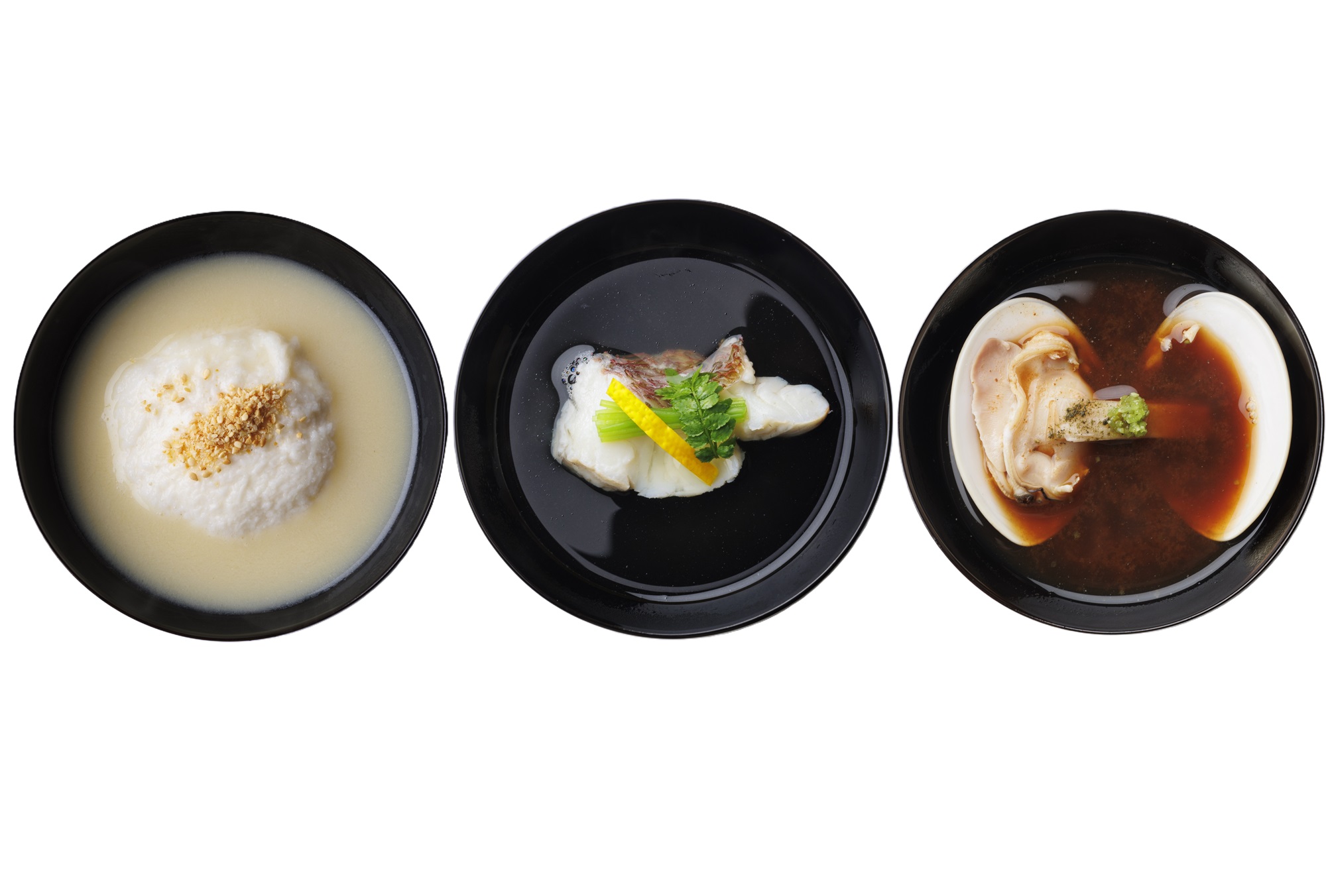
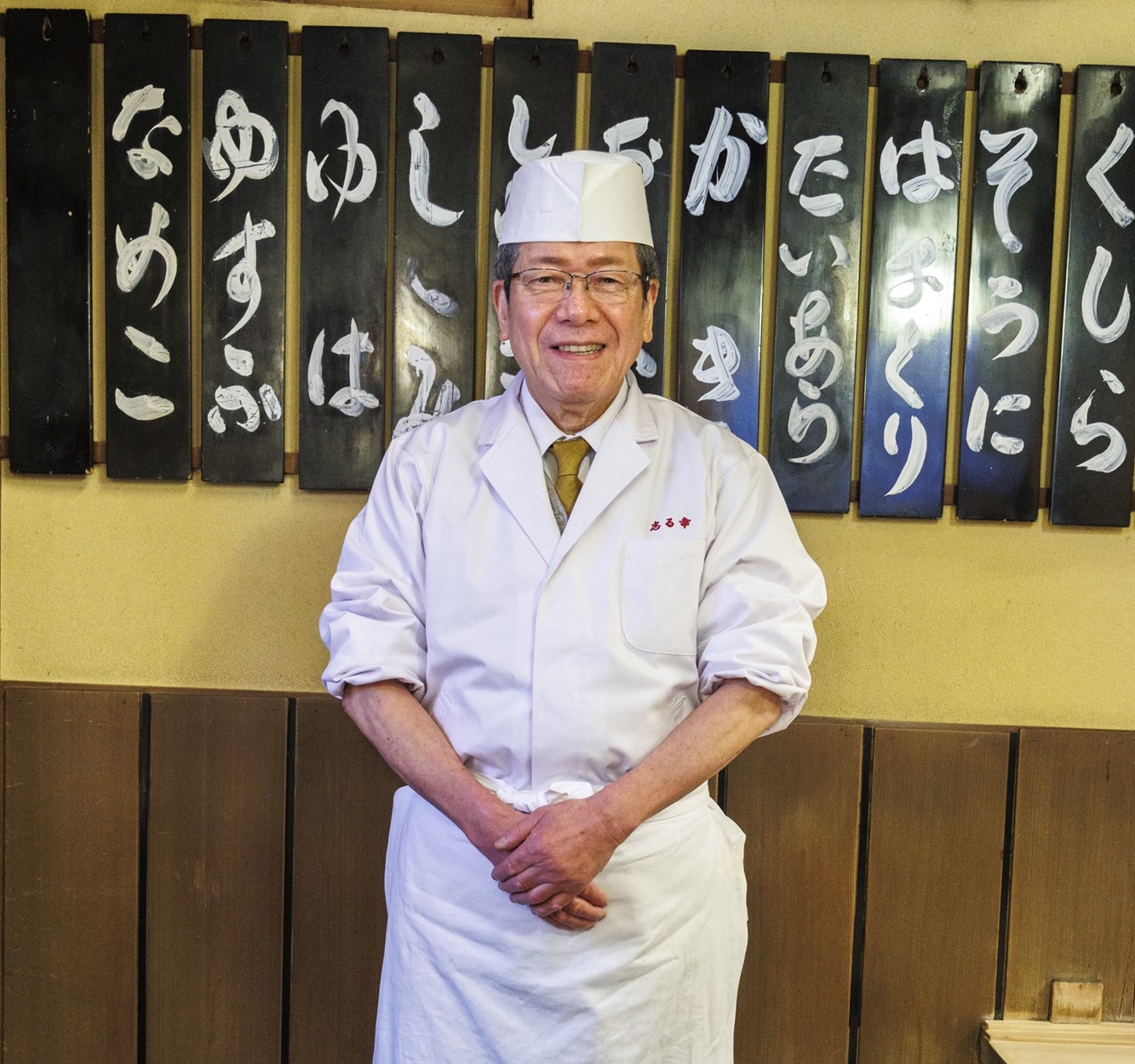
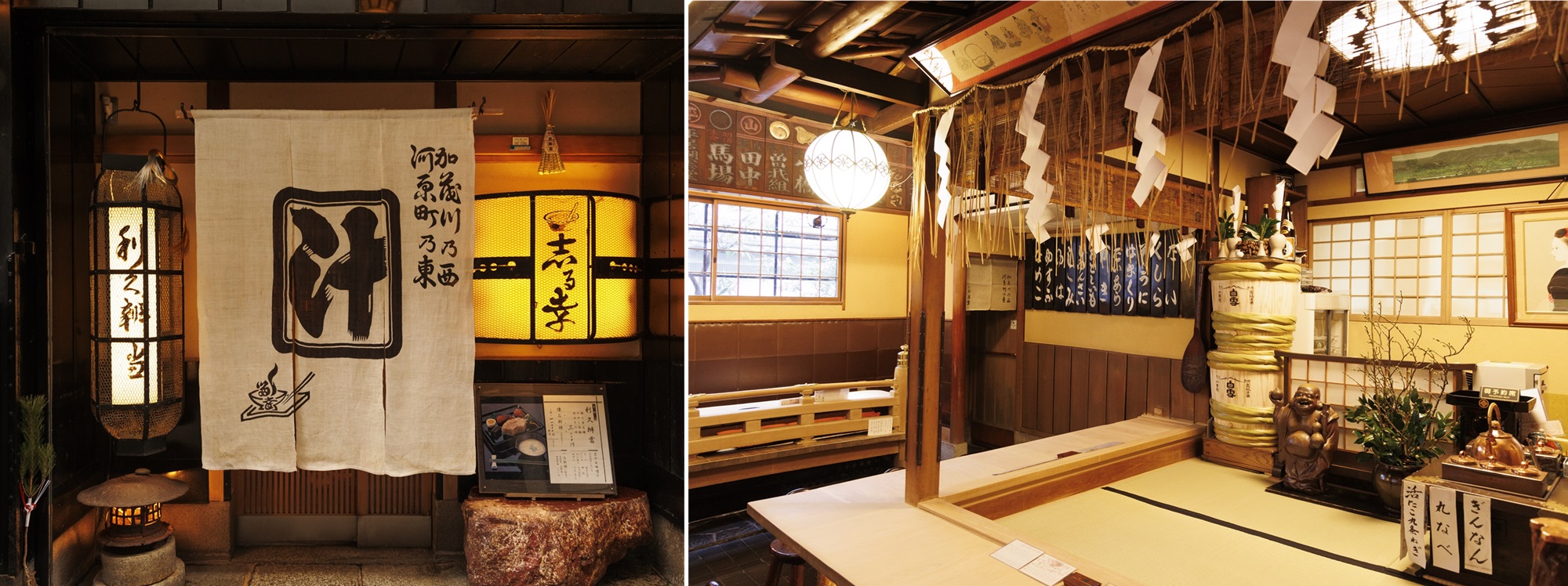
Although it is a kappo cuisine restaurant, this unique establishment specialises in shiru (owan) for its menu. The sight of large black wooden plaques written with ingredients lining the walls is a truly impressive sight. There are three types of miso for the soup: white, red, and a blend. There is also sumashijiru (すまし汁, clear soup), and the ingredients change with the seasons.
The owner, Kodo Shuhei, says, “Our regular customers enjoy à la carte dishes and order one, two bowls of soup… There is no rule that you can only have soup once. That is the kind of restaurant we are.”
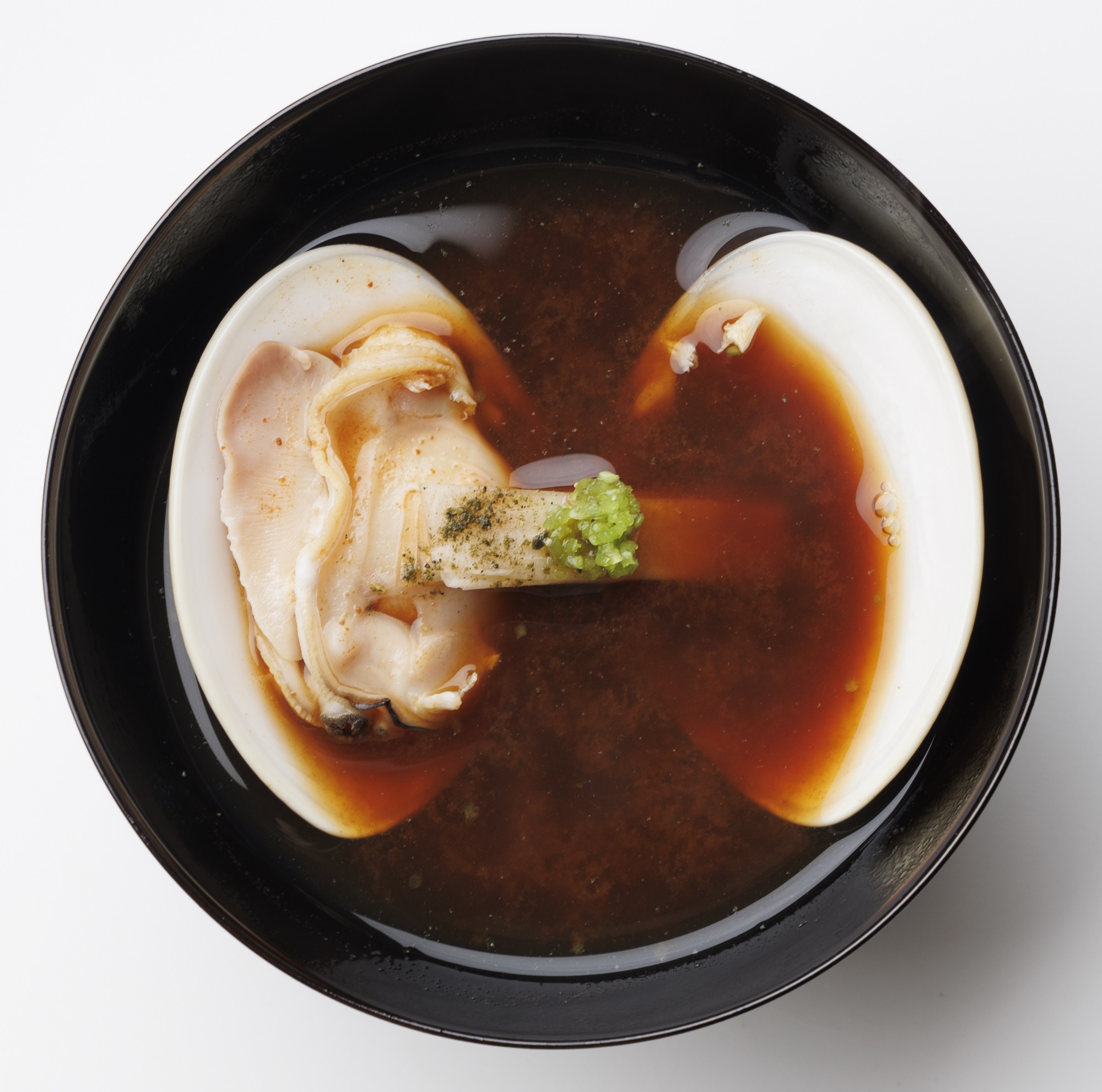
The water, which is the cornerstone of the dashi broth, uses mild well water flowing through the underground water veins of Kyoto. Using kelp (konbu (昆布)) from Rishiri (利尻) and bonito flakes (katsuobushi (鰹節)) from Makurazaki (枕崎), the dashi for the day is prepared first thing in the morning. Following the style of kappo cuisine, the preparation of all ingredients begins only after an order is placed. It starts from cutting and parboiling the fish. The reason for preparing each serving individually in a small pot (konabe (小鍋)), including the preliminary preparation, is that, for example, the umami released from parboiling sea bream differs from that of hard clam, and they wish to capitalise on each separately in the soup. Being able to instantly adjust the base dashi and the amount of miso while observing the condition of the fish that day is a testament to skilled craftsmanship.
The secret to grounding the infinitely expanding combination of flavours into Shiruko’s soup is, “I make sure that the flavour of the dashi prevails when it passes down the throat.” The stronger the flavour of the ingredients, such as whale or sea bream frames, the more one understands this true essence.
When you think of Kyoto, you think of white miso, but there are others…
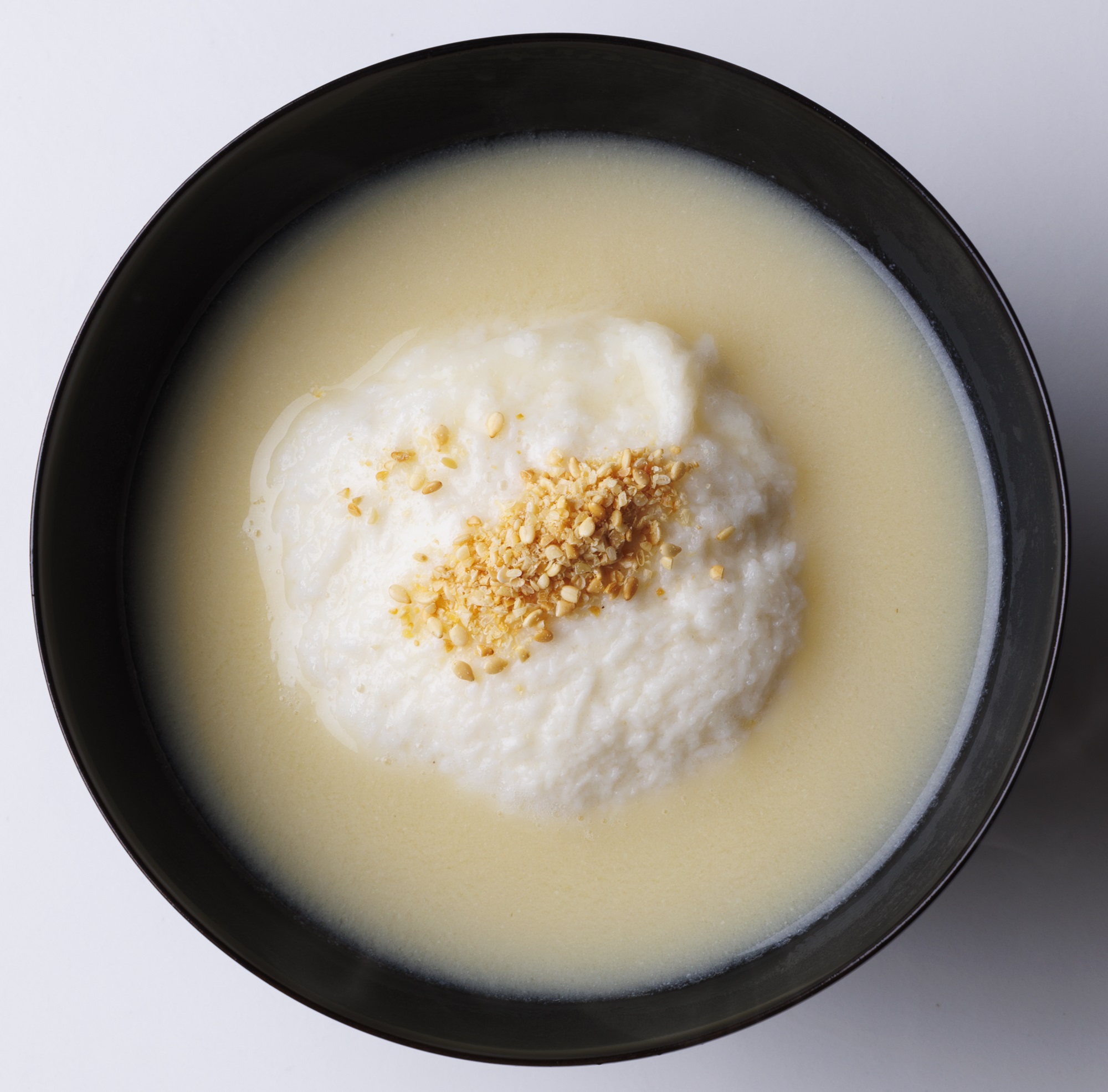
Otoshiimo (おとしいも) × shiromiso
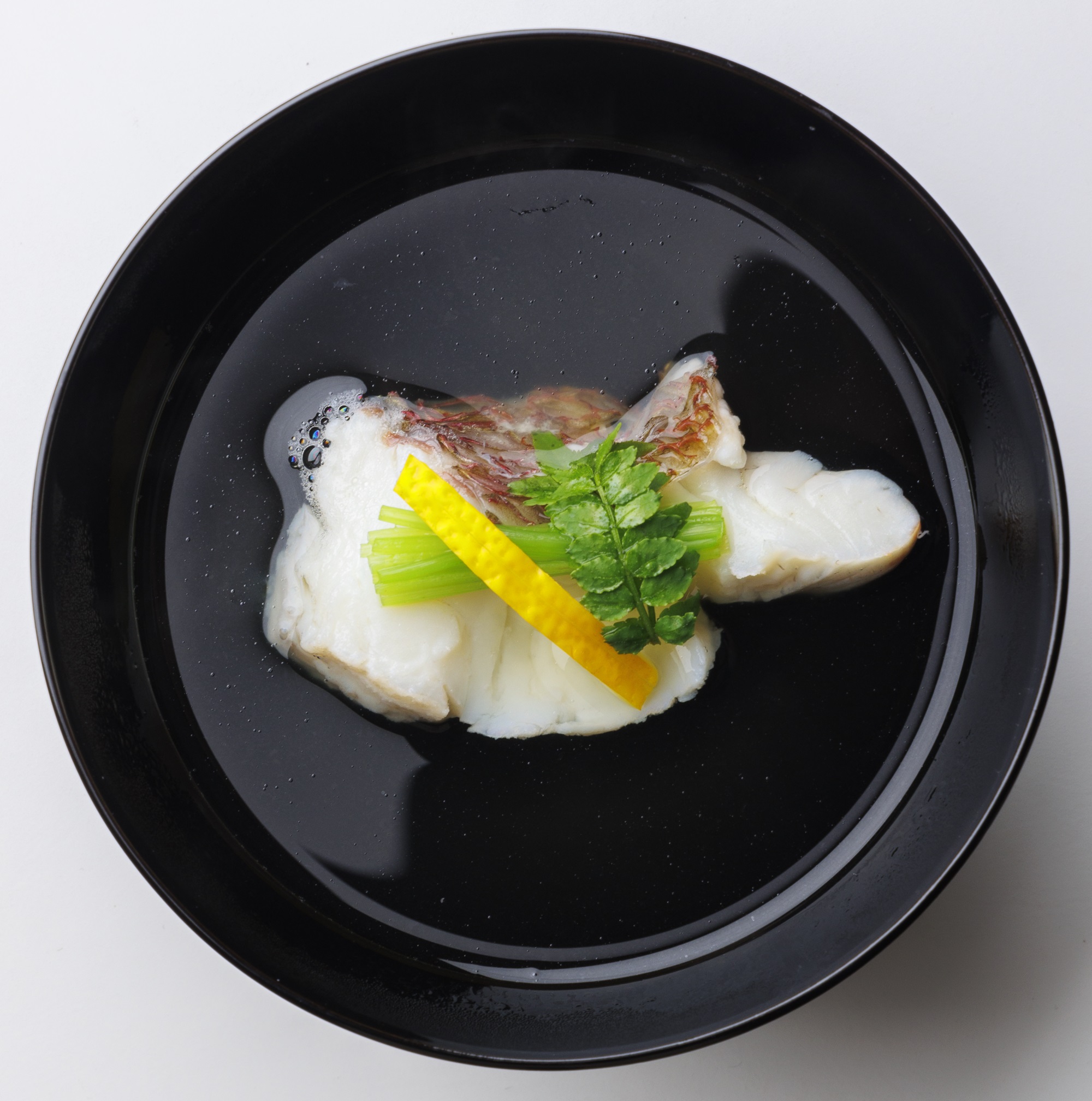
Seabream × clear soup
hard clam × red miso
The soup that comes with another signature dish, ‘Rikyu bento’ (利久辨當), is tofu in white miso. You can order the ‘Rikyu bento’ and change it to a soup of your choice (requires paying the price difference). In spring, white miso with bamboo shoots and kinome (young spring leaves of the sansho pepper tree) or waka-take soup, are also highly recommended.
Why even the menu keeps the soup crystal-clear
Shiruko Shop Info
Address: Shijokawaramachiagaru Hitosujimehigashiiru, Shimogyoku, Kyotoshi, Kyoto
Telephone: 075-221-3250
Opening Hours: 11:30 – 14:00 (last entry), 17:00 – 20:00 (last entry)
Closed: 2nd and 4th Tuesdays *Open only for lunch on the 1st, 3rd, and 5th Tuesdays. *Reservations are required for kaiseki cuisine.
Official Website:
http://shirukou-kyoto.jp/
*The prices displayed include tax. Prices and opening hours are as of March 2026 and are subject to change. Please check the official website in advance.
This article is translated from https://intojapanwaraku.com/travel/298682/