











"I want to participate in the tea ceremony, but I do not know what to study from" "I hate to know something about tea at all even though I'm Japanese!" There was such a term! If you only know that, the perspective of the tea ceremony should change. Since it is a super introductory edition, please try to read it!
At first we want to know, basic knowledge 10 of tea bath
1. Omizu-Yamimai
When participating in the tea ceremony, with the meaning of "thank you for inviting", it is a reward to give to the lord. There are no restrictions on what you bring with you, such as Japanese sweets, rice crackers and cookies. However, because it is often distributed to the person who helped the tea ceremony, it is preferable that it is individually packaged and not bulky to bring back . Let's have the letter written "Omizuya Hajime" for watering.
2. Waiting (Mai Ai)
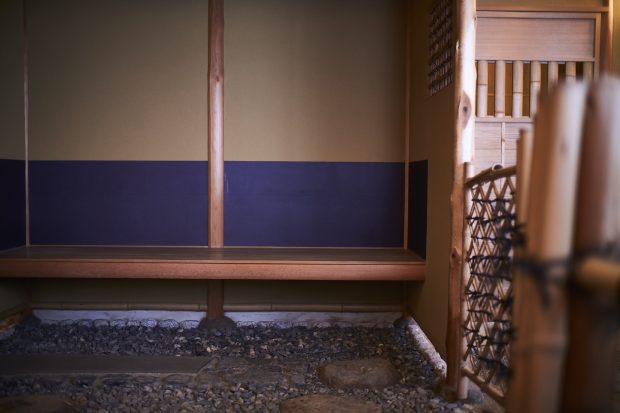
"I was invited to the tea ceremony, but where should I wait until time ...". Before entering the tea room, there is a place waiting for you to be called by the lord . In most cases, the garden of the tea room is divided into the outdoor and indoor roads, and the waiting is on the outdoor roads.
3. Tsukubai
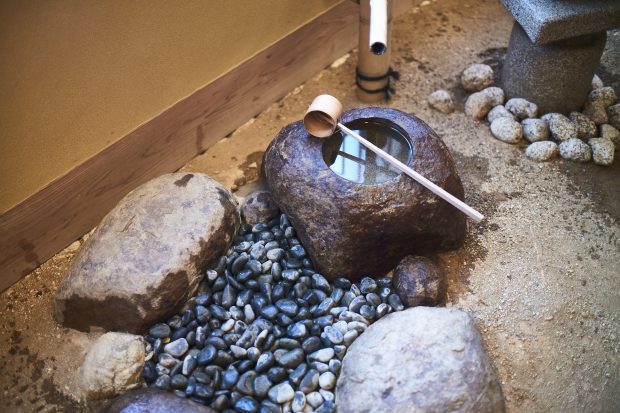
When preparation for the tea ceremony is over and a voice is heard from the lord, go straight to the tearoom. The tea room is a sacred place, so you need to be clean in order to get inside. It is a habit to use for that. It is located on the outdoor dew road just past the inner gate from the inner road.
4. Lip mouth
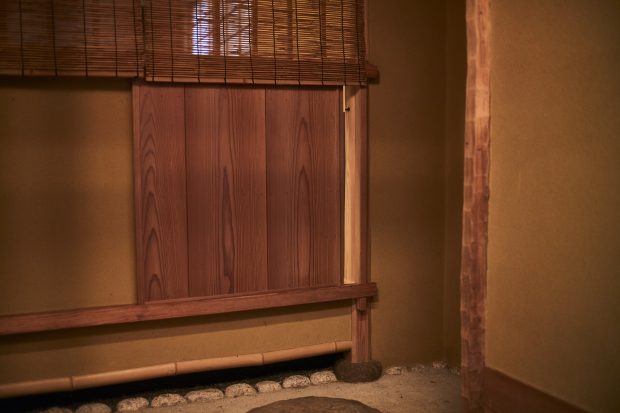
It is the entrance for the guests invited to the tea ceremony to enter the tea room. It is characterized by being made small, and it is called a "brick mouth" because it must be hit (with hands).
5. The lord
Organizer of the tea ceremony. We treat the invited guests. It is also the role of the lord to turn on the tea, and to explain the sweets and tea bowls.
6. Good customer
He is the representative of the customers invited to the tea ceremony. It is also the first time to enter the tea room, or to have tea and sweets. Sit in the most important position, near the lord. There is also a role to ask about the axis, flowers, etc., so it is often used by experienced people.
7. Stuffed rice
There are two types of meanings. One of them is "Manufacturer of Matcha" . After having tea, a regular customer may ask the lord "Where is your stuff?"
Another meaning is "a customer who sits on the lower seat" . In other words, it is the reverse of regular customers, the last to enter the tea room, and the last to have sweets and tea. As well as regular customers, it is an important position because it is responsible for waiting and the disposal of used tea ware.
8. Between the floor (today)
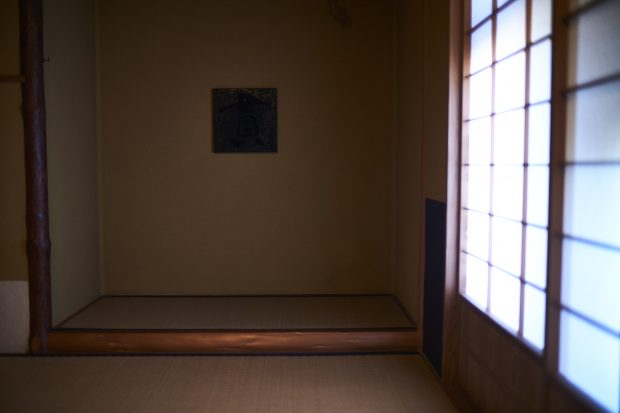
It is a place to decorate hangings and flowers. The hangings and flowers arranged between the floors represent the theme and concept of the tea ceremony . Sometimes it's easy to understand, but it's also a cryptographic thing that can understand its meaning as the tea ceremony goes on. Customers invited to the tea ceremony see these and feel that the lord put it there.
9. Booth (Koma) / Hall (Hiroma)
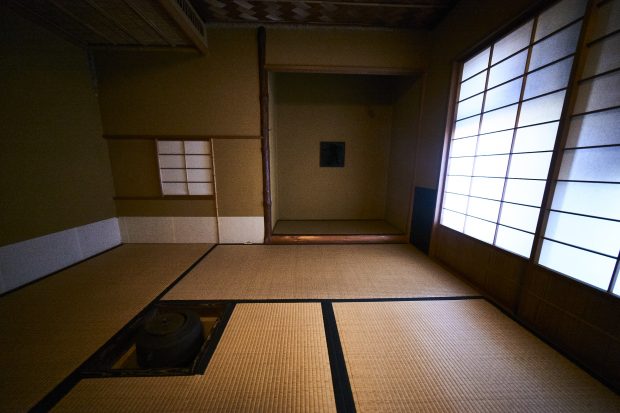
We call compact tea rooms such as 2 mats of tea room "Waitsubaki" designated as national treasure "small room", and a large tea room like a Japanese-style room a room. Until the Muromachi period, the main hall was the hall which made the expensive tea utensils and stationery luxuriously arranged, but after the Warring States period when Senrikyu served Toyotomi Hideyoshi, the booth which scraped the useless things came to be preferred .
10. Dark tea (Koicha), light tea (Usucha)
The light tea is often found in Japanese tea cafes and tea ceremony lessons. The difference between dark brown and light brown is roughly divided into two.
1 Amount of Matcha We use three times as much Matcha as light tea. Unlike light brown tea, it is sticky.
2 How to drink Dark tea is served by several people in a single bowl, and light tea is served at a cost of 1 person per person.
Shooting / Hiroaki Kuwahara
Tell me, Kondo-san series
A series of teacup Iroha, a teacup that Mr. Kimura and Tomako of a teacup newbie, who knows neither right nor left, taught me the tea ceremony of Mr. Shuntaro Kondo! One day we may be able to have tea at the editorial department too! ?
- May the image of the tea bath that seems to be a bit of a change change? Chato, Kondo Shuntaro is such a person! ▼
The first tea ceremony experience! To the practice room of the avant-garde tea party headed by Shuntaro Kondo - If you are new to the tea ceremony, you must see it! ▼
Why not kimono? What you need to know before going to a tea ceremony - How to use the correct kaiseki in the tea ceremony and how to use it in everyday life ▼
Use the “Kaisuki” and upgrade the girls' power! Practical techniques that can be used in everyday life - Understanding the meaning of tea deepens understanding of tea bath ▼
Commentary on the layout of the one tea room in detail! Why is the entrance narrow?
For those who want to start tea water from now 2 A series of rituals make sense!

A woman of Scorpio born in 1994. I love the local ・ Kitasenju. While at university, he worked part-time at the Japanese-Japanese editorial department for three years. While being frustrated with job hunting, it is captured by the editor in chief. It is troubled that the bias of things that you like is intense. Kotoba who echoed in mind recently "Sake is not a luxury item but a necessities". I think alcohol is justice