













Speaking of "Oze Sori", it is a dream tour of the 1st generation for commoners in the Edo period. In those days when there were no trains, cars or hotels, it was difficult to go only once in a lifetime, and sometimes I was entrusted with a representative from the area. Even in times when you can not travel or visit freely, you can only see Ise Jin, so you can see how Ise Jingu gathered its faith.
At that time, first shed miso in Futamiura with a couple of rocks, and worshiped Gekuu and Naiku. And it is full of course to visit Asagagatake (Asamagatake), thanks to Ise, thanks. This time, I will introduce how to walk the outer shrine and the inner shrine with a map among Ise Jingu.
First of all I want to know, meaning to go to Ise Shrine
Ise Shrine is called with closeness as "Ose." Officially called "Jingu", it is the center of over 80,000 Japanese shrines. Naiku is, and your sitting on the banks of the Isuzu River (Isuzu River) to BC four years, after which about 500 years Toyo受Omikami (and that Amaterasu is the total patron god of Japanese (Amaterasu) is enshrined The outer shrine, which enshrined Yoake no Omikami, sat in Yamadahara, about 5 km from Uchinomiya. A total of 125 companies including Isuzu's "Jingu", which consists of these two palaces, 14 Bepmiya, 43 Setshas, 24 Subsidiaries, and 42 governing companies, is a total of 125 companies.
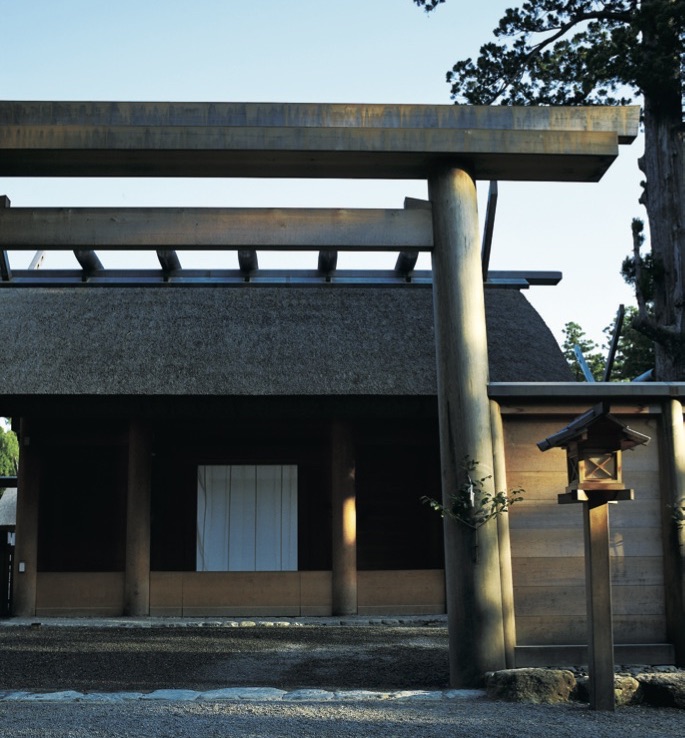
In Japan, it has been thought that the soul dwells in everything since ancient times. Like spirits (words) in the language, the spirits of trees are kodama (wood), rice (rice) (rices), rice (country), and country (country). That Ise Jingu has repeatedly repeated the new tone of the shrine and the sacred costume Shinko once in 20 years, from the thought of " Tokowaka (Tokowaka)" which always aims for youth and eternity. Ise Jingu has been repeating the sequel year for 1300 years to be suitable as a place where God is located.
Basically, it is also called "thank you" because you give thanks to the shrine, but in Ise Jingu this is called "Thank you". "Thank you" is the meaning of "Gyoen", an entity that supports life out of sight. It was "thank you" to go to Jingu to dedicate all things involved, such as the ancestors, parents, teachers and associates, clothing, food and shelter, nature, etc., from the patronage of the gods and Buddhas.
In recent years, it is popular to visit shrines as a power spot that fulfills wishes and powers, but think about the meaning of the shrine and the meaning of visiting Ise Shrine at this time of the new year of resuming I would like to
Ise Shrine visit route
It is said that it is better to go to the outer shrine where the receiving god Ogi is enshrined earlier than Amaterasu Ogami, who is the supreme god, because of the old tradition of the outer shrine first festival. There is no hindrance to the visit even if the back end is reversed, but if you go around Ise on a two-day schedule, it is recommended that you go to the outer shrine on the first day and go to the inner shrine in the early morning of the next morning. Both the outer shrine and the inner shrine can attend from 5 o'clock in the morning of the year.
First, the "outer palace" where the receiving God of Osho, who protects the foundation of life, is calmed down
It is a god of food such as rice, which is essential for the life of the Japanese people, and it is a shrine dedicated to the Todai Okami, who is respected as the guardian of all industries. It is officially called "Toho Daijingu." About 500 years after Uchinomiya was created, the 21st Yushu Emperor received a dream of the Amaterasu Ogami deity with a dream, saying "Let the gods of the food of Tamba country, etc. be a great god of Ise", Newly built on the ground of Yamadahara, near Tokyo. I received the Toho God.
How to walk outside
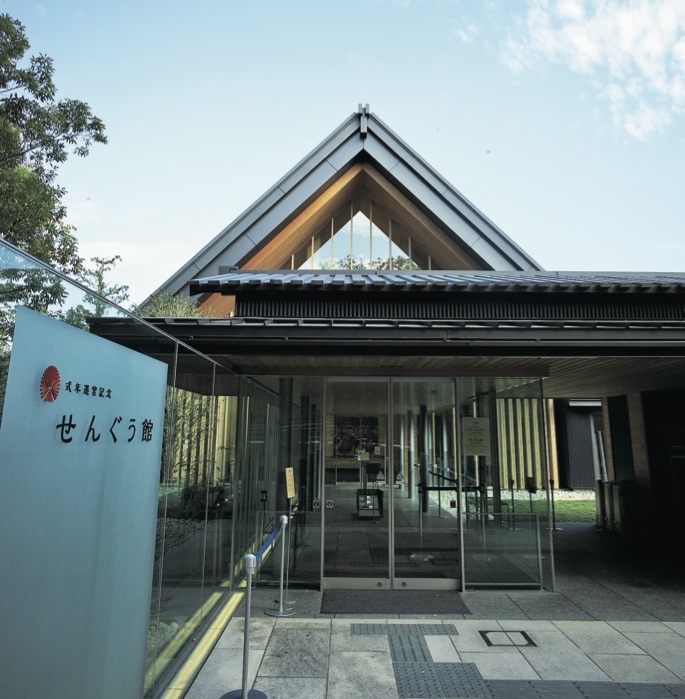
If you go from Omotesando to the bridge to the top of the torii, you will find the sacred Ise Shrine Forest. Let's give thanks to our daily life in the outer shrine where the receiving God of God, who controls the basics of life such as food and industry, is scolded. The important palace next to Shenggu, a temple dedicated to the God of Ochi, is "Betemiya" . Even though it is difficult to go through all 125 shrines at once, I would like to visit Betsugu, which is located in the outer shrine and the inner area of the inner palace. Let's pray for gratitude and peace in the coming gods. It is less than an hour even if you make a round while worshiping slowly. Visit the "Sengukan", which was opened to commemorate the 2013 Shinenkyuen!
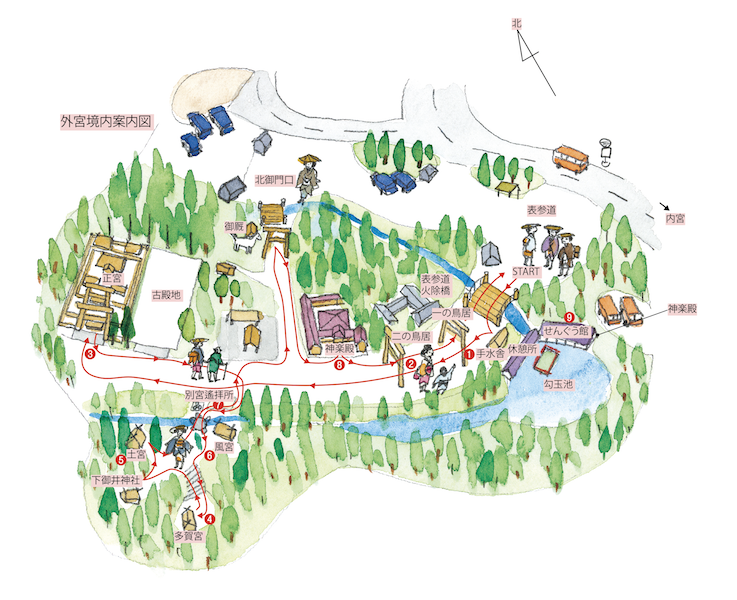
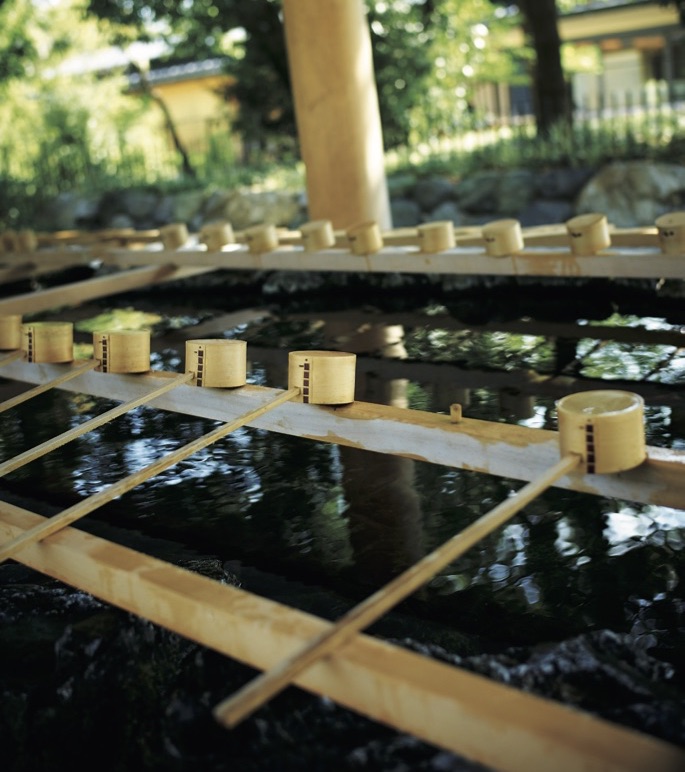
1. First of all, cleanse yourself in the hand-water house <br /> Cross the fire bridge on the left-hand side, and rinse the hand and mouth in the hand-water house instead of the boat in Futamiura. After a quick reciprocation, I exit the torii gate and go to the sanctuary.
2. Slowly go to the forest approach <br /> A walk from the town to the forest suddenly. Large trees such as cedars and oaks that reach 30 to 40 m block the sun, and the air is cool even in summer.
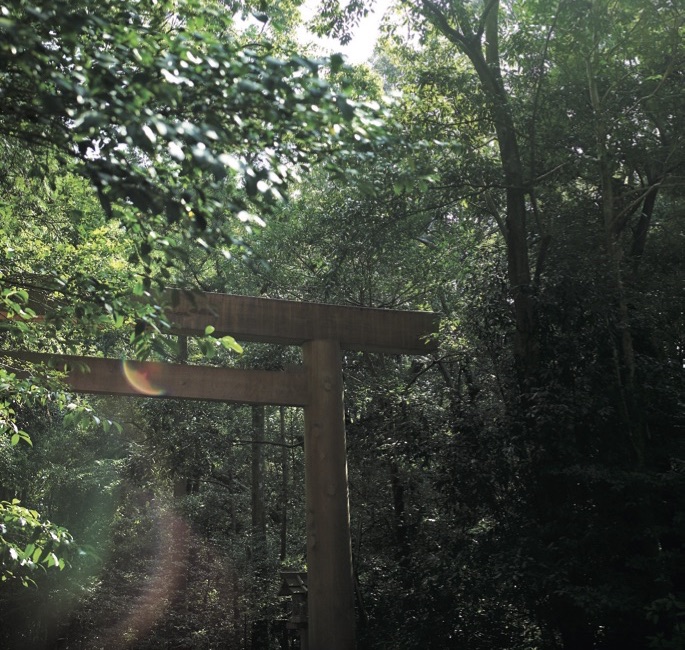
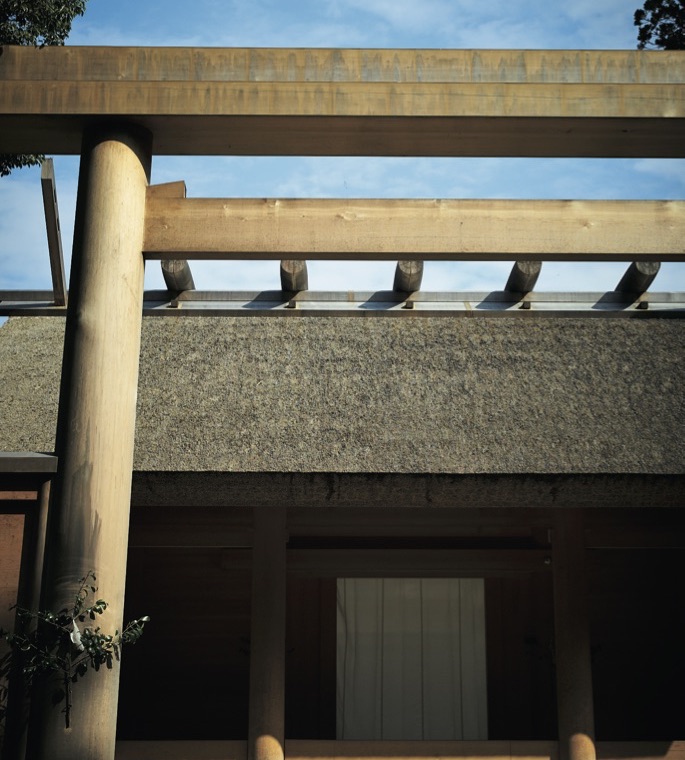
3. Go to Tohodai Okami in Shonomiya <br /> To Shingu and Tsurugi, which are fragrant with a rose. I am in charge of the food of Amaterasu Okami, and I am grateful to my guardians of food and various industries for my daily life.
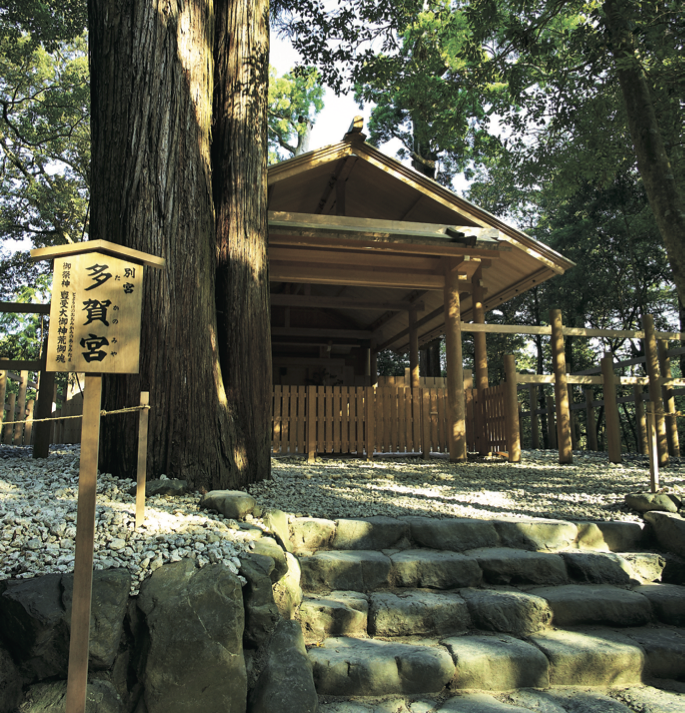
4. Go to the outer shrine No. 1 at Beppu and Tagamiya <br /> Go to Kameishi and climb the stone steps on the left hand side of the left hand, and the Taga sings about the rough soul (the active, active, powerful God) of Tohodai Okami Miya (Takamiya).
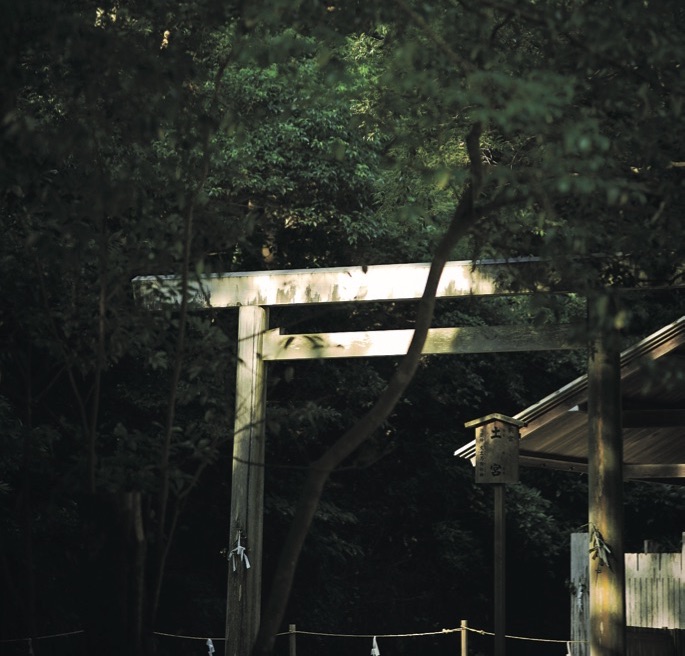
5. Go to the deity-guarding shrine, Tsuchimiya , which protects the palace area <br /> The shrine of the land god who stands to be protected by the cedar grove. It is enshrining Otsuno Onsosan, who has protected the land before the Toyochi Okami deized.
6. Go to Kazegu- gu, which controls wind and rain <br /> God of the wind that has been dedicated to pray for the growth of crops and good wind and rain, class Shinatsuhikoto (Sinatsuhikonokoto) and class Nagatobe Life Talk about).
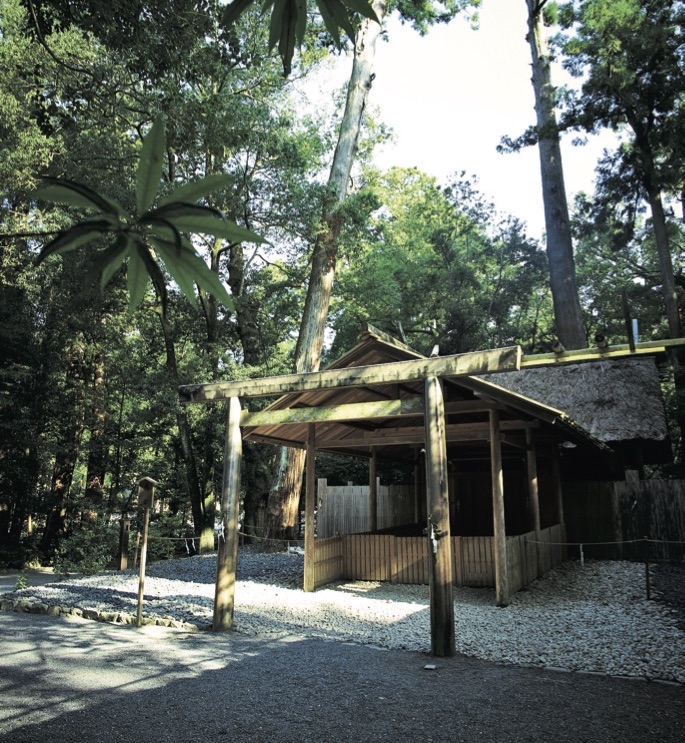
7. Worship of Betsugu is also from the worship center
A worship place provided for people who have difficulty climbing up to nearly 100 steps or who do not have time. Serve in the same sacred feeling as before your company.
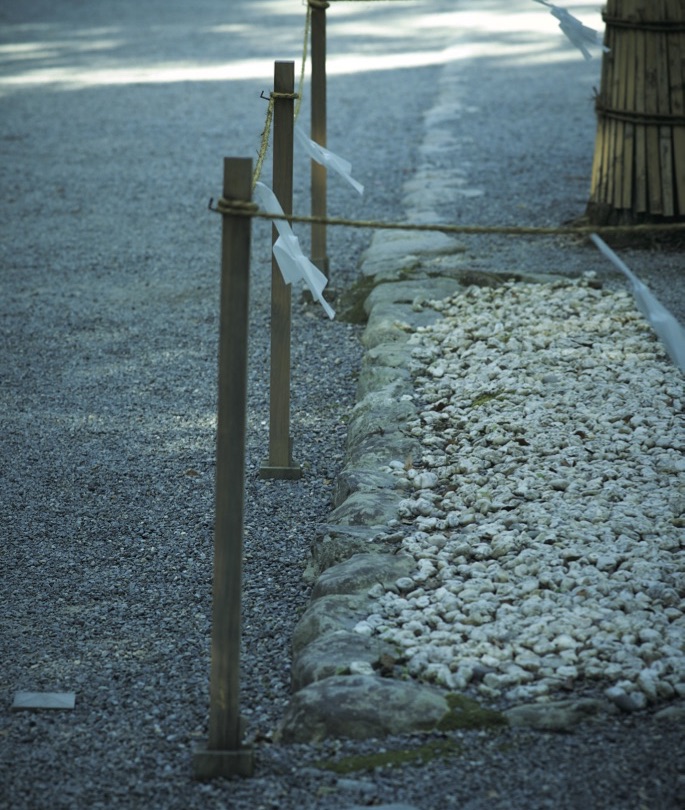
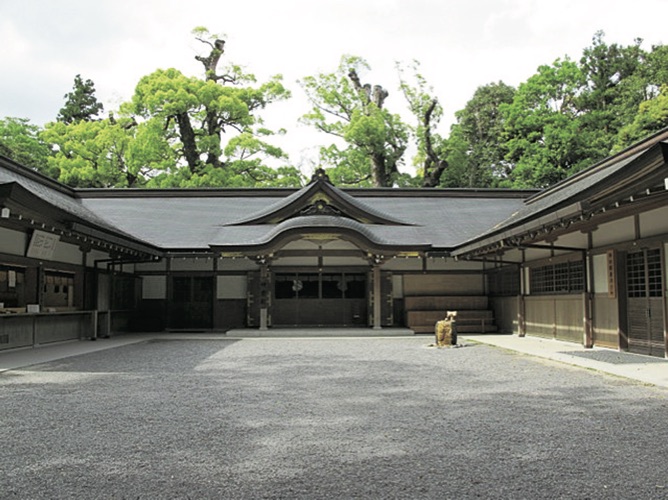
8. Kagura's dedication and amulet award <br /> If you are satisfied, you will go to see Godma and receive a bill and a guardian at Kagura. Kagura and special worship can be applied alone.
9. Learn about the Shienkan Sekikyu at the Sengukan <br /> The Shikan Shiengu museum is located on the shores of Gama Tamaike, which has a permanent stage for dance music. There is also a full-scale model of Shomiya Omiya, and an exhibition of the production process of Shinho.
Second, the god of the highest god in Japan, Amaterasu Okami, "Uchinomiya"
Officially known as "Uta Daijingu". It sings Amaterasu , one of the three pillars that is considered the most precious of the gods born from the gods of the nation, Izanogi Nomikoto and Izanami only. The Amaterasu Ogami, who ruled the heavenly world where the 8 million (or less) gods live, as the supreme god, decided to let the grandfather's martial arts life (the nigi only) reign over the earth's world . Of the three types of genials that were given at that time, it was Hachiko-ko (Yatagami) that commanded him to "speak as his soul." This is still enshrined by Masahito Uchimiya as a divine object of Amaterasu Ogami.
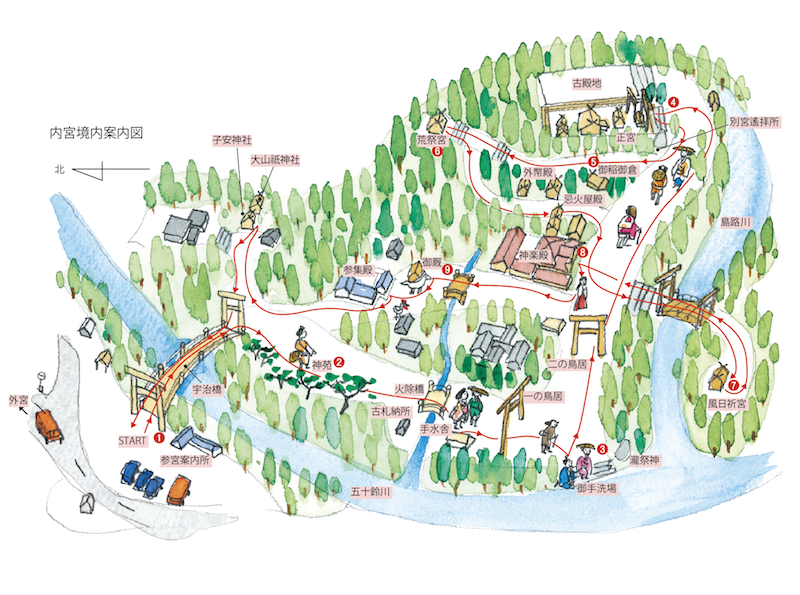
How to walk in Uchinomiya
To Uchinomiya, where Amaterasu Ogami, the Japanese deity's deity, is crossed, it crosses Uji Bridge, which is also a symbol of Uchinomiya, as a bridge between the world of the world and the holy world. Water and forest, inner palace protected by the mountain, is a sacred place different in taste from outer palace. Let's visit the sun god who controls the source of life at the center of Ise Jingu, which links 125 companies. It takes about an hour to an hour and a half to worship slowly while sucking in the sacred air.
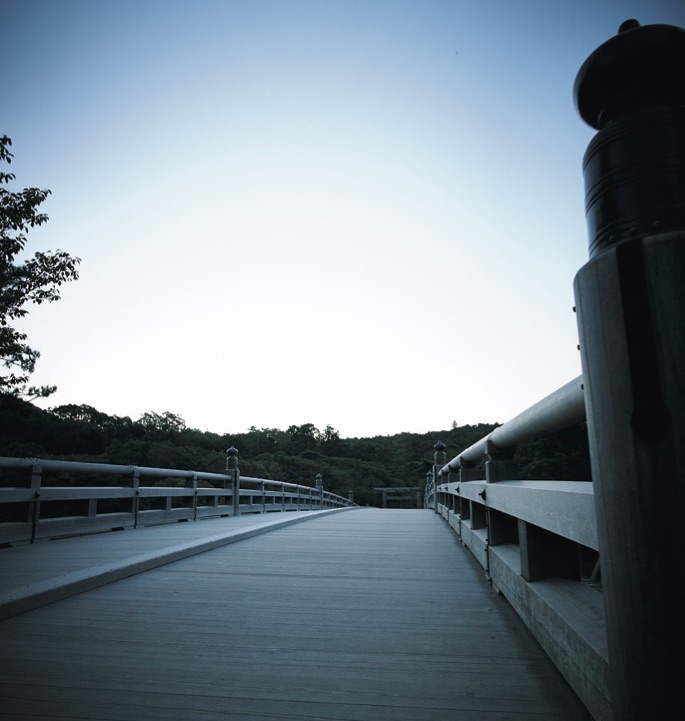
1. Cross Uji Bridge to Shinto area <br /> Uji Bridge, which is replaced every 20 years, just like the sekikyu. I want to enjoy the beauty of the landscape with the wide stream of rivers and the wide mountain range while crossing the right-handed bridge.
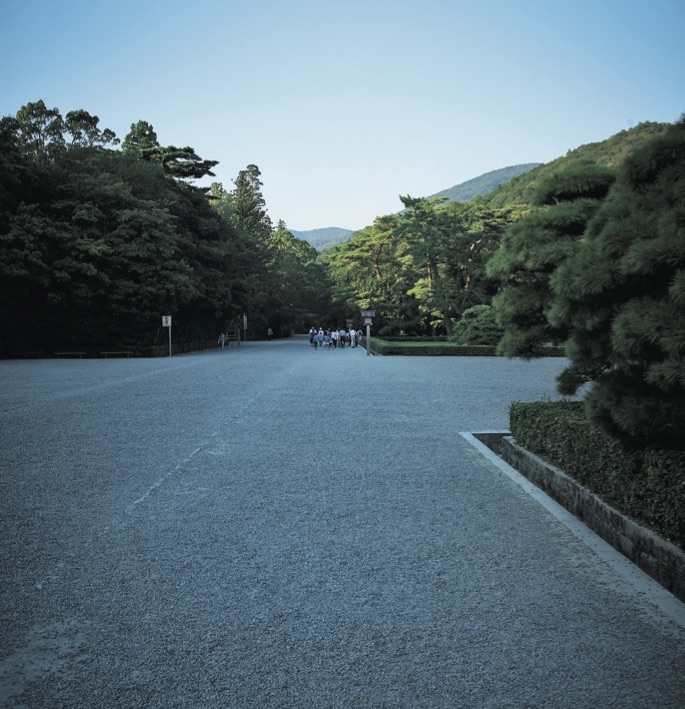
2. Go to the Jade of Goddess of Tamagravi <br /> To aim at the shrine from Uji Bridge, first of all walk the spacious shrine. Events such as spring and fall public dances are held here.
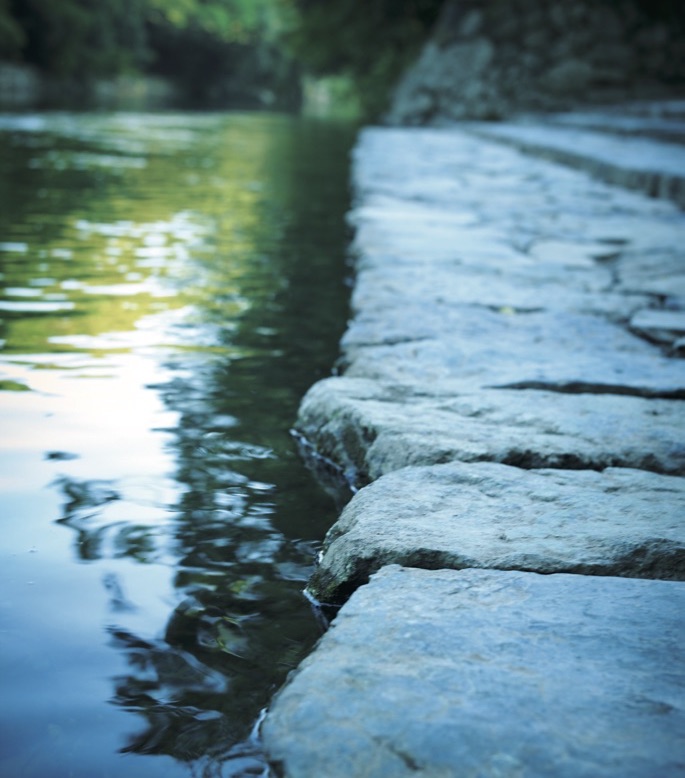
3. Clean up in the Isuzu River <br /> In Keisho 5 (1692), Keishoin, the mother of Tokugawa Tsunayoshi, gave a donation. If the weather is fine, you may even rinse your hands and mouth at this washroom.
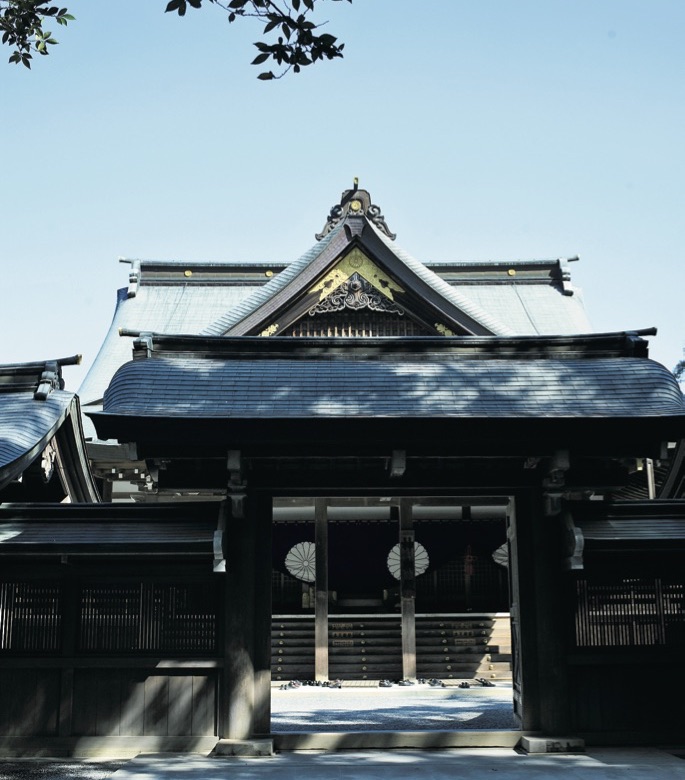
4. Go to the Amaterasu Ojikami in Shogu. <br /> Go straight on the approach and go up the blue stone steps like a stream of water. Mikagami, the god of God, is enshrined in the right front of Mihobari.
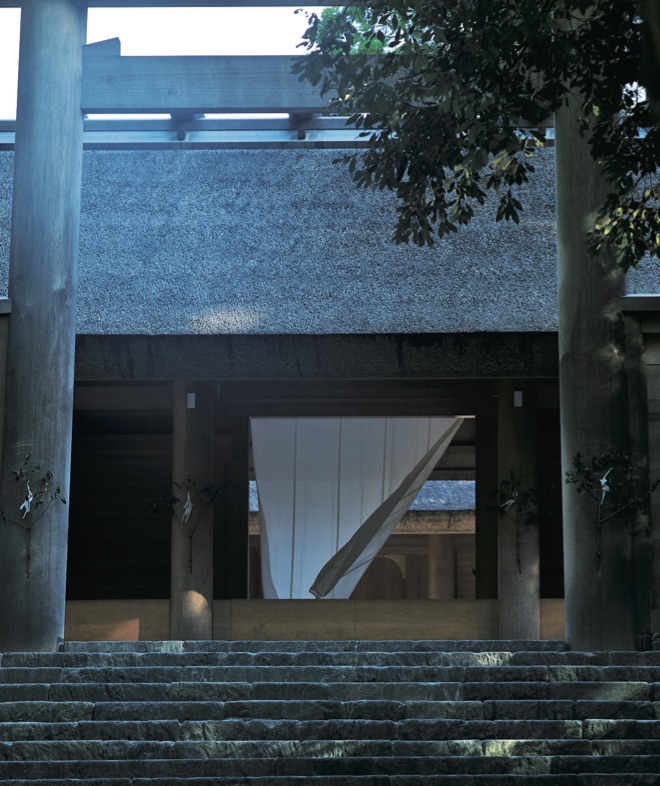
5. Visit the shrine architecture in Oineomikura <br /> On the way to the Aramatsuri Shrine, take the stone steps of Shonomiya and line Oinami Okura (Mishine Mikura) and Gaitin Hall. It is here that you can see Kamimei forgings.
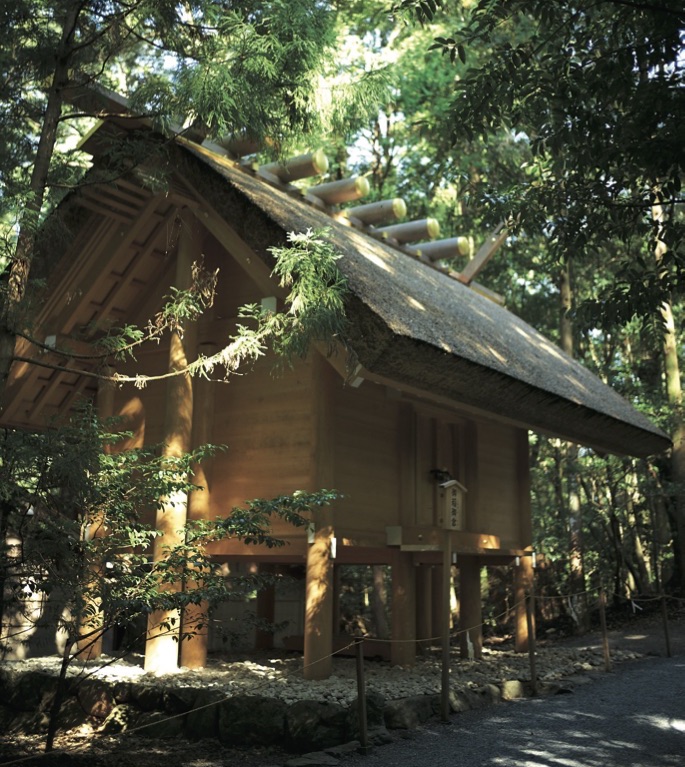
6. To Uchinomiya Daiichi's Beppu-Aramatsuri <br /> The best place in Beppu is the Aratsuki Ota, which enshrines the Aratsuki Okami's Aratama soul. As in Tagamiya in the outer palace, it has ended its sequel in 2013.
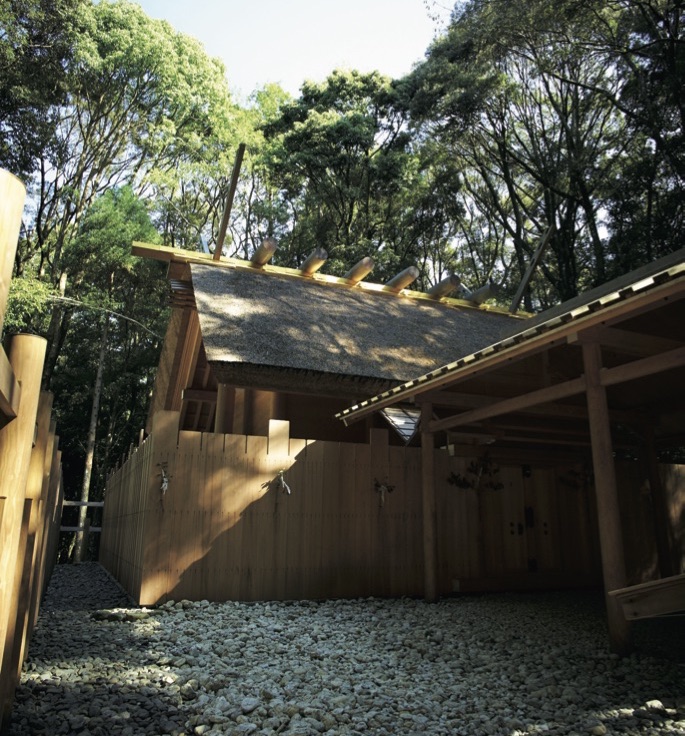
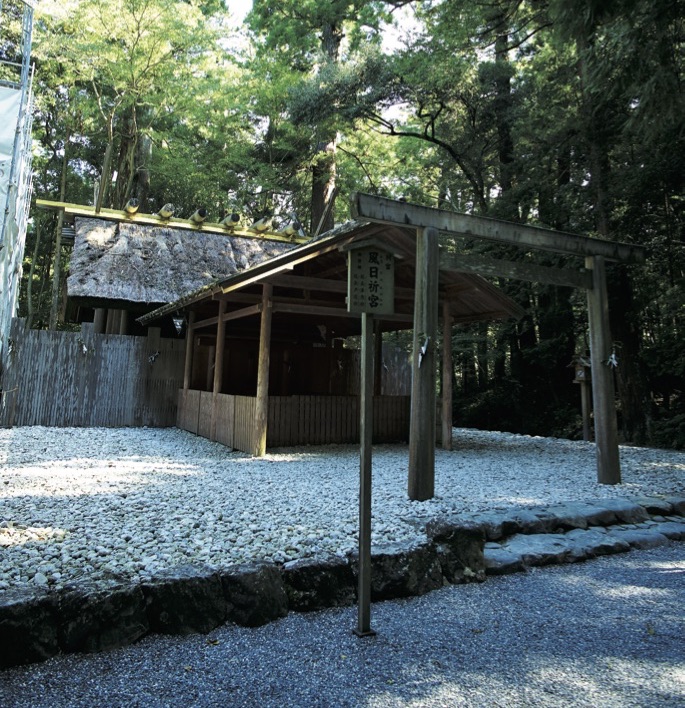
7. Beyond the Shimaji River, go to Kazedai Praying Palace <br /> Cross the approach to Shogu, cross the bridge and go to Kazehi Praying Palace. He sings the god of the wind, who protected Japan by blowing a kamikaze during the Genkura in the Kamakura period.
8. Kagura dedication and bills at Kagura-den <br /> Kagura dedication and prayers here. In addition to the bill and the amulet, the attached grant center also handles miniature shrines and shrines made by Kamimei.
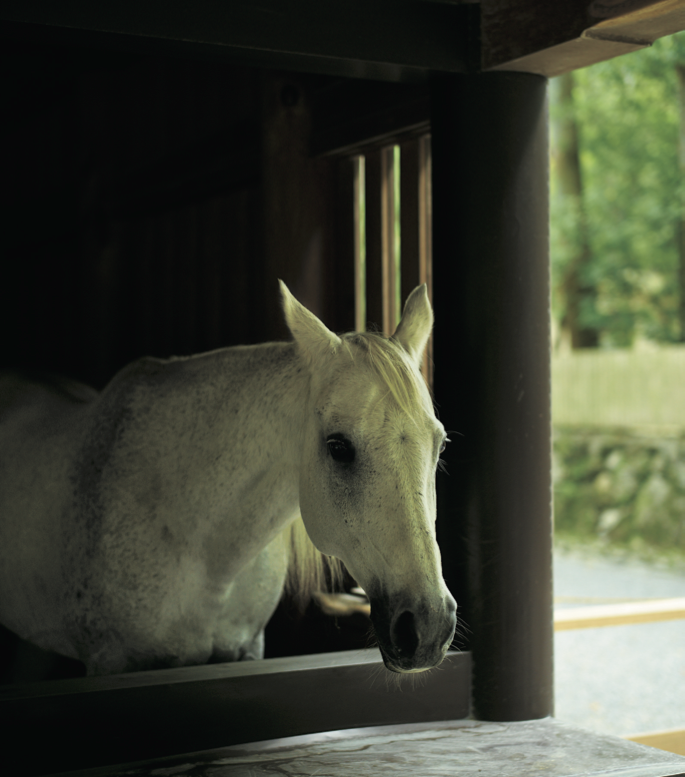
9. Greetings to Shinma and Shinkens <br /> In Uchinomiya and Toumiya, there are two Shinma horses from the imperial family. On the morning of 8:00 on the 1st, the 11th and the 21st, Shinma Kenzan is visiting the shrine.
Ise Jingu basic information / access information
Access to Ise Shrine is approximately 10 minutes on foot from Ise City Station of JR and Kintetsu.
Outer Palace Address: 279 Toyokawacho, Ise City, Mie Prefecture
Uchinomiya Address: Ujikancho, Ise City, Mie Prefecture 1
Visiting time:
October, November, December: 5 to 17
January, February, March, April, September: 5 to 18
May / June / July / August: 5 to 19 pm ※ Can be visited on all day from December 31st to 22nd of January 5 Site URL: https://www.isejingu.or.jp /index.html
Illustration: Eri Nakada Photography: Hiroaki Kuwahara
Wadon web editorial department. My motto is "I'm seriously stupid", and I am having fun with all sorts of dread and fun every day. https://note.mu/warakumagazine