













Look for gardens and buildings related to the former Chinese, artists and culture people with a map in hand
After enjoying Mejiro no Mori in the first half of the trip, go up the side of Shin Edogawa Park from the Kanda River side, up the so-called ghost hill to Mejiro Dori again. Toyosaka (Toyosaka), Obusezaka (Kofushizaka), Fujimizaka, Nichizaka ... The Mejiro terrace is full of tasteful slopes. Because every slope is strong, climbing is a hard work! 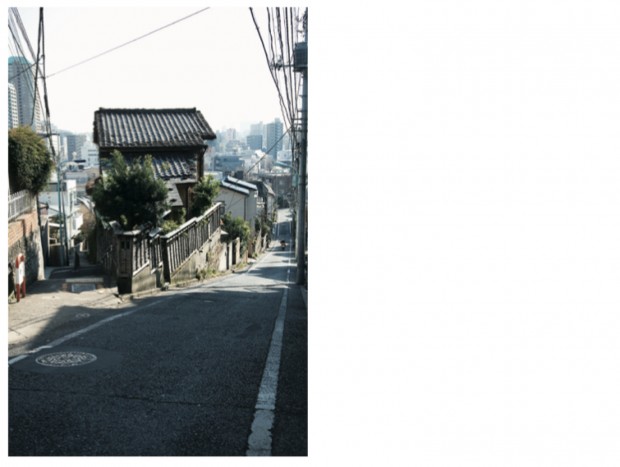 The slope of Y-shaped road where Fujimi slope and Nichisaka slope are connected.
Kishi Mojin From the Omotesando entrance, proceed along the shopping street. We are greeted by a large ginkgo tree that is said to be 700 years old, and to the grounds of Onikoh Mother Shrine. Looking up at the hall, a male voice said, "Do you know that there are no horns in this demon?" Because the demon was transformed and became a god of childbirth and childbirth, the image of the mother-child deity was a wolf figure, and a local uncle taught me to use the character “Oki” without the horns. 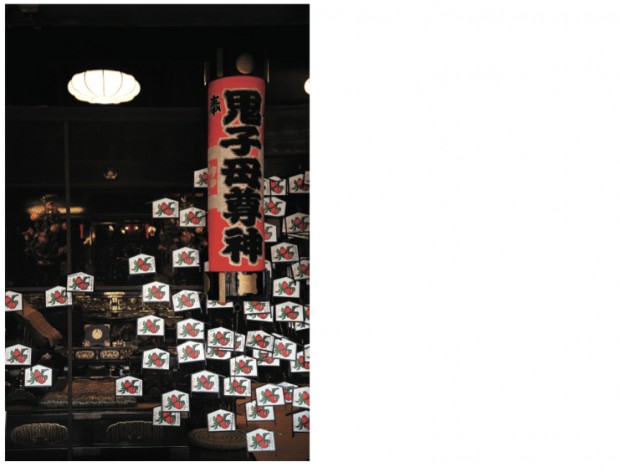 A zakuro ema dedicated to the Oniko Mother Shindo.
In the afternoon, I crossed the Yamanote Line and visited Nishi-Ikebukuro's Freedom Academy Asukaikan (Myo Nichikan). A free school founded as a female school in the Taisho era. The school building at the time of its establishment is the building tomorrow, and it features a geometrical design designed by Frank Lloyd Wright and his disciple Arata. It is a building where the details such as window sills, lighting, and chairs are detailed. 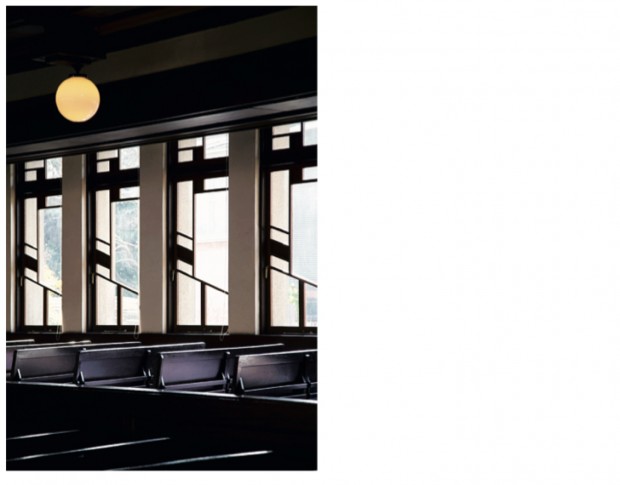 The window of the auditorium of "Freedom school tomorrow building".
Take a look at the nearby Toshima Ward Mejiro Garden and head to Mejiro Dori again. When you are tired of walking, take a break in the cafeteria of the long-established Japanese-style cake shop "Shimura", or buy the famous "Tsukumo Mochi" as a souvenir. It is a store where Rakugo family's 5th generation Yanagi family small teacher was also jealous. 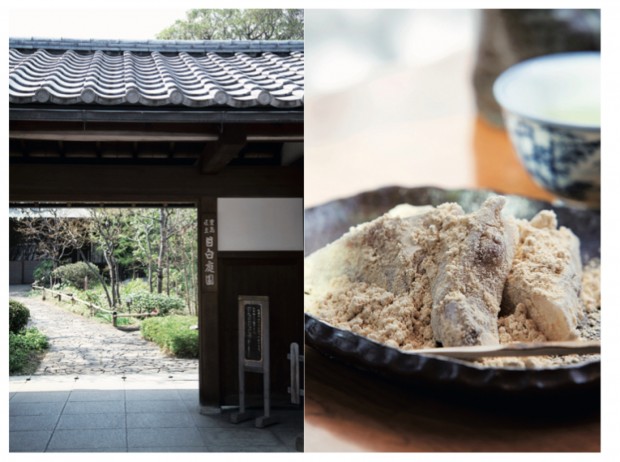 Left Shosha Na Yuen Garden "Toshima Ward Mejiro Garden" Right Ninety-seven of Shimura.
I learned that there is a street called "Mejiro Kinen-dori" nearby. It can be said that the holy place "old tools Sakata". When I open the rattle and the old glass door, there is a beautiful world where the old things chosen by the eyes of Lord Kazumi Sakata are quietly haunted. British cutlery, French farming tools, Buddha statue of Gandhara. Sakata has taught me about old art, aesthetics, and the city of Mejiro, without being discouraged by customers visiting for the first time. 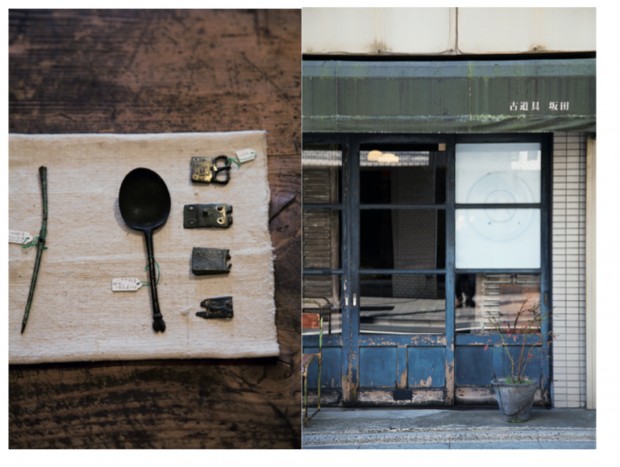 "Old tools Sakata" which treats old art for 40 years with mejiro and penetrates the aesthetics of refined appearance.
A small but great bakery called Kaijuya, which operates only three hours a day, three days a week, is a place you definitely want to stop on your way home. 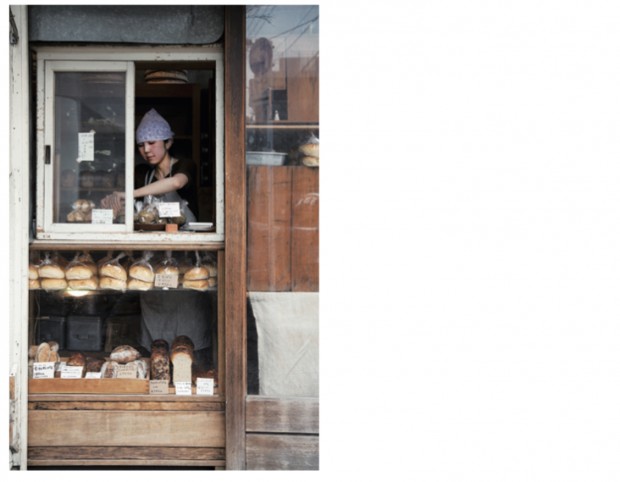 With the aim of carefully crafted bread, the “Kaiju-ya” is visited by customers incessantly at the opening time.
Furthermore, "There is a place where a obi is being produced in the immediate vicinity," the one who told me was "Hanamura." It is a workshop and gallery of Obi Tsukasa (Obi Tsukasa) and Sumie Sumie who inherit the tradition of the creators of the Nagoya Belt. 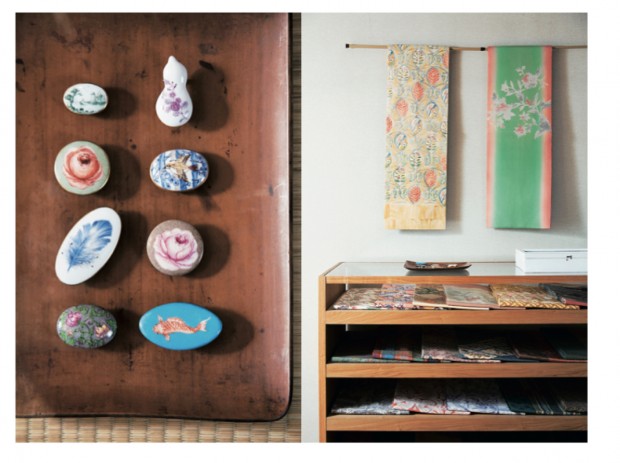 "Hana" is also held in the Obi classroom. A band of "creative party" painted on porcelain.
This time around Mejiro is also known as an area where many painters and writers gather from the Meiji era to the prewar days of Showa. There are various cultural monuments, such as “Shinjuku Ward Nakamura Atelier Museum,” and if you walk there still more discoveries are likely. 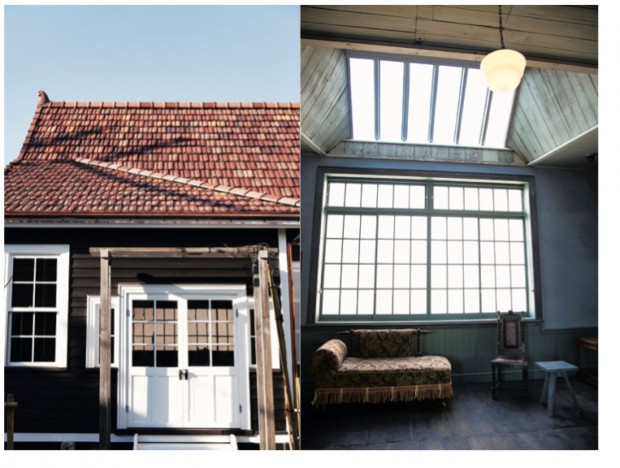 The “Shinjuku Ward's Nakamura Sakai Atelier Museum” has been restored since March 2013.
When you walk along the road for a full day, you will become more familiar with your neighborhood. Well, what city would you like to travel to next?
The first half articles are here !
-From the June 2013 issue of Wasabi-
Wadon web editorial department. My motto is "I'm seriously stupid", and I am having fun with all sorts of dread and fun every day. https://note.mu/warakumagazine