





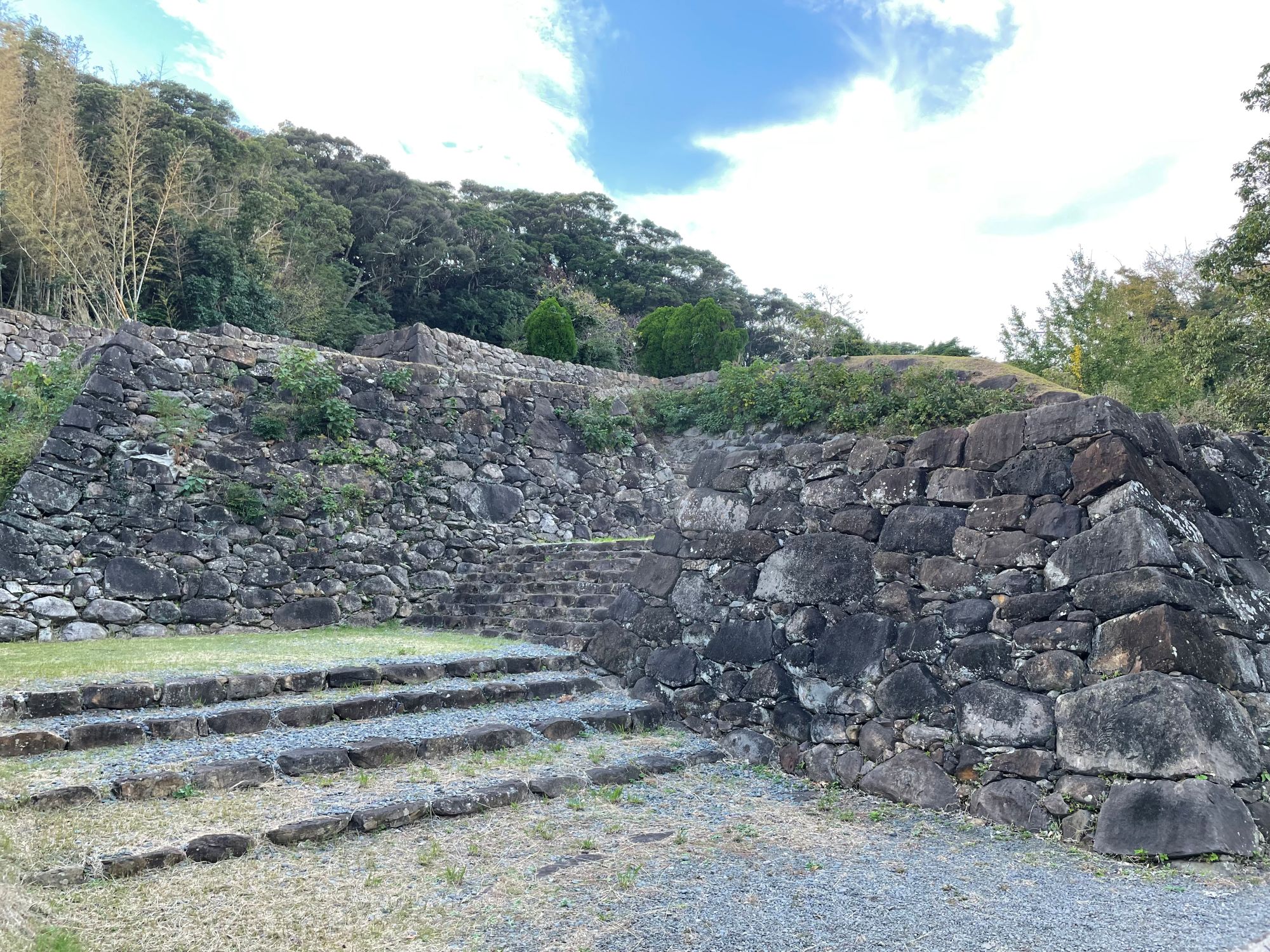
Nagoya Castle, built in preparation for the invasions of Korea—the Golden Tea Room was installed inside the 300-tatami main hall
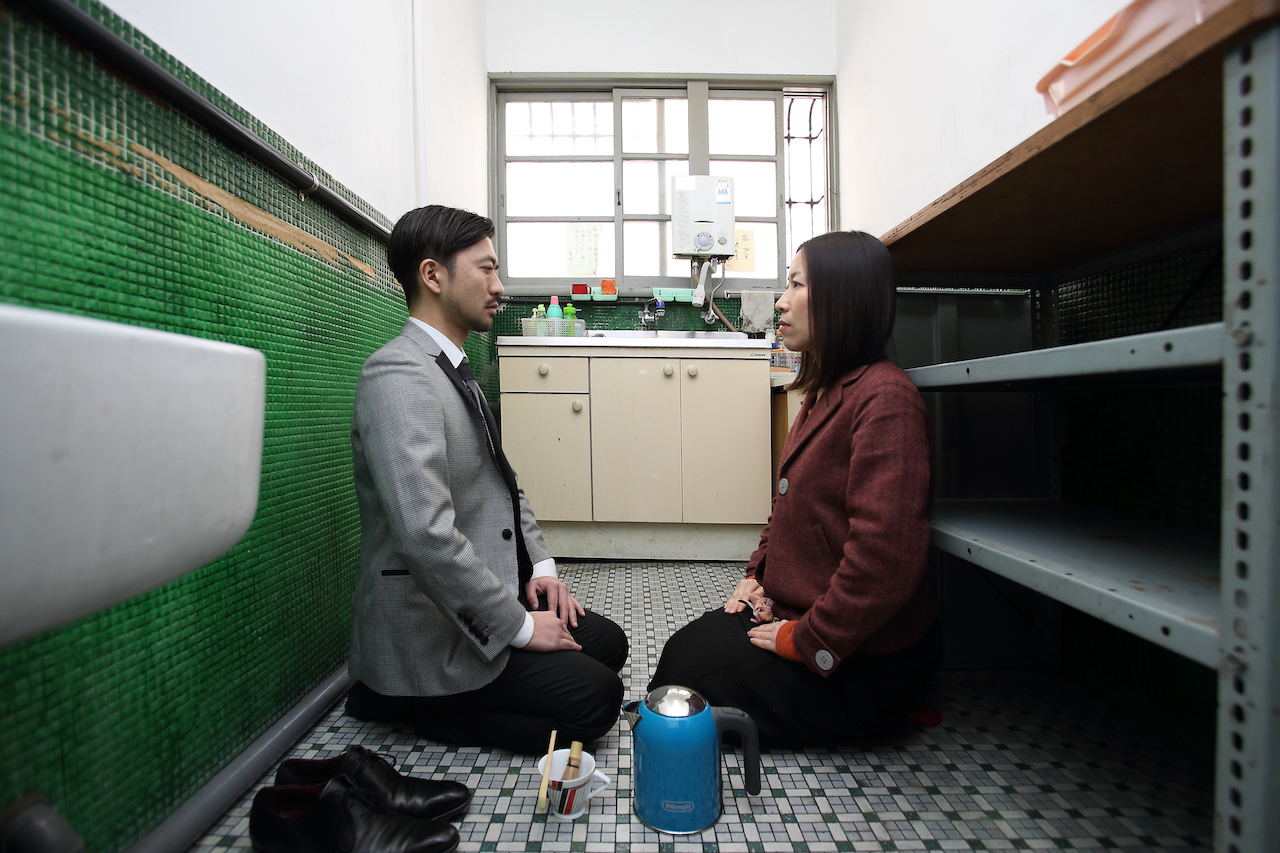
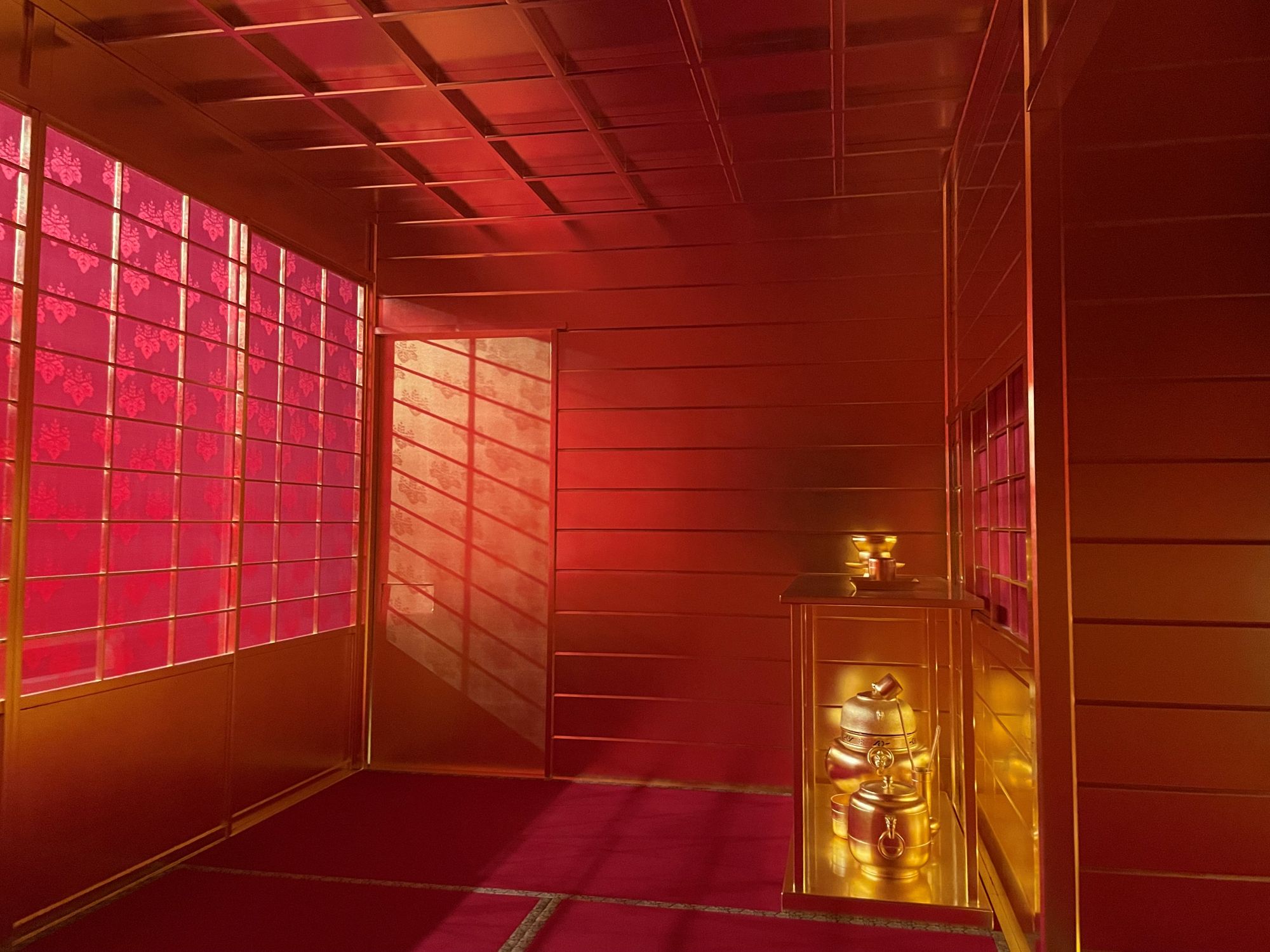
Kyuto-ryu school of tea ceremony (給湯流茶道, hereafter Kyuto-ryu): I was astonished when I actually stepped into the Golden Tea Room. It was much darker than I’d expected, and even the gold utensils had a surprisingly subdued appearance.
Hisano Tetsuya (久野哲矢, Curator, Nagoya Castle Museum / hereafter Hisano): The main compound of Nagoya Castle was lined with lavish palaces. It’s quite possible that Hideyoshi assembled the Golden Tea Room within one of them.
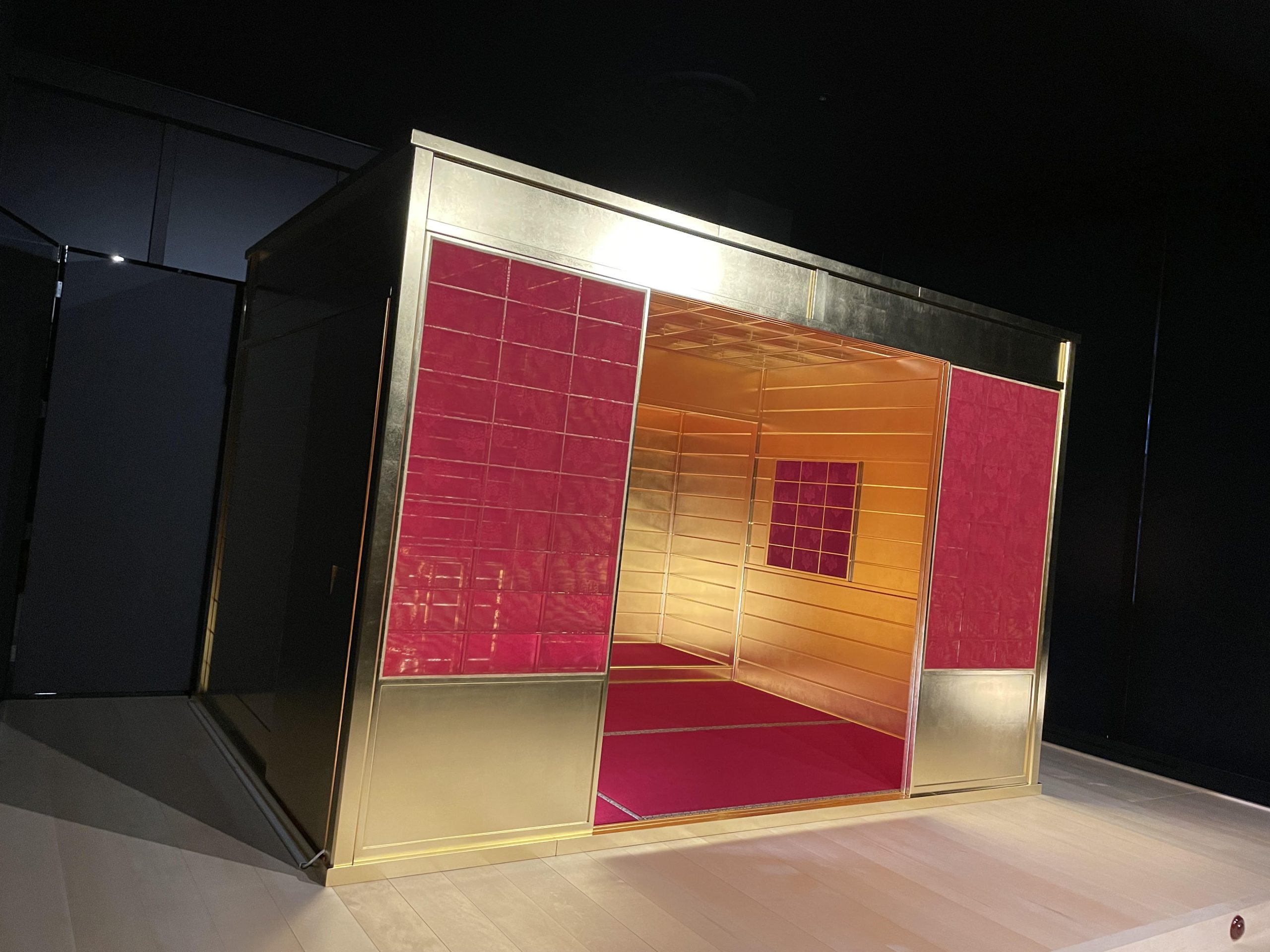
Kyuto-ryu: There’s a building said to have included a great hall for meetings with vassals, with a total size of around 300 tatami mats, isn’t there? Tea rooms are often built as separate structures, but the Golden Tea Room was set up indoors. That meant no direct sunlight either. It must have been a rather dim space.
Hisano: Indeed. And bear in mind, this was the Sengoku period—there were no fluorescent lights like we have today. I imagine it had a calm, subdued darkness, much like the main hall of a temple.
Was the Golden Tea Room really the cause of the rift between Rikyu and Hideyoshi?
Hisano: Many visitors come here thinking, “One reason Hideyoshi fell out with Sen no Rikyu (千利休) was because of the Golden Tea Room.” But when you actually step inside, you’re surprised to find a subdued, calm space filled with a soft golden glow.
Kyuto-ryu: Absolutely. The gold-leafed walls are unexpectedly elegant and restrained. It’s hard to imagine Rikyu rejecting the room as being too flashy and that leading to conflict. If anything, it’s the bright red Toyotomi family crests on the shoji (障子) screens that stand out and feel a bit over-the-top! (laughs)
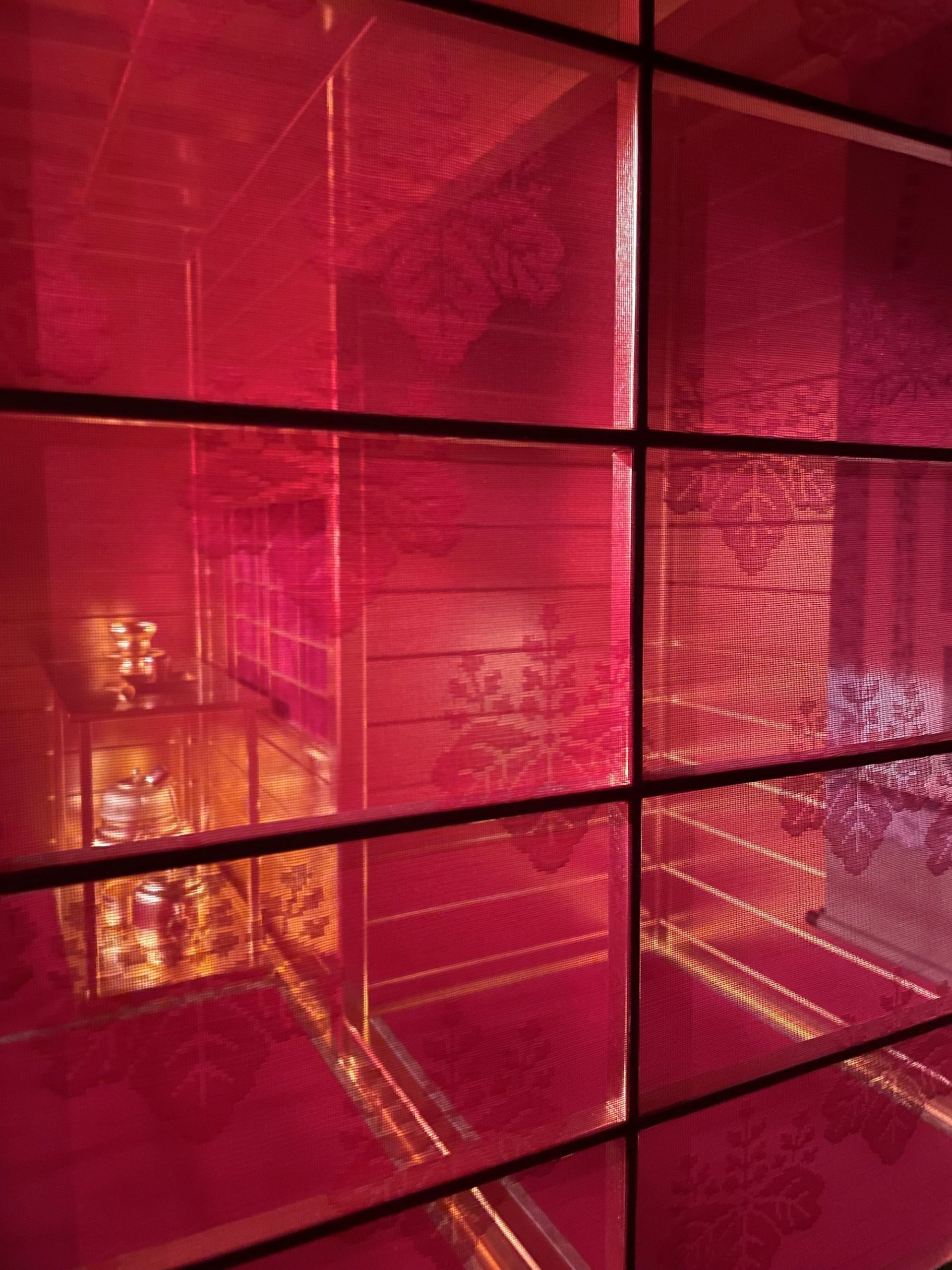
Hisano: According to the diary of Kamiya Sotan (神屋宗湛), a merchant from Hakata who visited the Golden Tea Room at Nagoya Castle, the room featured ‘a pattern woven into thin red silk.’
Kyuto-ryu: I see. In a dimly lit room, the golden walls and utensils actually feel very refined. But then you have all those family crests plastered on the shoji—it’s like he couldn’t resist flaunting his power. That fits Hideyoshi’s image perfectly! (laughs)
Unbound by formal rules and catered for international guests
Kyuto-ryu: In what kinds of situations was the Golden Tea Room at Nagoya Castle used?
Hisano: As far as the Golden Tea Room is concerned, it was likely used for political occasions more than for traditional tea gatherings.
Kyuto-ryu: I heard he even received a diplomatic mission from the Philippines there?
Hisano: That’s right. There’s also a record from another occasion mentioning a note on the wall that read ‘Enter without ceremony.’ So it seems the atmosphere wasn’t strictly formal—perhaps it was even designed to put foreign visitors at ease.
Kyuto-ryu: Using gold, a material with universal appeal, Hideyoshi was entertaining guests from around the world. Quite forward-thinking of him, really.
‘No hanging scroll?’ – Hideyoshi’s free-spirited approach to the Tea Room
In contemporary tea ceremony practice, it’s standard to decorate the alcove (tokonoma, 床の間) of a tea room with a hanging scroll or flowers. So, what was displayed in the Golden Tea Room?
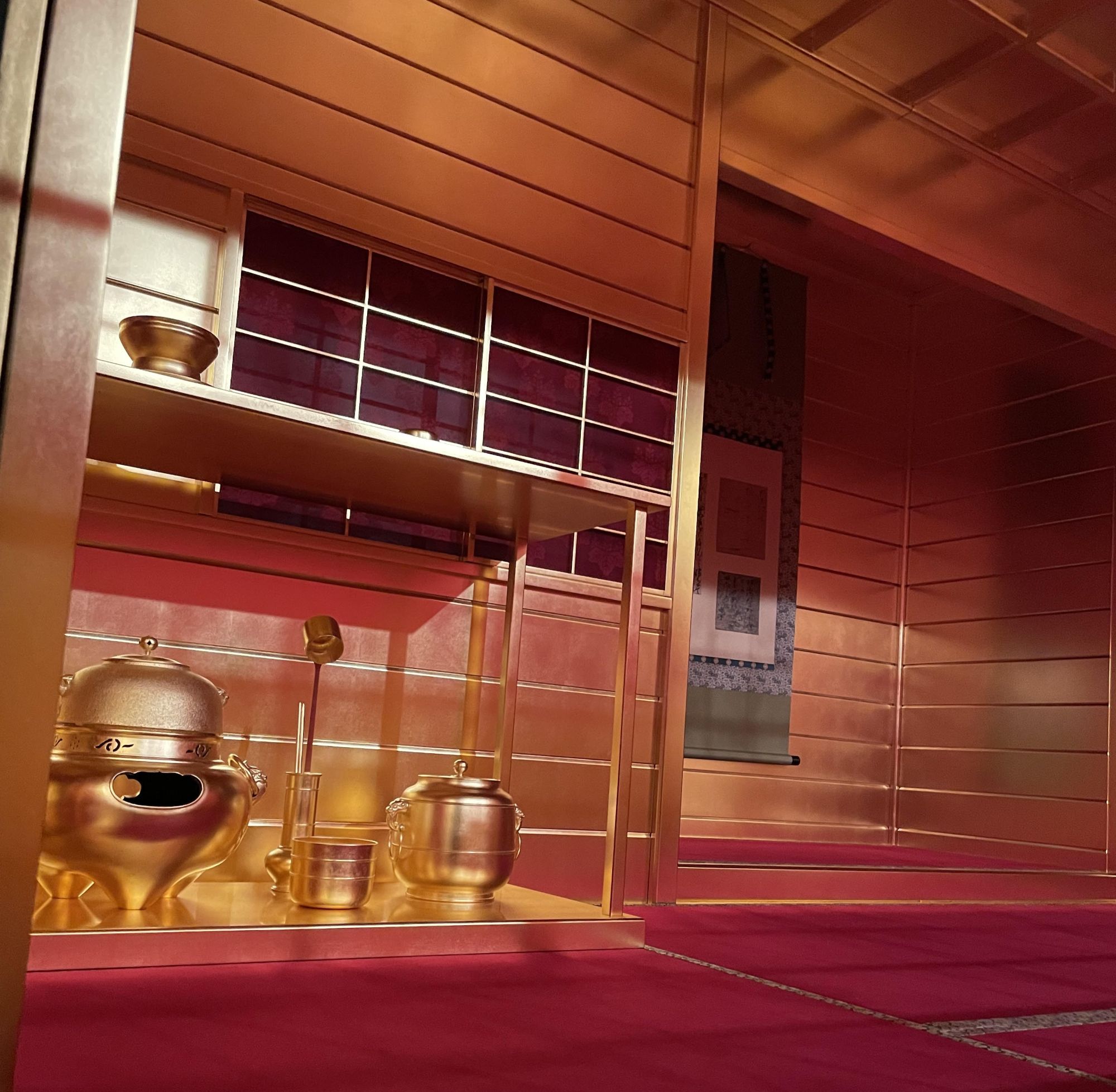
Kyuto-ryu: I’ve heard that everything in the Golden Tea Room—from the kettle to the tea bowls—was unified in gold. In such a lavish setting, I wonder if they also arranged flowers?
Hisano: There are records indicating the use of a flower vase (for the tokonoma). However, curiously, there’s no record of any hanging scrolls. Even in the relevant passages from Sotan’s diary, there’s no mention of a scroll.
Kyuto-ryu: Really? Isn’t it quite unusual not to have a hanging scroll? In modern tea ceremony, some people say the scroll is the most important element.
Hisano: That’s true. Perhaps Hideyoshi was practising his own form of tea ceremony, one unconstrained by formal rules.
A Tea Room made from fresh green bamboo – a sengoku-era fashion
Nagoya Castle was built for the invasions of Korea. It’s said that Hideyoshi had another tea room constructed within the grounds. Known as the Soan (草庵) -style tea room, it has been faithfully reconstructed within the museum. We head into the tea room, joined by Ohashi Masahiro (大橋正浩), who oversaw the restoration.
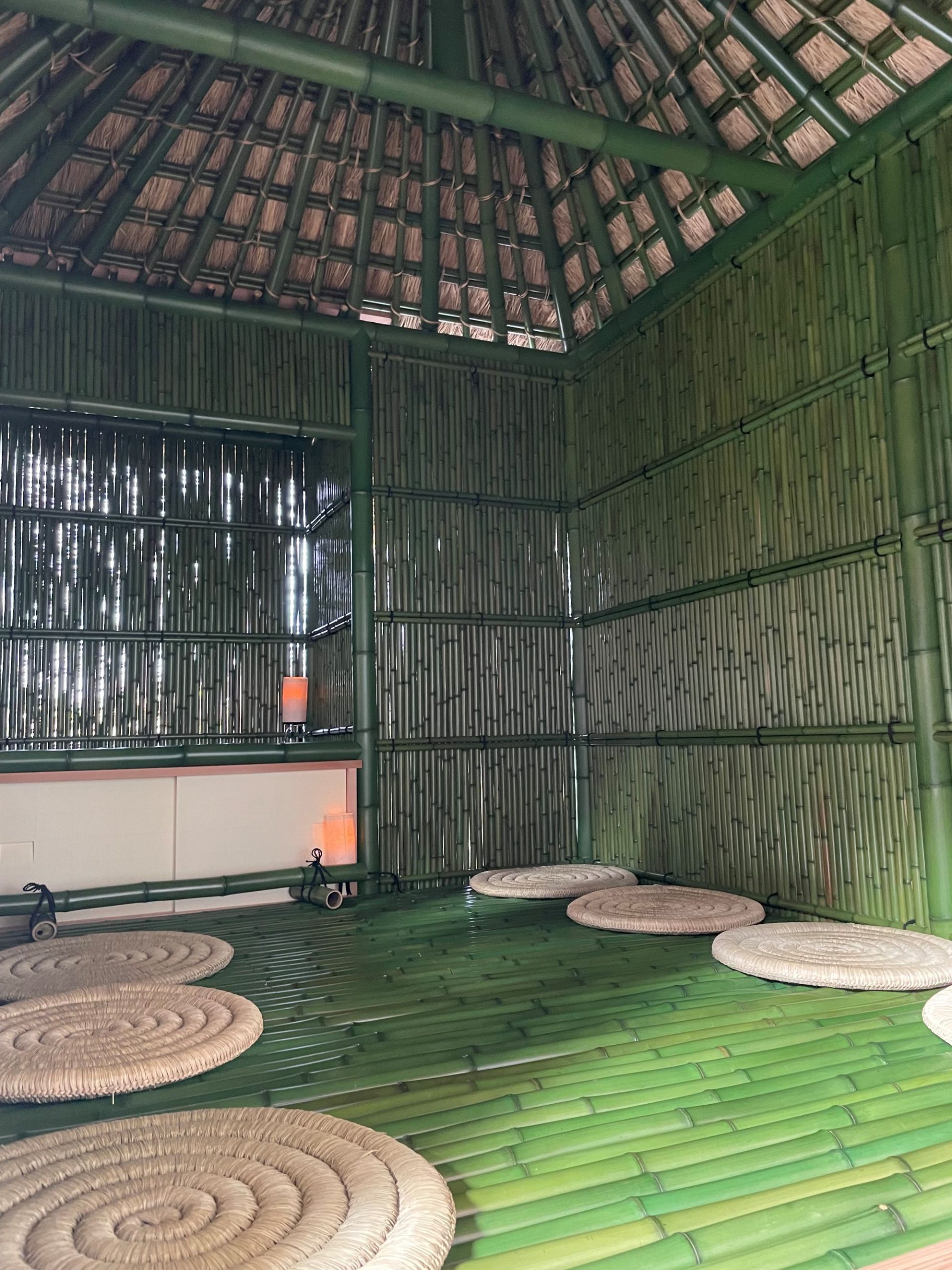
Kyuto-ryu: The floor and walls are all bamboo! The vibrant green is dazzling—I’ve never seen a tea room like this before.
Ohashi Masahiro (Researcher, Nagoya Castle Museum / hereafter Ohashi): This was Hideyoshi’s private tea room, located deep within the ‘Yamazato-maru’ residential area of Nagoya Castle. During excavations, the remains of a four-and-a-half-mat structure were unearthed. Combined with descriptions found in Sotan’s diary, its existence was confirmed.
Kyuto-ryu: That’s incredible—a private tea room of Hideyoshi’s, discovered through archaeology!
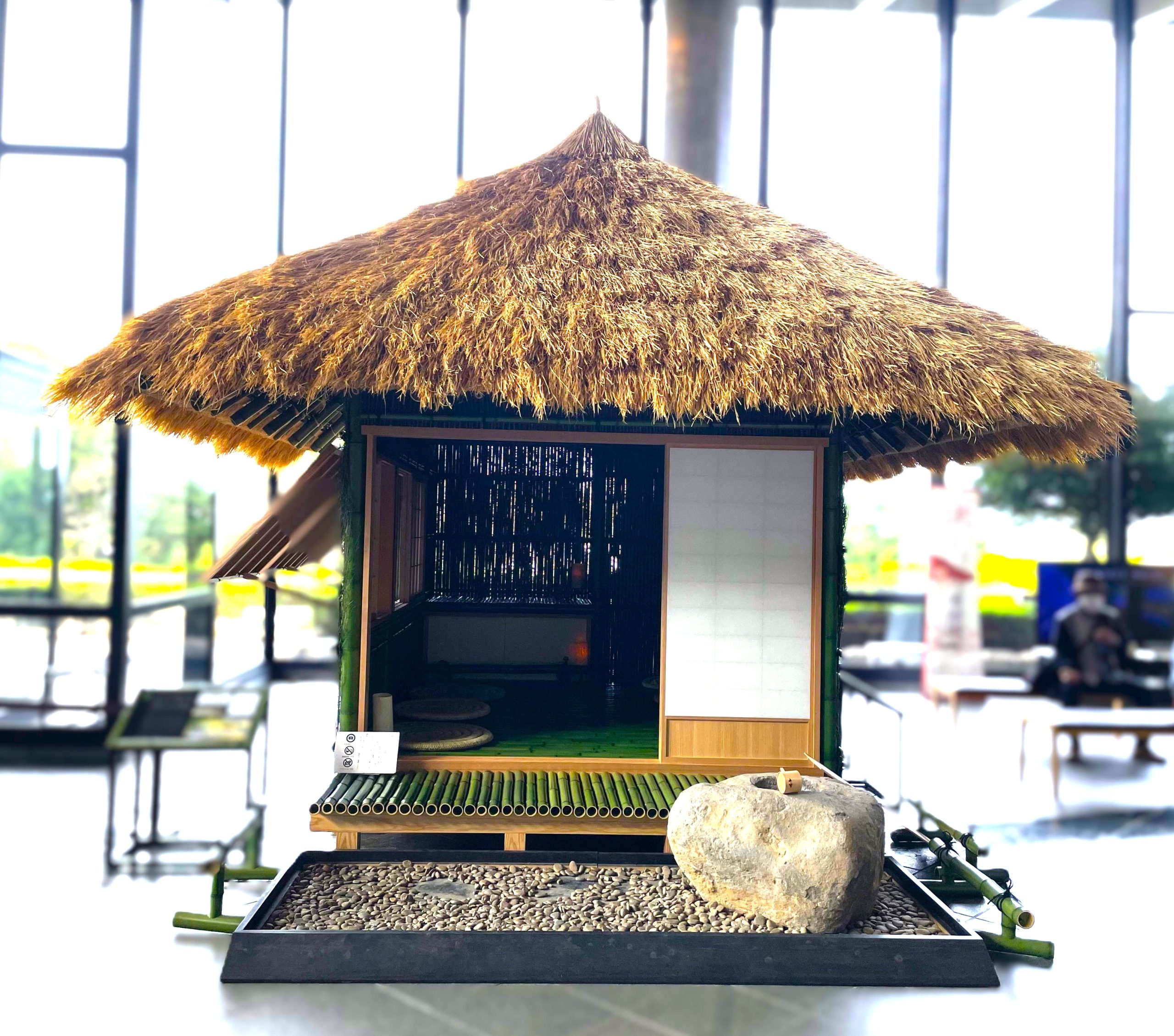
Ohashi: Sotan’s diary includes the line, ‘The pillars and everything else were bamboo,’ clearly indicating that the tea room was made entirely of bamboo.
Kyuto-ryu: I’d always thought tea rooms had earthen walls. But it turns out there were tea rooms made entirely from bamboo as well.
Ohashi: In tea rooms from Hideyoshi’s time, there are examples of fresh materials like green kaya grass, young brushwood, and pine needles being used. It’s likely that the bamboo used in this Soan-style tea room was also fresh and green.
Kyuto-ryu: We usually associate tea rooms with subdued browns and the aesthetics of wabi-sabi, but to think vivid green tea rooms were in vogue during the Sengoku period—what a surprise!
Ohashi: At the museum, we use dye to preserve the tea room’s green hue. But in Hideyoshi’s time, they would have enjoyed the natural colour of freshly cut bamboo.
Hideyoshi’s flexibility – embracing what’s good without drawing lines
Kyuto-ryu: What kind of hanging scroll did Hideyoshi display in the Soan-style tea room?
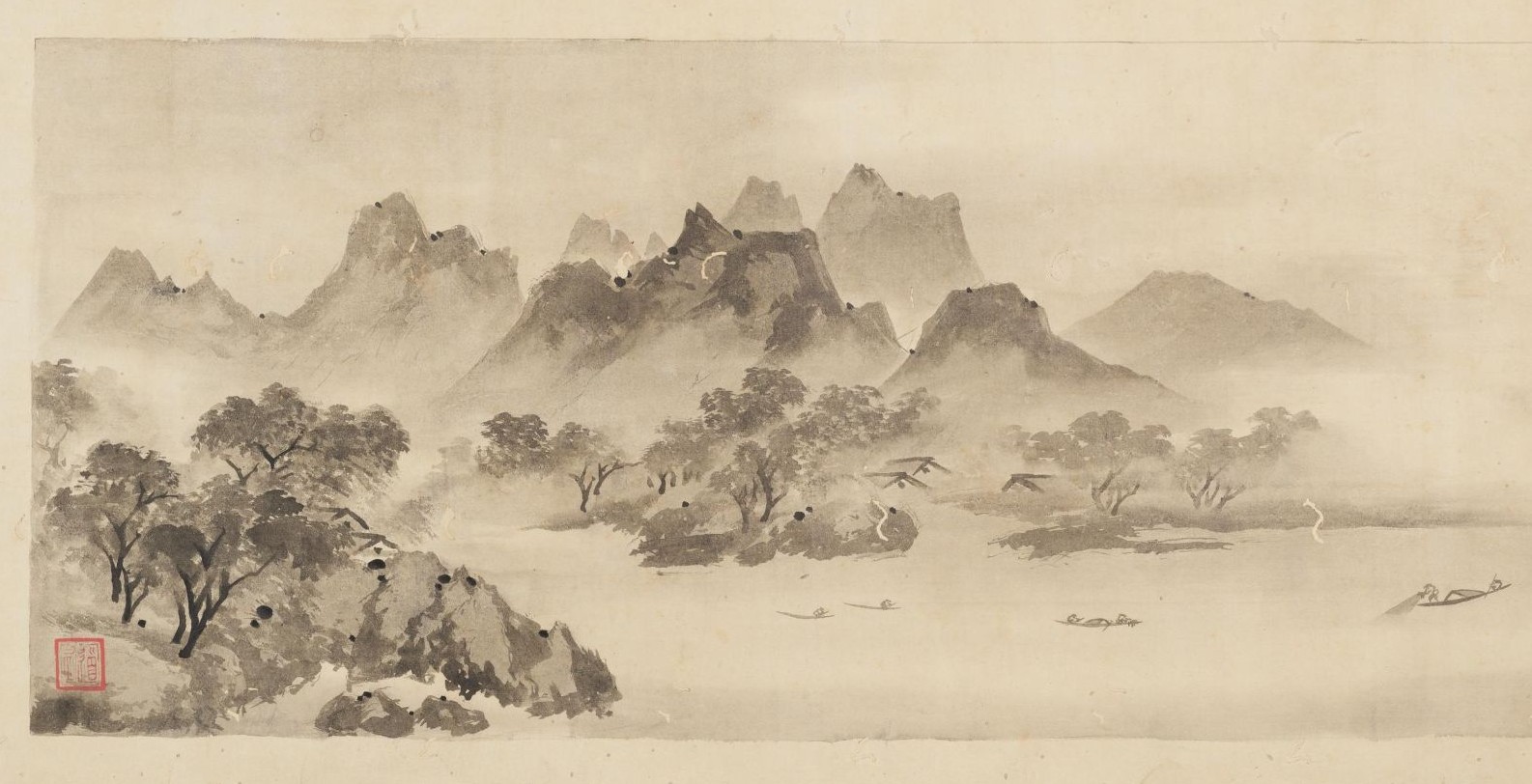
Ohashi: There’s a record of a Chinese landscape painting titled Shoshohakkei-zu (潚湘八景図) being displayed—a famous ink painting by the renowned Chinese artist Gyoku Kan (玉澗).
Kyuto-ryu: In wabi-cha (侘び茶), the humble tea practice promoted by Sakai merchants and Sen no Rikyu, you’d expect a quiet, contemplative scroll—perhaps a piece of Zen calligraphy—in a bamboo tea room like this.
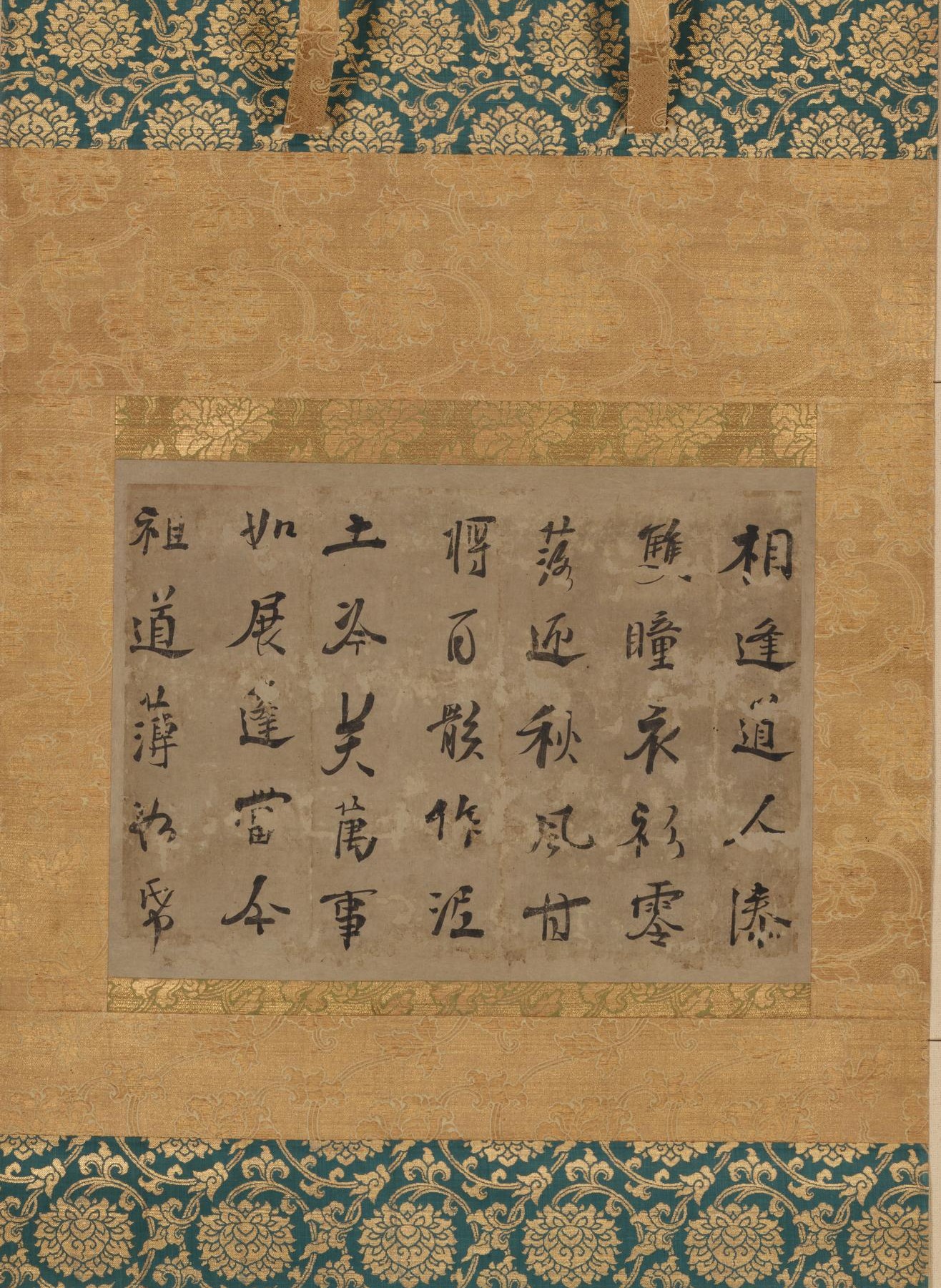
Hayo no fukudoja ate geju (鄱陽復道者あて偈頌) by Kido Chigu (虚堂智愚), Southern Song dynasty, 13th century, Source: Colbase
Kyuto-ryu: But Hideyoshi hung an extravagant masterpiece in the room!
Ohashi: Normally, a Chinese masterpiece like that would be reserved for a formal, public-facing tea room. The fact that Hideyoshi used it in a private space really shows his free-spirited nature.
Kyuto-ryu: People often portray Hideyoshi as an uncultured country bumpkin, but perhaps he wasn’t so simple after all.
Hisano: Indeed. Even in a rustic bamboo tea room, he would use luxurious Chinese utensils and objects.
Kyuto-ryu: So, the room may look wabi, but the contents are all extravagant?
Hisano: Exactly. Rather than following strict rules like ‘use Chinese items in this setting’ or ‘use humble tools in that one,’ Hideyoshi likely based his choices on what brought him joy.
Kyuto-ryu: That kind of freedom really suits a man who ruled the country.
Hisano: I agree. One of Hideyoshi’s charms was his openness—his ability to embrace whatever he found valuable, without drawing hard lines.
Kyuto-ryu: Learning about the diversity of tea culture in the Sengoku period has been fascinating. Thank you so much for today.
Saga Prefectural Nagoya Castle Museum
The ‘Golden Tea Room’ experience featured in this article is offered at the Saga Prefectural Nagoya Castle Museum. The programme is limited to two participants at a time and comes in two versions: the Taiko (太閤) Course, which takes place without other visitors present and costs ¥10,000 per person, and the Daimyo (大名) Course, held during regular museum hours with other visitors around, priced at ¥5,000 per person. Advance booking is required, and available dates can be found on the museum’s website.
*If you require an interpreter, we will ask a local volunteer organisation to assist. Please contact us at least two weeks in advance of your desired date.
On 23 November 2025, the 5th Nagoya Castle Grand Tea Gathering will take place at the adjacent Nagoya Castle ruins. The event will include outdoor tea offerings and a vibrant stage programme. On the same day, a special edition of the Castle EXPO will also be held on site, featuring booths from various historic castles across Japan.
https://saga-museum.jp/nagoya/
This article is translated from https://intojapanwaraku.com/culture/274148/