






No matter how great a person is, no one can escape the process of ageing. How did those who lived long lives in the Edo period confront their bodies as they approached death? We can explore the realities of their senior years and health regimens using Rojin Hitsuyo Yashinaigusa (老人必要養草, 1716), a guide to senior living and health from the Edo period.
Were Edo-period people short-lived or long-lived?
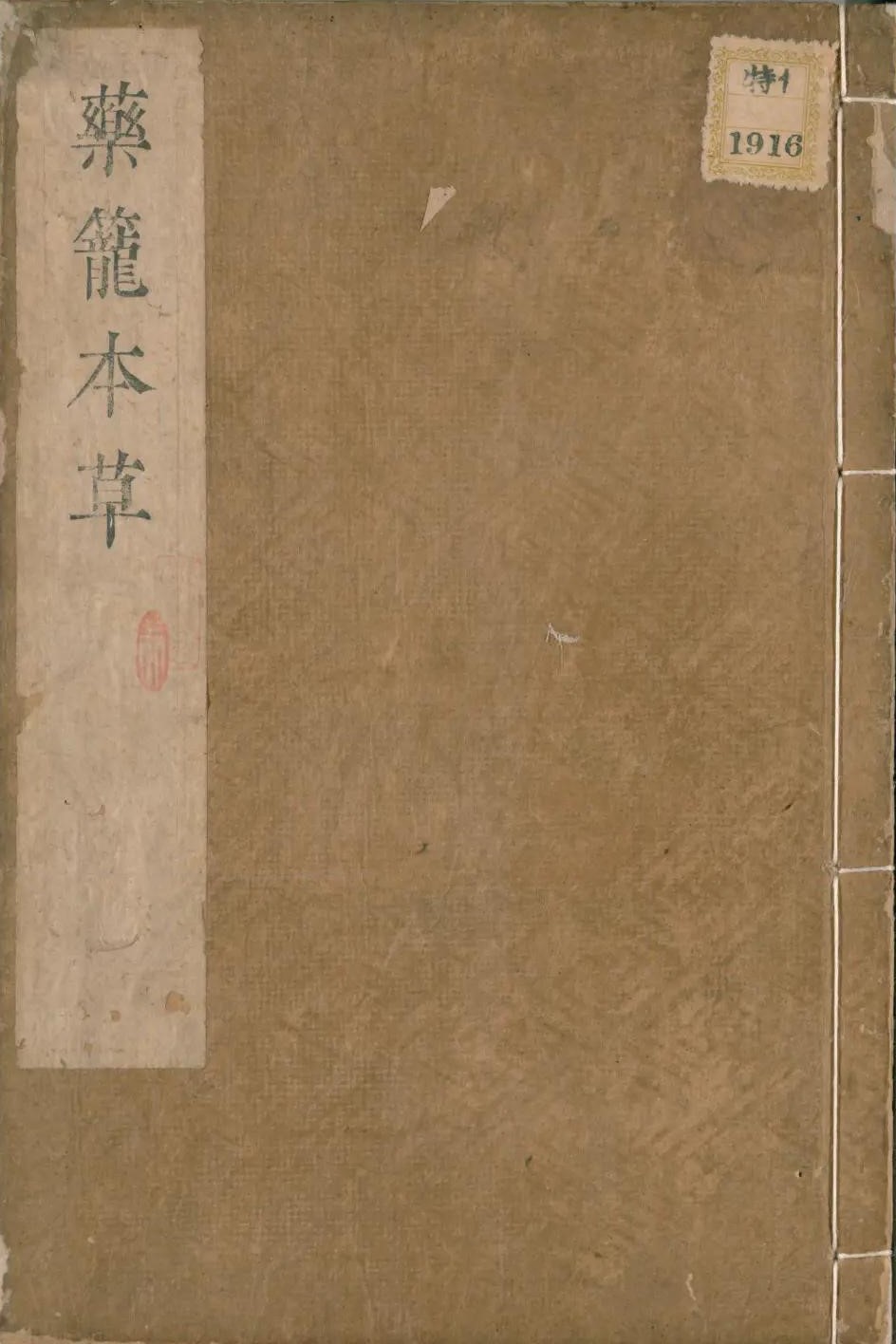
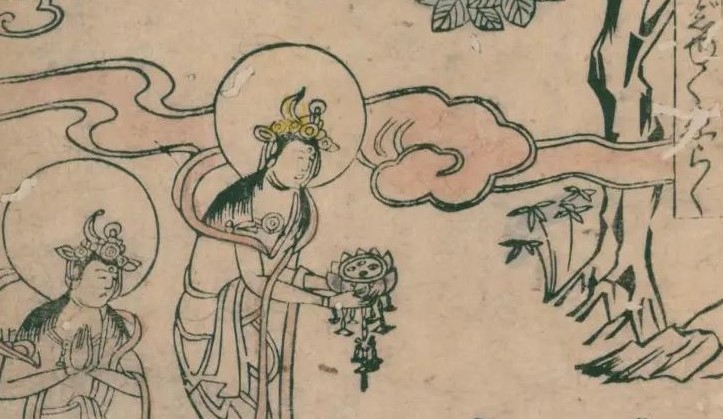
Yakuro Honzo, vol. 3 by Katsuki Gyuzan (National Diet Library Digital Collection)
As the title suggests, Rojin Hitsuyo Yashinaigusa is a book about the lives and health of the elderly. During the Edo period when this book was written, the average life expectancy was around 40 years. At the time, an outbreak of infectious diseases like measles could be devastating, and infant mortality rates were quite high. Nutrition and hygiene were also incomparable to today.
The author, Katsuki Gyuzan (香月牛山), was a doctor. This five-volume book covers a wide range of topics, from diet, clothing, and housing to health, illness, and its treatments.
It’s possible that even figures like Takizawa Bakin (滝沢馬琴, who died at 82) and Ino Tadataka (伊能忠敬, who died at 74) read this book. After all, it was Japan’s first specialized book on healthcare for the elderly, and it couldn’t hurt to read it if you wanted to live a long life.
How can one live a healthy and independent retirement without relying (as much as possible) on others? This is a question that remains relevant today, and the answers are written in this book.
Temper your desires
I apologise for starting with such a topic, but sexual desire and appetite are the two main pillars of human desire. And I’m not the one saying this; it’s written in this book: “The two desires of appetite and lust are the great desires of man.”
The book further explains sexual desire: “The desires of men and women are fundamental and important,” and “could be said to form the wheels of a cart, along with appetite.”
However, while some people might say their desires aren’t as strong as they were when they were young, others may still have a vigorous sex drive in their old age. But, one must be cautious about lust (just in case you thought I was the one saying this).
Occasionally, some people are born with a strong sex drive even in old age. If they abstain from sexual intercourse for a month, they may feel their qi stagnate, causing headaches, pimples on their head and face, and swollen bodies. If such a person forces themselves to satisfy their sexual desires, they will surely suffer a stroke or die suddenly. (Rojin Hitsuyo Yashinaigusa, Volume 4)
It is natural for everyone to experience a decline in energy and physical strength as they age; there’s no fighting it. That said, it’s best to avoid using restorative medicines indiscriminately just because you lament the decline of your sexual desire, as this could further reduce your vitality and lead to death. According to Dr. Katsuki Gyuzan, the secret to a long life free from illness is to temper your desires and live a normal senior life.
Even so, there are lonely nights when you sleep alone. In such cases, the book advises you to have a young, curvaceous woman sleep on either side of you—in other words, to have her lie beside you. This certainly sounds like a sweet dream. I believe this is a kind piece of advice that empathises with the patient.
On eating
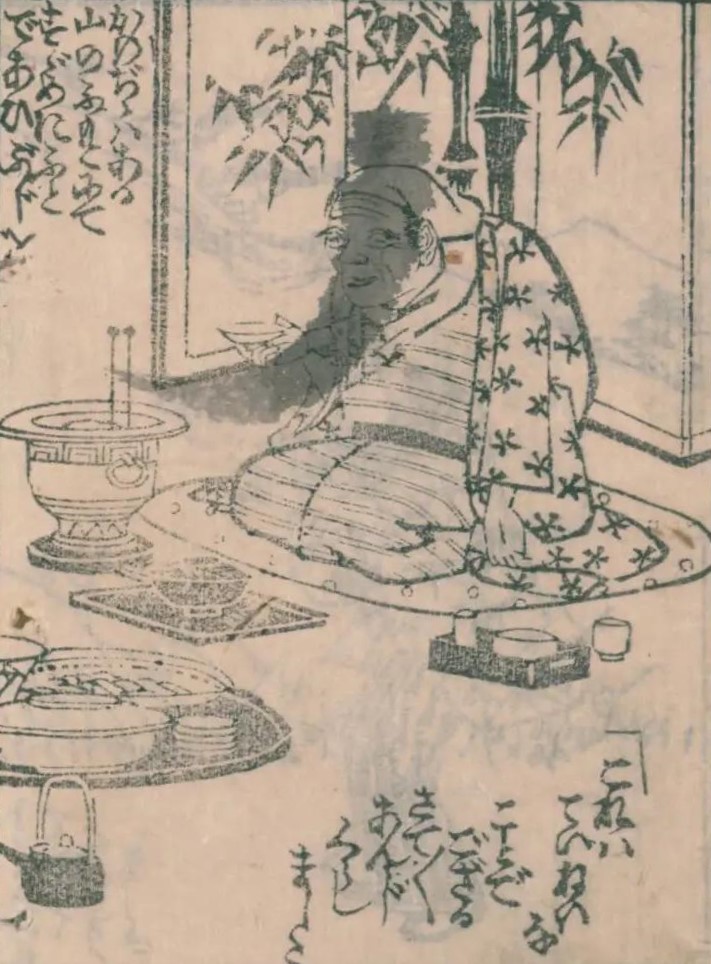
The book also discusses the other great desire: eating. Eating is the most important part of living. However, you shouldn’t eat whatever you want, whenever you want. The elderly must control their portions and be mindful of when they eat.
For breakfast, an elderly person should eat one-and-a-half go of rice (about 270g), served in two bowls, as a fixed portion. If the day is long, they should have lunch, which should be half the size of breakfast. Dinner is harder to digest than breakfast, so it should be two-thirds the size of breakfast. A late-night snack should only be eaten if you are staying up late. (Rojin Hitsuyo Yashinaigusa, Volume 2)
Rice porridge is recommended for breakfast and dinner. Fish and poultry are also encouraged.
For the elderly, effective poultry to eat includes thinly sliced meat from quail, larks, pigeons, chickens, ducks, sparrows, geese, and herons, which are then boiled. This meat is neither rich nor bland. It has a suitable flavour for the spleens and stomachs of the elderly in our country and has the effect of supplementing their blood. Chicken meat, in particular, has a high supplementary effect. (Rojin Hitsuyo Yashinaigusa, Volume 2)
According to this book, the elderly should refrain from eating beef. There are other foods to avoid as well. For example, noodles like udon and somen are forbidden because they supposedly hinder the circulation of qi. Raw foods, cold foods, sticky foods, fried tofu, and fatty foods are all to be avoided.
That being said, Dr. Katsuki Gyuzan isn’t blindly prohibiting everything. There are clear reasons for these rules, such as being difficult to digest, putting a strain on the stomach and intestines, or being prone to causing diarrhoea. The dietary restrictions are a rational measure for the patient’s well-being.
On clothing and housing
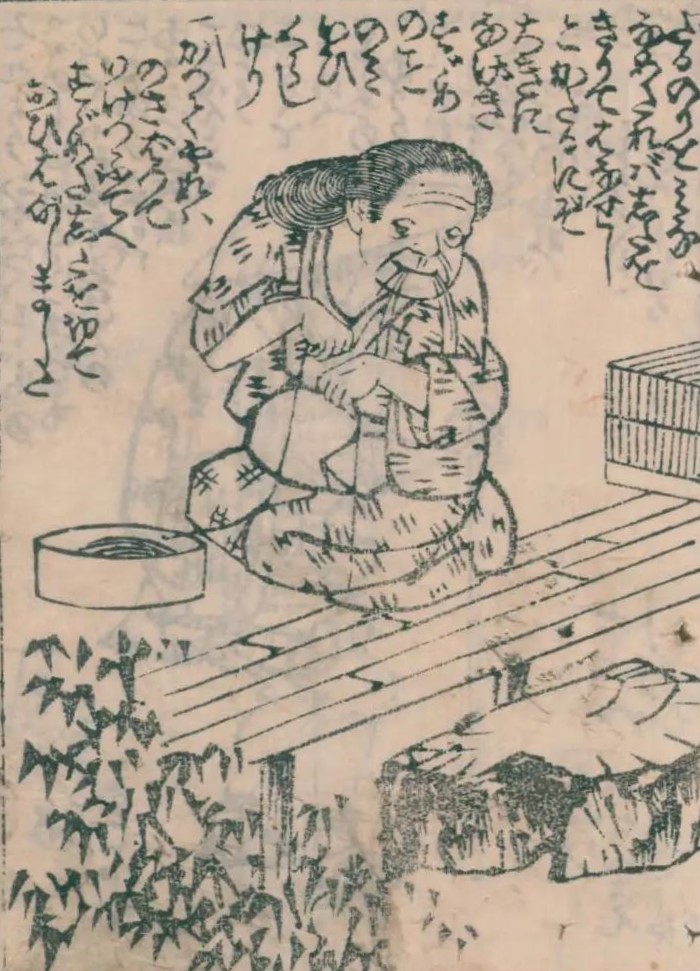
When an elderly person goes to bed, they should be dressed in an undergarment woven from fine silk pongee. Clothes made of silk, such as saya (沙綾) and rinzu (綸子), keep out the cold and retain warmth, but they cling to the body and close the pores, which stifles the qi, generates heat, and causes sweating. If you sweat and the lining of your clothes becomes damp, you should change immediately. If you don’t change and the dampness dries, it will enter your skin and cause illness. Even those of noble or wealthy status should wear undergarment made of tsumugi silk when sleeping. Its effects are very significant. (Rojin Hitsuyo Yashinaigusa, Volume 3)
The basic principle of health is to be cool in summer and warm in winter, but clothes made from washi (和紙) paper, known as kamiko (紙衣), are also said to be good for your health. This seems to be related to the functions of ‘qì-xuè’ (気血、qi and blood / ※ Qi Xue describes the dynamic interplay between the body’s vital energy (Qi) and its physical substance (Xue and blood), which is fundamental to maintaining health and life in Traditional Chinese Medicine).
‘Qì-xuè’, which frequently appears in this book, is an important concept in Eastern medicine and the source of health. For the sake of ‘qì-xuè’, you should also be mindful of your living space. According to the book, an elderly person’s room should be set up in the quietest part of the house, in the centre.
The importance of exercise
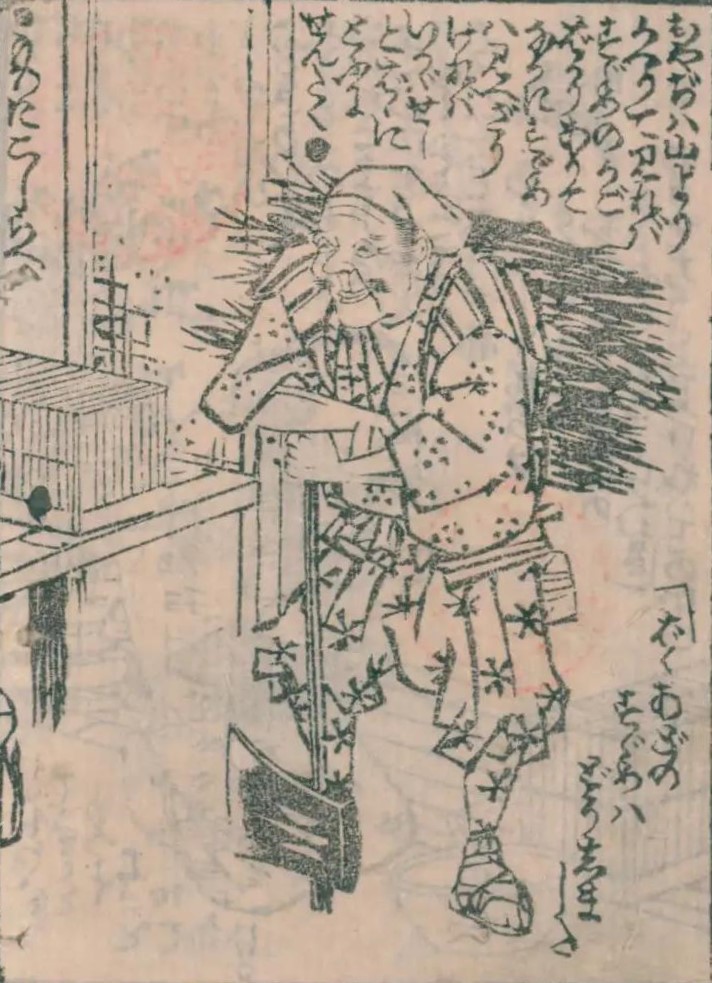
If your qi is in order, your health will be maintained. Thus, it becomes important to not only rest your body but also to move it. However, strenuous exercise is forbidden. The book recommends simple stretching.
When you are old, you should firmly rub your hands and feet to circulate your qì-xuè. It is good to bend and stretch your fingers and toes ten or more times before sleeping. When you go to bed, it is good to have someone rub your shins and the arches of your feet. (Rojin Hitsuyo Yashinaigusa, Volume 4)
Take special care especially in winter. During the cold season, when vitality tends to be contained and doesn’t flow out easily, rubbing isn’t particularly recommended. Rubbing should be done occasionally, and it is better to turn backwards or walk with a heavy gait like a bear.
It is also important to learn how to circulate your qi yourself. The book, written by a doctor, is quite strict, pointing out that you should deepen your knowledge of qi pathways and ‘tsubo’ (pressure points) rather than relying on others. Since your health is your own responsibility, you must master the techniques yourself.
Is the secret to health boredom?
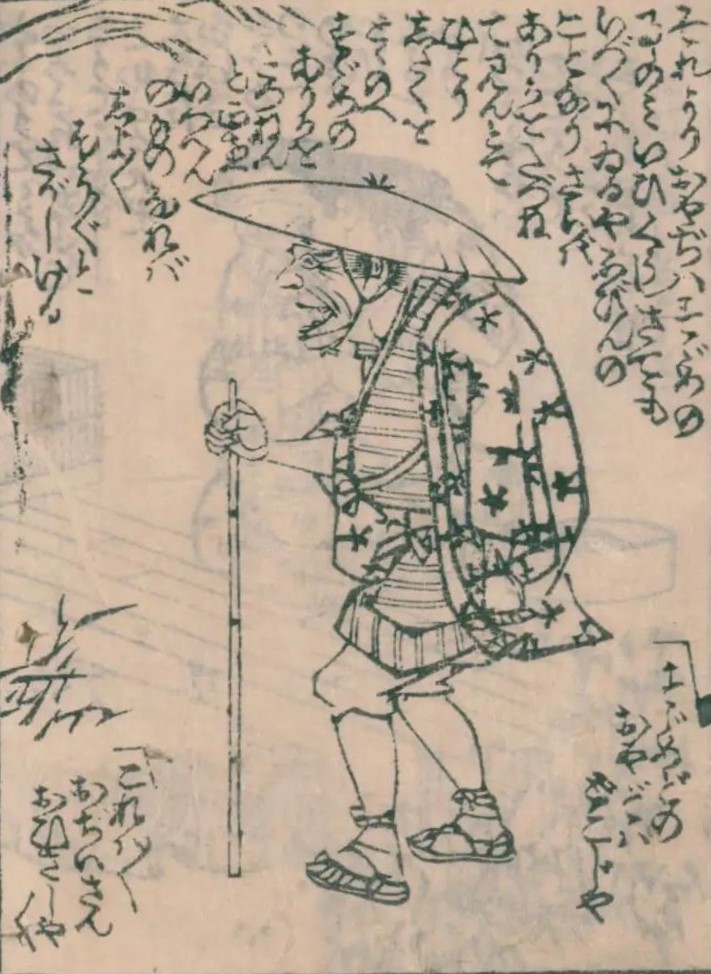
Since the elderly have nothing to do, when they wake up in the morning, they should, as previously mentioned, wash their hands and rinse their mouth, sit facing southeast to receive the morning light, burn incense, sit calmly, think good thoughts, expel evil thoughts, regulate their breath, count their breaths, and after a while, eat breakfast. Those who drink alcohol should only do so until they are slightly tipsy. They should then clean their teeth with a toothpick, rinse their mouth, and sit up straight. The elderly always feel sleepy after eating, so they should do whatever they like to shake off the sleepiness and not fall asleep. After about an hour, they should walk with a cane in the garden for about 100 paces to circulate their food qi. (Rojin Hitsuyo Yashinaigusa, Volume 3)
Saying “the elderly have nothing to do” is a bit presumptuous, but the lifestyle advocated by Rojin Hitsuyo Yashinaigusa is quite carefree and tranquil—a leisurely day spent following your heart. You wake up in the morning, freshen up, think only happy thoughts, and can even have a drink. After that, you should go for a walk. But you shouldn’t walk too much. The book states that “it is good to walk about one hundred paces inside the house,” and “one must not become too tired or force themselves to do difficult, unbearable things.”
Walking is for health, but its main purpose is to circulate qi. It was believed that just as flowing water doesn’t stagnate, a person’s body can circulate its qi with a little movement, whereas remaining still causes qi to stagnate and leads to illness. For a similar reason, regulating one’s breathing was considered important. The book’s frequent encouragement to rinse your mouth is also likely for the purpose of taking in new qi into the body. In any case, for a senior person, the circulation of qi is essential for good health.
Tips for surviving your later years
What makes Rojin Hitsuyo Yashinaigusa interesting is that it’s written not only for seniors but also in an easy-to-understand manner for the family members who care for them and the medical practitioners who treat their illnesses.
While some of the information, such as “if you eat a little toasted rice cake and drink some warm sake before sleeping, you won’t have to wake up to use the toilet,” might sound dubious, Dr. Katsuki Gyuzan is very serious. It’s a helpful book that provides information on everyday medicines, remedies for constipation, and advice for those who suffer from frequent urination.
After all, this book was written three hundred years ago. Based on Confucian morality and Chinese herbal medicine, some of its points may seem strange to modern people. However, there is no doubt that Rojin Hitsuyo Yashinaigusa is an extremely valuable resource for understanding the medical care available at the time, as it reveals what kind of nursing the elderly received when they were sick and what they paid attention to for a healthy life.
Conclusion
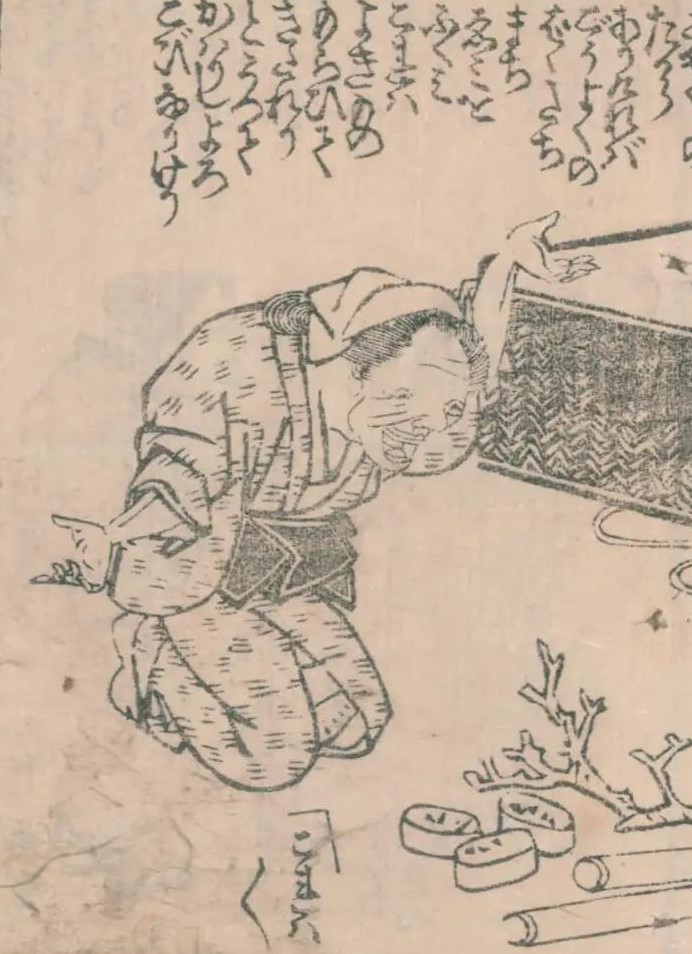
Even though the times are different, the essence of a person’s life remains the same in the Edo period and the modern era. Everyone lives towards death from the moment they are born, and that is what gives life great meaning.
Dr. Katsuki Gyuzan ’s motto for a healthy life was to live out one’s full natural lifespan. He even stated that “life is a precious thing that cannot be replaced by anything else in the world.” He also believed that a person’s lifespan was limited to around one hundred years. It must be said that he was looking far into the future in an age when the average life expectancy was only 40.
Reference
Katsuki Gyuzan (香月牛山), Rojin Hitsuyo Yashinaigusa (老人必用養草): Edo’s Wisdom for Enjoying Old Age, Nosan Gyoson Bunka Kyokai (農山漁村文化協会), 2011
This article is translated from https://intojapanwaraku.com/culture/276637/