






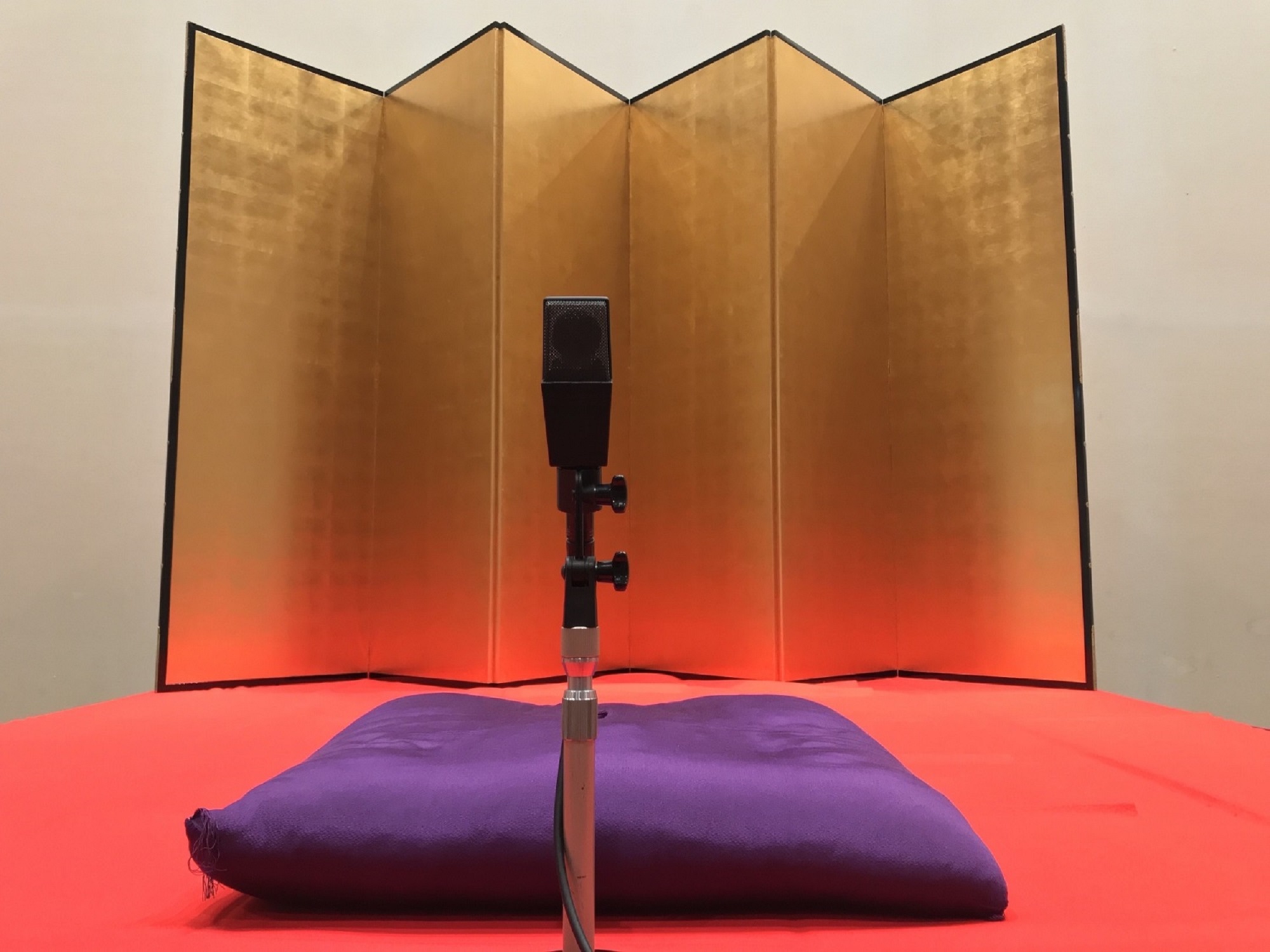
Abe Sadao (阿部 サダヲ) became a major talking point for his role as a Rakugo (落語) storyteller in the drama Koisuru Hahatachi (恋する母たち), broadcast in 2020. Despite the character being a thrice-divorced man engaging in an affair with a housewife played by Naka Riisa (仲 里依紗), he has female fans falling head over heels for him for his ‘incredibly sexy’ and ‘attractive vibe’. The reason for this is that he was portrayed as stylish and classy, with a genuinely admirable personality.
I, however, am swooning over Abe Sadao from a different perspective! That is because the Rakugo performance scenes in the drama are simply wonderful! His speaking tone and timing are of such high quality that I found myself thinking, “Goodness, did you train under a master?” Allow me to introduce some recommended Rakugo!
There are Rakugo stories performed for each season
Rakugo is a world that cherishes the sense of the seasons. The kimono costumes worn by the storytellers also change to match the season—from awase (袷) lined kimono to hitoe (単衣) unlined kimono and usumono (薄物) thin summer fabric—so observing their appearance is also a delight.
In spring, there are stories set against cherry blossom viewing; in summer, scary kaidanbanashi (怪談噺) ghost stories; in autumn, stories featuring seasonal sanma (Pacific saury); and in winter, naturally, there are fitting programmes.
Just like with kimono, sometimes they perform stories slightly in advance of the season. Sensing the season through Rakugo is truly classy, isn’t it!
3 Recommended Selections
In Japan of the past, as the end of the year approached, people would prepare mochi for the New Year by pounding them themselves using tools procured from merchants. This is a story of a couple who do something foolish to keep up appearances in such an era.
‘Shirimochi‘ (尻餅, falling on one’s back side. Shiri = backside). At the end of the year, a couple living in a nagaya (長屋; longhouse) feel miserable hearing the “pettan, pettan” sound of neighbours pounding mochi. This is because they have no money to see out the year and cannot make mochi. They devise a plan to at least make the sound of mochi pounding to show off to the neighbours.
Late at night, the husband plays multiple roles by himself, acting as if they are pounding mochi with a loud voice so the neighbours can hear. Once the “preparations” are ready, surprisingly, he demands his wife to bare her bottom. In the freezing weather, the wife, with her bottom exposed, complains but endures it for the sake of appearances. The absurdity of using a bottom as a substitute for a mortar and making the “pettan, pettan” sound resonate… It is a story where one feels the resilience of a couple laughing off their adversity.
The Year-End Jumbo Lottery is a commoner’s big dream of becoming a millionaire. It seems this is the same in the world of Rakugo. This is a performance originating from the Kamigata (上方; Osaka/Kyoto) area, and it has different names in Kamigata Rakugo and Edo Rakugo.
‘Yadoya no Tomi‘ (宿屋の富) [known as ‘Kozu no Tomi‘ (高津の富) in Kamigata Rakugo]. A scruffy man wanders into an inn to stay. He claims, “I am a millionaire and I cannot relax if I am fussed over, so leave me alone,” and tells further prosperous tall tales, making the landlord believe him. The landlord then asks, “Please buy this one remaining lottery ticket.” The man, unable to back down, buys it with his entire fortune of one bu (a considerable sum), even going so far as to make a glib promise: “If I win, I’ll give you half.” Will the ticket actually win?
A story depicting the exchange between a father and child who have gone out to the festival held at Tenmangu Shrine every year on 25 January. The humorous back-and-forth between the strong-willed child and his father, who refuses to give in easily, is what makes it so entertaining. The Rakugo storyteller’s acting of the child is unmissable.
‘Hatsu Tenjin‘ (初天神). A man wanting to boast about his newly made haori (羽織) jacket tries to go out to the Hatsu Tenjin festival. His wife asks him to take their son along, so he reluctantly goes out with the child. “Don’t ask me to buy this and that,” the man warns, but his son is a clever one. The father is successfully cajoled into buying sweets. Next, the son pleads for a kite. Once again, due to the son’s strategy, he ends up buying it…
For those saying “There are no Rakugo gatherings nearby!”, there is also the option of watching on DVD! In Rakugo, many people appear who are hopeless cases but are nevertheless lovable. Discover Rakugo, enjoy a good belly laugh, and brighten your everyday.
This article is translated from https://intojapanwaraku.com/rock/culture-rock/135413/