












A large gathering of snacks from the Showa era that culture people who knew only delicious things loved!
Only in the early summer run, water yokans line up in the store, French confectionery with butter cream, Dafuku with an exquisite balance of sweetness and saltiness. How nice it would be if such a snack came out at three o'clock. The treats for writers and cultural people were to announce the arrival of the season and to bring a little joy to life.
The 4th taste of Showa is a snack from the Showa period that attracted them. Let's introduce some of the gems that are really serious, with the same spirit as in the past.
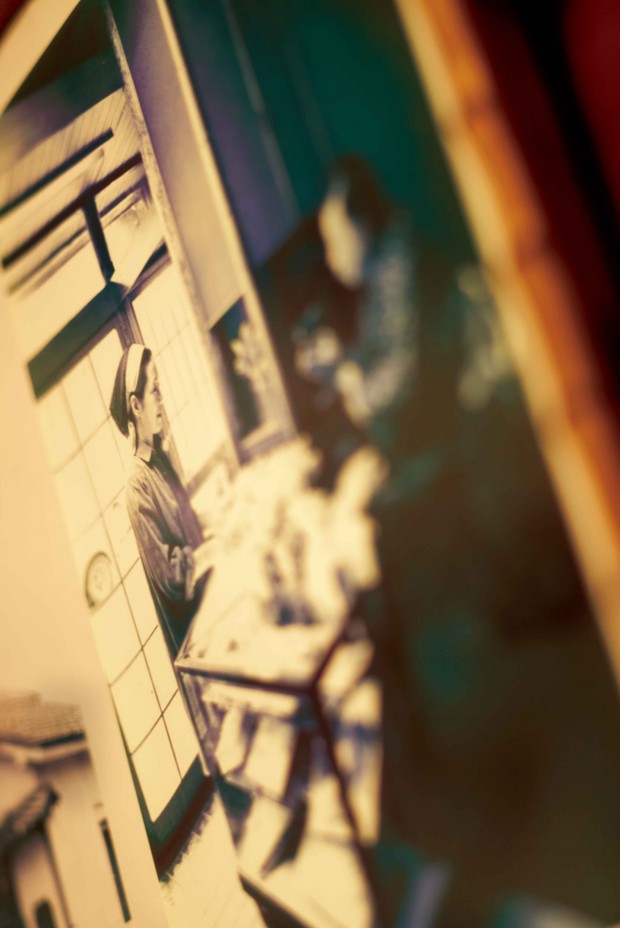
Photograph / Photograph decorated in Japanese sweets shop "Kikuya" in Aoyama, Tokyo. An artist, Kuniko Mukoda, who used the confectionery of this store in particular as a candy, has been portrayed as a chatter with his predecessor.
Three yokans who fascinated female haiku Nakamura maiden who fell in love with yokan
In the Showa era, speaking of confectionery for customers, it was the beginning of the day. There is full sweetness and compatibility with Japanese tea, but in those days when circulation was not well developed, it was also essential for a house with many visitors to be able to have a sunny date .
Haiku Nakamura, a haiku poet who loves a loving phrase in an open word. The sweet snack did not have an eye, as I could not drink a single drop of liquor.
"It's difficult to know how to cut your heart, keep in mind. (Oh) it's a thick heart, this is something that only my chest knows, and how full it will be again. It's still more than that, but I'm glad I'll be able to break myself again at the end of my work. "(" Akikara "-" Amakara Sho 3 ", collected by Kashiyamabo Encyclopedia," The same applies hereinafter.) Especially I loved you. In addition to the taste and how to cut, "I eat and clean up, I do not break the shape until the end," I said, "I really want to eat that thick thickness. I feel like I understand it well. "
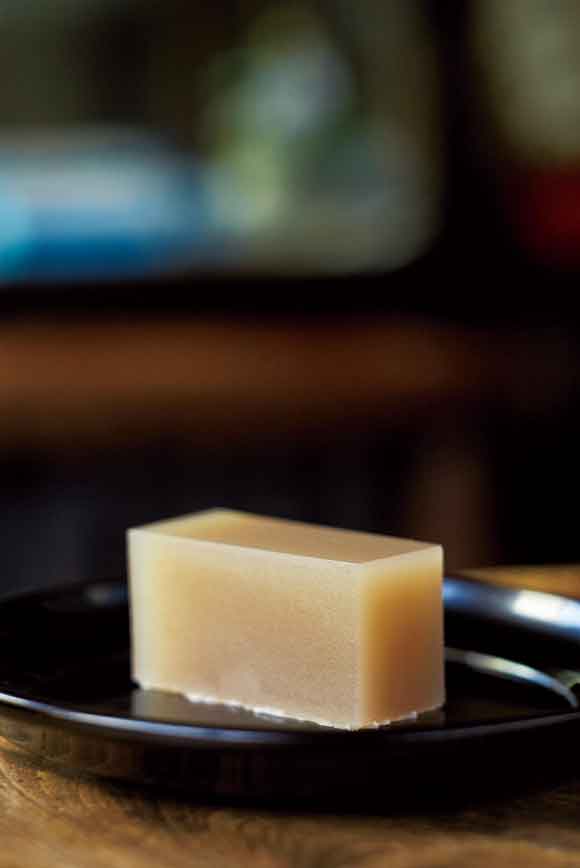
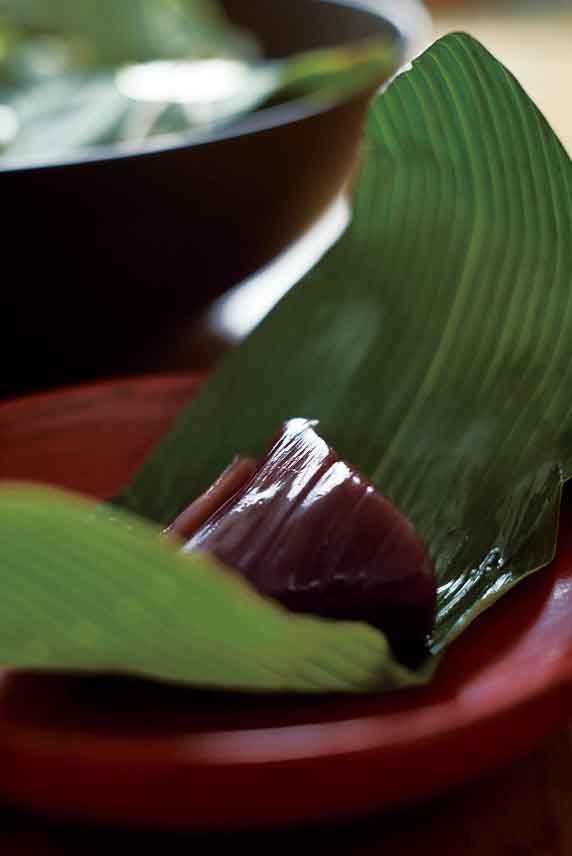
What I liked so much that such a shrine maiden sent a recommendation sentence, you can learn about Yuri (the upper photo) of the long-established “Atsuma-do” in Tatsuno, Hyogo Prefecture. The figure and the color are called "Sankori sunken. (Abbreviated) It's quite a dignified dignity.", "I like the hard corner of the corner of the porch and this is for me." .
The Yamagokan of Azumasado uses cowpea beans from Banshu region, which is a valuable material that requires time and effort both for harvest and preparation. In addition, because it uses sun-dried agar from Gifu prefecture, it is also characterized that kneading is strong enough to eat.
"The shrine maiden wrote that the hot spring that has been kneaded is slowly solidified and the texture becomes crispy, and it becomes a crispy texture. It is devoted to only kneading from the afternoon every day, taking a night to go Crystals are attached to harden it, "says the fourth generation. The dignity of a shrine maiden may point to a hard work until the honesty of the creator.
On the other hand, I loved the way you eat, and I enjoyed the flavor for many days in Gifu prefecture's “Kanikidoya (Kanakidoya)” pictured by a sushi roll (above). “Peel the paper of caramel. It is written with a sense of humor like a girly woman, as it is an adult's privilege to take out such extravagant packaging, as it is an adult's privilege. A paper bag is a bear mushroom in the foot of the Alps. This fine confection is made by pouring the solution directly to the bent portion of the rice cake and hardening it. "I think that the smell of the bear in the mountains extends to the core of the yokan. The contents are sweetened and melted over the days," he thoroughly enjoyed the taste and flavor.
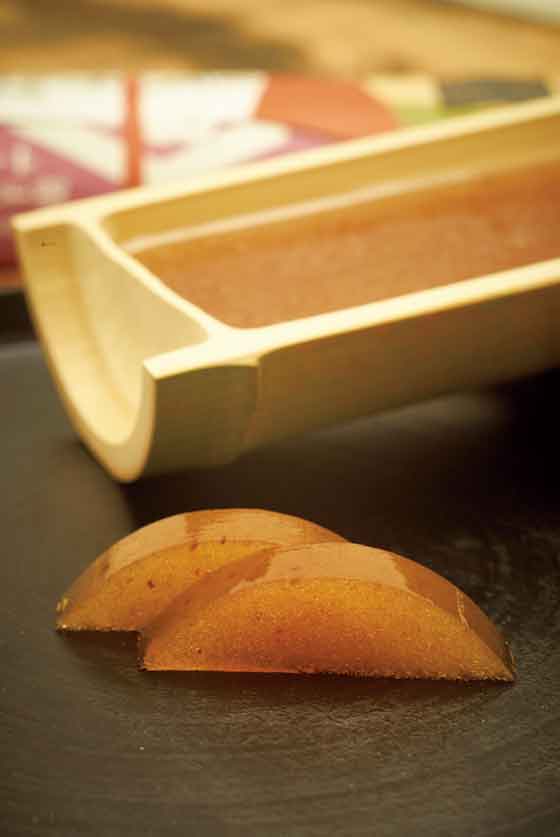
In addition, “I split the green bamboo into two halves of green bamboo, cut it into a half moon shape”, and I said that it is a salmon yokan made from Nishi Mino's dried salmon (on the photo). The signboard product of the long-established 'O confectionery Tsuchiya', which was founded in 1755, is the sweetness itself. "The sweetness of Tousui is just melting in the crystal like the thin ice that floats on the surface after the day," one side of the crystal that is fond of the crystal of the yoyokan also appears well here.
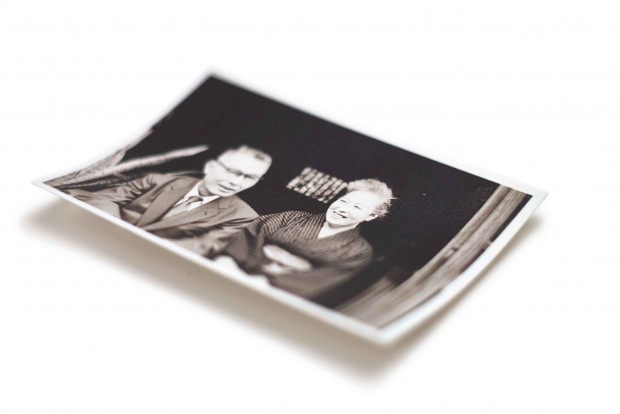
Photo: One of the haiku representing Showa, Nakamura Otome. She said, "It is sweetness for a woman (abbreviation) lover", and I also heard many haikus related to sweet things. (Photo courtesy of Bunshun Haruaki)
Tatsuno Let's make a mix of "Ashitama-do"
The shrine maiden called "sinked cherry-colored", and it has 100 bottles of 4 inch a day. Tatsuno is a poetic town where the river edge that became the stage of the nursery rhyme "Akadonbo" spreads. In 1930, the second generation still retains the atmosphere when the shop was set up at the present location. ● 52 Tatsuno City, Hyogo Prefecture Shimokawara, Tatsuno City
Takimaki sheep bowl of Hida "Kankitoya"
It seems that local colors rich in local colors created by a long-established confectioner of Hida in 1931. In the old days, when drinking water in the mountains, it was made with a hint that the bowl was bent and made into a bowl. When you open the natural bear mushroom, azuki bean gourd with lingering incense and veins clearly appear. Retro package is also attractive. ● Fujitsu 1077-1 Kamiokacho, Hida City, Gifu Prefecture
Oyakaki 'O confectionery ち'
The deep-fried oyster mushroom made in the castle town of Mino and the long-established store in Ogaki is a delicacy from 170 years of creation. The raw material is sun-dried Dojo Hachiyaki, the finest product of astringent persimmon. Rustic sweetness peculiar to dried persimmon invites nostalgia. Slice thinly and cool, and good with brandy. ● 39 Nishikicho, Ogaki City, Gifu Prefecture 1 (Komachi Main Store)
Water Yokan Critic Kuniko Mukoda
"From the time when new tea came out, it would be nice to have a short life, disappearing by the time you serve the fan," (from Kodansha Bunko "Sleeping Wolf" Collected "Water Sheep")
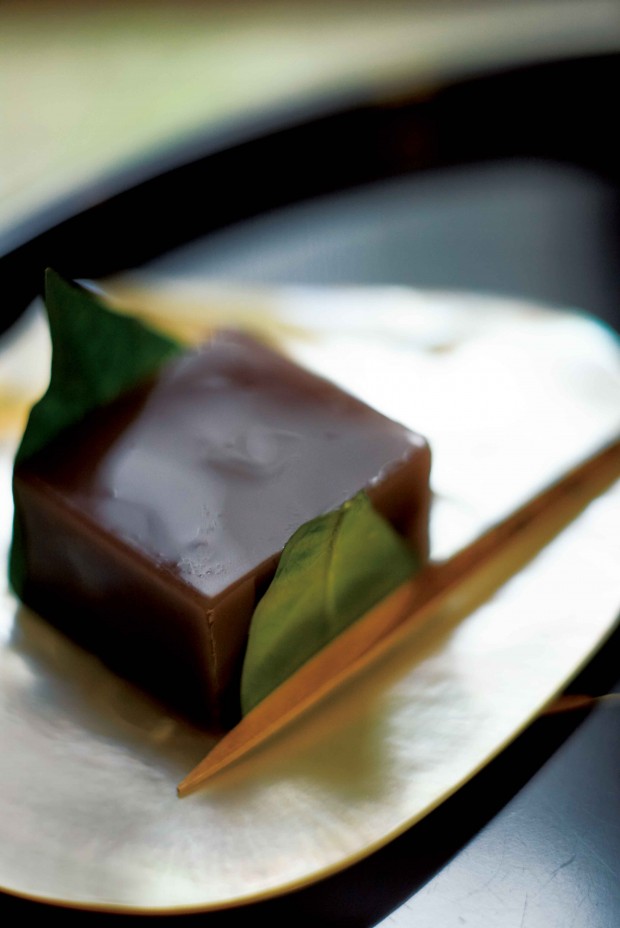
It has a pale ink-colored beauty, a smooth throat, and a sweetness that leaves an afterglow in the mouth. Kunihiko Mukoda, who named himself "Shingo Yokai Critic", was looking forward to the water sheep bowl of "Kikuya" in Aoyama, Tokyo every year.
This confectionery is lined in a glass case that doubles as a storeroom only during the season when the green leaves of cherry blossoms appear. As I wrote in the essay "Water Weeding Bowl", it was Mikada style to go out of the tea table with white porcelain and leave the tea table of Kyokoni, and eat it under natural light with a whistle or under a slightly yellowish light. Only because it is a taste for a short period of time, you probably enjoyed it with aesthetics.
"Kikuya" which keeps the taste of the season limitation without changing even now. In the ever-changing city, it's easy to find a store style where the Showa wind is blowing.
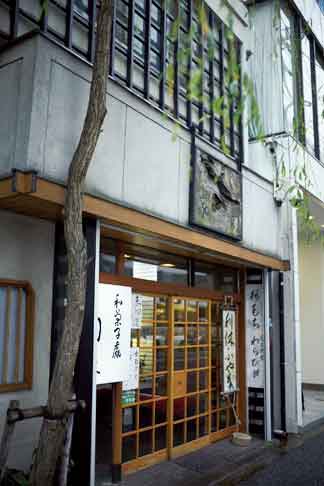
Kikuya
A confectioner who opened along Aoyama-Koto-dori in 1935. Inside the small store, as Mukoda wrote in the essay "Water Weir," there is a "waiting chair with a mochi and a mochi." A water yokan made of fine azuki bean flavor is handmade at a small workshop in the back of the store. Every year from May to mid-May, the cherry blossoms line up at the store waiting for the time when green leaves appear. 5-13-2, Minami Aoyama, Minato-ku, Tokyo
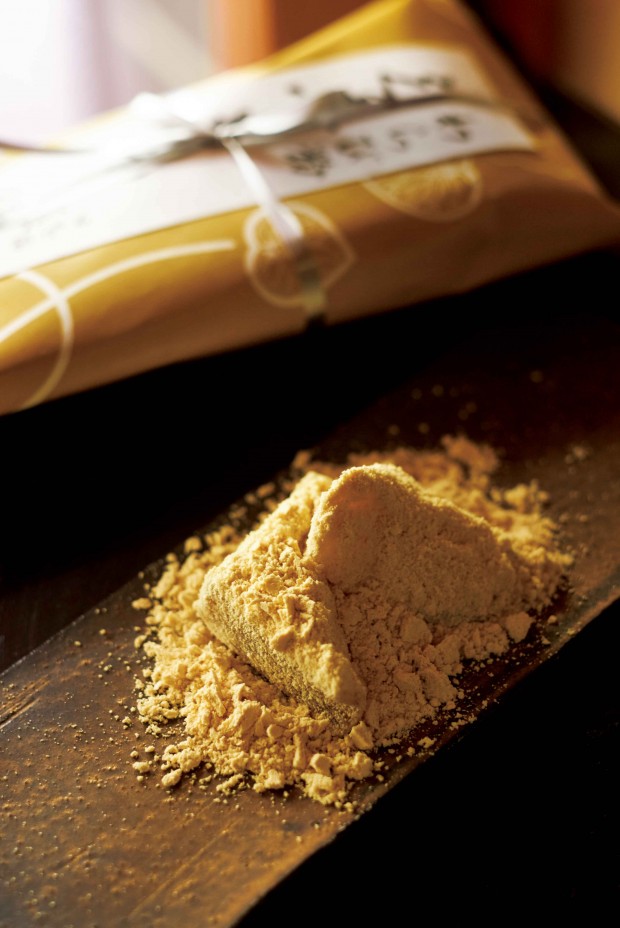
Tsukako Nakazato who loved the loneliness of the rubbish
"Fragrance that does not sprinkle as much as Mochimochi, fragrant with a soft melt, a simmering whistle, and a powder that burns with sizzling powder."
An artist Tsuneko Nakazato who spelled, "I am bored with confections that last for a long time. What she loved is Kusu Mochi, a long-established “Nagato” in Nihonbashi. It wasn't chopsticks, but it was cooked with bracken powder and sugar, something that its predecessor started in the early Showa era. The taste of Showa spreads in the mouth when you have plenty of sweet sweet Kinako over the sweet sweet straw.
You will find it swaying on the plate and this nostalgic scent. It seems that Nakasato's aesthetic sense is also the place where the melt texture and flavor disappear in two days a day. A crest on the wrapping paper. I will tell you that "Nagato" was a confectioner of the Tokugawa family from generation to generation.
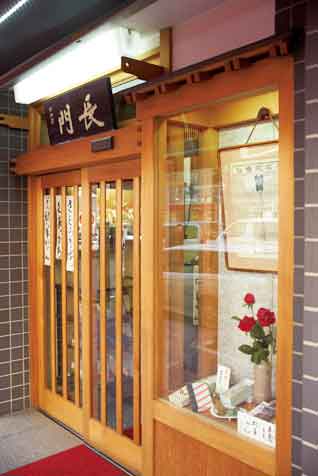
Nagato
Founded in the first half of the eighteenth century. The store stands close to Tokyo Station, and all confectionery is made in the workshop in the building. Ozu Yasujiro and Kotobuki Shishin mornings were also fans of beautiful fresh and semi-baked sweets at this store. In the early Showa era in Kanto, warabimochi was not common, so it was named the familiar "Kusumochi". Unwrap the bamboo and cut 12 pieces into triangles. Add 15 minutes to cool in the refrigerator. It is also sold out in the evening. ● 3-1-3 Nihonbashi, Chuo-ku, Tokyo
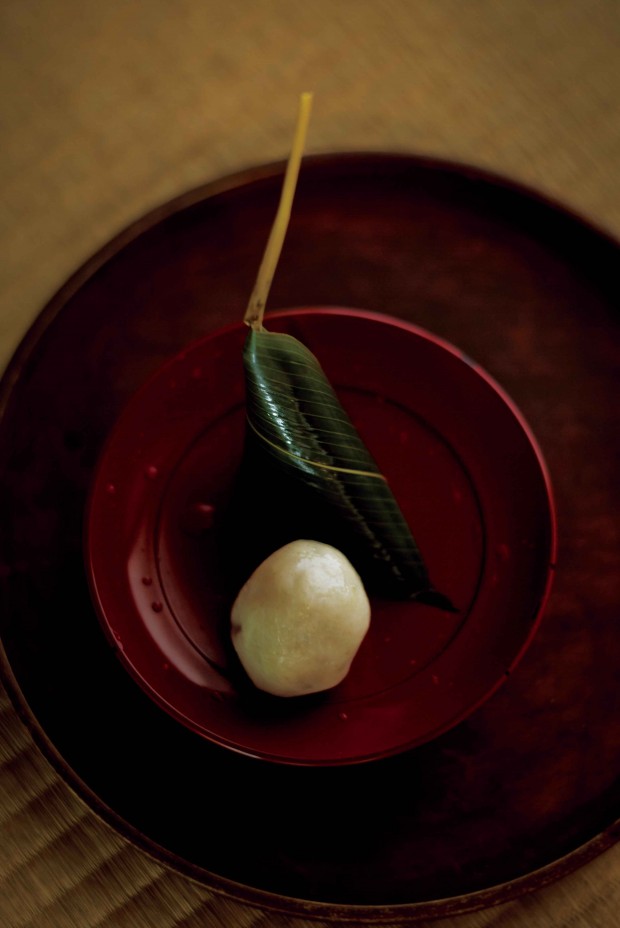
Yushi Bunroku acclaimed the steamed manju of Kyoto 'Saika'
"If I go out to Ashiya and eat freshly made at the store, I think it would be the best" (from Bunshun Bunko "Eating History")
Kyoto's "Fuuka" head office, written by author Shishi Bunroku, says, "Making fumanju the best" is the oldest ginger shop in Japan. He specializes in making ginger for generations and to wholesale in restaurants.
Because of the philosophy of hand-crafting and selling for the amount used on that day, the purchase of salmon buns is only a reservation. You can only get a tasteful texture and elegant smell at this main store. If you go through a storehouse with a stone floor that has been struck by water, you will increase the expectation for a delicious treat.
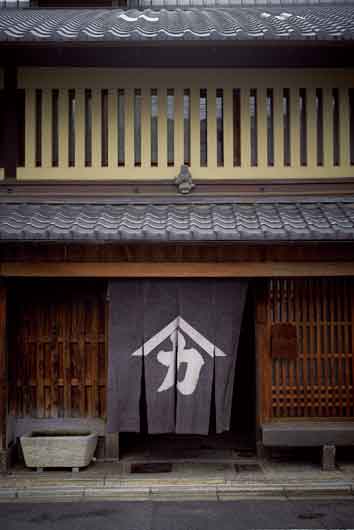
Yuka (Fu Office front main store)
A long-established store that continues to make ginger essential to Kyoto cuisine. Well water is drained next to the store where the goodwill is put, and it is also used for making ginger. Even now, we can see the residents of the neighborhood come to take water. At the request of the Meiji emperor, who liked ginger, the persimmon steamed buns that the last generations devised were wrapped in a flavorful ginger with the flour of Aokai paste mixed in, and wrapped in bamboo leaves. We used Tamba's Dainagon azuki in the bowl. It can be purchased only by reservation. ● Kyoto Prefecture Kyoto City Kamikyo Ward Nishidorein Tochigicho Kamiru
The sweet candy of Meguro "Yakumo" that actress, Ayako Sawamura loved
April 10, 1974 Sweets Chimoto Mochi April 11, 1974 Sweets Chimoto Half-baked sweets April 15, 1974 Sweets Chimoto Warabimochi (from "Menu diaries")
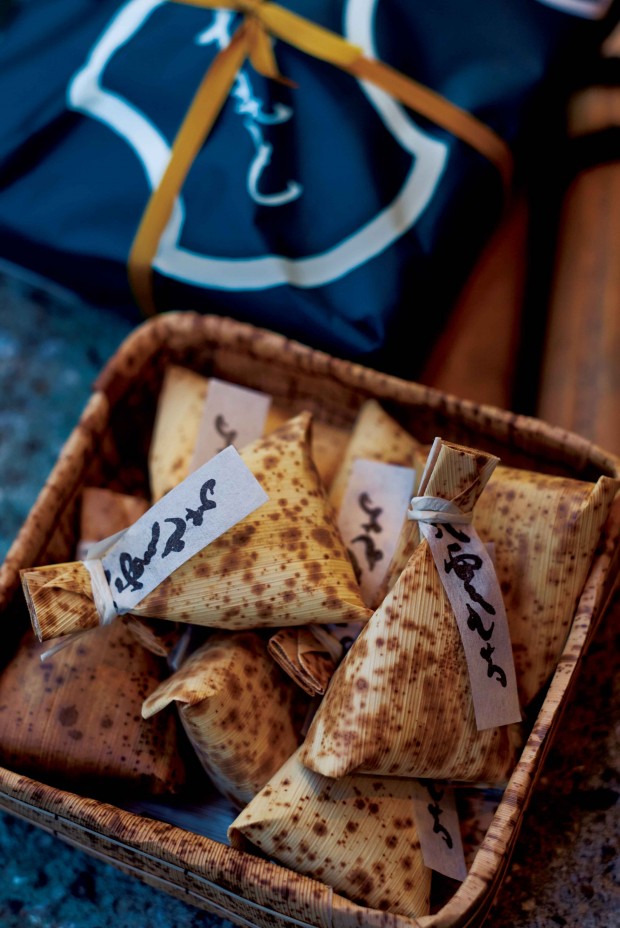
There are only two daily meals, morning and evening. A famous actress, Reiko Sawamura, used to have snacks such as sweets and fruits instead of lunch. In the "menu diary" she was wearing, the confectionery of "Mochiseki Chimoto" appeared many times.
One of them is the Mikumo Mochi of the picture that the first shop owner invented in 1965. First of all, you will be invited to this nobility of bamboo skin. In the inside there is an elastic search like a marshmallow. It is characterized by rich brown sugar and crushed cashew nuts.
There is no change for 50 years, ranging from the material of the rattan to the wrapping. The price is a reasonable and sweet treat.
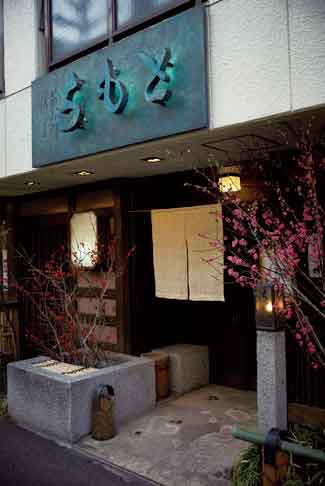
Candy store Chimoto
A Japanese-style confectionery shop divided by goodwill in 1940 from the pre-war shop "Chimoto Honka" in Karuizawa. Yakumo Mochi, made with domestically produced brown sugar, can be sold out before the evening, about 1000 per day. The unique texture is made by mixing the blanched egg whites with agar and mixing with the fertilizer. I still make it by hand until I hold the bamboo-wrapped paper. Sawamura also liked the season's warabi rice cake, cherry rice cake, and yoyo manju. ● 1-4-6 Yakumo, Meguro-ku, Tokyo
Kawabata Yasunari's favorite is French sweets
"I feel that it is a full-fledged conscientious work that is rarely tasted even in France at all" (From the recommendation sentence of "France confectionery Kado")
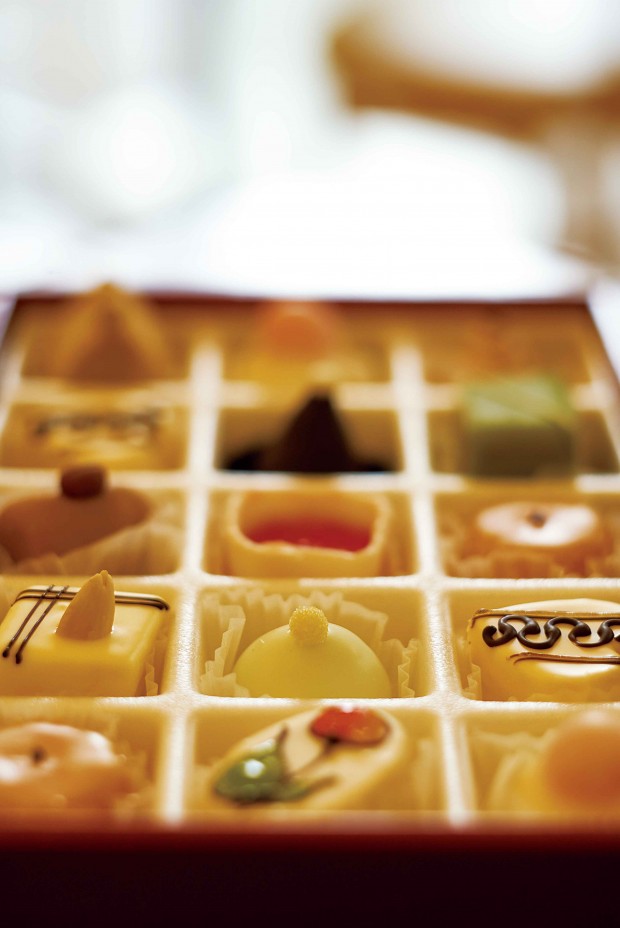
Petit Fool, a lovely bite confection, shaped like a longing for the West. A child's confectionery with buttery cream's milky sweetness and Western liquor flavor is a signboard product of the French confectionery shop 'Kado', founded in 1960.
Soichiro Shibata, the founder who studied in Paris. Bungo Yasunari Kawabata greatly liked the sleek decoration and good sweetness, and said, "I am delighted by my heart."
Even now, the taste and appearance remain the same. It is also nice to have a coffee in the tea room decorated with foreign films. 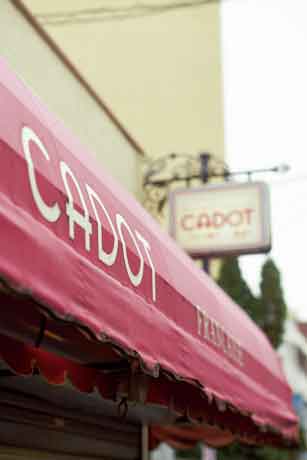
French candy kado
Founded by Soichiro, son of western artist and Shibata Rikizo who had friendship with Kawabata. Kawabata also loves the cookies in this store, and when it gets a souvenir, it can be placed under a writing desk with the cans alone. It was said that it was not divided into families. A bite-sized petite-fool is the taste of an adult who used western liquor, such as orange liqueur and herb powder from Western mountain pepper. At the back of the store, each one is carefully crafted. ● 1-45-3 Nishigahara, Kita-ku, Tokyo
There is still more! A sweet and nostalgic showa snack made with writers
Anko confections and high-colored western confectionery are indispensable beside novels and scribbled manuscript paper-a collection of Showa snacks loved by such writers. There are many things that can be ordered and attractive things in a package, and it is a pleasure to be delighted with souvenirs.
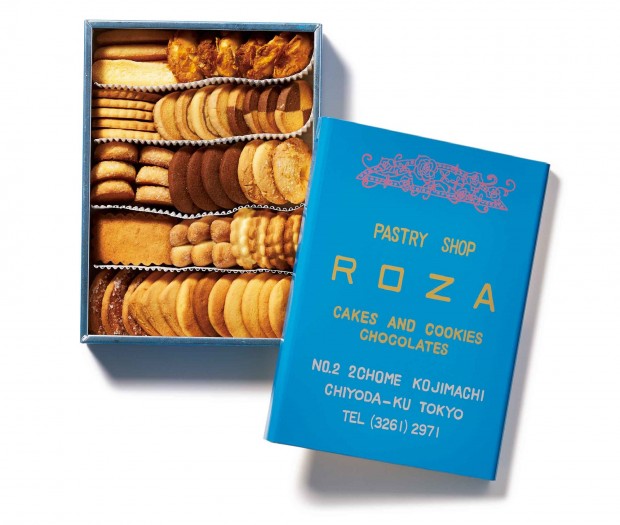
Cookie of "Lother pastry shop" that Miyako Ayako loved
A handmade high-color retro can, butter and floury cookies are rich. It is the Tokyo-born, Tokyo-born novelist Ayako Miyake who loved the crunchy and nostalgic taste of handicrafts. It is listed as a favorite for writing in the middle of the night in “Tokyo Sweets” (contributed to “Tokyo Taste Map”). The sale is only at the storefront, and bookings of several days ago are assured.
● 2-2 Tsujicho, Chiyoda-ku, Tokyo
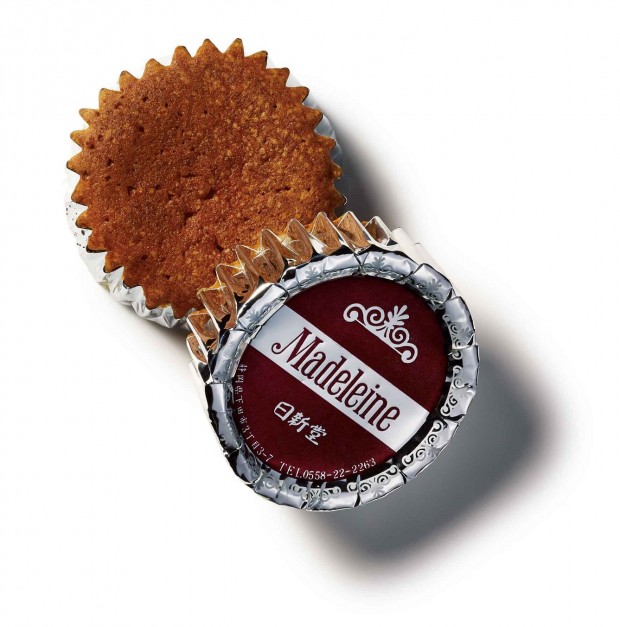
Madeleine from the Nissin-do Confectionary Store that Yukio Mishima loved
A rich taste baked confectionery with a nostalgic appearance and sweet smell in a thick aluminum cup. Yukio Mishima spent a vacation in the sea of Shimoda every summer since 1974 and worked for writing. He loved "Nisshindo confectionery shop" in the founding Taisho 11 (1922). Visiting once a week, it was the first time I had called out to people around me saying "It is the best Madeleine in Japan". It is also possible to order.
● 3-3-7 Shimoda City, Shizuoka Prefecture http://nisshindoshop.weebly.com/
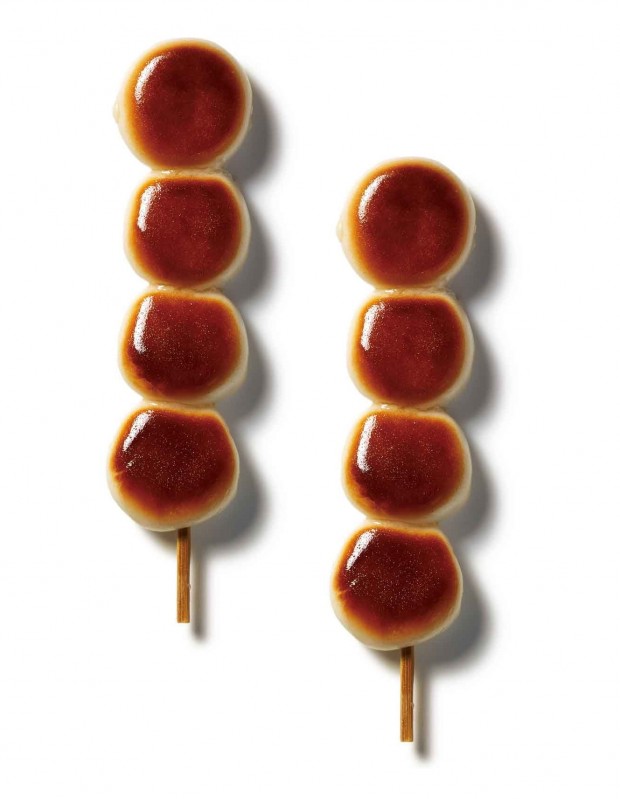
Continuation dump of "Minoya" which Ayako Hayashi loved
A cute figure with a light sweetness and a bite-sized dumpling. A popular product from Joetsu, which seems to be well-suited to Showa's children, is the continuation of Minoya. The writer, Ayako Hayashi, loves and became famous by having appeared in the masterpiece "Wanderings". The rustic taste of roasting the white rattan and baking on the surface and burning it on the surface is made by a process that has not changed for over 100 years. It is also possible to order.
● 1-1-11 Chuo, Joetsu City, Niigata Prefecture
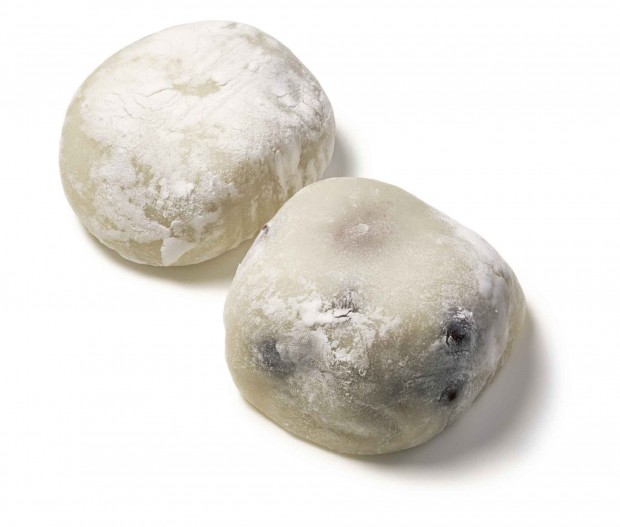
Daifuku of "Iseya" and "Tora no Tomon Okai Eisen" that Tanemura Kihiro loved
“I want to eat anko. I want to eat a bean daifuku. (Omitted) When I go to Tokyo, I go to Fukagawa to buy salt daifuku and go home,” said the essay “Study on a Rainy Day on a Sofa”. Tanemura Kihiro (Tanemura Suehiro). Shimodaifuku (left in the photo) of Iseya, which is crowded with visitors to Fukagawa Fudoson, is a big snack for a large-scale ordinary people. The rustic sweetness of Hokkaido's azuki beans and leeks pleasing the seed village.
The previous essay is "Meas Daifuku with reduced sweetness of Shibaoka Okaei Eisen". Mame Daifuku (right) in "Tora no Mon Oka Toei Eisen" (right) shows a steady popularity as a souvenir to shut up foodies. The Daifuku, where a woman in triangles wraps in an apron and gets used to it, is full of freshly made rice cake. It's really good to eat with the salty red peas! Customers are lined up before the store opens, and it is a gem that may be sold out after noon.
● "Ise shop" 1-8-12 Tomioka Koto-ku, Tokyo http://www.iseya.ne.jp/
● "Tora no Mon Gate Okaen Eisen" 3-8-24 Toranomon, Minato-ku, Tokyo
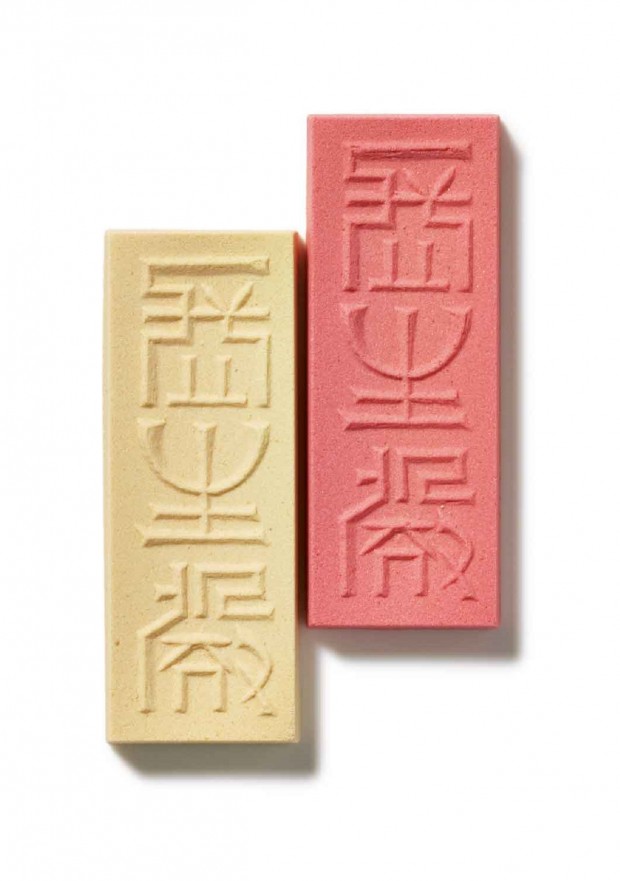
"Mori Hachi" eldest son of Inoue who loved
A beautiful red and white confectionery to which the word “fuumimezuka” is appropriate. The writer, Inoue Akira, put her heart and selected it as a souvenir for her mother every time she returned home. ). Raku-gan (Raku-gan), one of the three best confectioneries in Japan, is made by combining Awa's sum and three-bon sugar with secret seminal flour. It is also possible to order.
● 10-15 Kanazawa City, Ishikawa Prefecture http://www.morihachi.co.jp/
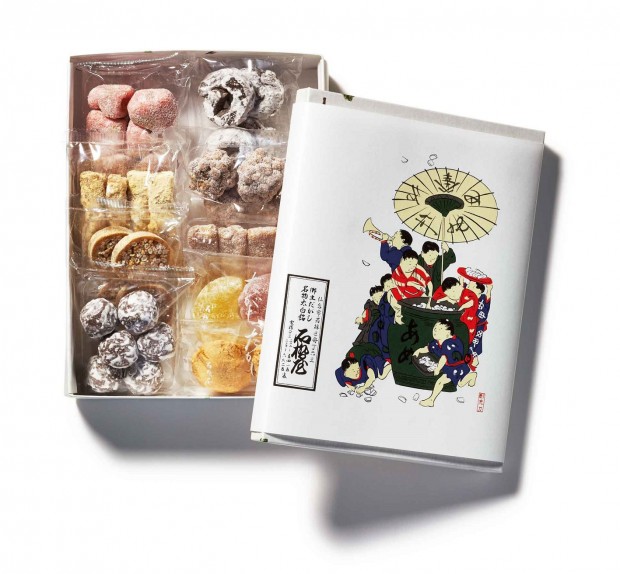
Sendai sweets from "Ishibashiya" loved by Tsubaki Ima
Kinako Torisho, misopan, karelarayaki-"The storefront of the candy store smelled of brown sugar just passing through it" (from "A walk on the tongue" from Asahi Bunko). When the composer Dan Ikuma went out to Sendai, he came to Sendai's famous candy store "Ishibashiya". Later, it is also written that we ordered fruit jelly candy. The picture is a collection of local candy. It is also possible to order.
Miyagi Prefecture Sendai City Wakabayashi Ward Kenting 63 http://www.ishibashiya.co.jp/
Photography / Hiroaki Kuwahara, Hiroyuki Kodera