



CATEGORY

最新号紹介

4,5月号2026.02.28発売

美の都・京都で出合う うるわし、工藝

閉じる

English

全226件、37-54件を表示中

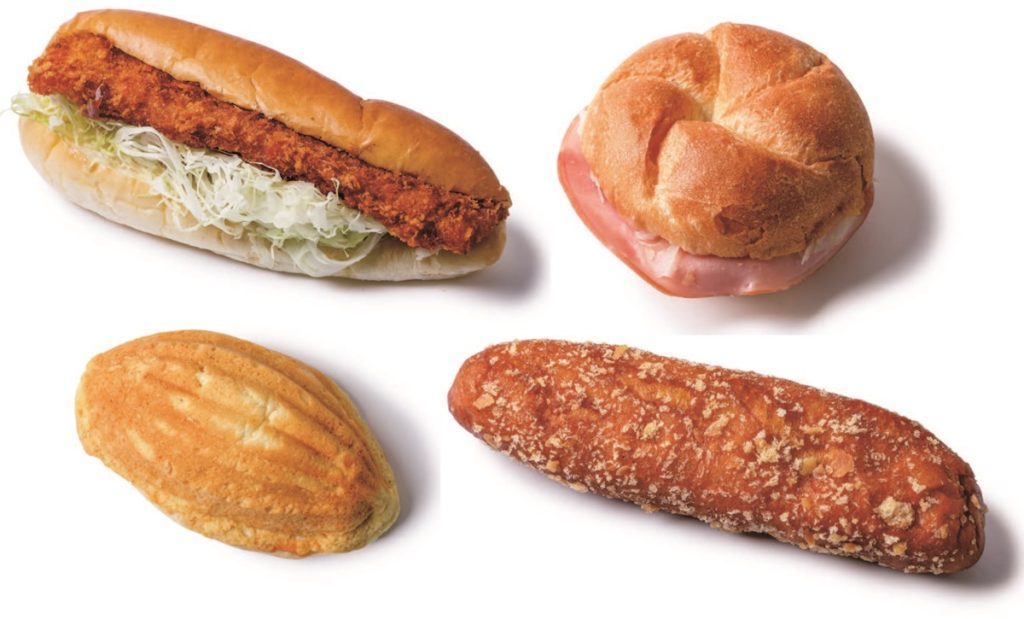
These are Kyoto’s ‘Soul Food Breads’ that continue to captivate locals!

Kyoto is a city of bread lovers, and there are several types of bread that have been cherished by locals for years—the kind you can't help but call ‘soul food.’ We'll introduce you to some of these much-loved, retro-style loaves from old-established bakeries, the kind of ‘local bakeries’ that Kyoto residents truly adore.
和樂web編集部

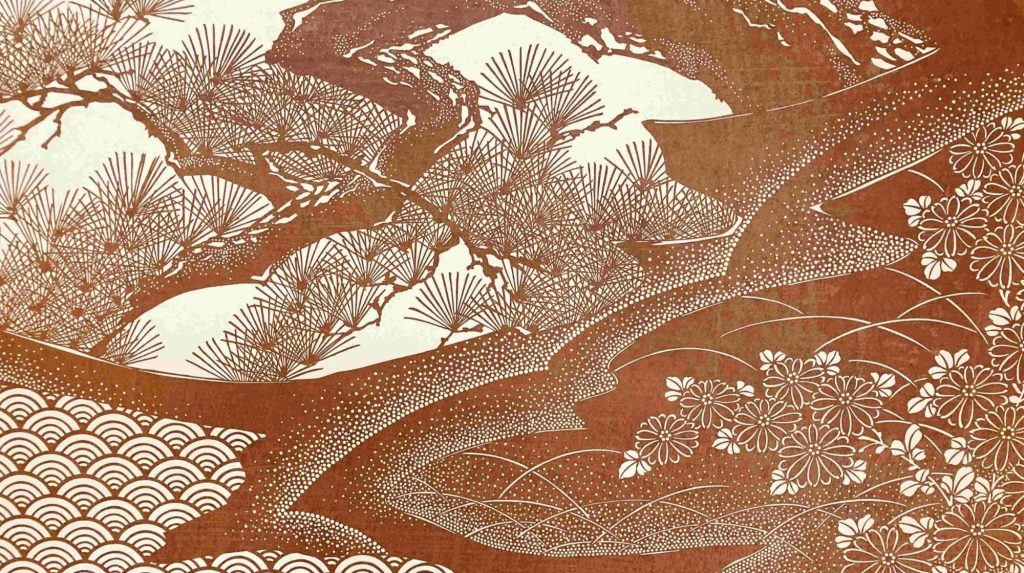
Ise-katagami: Japan’s masterful stencils that captivated William Morris

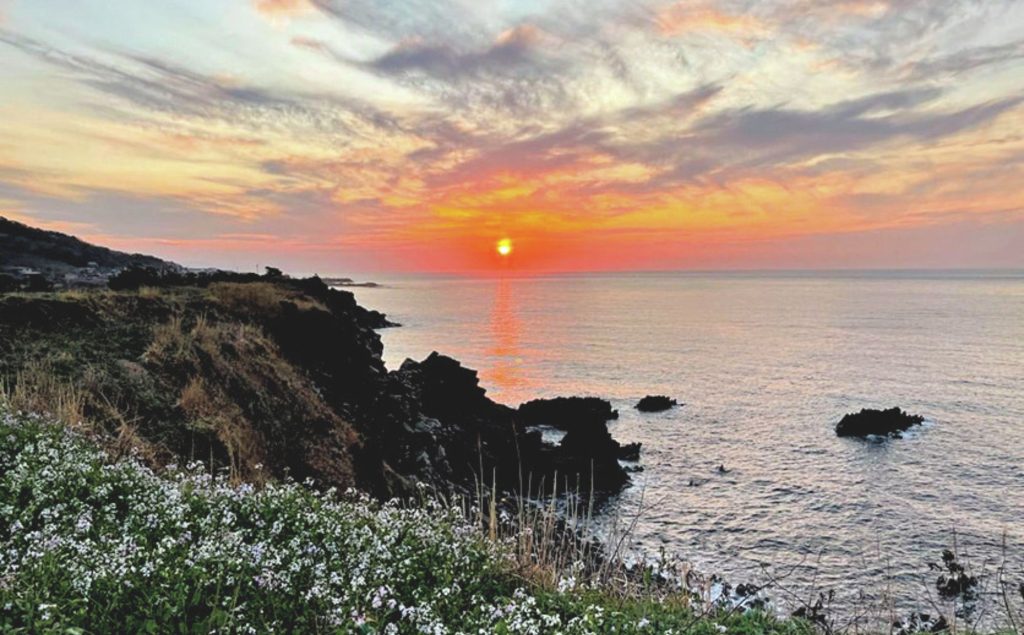
Suzuka (鈴鹿) City in Mie (三重) Prefecture is well known as the home of the Suzuka Circuit, which hosts the F1 Japanese Grand Prix. But it's also where one of Japan's most representative traditional crafts, known as Ise-katagami (伊勢形紙), was born and developed.
里山企画菜の花舎

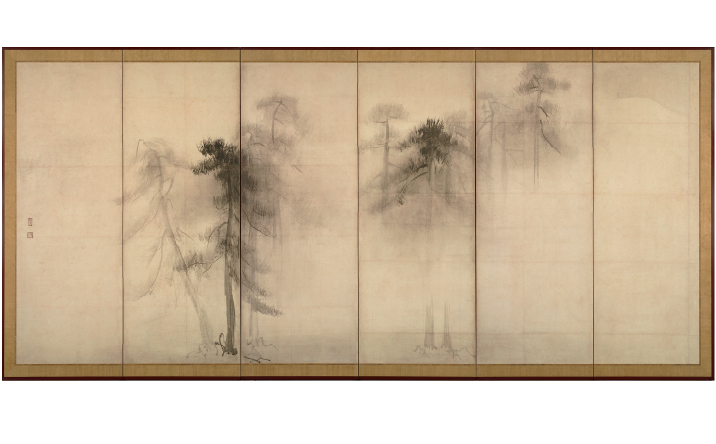
An Introduction to Suibokuga – Decoding the hidden depths expressed in the brush strokes of Japanese ink paintings

Suibokuga (水墨画), is a traditional East Asian art form that uses only ink and water to depict the world around us. For many people, though, suibokuga can seem a little plain and inaccessible, with their black-and-white palette and abstract nature, making it difficult to understand their appeal. Let's explore the charm of this art form in a beginner friendly way.
鮫島圭代

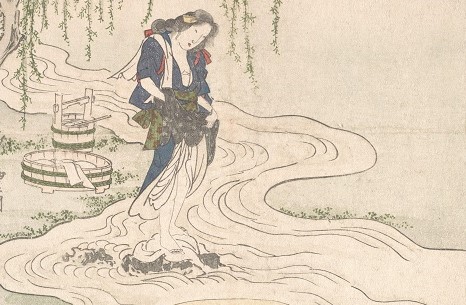
By the Water’s Edge: The Significance Of Riverside Encounters in Japanese Folktales

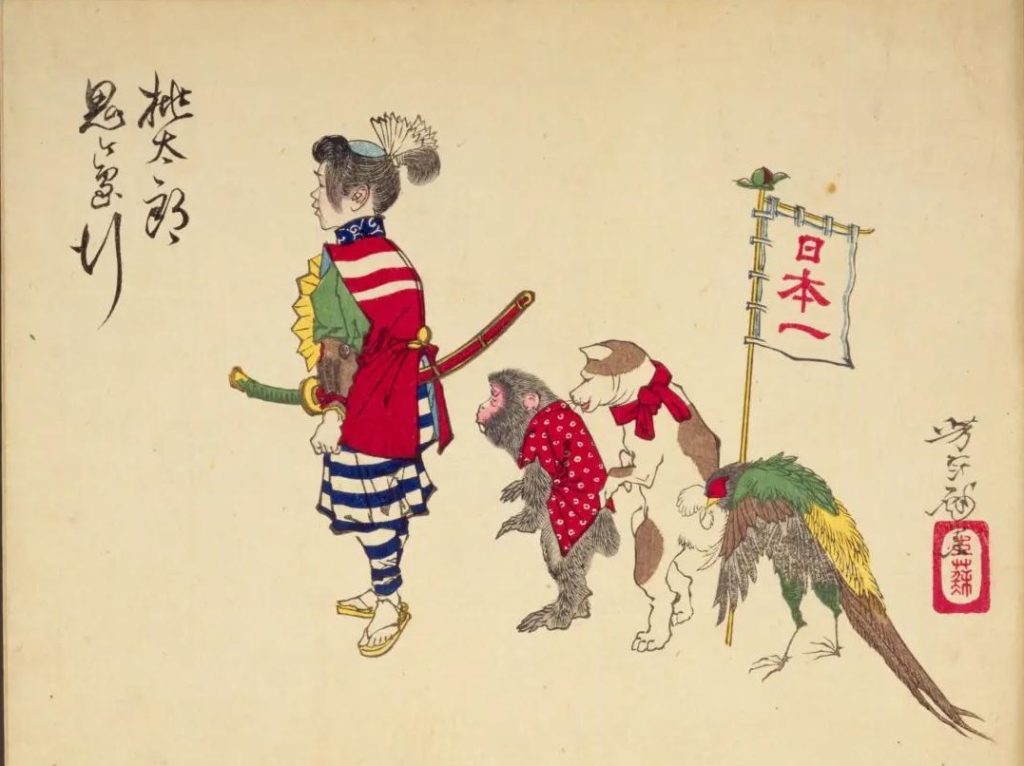
In classic Japanese folktales, the image of an old woman doing her laundry by the river is a familiar one. In Momotaro (桃太郎), the story begins with a line that has become iconic: “The old man went to the mountains to gather firewood, and the old woman went to the river to do the laundry…”
The riverside laundry spot is not only a place for washing clothes; it is also a place of encounters. In the tale of Momotaro (Peach boy), had the old woman not gone to the river, she would never have met Momotaro. In Hanasaka Jiisan (The old man who made flowers bloom), the puppy also comes floating down the river.

However, not every encounter leads to a happy ending. In Momotaro the old woman who was lucky enough to catch the peach at just the right moment might be considered fortunate, there are also examples where an encounter by the water has brought misfortune. Let’s begin by unpacking the gate of such folktales that start with 'laundry by the riverside'.
馬場紀衣

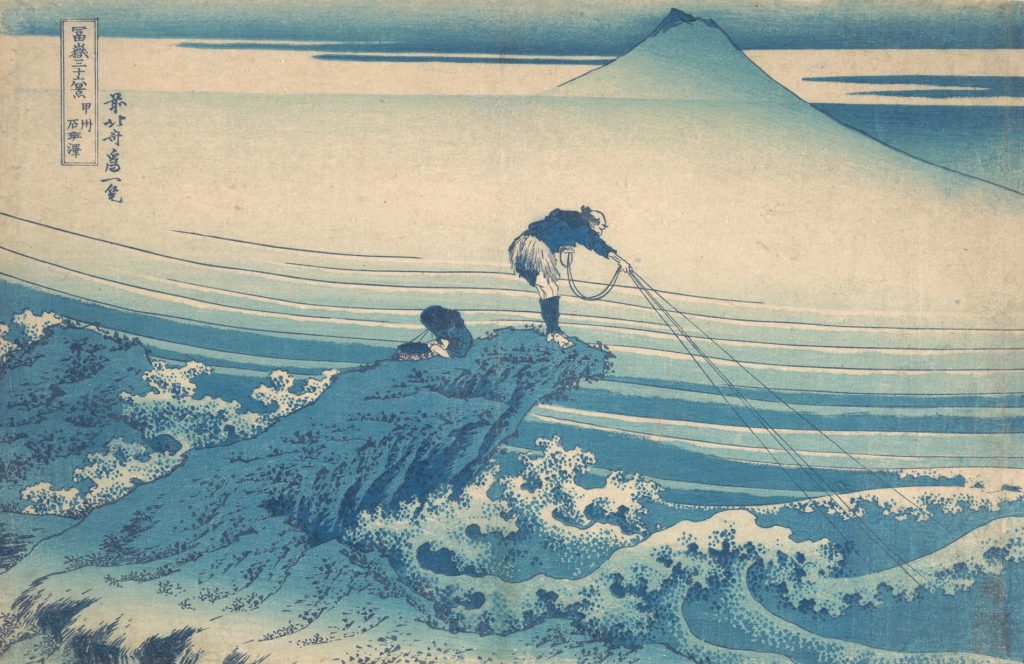
A sugoroku journey through stunning landscapes with Hokusai! Visiting Japan’s original scenery through ukiyo-e prints

Katsushika Hokusai (葛飾北斎), the artistic genius, spent his entire life in Edo, but he was certainly a lover of travel. He walked along the Tokaido (東海道) road, ventured into the Kinki (近畿) region, and even made long stays in Nagoya (名古屋) and Obuse (小布施) in Shinshu (信州). Now, let's take a boardgame -style journey from Kanto (関東) to Okinawa (沖縄), exploring the magnificent landscapes he created from these travels.
和樂web編集部

Scenic Treasures to See Before You Die: Hidden Gems Across Japan [Kansai edition]

This series highlights some of the most spectacular, yet perhaps lesser-known, scenic spots across Japan, ranging from the country's smallest park to underwater fossil sites and mesmerizing factory night scapes. While you may have heard of these places, this guide delves deeper into their unique beauty. If you haven’t visited these locations yet, why not consider making a trip?
和樂web編集部

Why so small? Tiny but mighty – the miniature sized heroes of Japanese folktales

Folktales are fascinating. They feature strange heroes that couldn't possibly exist in the real world, leading us through unpredictable plots. Issun-boshi (一寸法師), Momotaro (桃太郎), Kaguya-hime (かぐや姫)... each is a unique character in their own right, but for some reason, it feels like many Japanese folktales have small protagonists. Despite their size, they accomplish more than any adult could—tiny but mighty.
So, why were they born so small? Let's explore the mystery of Japan's tiny heroes.
馬場紀衣

How the masterpiece capturing an instant of beauty, “Red Fuji,” was born! An A to Z guide to the ukiyo-e artist Katsushika Hokusai: [A]

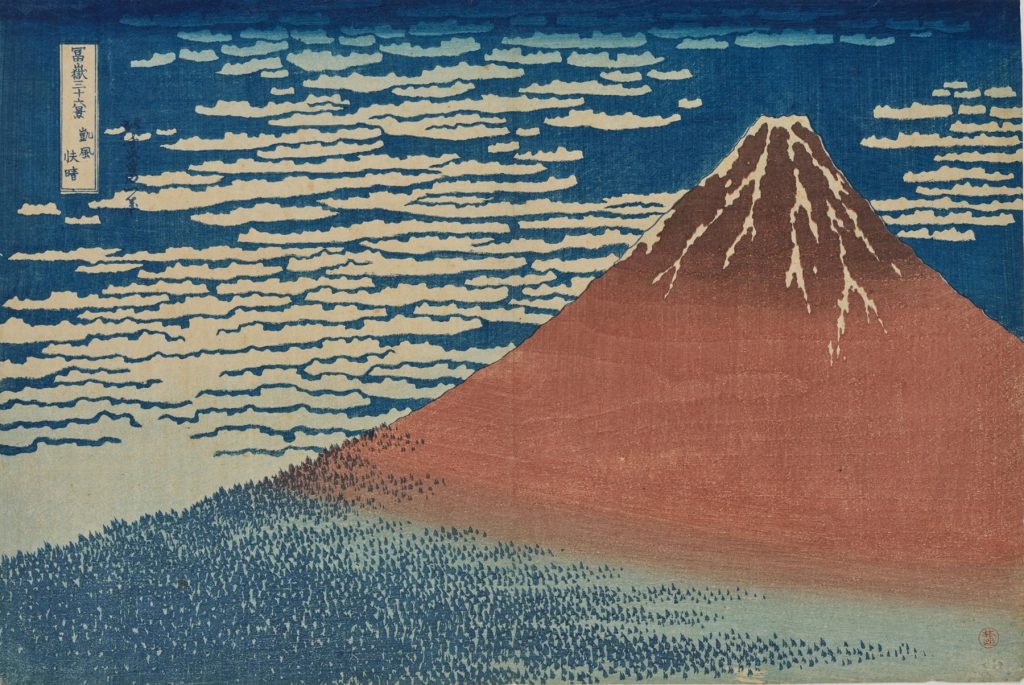
Katsushika Hokusai (葛飾北斎), the ukiyo-e artist, was born in Edo in 1760 and was active for roughly 70 years until his death in 1849. His life, marked by constant dedication to his art, was as turbulent as it was eccentric. He took it upon himself to master all kinds of artistic genres, and his many masterpieces shocked not only Japan but the entire world. Even in his old age, he never stopped striving for improvement. We introduce the life of this rebellious artist, Hokusai, through 26 words from A to Z.
和樂web編集部

Hiroshige: Landscapes and legacy

Malene Wagner

You can only taste it here, in the home of ‘Ibo no Ito’! Visiting the local restaurants of Tatsuno City, Hyogo

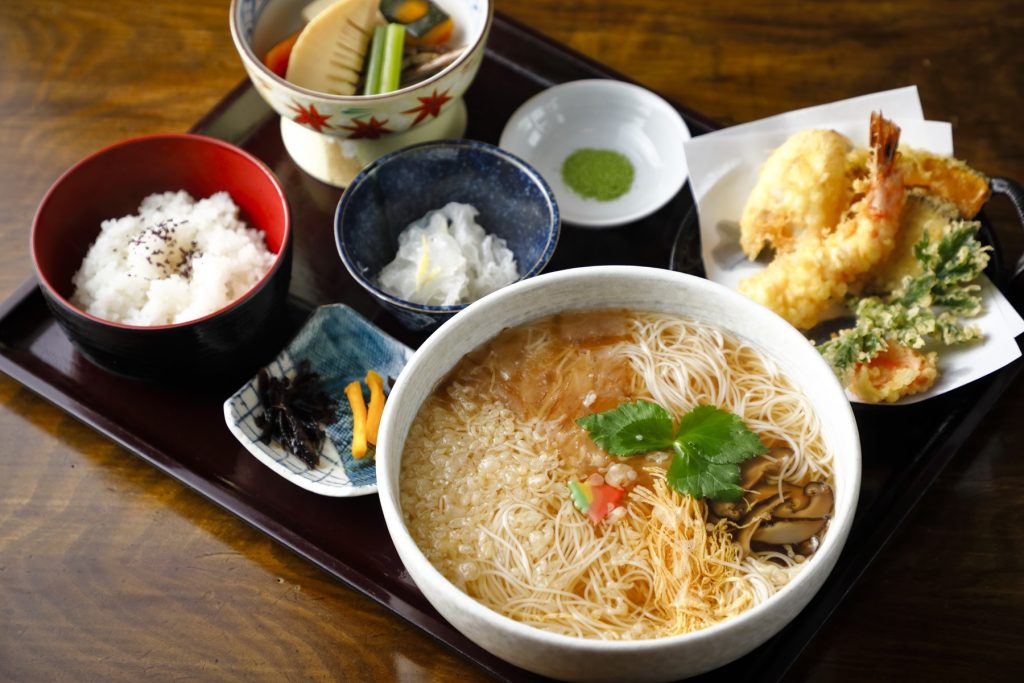
Tatsuno (たつの) City, Hyogo (兵庫) Prefecture, is the home of Banshu (播州) -style hand-stretched somen (素麵), ‘Ibo no Ito (揖保乃糸)’. We visited some of the best local restaurants in this somen-producing region to try it for ourselves!
和樂web編集部

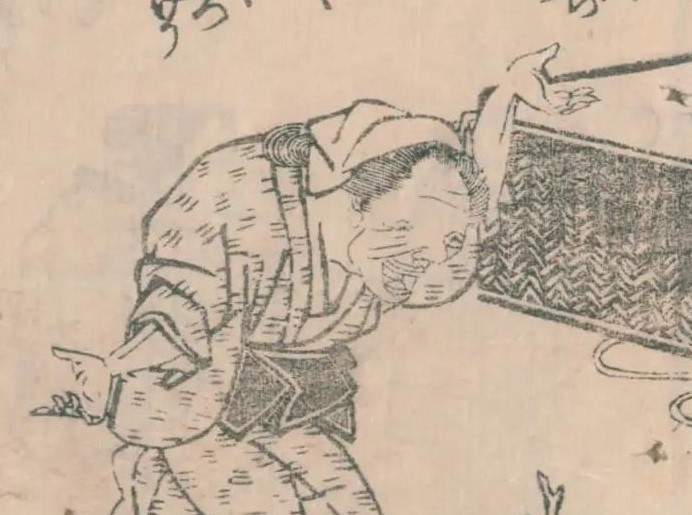
A senior’s guide to life: Is it wise to temper your desires? Lessons from an Edo-Period Medical Text, Rojin Hitsuyo Yashinaigusa

Japan is a country with a long life expectancy, but that’s a modern phenomenon. During the Edo period, the average life expectancy was around 40 years, which is considerably shorter than today. However, historical figures like Tokugawa Ieyasu (徳川家康) lived to be around 73, Sugita Genpaku (杉田玄白) reached 85, and Katsushika Hokusai (葛飾北斎) lived to be 90. This makes you wonder how senior citizens in the Edo period managed their daily lives.
馬場紀衣

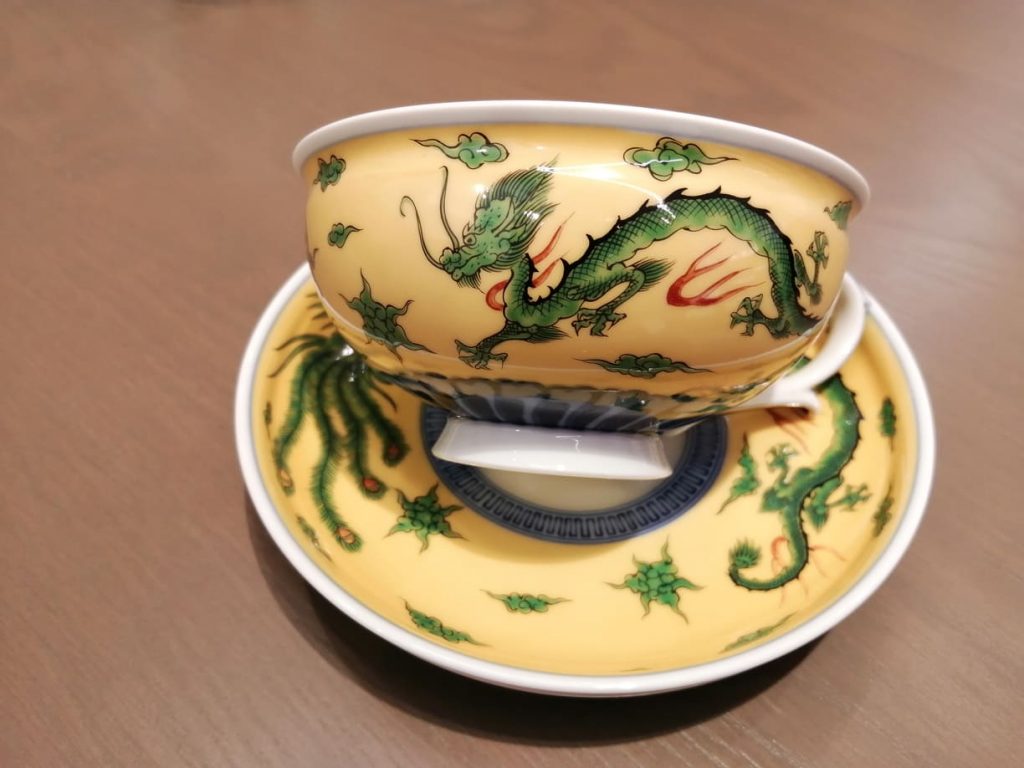
Europe was astounded by Arita ware! Would you like to have tea with a cup from Fukagawa Seiji, exhibited at the Paris exposition 100 years ago?

菊池 麻衣子

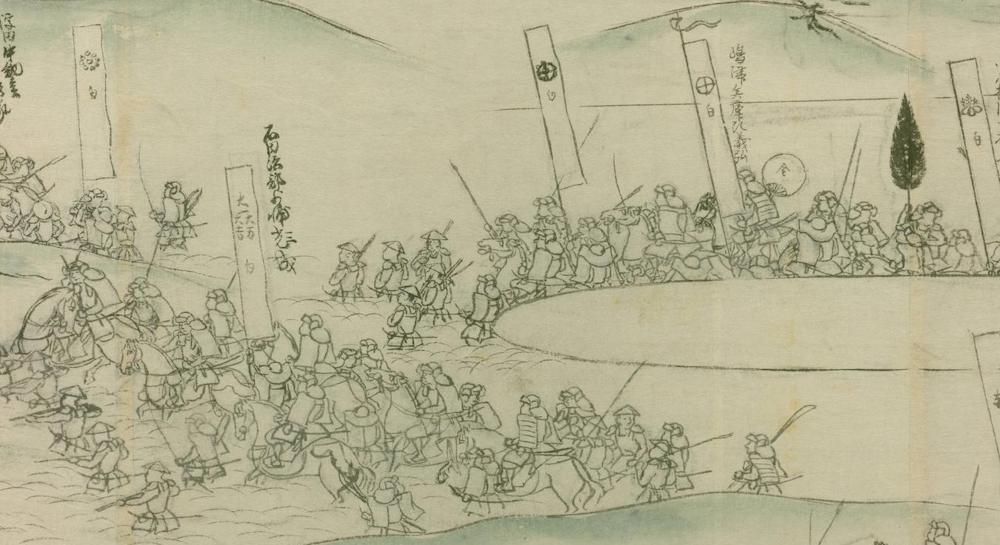
The pivotal battle which decided the fate of Japan

和樂web編集部

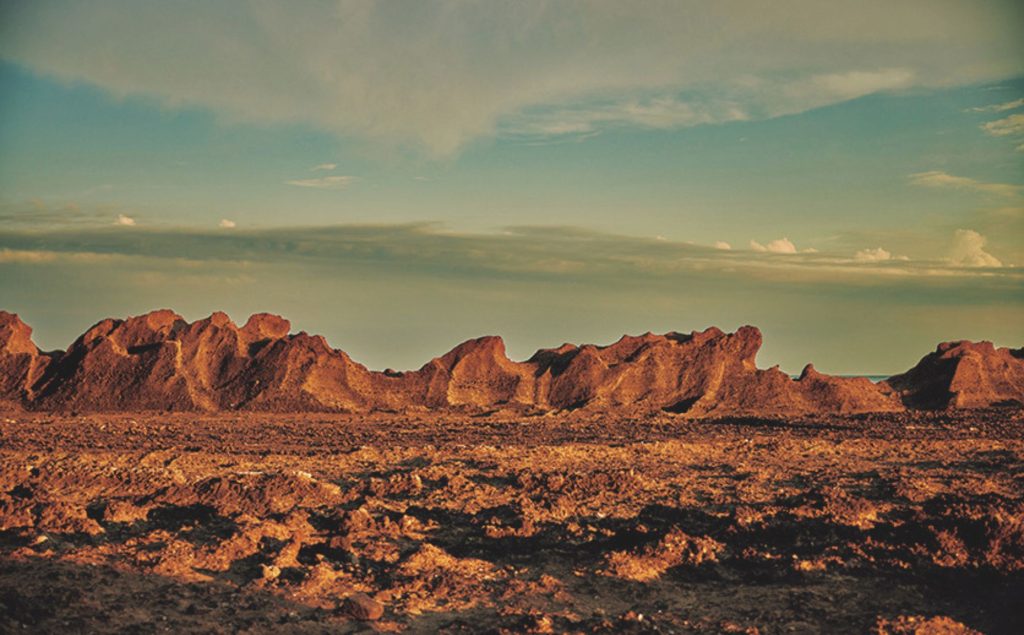
Scenic Treasures to See Before You Die: Hidden Gems Across Japan [Chubu edition]

This series highlights some of the most spectacular, yet perhaps lesser-known, scenic spots across Japan, ranging from the country's smallest park to underwater fossil sites and mesmerizing factory night scapes. While you may have heard of these places, this guide delves deeper into their unique beauty. If you haven’t visited these locations yet, why not consider making a trip?
和樂web編集部

Scenic Treasures to See Before You Die: Hidden Gems Across Japan [Kanto edition]

This series highlights some of the most spectacular, yet perhaps lesser-known, scenic spots across Japan, ranging from the country's smallest park to underwater fossil sites and mesmerizing factory night scapes. While you may have heard of these places, this guide delves deeper into their unique beauty. If you haven’t visited these locations yet, why not consider making a trip?
和樂web編集部

Aiding Tokugawa Ieyasu and entering the Ooku? Uncovering the true identity of the ‘Igamono’

The Ooku (大奥) of Edo Castle was known as a womens' quarters, strictly off-limits to anyone other than the Shogun (将軍). However, some male officials did work in specific areas near the entrances.

Among those tasked with security was a group known as the ‘Igamono (伊賀者),’ said to have rescued Tokugawa Ieyasu (徳川家康) from a perilous situation during the Sengoku (戦国) period. The Igamono were ninjas (忍者) originating from Iga (伊賀) Province (Iga no Kuni, modern-day western Mie Prefecture), familiar from popular media such as the manga series Ninja Hattori-kun (忍者ハットリくん).
大奥の岩内

The unsung hero of Grand Sumo – edo style hair oil

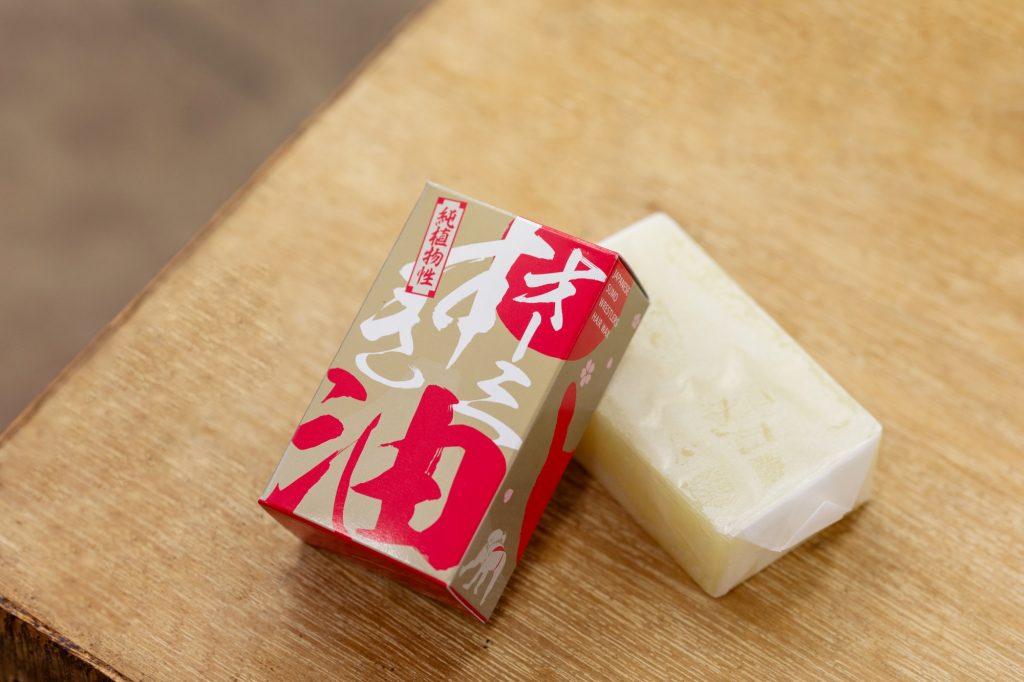
In the Edo period, kyara oil (伽羅油) became a popular hair styling product. To elevate its status, this binzuke oil (鬢付け油, pomade) was named after kyara (伽羅), the highest grade of aloeswood, captivating the common people of Edo with its sweet scent. Today, a hair pomade for traditional Japanese hairstyles, ‘Omi Suki oil (オーミすき油),’ which is likened to the Edo kyara oil, has been inherited by the world of Grand Sumo. We explore the manufacturing of this sweetly fragrant product, indispensable for the wrestlers' iconic 'mage', top knot hairstyle.
森 有貴子

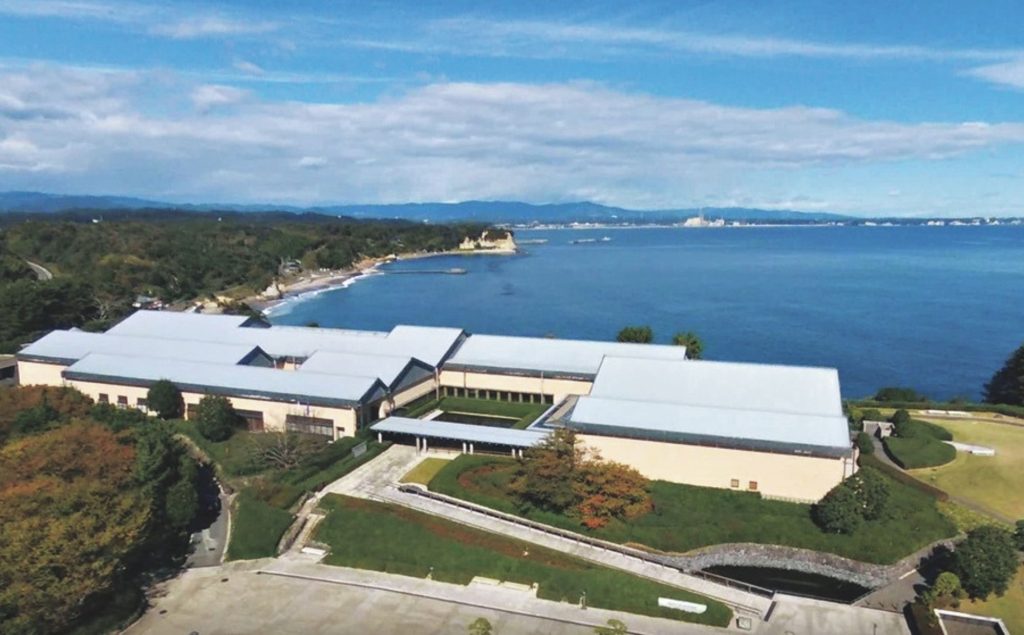
A must-visit! The incredible story of the Sumo Museum, founded by the ‘lord of Sumo’

2025 has already seen Hoshoryu (豊昇龍) promoted to yokozuna (横綱) in January, followed by Onosato (大の里) in May. With the rank of yokozuna now occupied on both the east and west rankings—the first time since the Autumn Tournament in Reiwa (令和) 3 (2021)—Grand Sumo Wrestling is seeing a resurgence in popularity. The rise of young wrestlers is attracting a slightly younger demographic of fans, and as a fusion of traditional culture and sport, it is a quintessential Japanese martial art, drawing an increasing number of international visitors in recent years. While many know Ryogoku Kokugikan (両国国技館) as the spiritual home of sumo, are you aware that it houses a remarkably niche facility: the Sumo Museum? We delve into the unique identity of this museum, which has been showcasing Grand Sumo Wrestling for over 70 years.
森 有貴子

人気記事ランキング

最新号紹介

4,5月号2026.02.28発売

美の都・京都で出合う うるわし、工藝

※『和樂』2026年4・5月号 美術展カレンダーに誤りがありました。P.224で紹介しました、福岡県・久留米市美術館で開催中の「美の新地平ー石橋財団アーティゾン美術館のいま」の入館料は、正しくは一般1,500円となります。お詫びして訂正いたします。
※和樂本誌ならびに和樂webに関するお問い合わせはこちら
※小学館が雑誌『和樂』およびWEBサイト『和樂web』にて運営しているInstagramの公式アカウントは「@warakumagazine」のみになります。
和樂webのロゴや名称、公式アカウントの投稿を無断使用しプレゼント企画などを行っている類似アカウントがございますが、弊社とは一切関係ないのでご注意ください。
類似アカウントから不審なDM(プレゼント当選告知)などを受け取った際は、記載されたURLにはアクセスせずDM自体を削除していただくようお願いいたします。
また被害防止のため、同アカウントのブロックをお願いいたします。

関連メディア