






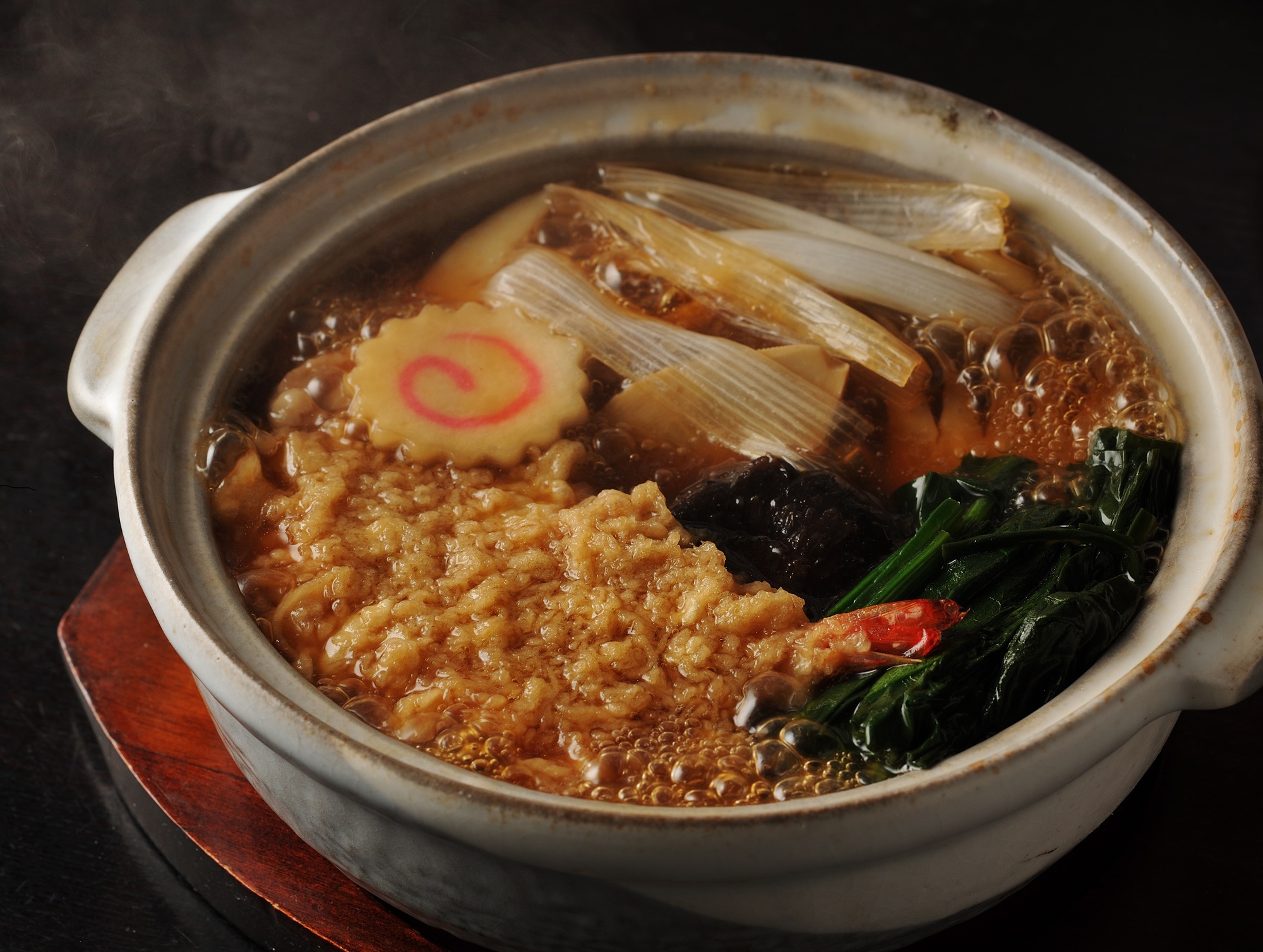
Adored by the Common People Since the Edo Period ♥ Savour a Taste Filled with Stories!
‘Nabeyaki Udon’ at Kanda Matsuya
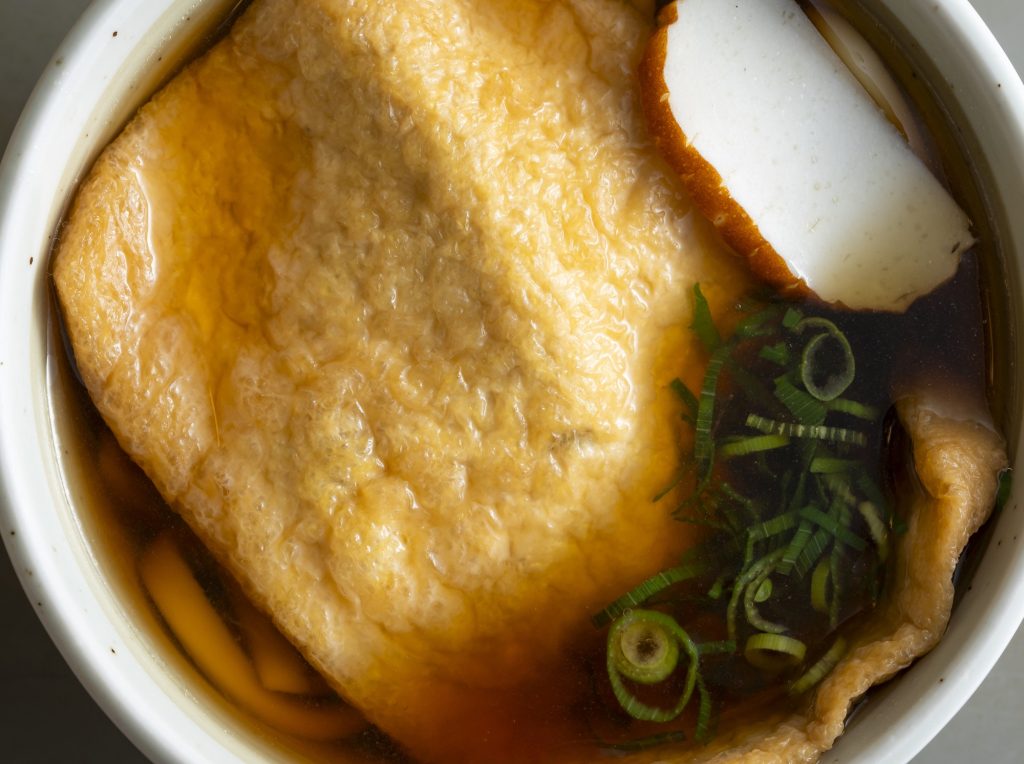
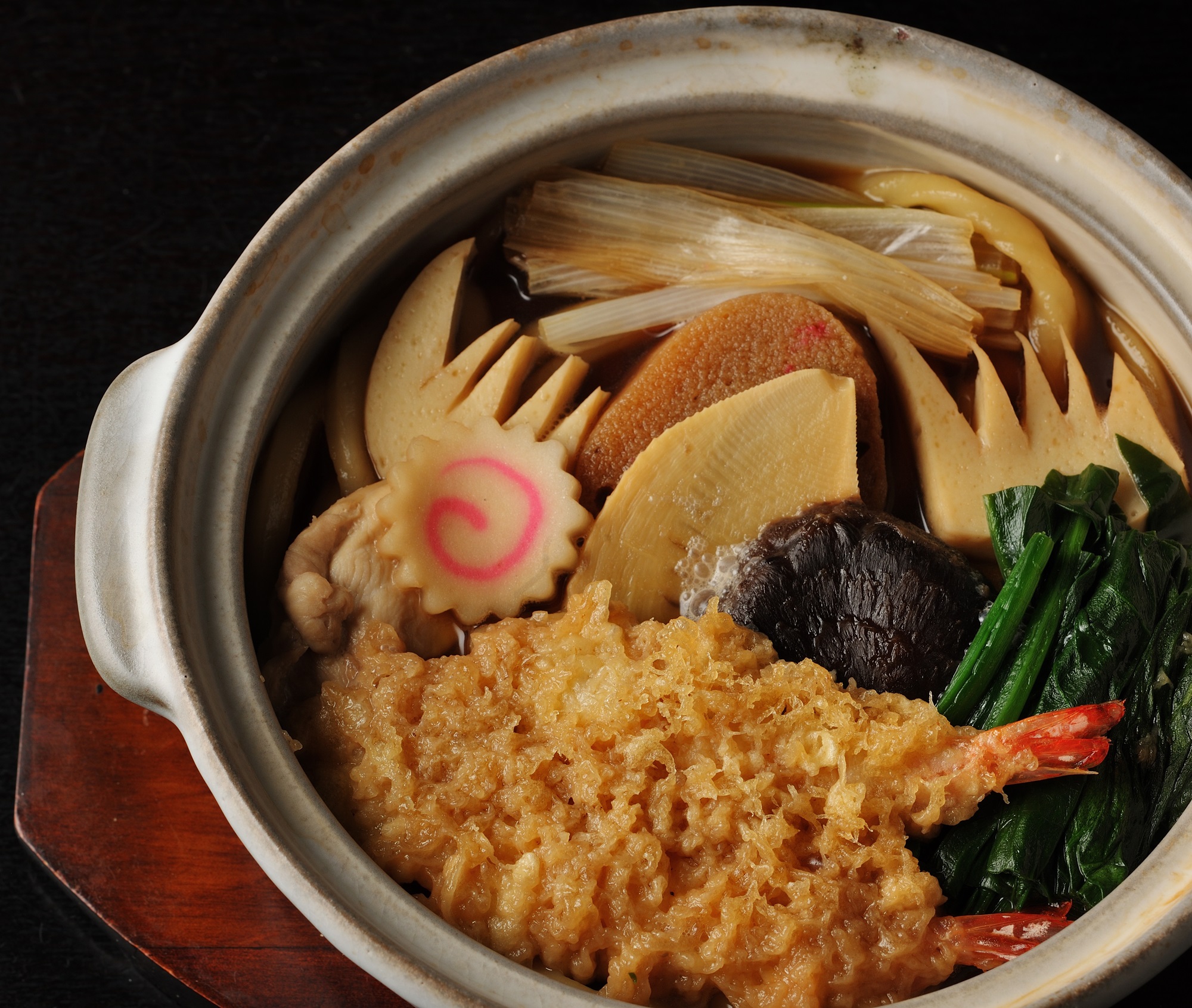
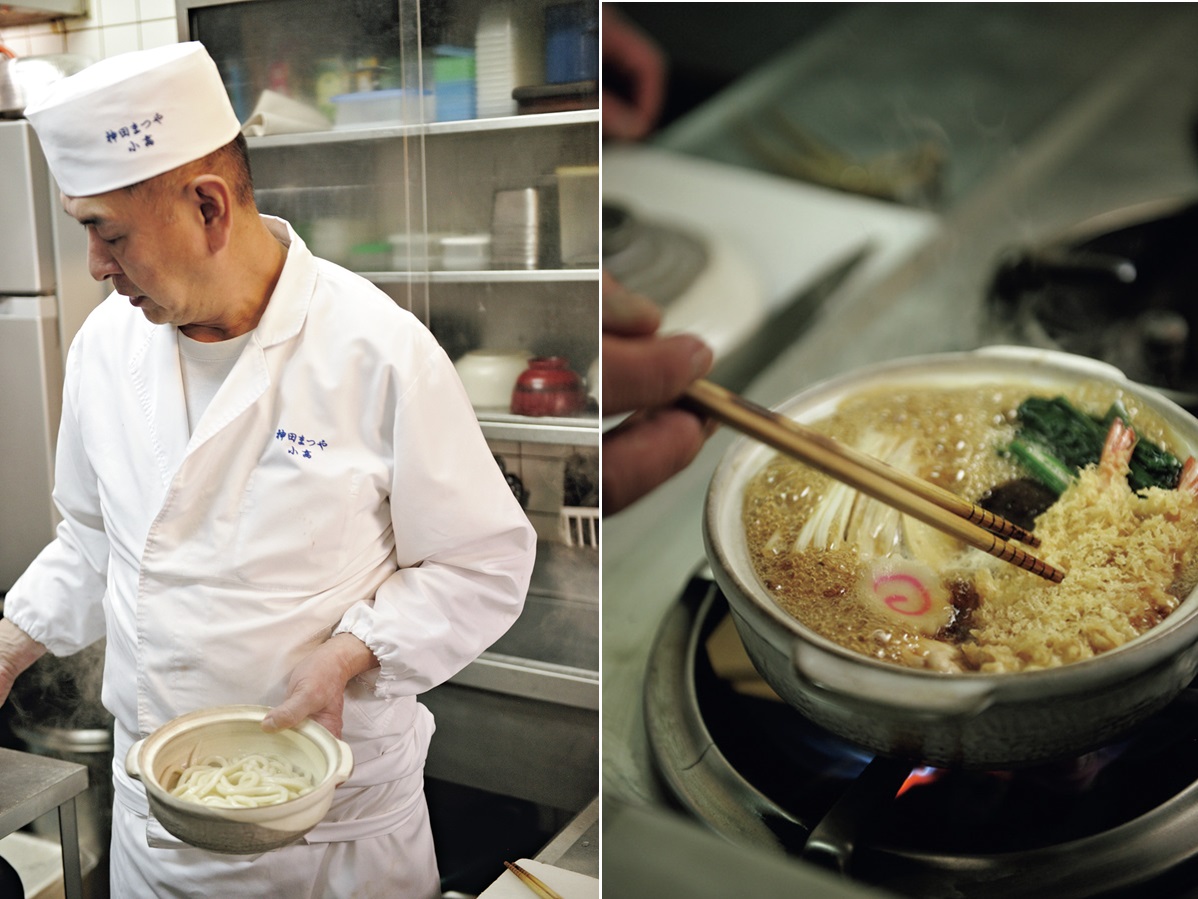
Kanda Sudacho (神田須田町), where the restaurant is located, has developed as one of Tokyo’s leading bustling districts since the Edo period. The dignified appearance of the restaurant is also reflected in the visual presentation of a single bowl of soba or udon. The tempura included in the ‘Nabeyaki udon’ is an ‘ikadaage’ (いかだ揚げ) with a splendid batter. The ingenuity and artisanal skill shine through, such as with the bamboo-leaf-shaped kamaboko (かまぼこ; fish cake), ensuring the umami taste of the ingredients melts into the broth whilst simmering. The flavour of the Senju negi (千住ねぎ; Senju leeks) is even more delicious in winter. There is also a luxurious ‘Yosenabe Udon’ (寄せ鍋うどん) containing egg, mochi (餅; rice cake), and mitsuba (三つ葉; Japanese wild parsley), but this neat and simple dish enjoys deep-rooted popularity.
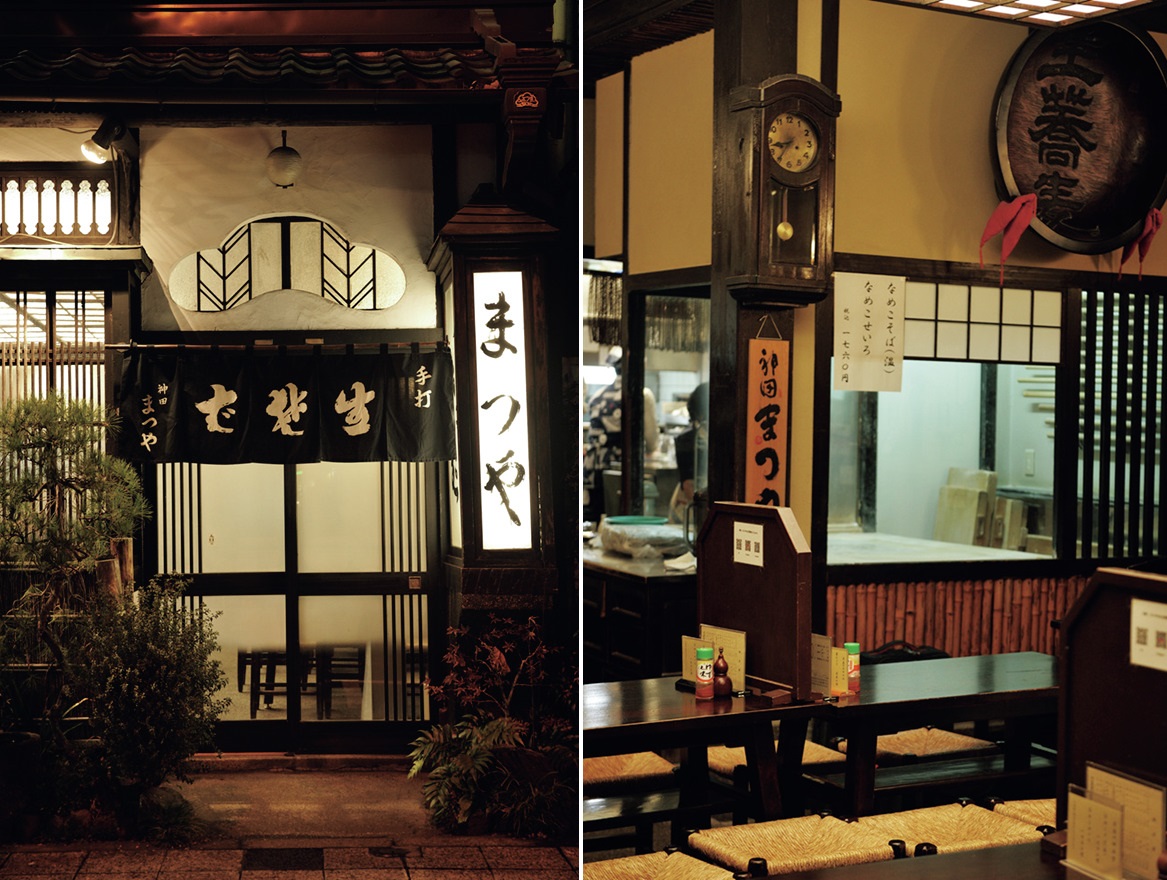
‘Kanda Matsuya’ restaurant info
Address: 1-13 Kanda Sudacho, Chiyoda-ku, Tokyo
Telephone: 03-3251-1556
Opening Hours: Weekdays 11:00 to 20:30 (Last Order 20:00)
Saturdays and Public Holidays 11:00 to 19:30 (Last Order 19:00)
Closed: Sundays and Mondays
Official Website:http://kanda-matsuya.jp/
*Payment is cash only.
Ehime’s Matsuyama City, the Home of ‘Arumaito Nabeyaki Udon’
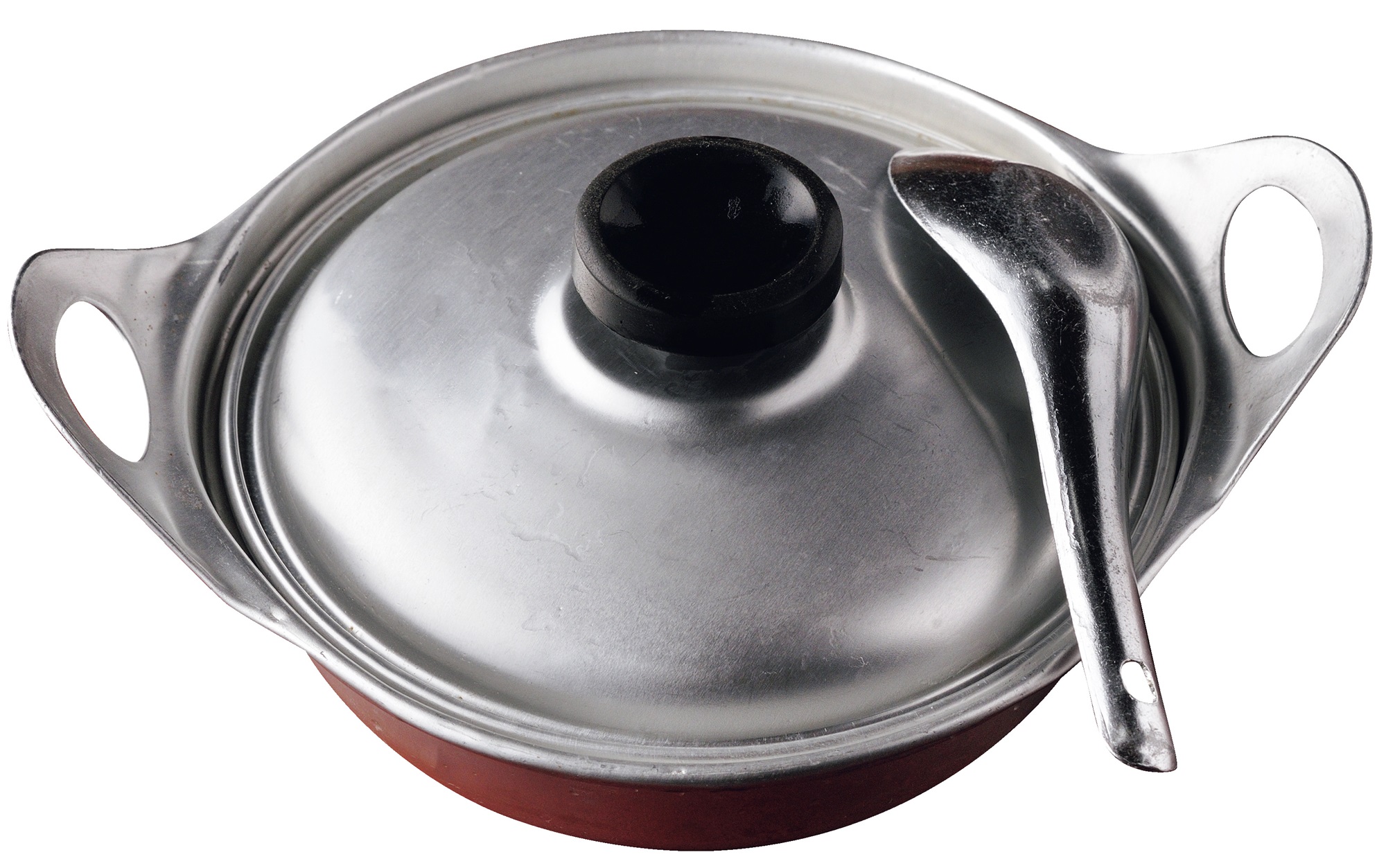
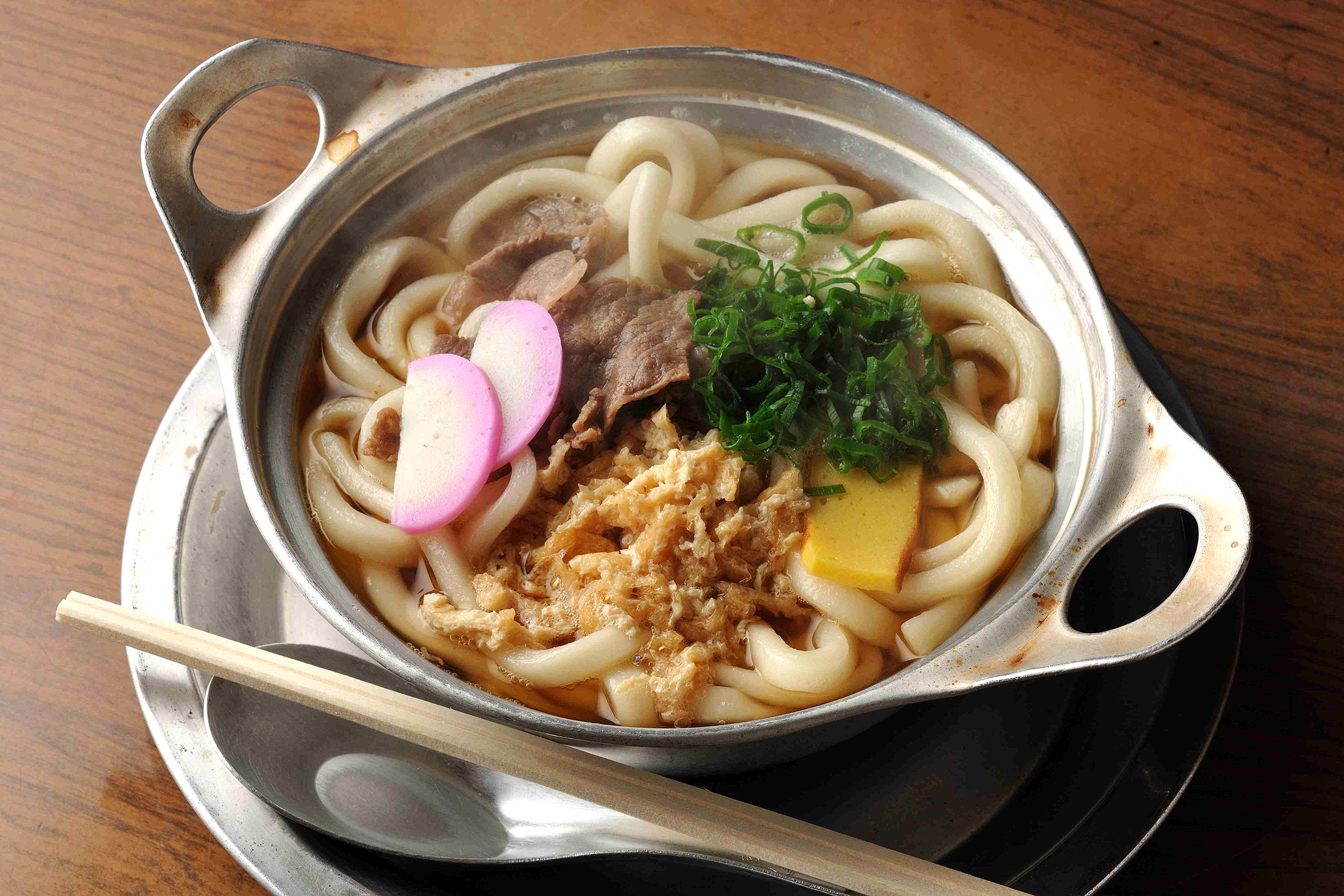
When it comes to the soul food of Matsuyama citizens, it is piping hot udon eaten straight from a small arumaito (アルマイト) pot. A lightweight, retro aluminum pot with a gold or silver finish, used in Japan for piping hot dishes.
Although it can be enjoyed casually anywhere, we visited popular restaurants to which locals give their seal of approval, saying, “The taste of these two establishments is exceptional.”
Inarizushi Enhances the Iriko Broth Udon. Eating Them Alternately is the Local Way
To clarify beforehand, the arumaito pot itself is not a local speciality of Matsuyama. As an inexpensive, durable, and efficient cooking utensil that heats up quickly, it was a staple until a certain point in the Showa (昭和) era. The first proprietor of ‘Asahi’, which opened in Matsuyama, had the innovative idea of focusing on a size “just big enough to fit one portion of udon noodles” from amongst these arumaito pots, and tailored it for nabeyaki udon. That was in 1947, and two years later, ‘Kotori’ opened.
This ‘sokusekinabeyaki udon’ (即席鍋焼きうどん; instant nabeyaki udon) was welcomed during the post-war era when resources for everything were scarce.
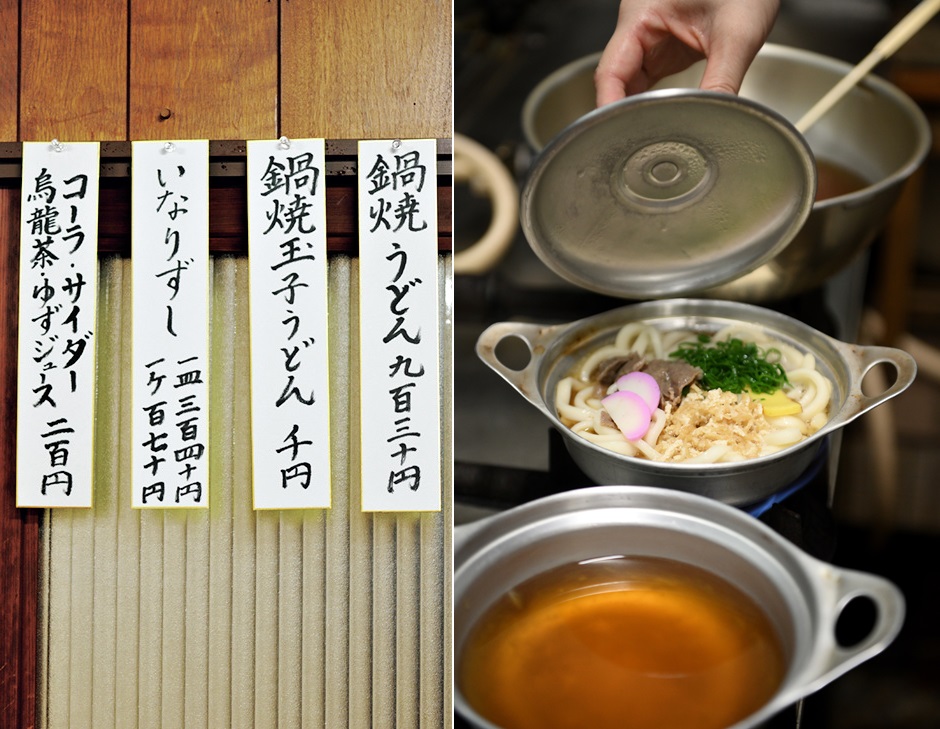
It is said that at the time of opening, it could be eaten for about 30 yen, and 10 years ago for about 500 yen. Although time has passed and it is difficult to call it a cheap eat anymore, its popularity has not waned. It is amazing that both restaurants continue to thrive!
What was surprising is that, despite similar appearances, the tastes of the two restaurants are completely different.
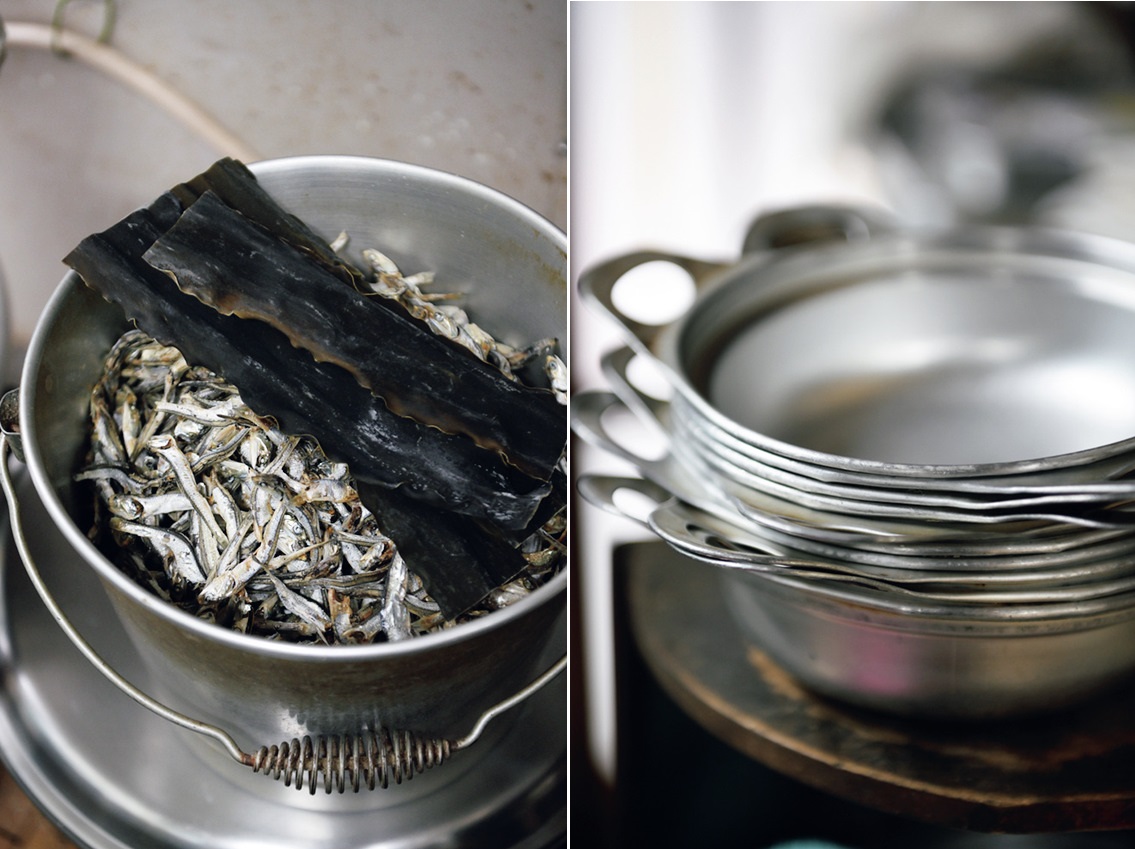
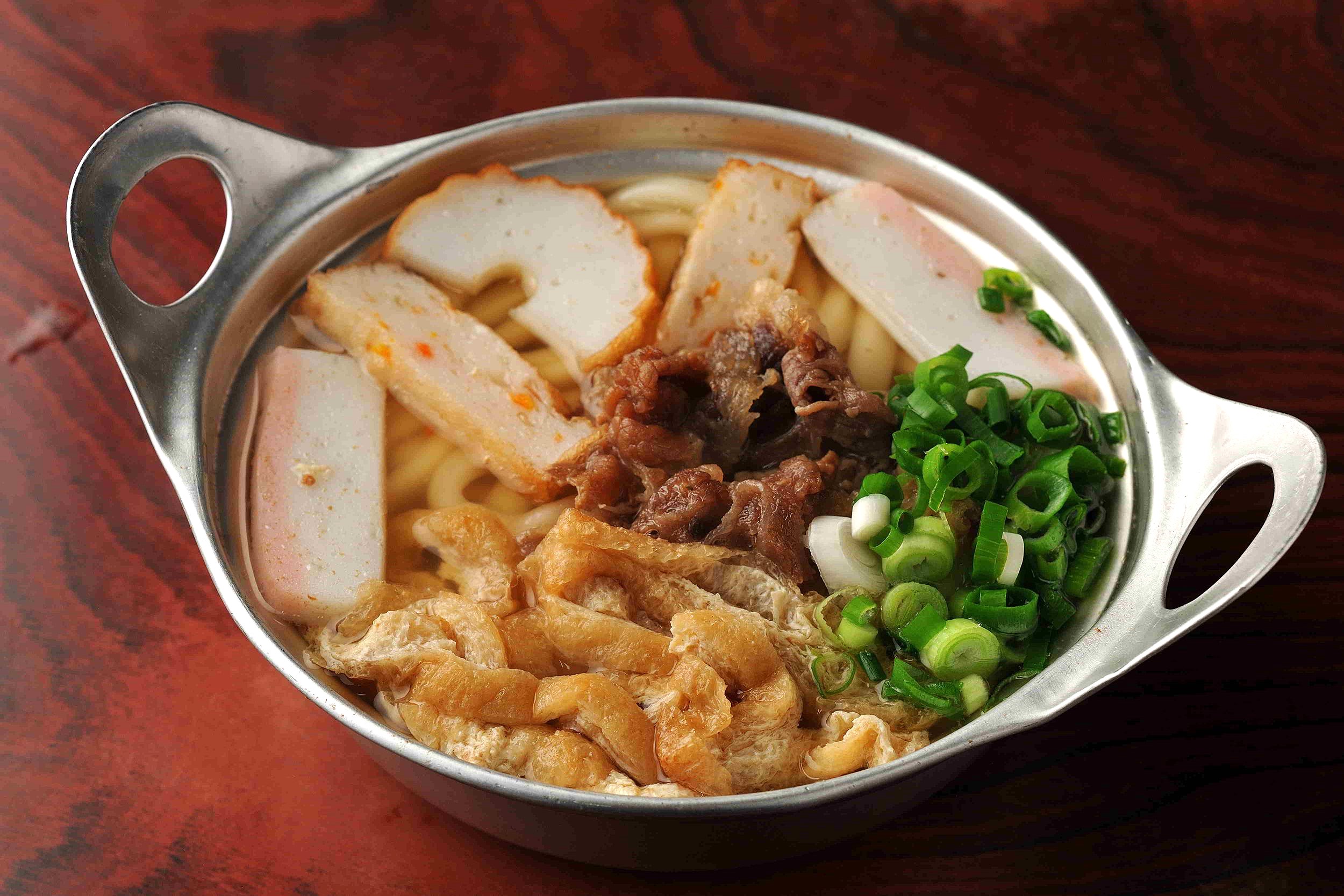
Whilst both draw their broth from Setouchi (瀬戸内) iriko (いりこ; dried baby sardines) and kombu (昆布; kelp), ‘Kotori’ offers a clean taste that maximises the umami and aroma of the iriko.
In contrast, ‘Asahi’ follows a recipe born in an era when sugar was precious, resulting in a broth that is richly sweet and full-bodied.
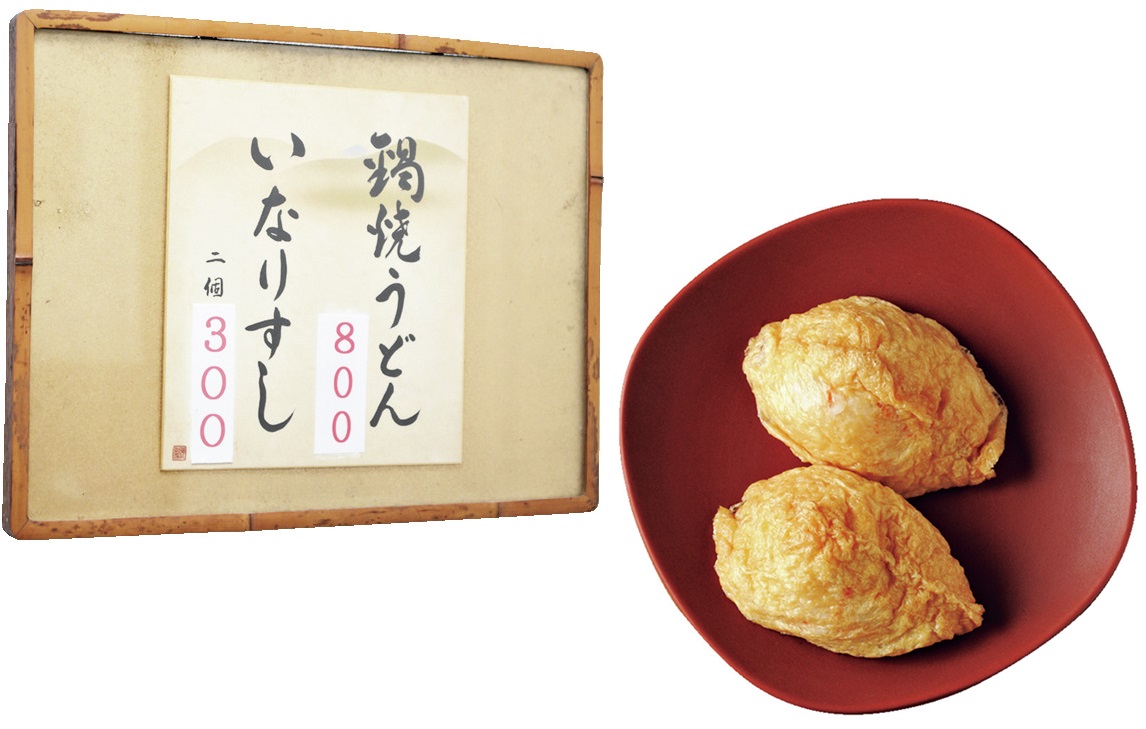
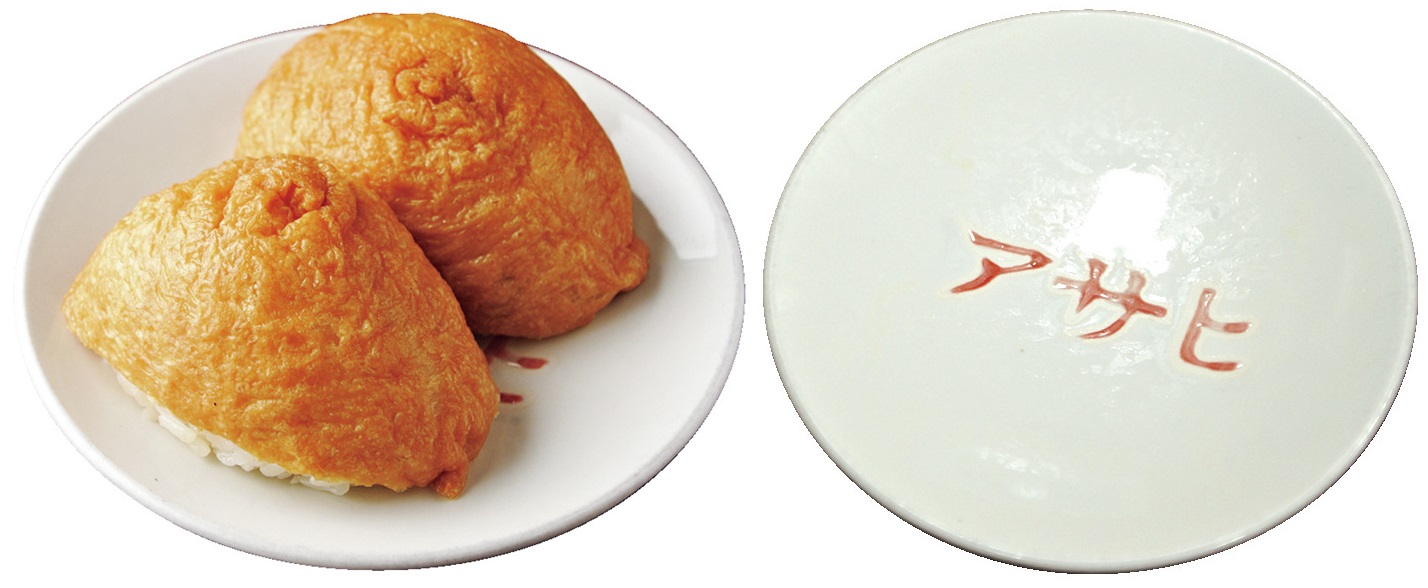
The ingredients inside and the inarizushi (いなりずし) are also designed to harmonise with the taste of the broth at both establishments.
‘Kotori’ subtly layers sweetness by simmering very finely chopped aburaage (油揚げ; deep-fried tofu pouches) and thinly sliced beef with a hint of sweetness, whilst ‘Asahi’ adds complex umami with nerimono (練り物; fish paste products) made through different manufacturing methods such as baking and frying. The technique of drawing deliciousness from ubiquitous ingredients is unique to restaurants that have long specialised solely in nabeyaki udon.
Contrary to their retro and cute appearance, I was overwhelmed by the highly refined culinary senses of both restaurants.
Because the simmering time is short, the seasoning of each ingredient does not mix into the broth, which is another interesting aspect of this nabeyaki udon.
Sensing the distribution map of flavours spreading over the udon—such as the area where the richness of the beef seeps out, or the area where you can taste the sweetness of the chopped fried tofu—is enjoyable, akin to a treasure hunt.
‘Asahi’ has an option with egg, but please try it without egg first!
Please fully enjoy the fragrant aroma of the udon that has absorbed the iriko broth.
Captivated by the Deep Flavour of the Iriko Broth! ‘Kotori’
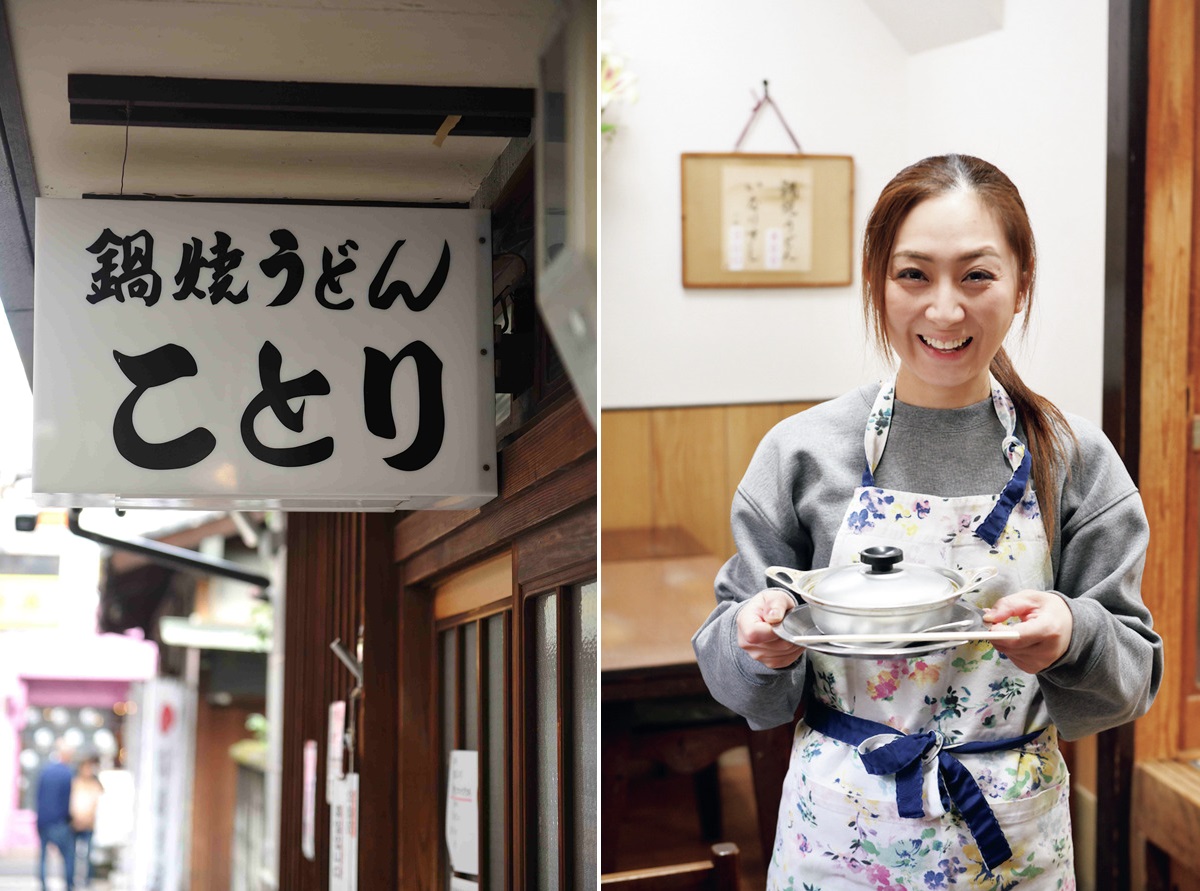
‘Kotori’ restaurant info
Address: 3-7-2 Minatomachi, Matsuyama-shi, Ehime Prefecture
Telephone: 089-921-3003
Opening Hours: 10:00 to 14:00 (Closes when noodles run out)
Closed: Wednesdays (Irregular holidays apply)
Instagram: @nabeyakiudon.kotori
*Payment is cash only. Please check Instagram for the latest information on opening days, etc.
‘Asahi’ with its Richly Sweet and Full-bodied Broth
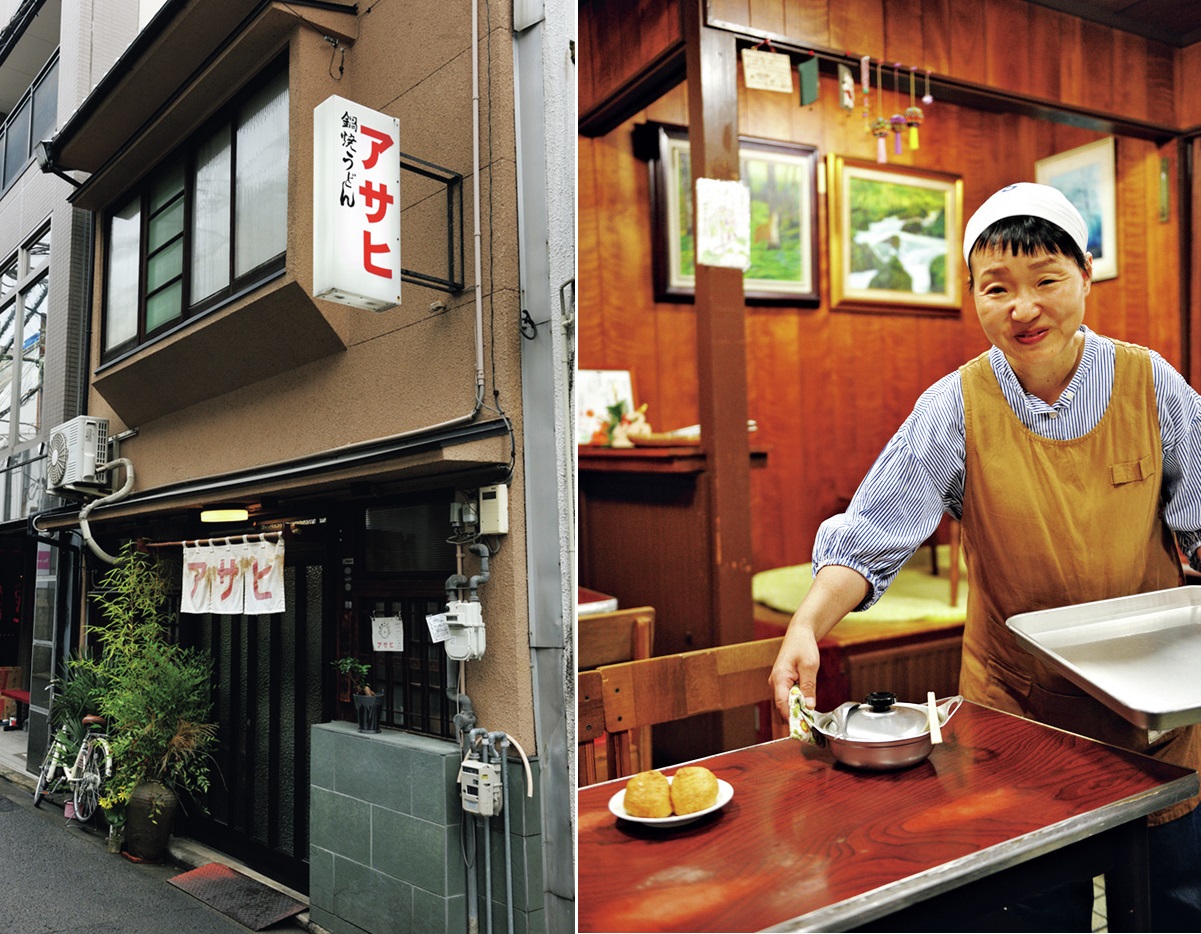
‘Asahi’ restaurant info
Address: 3-10-11 Minatomachi, Matsuyama-shi, Ehime Prefecture
Telephone: 089-921-6470
Opening Hours: 10:00 to 15:30 (Closes when noodles run out)
Closed: Mondays, Tuesdays, and Wednesdays
*Payment is cash only.
*The prices listed include tax.
This article is translated from https://intojapanwaraku.com/travel/296968/