






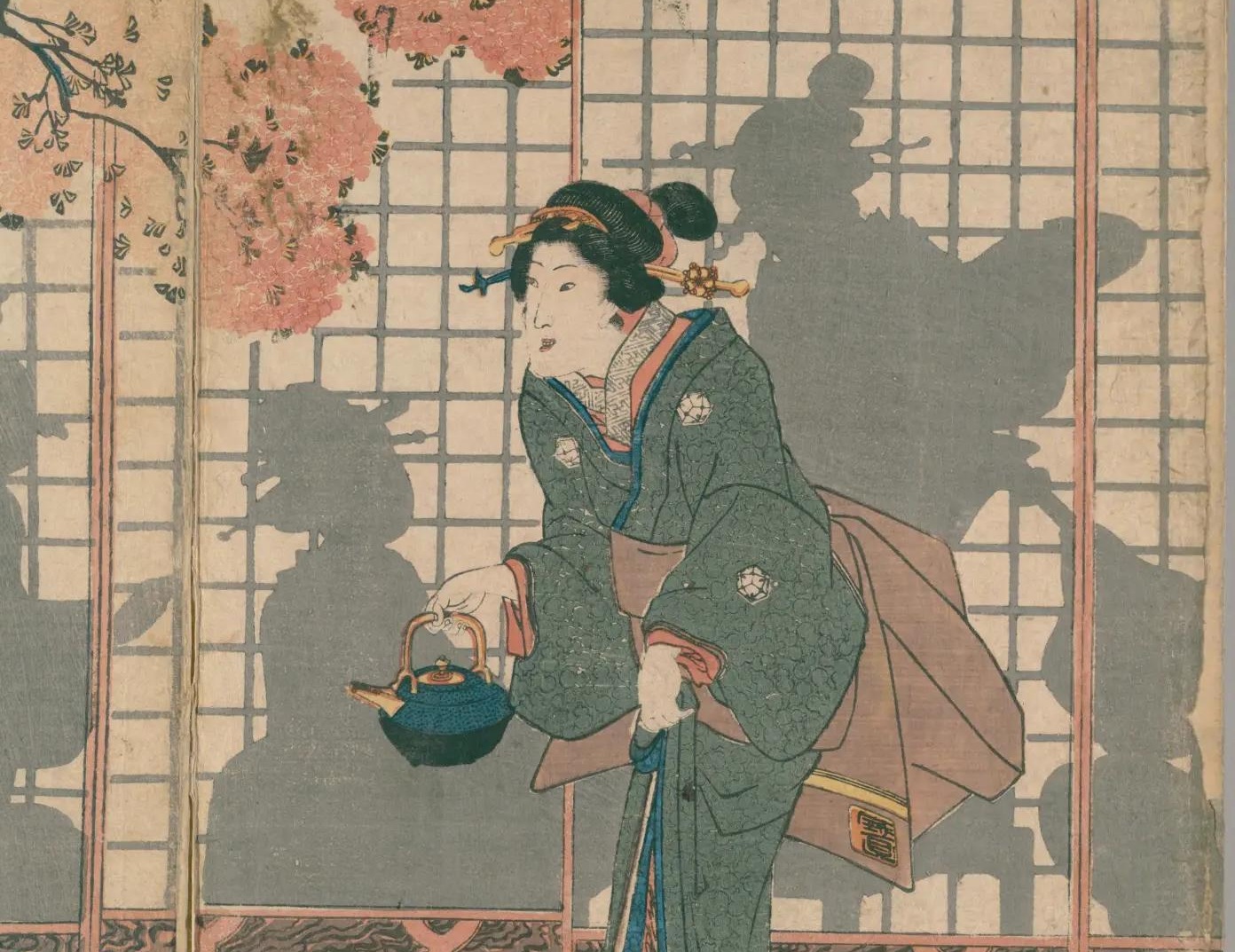
So, what is the history behind the kyusu?
The kyusu originates from vessels used to warm alcohol and hot water in southern China, with its roots apparently dating all the way back to the Tang and Song dynasties. In China, these vessels took the shape of small pots or pans with a spout but no handle.
They were introduced to Japan via Nagasaki during the Edo period. It seems they came to be called kyusu because they were tools used to ‘hurriedly’ (急) prepare and ‘use’ (須/用) hot water. In the early days, they were also referred to as kibisho or kifusu.
Is it’s distinctive handle unique to Japan?
Some kyusu feature a handle positioned at a 90-degree angle to the spout. This unique design is called yokote (横手), and it appears to have been developed for convenience, allowing one to pour tea steadily with one hand without having to twist the wrist too much.
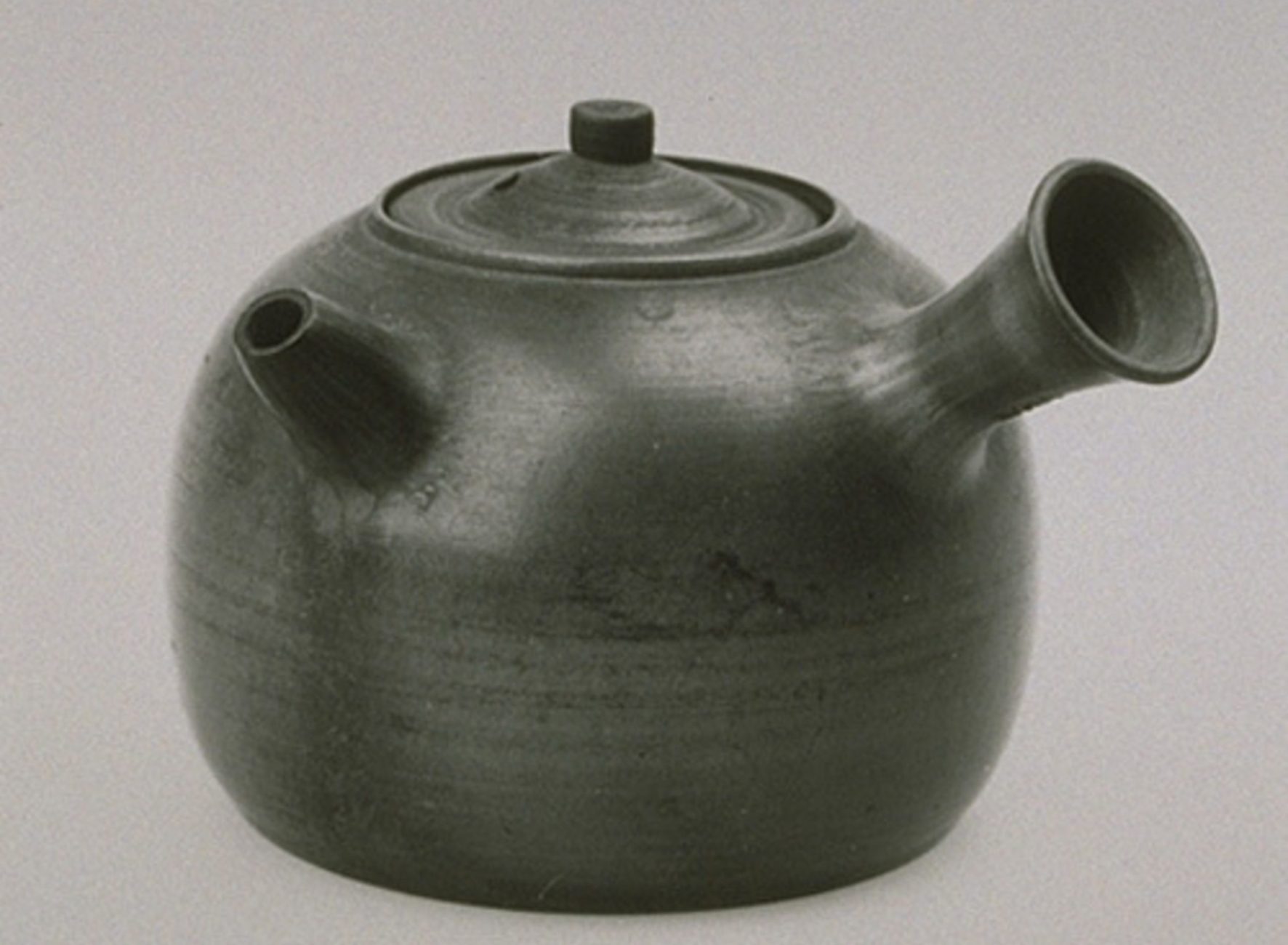
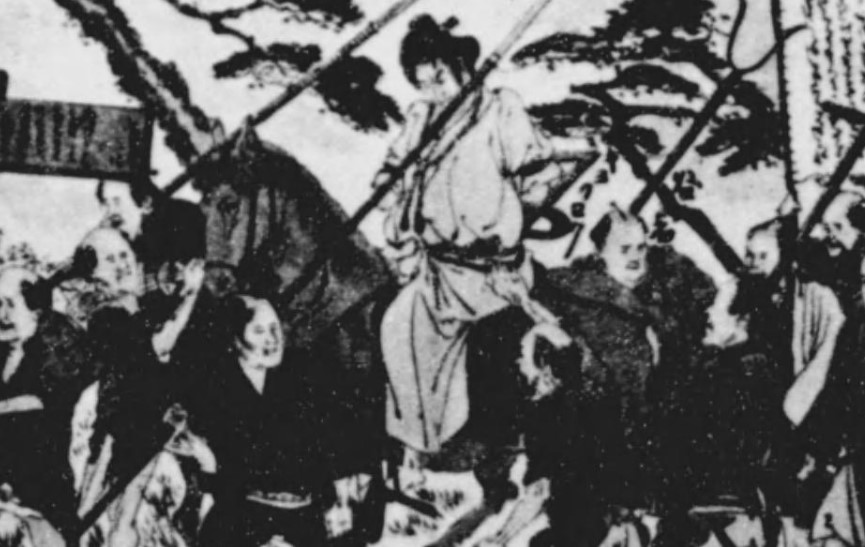
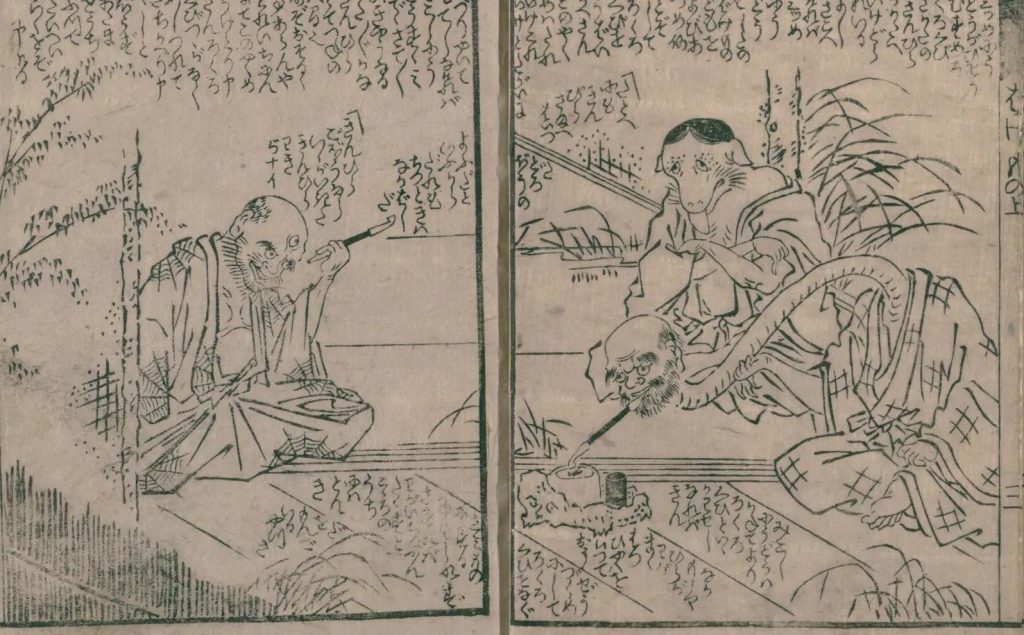
During the late Edo period, alongside the growing popularity of culture, figures such as Baisao (売茶翁)* favoured the yokote handle kyusu for pouring tea, helping it spread across the country. It is widely believed to have taken root because when sitting on tatami mats and pouring tea from a pot placed in front of one’s knees, a side handle is much easier to grip than a back handle.
Where can you buy a kyusu?
Nowadays, there may well be people who don’t have the habit of brewing tea with a kyusu. You place the tea leaves in the pot, pour in hot water, and wait quietly for about a minute. Afterwards, you pour it into a yunomi (湯飲み) teacup to enjoy – it truly gives you a warm, relaxing feeling.
Kyusu can be purchased at everyday household stores, general shops, the ceramics departments of department stores, and specialist tea shops. Furthermore, you might just stumble upon your perfect kyusu whilst visiting a traditional pottery region.
References: ‘Sekai Daihyakka Jiten‘ (世界大百科事典) by Heibonsha (平凡社), ‘Nihon Daihyakka Zensho‘ (日本大百科全書) by Shogakukan (小学館)
Header image: ‘Kodai Edo Eshu‘ (古代江戸繪集) from the National Diet Library (国立国会図書館) Digital Collection.
This article is translated from https://intojapanwaraku.com/craftsmanship/301506/