









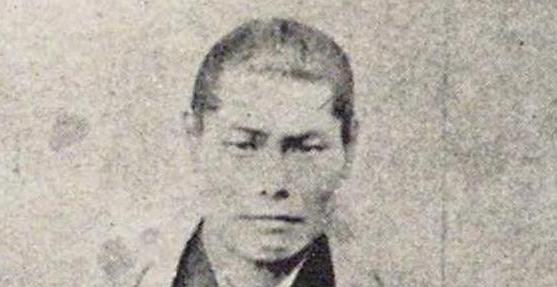
Who Was Isami Kondo? The Life, Death, and the Mystery of the Missing Head of the Shinsengumi Leader

English
全226件、1-18件を表示中
2026.03
21


2026.03
07
So Welcoming Even First-Timers Feel at Home: Visiting Kyoto’s Renowned Antique Shop “Daikichi” with Popular Stylist Chizu 【Handcrafted Kyoto】
We visited four distinct types of antique shops with stylist chizu, a pioneer of interior styling. Discover her unique approach to selecting pieces and don’t miss the spontaneous styling moments that bring these finds to life.
2026.02
28
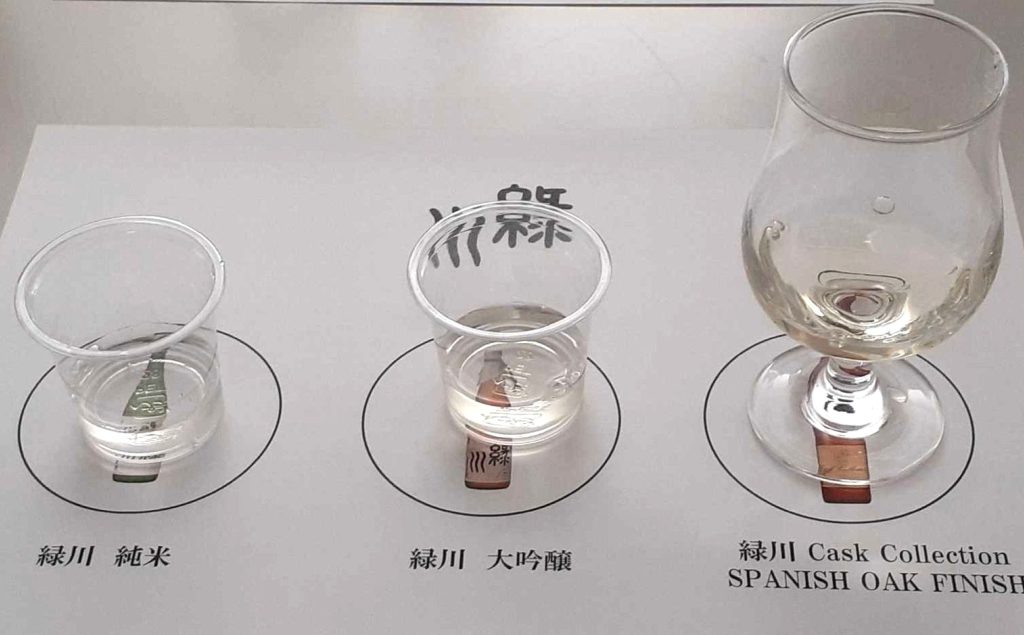
In Search of Clear, ‘Beautiful’ Sake. Midorikawa Sake Brewery【Experiencing the Best of Uonuma City, Niigata Prefecture】
Food is not merely for the preservation of life. It is a pleasure, a healing, a purpose, and a vitality. And at times, it is something that vividly revives memories of distant days. In search of that nostalgic flavour, I headed to Uonuma (魚沼) City, Niigata (新潟) Prefecture.
2026.02
22
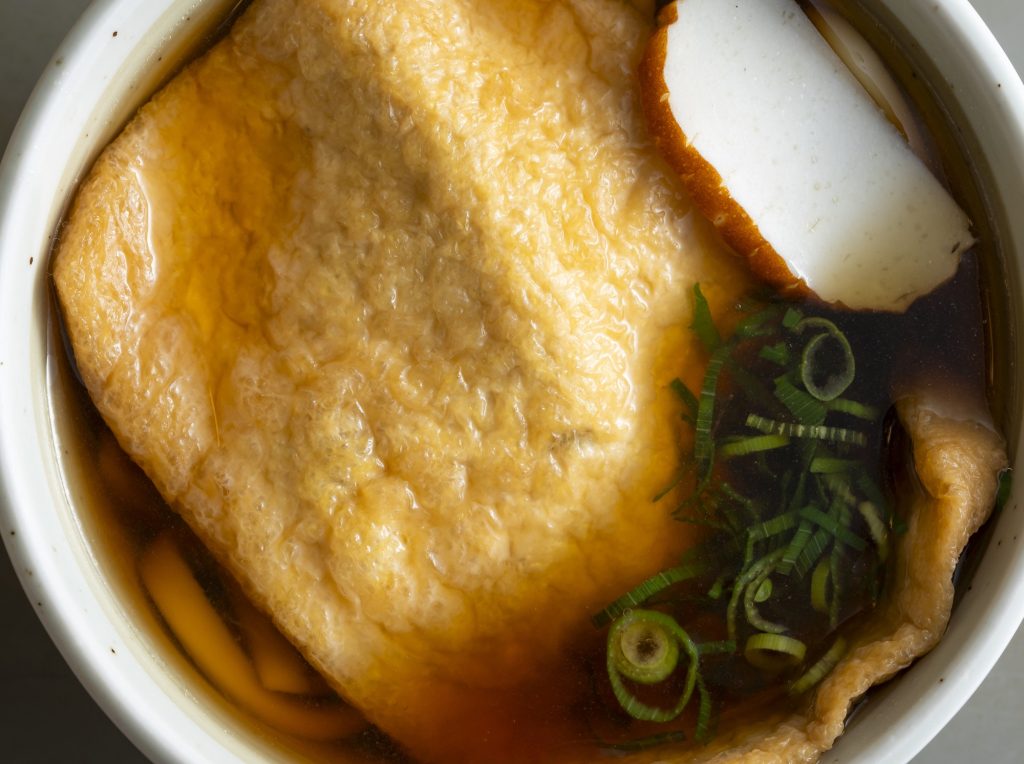
The Birthplace of Kitsune Udon! Osaka’s Usami-tei Matsubaya (うさみ亭マツバヤ) 【Everyone’s Favourite ‘O-age-san’ 3】
Tofu was introduced from China, and the practice of eating abura-age (油揚げ; deep-fried tofu) in Japan began around the Muromachi period. It is said that it first appeared on the dining tables of commoners during the mid-Edo period. With a longer shelf life and higher nutritional value than tofu (豆腐), abura-age remains an essential part of daily side dishes. While there are no specific defining characteristics of Osaka's abura-age, Kitsune Udon (Udon topped with slices of sweet abura-age) was born in this merchant city where the food culture of the common people flourished. The pioneer of this dish, Usami-tei Matsubaya (うさみ亭マツバヤ), still enjoys an impeccable reputation for its flavour today!
2026.02
21
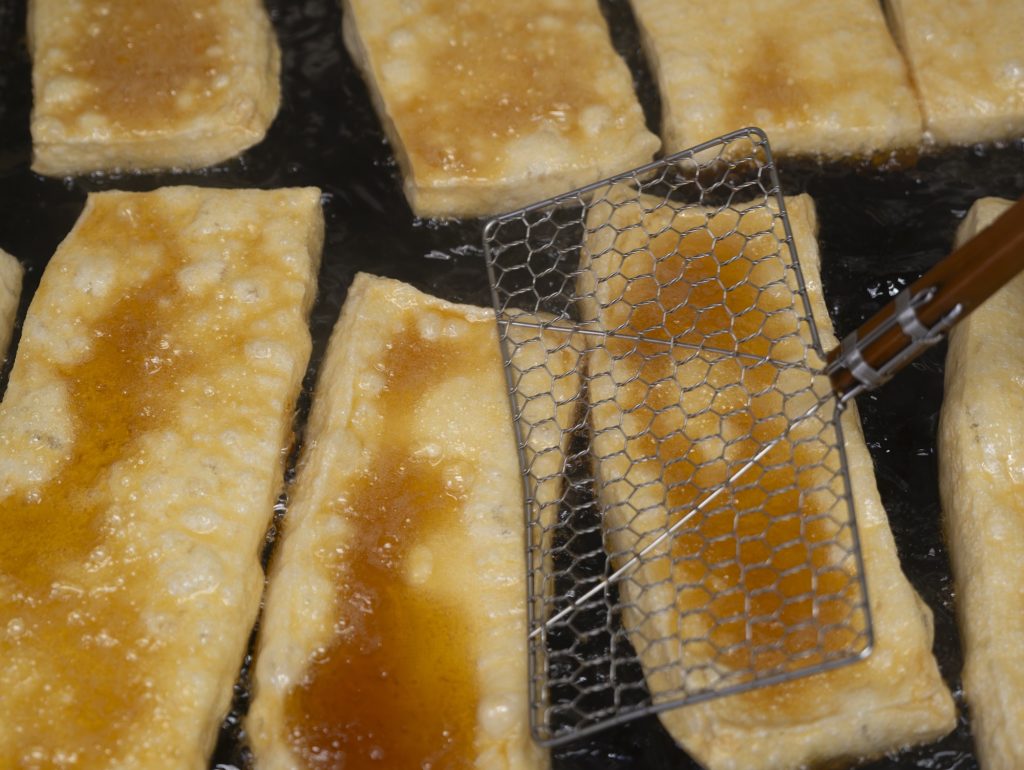
Handmade, Hand-Fried Excellence from the Century-Old Kyoto Tofu Shop: Nanzenji Tofuya Hattori Everyone’s beloved “Oage-san,” Part 6
With a longer shelf life and higher nutritional value than tofu, abura-age (油揚げ; deep-fried tofu) is a common ingredient in Japanese household dishes. When speaking of abura-age in Kyoto, it refers to the thick, large, hand-fried variety that is now famous nationwide. The shop 'Hattori (服部)' stands out as a representative of this craft.
2026.02
15
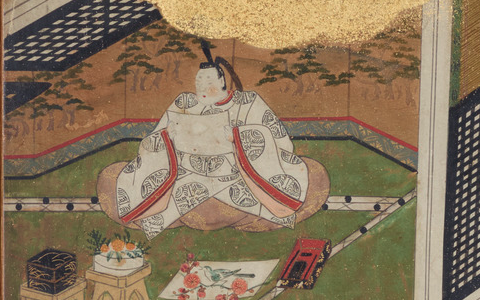
Letters, Too, Were a Form of ‘Adornment’. The Communication of Heian Nobles, Deeper than Today. Sawada Toko ‘Biso no Nippon: The history of dressing up’
Dressing up and adorning oneself with sparkling jewellery. There lies the human desire to be beautiful and to add colour to one's life. In our series 'Biso (美装) no Nippon: The History of dressing up', writer Sawada Toko traces the history of various ornaments and jewellery, and explores the mysteries behind the act of dressing up.

2026.02
14
Horses Depicted with Ink Wash Painting|The 2026 Chinese Zodiac Sign: The Horse and the Suibokuga Technique of “Sho-hitsu”
Unlike oil painting, lines cannot be erased by layering pigment. In Suibokuga (水墨画, ink wash painting), the fleeting moment of the brushstroke is permanently etched into the work. In this series, we present footage that captures the hands of ink wash artist Samejima Tamayo (鮫島圭代), reminiscent of a live performance. Observe the ‘expression of the ink’—born from the interplay of intentionality and nature—through her decisive, swift brushwork and the gradations of bleeding and blurring.
2026.02
08
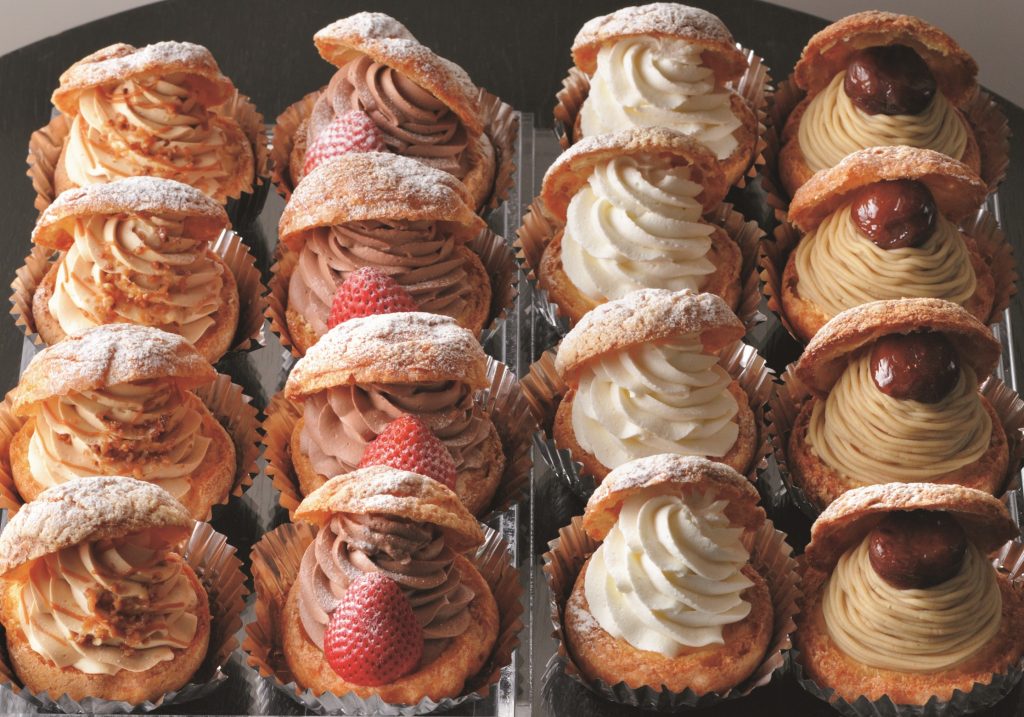
Perfect for Gifting and Guaranteed to brighten any occasion – picture perfect cream puffs from Ginza Ohmiya pastry shop
In the district of Ginza, home to many prestigious shops for gift-giving, we seek a flavour that appeals to Waraku (和樂) readers who love fine craftsmanship. Long loved by locals, day and night, we introduce Ginza Omiya Pastry Shop as our top choice.
2026.02
01
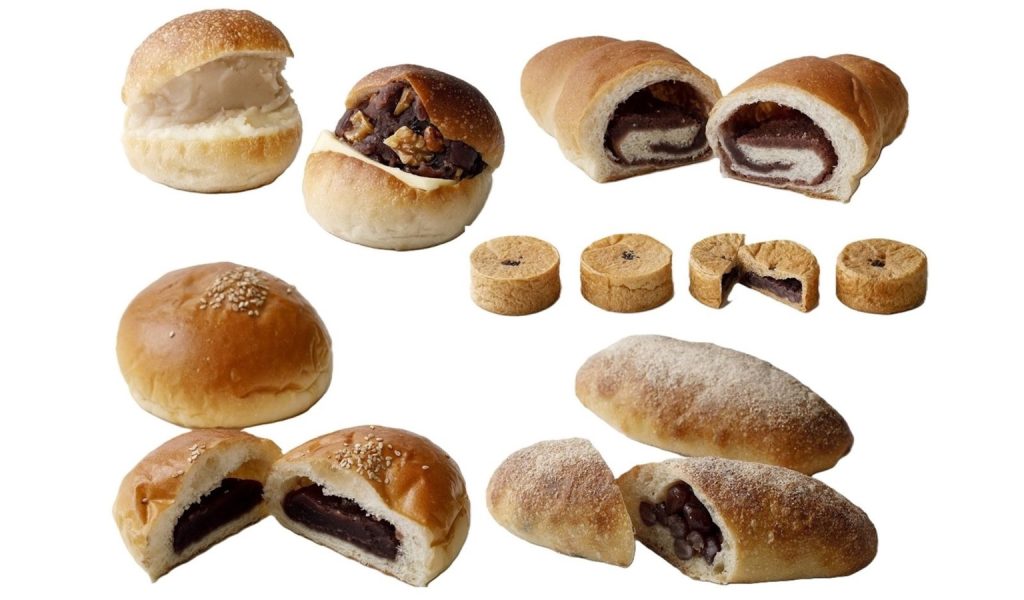
Inside Kyoto’s Red Bean Bun Revival: Seven Must-Try Red Bean Buns from Old Favorites to New Names
Kyoto's bread consumption is among the highest in Japan. It is no wonder that there are so many popular coffee shops known for their bakeries and sandwiches. From shops famous for traditional sozai (savoury) and kashipan (sweet breads) to artisan establishments with an obsession for flour and innovative hybrid styles... ‘Bread as a Kyoto souvenir’ is a brilliant choice. In recent years, anpan (sweet bean paste buns) has seen a mini-boom nationwide. We have found some truly Kyoto-esque anpan!
2026.01
25
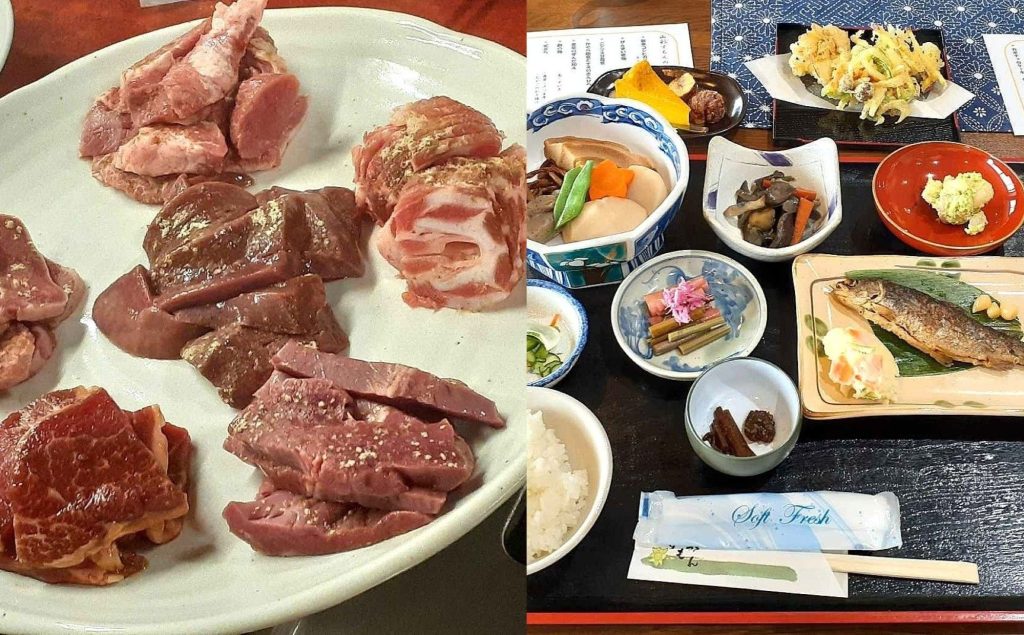
The Soul Food of Uonuma, Niigata: Local eats recommended by Locals
Many people want to try local specialities when they travel. However, it's also true that deciding where to go can be difficult. Here are two highly recommended restaurants in Uonuma City (魚沼市), Niigata Prefecture (新潟県), vouched for by local residents, that you should definitely visit!
2026.01
24
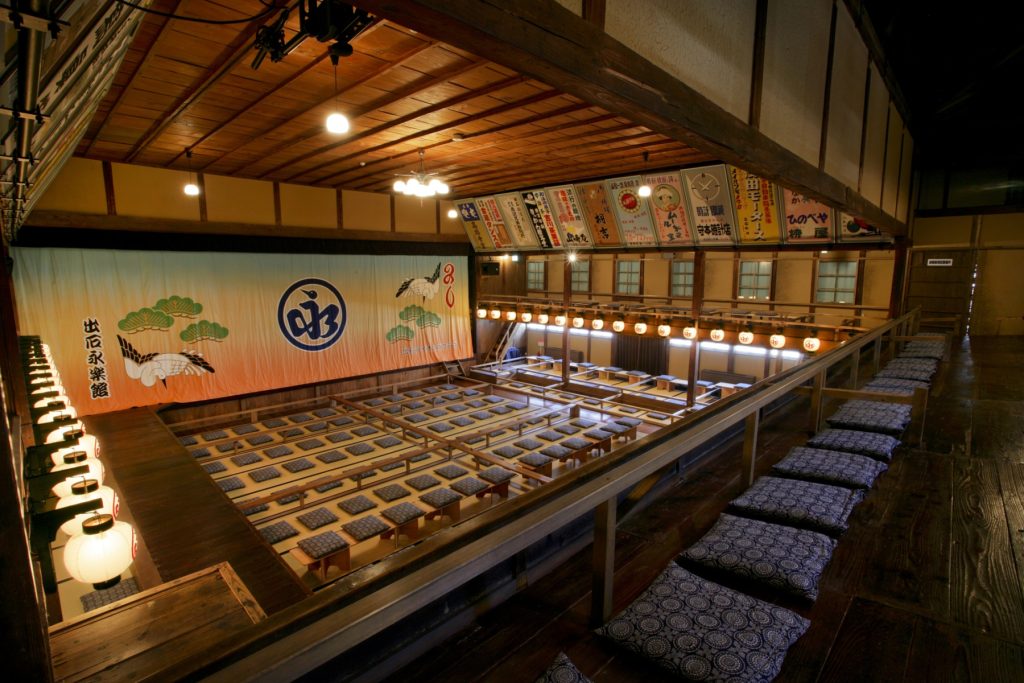
In the Spotlight as a Filming Location for the Movie Kokuho: Exploring the Charm of Toyooka City’s Eirakukan
The film Kokuho (National Treasure) has achieved an exceptionally long and successful run, reportedly leading to a continuous stream of repeat viewers. I myself have seen it twice, and after each viewing, I feel an addictive urge to watch it again. The scenes where the lead actors, Yoshizawa Ryo (吉沢亮) and Yokohama Ryusei (横浜流星), perform Kabuki (歌舞伎) in the roles of female characters (onnagata, 女方) were particularly breathtaking. Visiting the locations where these plays-within-the-movie were filmed is now a growing trend. I decided to visit the Izushi Eirakukan Theatre (出石永楽館) in Izushi Town, Toyooka (豊岡) City, Hyogo (兵庫) Prefecture, whose popularity has spread rapidly through word-of-mouth.
2026.01
18
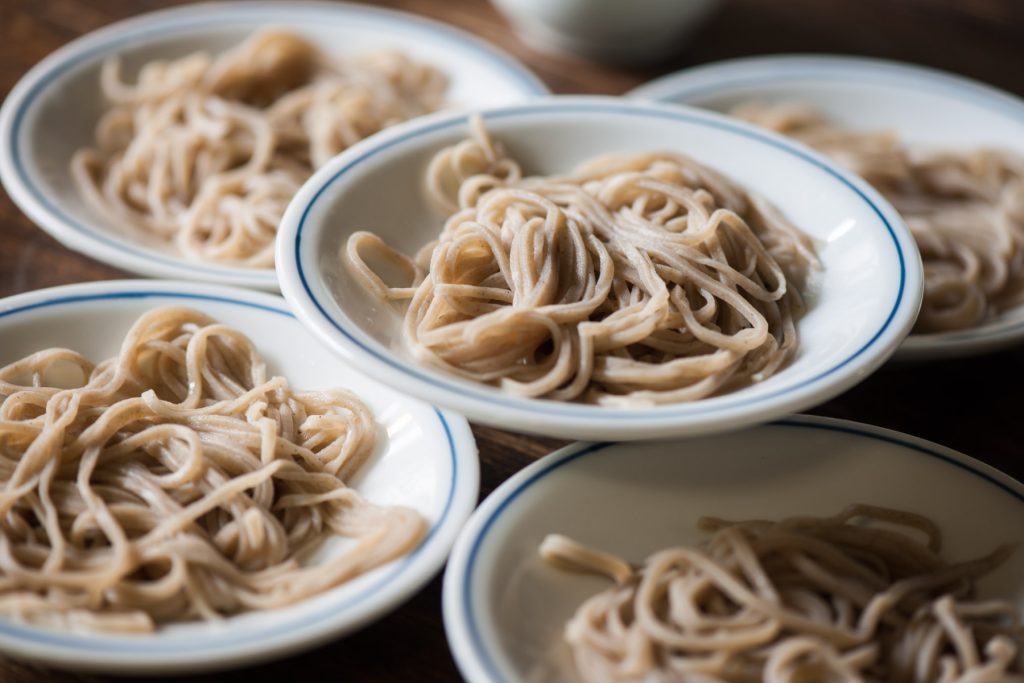
What makes ‘Izushi Sara Soba’ so delicious? A Taste of Toyooka City’s Soba District
While there are many famous soba (buckwheat noodle) restaurants across Japan, Izushi (出石) Town in Toyooka (豊岡) City, Hyogo (兵庫) Prefecture, is home to a unique area where approximately 40 soba establishments are clustered within walking distance. A taxi ride from JR Toyooka Station takes about 20 minutes to reach the location. According to the taxi driver, the soba is characteristically served on five small individual plates. Encouraged by the local consensus, "When in Izushi, you simply must try the Sara Soba (皿そば)," I set off with a map in hand to find an Izushi Sara Soba restaurant!
人気記事ランキング






最新号紹介

※『和樂』2026年4・5月号 美術展カレンダーに誤りがありました。P.224で紹介しました、福岡県・久留米市美術館で開催中の「美の新地平ー石橋財団アーティゾン美術館のいま」の入館料は、正しくは一般1,500円となります。お詫びして訂正いたします。
※和樂本誌ならびに和樂webに関するお問い合わせはこちら。
※小学館が雑誌『和樂』およびWEBサイト『和樂web』にて運営しているInstagramの公式アカウントは「@warakumagazine」のみになります。
和樂webのロゴや名称、公式アカウントの投稿を無断使用しプレゼント企画などを行っている類似アカウントがございますが、弊社とは一切関係ないのでご注意ください。
類似アカウントから不審なDM(プレゼント当選告知)などを受け取った際は、記載されたURLにはアクセスせずDM自体を削除していただくようお願いいたします。
また被害防止のため、同アカウントのブロックをお願いいたします。
関連メディア